Nevada Amendment to Lease or Rental Agreement
Understanding this form
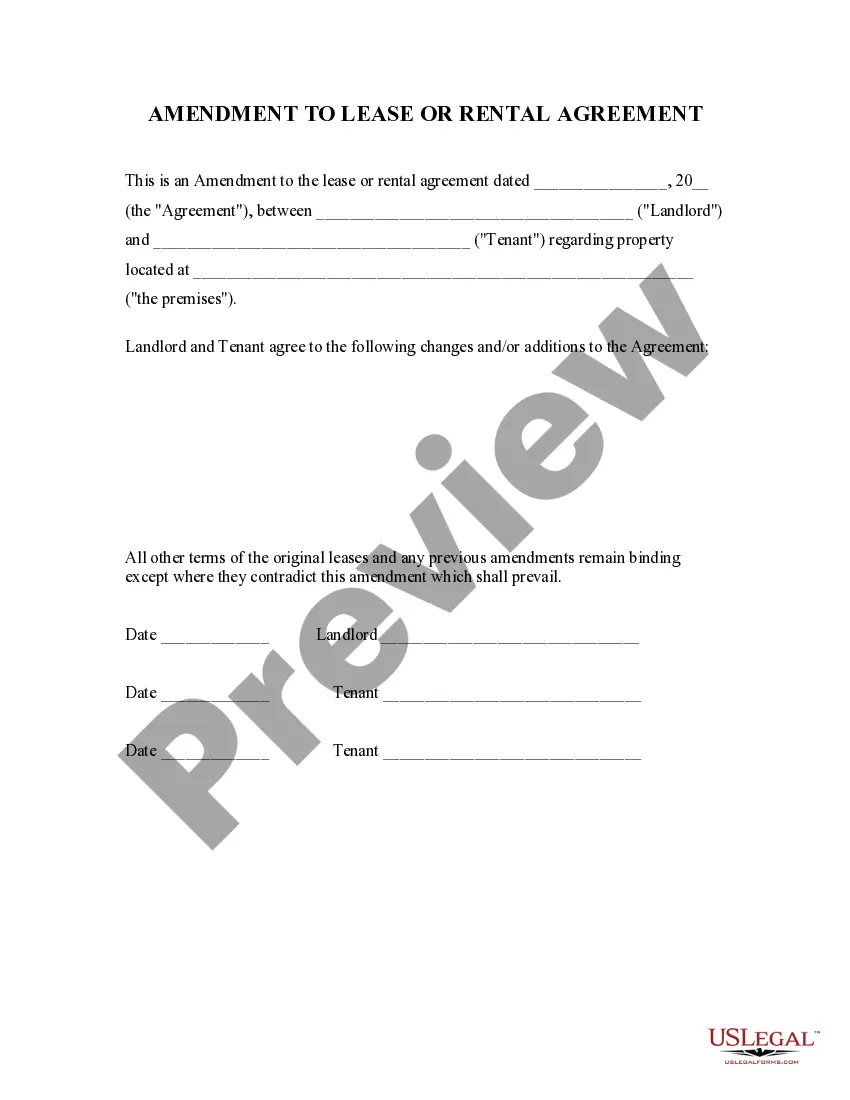
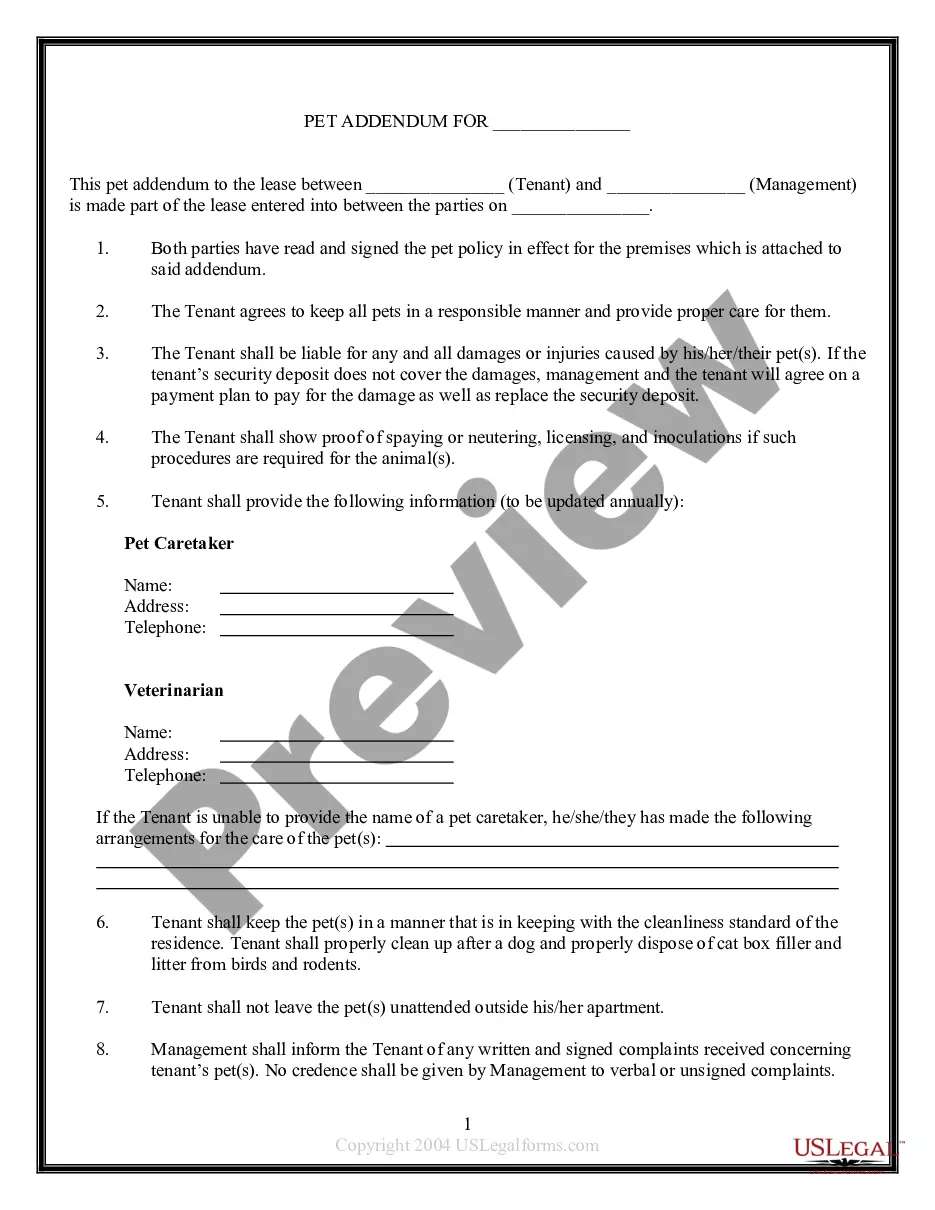
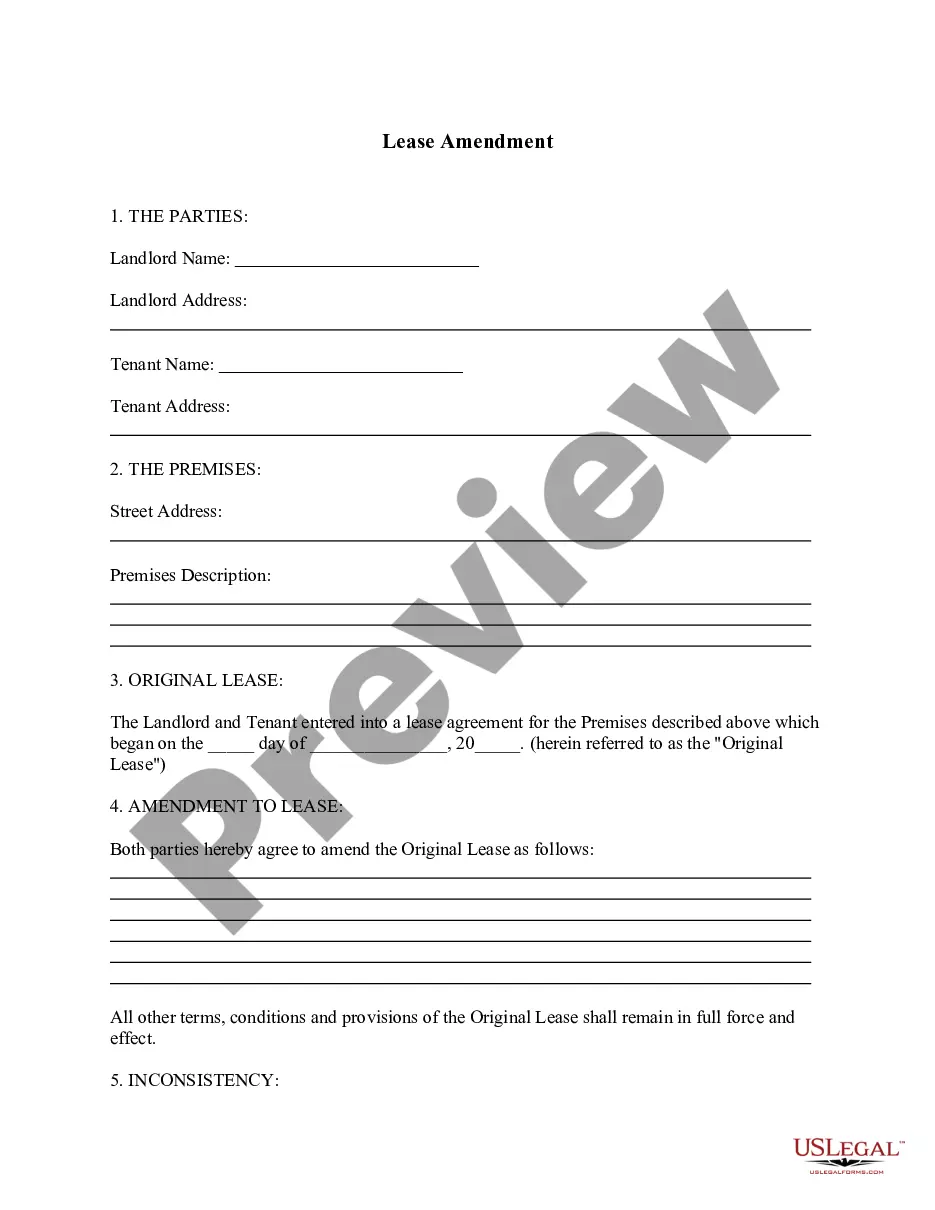
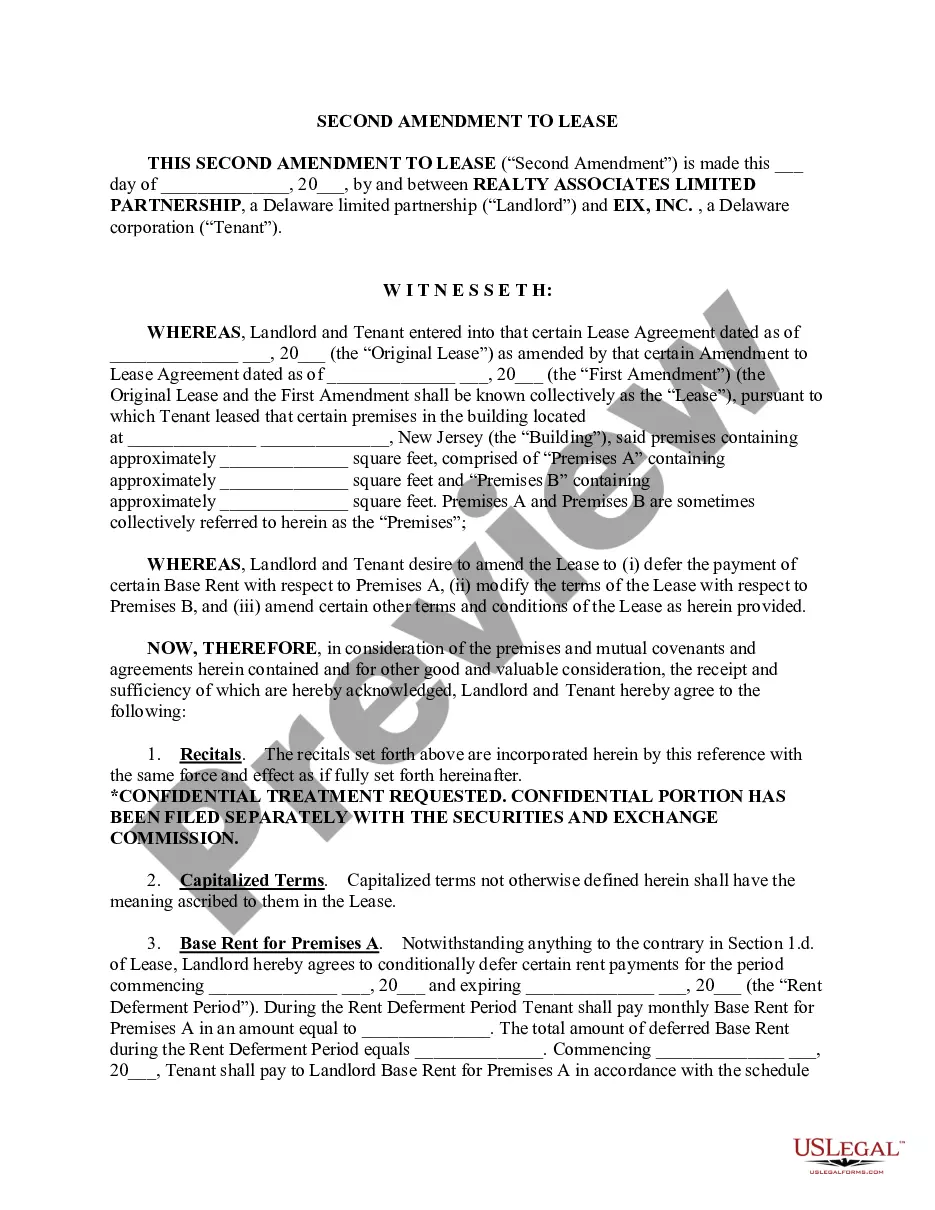
The Amendment to Lease or Rental Agreement is a legal document used to formalize changes to an existing rental agreement. This form records any agreed-upon modifications to the terms set out in the original lease, ensuring that both the landlord and tenant recognize and accept the new terms. Unlike verbal agreements, this written modification provides protection against disputes that may arise later. It's a crucial step in maintaining clarity and legality in landlord-tenant relationships.
Main sections of this form
- Date of the original agreement
- Names of the landlord and tenant
- Description of the property
- Details of the amendments being made
- Signatures of both parties
Common use cases
This form is needed in situations where changes to the lease agreement are necessary, such as modifying the rental amount, adjusting lease duration, or specifying new rules regarding property maintenance. It is also useful when the tenant needs to bring in a roommate or when the landlord decides to alter terms related to pet policies or repairs. Having these changes documented helps prevent misunderstandings and provides a clear reference for both parties.
Who needs this form
- Landlords seeking to adjust the terms of an existing rental agreement
- Tenants who want to negotiate changes to their lease
- Property managers handling lease modifications on behalf of landlords
Steps to complete this form
- Identify the original lease date and enter it in the specified field.
- Clearly list the names of the landlord and tenant as they appear in the original agreement.
- Specify the property address to which the lease amendment applies.
- Detail the changes being agreed upon in clear, concise language.
- Both parties must sign and date the document to validate the amendment.
Notarization guidance
This form does not typically require notarization unless specified by local law. However, having a document notarized can add an additional layer of verification and may be necessary in certain jurisdictions. If your situation requires it, you can use US Legal Formsâ integrated online notarization service for added convenience.
Get your form ready online
Our built-in tools help you complete, sign, share, and store your documents in one place.
Make edits, fill in missing information, and update formatting in US Legal Forms—just like you would in MS Word.
Download a copy, print it, send it by email, or mail it via USPS—whatever works best for your next step.
Sign and collect signatures with our SignNow integration. Send to multiple recipients, set reminders, and more. Go Premium to unlock E-Sign.
If this form requires notarization, complete it online through a secure video call—no need to meet a notary in person or wait for an appointment.
We protect your documents and personal data by following strict security and privacy standards.
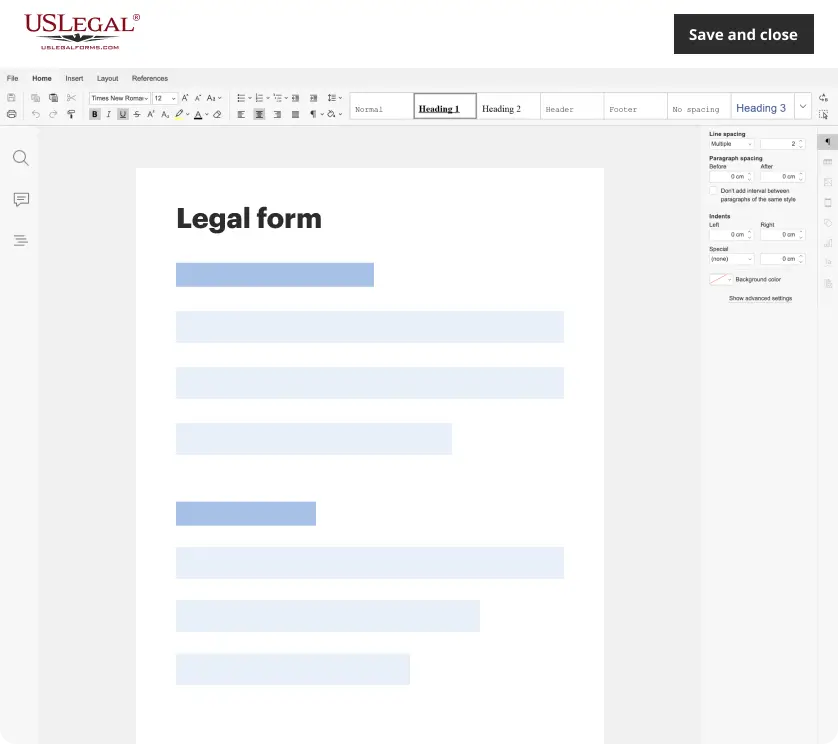
Make edits, fill in missing information, and update formatting in US Legal Forms—just like you would in MS Word.
Download a copy, print it, send it by email, or mail it via USPS—whatever works best for your next step.
Sign and collect signatures with our SignNow integration. Send to multiple recipients, set reminders, and more. Go Premium to unlock E-Sign.
If this form requires notarization, complete it online through a secure video call—no need to meet a notary in person or wait for an appointment.
We protect your documents and personal data by following strict security and privacy standards.
Common mistakes
- Failing to include all partiesâ signatures.
- Not specifying the details of the amendments clearly.
- Overlooking the date of the original lease.
- Using vague language that could lead to misunderstandings.
Why complete this form online
- Immediate access to a legally drafted document tailored to your needs.
- Convenience of completing the form at your own pace.
- Editable fields allow for customization to reflect specific agreement terms.
- Reliable templates ensure compliance with legal standards.
What to keep in mind
- The Amendment to Lease or Rental Agreement is essential for documenting changes to an existing rental contract.
- Both landlord and tenant must agree to and sign the amendment.
- Using the form helps prevent future disputes by providing clear, written terms.
- Consider local laws regarding amendments, as requirements may vary.
Looking for another form?
Form popularity
FAQ
When creating your Lease Amendment, you'll want to include information such as: the names of the landlord(s) and the tenant(s); the effective date of the original lease; the date of the lease amendment; the address and nature of the leased property; whether the original lease was recorded with the county; which
The lease becomes legally binding when all parties have signed: the landlord and all tenants living in the unit who are 18 and older. If you're worried about situations where a lease needs to end early, learn about breaking a lease and grounds for eviction.
Collect each party's information. Include specifics about your property. Consider all of the property's utilities and services. Know the terms of your lease. Set the monthly rent amount and due date. Calculate any additional fees. Determine a payment method. Consider your rights and obligations.
A lease is automatically void when it is against the law, such as a lease for an illegal purpose. In other circumstances, like fraud or duress, a lease can be declared void at the request of one party but not the other.
The Lease Must be in Writing It does not matter if the lease is handwritten or typed.
If you are a leaseholder, you cannot change the lease terms without agreeing such change with your landlord. The reason for this is that as the lease is a contract between two parties, the leaseholder and the landlord, both parties must agree to change (referred to also as variation) of the terms of the lease.
The Lease Must be in Writing It does not matter if the lease is handwritten or typed. If the lease is for more than one year, it must be in written form and contain the following terms.
Changing the lease You can negotiate certain changes to the lease, sometimes known as 'varying the lease'. Speak to your landlord first. If you can't agree, you may be able to apply to a tribunal - contact Leasehold Advisory Service for advice.