Nevada Notice of Intent to Vacate at End of Specified Lease Term from Tenant to Landlord - Nonresidential
About this form
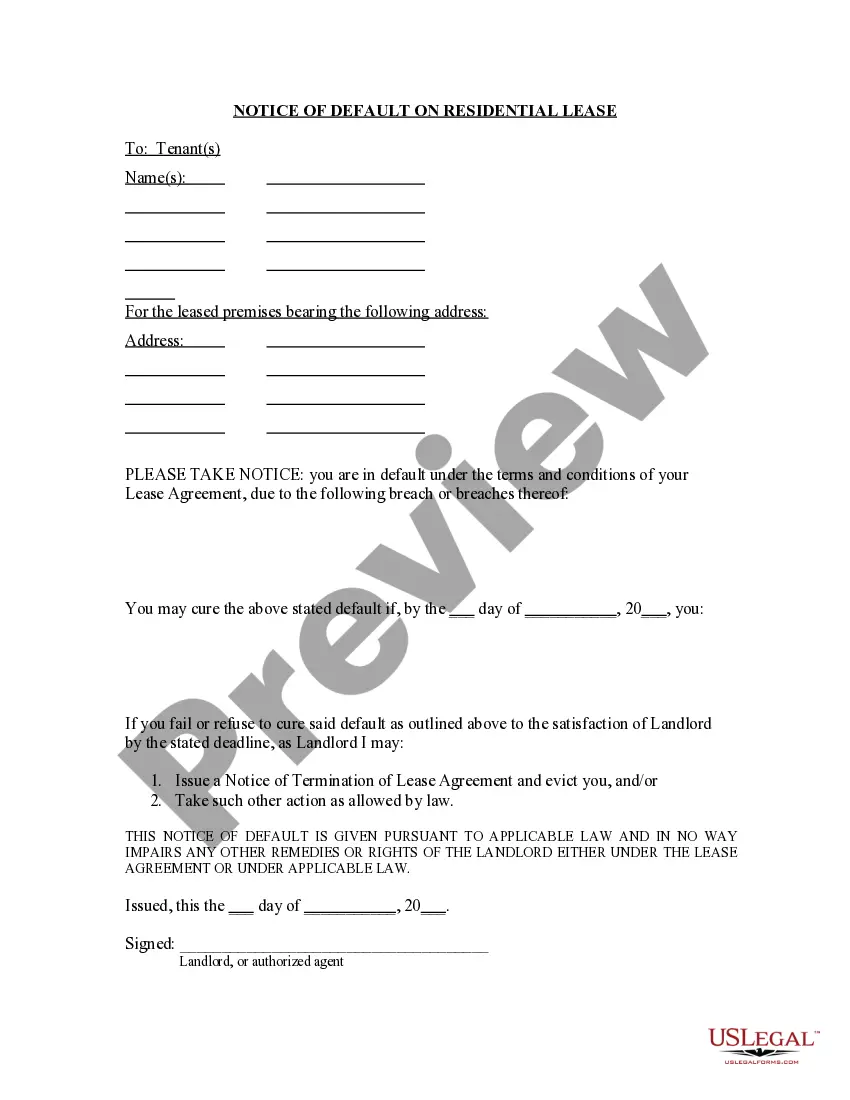
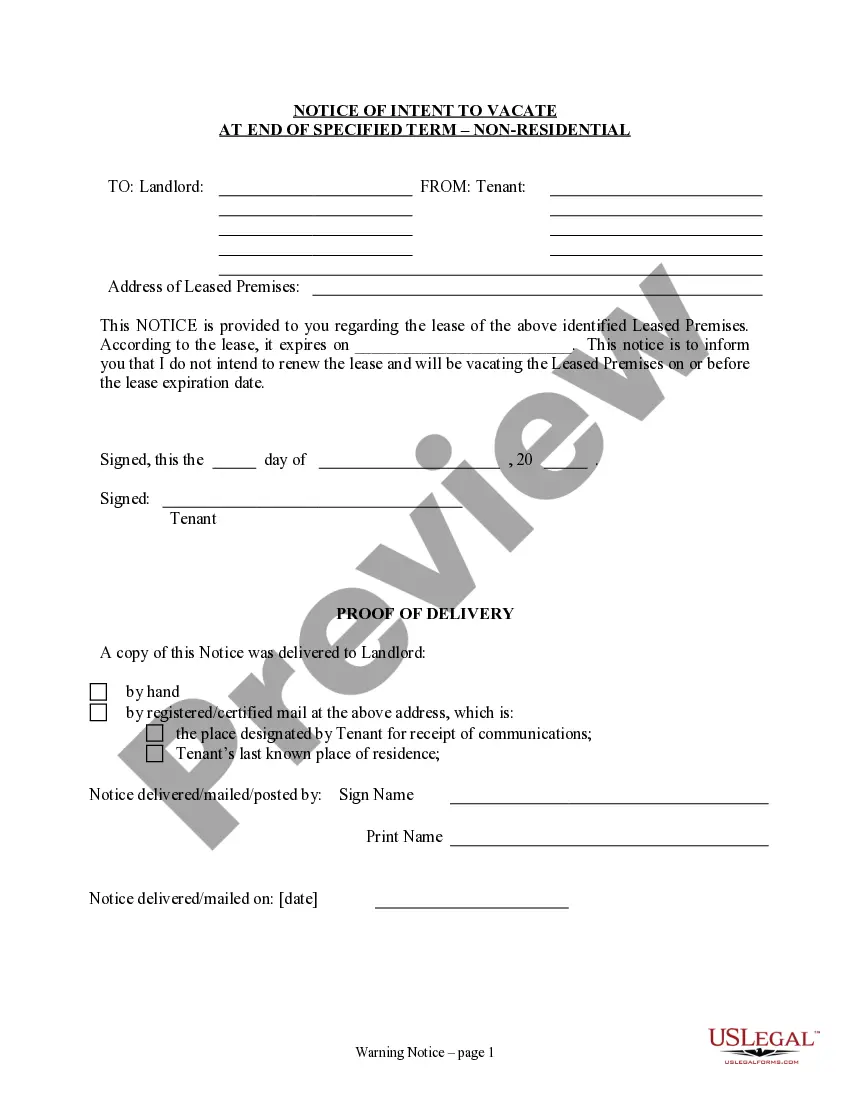
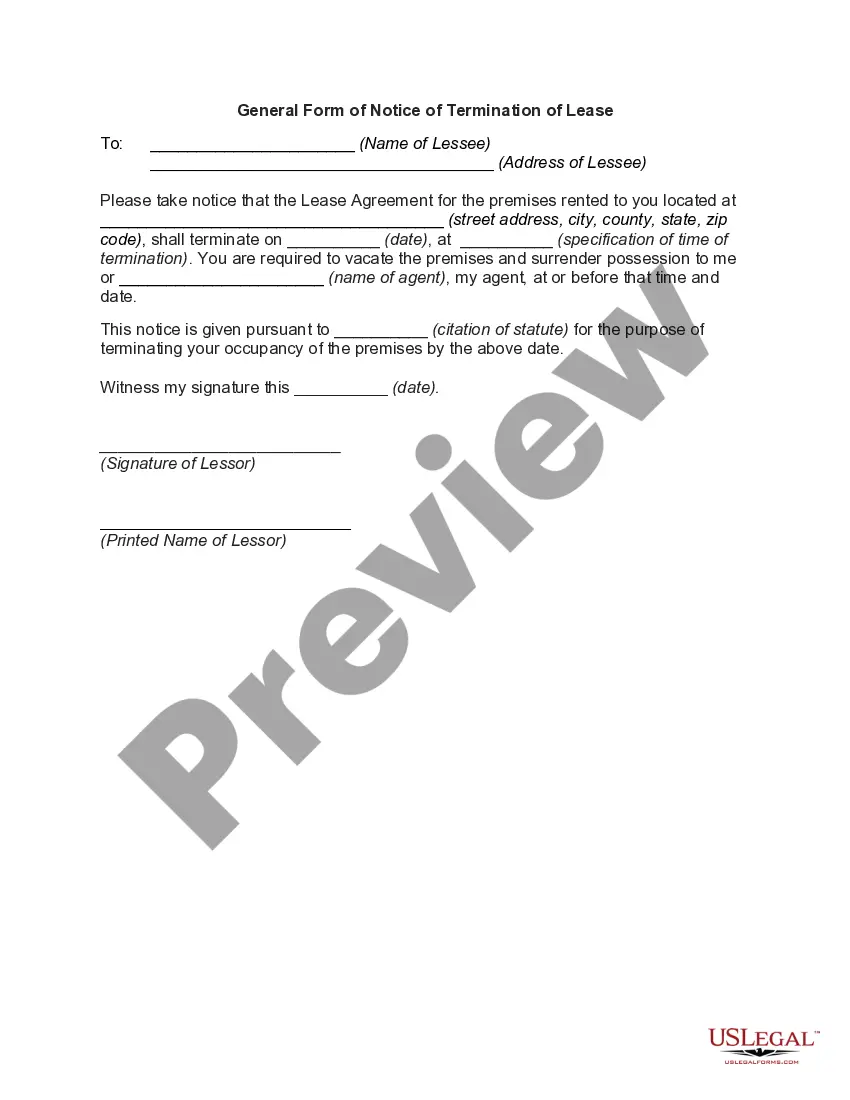
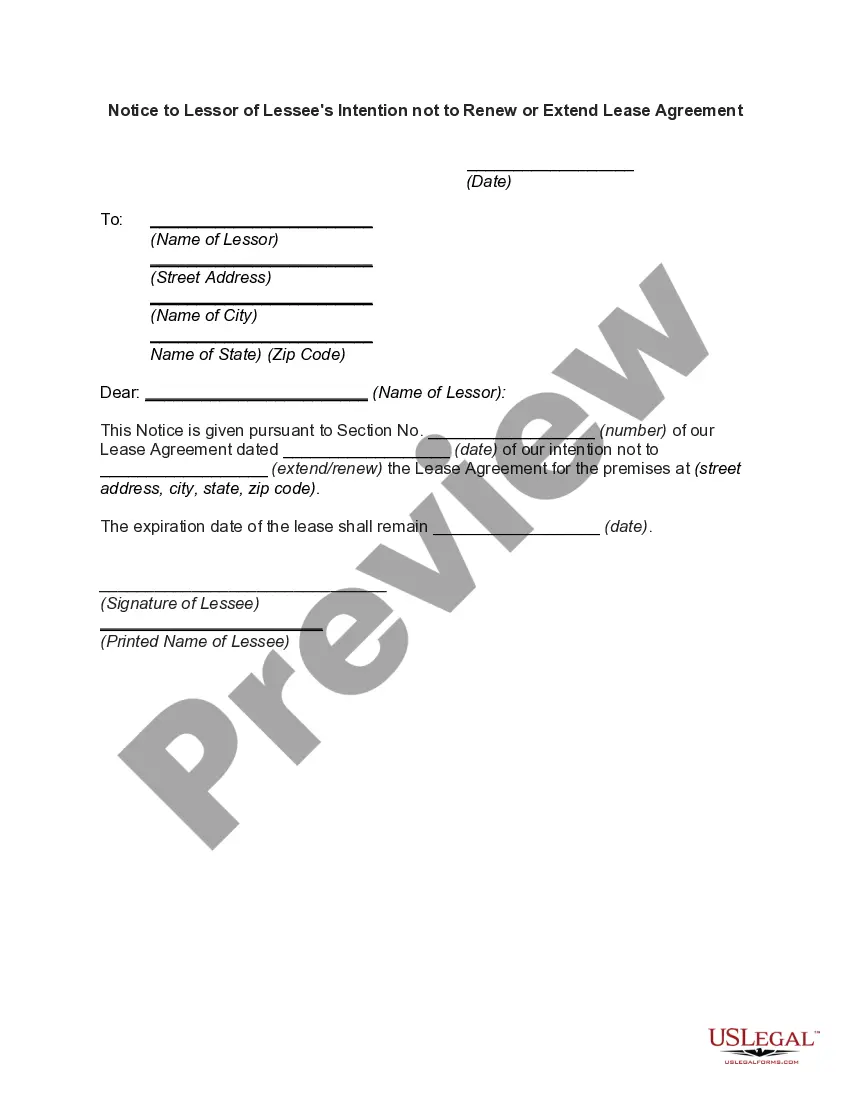
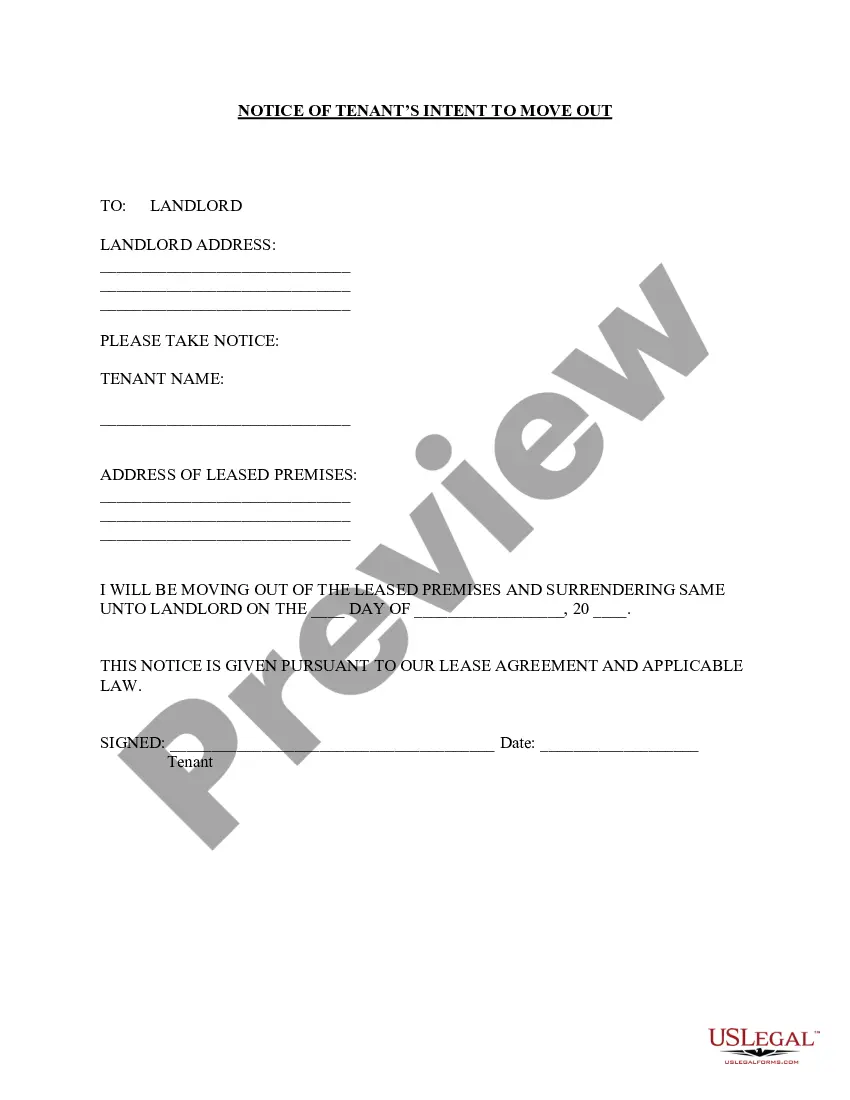
The Notice of Intent to Vacate at End of Specified Lease Term from Tenant to Landlord - Nonresidential is a formal document that a tenant uses to notify their landlord of their intention to vacate the premises at the end of a specified lease term. This document serves as a clear communication tool, eliminating any ambiguity regarding lease renewal intentions, and it is particularly important in non-residential contexts where lease agreements might be commonly renewed or extended.
What’s included in this form
- Identification of the tenant and landlord
- Address of the leased premises
- Specified expiration date of the lease
- Declaration of non-renewal of the lease
- Signatures of the tenant
- Proof of delivery of the notice

When this form is needed
This form is necessary when a tenant knows they do not wish to renew their lease upon its expiration. It is typically used in situations where the lease is set to end on a specific date, and the tenant wants to ensure that their intention to vacate is formally documented and communicated to the landlord, thus preventing any disputes about lease renewal expectations.
Who can use this document
- Tenants in non-residential leases seeking to terminate their lease at the end of the specified term
- Business owners or lessees who want to formalize their intent to vacate
- Individuals who require documentation for legal or personal records regarding their rental status
Completing this form step by step
- Identify the parties: Enter the names and addresses of both the tenant and landlord.
- Specify the property: Clearly state the address of the leased premises.
- Enter the lease expiration date: Indicate the date when the lease term ends.
- Declare intent: Confirm that the tenant does not intend to renew the lease.
- Sign and date: Ensure the tenant signs the notice and adds the date of signing.
- Provide proof of delivery: Indicate how the notice was delivered to the landlord.
Does this document require notarization?
This form does not typically require notarization unless specified by local law. It is advisable to check local regulations to ensure compliance with any requirements regarding notarization.
Get your form ready online
Our built-in tools help you complete, sign, share, and store your documents in one place.
Make edits, fill in missing information, and update formatting in US Legal Forms—just like you would in MS Word.
Download a copy, print it, send it by email, or mail it via USPS—whatever works best for your next step.
Sign and collect signatures with our SignNow integration. Send to multiple recipients, set reminders, and more. Go Premium to unlock E-Sign.
If this form requires notarization, complete it online through a secure video call—no need to meet a notary in person or wait for an appointment.
We protect your documents and personal data by following strict security and privacy standards.

Make edits, fill in missing information, and update formatting in US Legal Forms—just like you would in MS Word.

Download a copy, print it, send it by email, or mail it via USPS—whatever works best for your next step.

Sign and collect signatures with our SignNow integration. Send to multiple recipients, set reminders, and more. Go Premium to unlock E-Sign.

If this form requires notarization, complete it online through a secure video call—no need to meet a notary in person or wait for an appointment.

We protect your documents and personal data by following strict security and privacy standards.
Typical mistakes to avoid
- Failing to provide the correct expiration date of the lease.
- Not delivering the notice in a manner that provides proof of its delivery.
- Neglecting to sign and date the notice before submission.
- Using the form too late, missing the deadline for notice before lease expiration.
Benefits of completing this form online
- Convenience: Easily accessible for download at any time.
- Editability: Customizable to suit specific lease terms and personal circumstances.
- Reliability: Drafted by licensed attorneys to meet legal standards.
Looking for another form?
Form popularity
FAQ
In Colorado, evictions are sometimes referred to as forcible entry & detainer (FED). Before you can file for eviction, you must generally provide 10 days' notice (increased from 3 days prior) for tenants to correct a deficiency or leave the property, except in certain circumstances.
A no-cause eviction is when a tenant hasn't done anything wrong and the landlord does not want to renew a lease. A landlord cannot use a no-cause eviction before a lease is up. Currently, property owners have to give tenants a 30-days notice for normal renters.
No Cause Notices Under Nevada law, NRS 40.251, the landlord can serve a No Cause Eviction Notice after your lease has expired. This Notice does not have to provide you with any reason for the eviction. If you rent by the week, the landlord must serve a 7 day notice.
Nevada Revised Statutes require a seven-day notice to the tenant, instructing the tenant to either pay the rent or "quit" (leave) the rental property. To evict a tenant for nonpayment of rent, the landlord must "serve" (deliver) a Seven-Day Notice to Pay Rent or Quit to the tenant.
The date you're submitting your notice. The date you're moving. Information on your current home the address and the landlord's name. A statement declaring that you intend to leave the home. A straightforward statement that you're providing this letter, 30 days out, per your lease agreement.
I am writing to inform you I will be vacating my rental unit on date you intend to vacate. This letter meets the 30-day notice requirement outlined in my lease agreement. I will return my keys to property manager office or other address on date you intend to vacate.
State law regulates several rent-related issues, including late and bounced-check fees, the amount of notice (at least 45 days in Nevada) landlords must give tenants to raise the rent, and how much time (five days in Nevada) a tenant has to pay overdue rent or move before a landlord can file for eviction.