New Mexico Fiduciary Deed for use by Executors, Trustees, Trustors, Administrators and other Fiduciaries
About this form
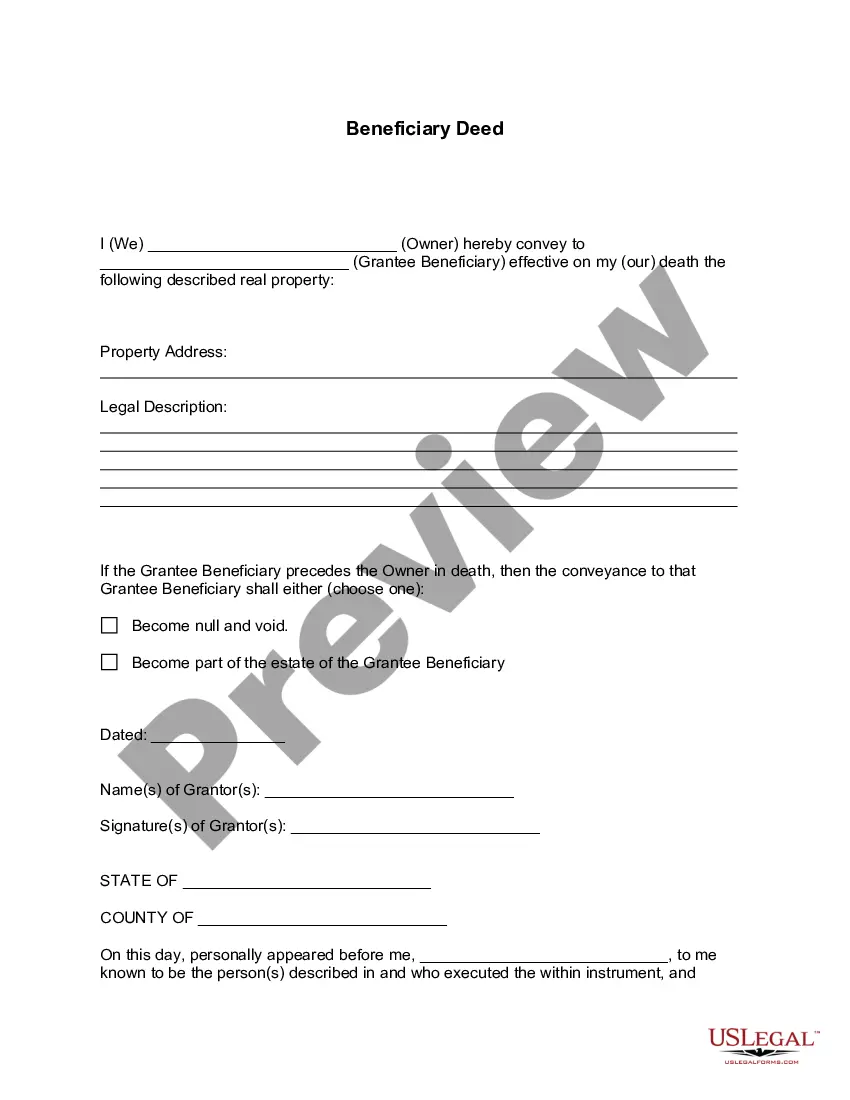
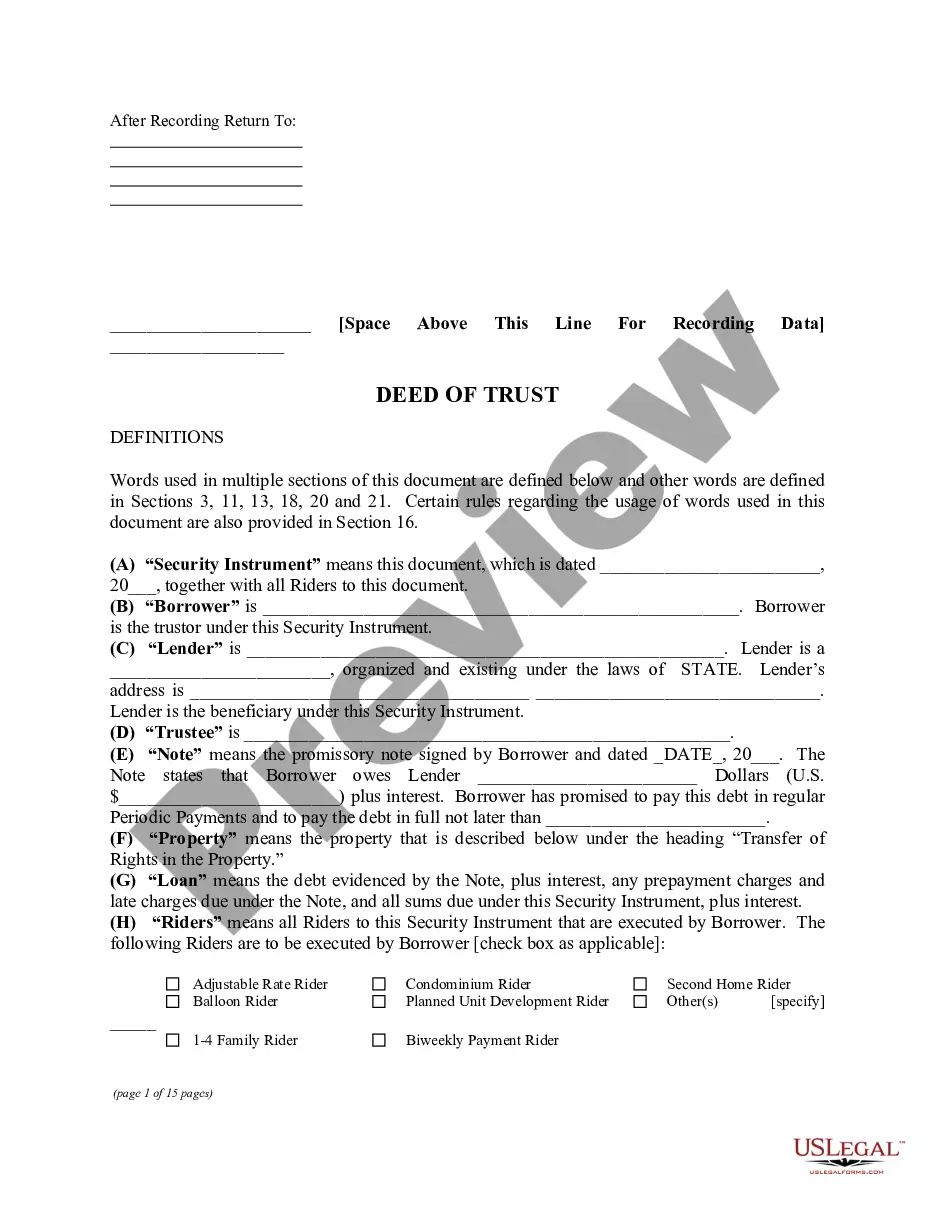
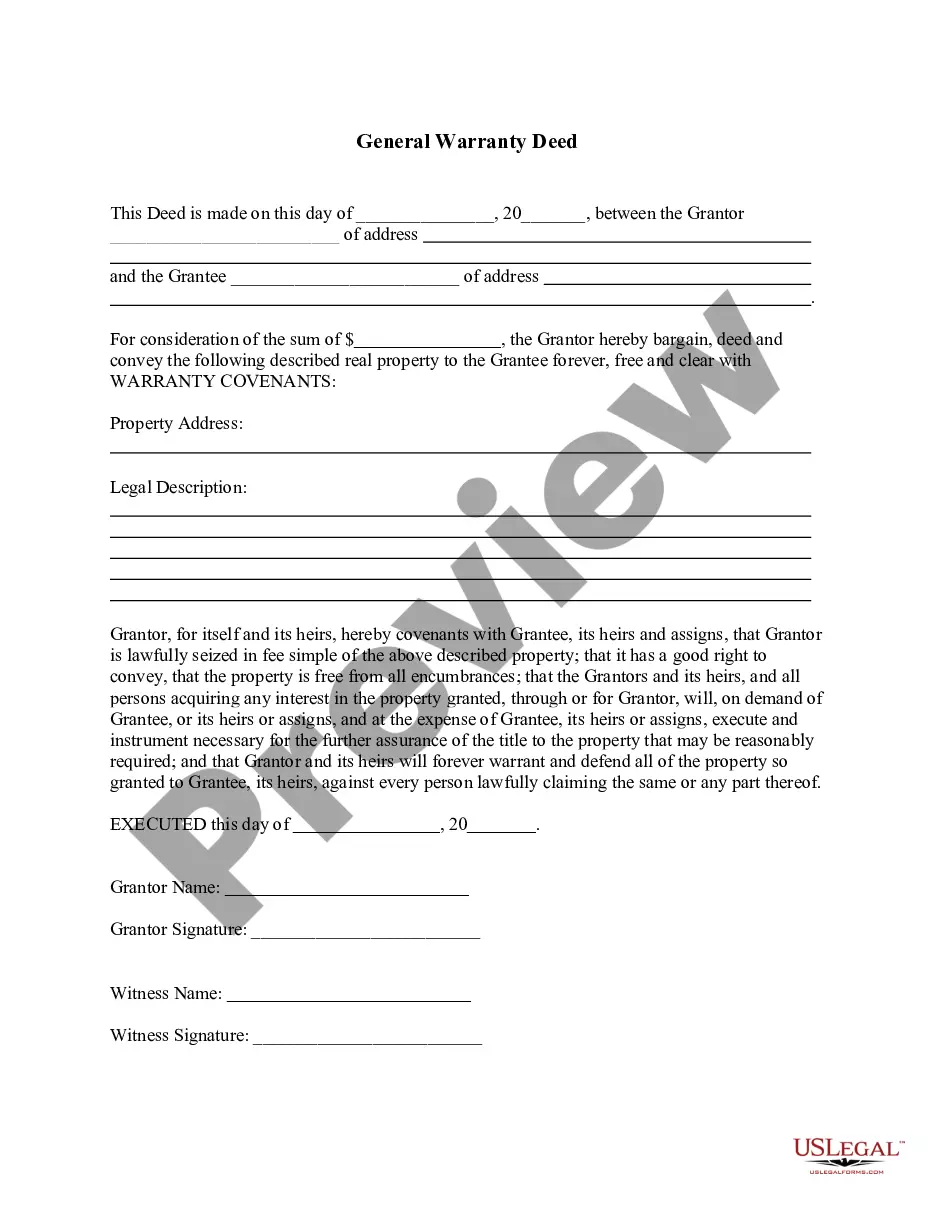
The Fiduciary Deed is a legal document specifically designed for use by executors, trustees, trustors, administrators, and other fiduciaries in transferring property on behalf of another party. This form allows the grantor to convey real estate and ensures that the transfer is performed in accordance with the law. Unlike standard deeds, this Fiduciary Deed includes specific language appropriate for fiduciaries acting under legal authority granted by a will or trust, making it a crucial tool for managing estate assets effectively.
Form components explained
- Identification of the grantor and grantee, including their roles as fiduciaries.
- Description of the property being transferred, including location and legal description.
- Fiduciary covenants ensuring the property is free from encumbrances.
- Signature lines for the grantor and acknowledgment by a notary, if necessary.




When to use this form
This Fiduciary Deed should be used when a fiduciary is required to transfer property as part of their duties, such as executing the wishes of a deceased individual's will or managing a trust. Common scenarios include selling real estate from an estate, transferring property to beneficiaries specified in a trust, or handling real estate transactions by guardians or conservators on behalf of a minor or incapacitated adult.
Intended users of this form
- Executors of estates needing to transfer property according to a will.
- Trustees managing trusts who need to convey trust property.
- Administrators assigned to manage assets of an intestate estate.
- Guardians acting on behalf of minors or incapacitated individuals.
- Conservators looking to manage and transfer property for individuals under their care.
Completing this form step by step
- Identify the grantor by filling in their name and title as fiduciary.
- Specify the grantees, noting whether they are individuals or entities.
- Enter a detailed description of the property, including its legal description.
- Sign and date the document, ensuring the grantor's title is indicated.
- Include notarization if required, following local laws and regulations.
Notarization requirements for this form
To make this form legally binding, it must be notarized. Our online notarization service, powered by Notarize, lets you verify and sign documents remotely through an encrypted video session.
Get your form ready online
Our built-in tools help you complete, sign, share, and store your documents in one place.
Make edits, fill in missing information, and update formatting in US Legal Forms—just like you would in MS Word.
Download a copy, print it, send it by email, or mail it via USPS—whatever works best for your next step.
Sign and collect signatures with our SignNow integration. Send to multiple recipients, set reminders, and more. Go Premium to unlock E-Sign.
If this form requires notarization, complete it online through a secure video call—no need to meet a notary in person or wait for an appointment.
We protect your documents and personal data by following strict security and privacy standards.

Make edits, fill in missing information, and update formatting in US Legal Forms—just like you would in MS Word.

Download a copy, print it, send it by email, or mail it via USPS—whatever works best for your next step.

Sign and collect signatures with our SignNow integration. Send to multiple recipients, set reminders, and more. Go Premium to unlock E-Sign.

If this form requires notarization, complete it online through a secure video call—no need to meet a notary in person or wait for an appointment.

We protect your documents and personal data by following strict security and privacy standards.
Mistakes to watch out for
- Failing to accurately identify the grantor's authority as a fiduciary.
- Not providing a clear and complete property description.
- Overlooking the need for notarization, where applicable.
- Leaving blank fields on the form, which can invalidate the deed.
Benefits of completing this form online
- Convenience of filling out the form from anywhere at any time.
- Editable fields allow for easy corrections and customization.
- Access to up-to-date legal forms drafted by licensed attorneys.
Looking for another form?


Form popularity
FAQ
Overall, New Mexico's statutory transfer on death deed is a flexible estate planning tool that allows owners of real property in the state to convey a potential future interest in real property to one or more beneficiaries.
The court will force the executor to return the property to the estate or pay restitution to the beneficiaries of the estate.The executor cannot transfer estate property to himself because the property belongs to someone else unless he pays the full price for it.
New Mexico is one of the states with the Uniform Probate Code, which means there's a standard set of rules that applies to New Mexico and other states. Probate proceedings are usually only required if the deceased person owned any assets in their name only.
In most states, an executor's deed must be signed by a witness and notarized. An executor's deed should be recorded in the real estate records of the county in which the property being conveyed is located.
During the administration of the estate those Executors who have obtained a Grant of Probate (more of which later) must act jointly. That is to say that they must all agree on a course of action and each sign any documents, etc. Clearly there may be problems if those appointed do not get on.
Executor's Deed: This may be used when a person dies testate (with a will). The estate's executor will dispose of the decedent's assets and an executor's deed may be used to convey the title or real property to the grantee.
Once the COURT appoints you as executor, you will record an affidavit of death of joint tenant to get your mother's name of the property. Then, when you get an order for final distribution, you will record a certified copy to get the property into the names of the beneficiaries under the will.