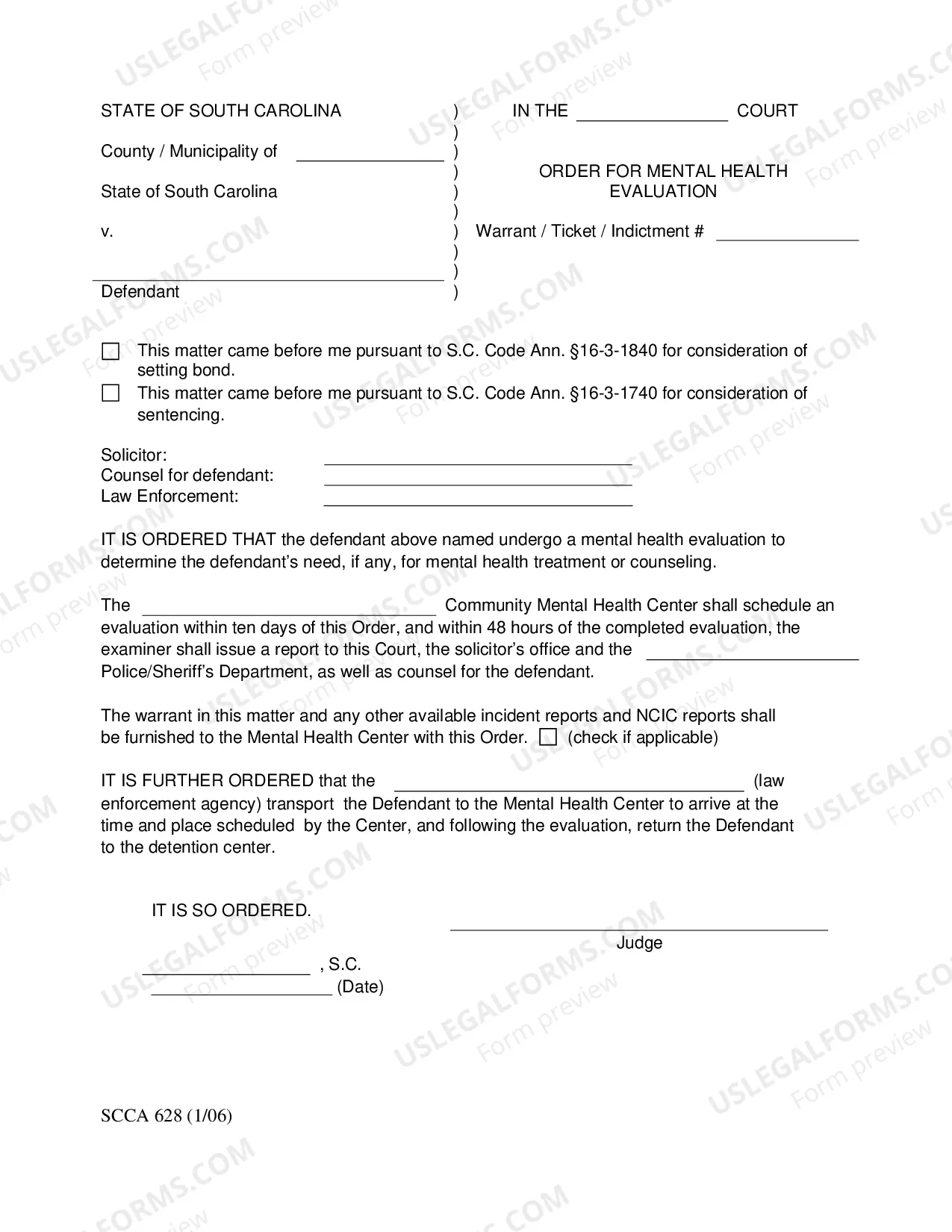
New Mexico Letter from Landlord to Tenant for Failure to keep all plumbing fixtures in the dwelling unit as clean as their condition permits - Remedy or lease terminates
What is this form?
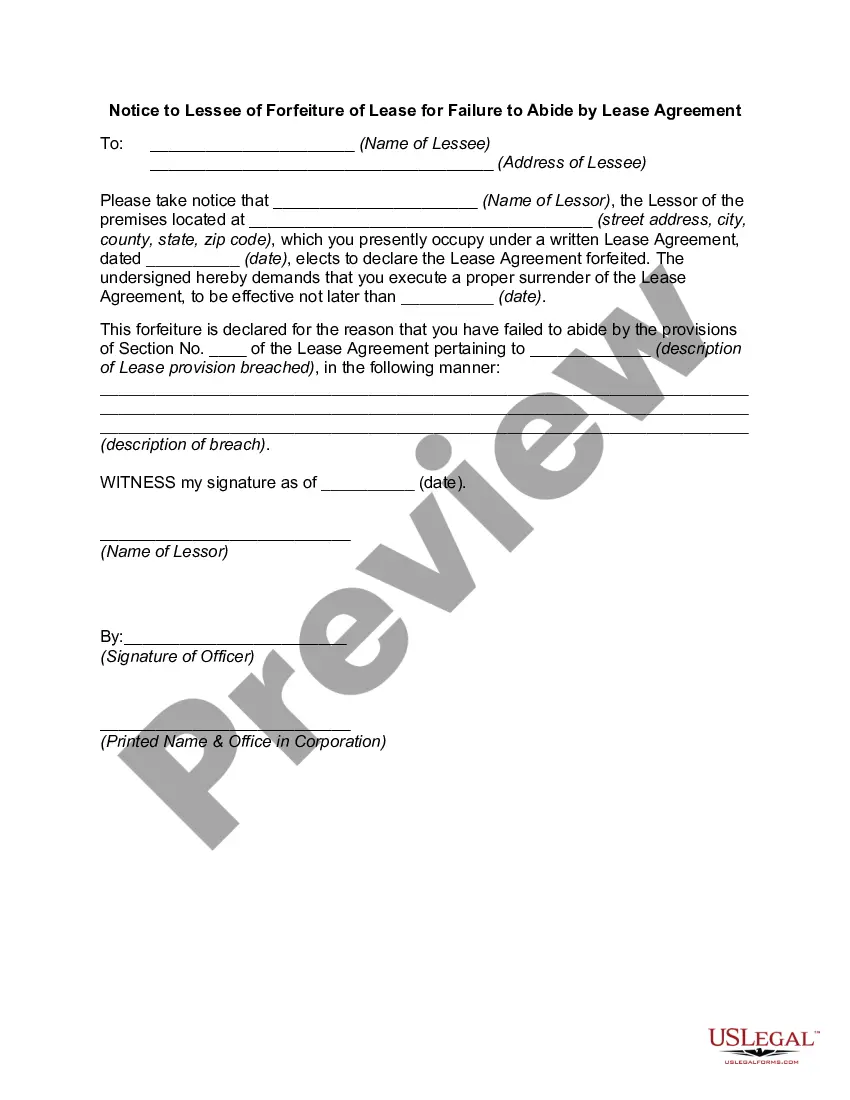
This form is a notice from the landlord to the tenant addressing the failure to keep plumbing fixtures clean and maintained. It highlights the landlord's concerns regarding deteriorating plumbing conditions and serves as a warning that continued neglect may result in automatic lease termination. This form is distinct because it emphasizes both the obligation of the tenant and the potential consequences of non-compliance, making it a crucial document for landlord-tenant relationships.
Main sections of this form
- Identification of the landlord and tenant involved in the lease.
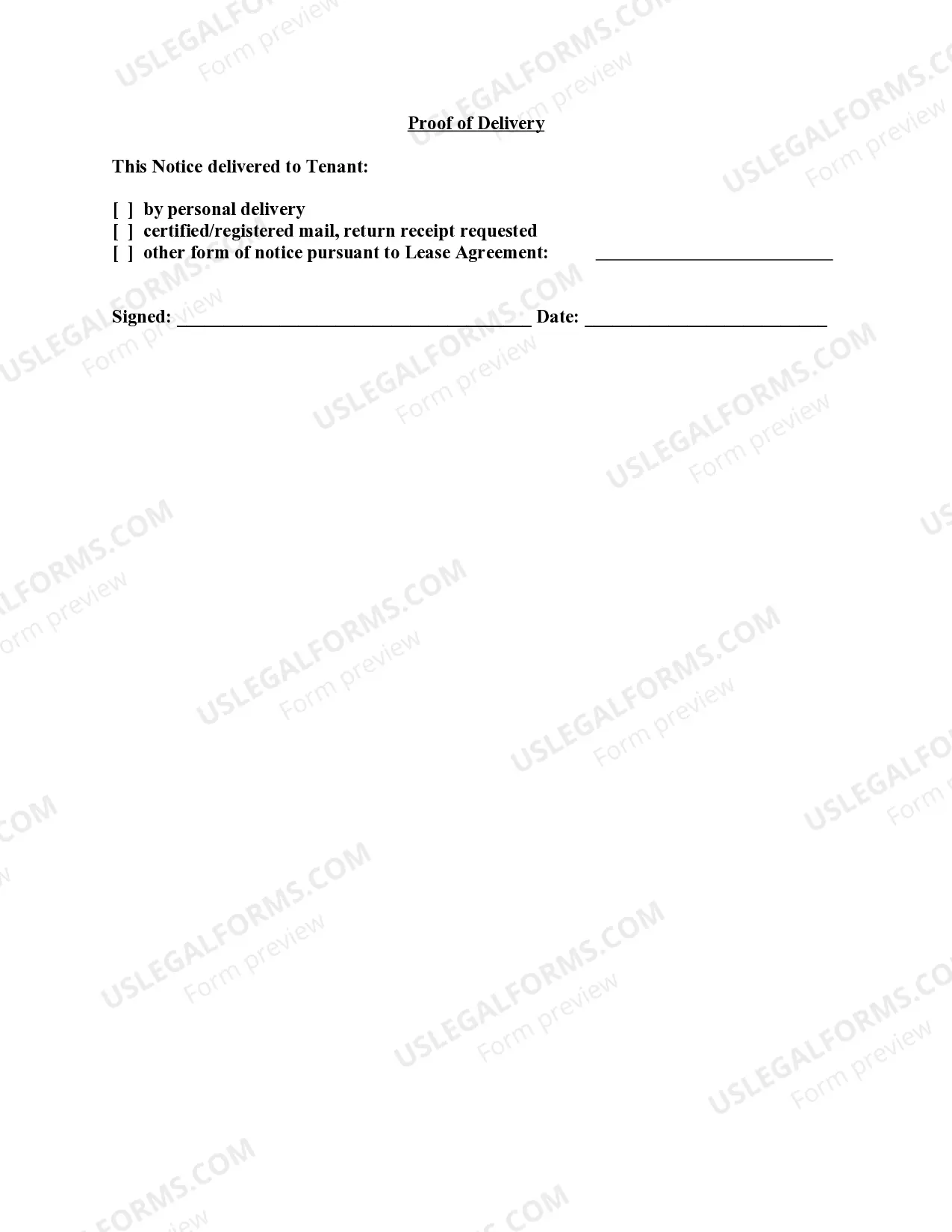
- A detailed description of the plumbing fixtures in question.
- Notification of the tenant's failure to maintain the plumbing as specified in the lease.
- A warning regarding potential lease termination if the issue is not resolved.
- Signature line for the landlord or authorized agent.
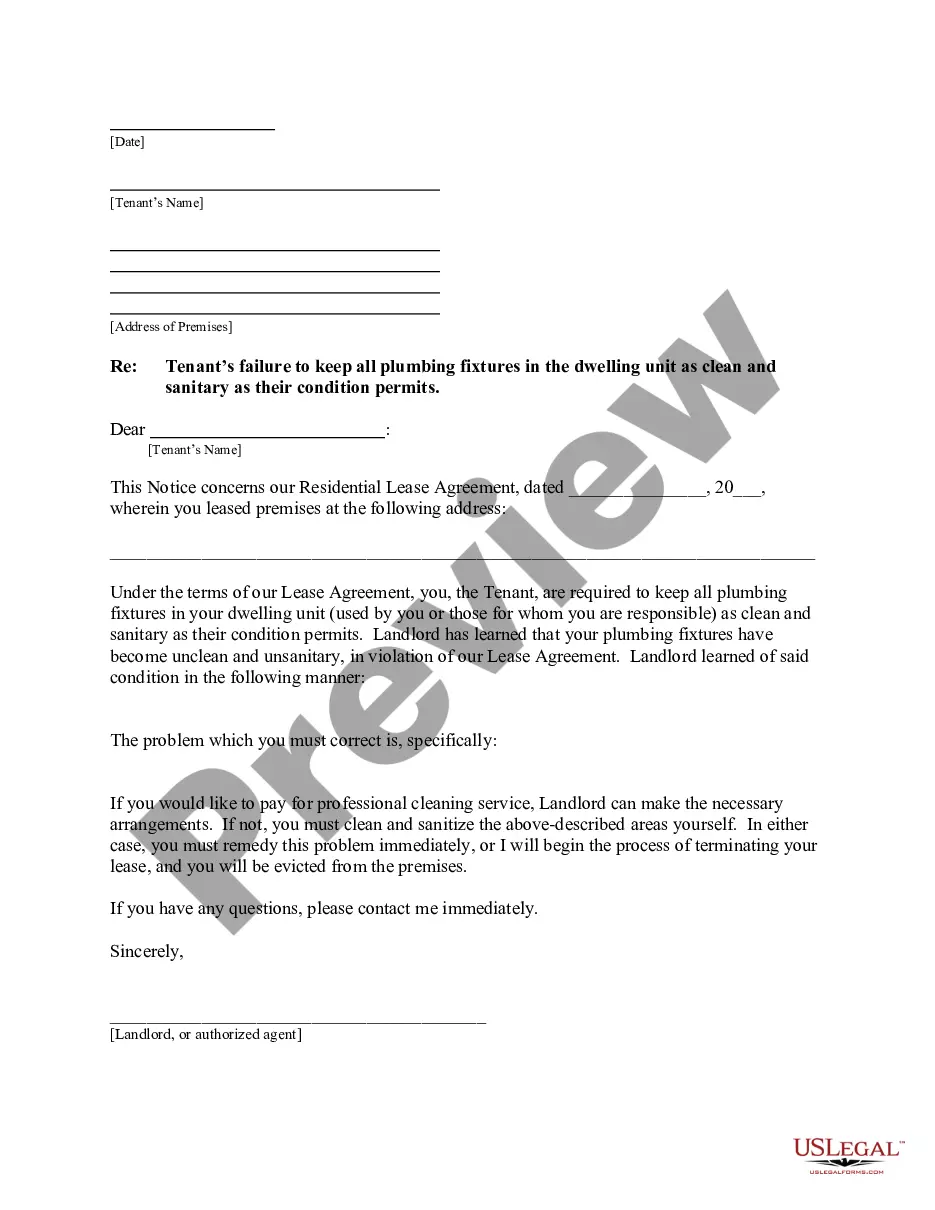
- Proof of delivery section to confirm that the notice was delivered to the tenant.


Common use cases
This form should be used when a landlord has noticed that the tenant is not maintaining the plumbing fixtures in a clean and satisfactory condition as required by the lease. It is appropriate for situations where the landlord has previously communicated concerns but has not seen improvement. This notice serves as a formal reminder of the tenant's obligations and the consequences of continued neglect.
Who needs this form
- Landlords who lease residential properties and need to address tenant issues regarding plumbing maintenance.
- Property managers acting on behalf of landlords wishing to enforce lease agreements.
- Tenants who have received such a notice and need to understand the implications of non-compliance.
How to prepare this document
- Identify all parties: Include the full names of the landlord and tenant.
- Specify the property: Clearly state the address of the rental unit.
- Document the issue: Describe the plumbing issues and the degree of neglect observed.
- State consequences: Clearly outline that failure to address the issue may result in lease termination.
- Sign the notice: The landlord or authorized agent must sign and date the form.
- Deliver the notice: Ensure the tenant receives the notice through acceptable means (e.g., personal delivery or certified mail).
Notarization requirements for this form
This form does not typically require notarization to be legally valid. However, some jurisdictions or document types may still require it. US Legal Forms provides secure online notarization powered by Notarize, available 24/7 for added convenience.
Get your form ready online
Our built-in tools help you complete, sign, share, and store your documents in one place.
Make edits, fill in missing information, and update formatting in US Legal Forms—just like you would in MS Word.
Download a copy, print it, send it by email, or mail it via USPS—whatever works best for your next step.
Sign and collect signatures with our SignNow integration. Send to multiple recipients, set reminders, and more. Go Premium to unlock E-Sign.
If this form requires notarization, complete it online through a secure video call—no need to meet a notary in person or wait for an appointment.
We protect your documents and personal data by following strict security and privacy standards.

Make edits, fill in missing information, and update formatting in US Legal Forms—just like you would in MS Word.

Download a copy, print it, send it by email, or mail it via USPS—whatever works best for your next step.

Sign and collect signatures with our SignNow integration. Send to multiple recipients, set reminders, and more. Go Premium to unlock E-Sign.

If this form requires notarization, complete it online through a secure video call—no need to meet a notary in person or wait for an appointment.

We protect your documents and personal data by following strict security and privacy standards.
Typical mistakes to avoid
- Failing to detail the specific plumbing issues and the lease obligations associated with them.
- Not providing proper notice to the tenant regarding the condition of the plumbing.
- Omitting a signature or date on the notice, making it invalid.
- Using vague language that does not clearly communicate the consequences of inaction.
Why use this form online
- Convenience of downloading the form anytime and anywhere.
- Editability allows landlords to personalize the notice as needed.
- Access to templates drafted by licensed attorneys ensures legal compliance.
- Secure and easy to use for documenting landlord-tenant communications.
Legal use & context
This notice serves as a legal document reinforcing the landlord's right to enforce lease terms regarding property maintenance. It is critical for landlords to follow proper procedures outlined in state law to effectively terminate a lease if necessary.
What to keep in mind
- The form is essential for notifying tenants of plumbing maintenance issues.
- Clear communication is vital for avoiding disputes regarding lease compliance.
- Ensure all required information is provided to strengthen the notice's effectiveness.
Looking for another form?
Form popularity
FAQ
Indiana. Indiana laws allow landlords to hold on to security deposits for 45 days to give them time to determine any damages caused by tenants. Colorado. Colorado is one of few states that allow landlords to access the rental property without an advance notice requirement. Georgia.
Step 1: make a formal complaint. You can make a formal complaint by writing a letter to your landlord. Step 2: complain to your local council. If making a formal complaint to your landlord doesn't solve your problem you might be able to complain to your local council.
Before breaking the lease, you must provide your landlord with a 30-day notice. You may also need to show the deployment letter. After the landlord receives the notice, the tenancy will automatically end 30 days after the date that the next rent payment is due.
State law regulates several rent-related issues, including late fees, the amount of notice (at least 30 days in New Mexico) landlords must give tenants to raise the rent, and how much time (three days in New Mexico) a tenant has to pay overdue rent or move before a landlord can file for eviction.
1-800-340-9771. Se habla espanol. Hours: a.m. to p.m. Landlord & Tenant Hotline.
New Mexico is moderately landlord-friendly as landlords have the authority to set rental prices however they wish and have some freedom with charging fees. The information for this answer was found on our New Mexico Landlord Tenant Rights answers.
Tenants may be able to file their complaints with their city or county rent control board, local tenant association, rental housing association, district attorney's office and consumer protection agency. California residents can find the appropriate agencies based on the nature of their complaint by contacting the
Injury at Rental Property: You could have a case for a lawsuit against your landlord if you are injured at the rental property due to a landlord's neglect. Filing an Illegal Eviction: You can countersue your landlord if you feel your landlord is trying to evict you illegally.