New Jersey Assignment to Living Trust
Overview of this form
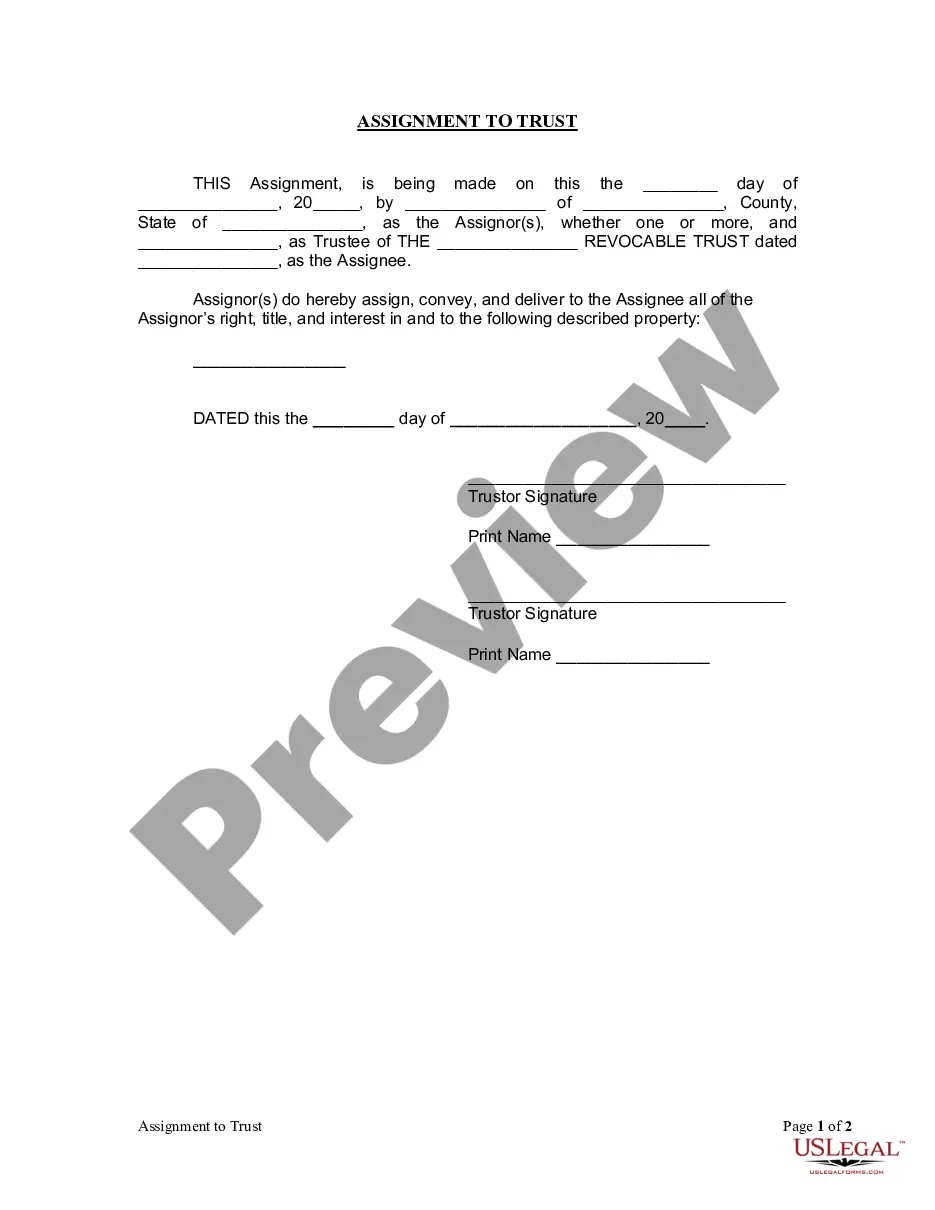
The Assignment to Living Trust form is a legal document used to transfer all rights, title, and interest of specific property into a living trust. A living trust is established during a person's lifetime to manage assets effectively, primarily for estate planning purposes. This form differs from other property transfer documents by ensuring that the property is entrusted to the designated trustee, providing benefits for both management and distribution upon death.
Main sections of this form
- Date of assignment
- Names and addresses of the Assignor and Trustee
- Description of the property being assigned
- Signatures of the Assignor(s)
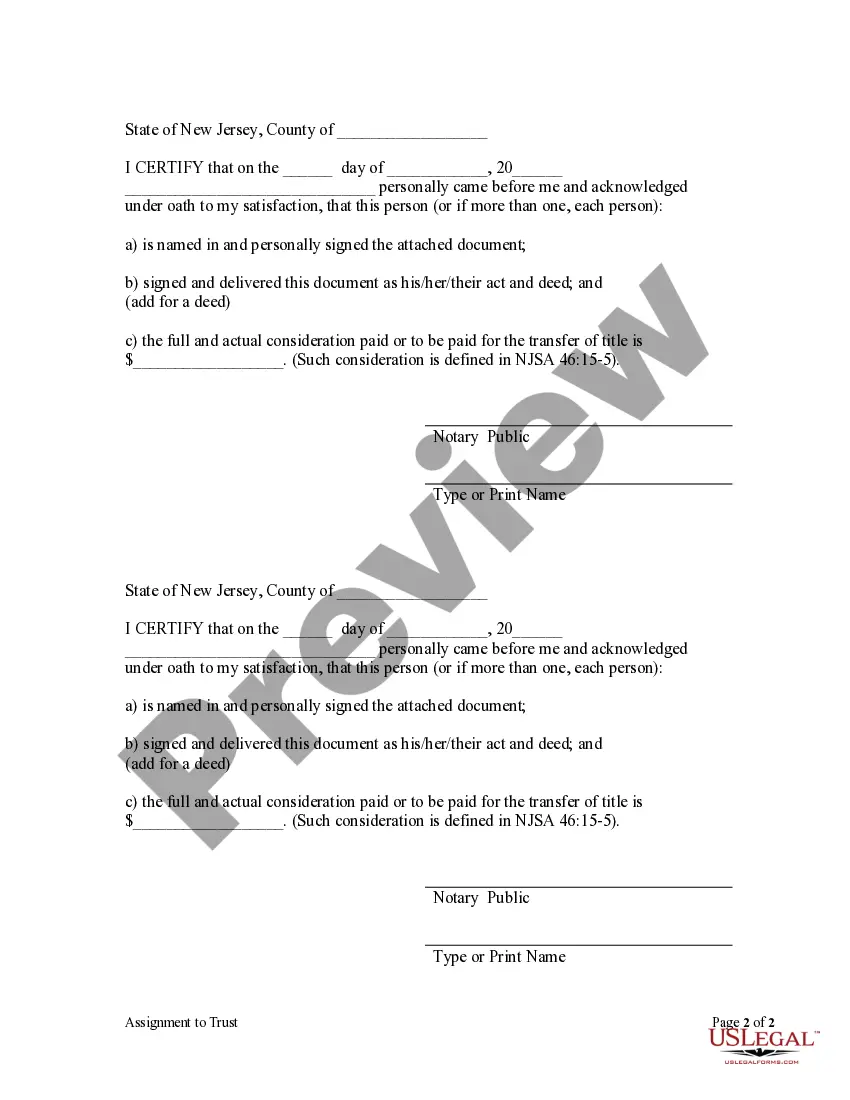
- Notary acknowledgment
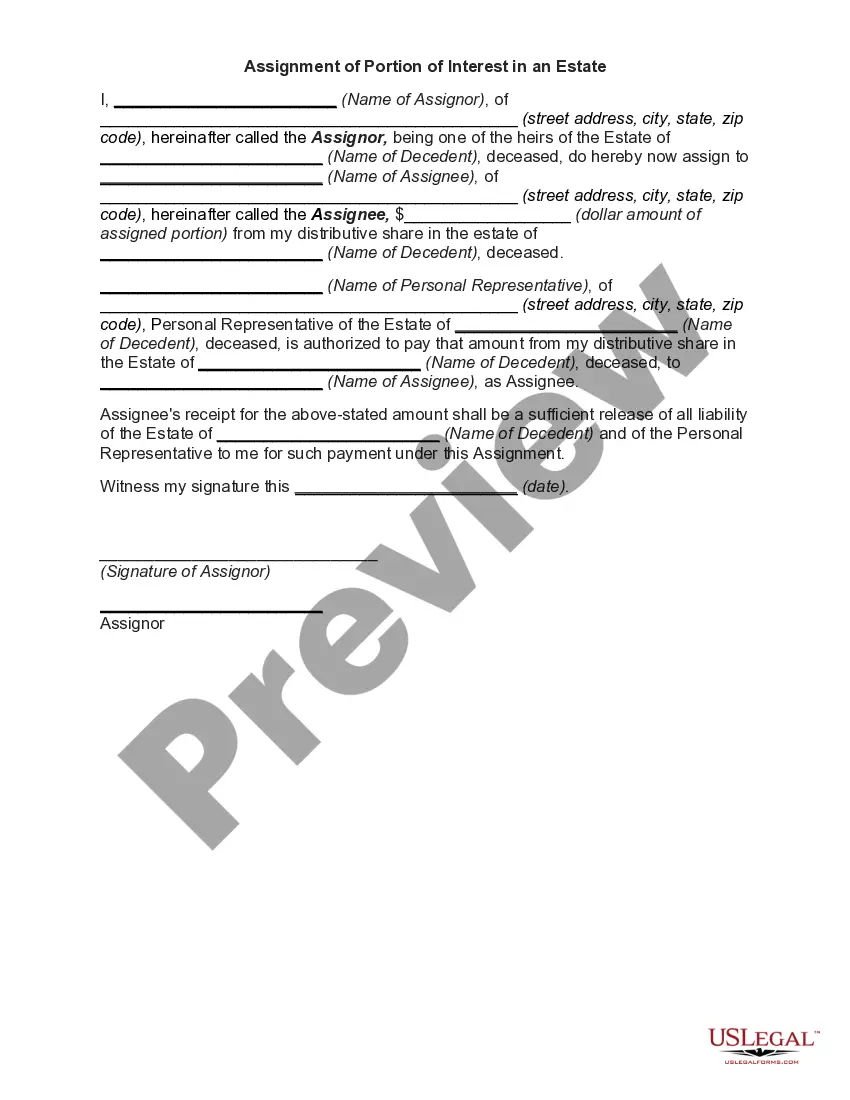
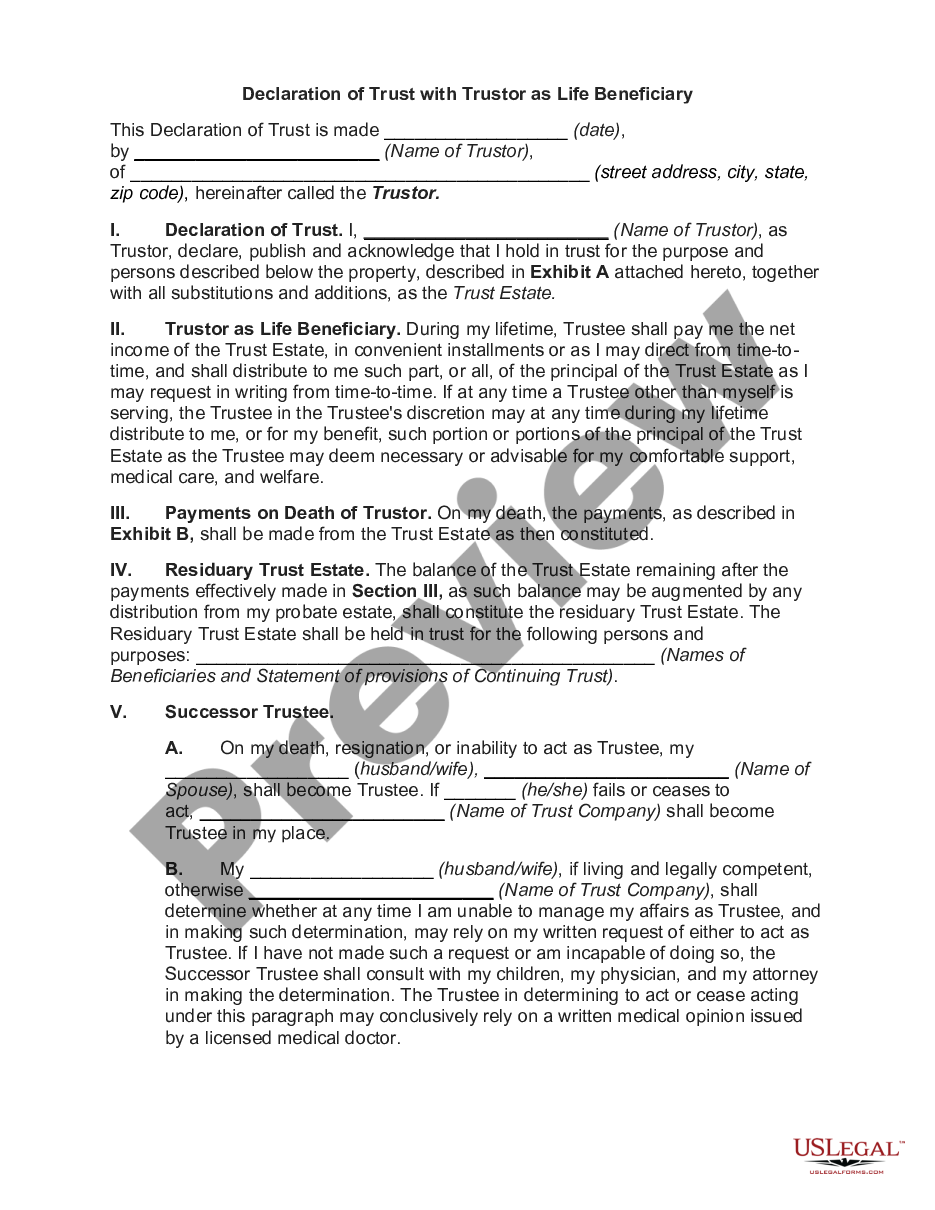

When to use this form
This form is typically used when an individual wants to move their property into a living trust. It is beneficial in scenarios such as planning for incapacity, avoiding probate, and ensuring that the designated trustee manages the property according to the trust's terms.
Who needs this form
- Individuals establishing a living trust
- Trustees managing someone else's trust
- Estate planners assisting clients with asset management
How to complete this form
- Identify the parties involved, including the Assignor(s) and Trustee.
- Specify the property being assigned, ensuring it is clearly described.
- Fill in the dates for the assignment and signing.
- All Assignor(s) must sign the document in the presence of a notary public.
- Ensure the notary public completes the acknowledgment portion.
Does this form need to be notarized?
This form must be notarized to be legally valid. US Legal Forms provides secure online notarization powered by Notarize, allowing you to complete the process through a verified video call.
Get your form ready online
Our built-in tools help you complete, sign, share, and store your documents in one place.
Make edits, fill in missing information, and update formatting in US Legal Forms—just like you would in MS Word.
Download a copy, print it, send it by email, or mail it via USPS—whatever works best for your next step.
Sign and collect signatures with our SignNow integration. Send to multiple recipients, set reminders, and more. Go Premium to unlock E-Sign.
If this form requires notarization, complete it online through a secure video call—no need to meet a notary in person or wait for an appointment.
We protect your documents and personal data by following strict security and privacy standards.

Make edits, fill in missing information, and update formatting in US Legal Forms—just like you would in MS Word.

Download a copy, print it, send it by email, or mail it via USPS—whatever works best for your next step.

Sign and collect signatures with our SignNow integration. Send to multiple recipients, set reminders, and more. Go Premium to unlock E-Sign.

If this form requires notarization, complete it online through a secure video call—no need to meet a notary in person or wait for an appointment.

We protect your documents and personal data by following strict security and privacy standards.
Typical mistakes to avoid
- Failing to accurately describe the property being assigned.
- Not having all signatures witnessed by a notary.
- Omitting critical dates in the document.
Why use this form online
- Immediate access to the form, which can be downloaded and completed at your convenience.
- Editability ensures that you can fill out the form accurately without printing multiple copies.
- Streamlined process and reduced errors when using a template drafted by licensed attorneys.
Quick recap
- The Assignment to Living Trust form is vital for transferring property ownership into a living trust.
- It is crucial to ensure accurate completion and notarization of the form for legal validity.
- This document can help avoid probate and maintain privacy with estate assets.
- Using legal forms online is convenient, customizable, and backed by legal expertise.
Looking for another form?

Form popularity
FAQ
List Your Assets and Decide Which You'll Include in the Trust. Gather the Paperwork. Decide Whether You Will Be the Sole Grantor. Choose Beneficiaries. Choose a Successor Trustee. Choose Someone to Manage Property for Minor Children. Prepare the Trust Document. Sign and Notarize.
To transfer assets such as investments, bank accounts, or stock to your real living trust, you will need to contact the institution and complete a form. You will likely need to provide a certificate of trust as well. You may want to keep your personal checking and savings account out of the trust for ease of use.
To transfer assets such as investments, bank accounts, or stock to your real living trust, you will need to contact the institution and complete a form. You will likely need to provide a certificate of trust as well. You may want to keep your personal checking and savings account out of the trust for ease of use.
Sure you can write your own revocable living trust.The discussion of your need for a revocable living trust is in another of my articles, but it is safe to say that if you own real property and have a significant estate (over about $50,000), then you could use a trust and it would help your loved ones.
Pick a type of living trust. If you're married, you'll first need to decide whether you want a single or joint trust. Take stock of your property. Choose a trustee. Draw up the trust document. Sign the trust. Transfer your property to the trust.
Make a List of All Your Assets. Be sure to include make a list of your assets that includes everything you own. Find the Paperwork for Your Assets. Choose Beneficiaries. Choose a Successor Trustee. Choose a Guardian for Your Minor Children.
Obtain a California grant deed from a local office supply store or your county recorder's office. Complete the top line of the deed. Indicate the grantee on the second line. Enter the trustees' names and addresses.
The process of funding your living trust by transferring your assets to the trustee is an important part of what helps your loved ones avoid probate court in the event of your death or incapacity. Qualified retirement accounts such as 401(k)s, 403(b)s, IRAs, and annuities, should not be put in a living trust.
Decide on the type of trust you want to form. Take stock of your property. Pick a trustee. Create the trust document, either using an online program or with the help of a lawyer. Go to a notary public and sign the document. Fund the trust.