New Jersey Marital Domestic Separation and Property Settlement Agreement Adult Children Parties May have Joint Property or Debts where Divorce Action Filed
About this form
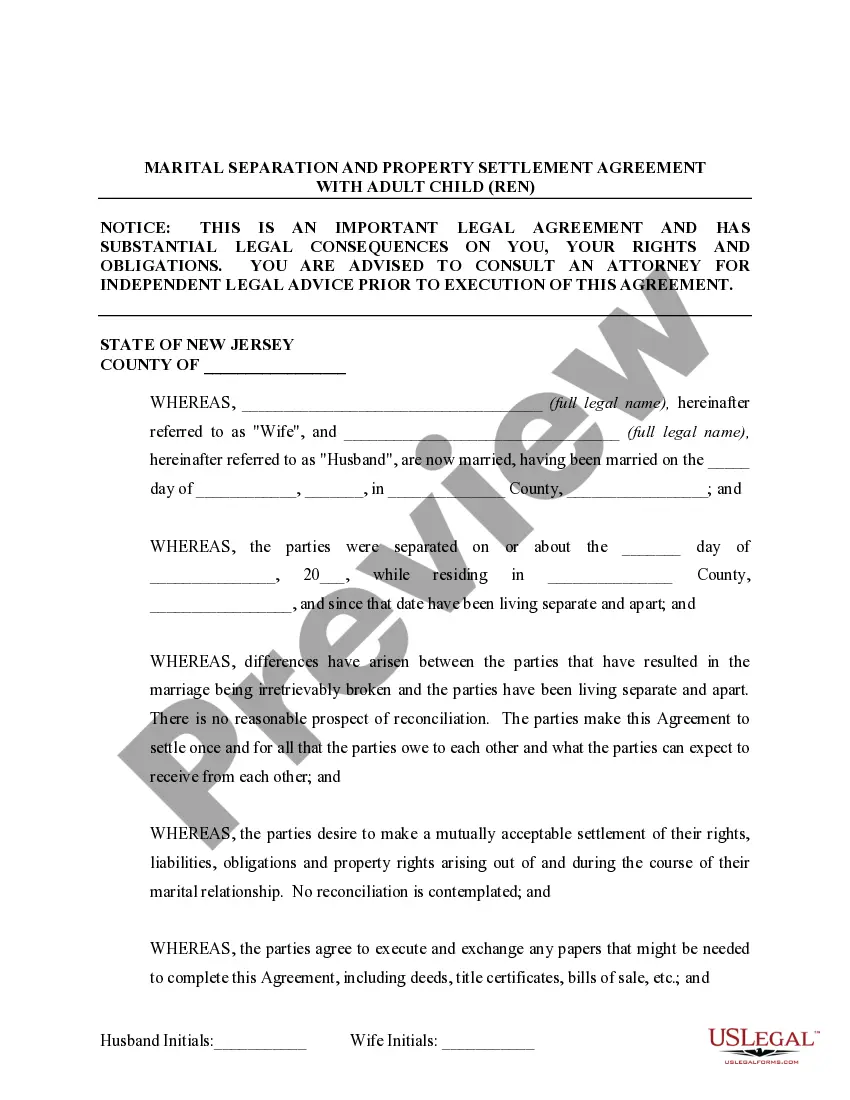
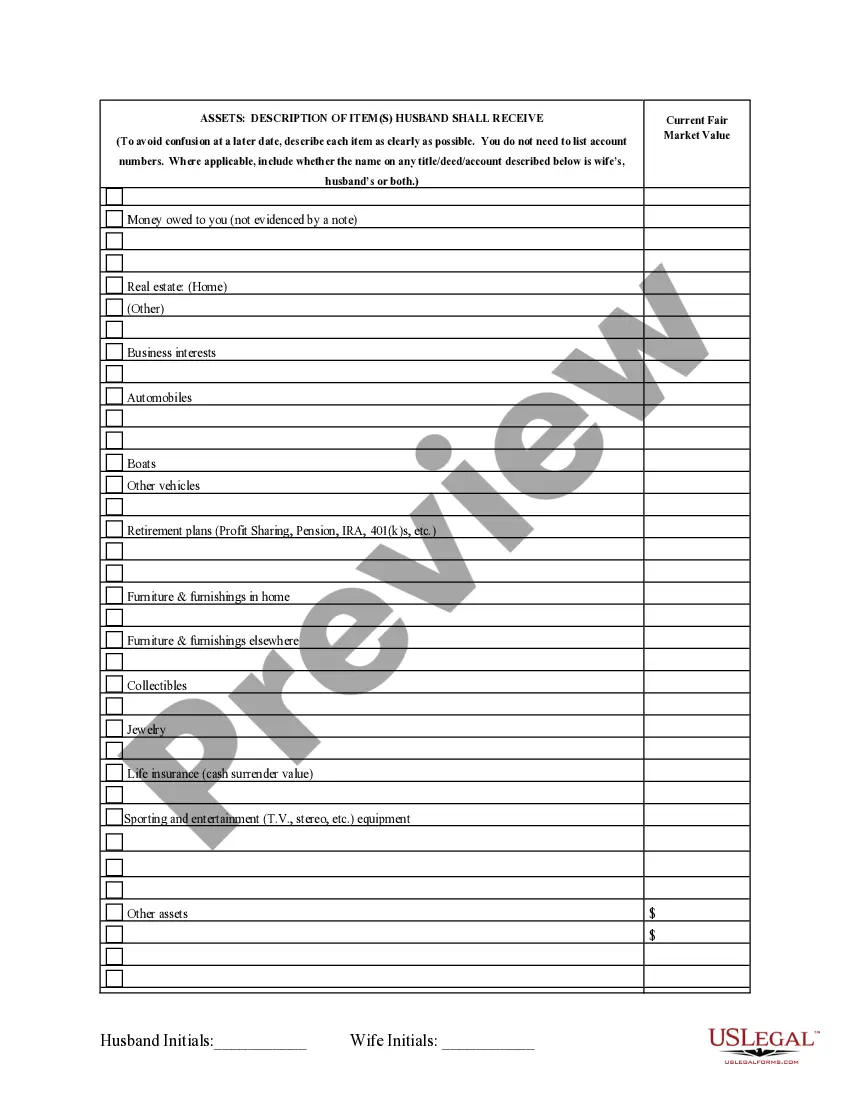
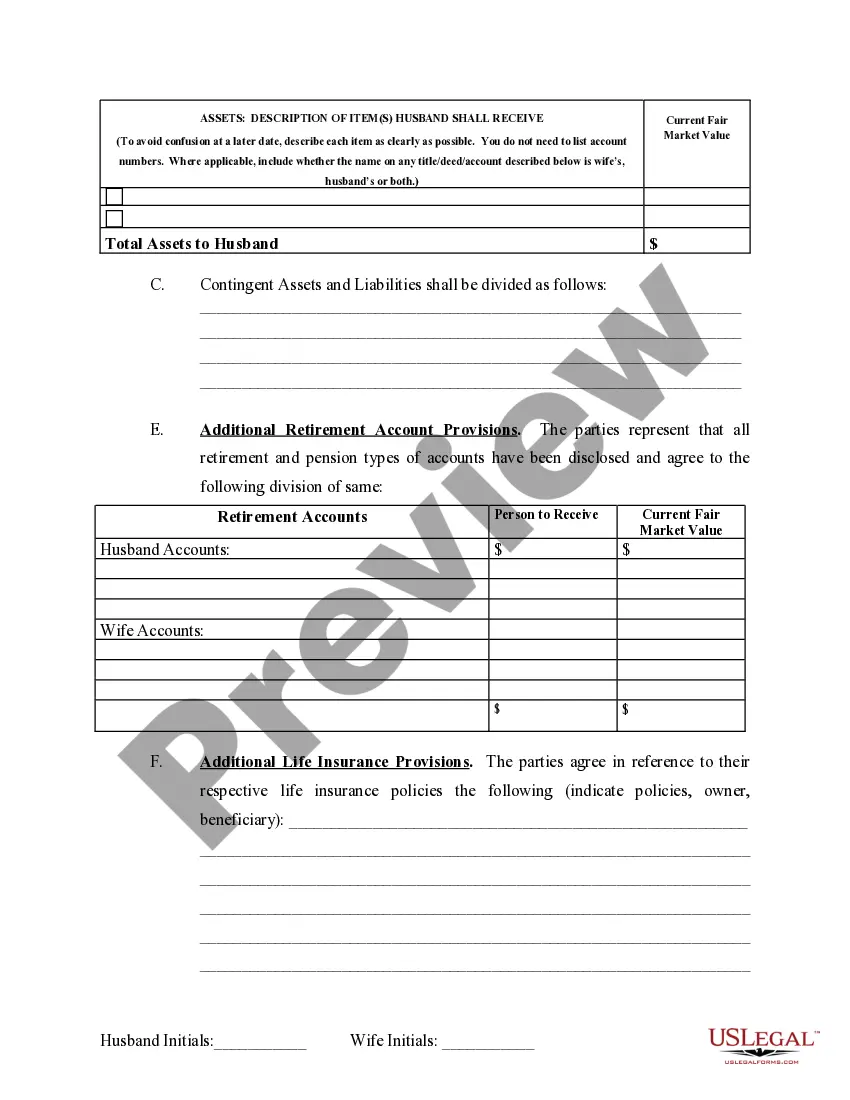
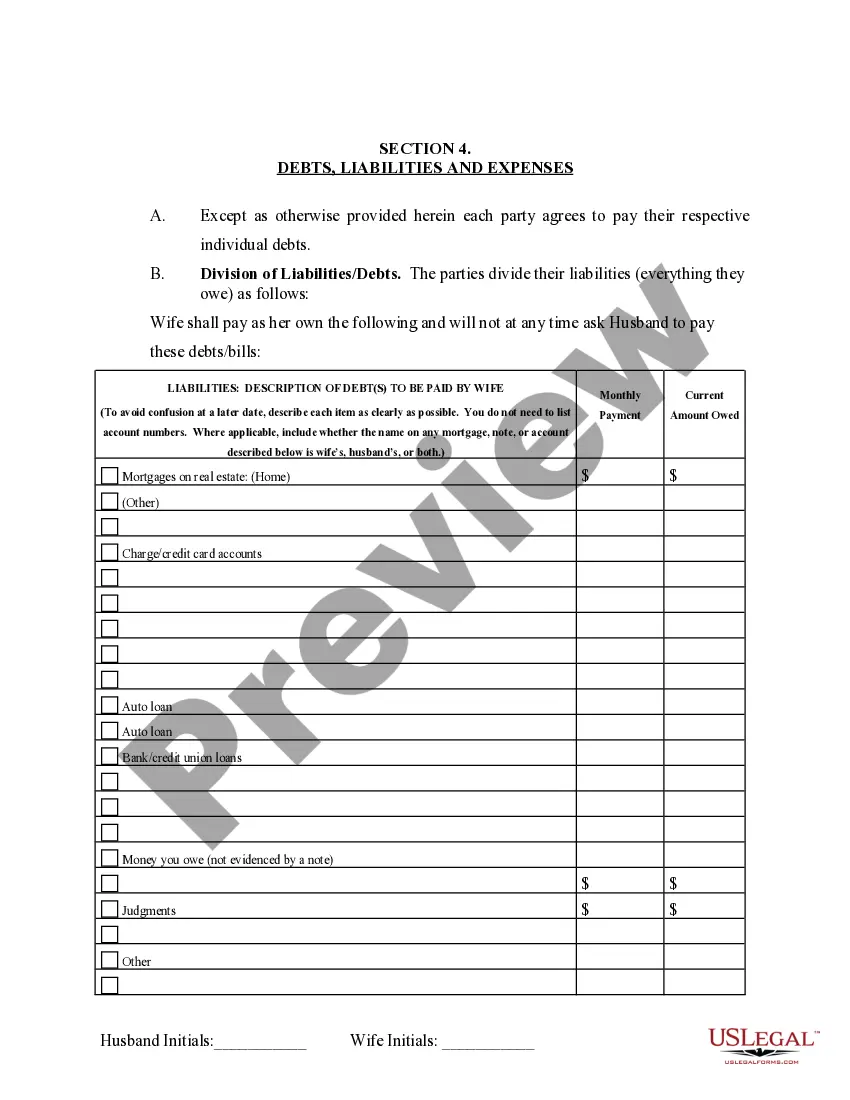
The Marital Domestic Separation and Property Settlement Agreement is a legal document designed for couples with adult children who are navigating a divorce. This form outlines the division of assets and liabilities between spouses and provides a clear framework for financial arrangements. Unlike standard divorce agreements, this form specifically addresses scenarios involving adult children and shared property or debts, ensuring all parties understand their rights and obligations during the separation process.
What’s included in this form
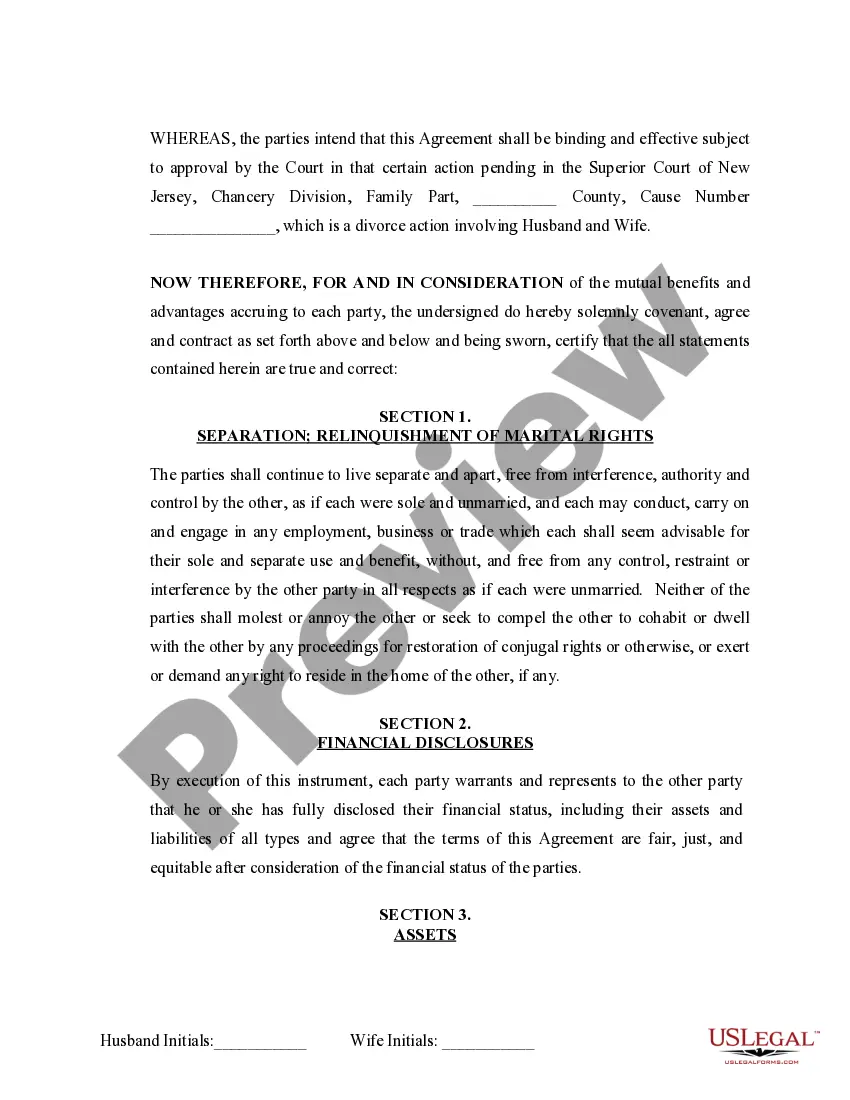
- Details on the separation of marital rights.
- Financial disclosures from both parties regarding assets and debts.
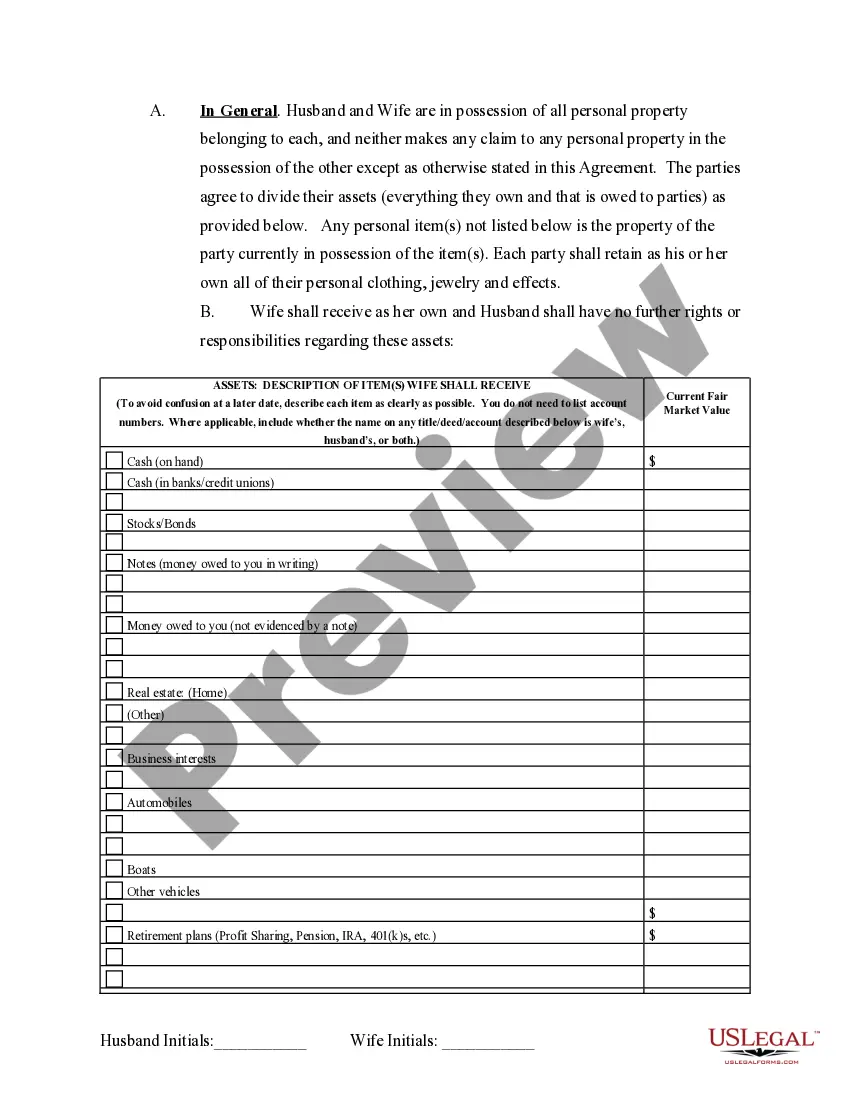
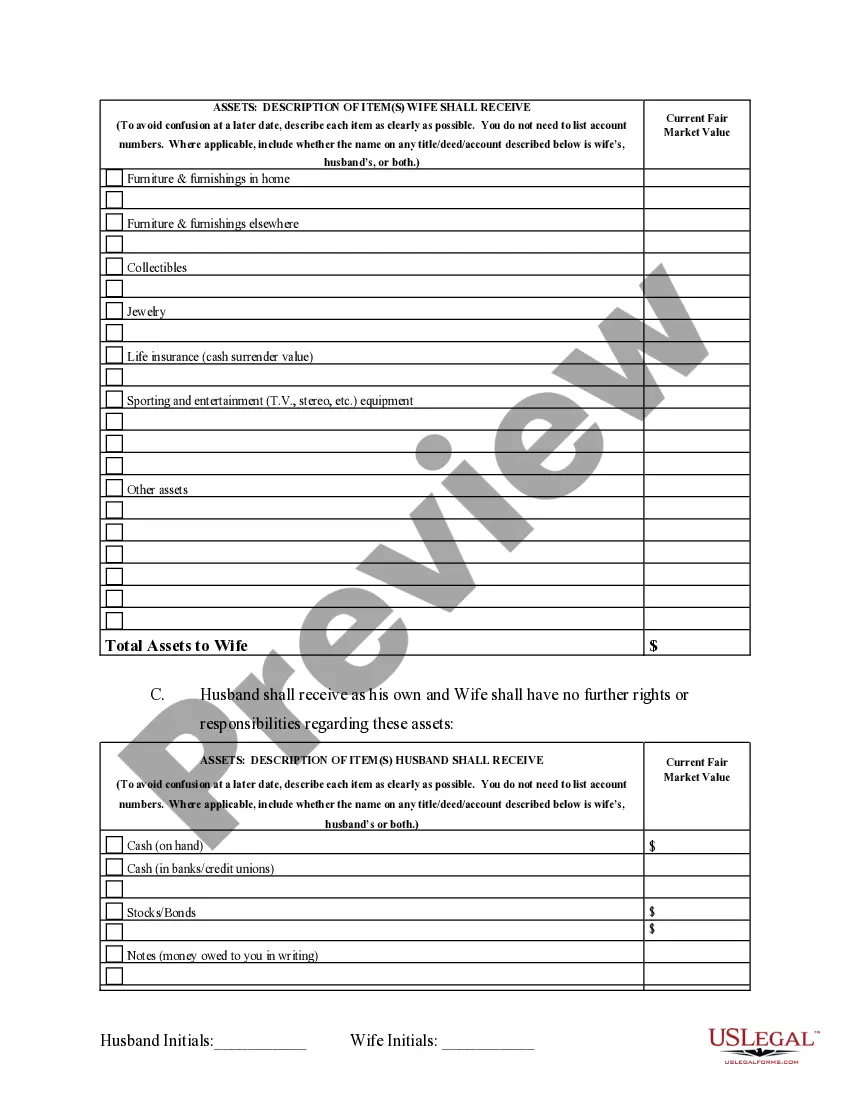
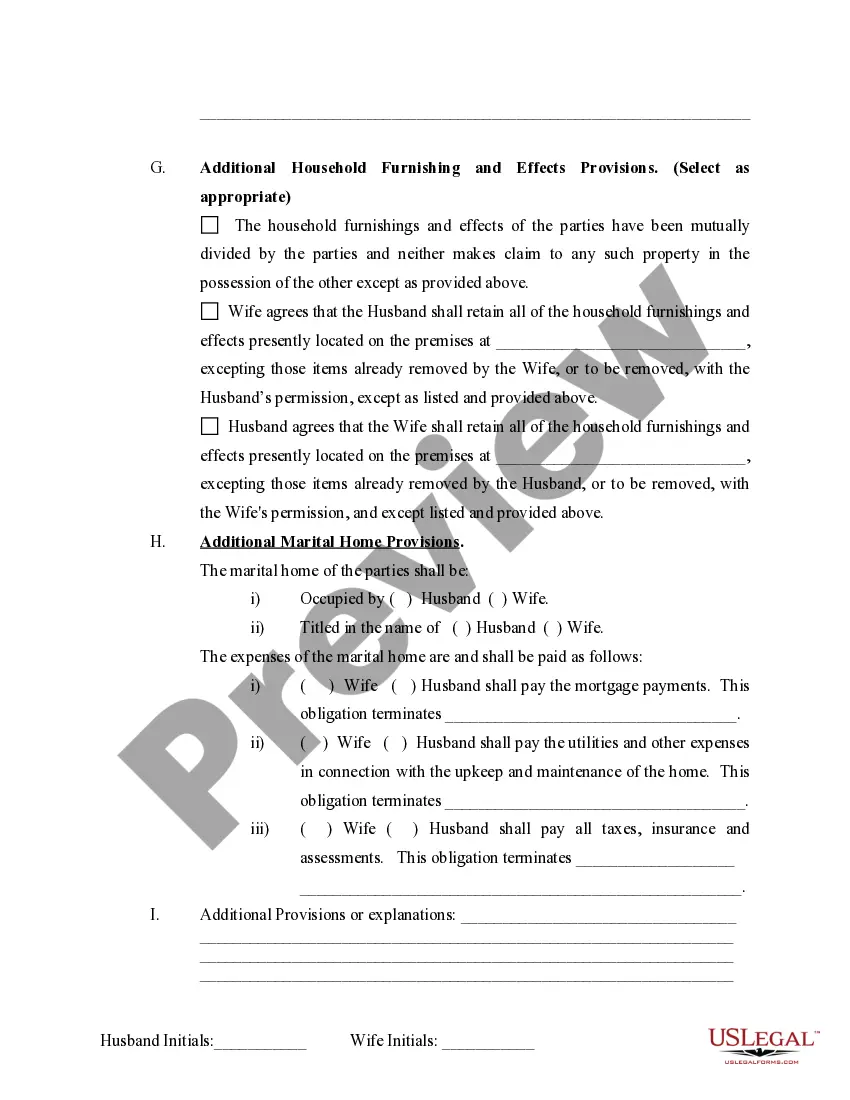
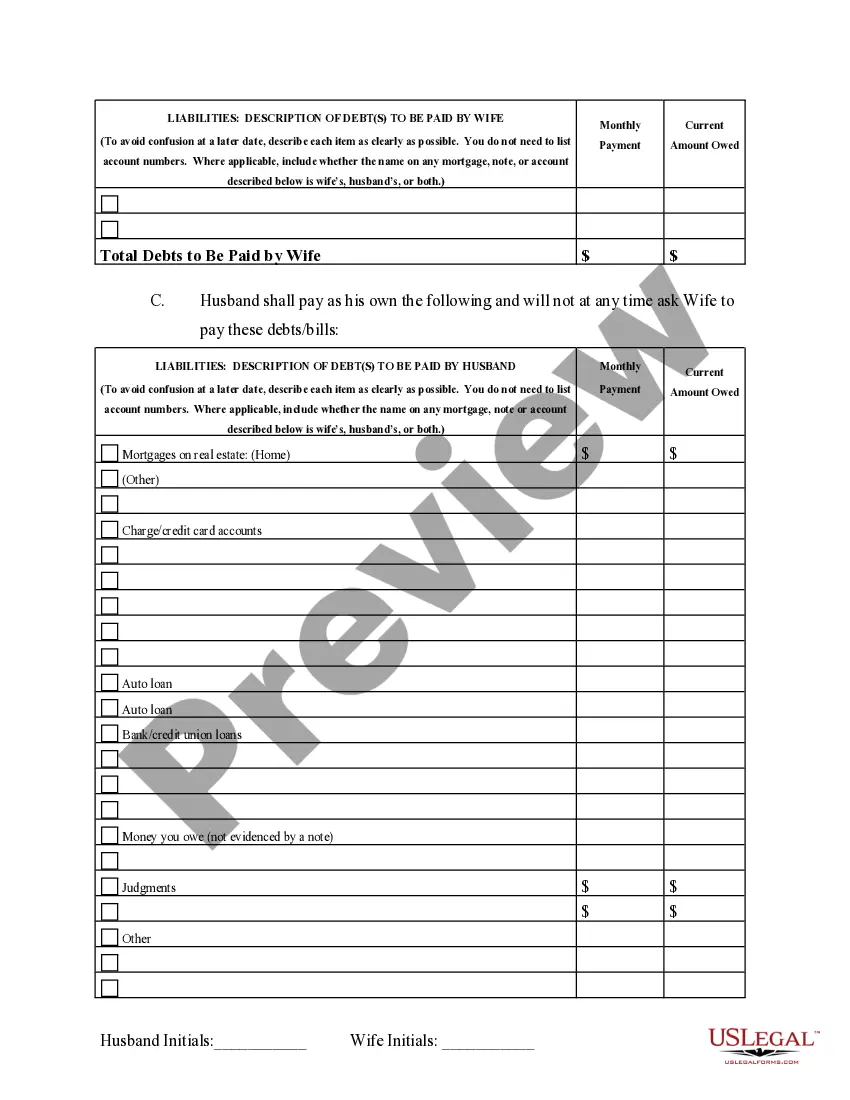
- A clear division of assets and liabilities, including property, vehicles, and retirement accounts.
- Terms regarding spousal support (alimony), if applicable.
- Provisions for handling tax liabilities and future earnings.
- Mutual agreements to indemnify each other for expenses and debts stipulated in the agreement.

When to use this document
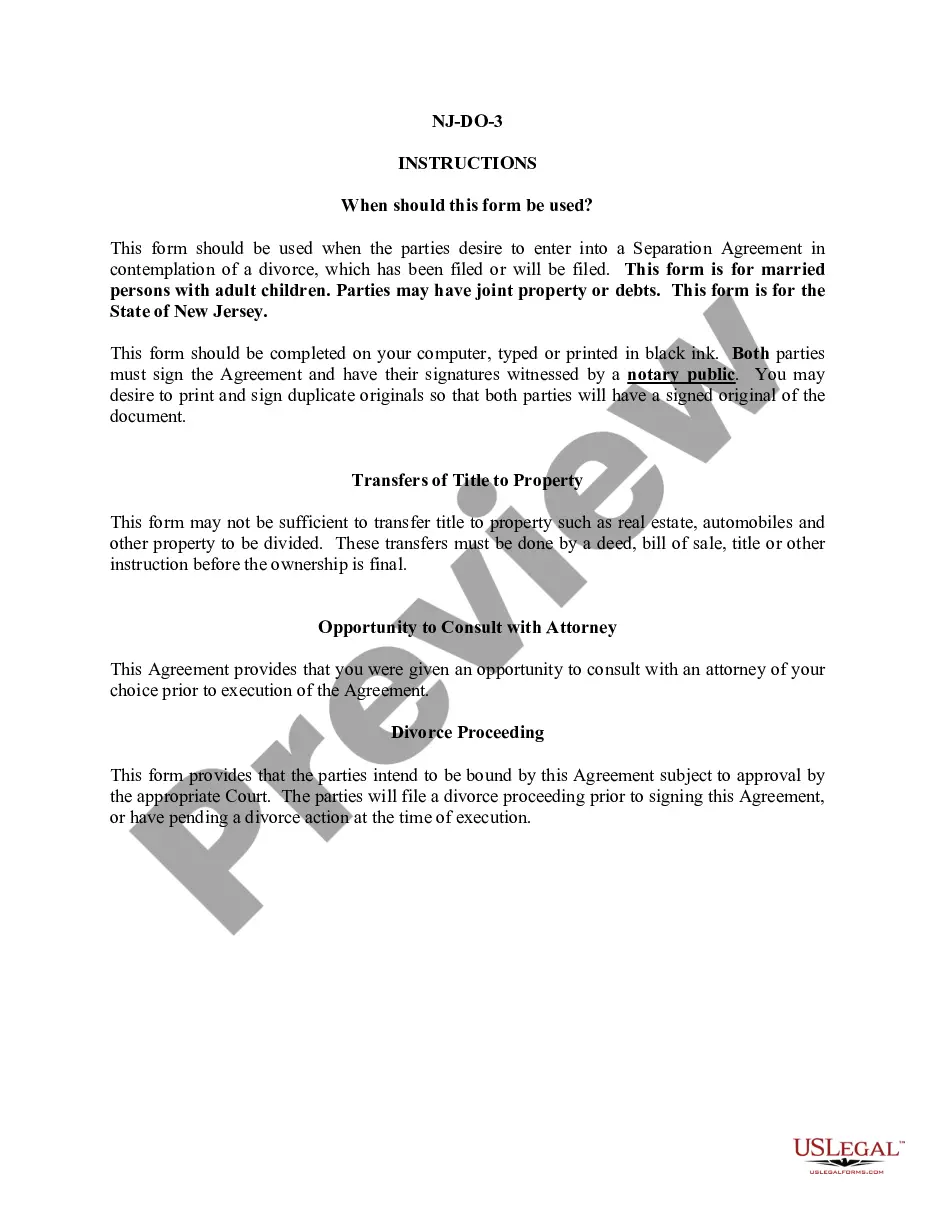
This form should be used when married individuals with adult children are initiating a separation in preparation for divorce. It is applicable for those who share joint property or debts and need to formalize the division of their assets and obligations before or during a divorce action. It can help clarify responsibilities, contribute to a smoother divorce process, and protect the rights of both parties.
Intended users of this form
- Married couples in New Jersey contemplating divorce.
- Couples with adult children who wish to delineate financial responsibilities.
- Individuals wanting a clear written agreement regarding asset division and liabilities.
- Parties with joint property or debts seeking a mutually agreeable separation agreement.
How to prepare this document
- Identify and list both parties' full legal names and their relationship.
- Provide details on all assets and debts to be divided, including descriptions and fair market values.
- Agree on spousal support terms, if applicable, including payment amounts and schedules.
- Both parties must sign the agreement in the presence of a notary public to ensure validity.
- Retain copies of the signed agreement for each party's records.
Does this document require notarization?
This form must be notarized to be legally valid. US Legal Forms provides secure online notarization powered by Notarize, allowing you to complete the process through a verified video call.
Get your form ready online
Our built-in tools help you complete, sign, share, and store your documents in one place.
Make edits, fill in missing information, and update formatting in US Legal Forms—just like you would in MS Word.
Download a copy, print it, send it by email, or mail it via USPS—whatever works best for your next step.
Sign and collect signatures with our SignNow integration. Send to multiple recipients, set reminders, and more. Go Premium to unlock E-Sign.
If this form requires notarization, complete it online through a secure video call—no need to meet a notary in person or wait for an appointment.
We protect your documents and personal data by following strict security and privacy standards.

Make edits, fill in missing information, and update formatting in US Legal Forms—just like you would in MS Word.

Download a copy, print it, send it by email, or mail it via USPS—whatever works best for your next step.

Sign and collect signatures with our SignNow integration. Send to multiple recipients, set reminders, and more. Go Premium to unlock E-Sign.

If this form requires notarization, complete it online through a secure video call—no need to meet a notary in person or wait for an appointment.

We protect your documents and personal data by following strict security and privacy standards.
Mistakes to watch out for
- Failing to fully disclose all assets and debts, which can lead to disputes later.
- Not having the agreement notarized, which may invalidate the document.
- Ignoring state-specific formatting or requirements for legal documents.
- Neglecting to consult with an attorney for clarity on rights before signing.
Benefits of using this form online
- Easy access to editable templates tailored for your needs.
- Convenience of filling out the form from home at your own pace.
- Peace of mind knowing the forms are drafted by licensed attorneys.
- Secure storage options for your completed legal documents.
Main things to remember
- This agreement helps clarify financial responsibilities and obligations during a divorce.
- It is specifically designed for couples with adult children and shared property or debts.
- Proper notarization is essential for the legal validity of the document.
- Consulting with an attorney can provide additional clarity and legal protection.
Looking for another form?
Form popularity
FAQ
A detailed parenting-time scheduleincluding holidays! Specifics about support. Life insurance. Retirement accounts and how they will be divided. A plan for the sale of the house.
Make sure you have all of the basic information and divorce forms you need according to the divorce laws in your state. Make sure you have all of the personal information you need. Include a statement that you and the other party are in agreement with the contents of the document.
You need to have your written agreement notarized. Make sure, when you sign the agreement, that you understand everything you are agreeing to. This type of agreement is often called a marital settlement agreement or MSA.
Technically, New Jersey doesn't recognize legal separation, at least by that name. You don't have to file a complaint with the court if you and your spouse want to live apart. You can do so, however, if you want to. The most common way of separating in New Jersey involves negotiating and signing a settlement agreement.
Your divorce settlement agreement should cover everything that is important to you, including custody of your children, child support payments, alimony, and the separation of your property, such as your family home, vehicles, and other assets.
Once an agreement has been reached, both parties will sign the settlement, and it will be forwarded to a judge who will incorporate the agreement into the final divorce decree.Usually, an attorney will need to file a motion immediately, and present an argument to the court about why the agreement should be rescinded.
So no, New Jersey is not a 50/50 divorce state by any means. However, the equitable distribution setup is what New Jersey courts have deemed to be the fairest way to divide assets in a divorce settlement for each of the parties.
Some people wonder if they can save even more by money by writing their own settlement agreement and not seeking the help of a divorce attorney at all. While there is no legal requirement that you have a lawyer draft your settlement agreement, it is certainly a good idea to do so.
Marital Settlement Agreements, reached between the parties in writing and signed by the parties, become legally binding when approved by the court at the time of the final court hearing.Once approved by the court, such post judgment stipulations do become legally binding and enforceable between the parties.