New Jersey Bill of Sale in Connection with Sale of Business by Individual or Corporate Seller
Understanding this form
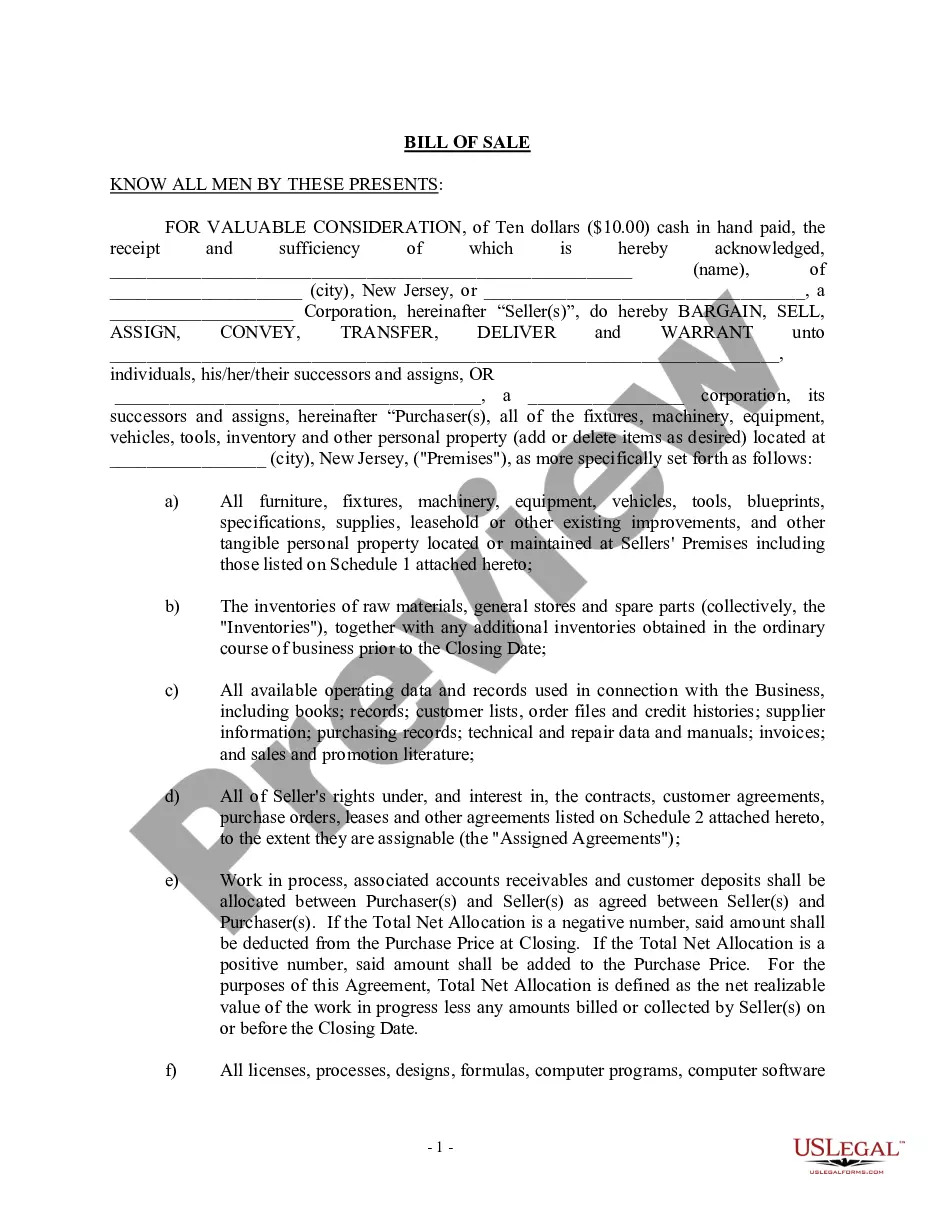
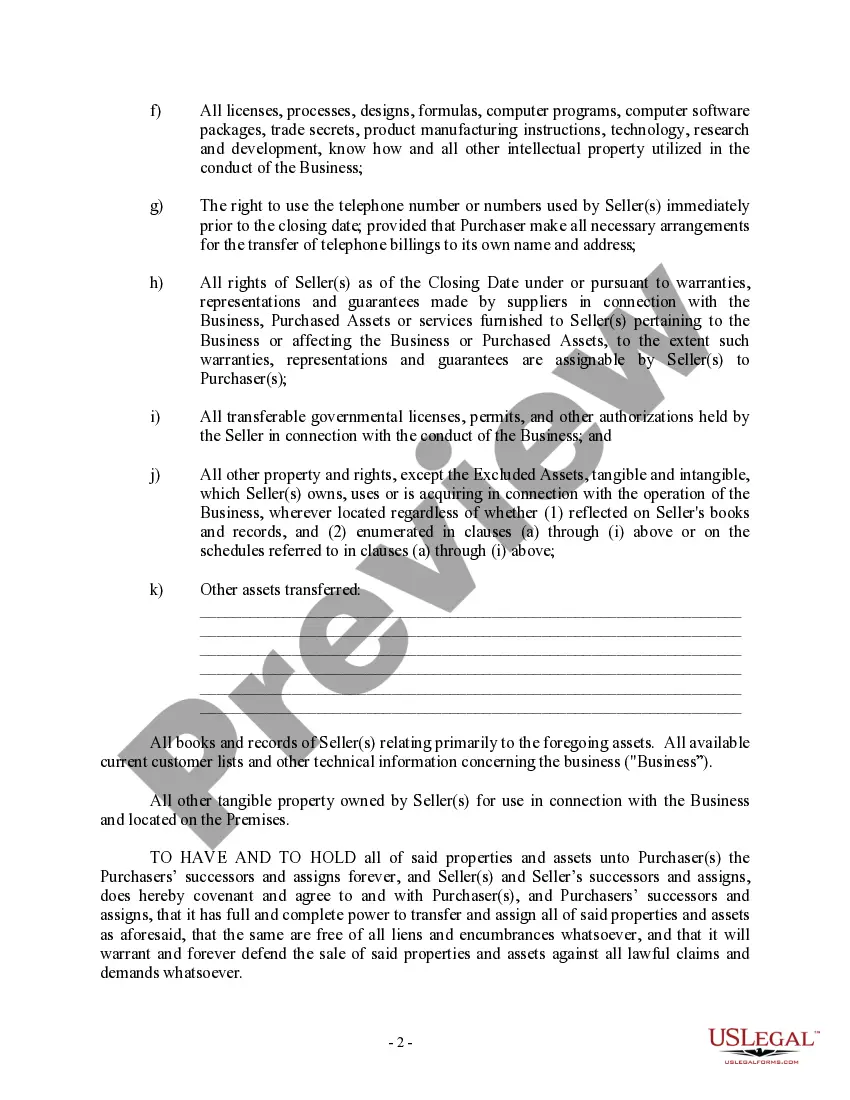
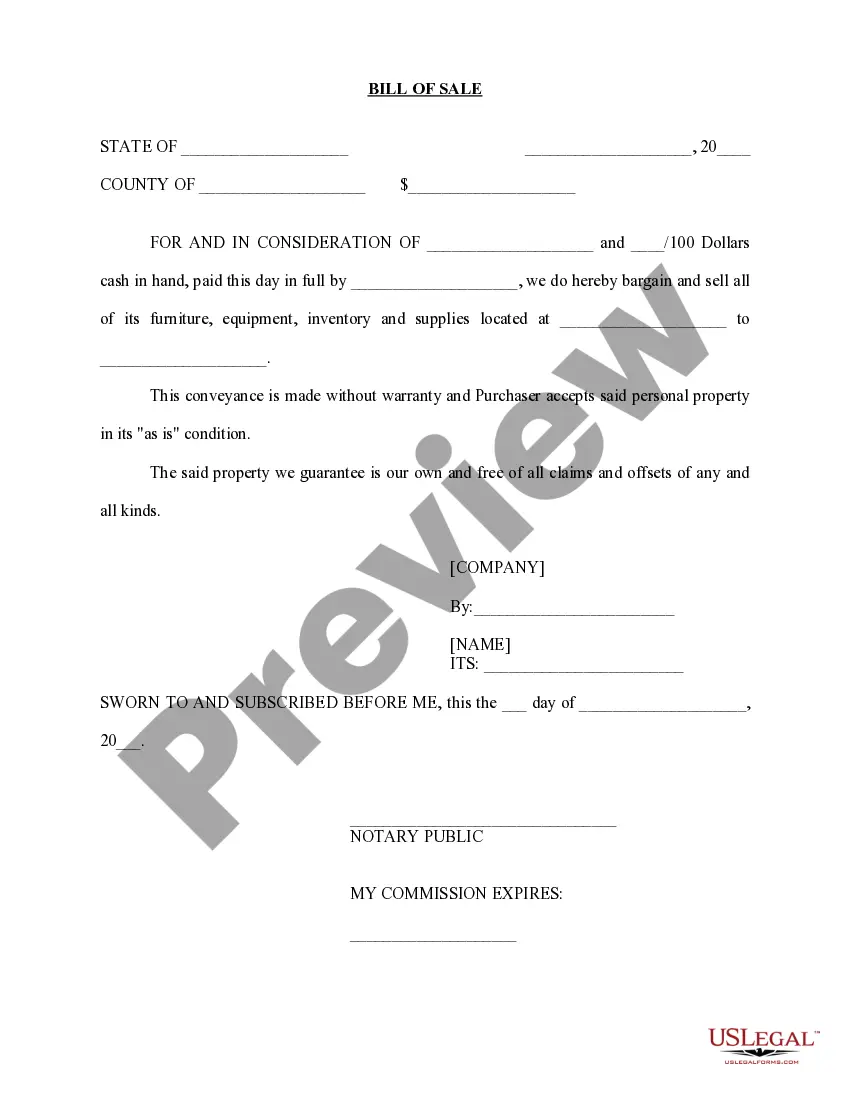
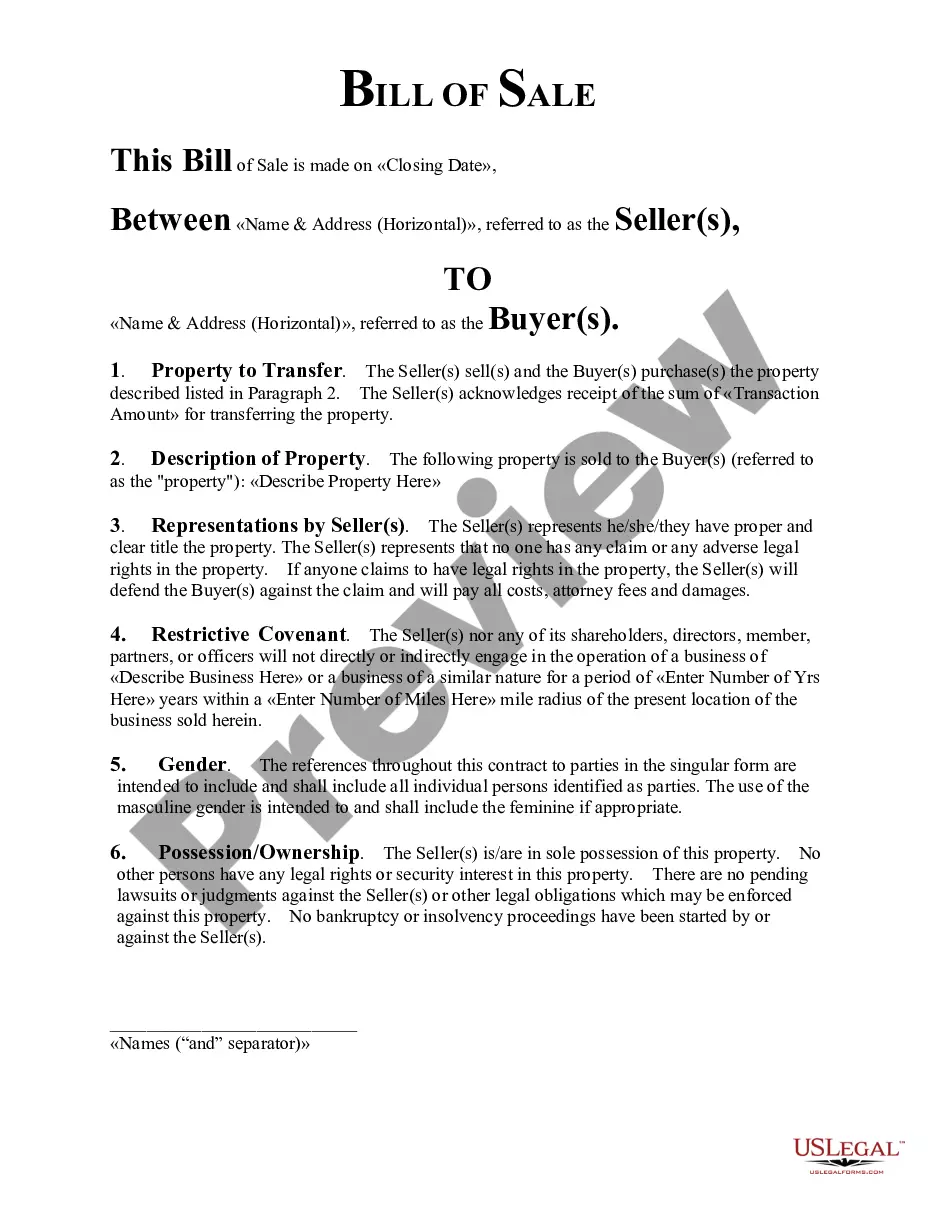
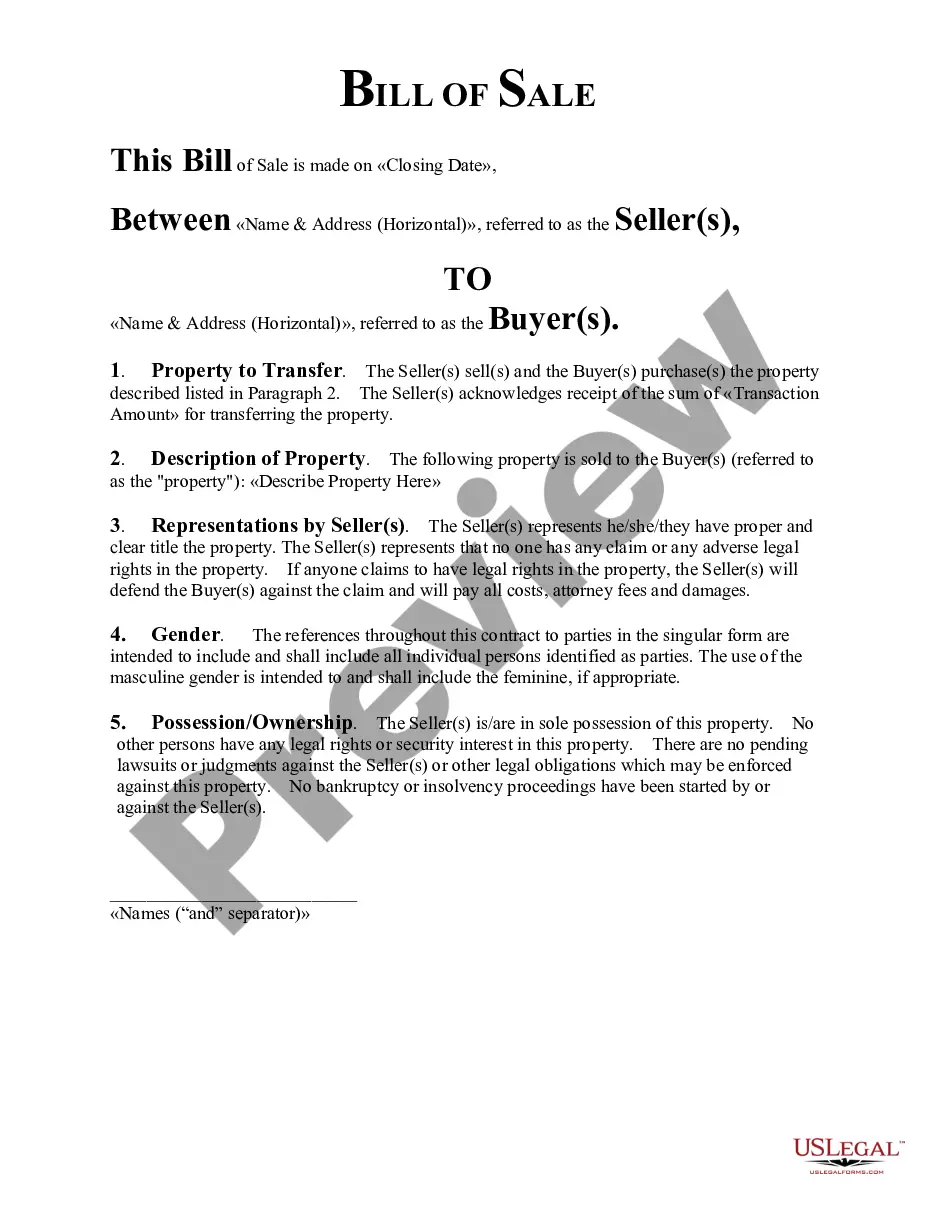
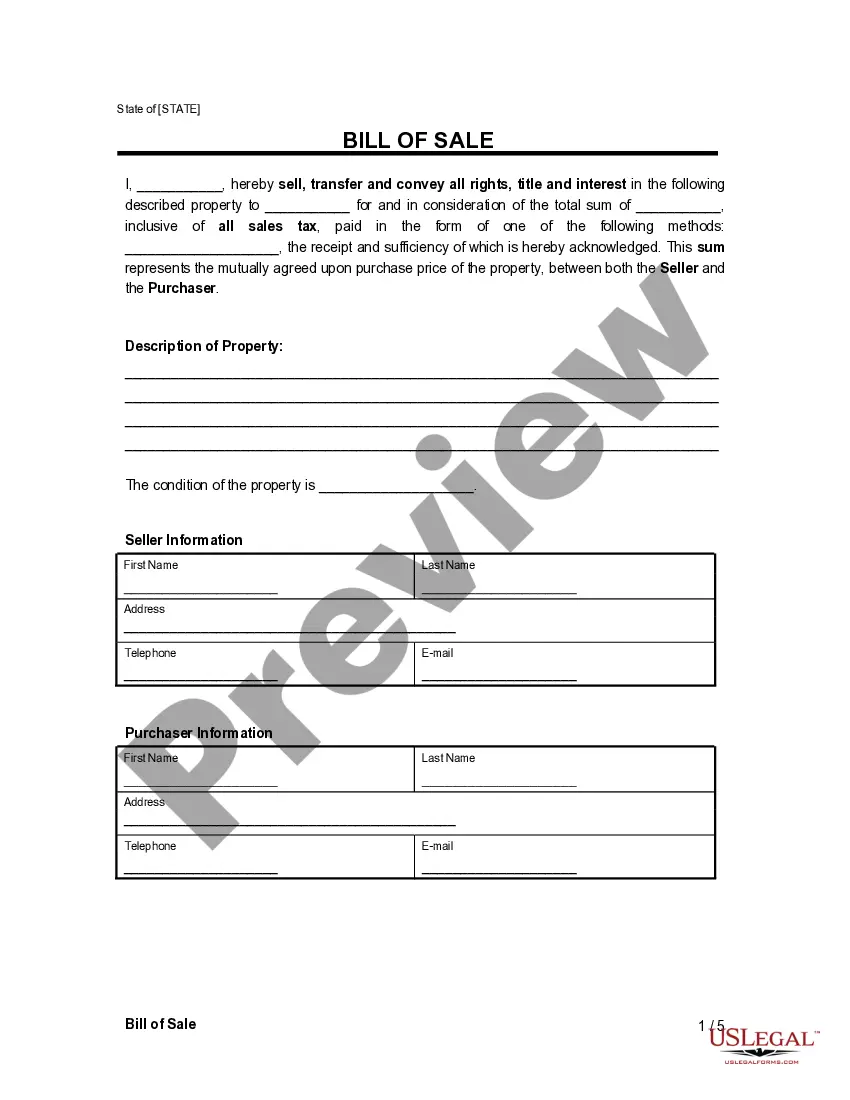
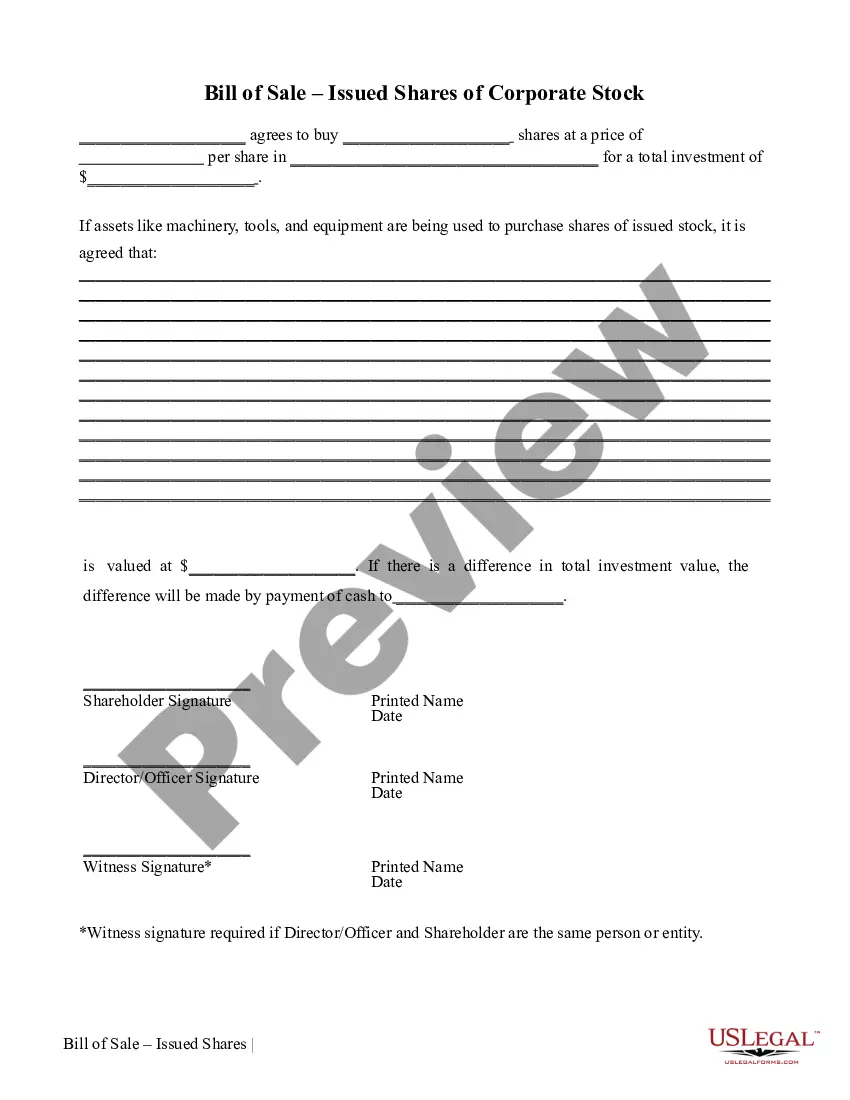
The Bill of Sale in Connection with Sale of Business is a legal document used to transfer ownership of a business from one party to another, whether the seller is an individual or a corporation. This form is essential for outlining the specifics of the sale, including both tangible and intangible assets involved in the business transaction. Unlike regular bills of sale that may only cover physical property, this form addresses a broader range of assets such as licenses, intellectual property, and customer contracts.
Key components of this form
- Identification of the seller(s) and purchaser(s)
- Detailed description of the assets being transferred, including both tangible and intangible items
- Terms regarding the allocation of work in progress and customer deposits
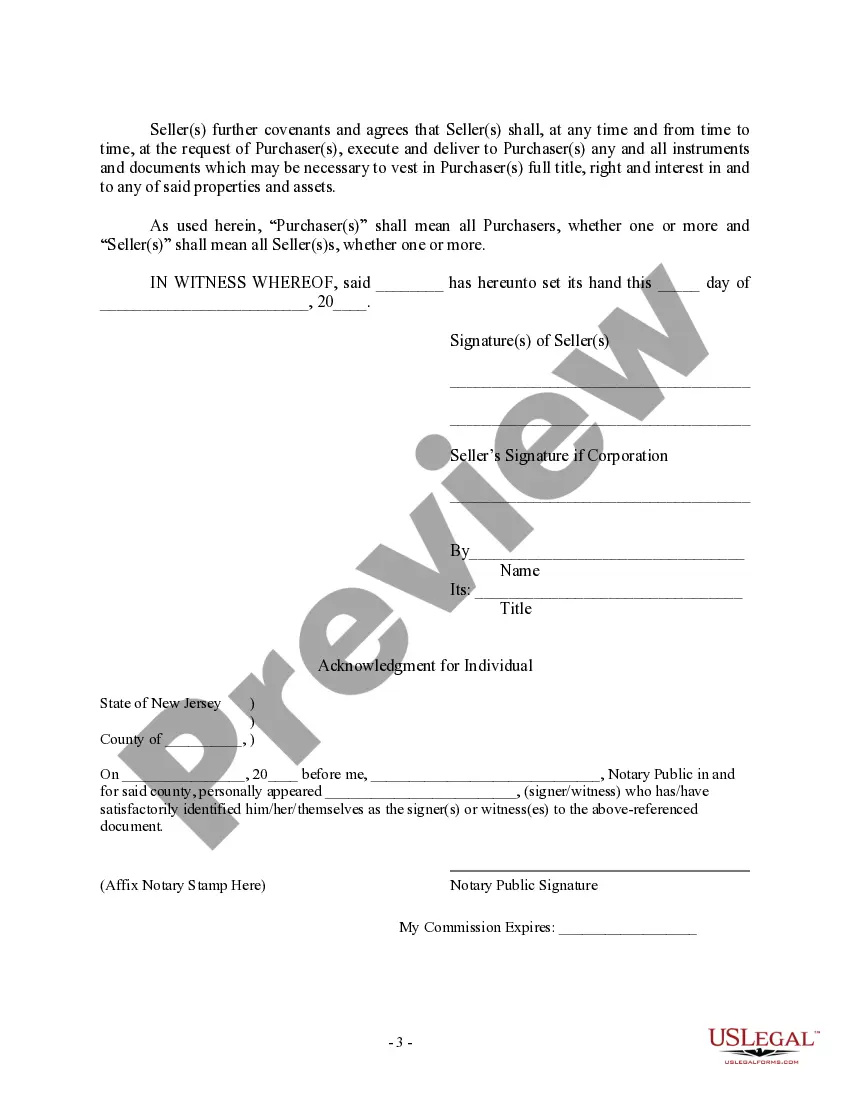
- Provision for the execution of supporting documents as needed
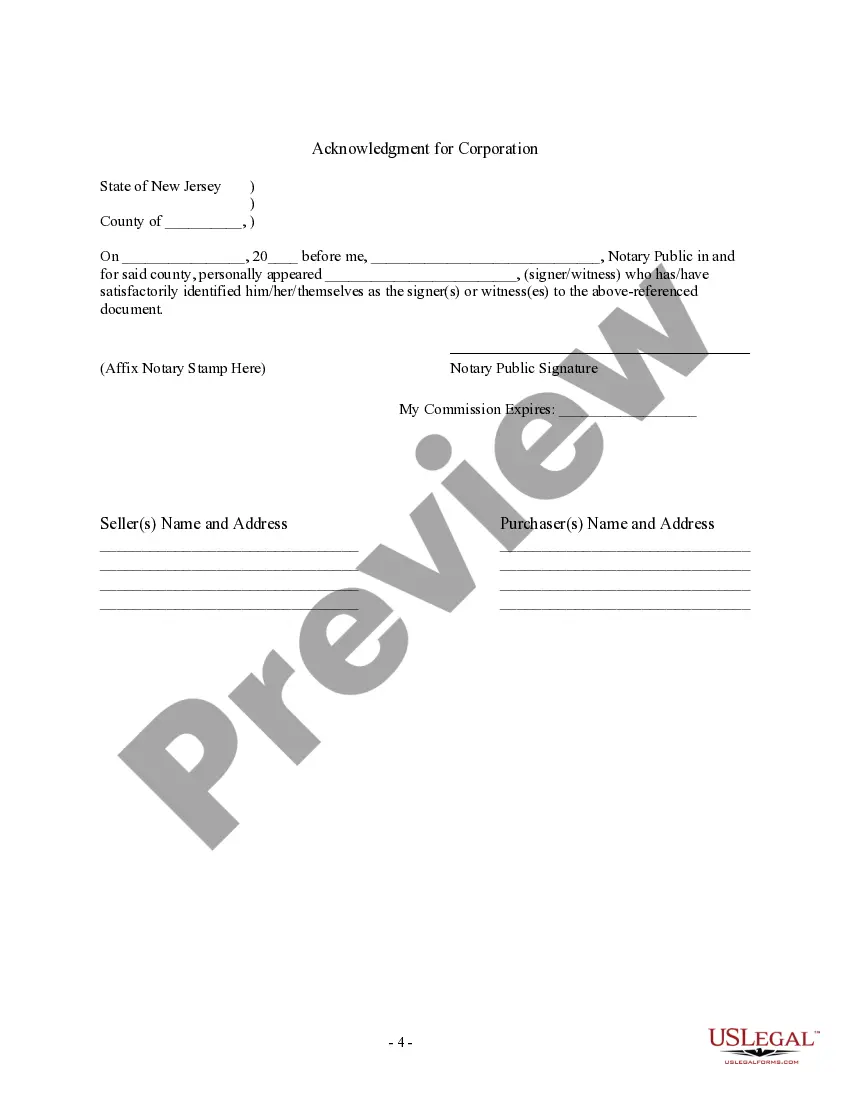
- Acknowledgment sections for notarization
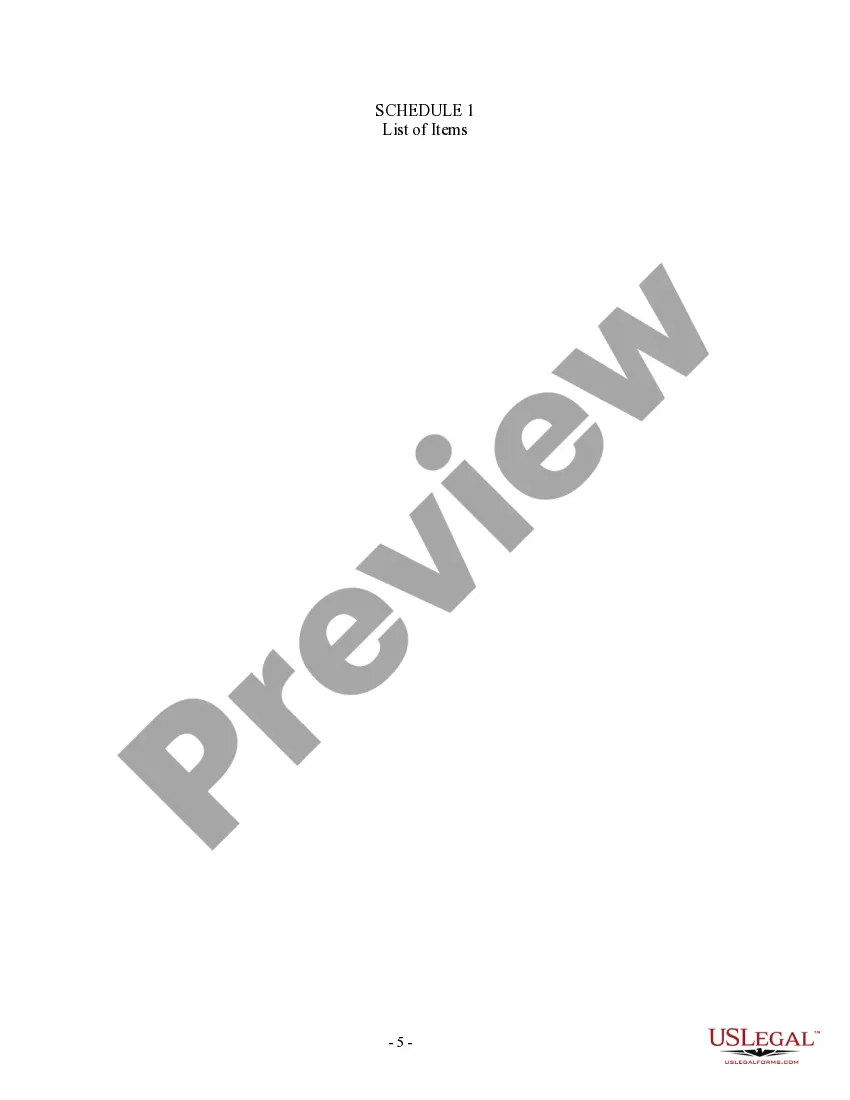
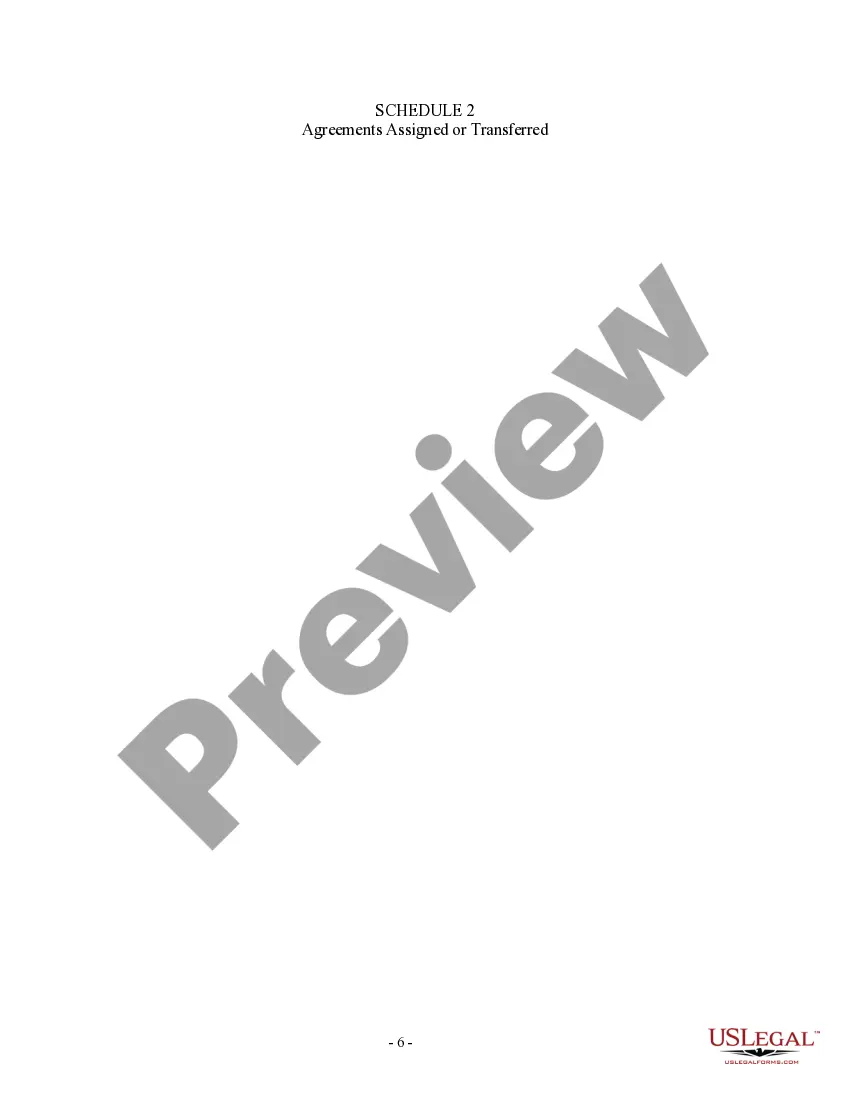
- Schedules for listing specific items and agreements
When to use this form
This form should be used when an individual or corporation is selling a business and needs a comprehensive record of the assets being sold. It's particularly useful when the transaction involves not only physical assets but also intellectual property or other intangible assets. Situations such as selling a franchise, transferring ownership, or closing a business require the use of this bill of sale to ensure all aspects of the sale are documented appropriately.
Who needs this form
This form is suitable for:
- Business owners looking to sell their business assets
- Individuals or corporations purchasing a business
- Business brokers or agents facilitating sale transactions
- Legal representatives involved in business transfer agreements
Completing this form step by step
- Identify the seller(s) and purchaser(s) by providing their names and addresses.
- List the assets being sold in detail, including furniture, equipment, and intellectual property.
- Include any additional items or agreements on the attached schedules as needed.
- Specify the purchase price and any allocation terms related to work in progress or deposits.
- Sign the document in the presence of a notary public if required.
Notarization guidance
This form needs to be notarized to ensure legal validity. US Legal Forms provides secure online notarization powered by Notarize, allowing you to complete the process through a verified video call, available anytime.
Get your form ready online
Our built-in tools help you complete, sign, share, and store your documents in one place.
Make edits, fill in missing information, and update formatting in US Legal Forms—just like you would in MS Word.
Download a copy, print it, send it by email, or mail it via USPS—whatever works best for your next step.
Sign and collect signatures with our SignNow integration. Send to multiple recipients, set reminders, and more. Go Premium to unlock E-Sign.
If this form requires notarization, complete it online through a secure video call—no need to meet a notary in person or wait for an appointment.
We protect your documents and personal data by following strict security and privacy standards.

Make edits, fill in missing information, and update formatting in US Legal Forms—just like you would in MS Word.

Download a copy, print it, send it by email, or mail it via USPS—whatever works best for your next step.

Sign and collect signatures with our SignNow integration. Send to multiple recipients, set reminders, and more. Go Premium to unlock E-Sign.

If this form requires notarization, complete it online through a secure video call—no need to meet a notary in person or wait for an appointment.

We protect your documents and personal data by following strict security and privacy standards.
Common mistakes
- Failing to include all assets being sold, particularly intangible assets.
- Not properly identifying all parties involved in the transaction.
- Omitting important schedules that detail specific items or agreements.
- Not having the form notarized when required, which may invalidate the document.
Advantages of online completion
- Convenience of easy download and access at any time.
- Editability allows users to customize the form to their specific needs.
- Reliability, as the forms are drafted by licensed attorneys to ensure legal compliance.
Quick recap
- This form transfers ownership of a business, detailing all relevant assets.
- It is crucial for both sellers and buyers to ensure clarity and legality in the transaction.
- Proper completion involves identifying all parties, assets, and obtaining notarization.
Looking for another form?
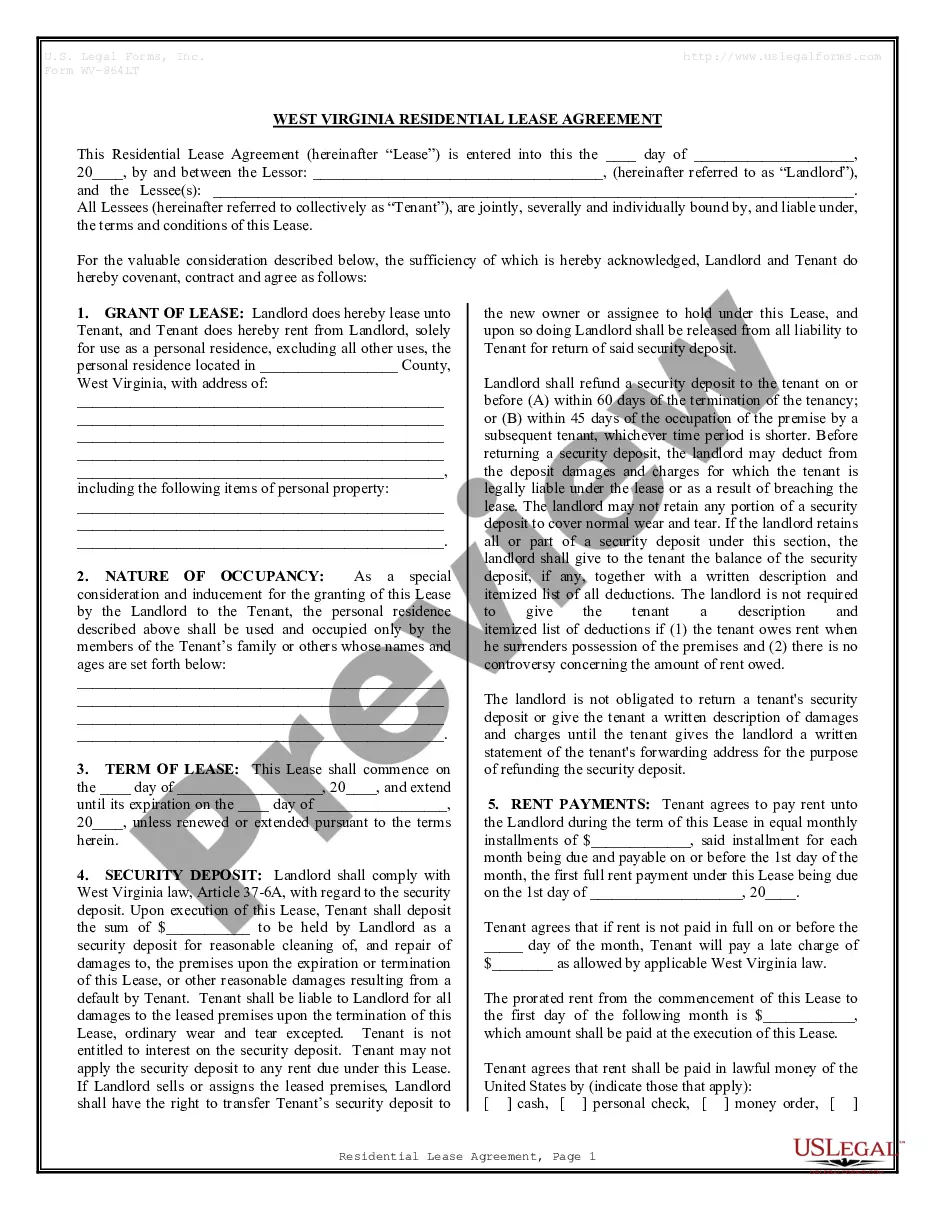
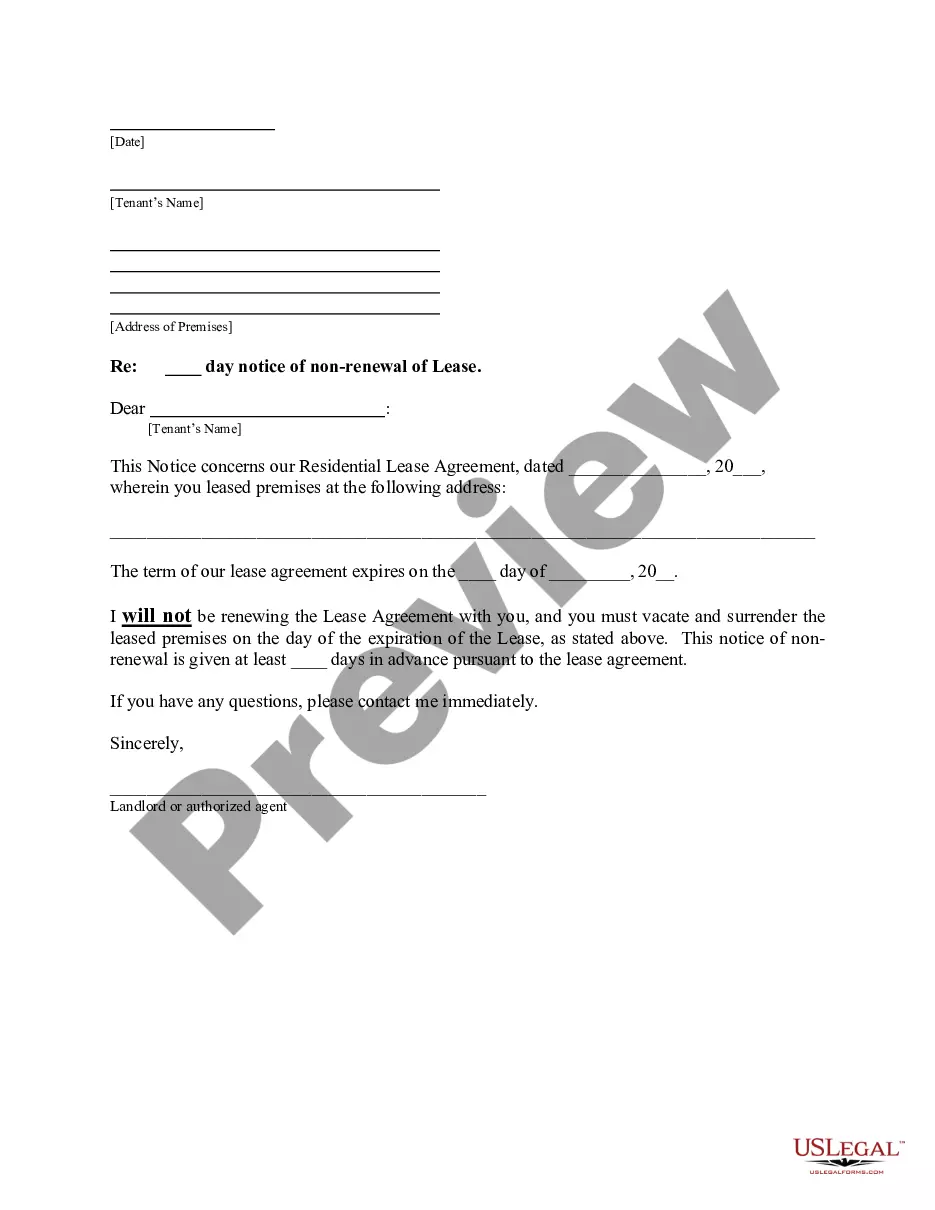
Form popularity
FAQ
Selling in Bulk Means Buying in Bulk. When you want to sell large quantities of a single item, you have to buy large quantities of a single item. This requires buying in bulk, so you can have enough inventory to last for several weeks' or months' worth of auctions.
New Jersey requires a bill of sale for cars and other motor vehicle type transactions. The New Jersey Motor Vehicle Commission (NJ MVC) requires a bill of sale, which is a legal document that offers proof of ownership, to register and title pre-owned vehicles bought at auctions, as well as abandoned vehicles.
A bulk sales agreement sets forth the terms and conditions regarding the transfer of a large segment of the seller's materials, merchandise and the like. The contract must be for the purpose of transferring business assets.
A New Jersey bill of sale is a form that uses specific language to transfer the ownership of an item from one person to another.Most New Jersey bills of sale do not need to be notarized.
The purpose of the Bulk Sale Statute is to protect a purchaser from inheriting any tax debt from a seller of business assets. A bulk sale is the sale (or transfer or assignment) of an individual's or company's business asset/s, in whole or in part, outside of the ordinary course of business.
The sale of a large number of real estate properties at the same time as if they were one unit. The properties are not connected and usually have nothing in common except that they are sold in the same transaction.
The purpose of the Bulk Sale Statute is to protect a purchaser from inheriting any tax debt from a seller of business assets. A bulk sale is the sale (or transfer or assignment) of an individual's or company's business asset/s, in whole or in part, outside of the ordinary course of business.