New Jersey Letter from Tenant to Landlord for Failure of Landlord to return all prepaid and unearned rent and security recoverable by Tenant
What is this form?
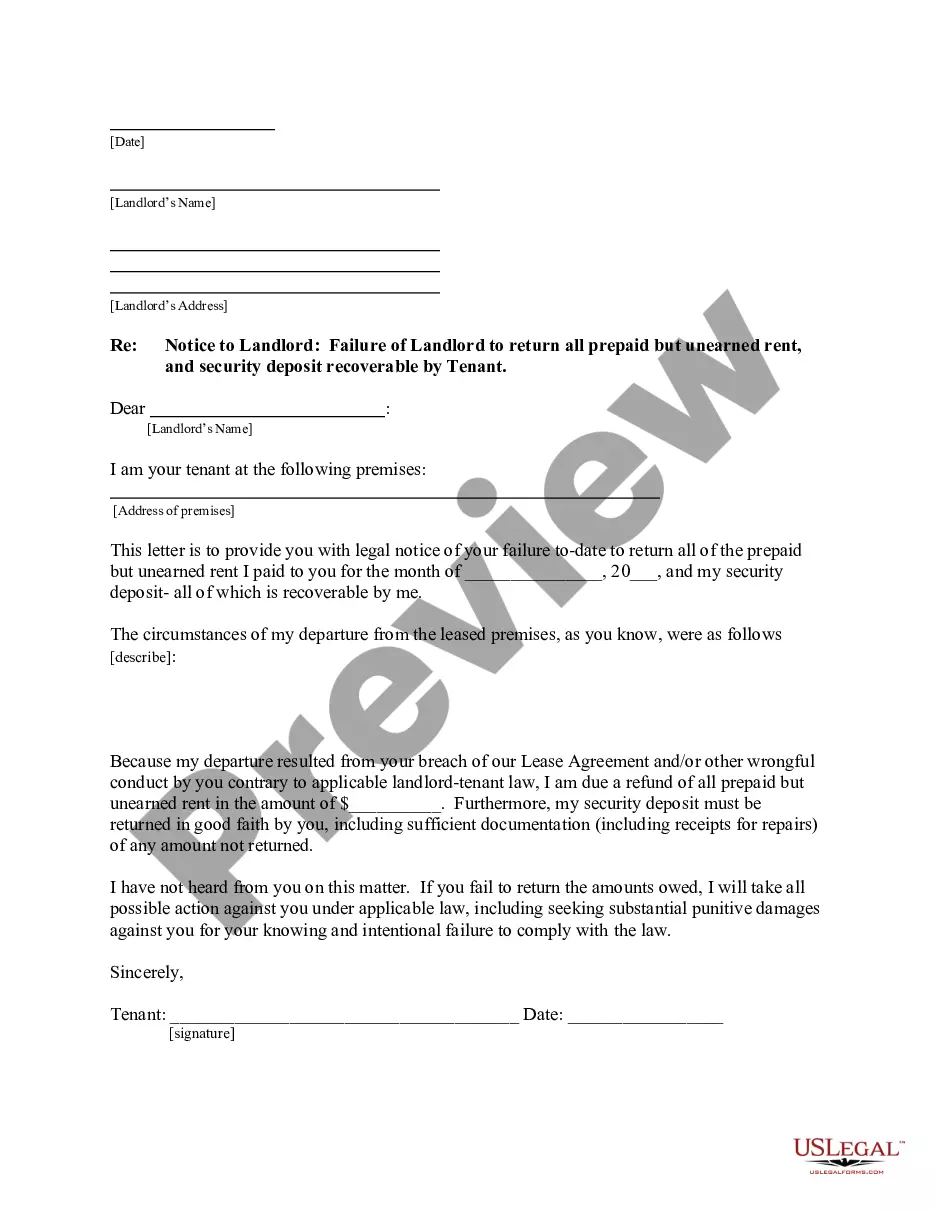
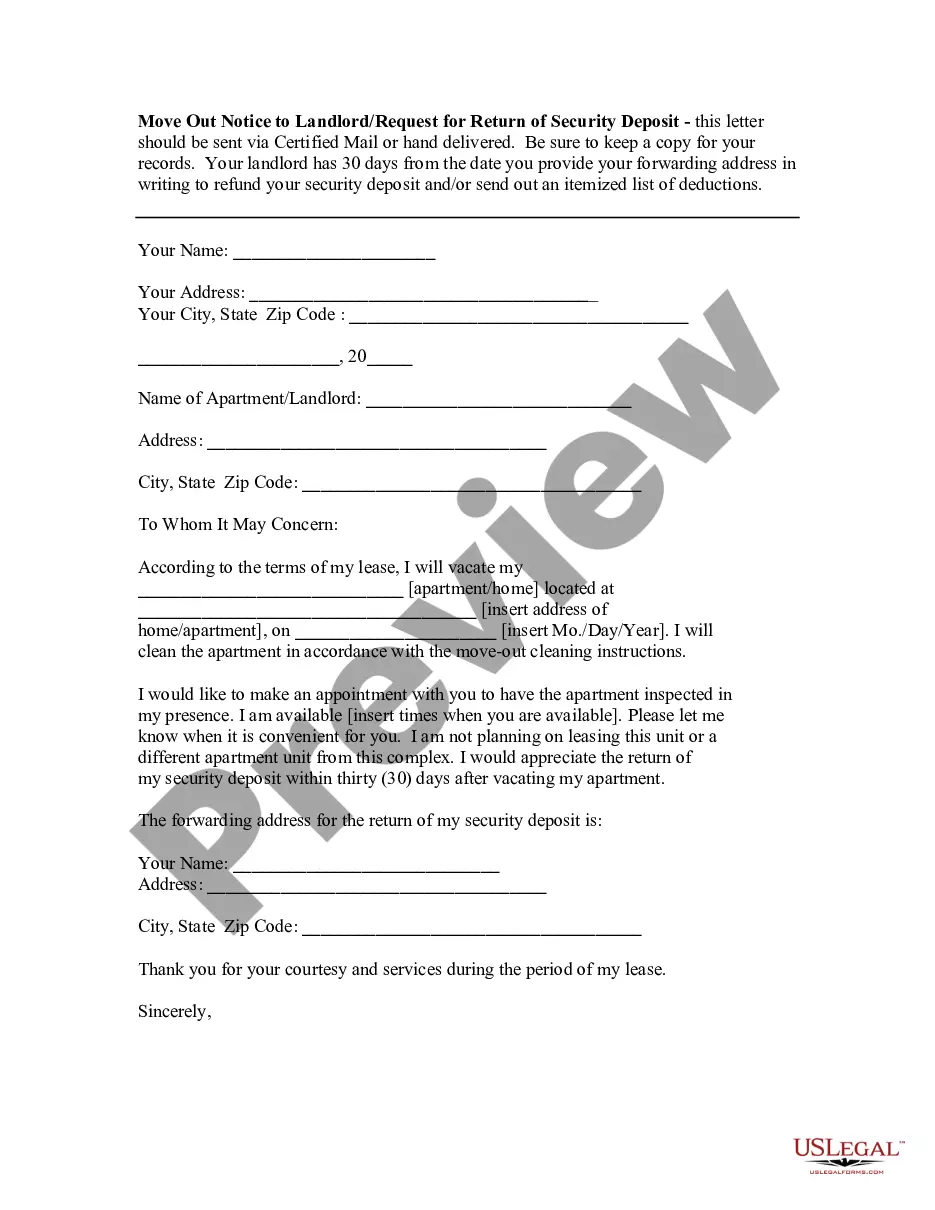
This form is a Letter from Tenant to Landlord for Failure of Landlord to return all prepaid and unearned rent and security recoverable by Tenant. It serves as a formal notice to the landlord regarding their obligation to return funds that are legally owed to the tenant following the termination of a lease agreement. This document is essential for enforcing tenant rights and differs from other landlord-tenant communication forms through its focus on rent reimbursement due to non-compliance by the landlord.
Main sections of this form
- Details outlining the circumstances of the tenant's departure from the leased premises.
- A clear statement of the landlord's failure to return unearned funds.
- A demand for reimbursement of prepaid rent.
- A notification of potential legal action if the landlord does not comply.
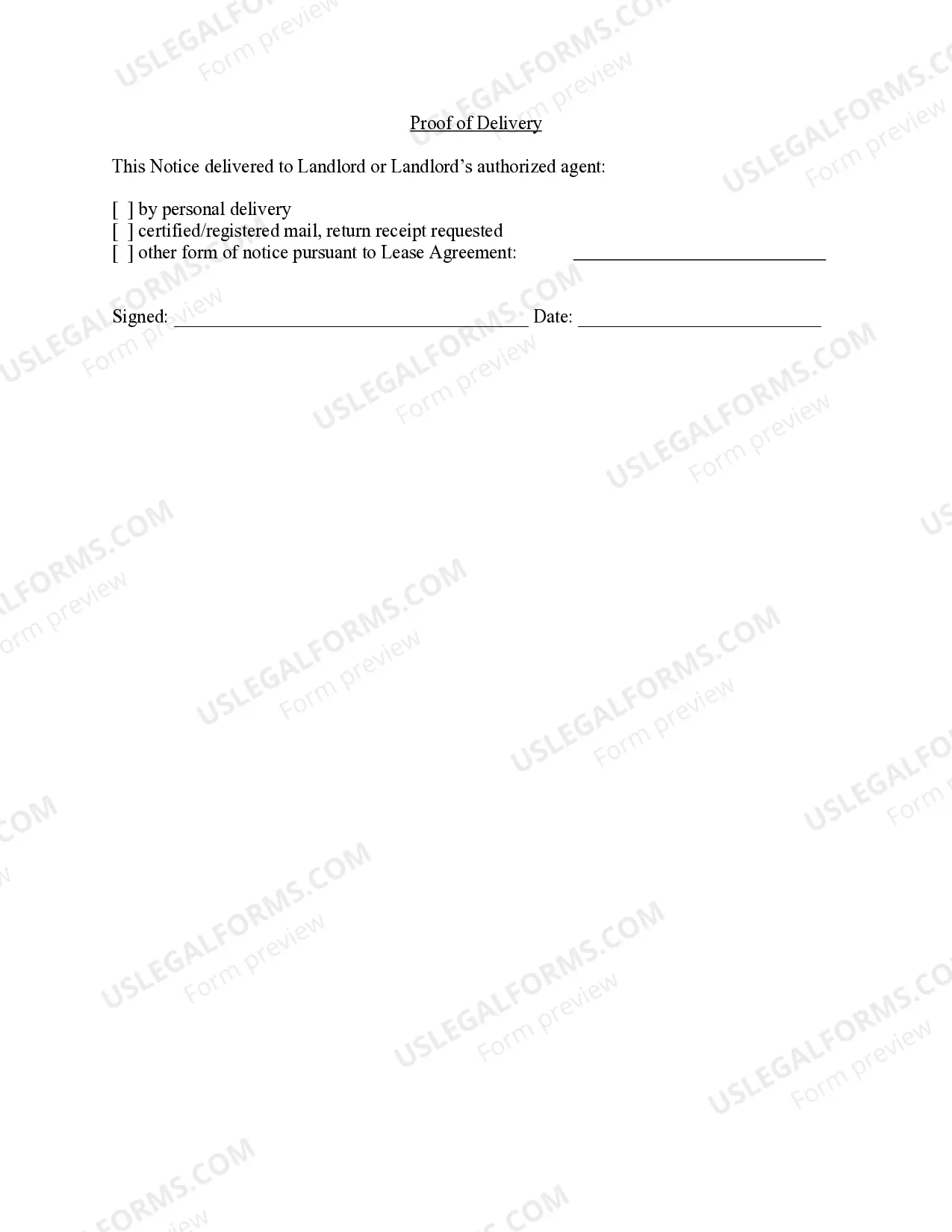
- Proof of delivery options for the notice sent to the landlord.


When this form is needed
This form should be used by tenants who have vacated their rental premises but have not received a refund for prepaid rent or security deposits. It is especially pertinent in situations where the tenant had to leave due to the landlord's breach of contract or other illegal actions that violated landlord-tenant laws. Utilizing this letter demonstrates the tenant's seriousness in recovering owed funds and establishes a formal record of communication with the landlord.
Who needs this form
- Tenants who have vacated their rental property.
- Individuals seeking to recover unpaid or unearned rent from a landlord.
- Persons experiencing disputes with their landlord regarding financial obligations.
Steps to complete this form
- Identify the parties involved by entering your name (as the tenant) and the landlordâs name.
- Clearly describe the circumstances that led to your departure from the leased property.
- Specify the total amount of prepaid rent you are requesting to be returned.
- Include a statement of your intent to take legal action if the matter is not resolved.
- Sign and date the letter before delivering it to the landlord or their authorized agent.
Is notarization required?
This form does not typically require notarization to be legally valid. However, some jurisdictions or document types may still require it. US Legal Forms provides secure online notarization powered by Notarize, available 24/7 for added convenience.
Get your form ready online
Our built-in tools help you complete, sign, share, and store your documents in one place.
Make edits, fill in missing information, and update formatting in US Legal Forms—just like you would in MS Word.
Download a copy, print it, send it by email, or mail it via USPS—whatever works best for your next step.
Sign and collect signatures with our SignNow integration. Send to multiple recipients, set reminders, and more. Go Premium to unlock E-Sign.
If this form requires notarization, complete it online through a secure video call—no need to meet a notary in person or wait for an appointment.
We protect your documents and personal data by following strict security and privacy standards.
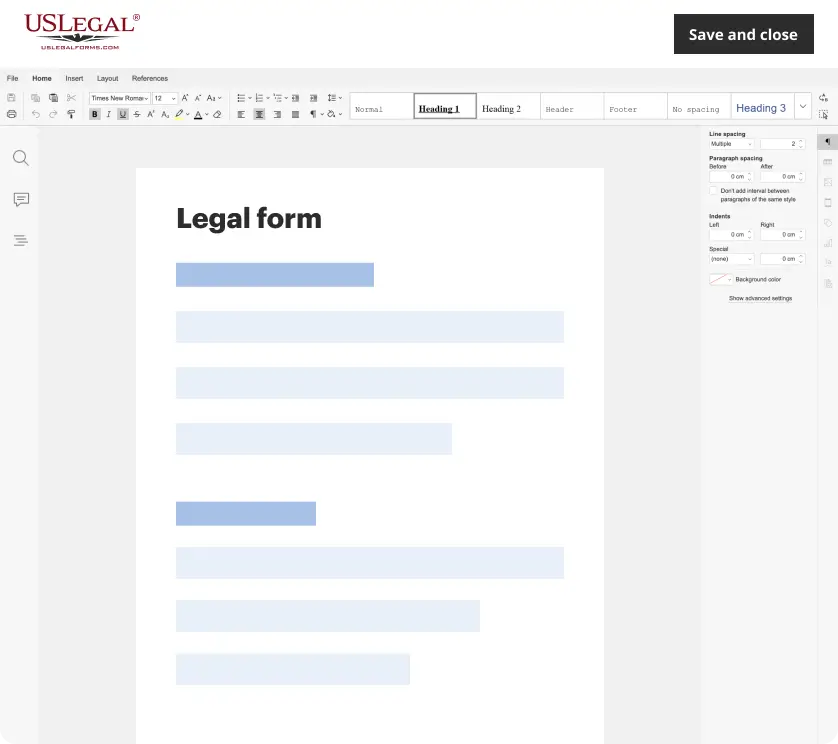
Make edits, fill in missing information, and update formatting in US Legal Forms—just like you would in MS Word.
Download a copy, print it, send it by email, or mail it via USPS—whatever works best for your next step.
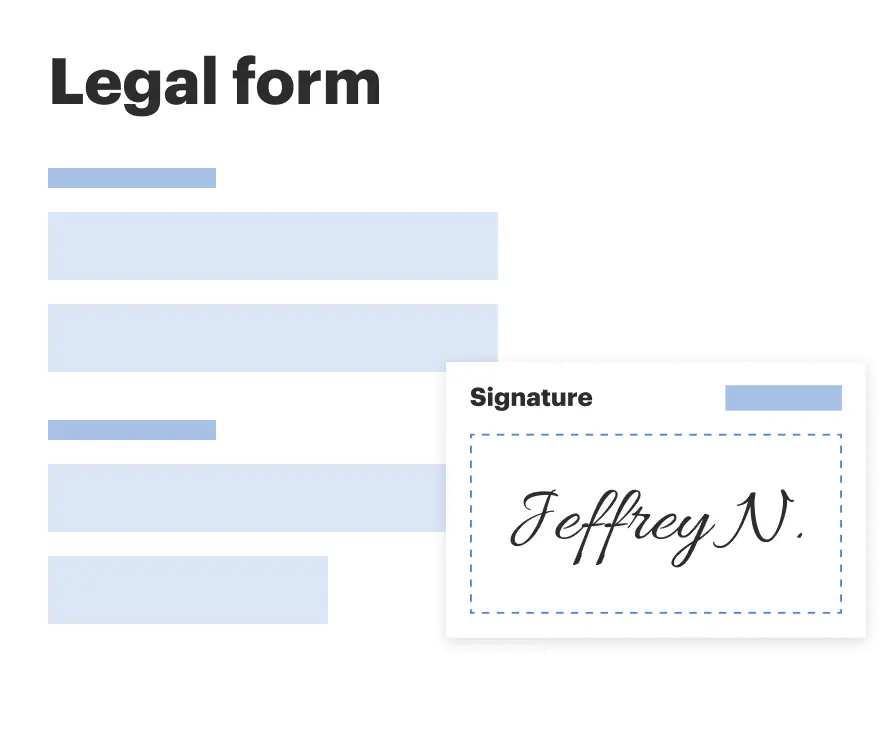
Sign and collect signatures with our SignNow integration. Send to multiple recipients, set reminders, and more. Go Premium to unlock E-Sign.
If this form requires notarization, complete it online through a secure video call—no need to meet a notary in person or wait for an appointment.
We protect your documents and personal data by following strict security and privacy standards.
Common mistakes
- Failing to provide specific details regarding the amounts owed.
- Not signing the letter before submission.
- Using informal language rather than maintaining a professional tone.
Benefits of using this form online
- Convenient access to legal documents tailored to your specific needs.
- Editable templates allow you to customize your letter easily.
- Reliability of forms drafted by licensed attorneys to ensure compliance with the law.
Looking for another form?
Form popularity
FAQ
You should usually get your deposit back within 10 days of agreeing on the amount with your landlord. It can take a lot longer if you and your landlord disagree on the amount that's being taken off.
Landlord Rights When Tenant Destroys PropertyIf the tenant is evicted or already abandoned the property the landlord can deduct money from the security deposit. If the damages exceed the funds in the security deposit the landlord can sue the tenant in small claims court.
Security Deposit Deductions in New Jersey A landlord may be able to keep all or a part of a tenant's security deposit for the following reasons: Unpaid rent. Damage to the property more than normal wear and tear.
Under New Jersey law, a landlord must return the tenant's security deposit within 30 days after the tenant has surrendered the rental property to the landlord (that is, returned the keys and vacated the property), but within five days in case of fire, flood, condemnation, or evacuation.
Tenants that break a rental lease in New Jersey can lose their security deposit, as well suffer damages for a landlord's lost rental income.
Late last week, Governor Phil Murphy signed Executive Order #128 that allows tenants to use funds that are being held as a security deposit to pay their monthly rent.The Order does not contain any exceptions for those with higher incomes and applies to any residential tenant that has a lease agreement in place.
State law regulates several rent-related issues, including late fees, the amount of notice (at least 30 days in New Jersey) landlords must give tenants to raise the rent and how much time (30 days in New Jersey) a tenant has to pay overdue rent or move before a landlord can file for eviction.
Start a written record. The problems with my landlord started almost immediately after I moved in. Check your lease agreement. If your landlord agreed to something in your lease, he has to follow it. Send written requests. Decide if you have a case. Seek legal assistance. File a civil lawsuit. Fight discrimination.
For other tenant/landlord affairs information, residents may contact the NJ Department of Community Affairs, Division of Codes & Standards, Landlord/Tenant Divsion by phone 609-292-7899, on their website at www.nj.gov/dca or by mail at P.O. Box 805, Trenton NJ 08625.