New Jersey Revocation of Premarital or Prenuptial Agreement
What is this form?
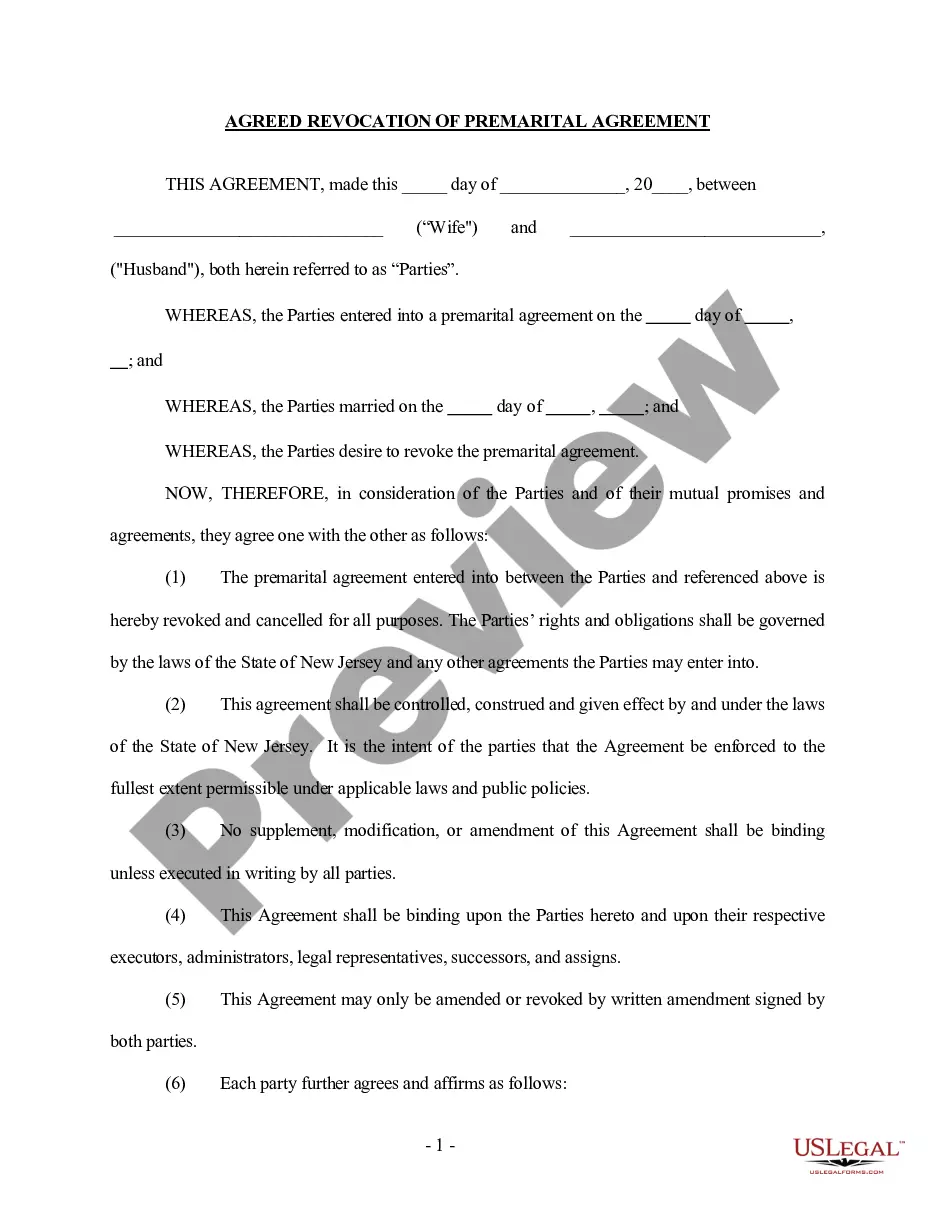
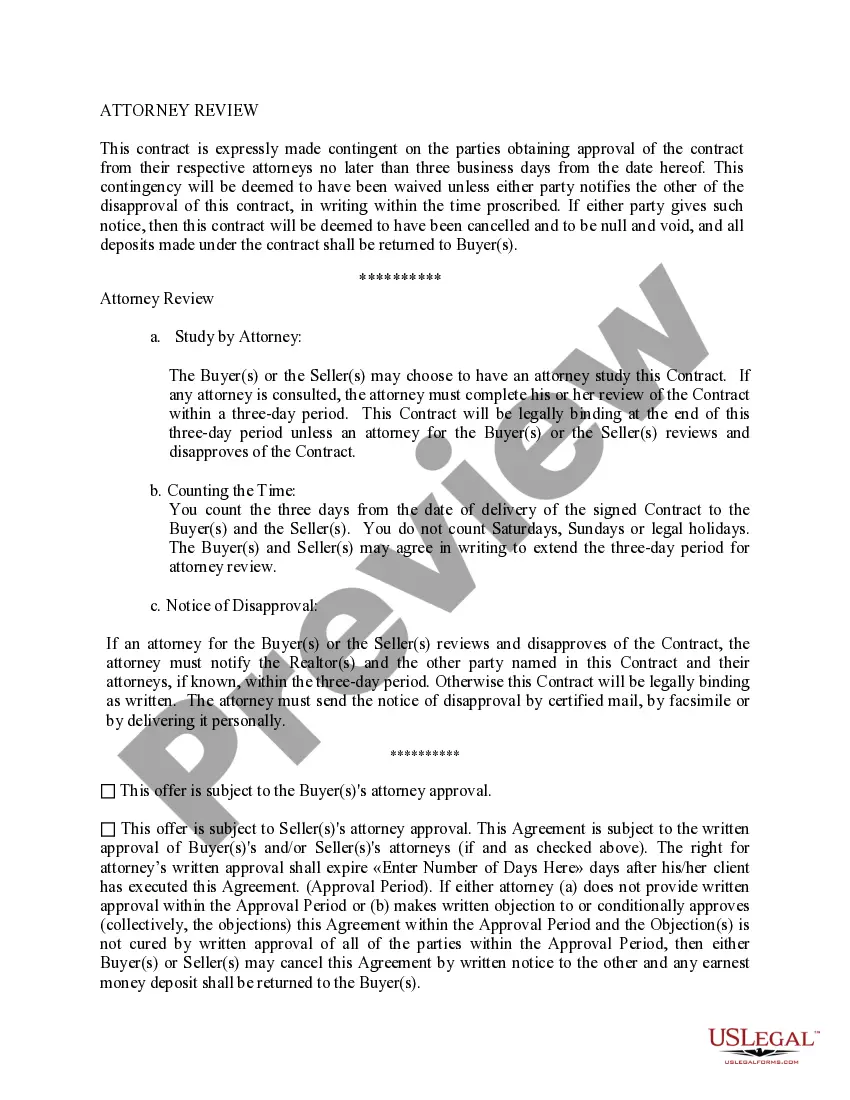
The Revocation of Premarital or Prenuptial Agreement is a legal document that allows a husband and wife to formally revoke an existing premarital agreement. This form is essential for couples who wish to annul their previous agreements and establish new terms or return to the standard laws governing marital assets. Unlike similar forms, this document specifically addresses the cancellation of premarital agreements and ensures that all parties' rights and obligations are duly recognized and enforceable.
Form components explained
- Date of agreement execution.
- Identities of the husband and wife as parties to the agreement.
- Statement of revocation of the existing premarital agreement.
- Governing law clause specifying New Jersey law.
- Provision for further amendments to be made in writing.
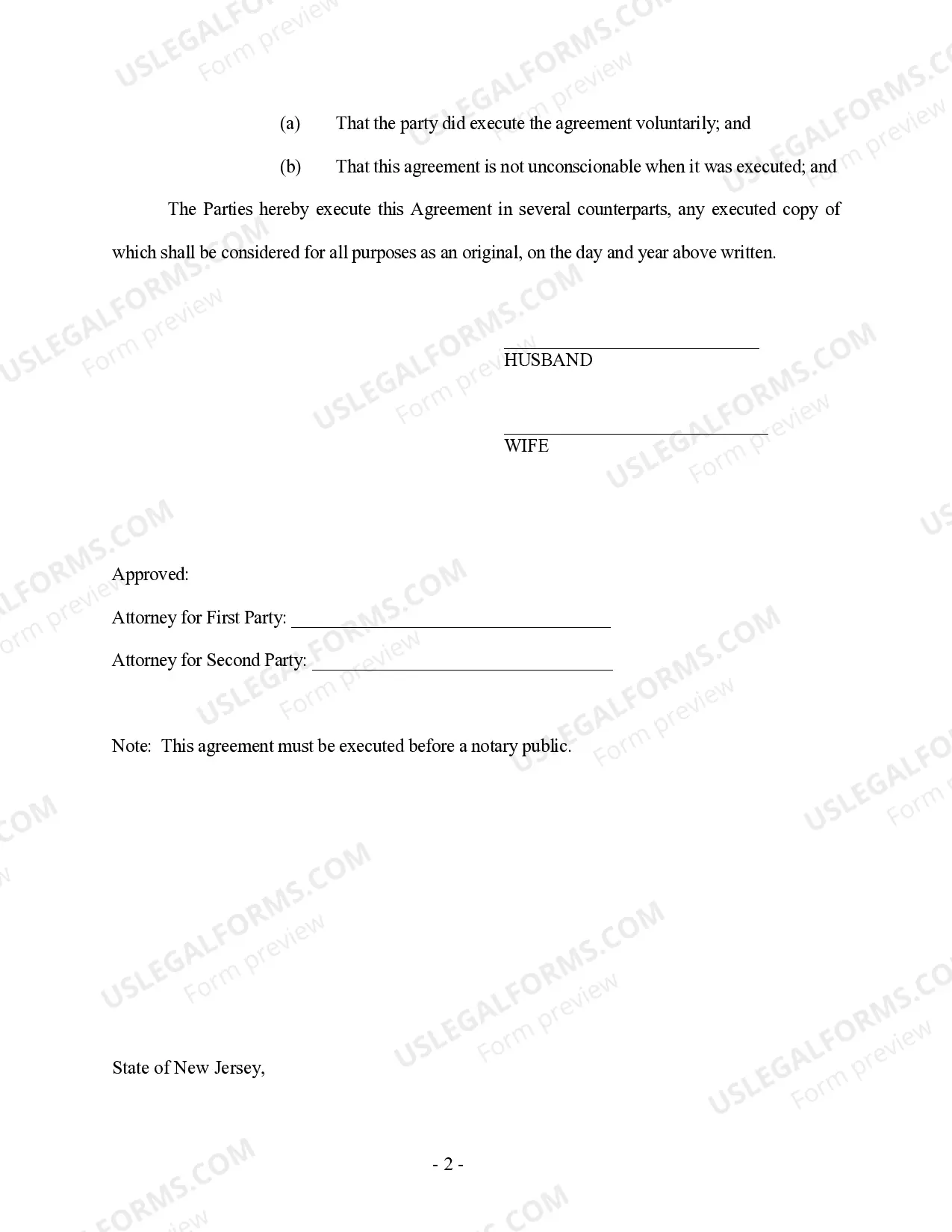
- Signatures of both parties to affirm agreement.
When to use this document
This form is used when a married couple decides to revoke a premarital or prenuptial agreement. Situations may include changes in financial circumstances, the couple's desire to streamline their financial agreements, or a mutual decision to discard outdated terms. It is important to use this form when both parties wish to annul any legal obligations defined in the previous agreement.
Who needs this form
This form is intended for:
- Married couples who have an existing premarital or prenuptial agreement.
- Individuals seeking to update or revoke their financial agreements with their spouse.
- Couples looking to clarify their legal rights and obligations after deciding to cancel their prior agreements.
How to complete this form
- Identify and enter the date of execution at the top of the form.
- Clearly state the names of both parties involved (husband and wife).
- Include a statement that explicitly revokes the existing premarital agreement.
- Ensure the governing law is specified as New Jersey law.
- Have both parties sign the document to formalize the revocation.
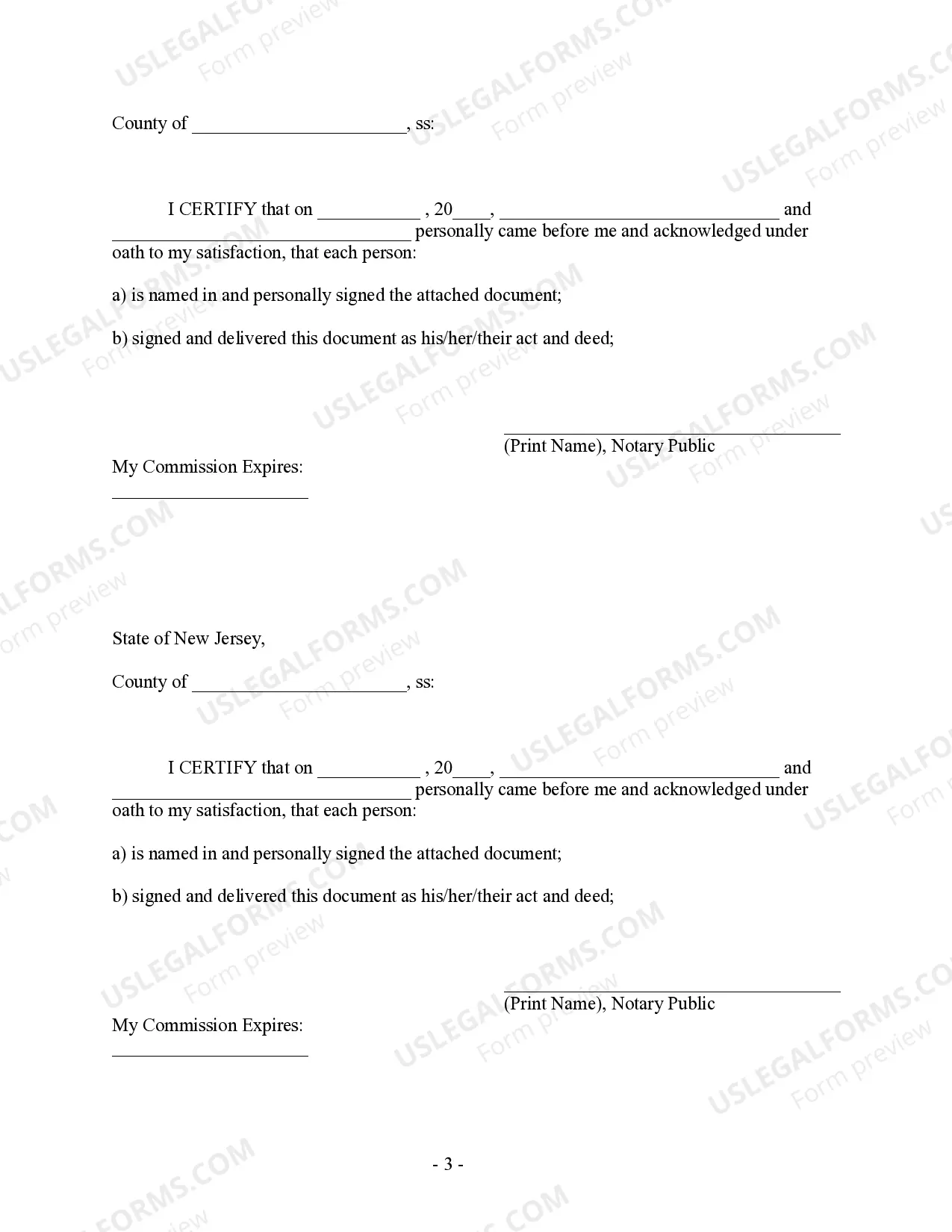
Does this form need to be notarized?
Notarization is generally not required for this form. However, certain states or situations might demand it. You can complete notarization online through US Legal Forms, powered by Notarize, using a verified video call available anytime.
Get your form ready online
Our built-in tools help you complete, sign, share, and store your documents in one place.
Make edits, fill in missing information, and update formatting in US Legal Forms—just like you would in MS Word.
Download a copy, print it, send it by email, or mail it via USPS—whatever works best for your next step.
Sign and collect signatures with our SignNow integration. Send to multiple recipients, set reminders, and more. Go Premium to unlock E-Sign.
If this form requires notarization, complete it online through a secure video call—no need to meet a notary in person or wait for an appointment.
We protect your documents and personal data by following strict security and privacy standards.

Make edits, fill in missing information, and update formatting in US Legal Forms—just like you would in MS Word.

Download a copy, print it, send it by email, or mail it via USPS—whatever works best for your next step.

Sign and collect signatures with our SignNow integration. Send to multiple recipients, set reminders, and more. Go Premium to unlock E-Sign.

If this form requires notarization, complete it online through a secure video call—no need to meet a notary in person or wait for an appointment.

We protect your documents and personal data by following strict security and privacy standards.
Mistakes to watch out for
- Failing to include the date of execution.
- Not both parties signing the agreement.
- Omitting the governing law clause.
- Using vague language that does not clearly revoke the previous agreement.
Why complete this form online
- Convenient access to forms that can be downloaded at any time.
- Editability allows for customization to fit specific needs.
- Access to forms drafted by licensed attorneys, ensuring legal reliability.
- Quick completion process without the need to meet in person.
Main things to remember
- The form serves to revoke any previously established premarital agreement, ensuring both parties are in agreement of its nullification.
- It's important to adhere to New Jersey laws when executing the form.
- Properly filling out and signing the form is crucial to its legal enforceability.
Looking for another form?

Form popularity
FAQ
The three most common grounds for nullifying a prenup are unconscionability, failure to disclose, or duress and coercion. Unconscionability may be present if the agreement is patently unfair to one party.
It is well-established in New Jersey that prenuptial agreements are generally valid and enforceable. The likelihood of a court enforcing such agreements, however, is increased when parties have developed comprehensive and particularized agreements responsive to their peculiar circumstances. D'Onofrio v.
In fact, preparing a Prenup prior to marriage is an effective way to protect your various assets and financial interests. In the event of a divorce, a New Jersey Prenuptial Agreement generally protects your premarital assets and can ensure that your property is deemed exempt from equitable distribution.
These documents need to be revised, refreshed, updated and reaffirmed through a post-nuptial agreement on a regular basis. This is advised every five years, but at the very least, couples should re-affirm their agreements every 10 years. Failing to do so could cause a prenup to appear stale and outdated to the court.
How much does a prenup cost? Typically, prenups cost around $2,500, but can cost more if you spend a while haggling out various issues.
How long does your prenuptial agreement last? Since it's not mandatory to include a specified term, the answer remains open. For most couples, the prenuptial agreement remains valid throughout the marriage. All things considered, the courts enforce properly drafted prenups even if they make one party unhappy.
A prenup can also be overturned if one or both parties change their mind after initially signing the agreement. They may decide at that time to sign a new agreement suspending the prenup.
2. Prenups make you think less of your spouse. And at their root, prenups show a lack of commitment to the marriage and a lack of faith in the partnership.Ironically, the marriage becomes more concerned with money after a prenup than it would have been without the prenup.