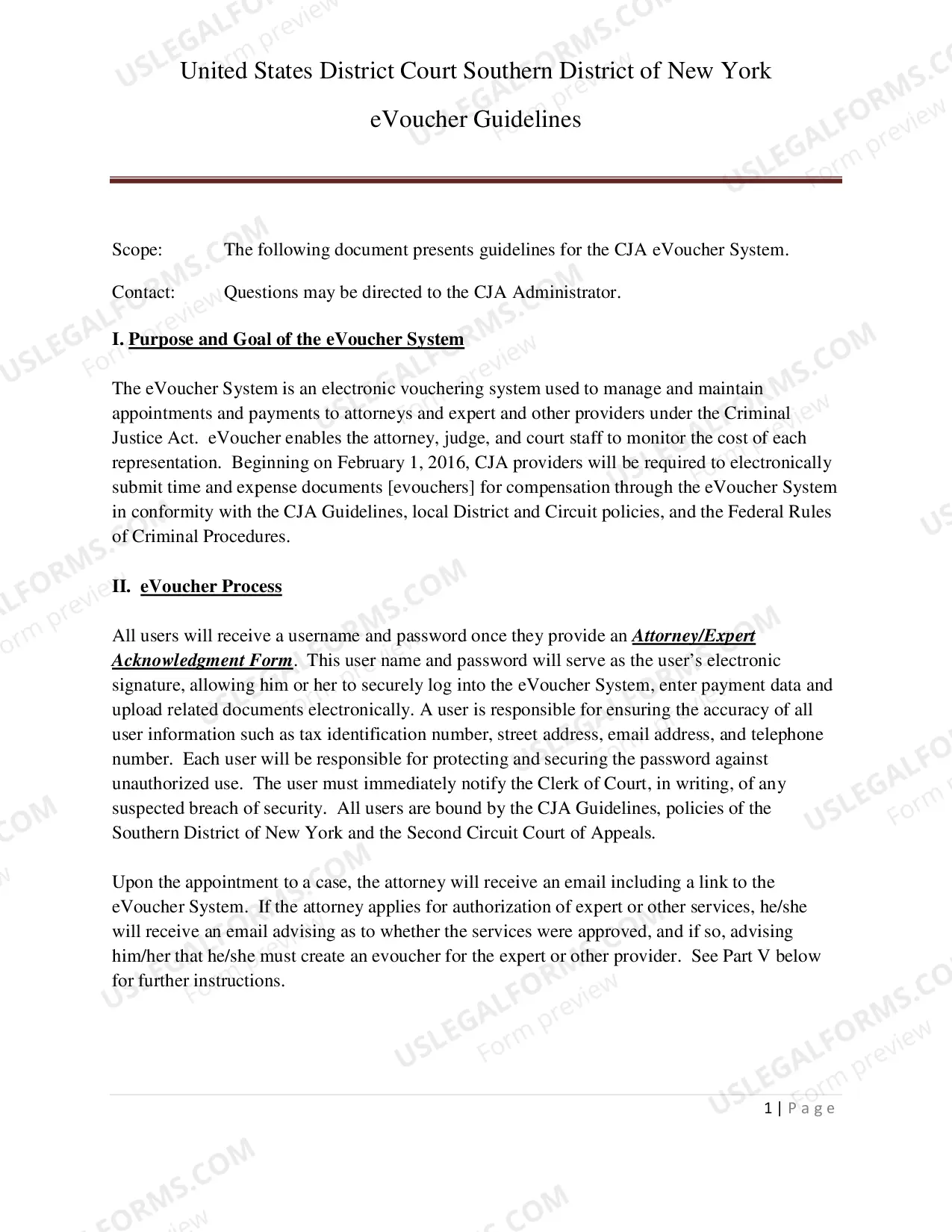
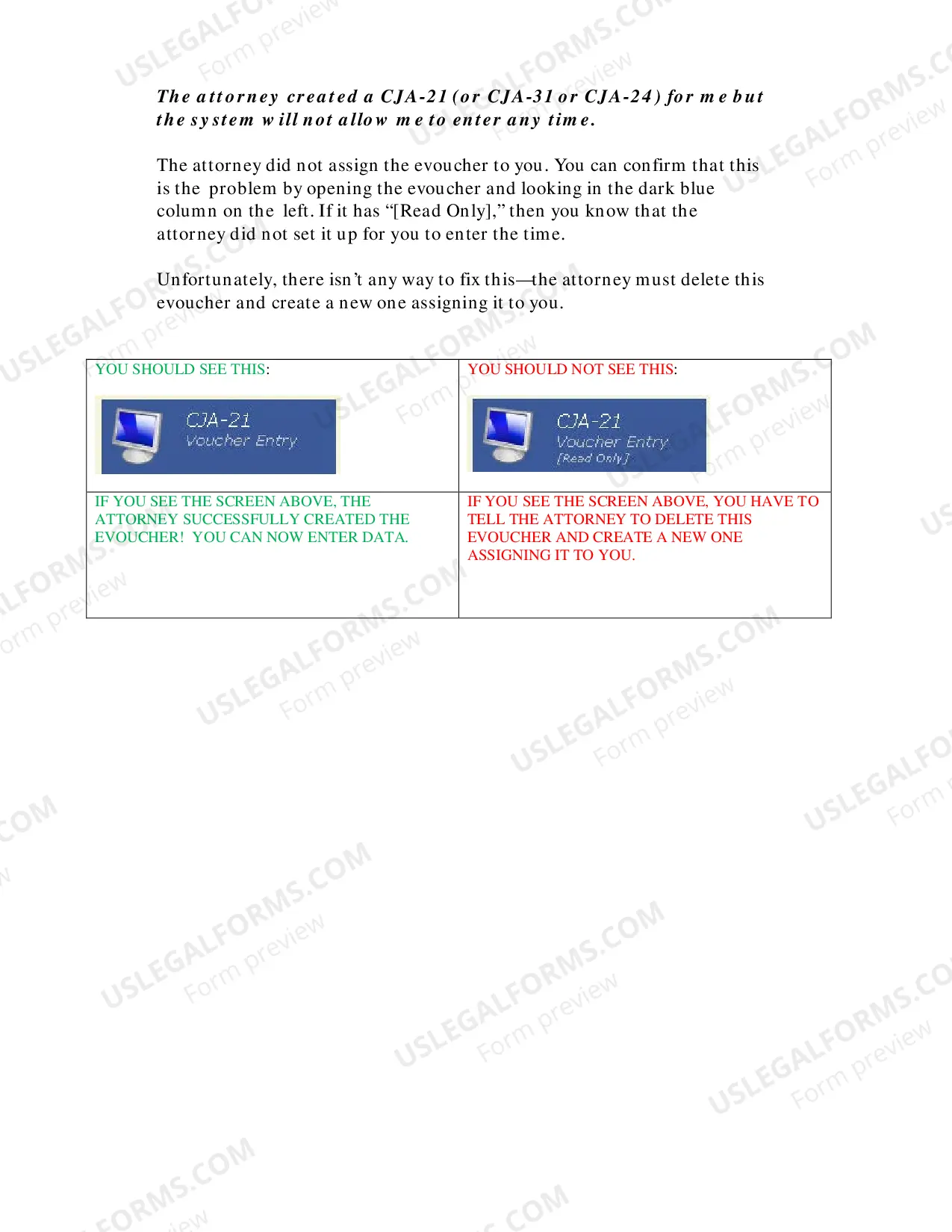
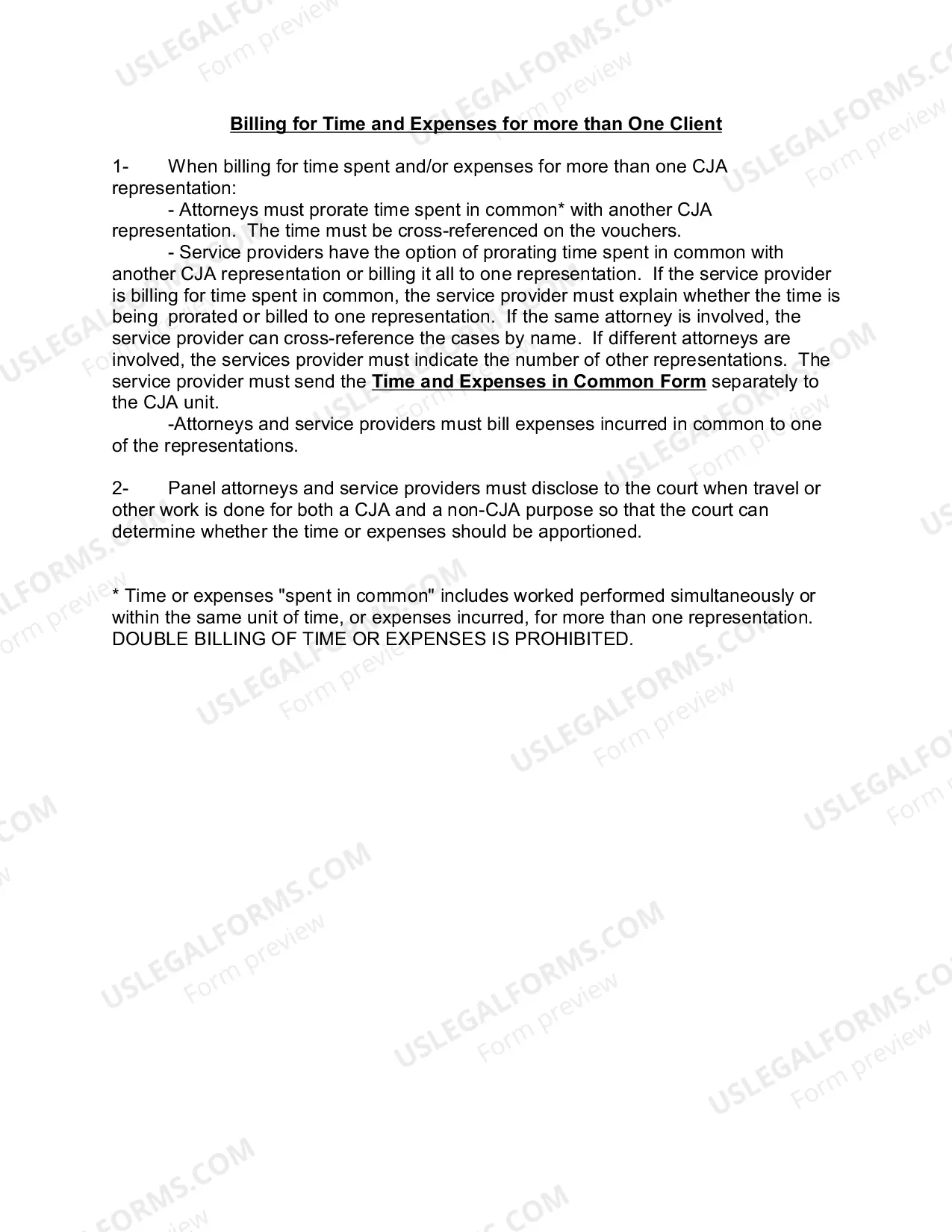
New Jersey Concrete Mason Contract for Contractor
What is this form?
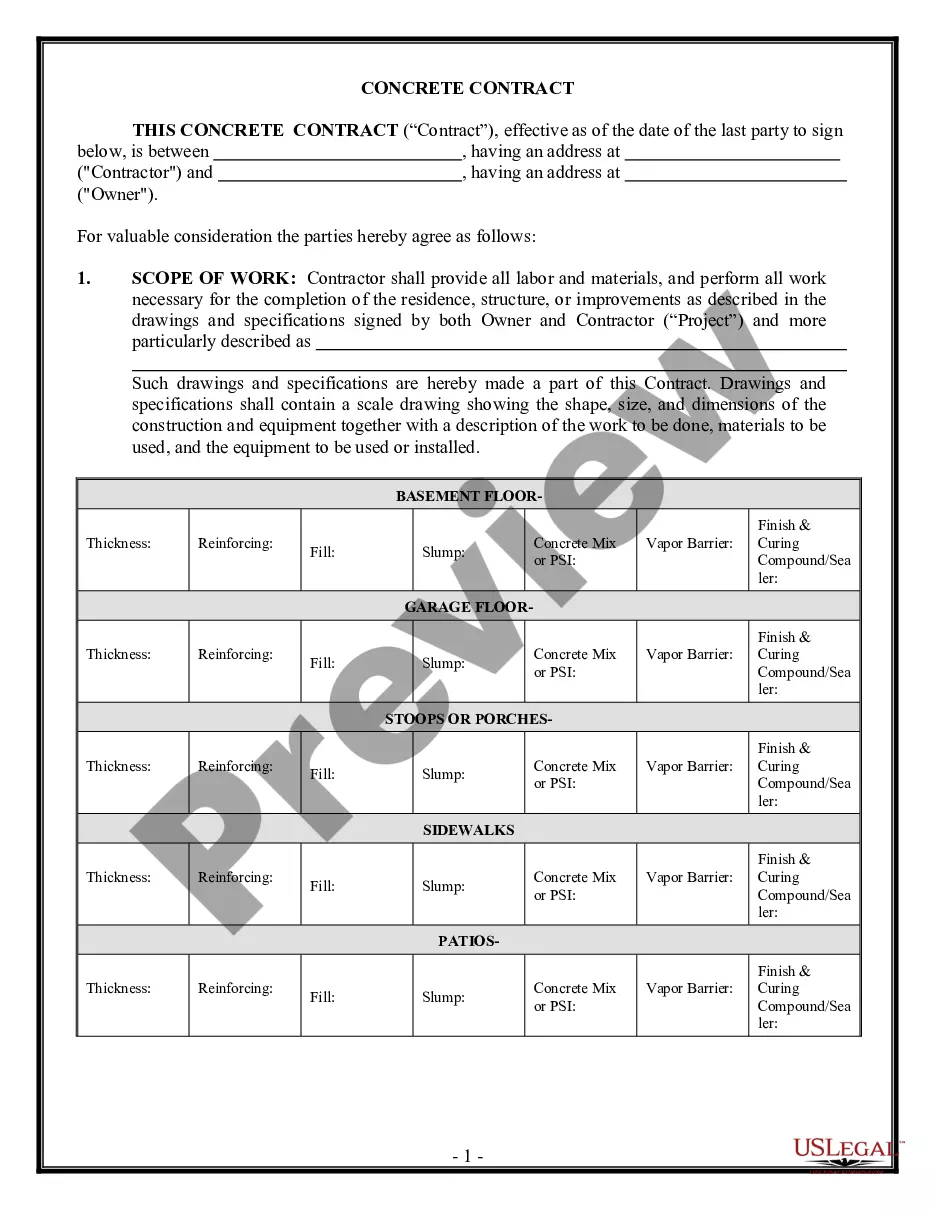
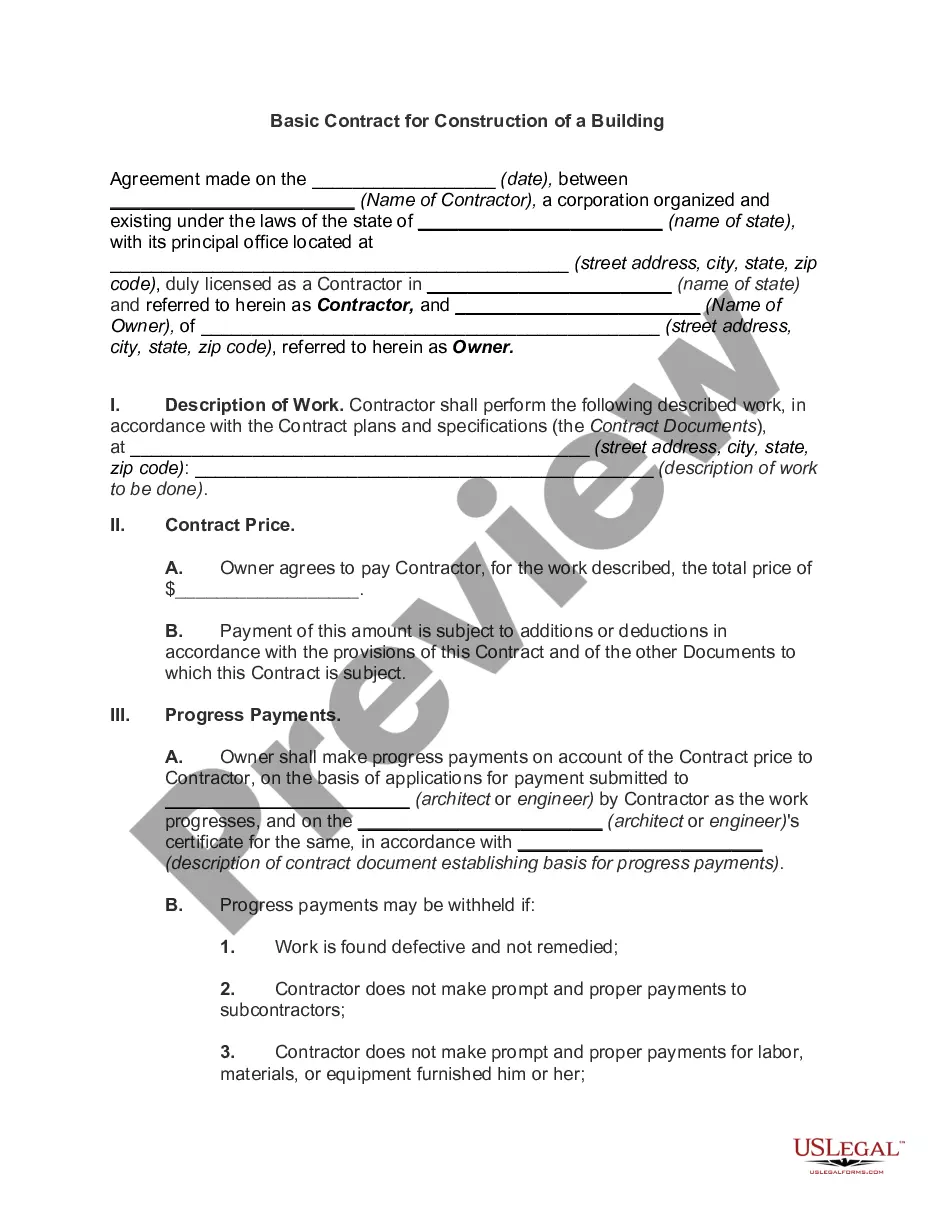
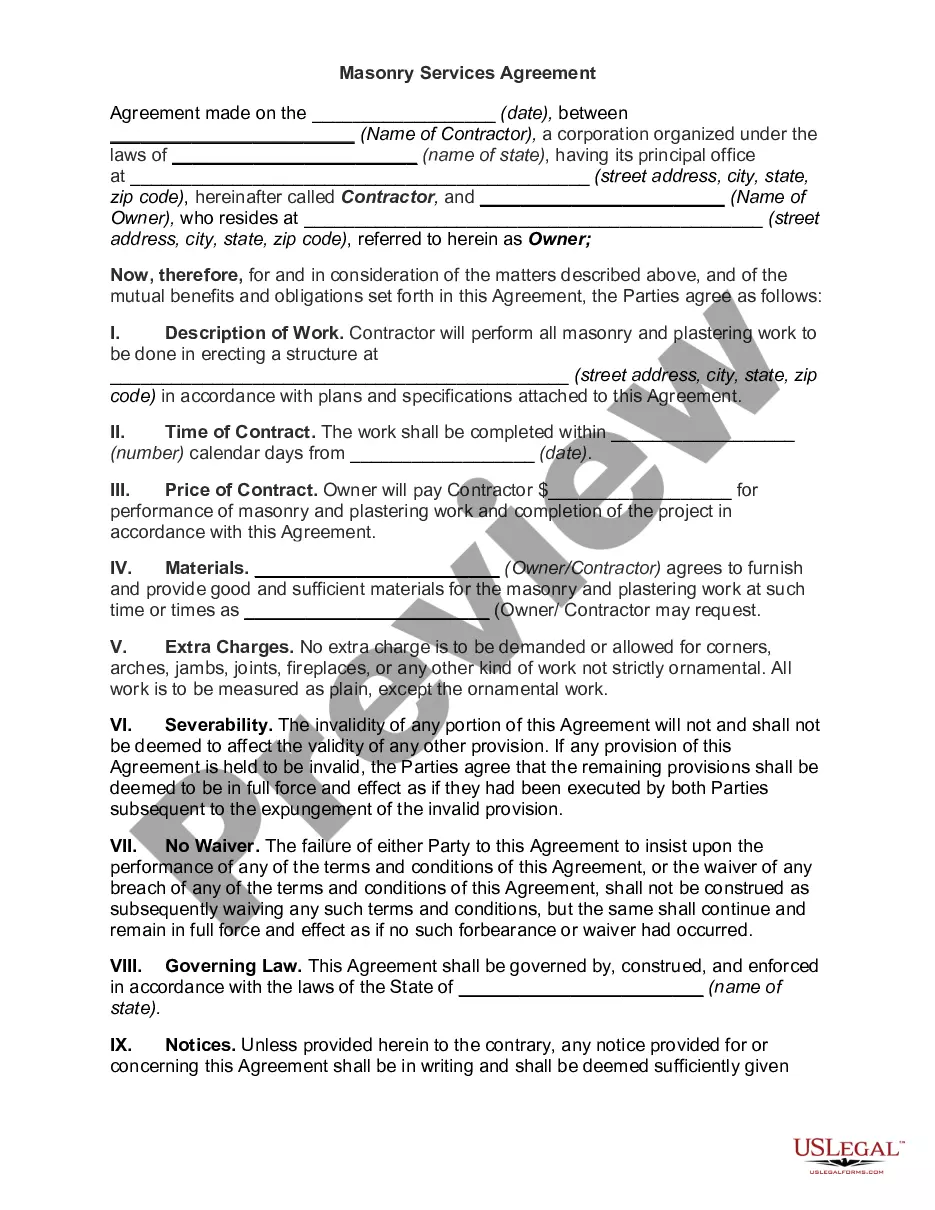
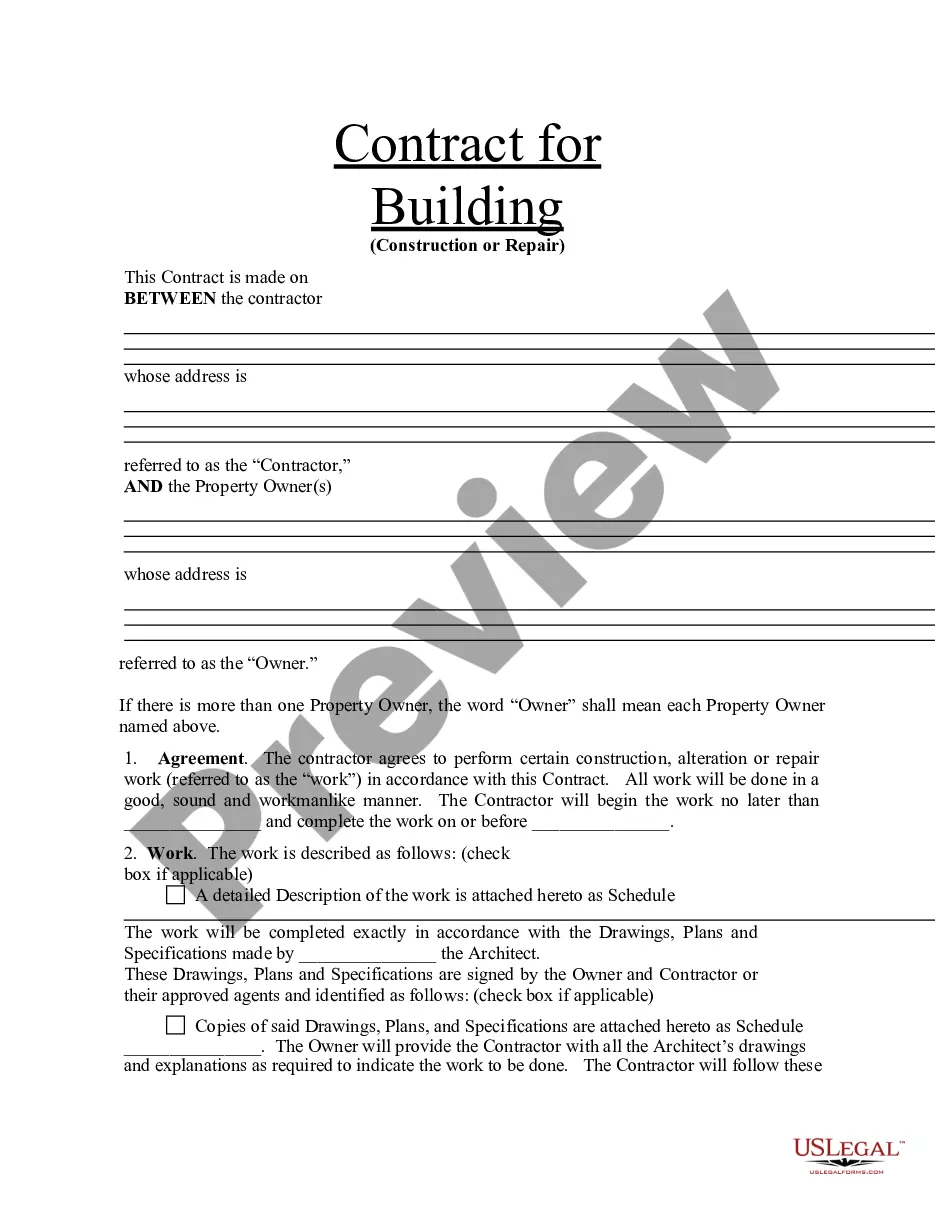
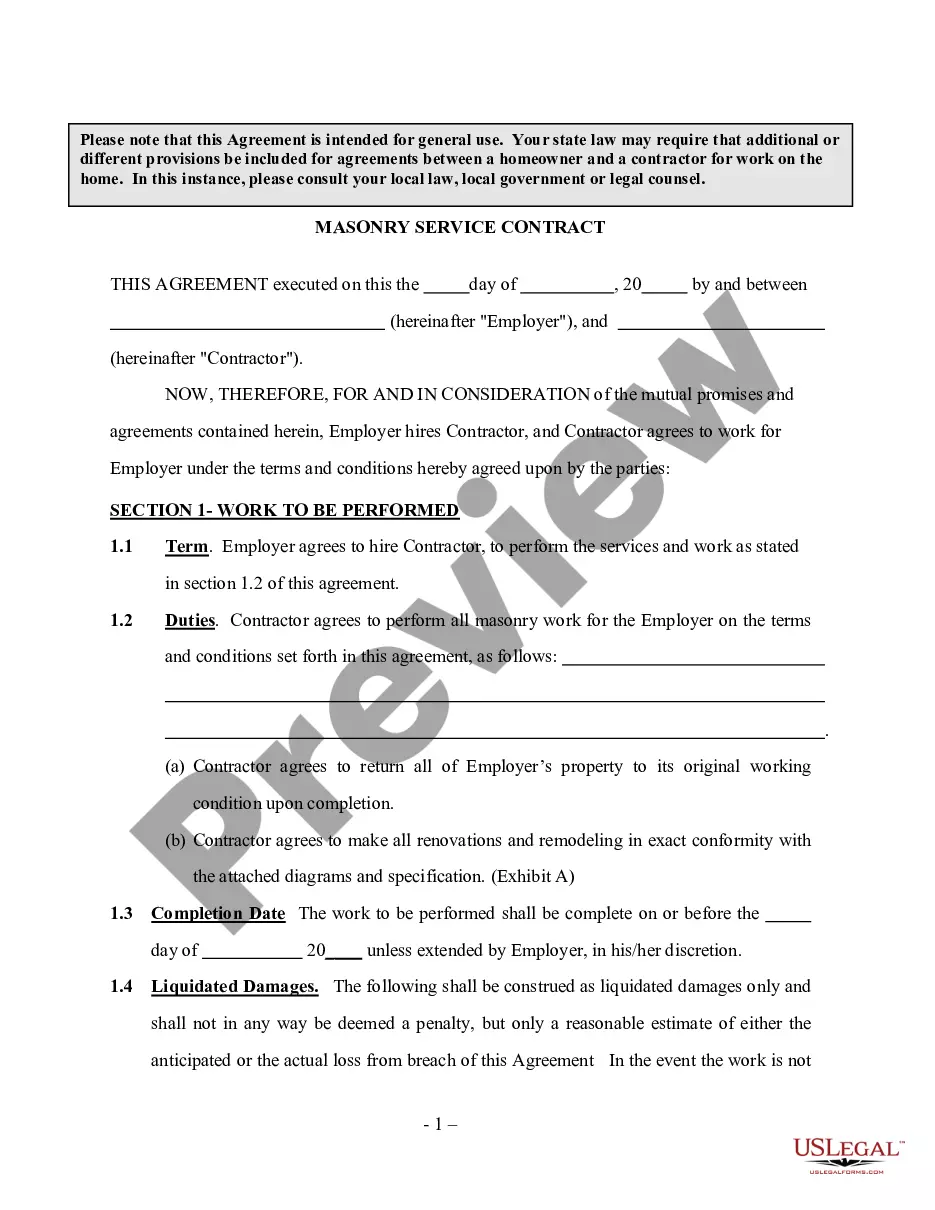
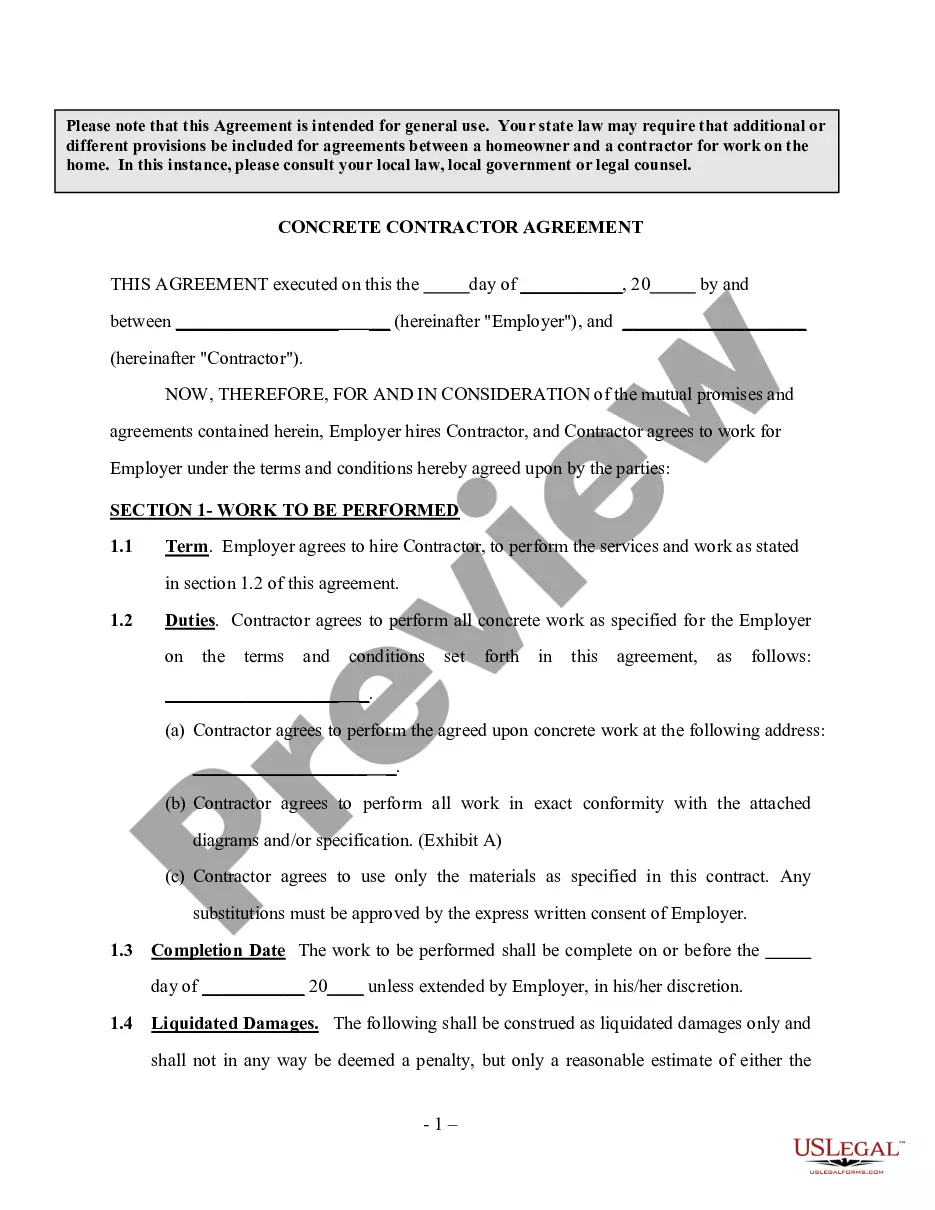
The Concrete Mason Contract for Contractor is a legally binding document designed for agreements between concrete mason contractors and property owners. This contract outlines the rights and responsibilities of each party, covering crucial aspects such as payment arrangements, project specifications, insurance requirements, and change orders. It ensures compliance with New Jersey state laws, distinguishing itself from basic service agreements by providing detailed protections and formalities needed for construction projects involving concrete work.
Form components explained
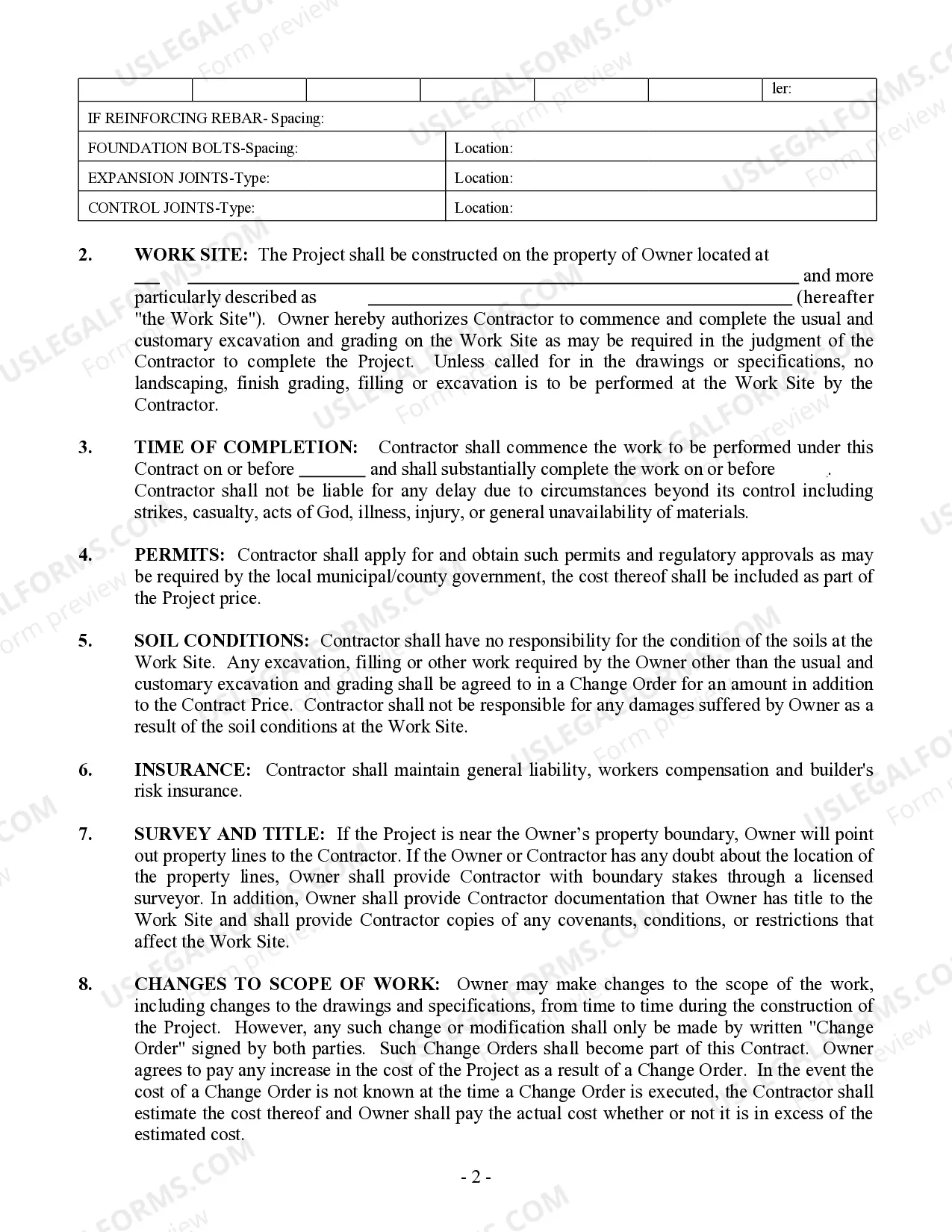
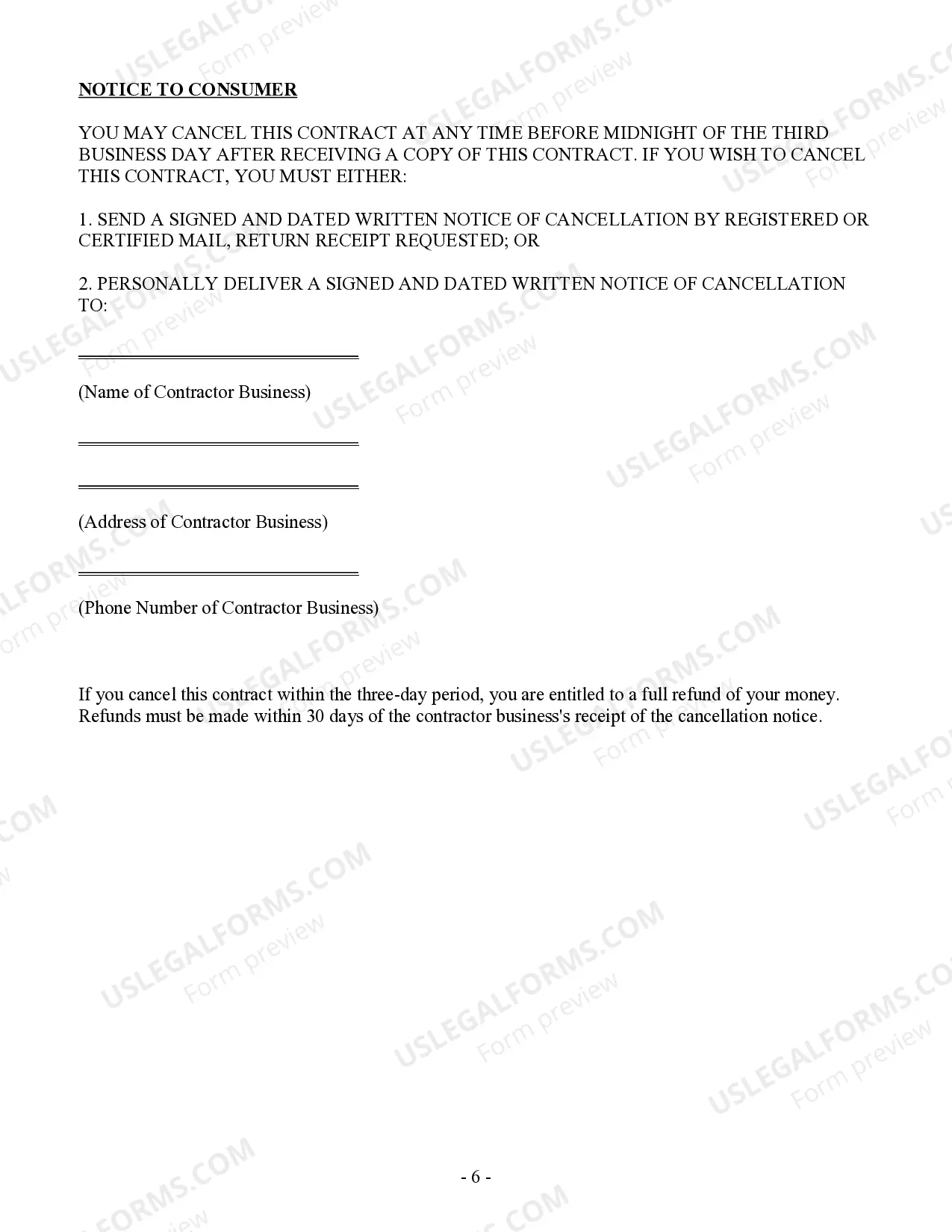
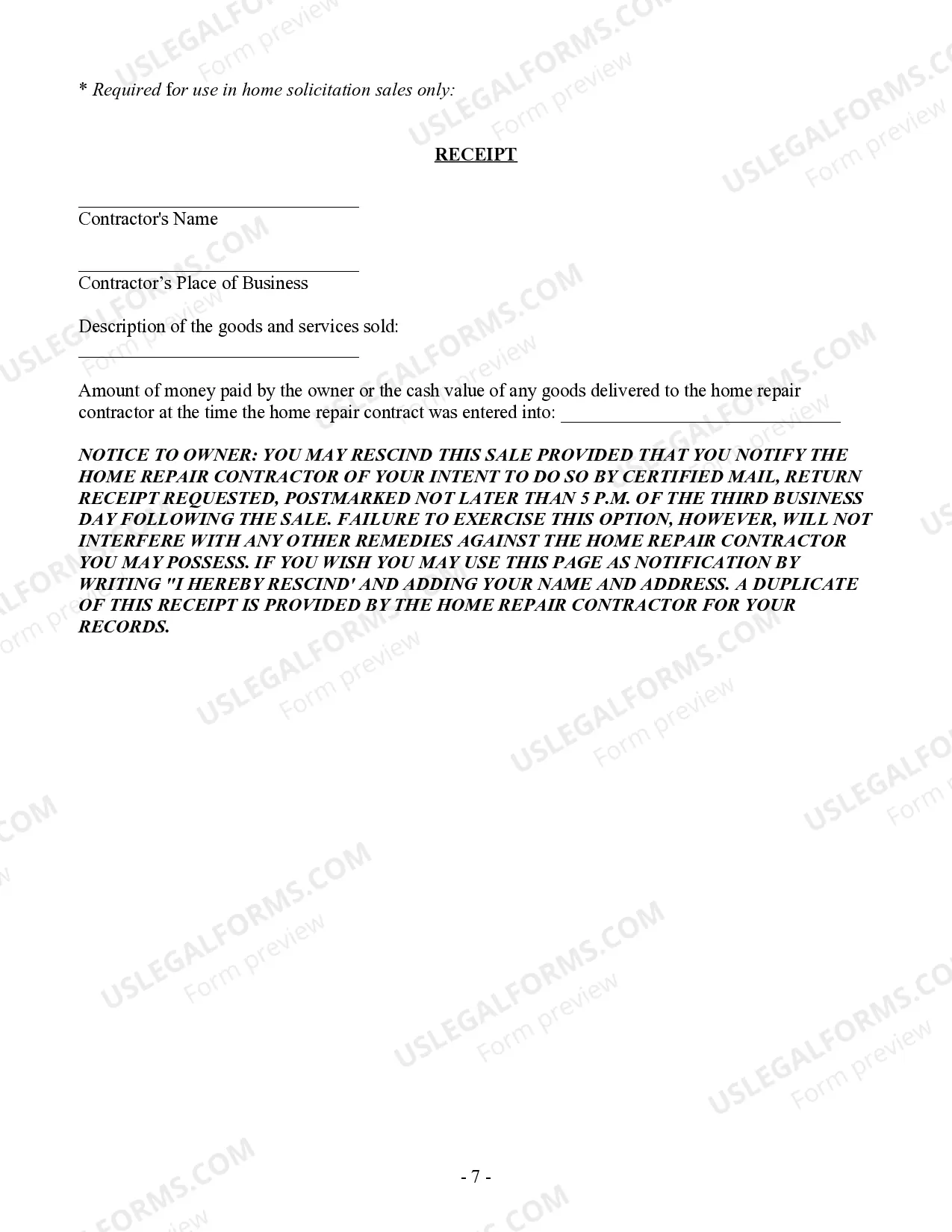
- Permits: Requires the contractor to obtain necessary permits for the project.
- Soil Conditions: Clarifies contractor's non-responsibility for soil conditions at the work site.
- Insurance: Stipulates the need for general liability, workers' compensation, and builders risk insurance.
- Changes to Scope of Work: Details how changes must be documented through signed change orders.
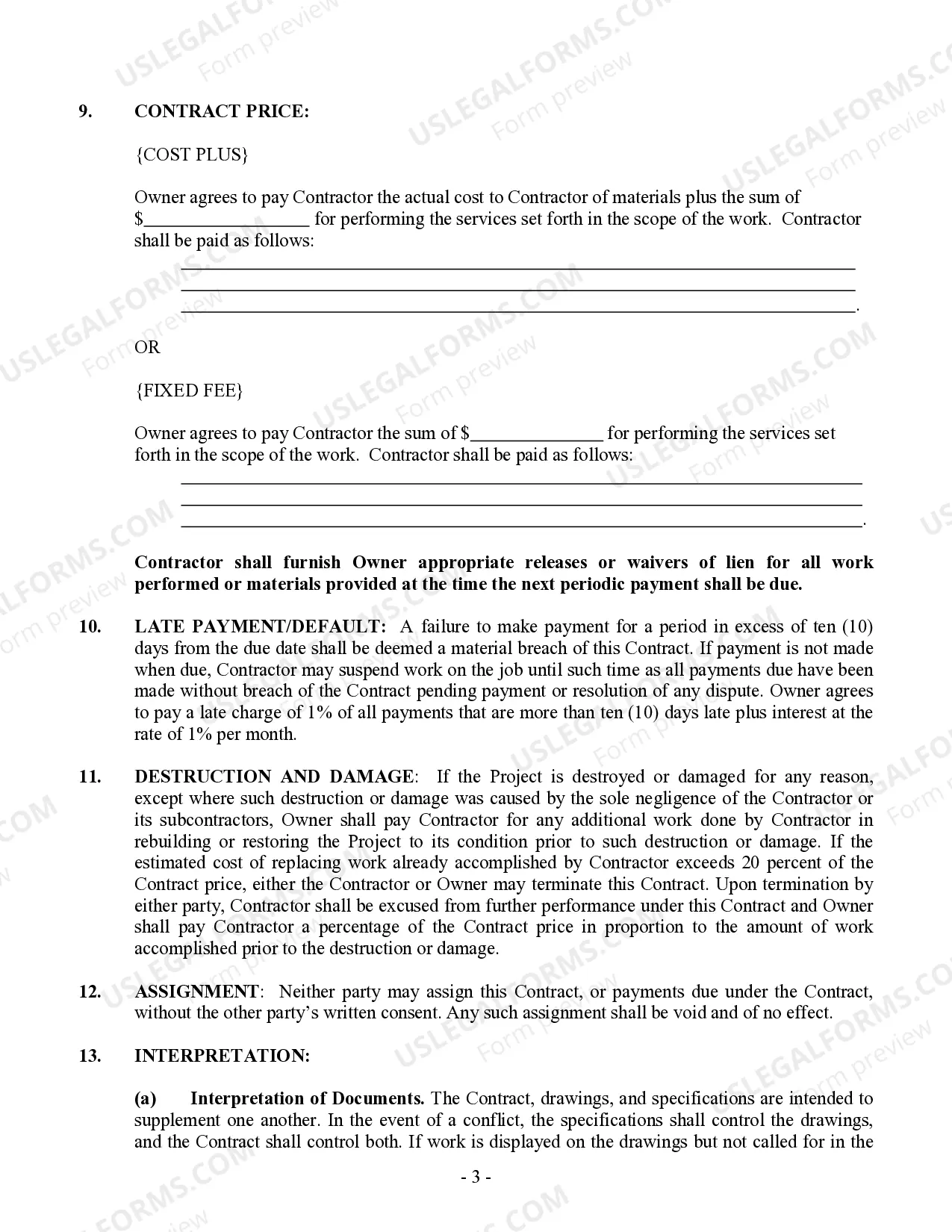
- Payment Terms: Specifies cost structures, including cost plus and late payment procedures.
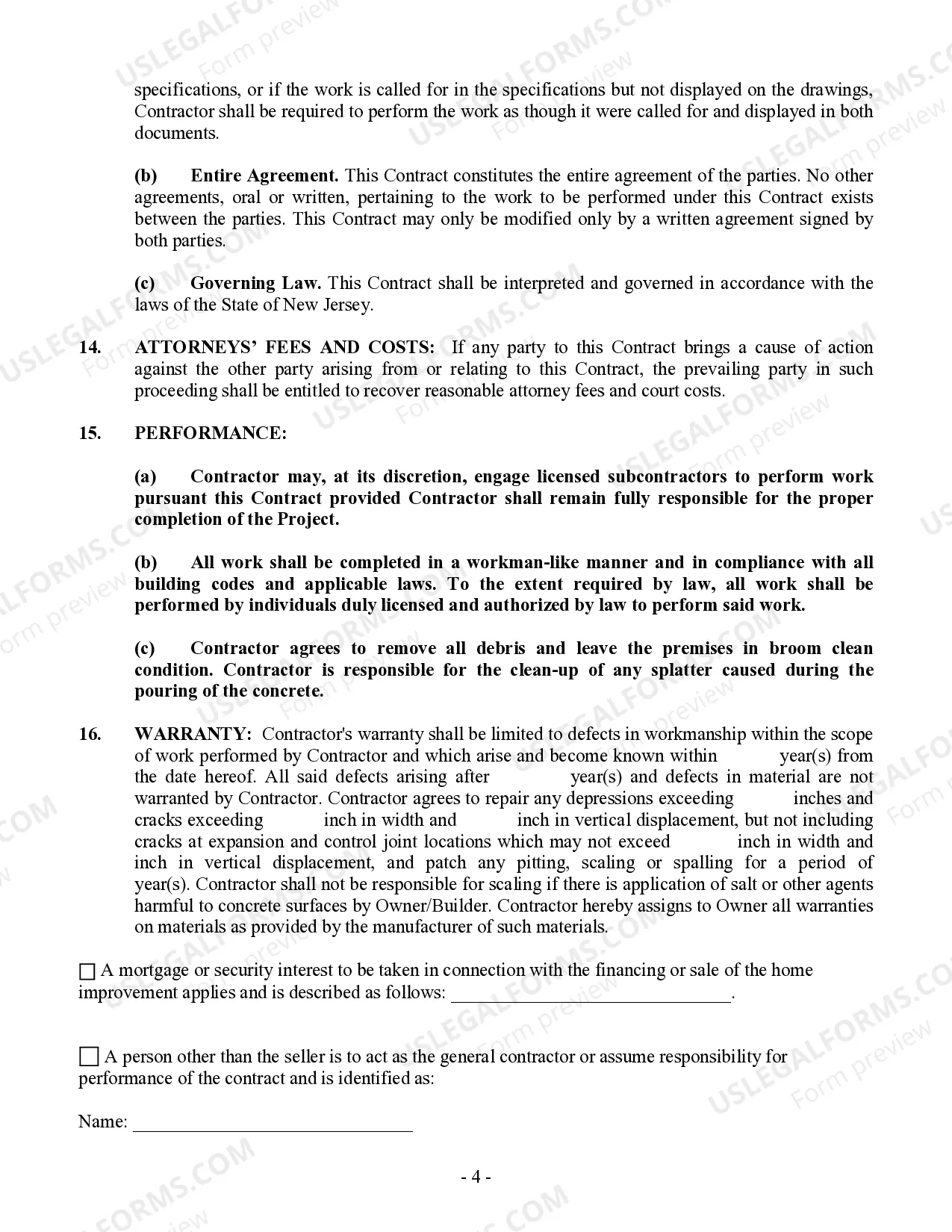
- Termination: Outlines conditions under which either party may terminate the contract due to project damages or delays.
When this form is needed
This form should be used when hiring a concrete mason for construction or renovation projects. It is particularly essential when the project involves significant investment, specialized work, and the need for formal documentation to protect both parties. Utilize this contract to ensure clear expectations regarding costs, project scope, and compliance with local regulations.
Who this form is for
- Property owners looking to hire a concrete mason contractor.
- Concrete mason contractors seeking a formal agreement with clients.
- Anyone involved in construction projects requiring detailed specifications and legal protections.
Instructions for completing this form
- Identify the parties involved: Clearly state the names and addresses of the contractor and property owner.
- Specify the project details: Describe the nature of the work and the specific site information.
- Outline payment terms: Choose between cost plus or fixed fee and include relevant details.
- Include any required permits: Ensure that the contractor agrees to obtain any necessary permits.
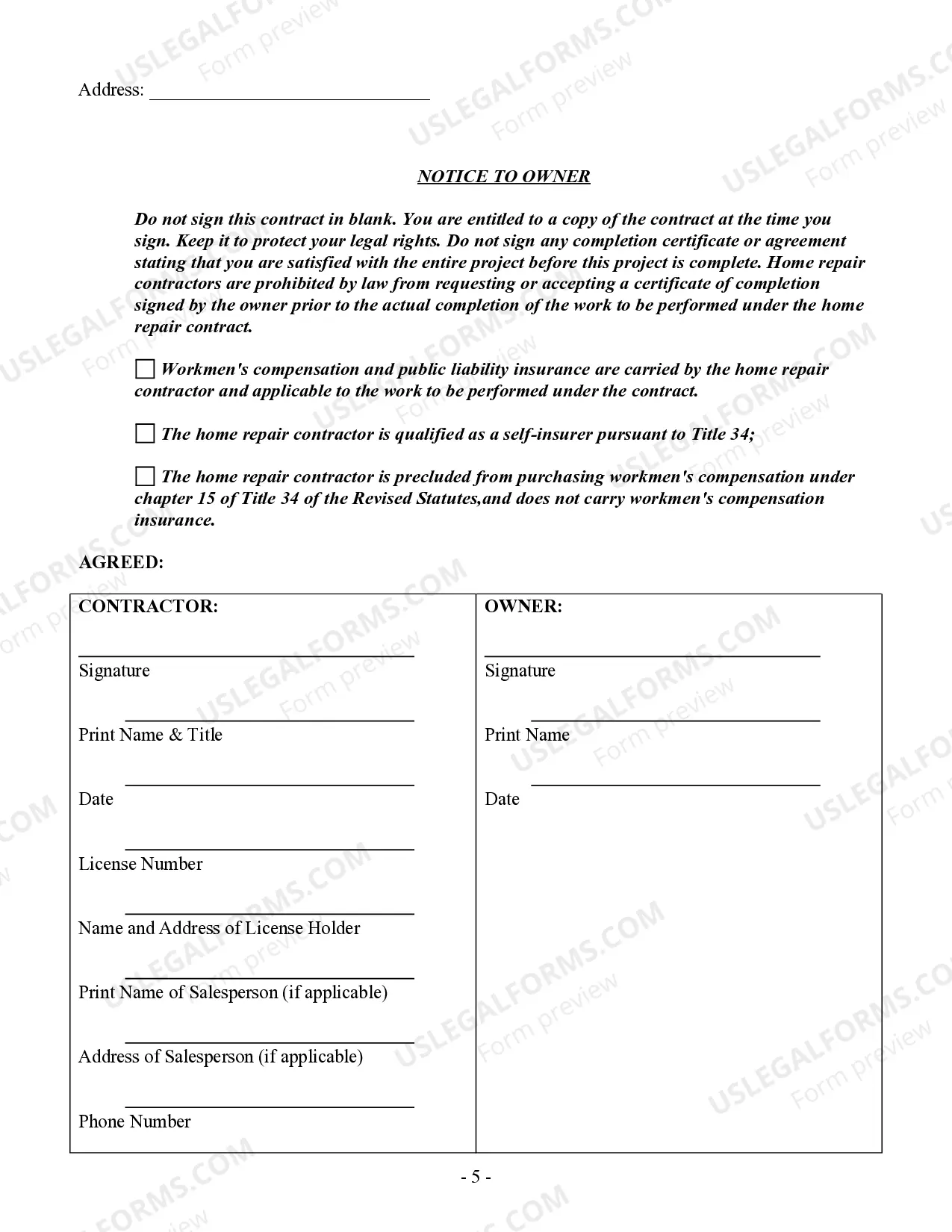
- Sign and date the contract: Both parties must sign and date the document to make it legally binding.
Is notarization required?
This form does not typically require notarization unless specified by local law. Therefore, completing it in a straightforward manner suffices to make it legally valid among the parties involved.
Get your form ready online
Our built-in tools help you complete, sign, share, and store your documents in one place.
Make edits, fill in missing information, and update formatting in US Legal Forms—just like you would in MS Word.
Download a copy, print it, send it by email, or mail it via USPS—whatever works best for your next step.
Sign and collect signatures with our SignNow integration. Send to multiple recipients, set reminders, and more. Go Premium to unlock E-Sign.
If this form requires notarization, complete it online through a secure video call—no need to meet a notary in person or wait for an appointment.
We protect your documents and personal data by following strict security and privacy standards.
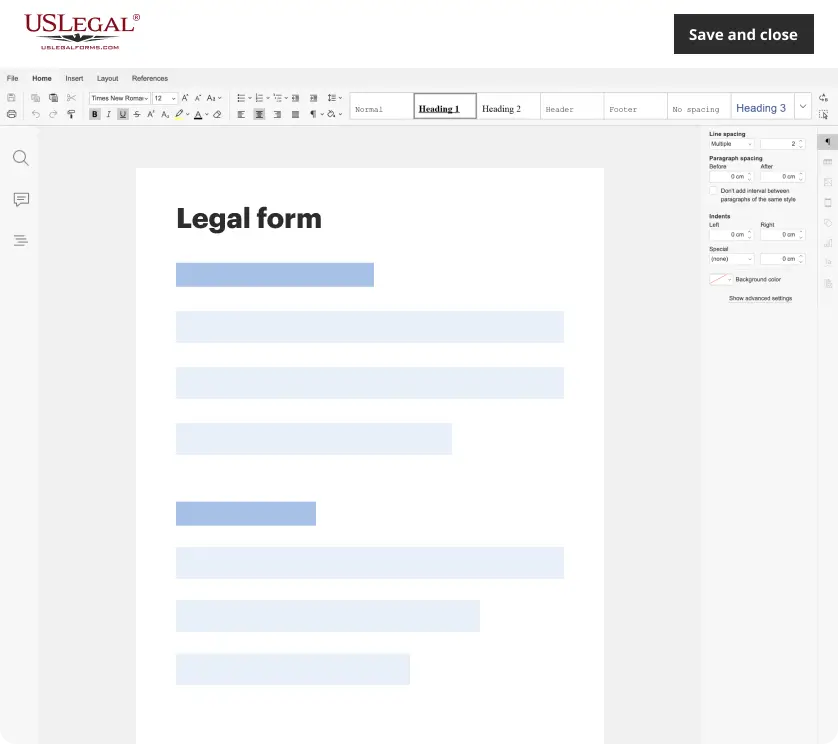
Make edits, fill in missing information, and update formatting in US Legal Forms—just like you would in MS Word.
Download a copy, print it, send it by email, or mail it via USPS—whatever works best for your next step.
Sign and collect signatures with our SignNow integration. Send to multiple recipients, set reminders, and more. Go Premium to unlock E-Sign.

If this form requires notarization, complete it online through a secure video call—no need to meet a notary in person or wait for an appointment.
We protect your documents and personal data by following strict security and privacy standards.
Typical mistakes to avoid
- Failing to detail the scope of work, leading to misunderstandings later.
- Not including a payment schedule or terms, which can cause payment disputes.
- Neglecting to document changes to the project through proper change orders.
Benefits of using this form online
- Convenience: Easily download and customize the form to suit your needs.
- Editability: Modify sections to reflect specific project requirements.
- Reliability: Use a legally vetted document drafted by licensed attorneys to ensure compliance.
Legal use & context
- This contract is enforceable under New Jersey law, provided it is duly completed and signed.
- It protects the interests of both parties by clearly defining terms and responsibilities.
- Proper documentation of changes and agreements helps prevent potential legal disputes.
Main things to remember
- The Concrete Mason Contract is essential for defining roles and responsibilities in construction projects.
- It includes provisions for permits, insurance, payments, and changes to the scope of work.
- This contract complies with New Jersey laws, ensuring legal protection for both parties involved.
Looking for another form?
Form popularity
FAQ
To become a general contractor, you need at least a high school diploma, but there is an increase in a need for a bachelor's degree or at least an associate degree, plus years of construction industry experience. Regardless of education though, experience in the industry is the most important requirement.
Licensed general contractors can perform a wide variety of work. It can be earthmoving, plumbing, electrical, foundations, framing, or roofing work.General Contractor Type C have specialized roles. This includes contractors that specialize in concrete, fireproofing, HVAC, elevators, asbestos removal, and electricians.
To do home construction and many types of substantial home repairs in New Jersey, an individual must be a licensed contractor. Obtaining an NJ contractor license requires the contractor to register with the New Jersey Division of Consumer Affairs, a process that involves multiple smaller steps.
2. How long does it take to process an application? A properly completed application will be processed within 30 days of receipt.
Complete and submit an application to the Division, including copies of all required documentation. Complete the application's Disclosure Statement page. Complete and submit a Licensing Application to the DOBI, if you are planning on offering financing options.
Complete the application's Disclosure Statement page. Complete and submit a Licensing Application to the DOBI, if you are planning on offering financing options. File proof of general liability insurance with a minimum amount of $500,000 per occurrence. Pay the non-refundable fee of $110.00 to the Division.
A general contractor's job is to oversee the daily operations of the project and act as the contact for all parties involved. They take complete control of a construction project and are the one to hire the specialists (subcontractors) to fulfill different tasks, and schedule and plan out the different project stages.
To do home construction and many types of substantial home repairs in New Jersey, an individual must be a licensed contractor. Obtaining an NJ contractor license requires the contractor to register with the New Jersey Division of Consumer Affairs, a process that involves multiple smaller steps.
Contractors are required to pay Sales or Use Tax on the materials, supplies, equipment, and services they purchase, rent, or use when performing work on the real property of others, except as described below. It is the general rule that the sale to the actual consumer is a retail sale.