New Hampshire Bankruptcy Guide and Forms Package for Chapters 7 or 13
About this form
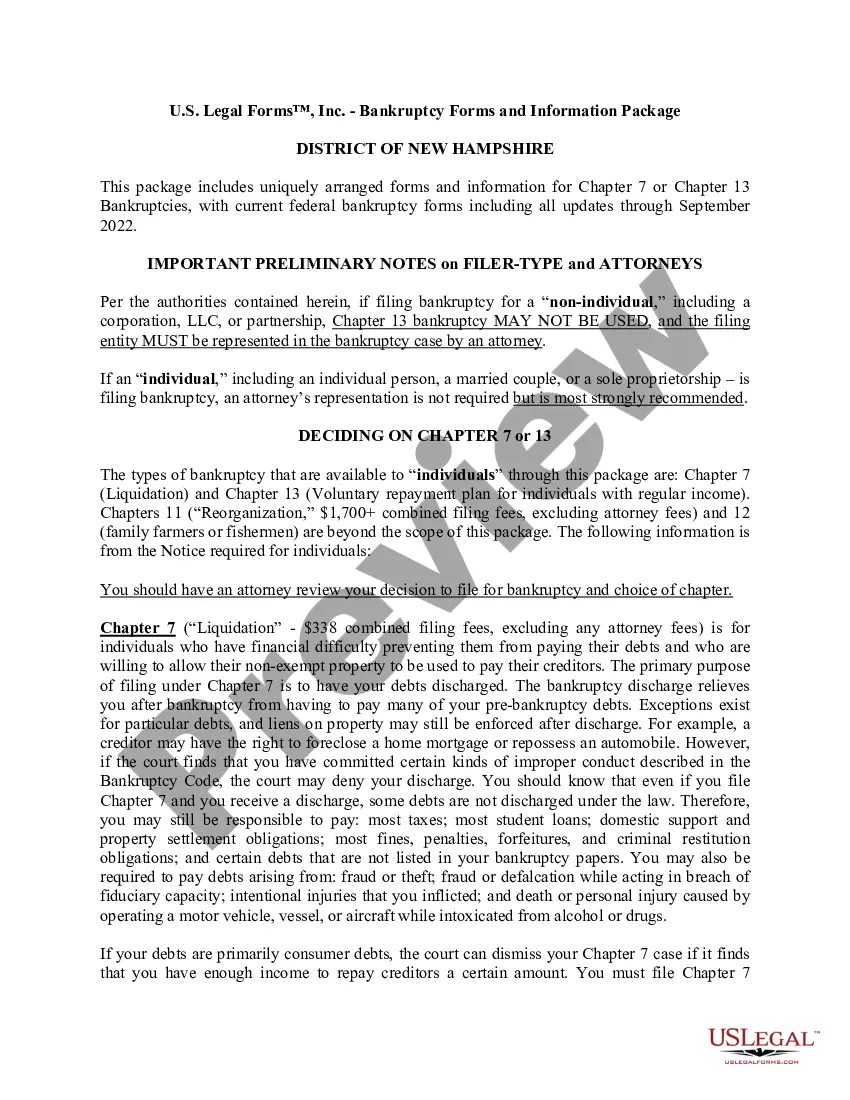
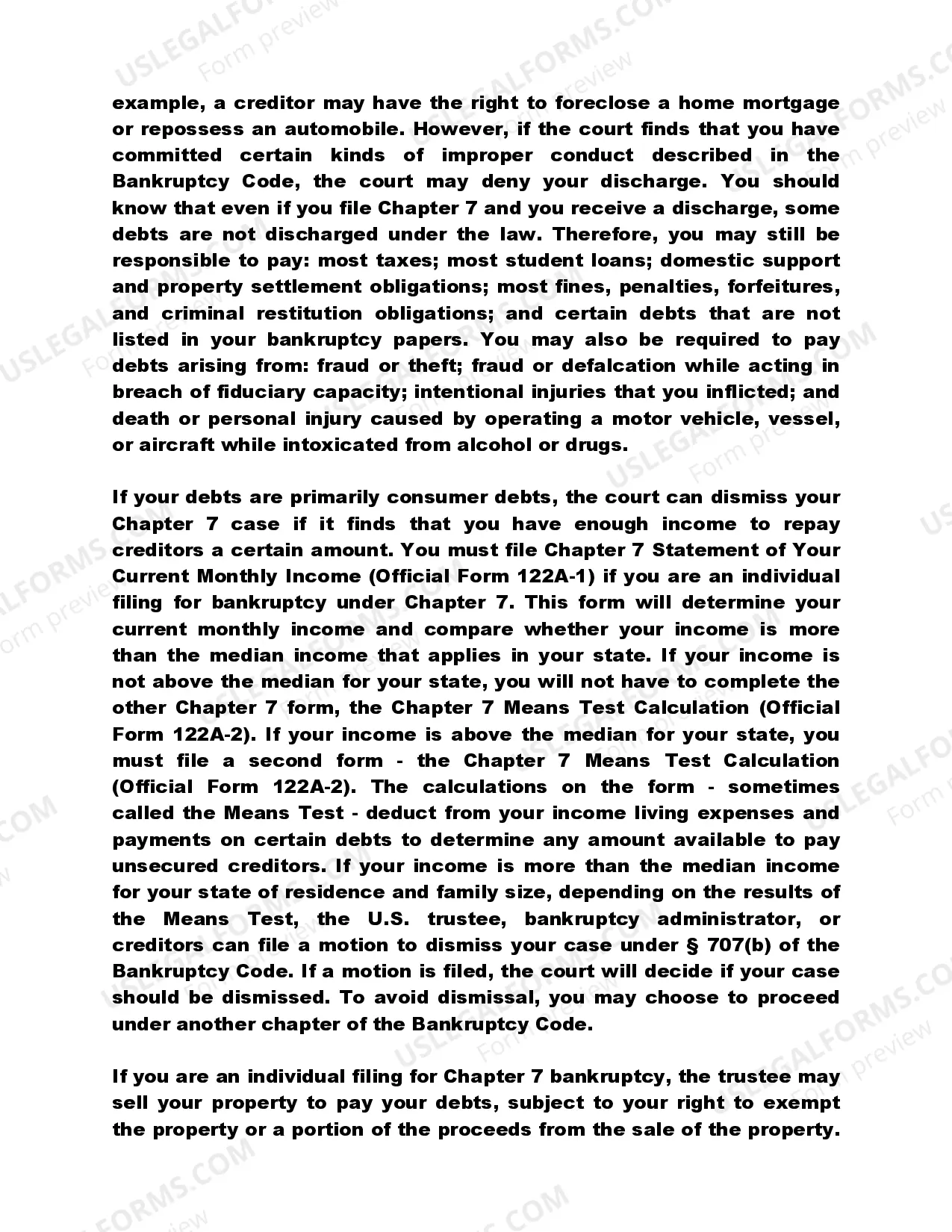
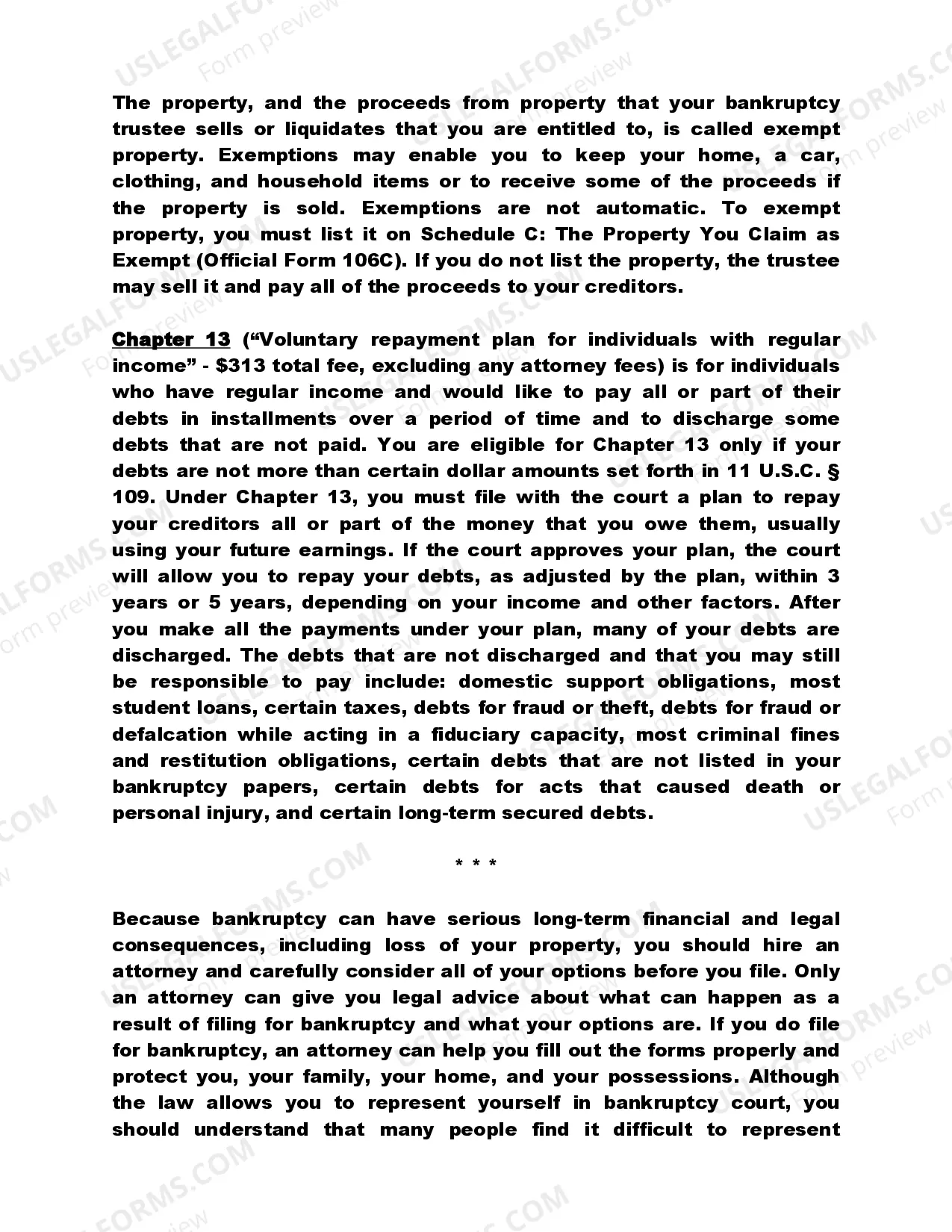
The New Hampshire Bankruptcy Guide and Forms Package is a collection of essential documents and information for individuals considering Chapter 7 or Chapter 13 bankruptcy. This package includes detailed instructions and resources to simplify the bankruptcy process, making it accessible and understandable for users. Unlike generic forms, this package contains state-specific guidelines that cater to the unique legal landscape in New Hampshire.
Key parts of this document
- Instructions for filing Chapter 7 and Chapter 13 bankruptcy.
- Chapter 7 Statement of Your Current Monthly Income (Official Form 122A-1).
- Chapter 7 Means Test Calculation (Official Form 122A-2), if applicable.
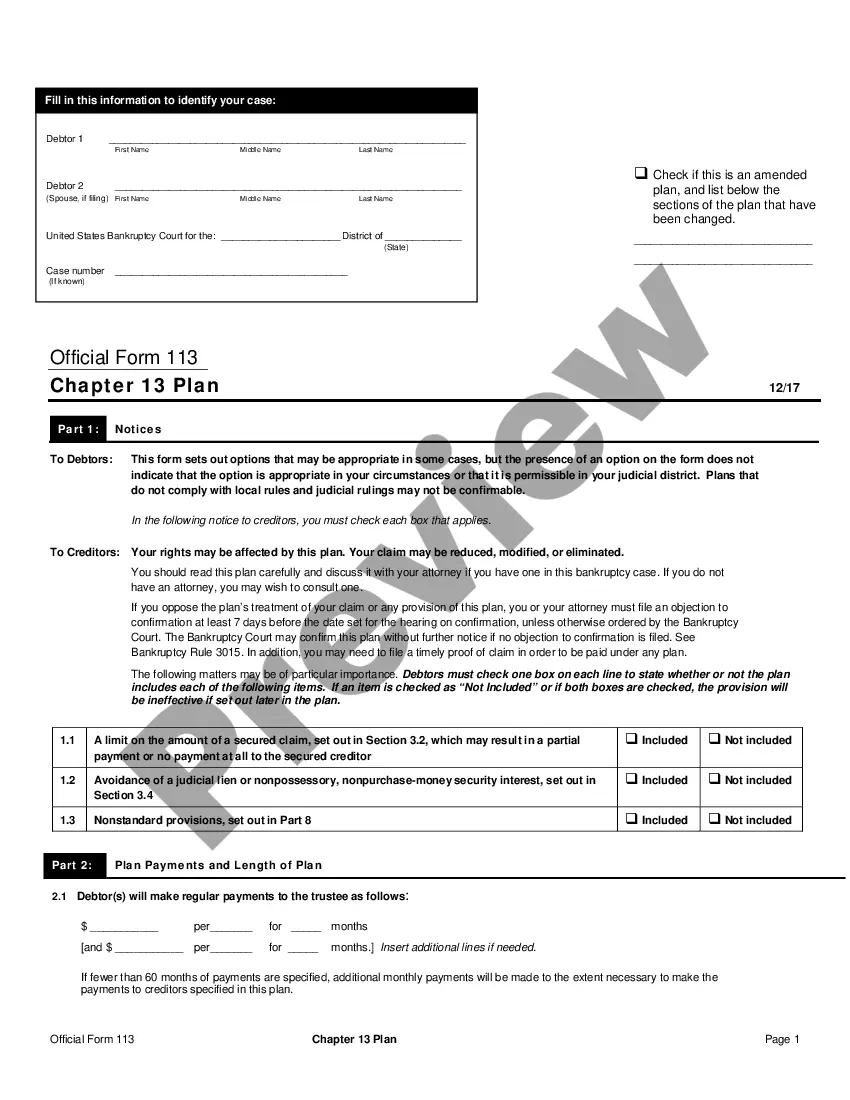
- Plan proposal for Chapter 13 repayments.
- Exemption declaration forms for Chapter 7.
- Resources for understanding bankruptcy laws in New Hampshire.
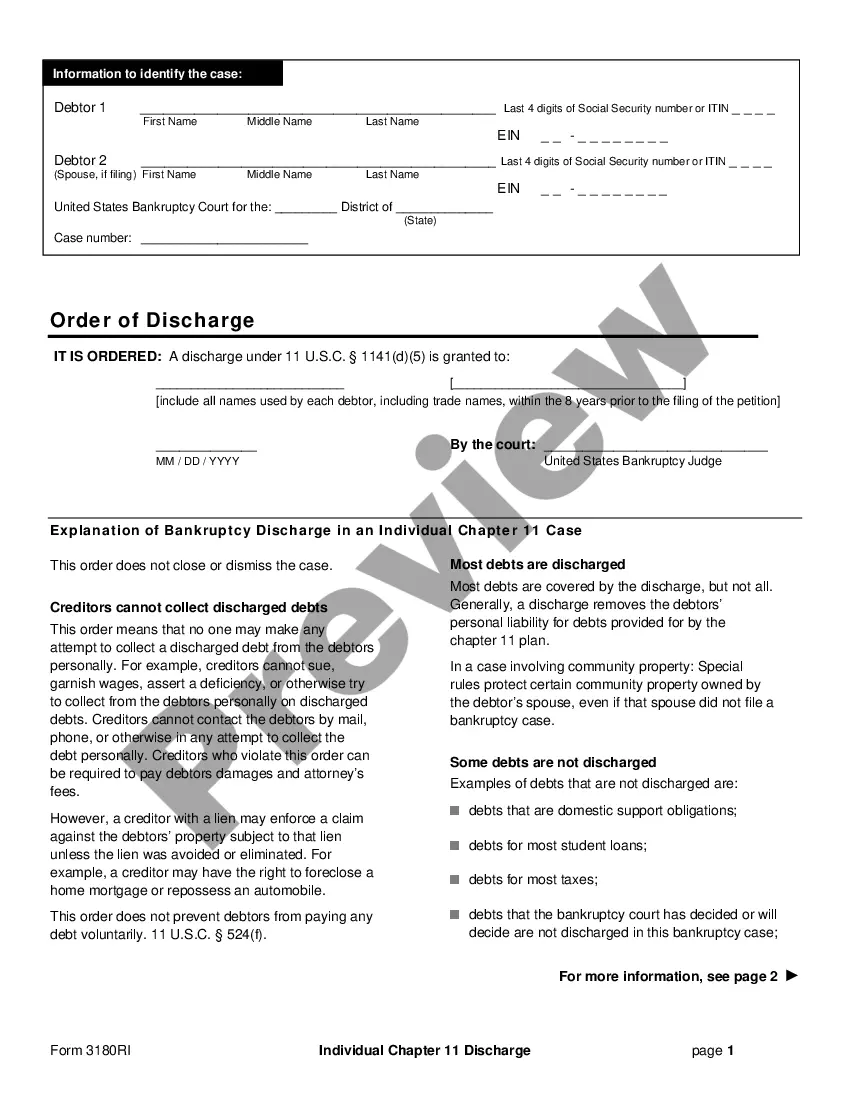
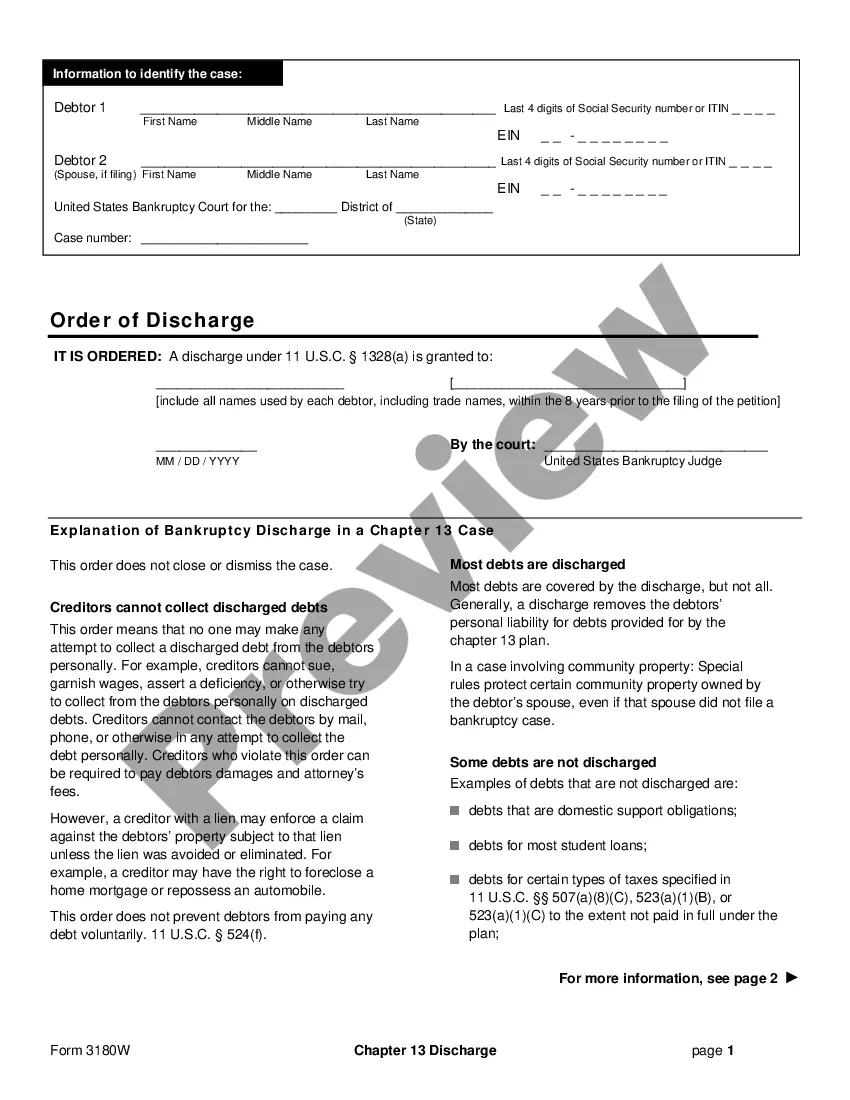
When this form is needed
This package is essential when you are considering filing for bankruptcy in New Hampshire, particularly if you are unsure whether to pursue Chapter 7 or Chapter 13. Use it when you need guidance on the legal requirements, associated costs, or the implications of filing for bankruptcy to manage overwhelming debt. It's also a valuable resource if you want to understand the legal process and your rights as a filer.
Who needs this form
- Individuals or married couples facing financial difficulties unable to pay their debts.
- Those with regular income seeking a repayment plan under Chapter 13.
- Non-individual entities such as corporations or partnerships being advised by an attorney.
- Individuals who prefer to handle their bankruptcy filing without an attorney but are advised to seek legal counsel.
Steps to complete this form
- Determine whether you qualify for Chapter 7 or Chapter 13 based on your income and debts.
- Gather required financial information, such as a list of all debts and monthly income.
- Fill out the Statement of Your Current Monthly Income (Official Form 122A-1) if filing for Chapter 7.
- If applicable, complete the Chapter 7 Means Test Calculation (Official Form 122A-2).
- For Chapter 13, draft a repayment plan outlining how you will repay creditors over three to five years.
- Submit your completed forms to the bankruptcy court along with the required filing fees.
Does this form need to be notarized?
This form usually doesn’t need to be notarized. However, local laws or specific transactions may require it. Our online notarization service, powered by Notarize, lets you complete it remotely through a secure video session, available 24/7.
Get your form ready online
Our built-in tools help you complete, sign, share, and store your documents in one place.
Make edits, fill in missing information, and update formatting in US Legal Forms—just like you would in MS Word.
Download a copy, print it, send it by email, or mail it via USPS—whatever works best for your next step.
Sign and collect signatures with our SignNow integration. Send to multiple recipients, set reminders, and more. Go Premium to unlock E-Sign.
If this form requires notarization, complete it online through a secure video call—no need to meet a notary in person or wait for an appointment.
We protect your documents and personal data by following strict security and privacy standards.

Make edits, fill in missing information, and update formatting in US Legal Forms—just like you would in MS Word.

Download a copy, print it, send it by email, or mail it via USPS—whatever works best for your next step.

Sign and collect signatures with our SignNow integration. Send to multiple recipients, set reminders, and more. Go Premium to unlock E-Sign.

If this form requires notarization, complete it online through a secure video call—no need to meet a notary in person or wait for an appointment.

We protect your documents and personal data by following strict security and privacy standards.
Mistakes to watch out for
- Failing to provide complete financial information, which can lead to dismissal of the case.
- Not listing all debts, resulting in potential liability post-bankruptcy.
- Missing filing deadlines for required forms and payment plans.
- Not consulting with an attorney, leading to misunderstandings of legal obligations.
- Choosing the wrong chapter of bankruptcy for your financial situation.
Why use this form online
- Convenience of accessing forms at any time from the comfort of your home.
- Editable templates that allow you to input your information directly.
- Clear guidance that reduces stress and confusion during the filing process.
- Reliable information that aligns with current legal requirements.
Looking for another form?
Form popularity
FAQ
A completed Chapter 13 bankruptcy can stay on your credit reports for up to seven years from the date you file. But some creditors could view a Chapter 13 bankruptcy more favorably than a Chapter 7 bankruptcy. It could be an indication that you repaid more of your debt.
Debts You Must Pay in Full Through Your Plan. Add up the following debts and divide by the number of months your plan will last. Secured Debt Payments on Property You Want to Keep. Unsecured Debts. Length of Your Repayment Plan.
Identifying Information. The Voluntary Petition for Individuals Filing for Bankruptcy form acts as the cover sheet for your paperwork. Your Property. Your Exempt Property. Your Collateralized Debt. Your Other Debt. Your Contracts and Leases. Your Codebtors. Your Income.
Chapter 7 is the most common type of bankruptcy and is often referred to as a straight bankruptcy. Under Chapter 7, you can eliminate most of your unsecured debts and some secured debts by surrendering your assets. Unsecured debts are debts not secured with collateral, including most personal loans and credit cards.
Tax returns for the past 4 years. Paystubs or other proof of income for the last 6 months before filing. Bank account statements from the past 3 to 6 months. Recent mortgage statement(s) and real estate tax bills. Residential lease agreement if applicable.
The Overall Chapter 13 Average Payment. The average payment for a Chapter 13 case overall is probably about $500 to $600 per month. This information, however, may not be very helpful for your particular situation.
There is no minimum amount of debt you must have in order to file for bankruptcy relief. While the amount of your debt is an important factor to consider, there are other more important factors to take into account in determining if a bankruptcy filing is in your best interest.
What Documents Do You Need to File for Bankruptcy? Tax Returns. Income Documentation. Vehicle Registration, Proof of Value & Insurance. Retirement And Bank Account Statements. Identification. What Information Do You Need to Complete the Bankruptcy Forms? Credit Counseling Requirement.
However, when you file for bankruptcy, you never really have to go to court. The only appearance you are required to make is attending the 341(a) Meeting of Creditors. The 341(a) Hearing is held around 30-35 days after your bankruptcy case is filed.