New Hampshire Notice of Breach of Written Lease for Violating Specific Provisions of Lease with Right to Cure for Nonresidential Property from Landlord to Tenant
What is this form?
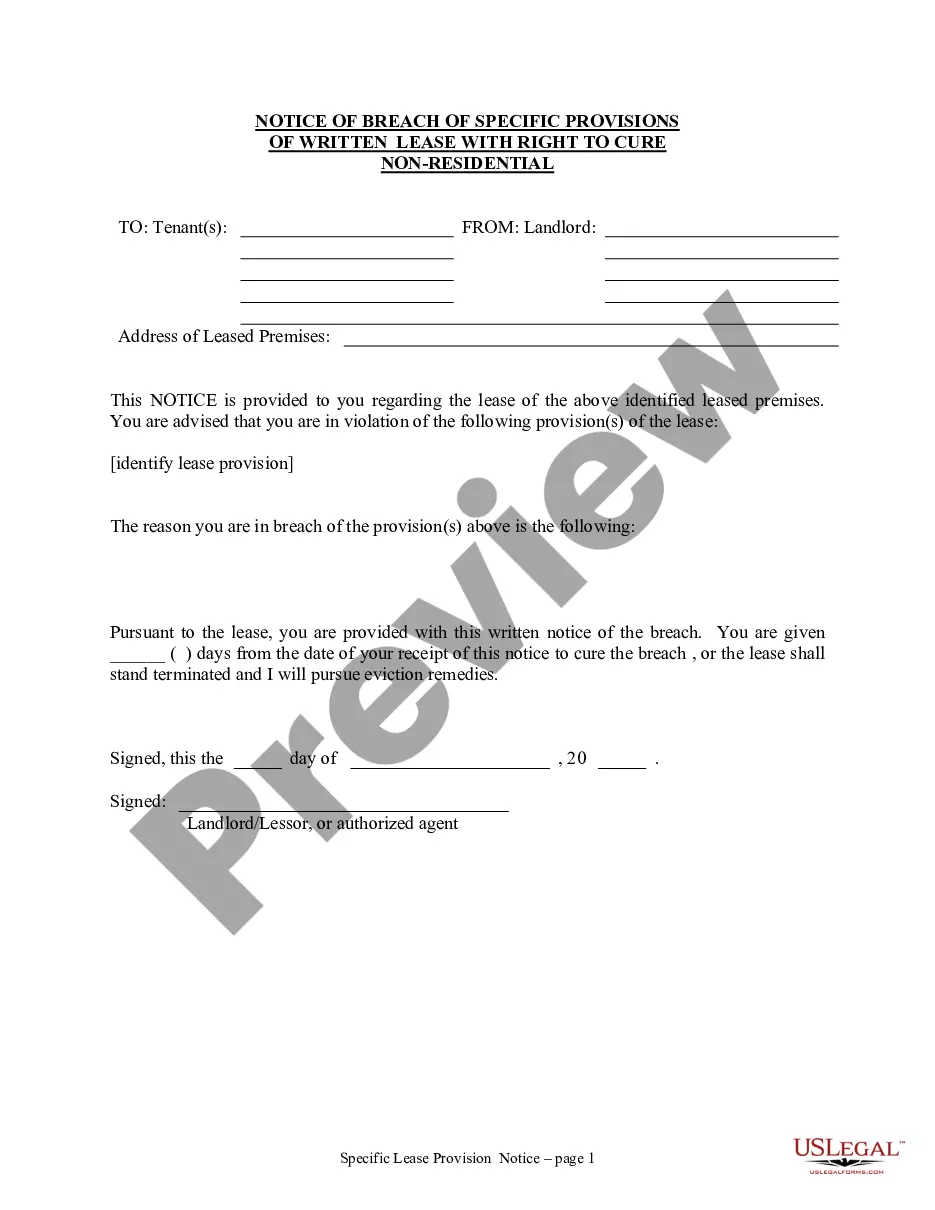
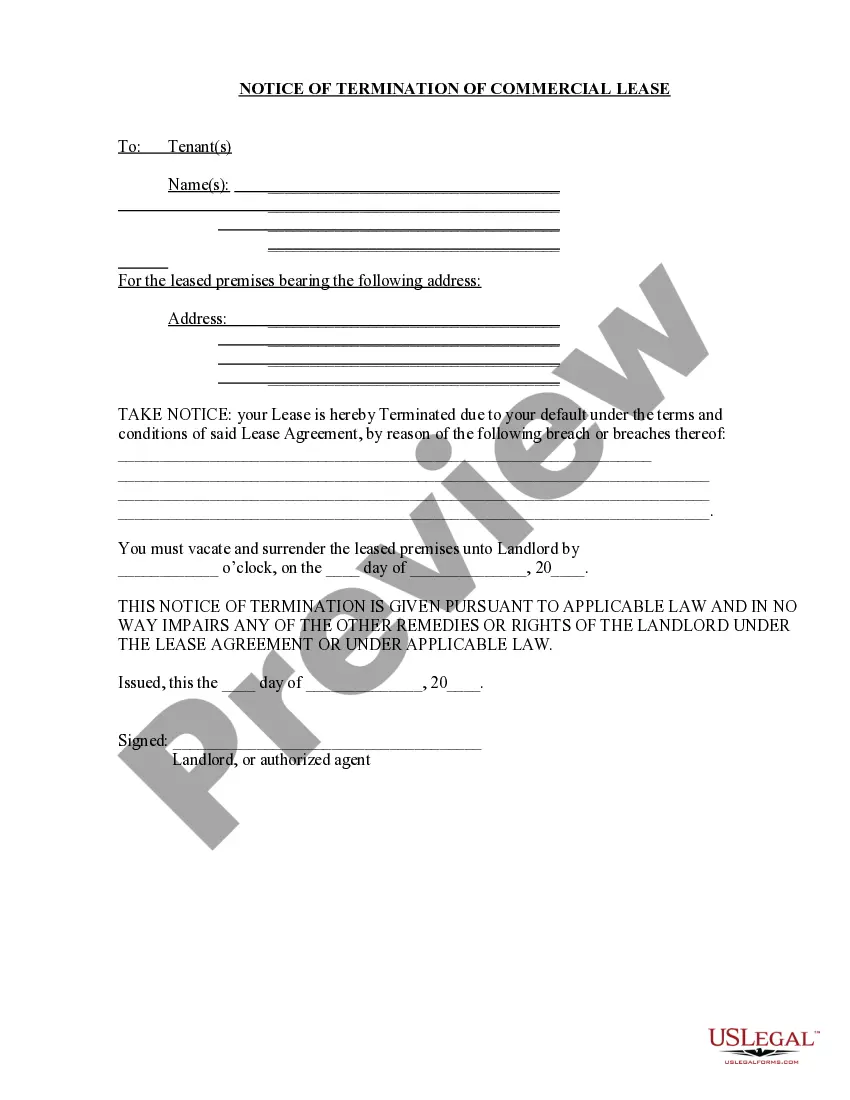
The Notice of Breach of Written Lease for Violating Specific Provisions of Lease with Right to Cure for Nonresidential Property is a legal document that allows a landlord to formally notify a tenant of a breach of lease terms. This notice serves to identify the specific provision that has been violated and grants the tenant a specified period to remedy the breach before further action is taken, such as eviction. It is specifically tailored for non-residential leases and differs from residential lease notices by addressing unique lease provisions relevant to commercial properties.
What’s included in this form
- Identification of the landlord and tenant.
- Address of the leased premises.
- Specific lease provision(s) that have been violated.
- Explanation of the breach and required actions.
- Deadline for the tenant to cure the breach.
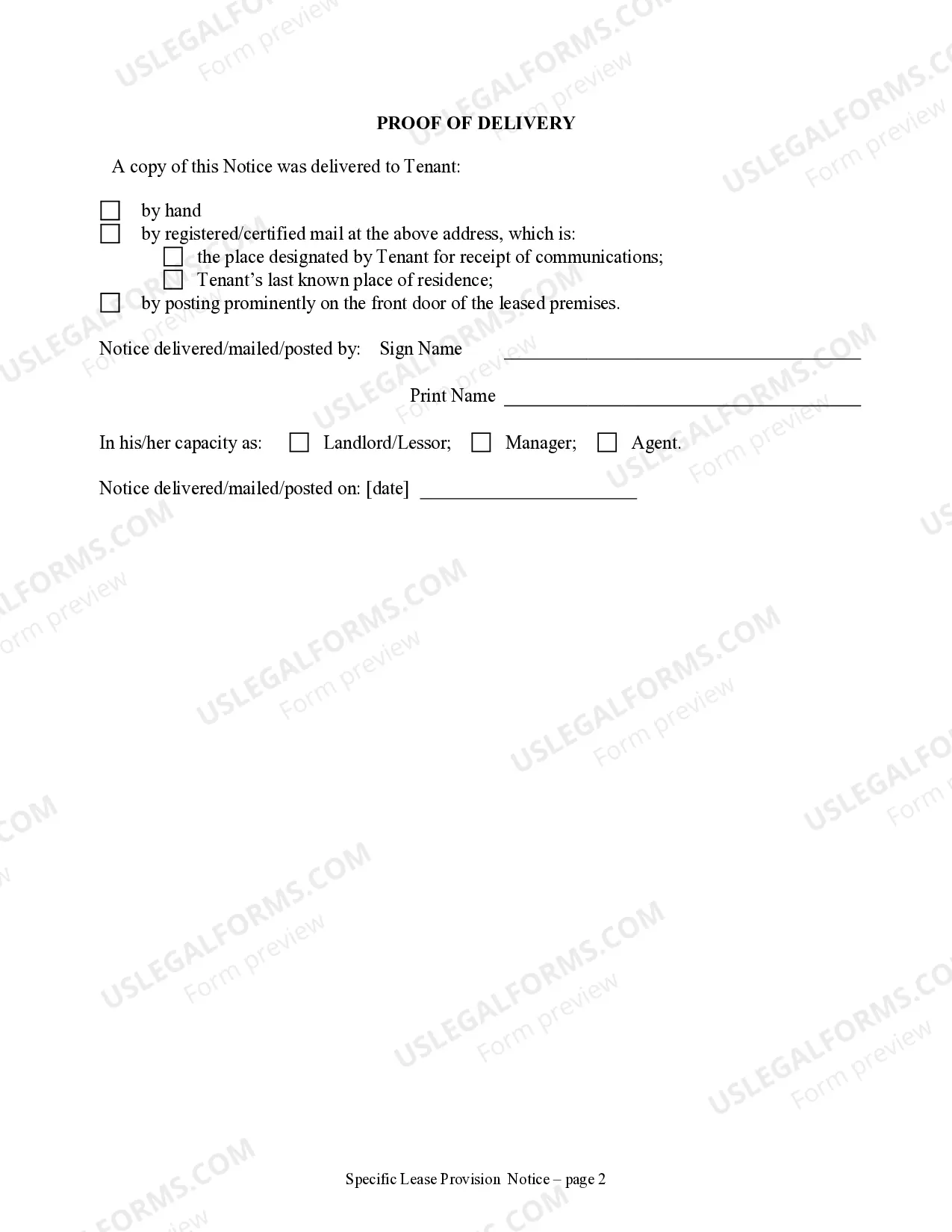
- Proof of delivery section to confirm receipt of the notice.



Common use cases
This form should be used when a landlord needs to inform a tenant of a breach of the written lease agreement involving specific provisions. Situations may include when a tenant fails to comply with agreed terms, such as maintenance obligations, unauthorized alterations to the property, or failure to pay rent. By providing this notice, the landlord can instigate the legal process for eviction if the tenant does not rectify the breach within the specified time period.
Intended users of this form
- Landlords of non-residential properties.
- Property managers acting on behalf of landlords.
- Tenants who have received a notice and need to understand their rights.
How to prepare this document
- Identify the landlord and tenant information, including full names and addresses.
- Specify the address of the leased property.
- Insert the specific lease provision(s) that are being violated.
- Explain the reason for the breach in clear terms.
- Indicate the number of days allowed for the tenant to remedy the breach.
- Sign and date the notice, then deliver it using the specified delivery method.
Notarization requirements for this form
In most cases, this form does not require notarization. However, some jurisdictions or signing circumstances might. US Legal Forms offers online notarization powered by Notarize, accessible 24/7 for a quick, remote process.
Get your form ready online
Our built-in tools help you complete, sign, share, and store your documents in one place.
Make edits, fill in missing information, and update formatting in US Legal Forms—just like you would in MS Word.
Download a copy, print it, send it by email, or mail it via USPS—whatever works best for your next step.
Sign and collect signatures with our SignNow integration. Send to multiple recipients, set reminders, and more. Go Premium to unlock E-Sign.
If this form requires notarization, complete it online through a secure video call—no need to meet a notary in person or wait for an appointment.
We protect your documents and personal data by following strict security and privacy standards.
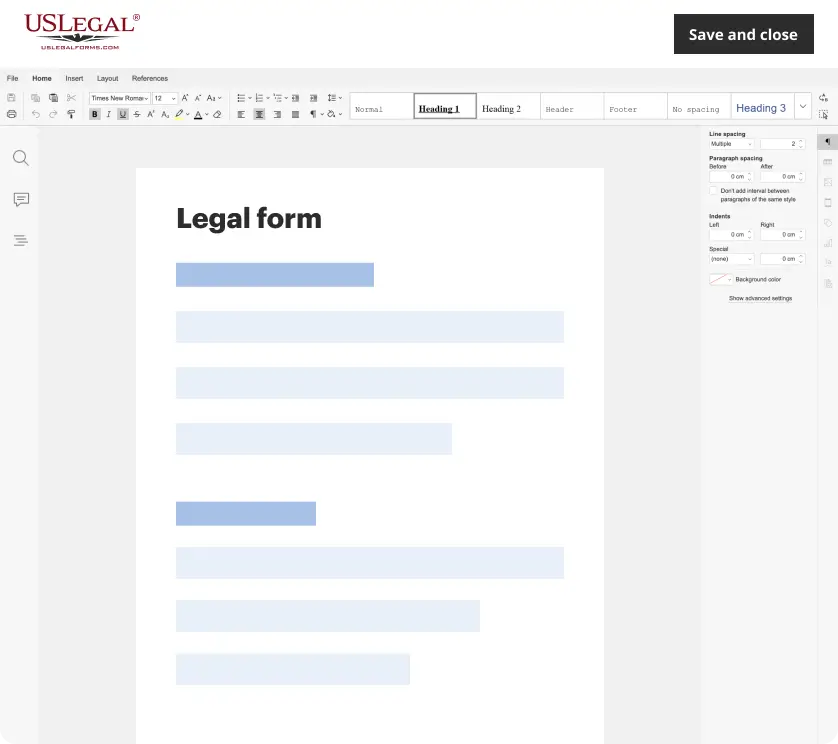
Make edits, fill in missing information, and update formatting in US Legal Forms—just like you would in MS Word.
Download a copy, print it, send it by email, or mail it via USPS—whatever works best for your next step.
Sign and collect signatures with our SignNow integration. Send to multiple recipients, set reminders, and more. Go Premium to unlock E-Sign.
If this form requires notarization, complete it online through a secure video call—no need to meet a notary in person or wait for an appointment.
We protect your documents and personal data by following strict security and privacy standards.
Typical mistakes to avoid
- Failing to specify the exact provision of the lease that was violated.
- Not providing an adequate timeframe for the tenant to cure the breach.
- Incorrectly identifying the leased premises or parties involved.
- Neglecting to keep proof of delivery, which is essential for legal proceedings.
Advantages of online completion
- Convenient access to a ready-made legal form that can be customized quickly.
- Editable templates allow for specific details to be inserted easily.
- Ensures that the document adheres to legal standards required by state laws.
- Reduces the likelihood of errors by following a structured format.
Looking for another form?
Form popularity
FAQ
Can I break my lease? You are always able to break a lease; there is little a landlord can do to actually stop you from leaving before the full term specified in the lease. You are violating no law by vacating early, but you are violating the terms of the contract between you and the landlord.
Fails to pay rent; Violates a clause in the lease or rental agreement; Violates a responsibility imposed by law.
The rental property address, including unit number (if applicable) The names of all tenants on the lease agreement. The date the lease violation notice was written. The specific reason for the notice. The time and date the violation occurred (if applicable)
The best approach is to try to come to an agreement with your landlord; if your landlord agrees, then you have mutually terminated the lease, and you should have no further obligation to pay rent. You should try to get any such agreement in writing.
Your name, and the landlord's name and address. The date you're writing the letter. Informing the landlord you're breaking your lease early. The reason why you're breaking your lease. The building and apartment you're vacating. The date by which you're vacating.
If a tenant breaches a tenancy agreement it is possible that their landlord will try and evict them from the property. The sort of breaches of tenancy which result in a landlord seeking a court order for possession include:Damage to the property (eg broken windows)
A tenant must pay the rent up to and including the day their termination notice period ends and they vacate the property. If a tenant does not owe the landlord money at the end of their tenancy and there is no damage to the property, the bond paid at the beginning of the tenancy should be refunded in full.
In some circumstances, a tenant can break a fixed-term agreement early without penalty. A tenant can give 14 days' written notice to end an agreement early without penalty if: they have accepted an offer of social housing (e.g. from DCJ Housing)
Give the landlord/agent a written termination notice and vacate move out and return the keys according to your notice, and/or. apply to the NSW Civil & Administrative Tribunal (NCAT) for a termination order.