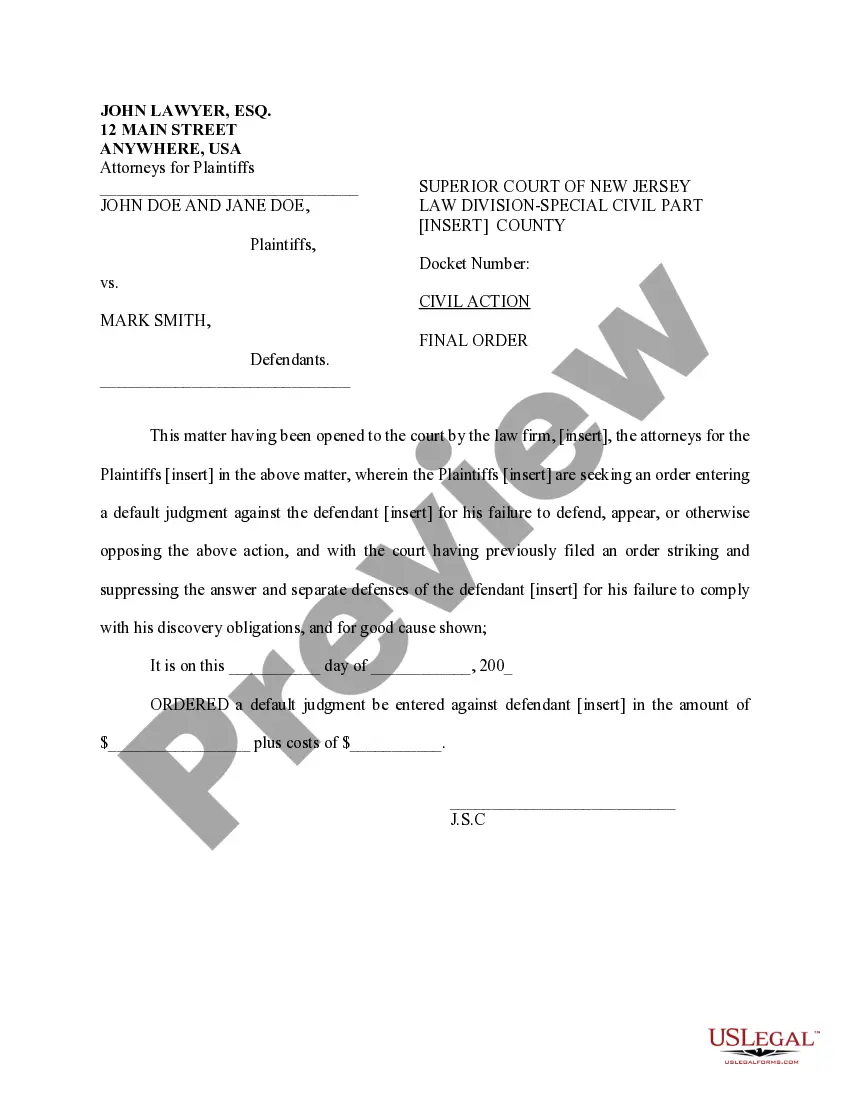
New Hampshire Letter from Landlord to Tenant for Failure to use electrical, plumbing, sanitary, heating, ventilating, air conditioning and other facilities in a reasonable manner
Understanding this form
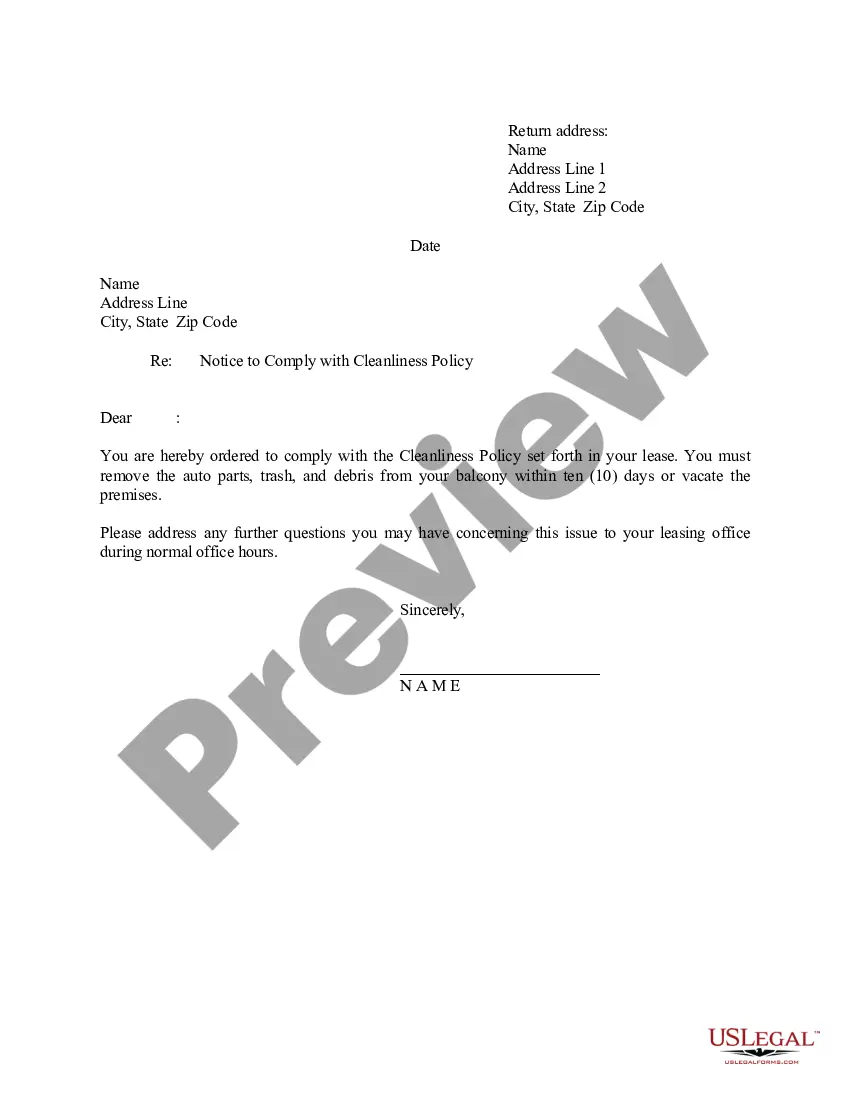
This form is a Letter from Landlord to Tenant concerning the failure to use electrical, plumbing, sanitary, heating, ventilating, air conditioning, and other facilities in a reasonable manner. It serves as a cease or eviction notice, informing the tenant of their lease violations and the consequences of continued misuse of essential facilities. The purpose of this letter is to formally address the situation, contrasting with informal communication methods.
Main sections of this form
- Identification of the landlord and tenant involved.
- Details of the lease agreement highlighting the specific terms violated.
- A description of the appliances and facilities misused by the tenant.
- A warning about potential eviction if the tenant fails to remedy the situation.
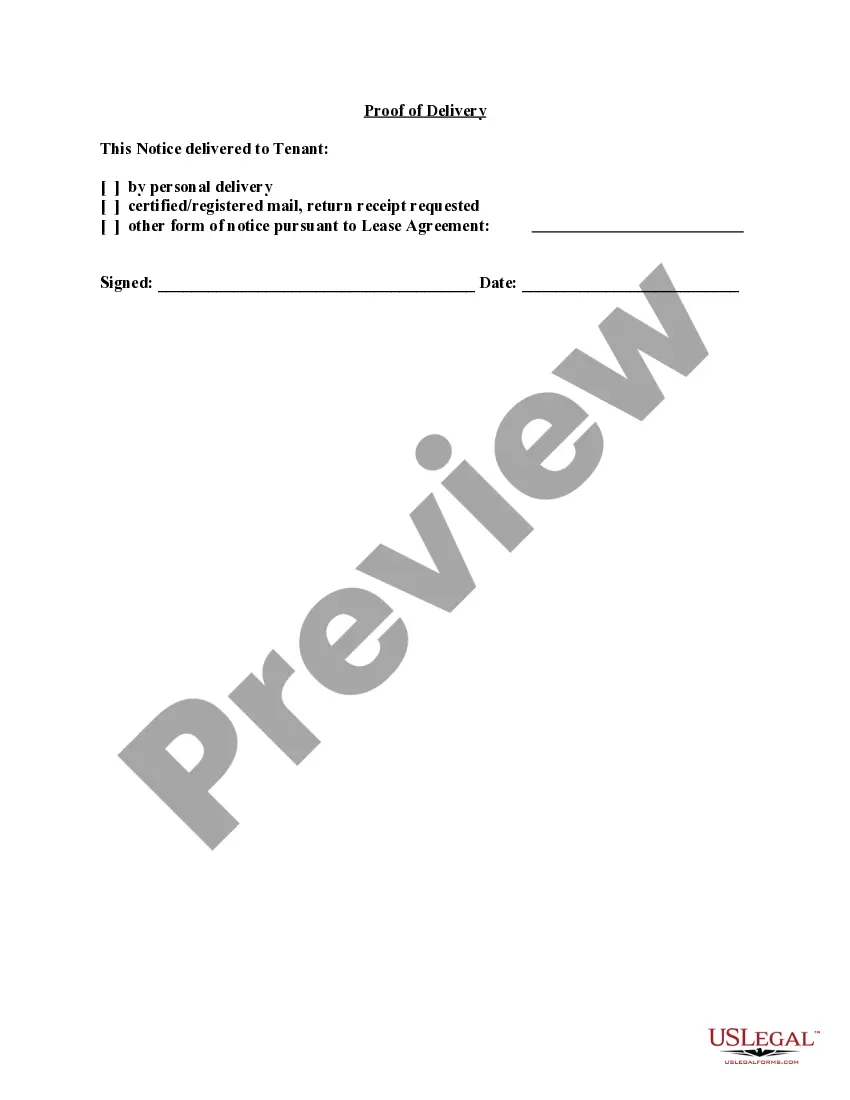
- A section for proof of delivery to confirm the tenant receives the notice.



When this form is needed
This form should be used when a landlord observes that a tenant is not utilizing the required electrical, plumbing, or heating systems properly, thus violating the lease agreement. It is applicable in situations where informal reminders or discussions have not resolved the misuse, and the landlord seeks formal action to ensure compliance or initiate eviction proceedings if necessary.
Intended users of this form
- Landlords who have identified serious misuse of facilities by their tenants.
- Property managers responsible for maintaining tenant lease agreements.
- Real estate professionals acting on behalf of landlords in managing properties.
How to complete this form
- Identify the parties by entering the landlord's name and the tenant's name.
- Specify the property address where the tenant resides.
- Clearly state the facilities and appliances involved in the misuse.
- Include a warning about the consequences of continued misuse, specifically mentioning eviction.
- Sign the letter, providing the landlord's or authorized agent's name.
- Follow up with proof of delivery by documenting how the notice was delivered.
Notarization guidance
Notarization is generally not required for this form. However, certain states or situations might demand it. You can complete notarization online through US Legal Forms, powered by Notarize, using a verified video call available anytime.
Get your form ready online
Our built-in tools help you complete, sign, share, and store your documents in one place.
Make edits, fill in missing information, and update formatting in US Legal Forms—just like you would in MS Word.
Download a copy, print it, send it by email, or mail it via USPS—whatever works best for your next step.
Sign and collect signatures with our SignNow integration. Send to multiple recipients, set reminders, and more. Go Premium to unlock E-Sign.
If this form requires notarization, complete it online through a secure video call—no need to meet a notary in person or wait for an appointment.
We protect your documents and personal data by following strict security and privacy standards.

Make edits, fill in missing information, and update formatting in US Legal Forms—just like you would in MS Word.

Download a copy, print it, send it by email, or mail it via USPS—whatever works best for your next step.

Sign and collect signatures with our SignNow integration. Send to multiple recipients, set reminders, and more. Go Premium to unlock E-Sign.

If this form requires notarization, complete it online through a secure video call—no need to meet a notary in person or wait for an appointment.

We protect your documents and personal data by following strict security and privacy standards.
Mistakes to watch out for
- Failing to provide sufficient detail about the specific misuse of facilities.
- Not delivering the notice in a manner that ensures the tenant receives it.
- Using vague language that does not clearly outline the lease violations.
- Neglecting to include a proper signature or identification of the landlord.
Why use this form online
- Convenience of immediate access and download from anywhere.
- Editability allows customization to fit specific situations and details.
- Reliability, as forms are drafted by licensed attorneys to ensure legal compliance.
Legal use & context
- This form serves as a formal notification and may be essential for legal proceedings related to eviction.
- It helps document communication attempts with the tenant, which can be beneficial if disputes arise.
- Proper use of this form can aid in the enforcement of lease terms and maintenance of property standards.
Looking for another form?
Form popularity
FAQ
Landlord Responsibilities It's a landlord's responsibility to ensure that a rental property's electrical system, from outlets to light fixtures, are all operating properly before the tenant takes possession of the unit.A working electrical system, including electrical outlets is an essential part of a habitable unit.
Electrical safety is criticalLandlords and letting agents are required to check the safety of the electrical appliances that came with the property at regular intervals.An amendment to Building Regulations in 2005 made it a requirement for landlords to employ only fully qualified electricians for any work.
Yes, it is. In June 2020, new regulations were introduced that oblige all landlords to get each of their rental properties inspected every 5 years. You must get a copy of the report (which will usually be an EICR).
What legislation applies? Landlords must ensure every electrical installation in their residential premises is inspected and tested at intervals of no more than 5 years by a qualified and competent person.
From 1 July 2020 for new tenancies, landlords must ensure that electrical installations are inspected and tested by a qualified person before the tenancy begins. From 1 April 2021, for existing tenancies, an electrical safety test will need to be carried out by 1 April 2021.
So when is your landlord responsible for repairs? When you rent, your landlord is responsible for maintaining the functional aspects of your home such as plumbing, electricity, and heating. Landlords must also generally take action when flooding, a clogged pipe, pest infestation, or other problems occur.
The Law around the EICR has now changed and will come into effect in July 2020. There will a legal onus on all landlords to have a electrical installation condition report in place.The government have also laid down the law that all existing tenancies will require a EICR report by April 2021.
Common utilities in rental units include electric, gas, water, sewer and garbage. Other services in a rental unit, such as phone service or cable, are considered amenities and the sole responsibility of the renter to set up and maintain independent of the rental agreement and landlord.
Gas. Electricity. Water. Council tax. Broadband.