Nebraska Amendment to Lease or Rental Agreement
What is this form?
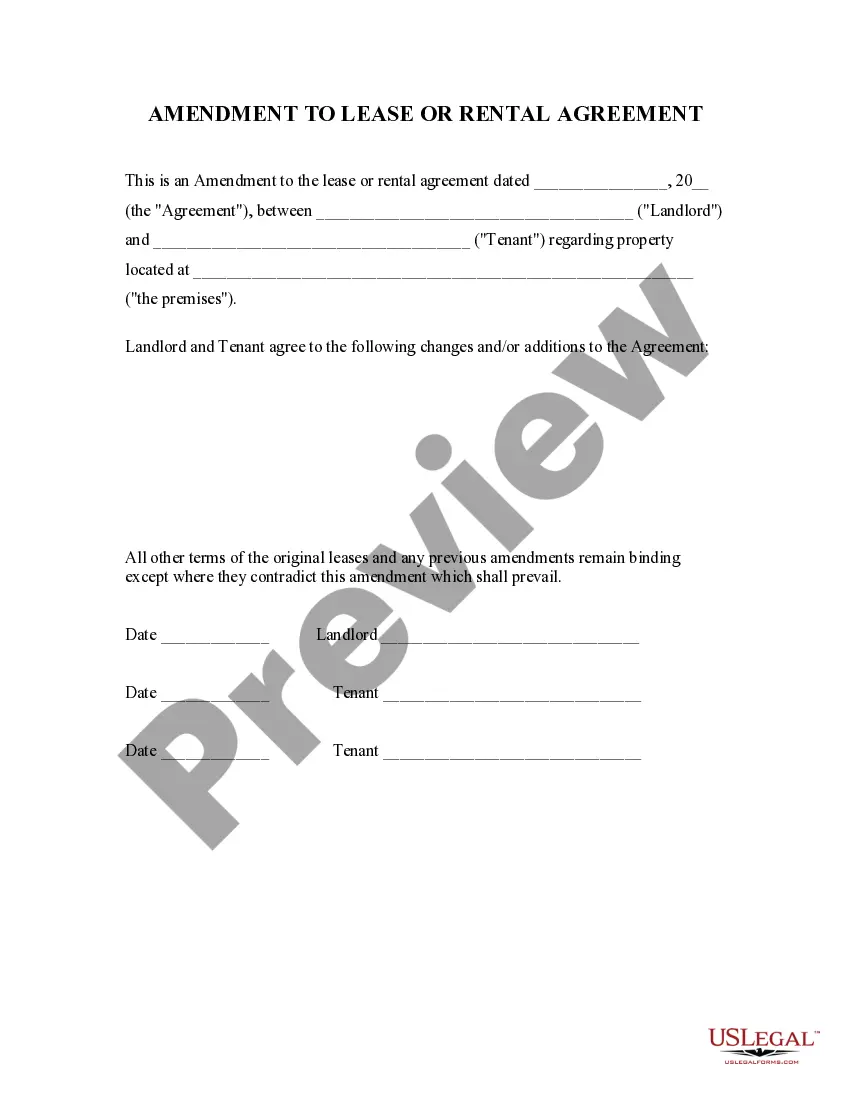
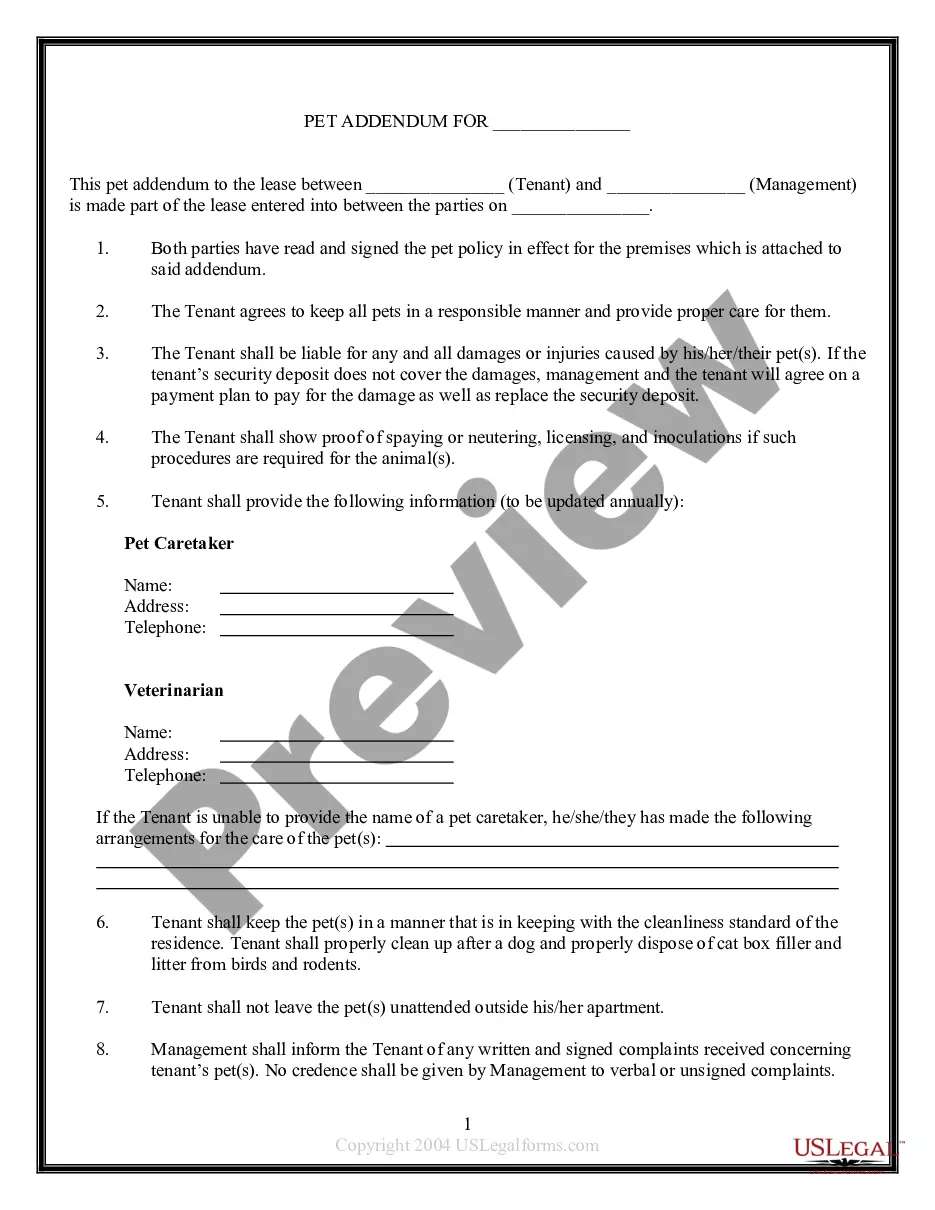
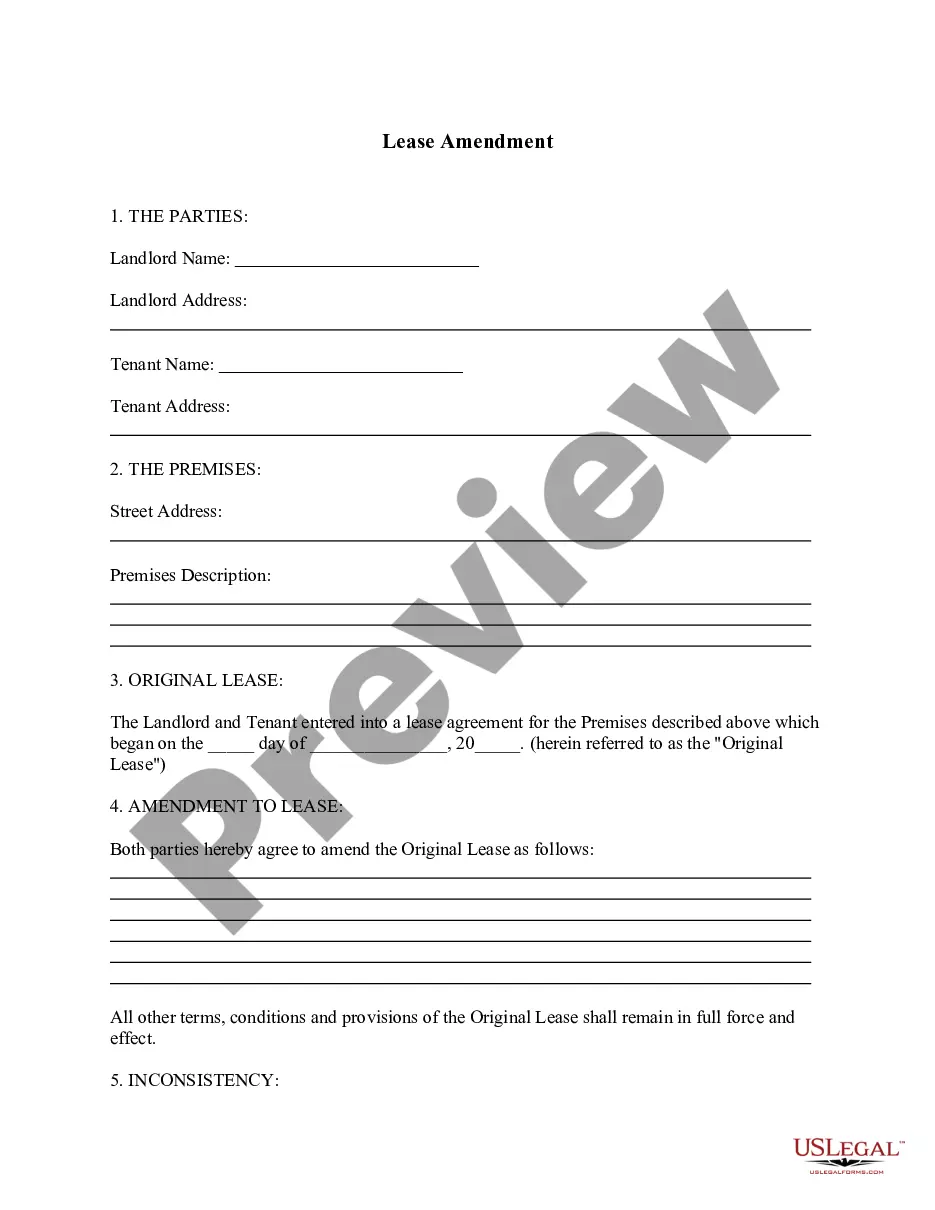
This Amendment to Lease or Rental Agreement form is used to document an agreed change to the terms of an existing rental agreement. Unlike a complete lease agreement, this amendment specifically focuses on modifications, ensuring that both the landlord and tenant are on the same page regarding changes made. These changes can range from rental price adjustments to modifications in lease terms or duration. It is essential to have these agreements in writing to avoid disputes that can arise from verbal agreements.
Form components explained
- Identification of the existing lease agreement date.
- Names and contact information of the landlord and tenant.
- Description of the property being rented.
- Specific changes being made to the agreement.
- Signature lines for both the landlord and tenant.
Situations where this form applies
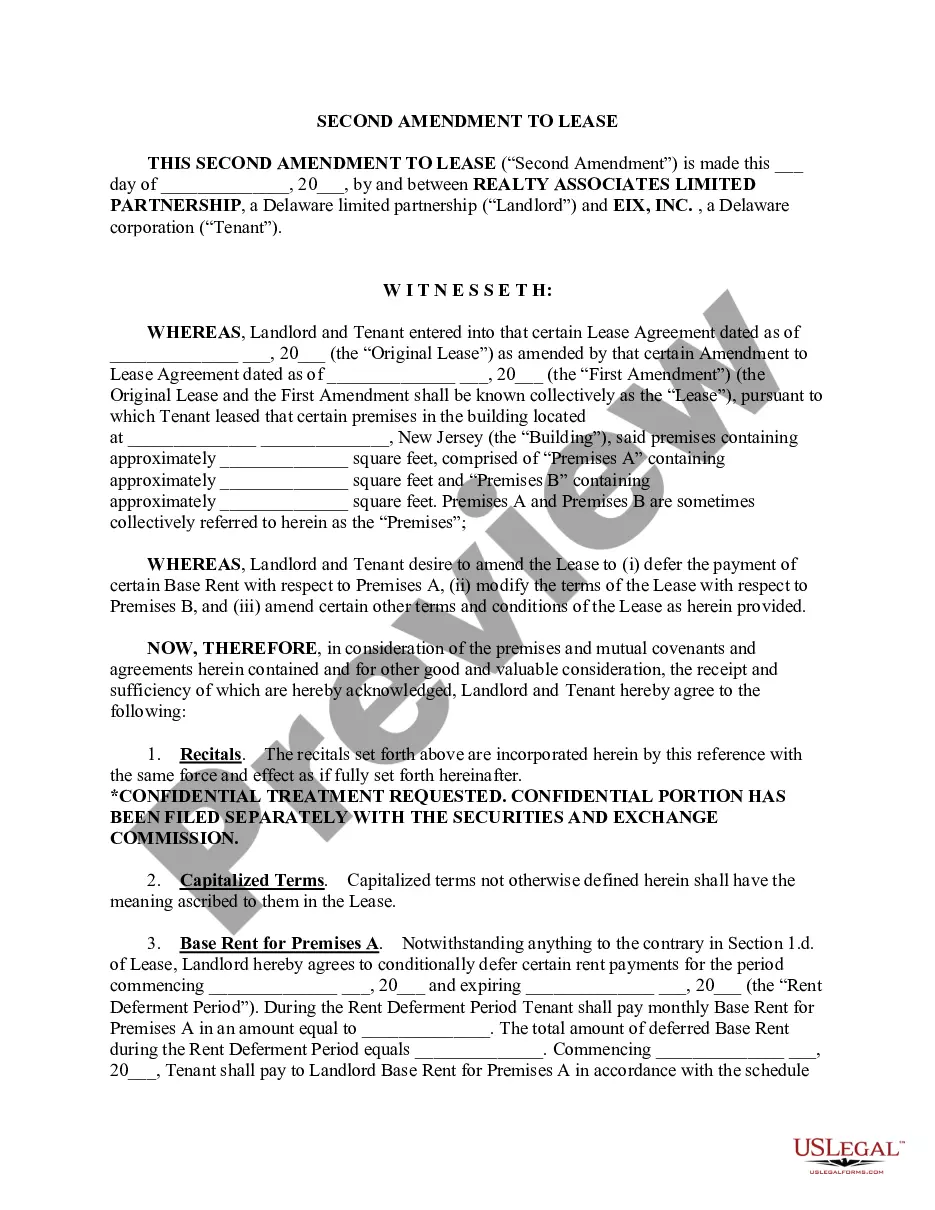
This form is necessary when either party wishes to change the terms of the lease, such as adjusting the rent amount, altering the rental duration, or changing other critical terms. It is particularly useful in scenarios like extending a lease for an additional year, changing the payment schedule, or addressing maintenance responsibilities.
Who should use this form
- Landlords who need to modify an existing rental agreement.
- Tenants who want to request changes to their lease terms.
- Real estate agents facilitating lease changes between landlords and tenants.
Steps to complete this form
- Identify the parties involved (Landlord and Tenant).
- Specify the property being rented by providing the full address.
- Enter the date of the original rental agreement.
- Clearly detail the changes being made to the original lease.
- Ensure both parties sign and date the amendment.
Does this document require notarization?
This form does not typically require notarization unless specified by local law. Even without notarization, it is important to ensure that both parties retain a signed copy for their records to avoid potential disputes in the future.
Get your form ready online
Our built-in tools help you complete, sign, share, and store your documents in one place.
Make edits, fill in missing information, and update formatting in US Legal Forms—just like you would in MS Word.
Download a copy, print it, send it by email, or mail it via USPS—whatever works best for your next step.
Sign and collect signatures with our SignNow integration. Send to multiple recipients, set reminders, and more. Go Premium to unlock E-Sign.
If this form requires notarization, complete it online through a secure video call—no need to meet a notary in person or wait for an appointment.
We protect your documents and personal data by following strict security and privacy standards.

Make edits, fill in missing information, and update formatting in US Legal Forms—just like you would in MS Word.

Download a copy, print it, send it by email, or mail it via USPS—whatever works best for your next step.

Sign and collect signatures with our SignNow integration. Send to multiple recipients, set reminders, and more. Go Premium to unlock E-Sign.

If this form requires notarization, complete it online through a secure video call—no need to meet a notary in person or wait for an appointment.

We protect your documents and personal data by following strict security and privacy standards.
Common mistakes
- Not including the full address of the property in the document.
- Failing to have both parties sign the amendment.
- Omitting details of the specific changes agreed upon.
- Using vague language that may lead to confusion later.
Why complete this form online
- Convenient access from anywhere with an internet connection.
- Edit and customize the form easily to fit your specific needs.
- Reliable templates drafted by licensed attorneys to ensure legal compliance.
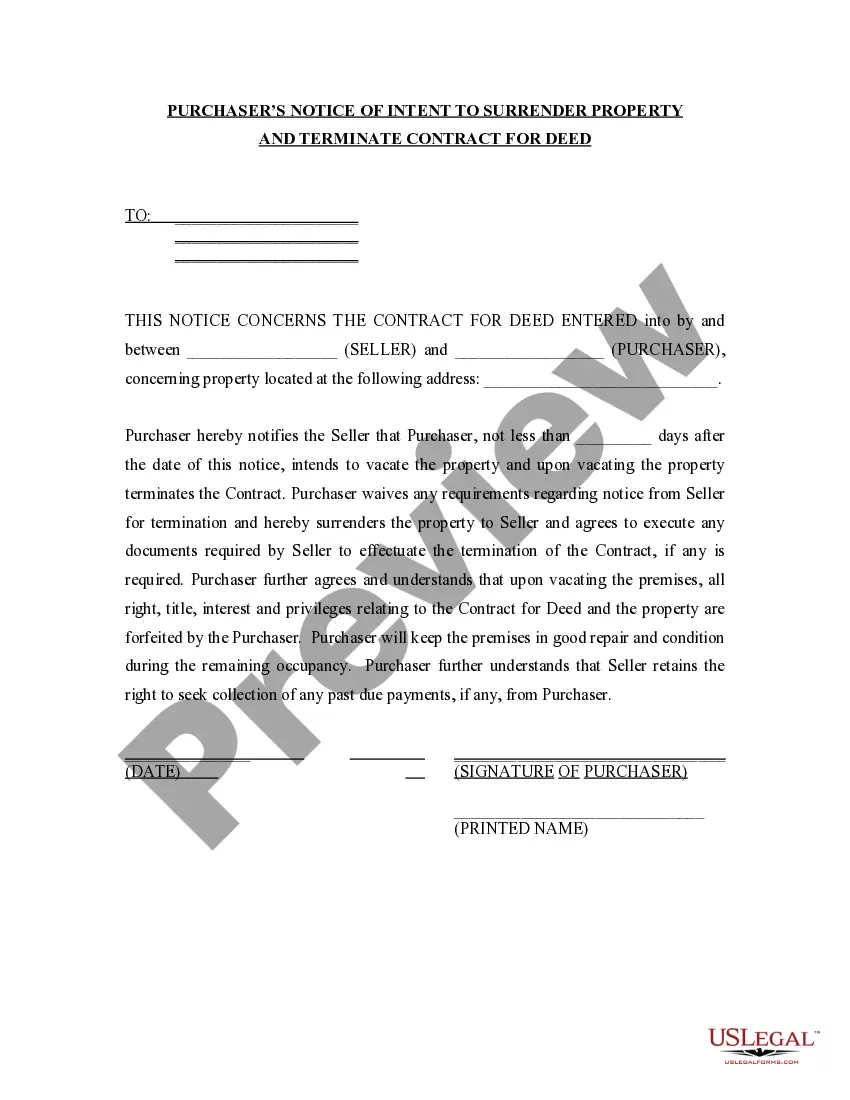
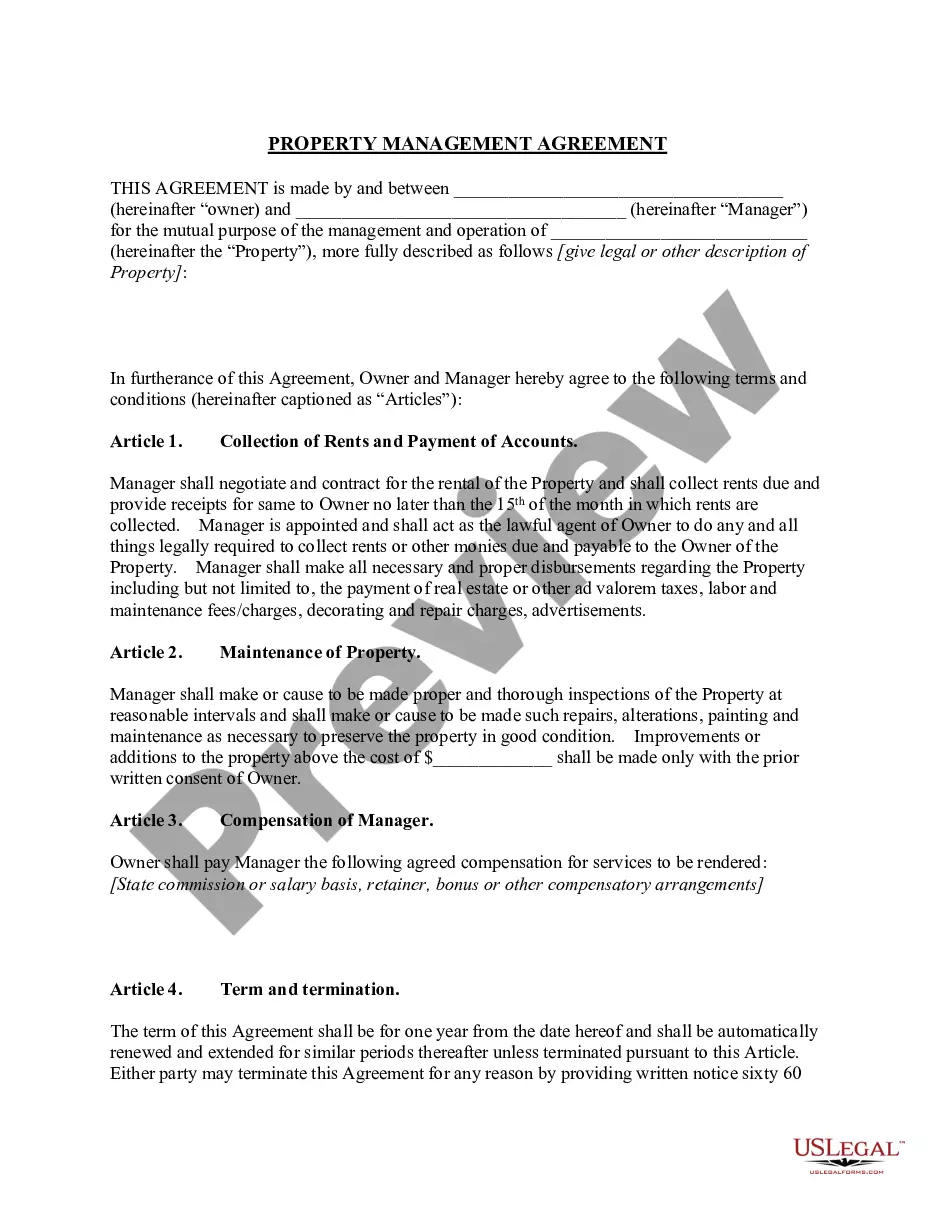
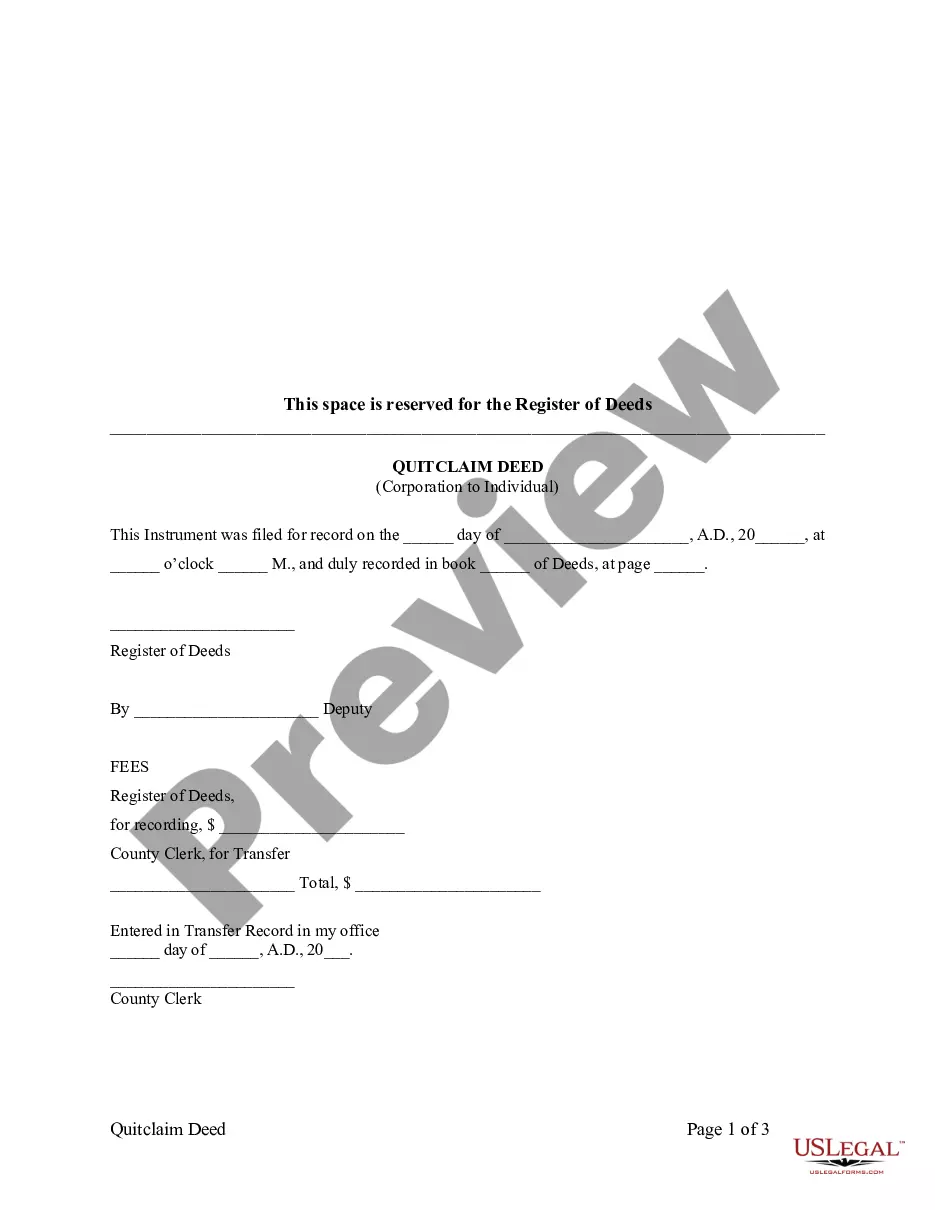
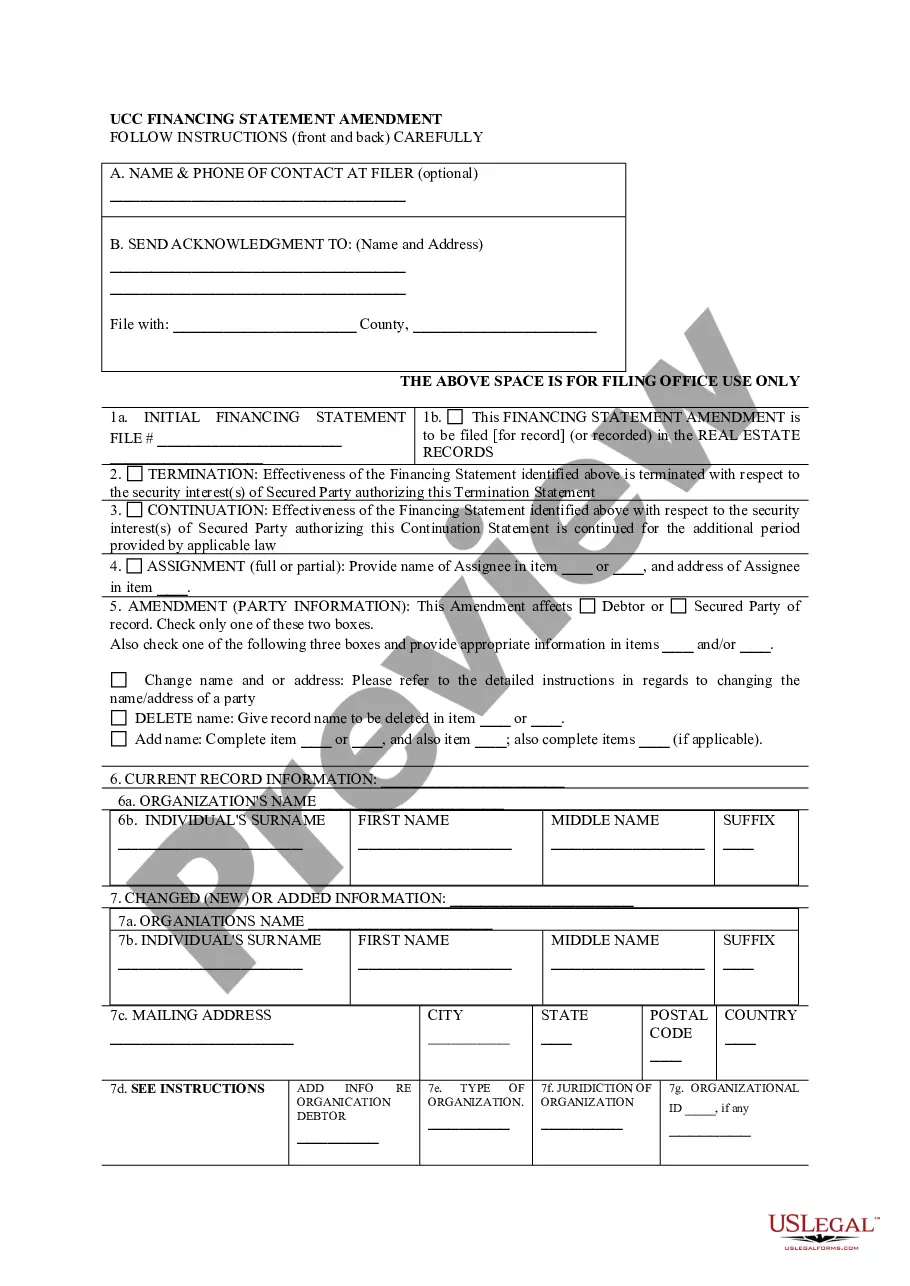
Looking for another form?
Form popularity
FAQ
If you are a leaseholder, you cannot change the lease terms without agreeing such change with your landlord. The reason for this is that as the lease is a contract between two parties, the leaseholder and the landlord, both parties must agree to change (referred to also as variation) of the terms of the lease.
The lease becomes legally binding when all parties have signed: the landlord and all tenants living in the unit who are 18 and older. If you're worried about situations where a lease needs to end early, learn about breaking a lease and grounds for eviction.
Collect each party's information. Include specifics about your property. Consider all of the property's utilities and services. Know the terms of your lease. Set the monthly rent amount and due date. Calculate any additional fees. Determine a payment method. Consider your rights and obligations.
Create Document. A lease extension addendum is a contract that further extends the term of an existing lease agreement. The addendum will establish a new lease termination date that both the landlord and tenant agree to.
A lease addendum allows a landlord or tenant to make changes to a current residential or commercial lease agreement.Once both parties agree and sign, the addendum should be added to the original lease.
A lease and addendum are esentially the same thing, 'the lease'. The addendum is part of the lease, it does not stand on it's own. If the lease and addendum say different things, but one does not supercede the other, it's ambigious, and the least restrictive clause stands.
The Lease Must be in Writing It does not matter if the lease is handwritten or typed.
The Lease Must be in Writing It does not matter if the lease is handwritten or typed. If the lease is for more than one year, it must be in written form and contain the following terms.
When creating your Lease Amendment, you'll want to include information such as: the names of the landlord(s) and the tenant(s); the effective date of the original lease; the date of the lease amendment; the address and nature of the leased property; whether the original lease was recorded with the county; which