Nebraska Mutual Wills Package of Last Wills and Testaments for Man and Woman living together not Married with Adult Children
What this document covers
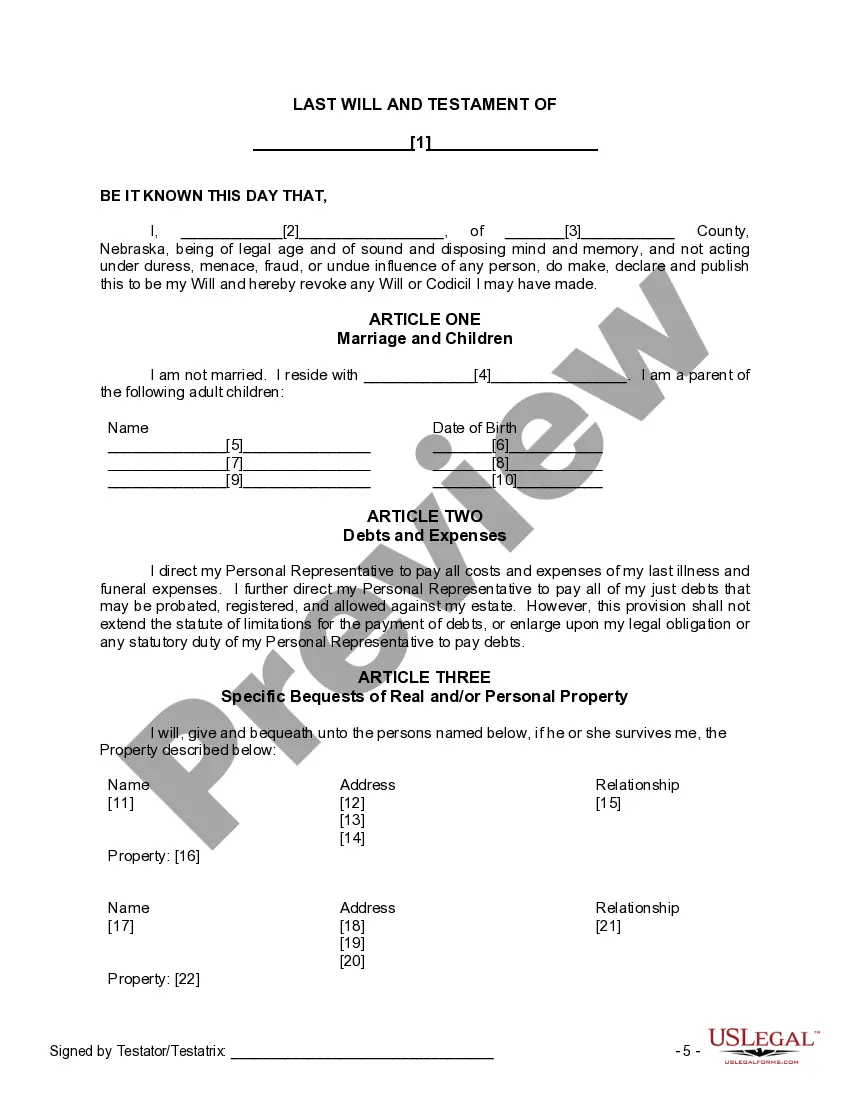
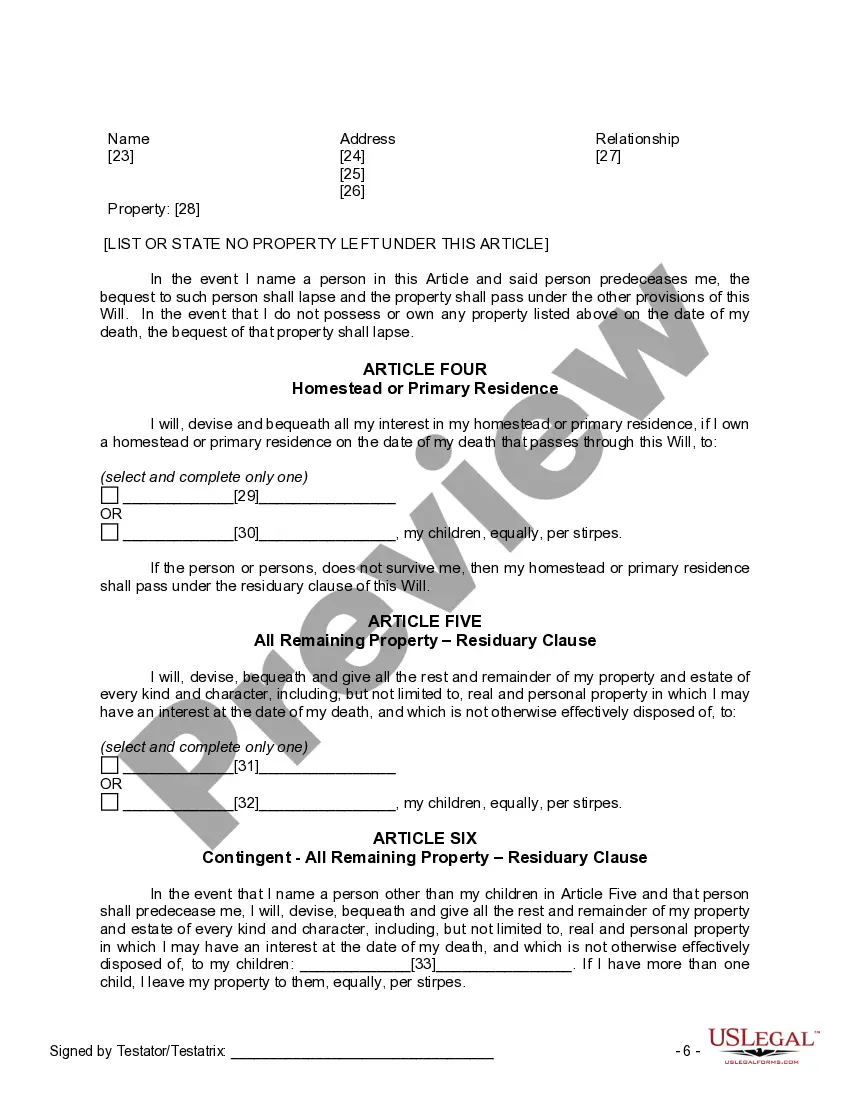
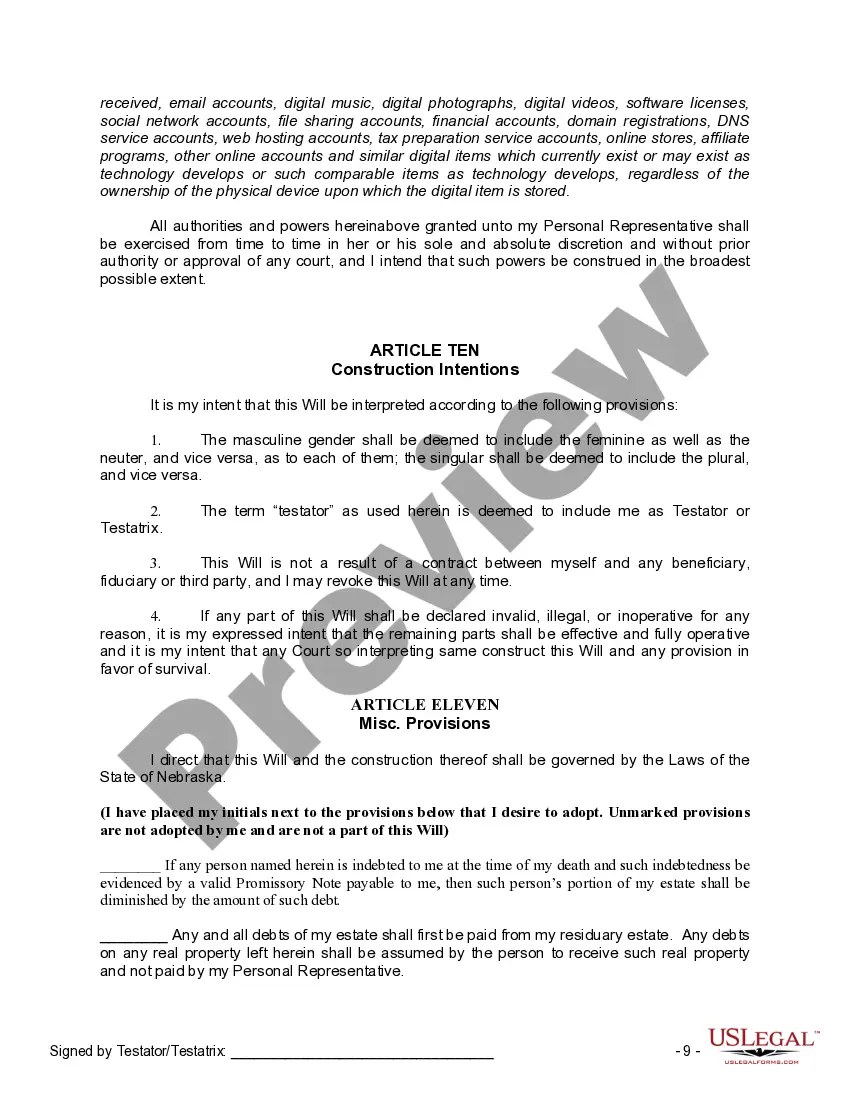
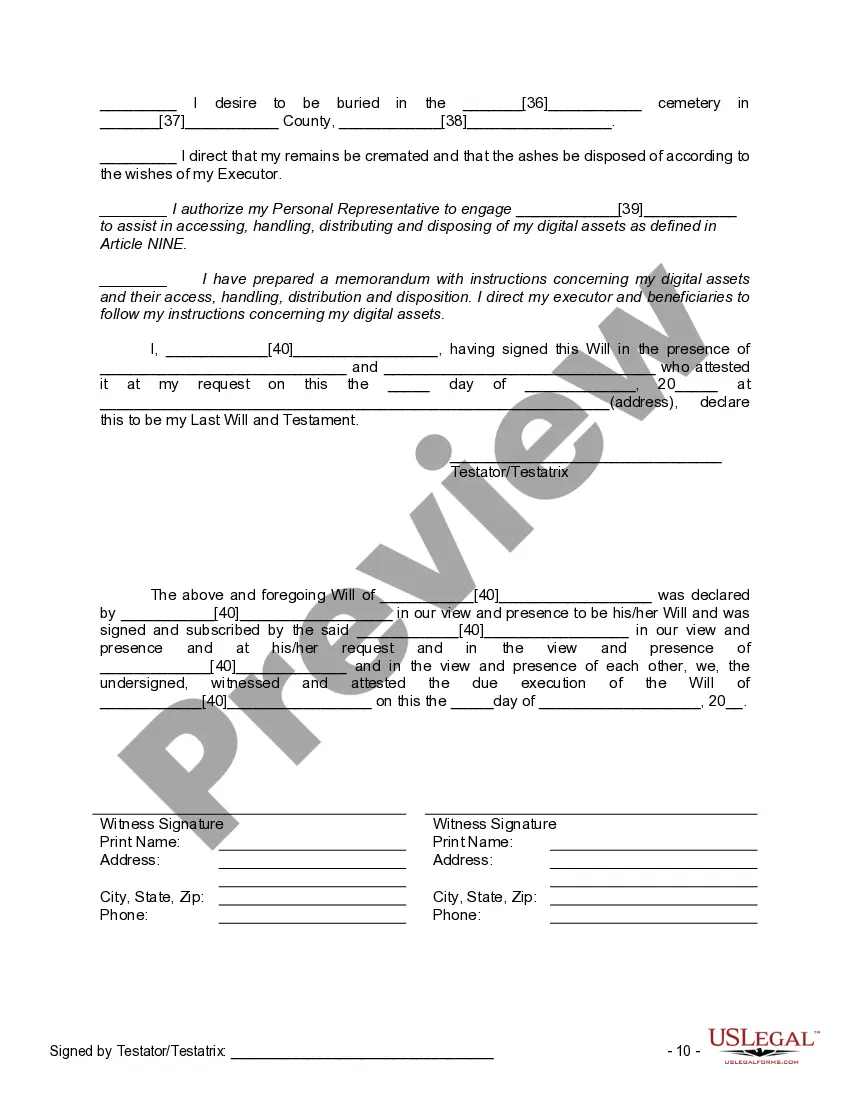
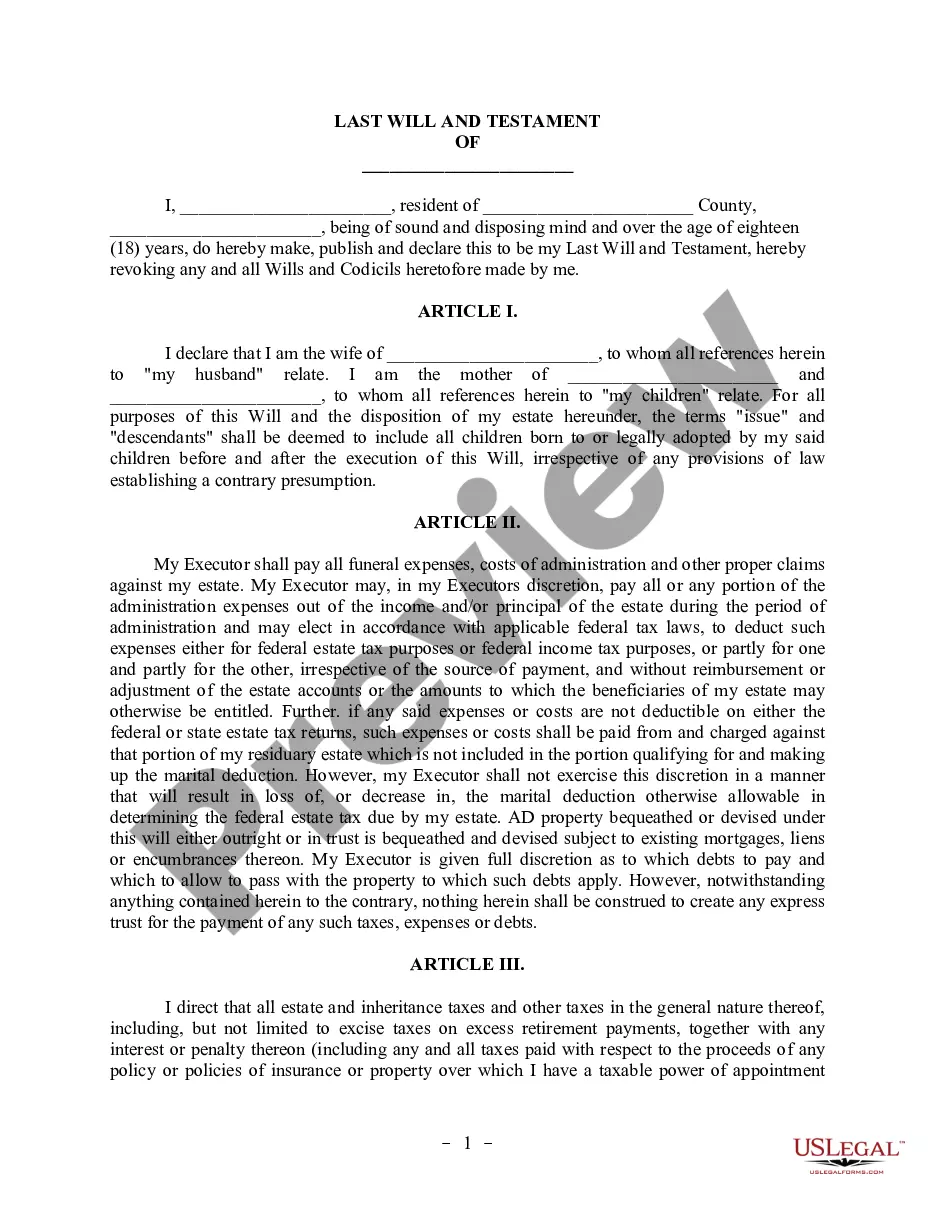
The Mutual Wills Package of Last Wills and Testaments for a Man and Woman Living Together Not Married with Adult Children consists of two legally binding wills. This package is specifically designed for couples who are not married but wish to establish mutual wills to ensure that each party can leave property to the other. Unlike standard wills, these mutual wills include provisions for adult children, thereby addressing the distribution of assets among partners and their descendants.
Key components of this form
- Sections tailored for each individual's will.
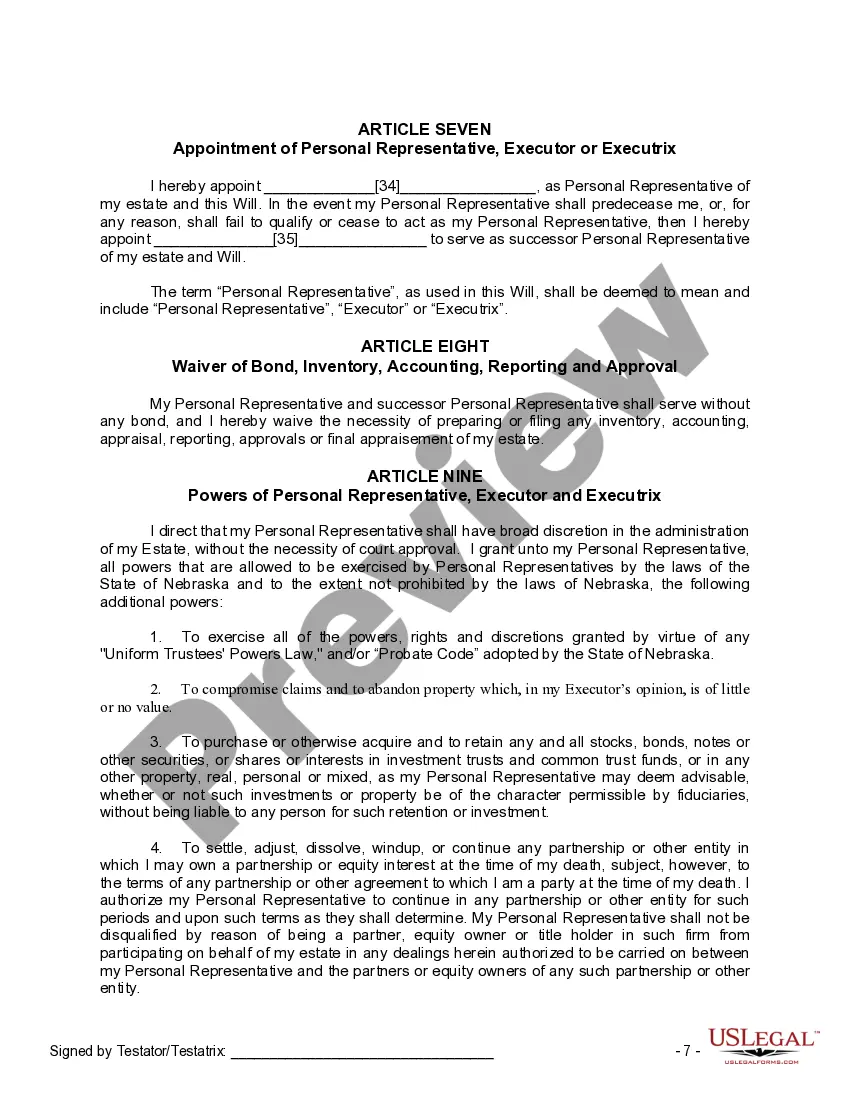
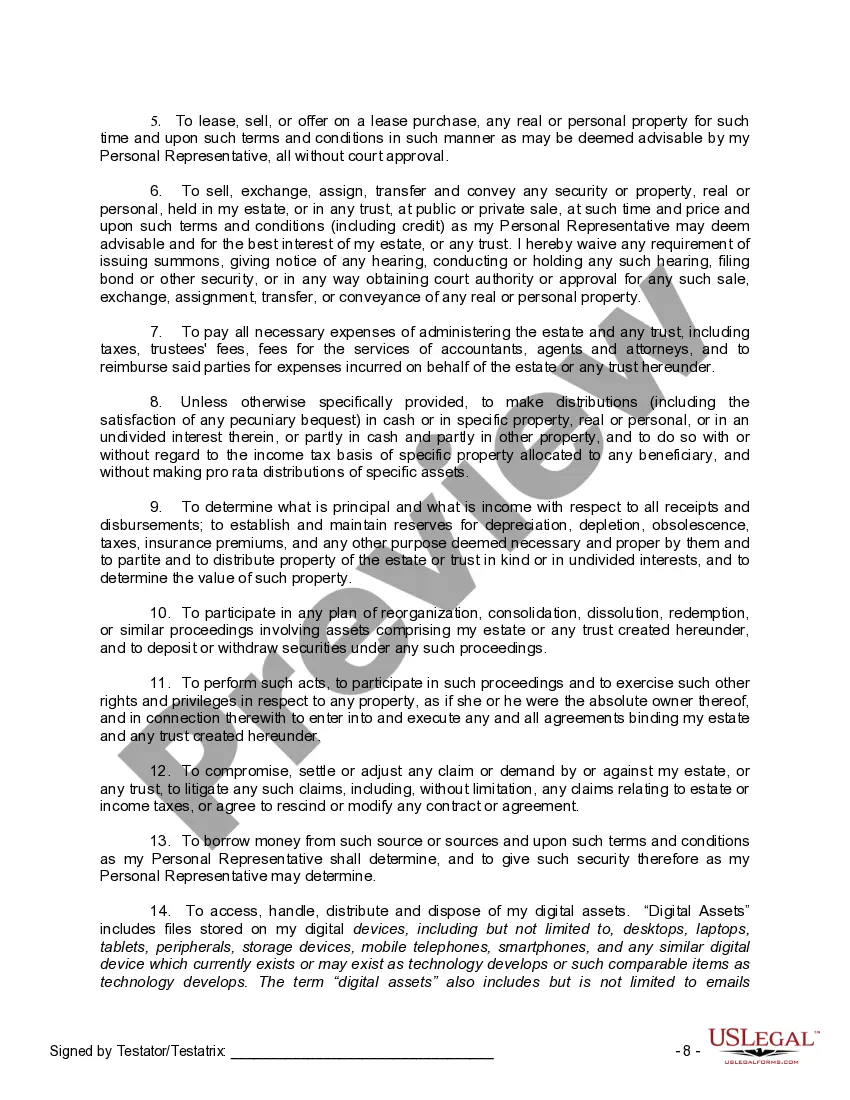
- Provisions for the appointment of personal representatives.
- Clauses specifying distributions to children or other beneficiaries.
- Instructions for executing the wills in compliance with state laws.
- Inclusion of a self-proving affidavit if required by state law.



When to use this form
This form is ideal in situations where an unmarried couple living together wants to ensure their assets are left to each other or their adult children. It is particularly relevant when dealing with matters such as property ownership, insurance benefits, and inheritance rights, providing clarity and legal protection in the event of death.
Who this form is for
- Cohabiting couples who are not married but want to leave their assets to each other.
- Couples with adult children from previous relationships.
- Individuals looking to protect their partnerâs rights while also considering their children.
- Anyone wanting a legal framework to clearly outline their final wishes regarding property distribution.
How to prepare this document
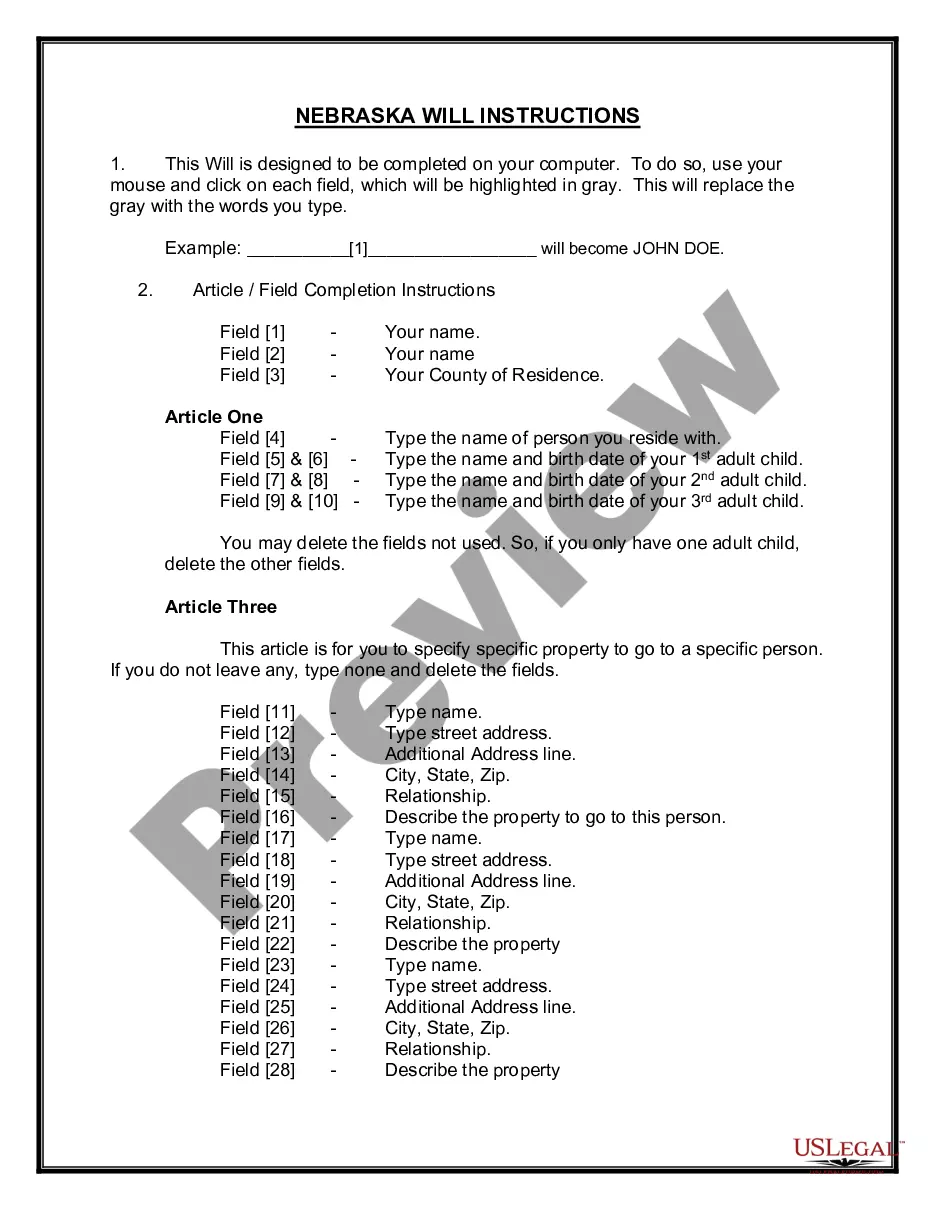
- Begin by filling in your name and the name of the person you reside with.
- Specify your adult children's names and birth dates if applicable.
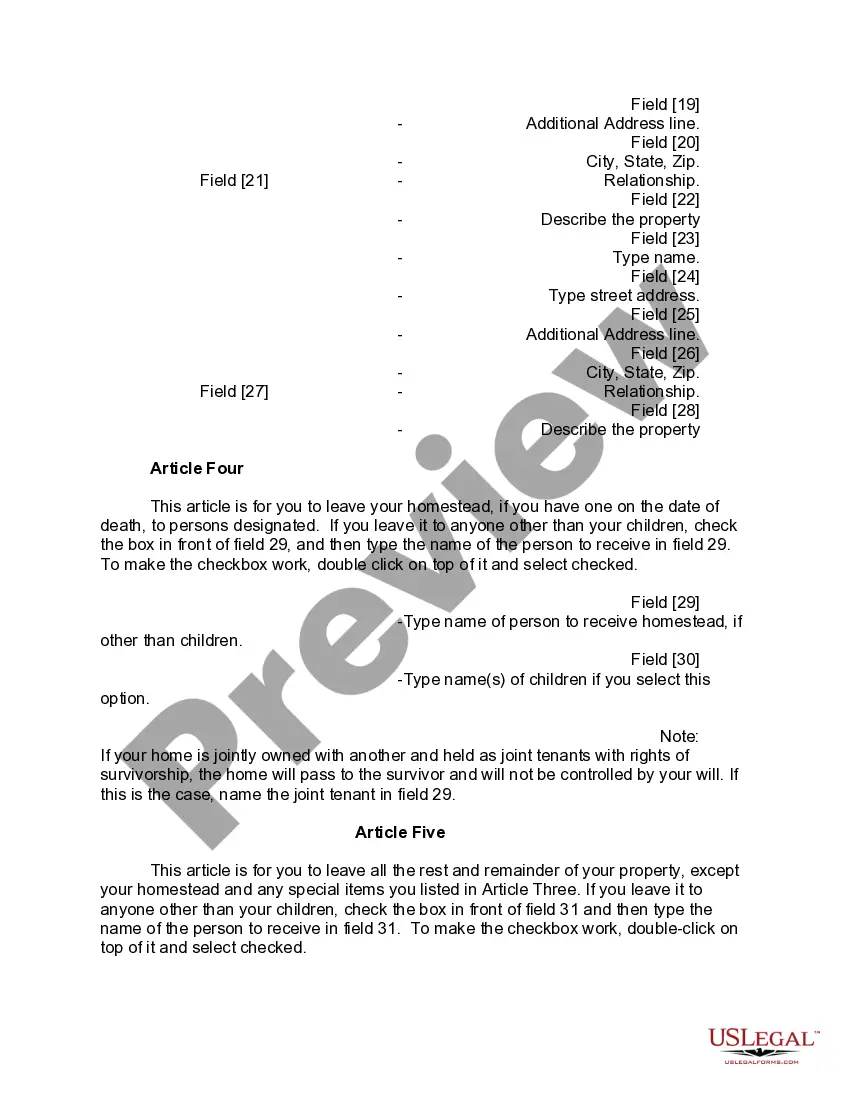
- List any specific property you'd like to bequeath to individuals, including descriptions and relationships.
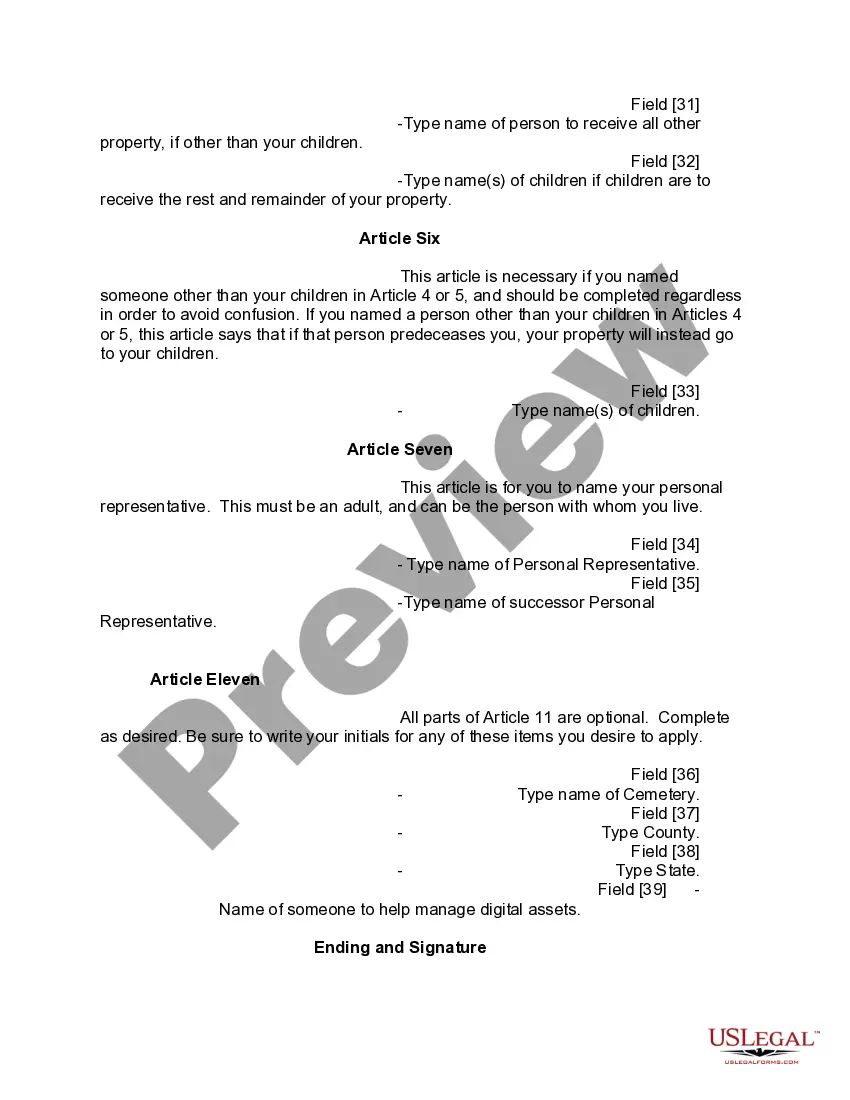
- Designate a personal representative for your estate in case of your passing.
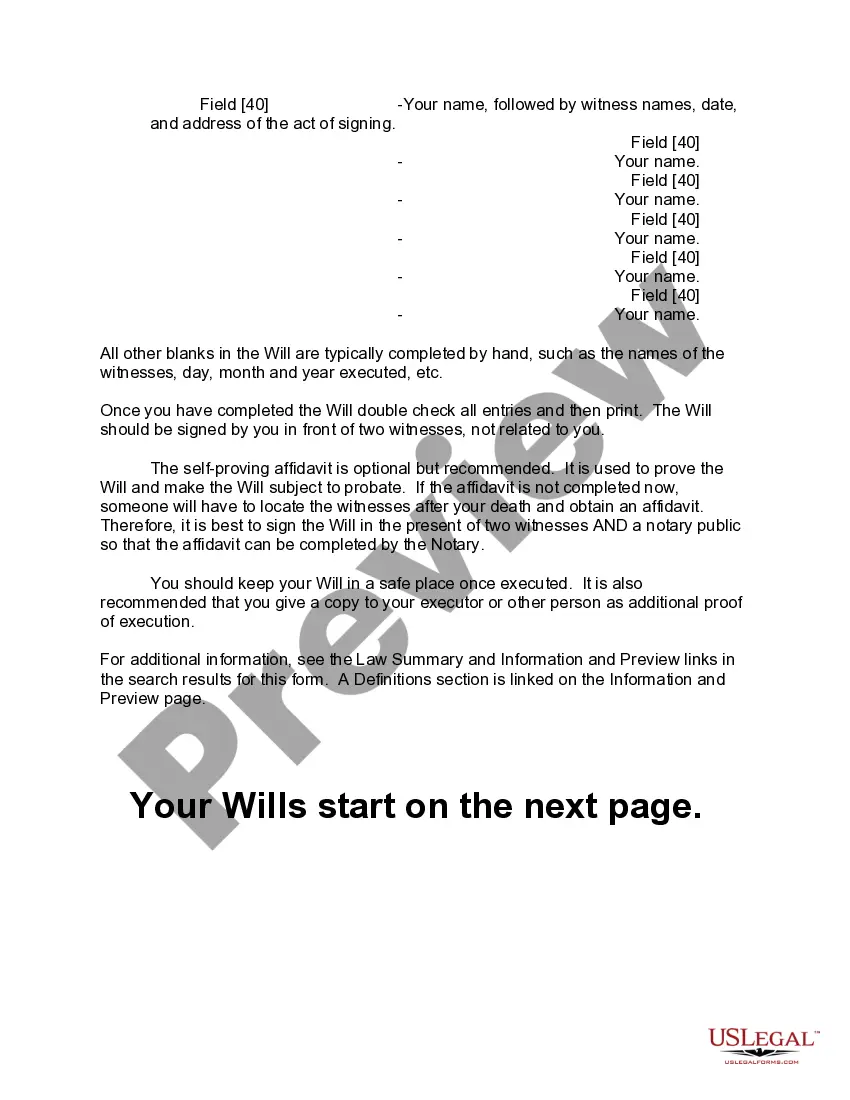
- Ensure signatures are obtained from you and two witnesses to comply with legal requirements.
Does this form need to be notarized?
Yes, this form must be notarized to be legally valid. US Legal Forms offers integrated online notarization services, ensuring that you can complete this step securely via video call at your convenience. Notarization helps streamline the probate process and assert the validity of your will.
Get your form ready online
Our built-in tools help you complete, sign, share, and store your documents in one place.
Make edits, fill in missing information, and update formatting in US Legal Forms—just like you would in MS Word.
Download a copy, print it, send it by email, or mail it via USPS—whatever works best for your next step.
Sign and collect signatures with our SignNow integration. Send to multiple recipients, set reminders, and more. Go Premium to unlock E-Sign.
If this form requires notarization, complete it online through a secure video call—no need to meet a notary in person or wait for an appointment.
We protect your documents and personal data by following strict security and privacy standards.

Make edits, fill in missing information, and update formatting in US Legal Forms—just like you would in MS Word.

Download a copy, print it, send it by email, or mail it via USPS—whatever works best for your next step.

Sign and collect signatures with our SignNow integration. Send to multiple recipients, set reminders, and more. Go Premium to unlock E-Sign.

If this form requires notarization, complete it online through a secure video call—no need to meet a notary in person or wait for an appointment.

We protect your documents and personal data by following strict security and privacy standards.
Typical mistakes to avoid
- Failing to have the will signed by the required number of witnesses.
- Not including the self-proving affidavit if desired.
- Forgetting to update the will as personal circumstances change.
- Leaving vague descriptions of property which could result in disputes.
Why use this form online
- Convenient access from any device allows for easy completion at your pace.
- Editability helps ensure all personal information is accurately captured.
- Access to legal templates drafted by licensed attorneys offers peace of mind.
- Quick downloading provides immediate use, avoiding delays in executing your wishes.
Quick recap
- This Mutual Wills Package allows unmarried couples to define their estate wishes clearly.
- It includes necessary components such as an affidavit for easier probate.
- Proper execution requires witnesses and notarization for validity.
- Customizable and user-friendly format makes estate planning accessible.
Looking for another form?

Form popularity
FAQ
In most states, if you have a will while you are married and then end the marriage, the will is automatically revoked. It's possible to leave an inheritance to your ex, but you have to write a new will that specifically states you are doing so. Disinheriting your spouse.
Mirror wills are based on the idea that married or unmarried couples will likely have the same wishes regarding their estate. No matter which spouse dies first, the estates are handled the same way. The basic structure of a mirror will is similar to an individual last will.
Property in a living trust. One of the ways to avoid probate is to set up a living trust. Retirement plan proceeds, including money from a pension, IRA, or 401(k) Stocks and bonds held in beneficiary. Proceeds from a payable-on-death bank account.
A joint will is one that two people, typically a married couple, sign together. Instead of each spouse having a separate will, they have one document that they've both agreed to. Most joint wills are written such that when one spouse dies, their portion of the estate passes to the other.
The reality is, however, that both you and your spouse should each have your own will, and it should be planned as soon as possible. Some couples think that they can have one joint will together, but this is not a sound approach.
Create the initial document. Start by titling the document Last Will and Testament" and including your full legal name and address. Designate an executor. Appoint a guardian. Name the beneficiaries. Designate the assets. Ask witnesses to sign your will. Store your will in a safe place.
The form may be downloaded in fillable Adobe PDF, Rich Text Format, and Microsoft Word templates and should be signed by the testator and at least two (2) witnesses or a notary public (See your State's Probate Code).
Joint wills are usually created by married couples. They often state that: After one spouse has died, all the couple's property will be left to the surviving spouse; and. After the surviving spouse dies, the remaining property will be left to the couple's children.
While you can write your own last will and testament, it's very important to follow your state's requirements. If the court finds it invalid, someone other than your chosen executor could handle your estate and distribute your assets differently than you intended.