North Dakota Letter from Landlord to Tenant as Notice to remove unauthorized inhabitants
About this form
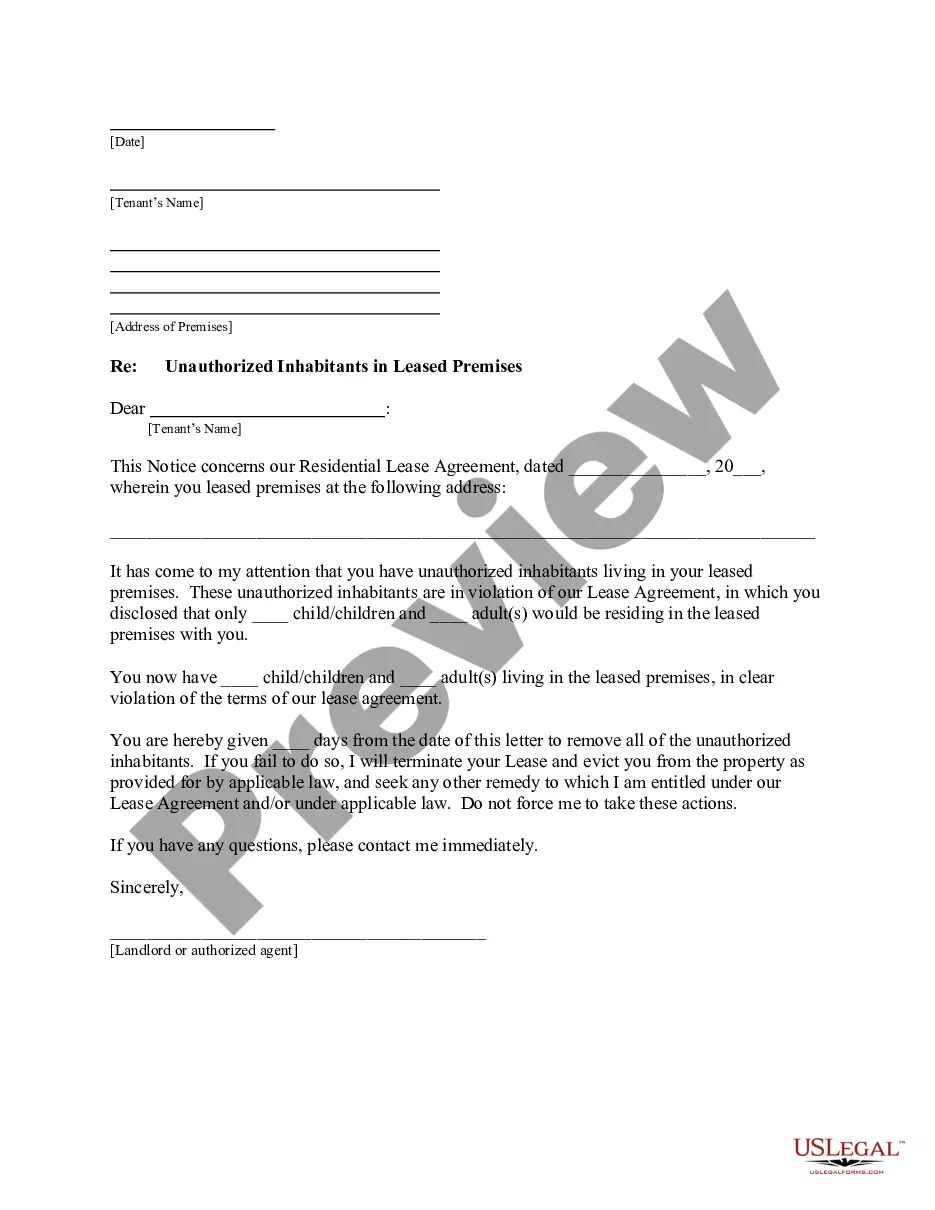
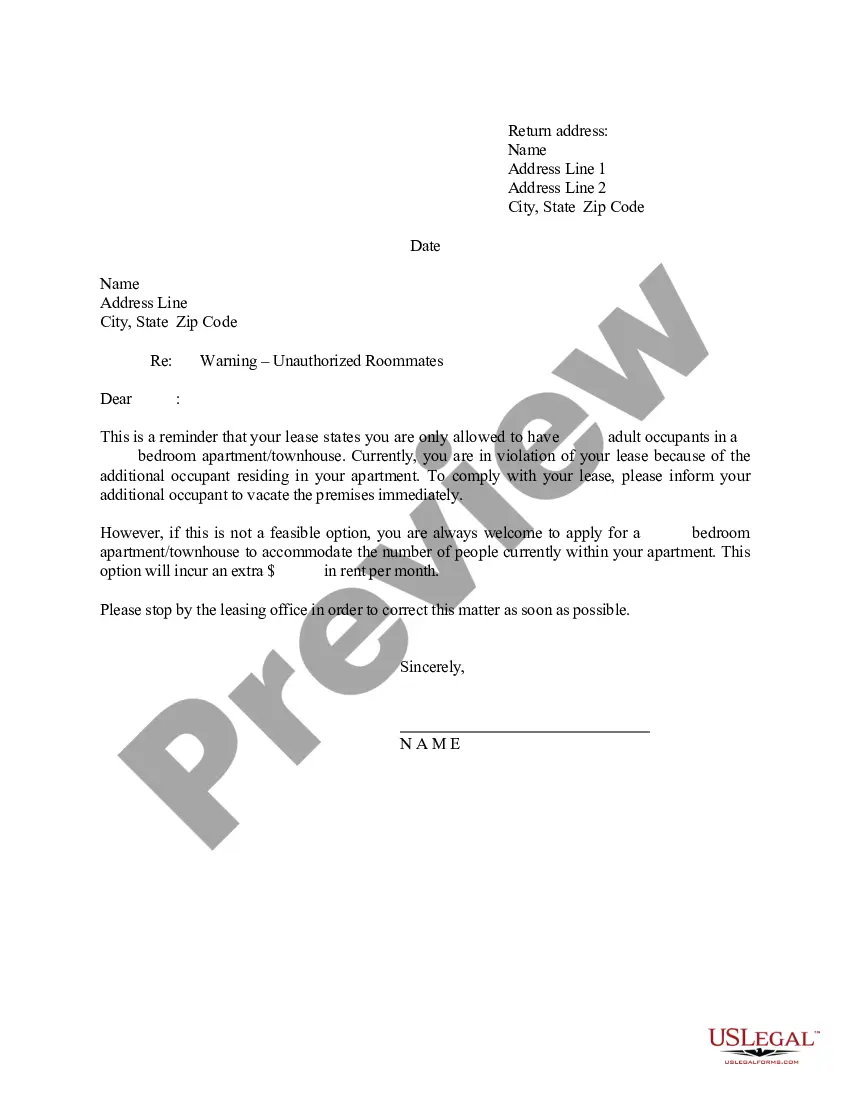
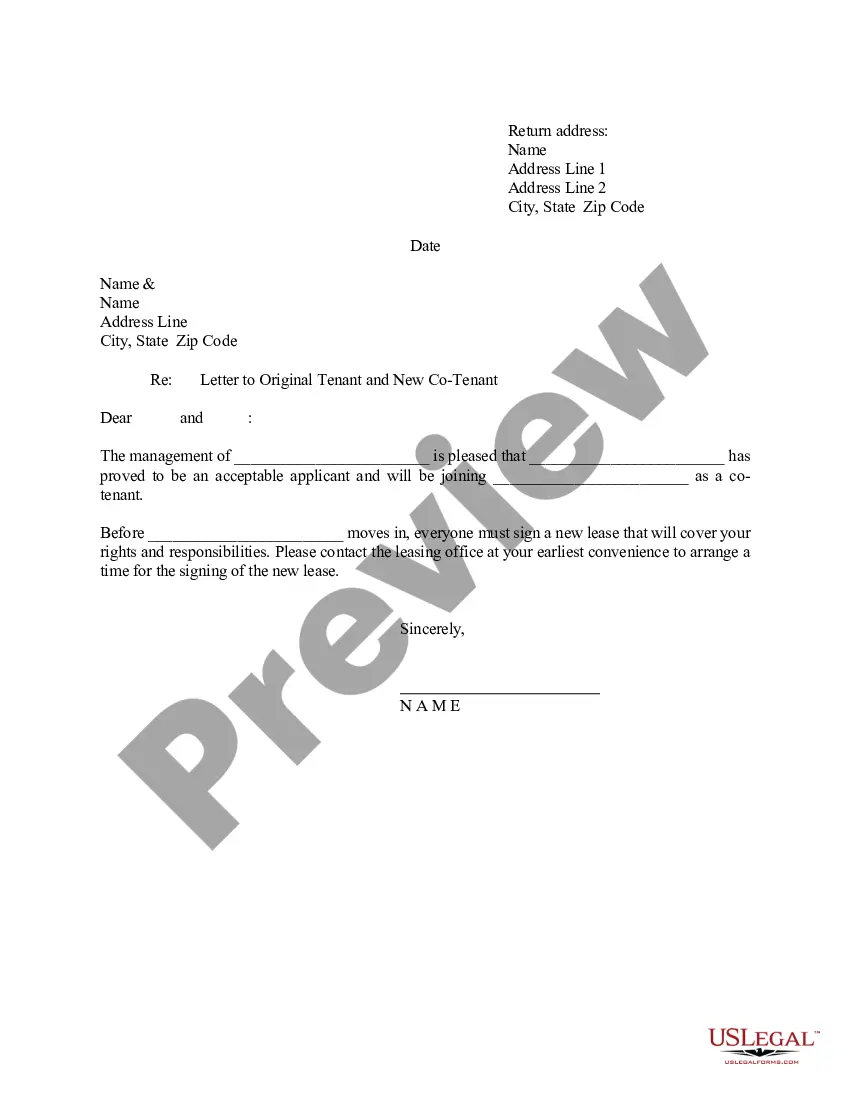
This Letter from Landlord to Tenant as Notice to Remove Unauthorized Inhabitants serves to formally inform tenants of the presence of unauthorized individuals living in their rented property. This letter not only stipulates the necessity for compliance with the lease agreement but also warns of potential eviction proceedings if the unauthorized inhabitants are not removed. This form is essential for communicating clear expectations and legal obligations to tenants regarding occupancy limits.
Key components of this form
- Date of the Residential Lease Agreement.
- Property address where the lease is in effect.
- Identification of unauthorized inhabitants residing in the unit.
- Specifications of the authorized occupants according to the lease.
- Notice period for the tenant to remove unauthorized inhabitants.
- Consequences for failing to comply, including potential eviction.

When this form is needed
This form is used when a landlord discovers that a tenant has allowed individuals to reside in the rented property without authorization. It is crucial to address this violation to maintain the terms of the lease and ensure the landlord's rights are protected. Use this document as a preliminary step before considering eviction proceedings, providing the tenant a chance to remedy the situation.
Who should use this form
- Landlords who have identified unauthorized inhabitants in their rental property.
- Property managers acting on behalf of landlords to enforce lease agreements.
- Tenants who may receive this notice and need to understand their obligations.
Instructions for completing this form
- Identify the date of the original Residential Lease Agreement.
- Fill in the complete property address where the unauthorized inhabitants are located.
- List the number and identities of unauthorized inhabitants discovered.
- Specify the original authorized occupants as stated in the lease.
- Define the time frame allotted for the removal of unauthorized inhabitants.
- Sign the letter and include your name as the landlord or authorized agent.
Notarization requirements for this form
This form does not typically require notarization to be legally valid. However, some jurisdictions or document types may still require it. US Legal Forms provides secure online notarization powered by Notarize, available 24/7 for added convenience.
Get your form ready online
Our built-in tools help you complete, sign, share, and store your documents in one place.
Make edits, fill in missing information, and update formatting in US Legal Forms—just like you would in MS Word.
Download a copy, print it, send it by email, or mail it via USPS—whatever works best for your next step.
Sign and collect signatures with our SignNow integration. Send to multiple recipients, set reminders, and more. Go Premium to unlock E-Sign.
If this form requires notarization, complete it online through a secure video call—no need to meet a notary in person or wait for an appointment.
We protect your documents and personal data by following strict security and privacy standards.
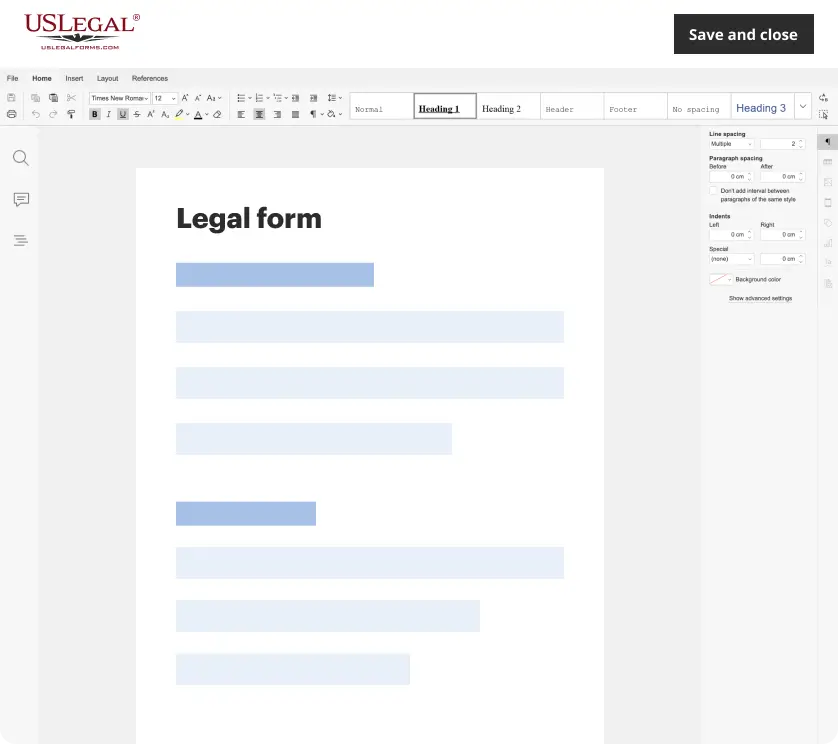
Make edits, fill in missing information, and update formatting in US Legal Forms—just like you would in MS Word.
Download a copy, print it, send it by email, or mail it via USPS—whatever works best for your next step.
Sign and collect signatures with our SignNow integration. Send to multiple recipients, set reminders, and more. Go Premium to unlock E-Sign.
If this form requires notarization, complete it online through a secure video call—no need to meet a notary in person or wait for an appointment.
We protect your documents and personal data by following strict security and privacy standards.
Common mistakes to avoid
- Failing to clearly identify unauthorized occupants.
- Not specifying the correct lease terms or dates.
- Using ambiguous language that could confuse the tenant about their obligations.
Advantages of online completion
- Convenient access and immediate download options.
- Editable templates that can be customized to fit your situation.
- Forms drafted by licensed attorneys to ensure legal accuracy.
What to keep in mind
- This form is crucial for landlords needing to address unauthorized inhabitants.
- Proper completion and delivery are key for legal enforcement.
- Understanding state-specific laws is essential before using the form.
Looking for another form?

Form popularity
FAQ
For some grounds (reasons) for eviction, before the landlord can start the eviction process in North Dakota district court, the landlord is required to serve (deliver) a 3-day notice of intention to evict to you. A 3-day notice of intention to evict is a document that gives you notice the landlord intends to evict you.
Explain the Situation Tell your tenant in straightforward terms what the problem is, and explain that they cannot stay on the property any longer. Describe the Consequences Calmly explain that they will be evicted with necessary court orders if they remain on the property.
An eviction is a legal proceeding in which a landlord asks a court to order the tenant to leave the property. Giving a tenant a notice to terminate is often a first step in the eviction process, but it isn't the same as an eviction.
If you receive a Notice to Vacate from your landlord telling you to leave your home, it does not mean you are evicted. You cannot be evicted without an order of the court!Going to court will be costly for your landlord and you should try to settle the matter without legal proceedings.
A landlord cannot legally evict you without a court order, whether or not you have a lease.) How long does it take for a landlord to evict a tenant? A landlord can evict a tenant only by going through a formal eviction proceeding, which can take a few weeks from start to finish.
When responding to the notice to quit, there are several options available to the tenant: Pay any delinquent rent that is due to the landlord within the allotted time of the notice. Move out of the premises within the allotted time of the notice. File an answer with the judicial court.
A Notice to Vacate is a notice written by the landlord or property manager giving a notice to leave the premises within a specified time frame. This type of notice is typically given during the end of a lease period, or due to an infringement of the lease agreement.
Addresses. Date. Tenant names. Status and date of the lease. Why the eviction notice is served (clear and concise explanation) Date tenant must vacate the property. Proof of service or delivery of notice.