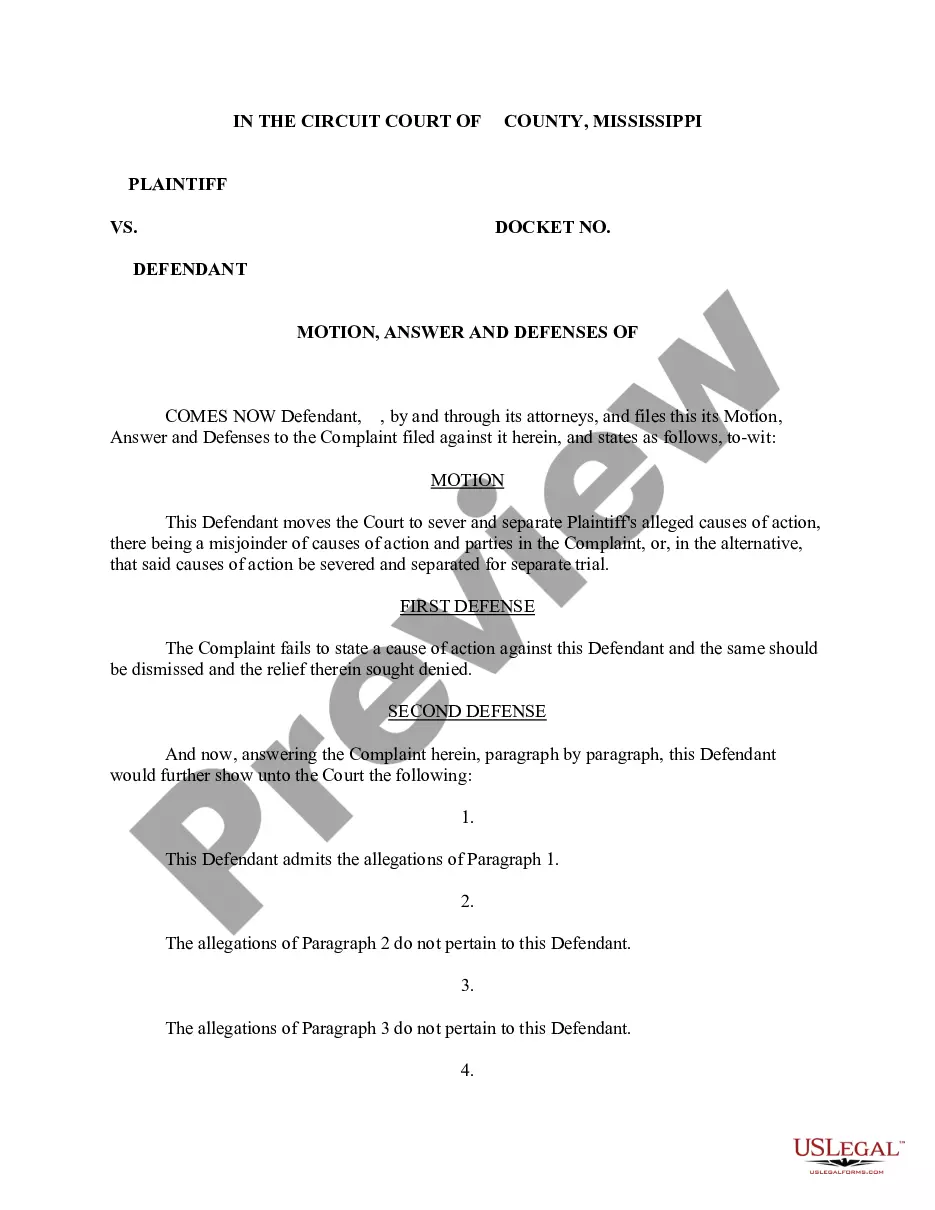
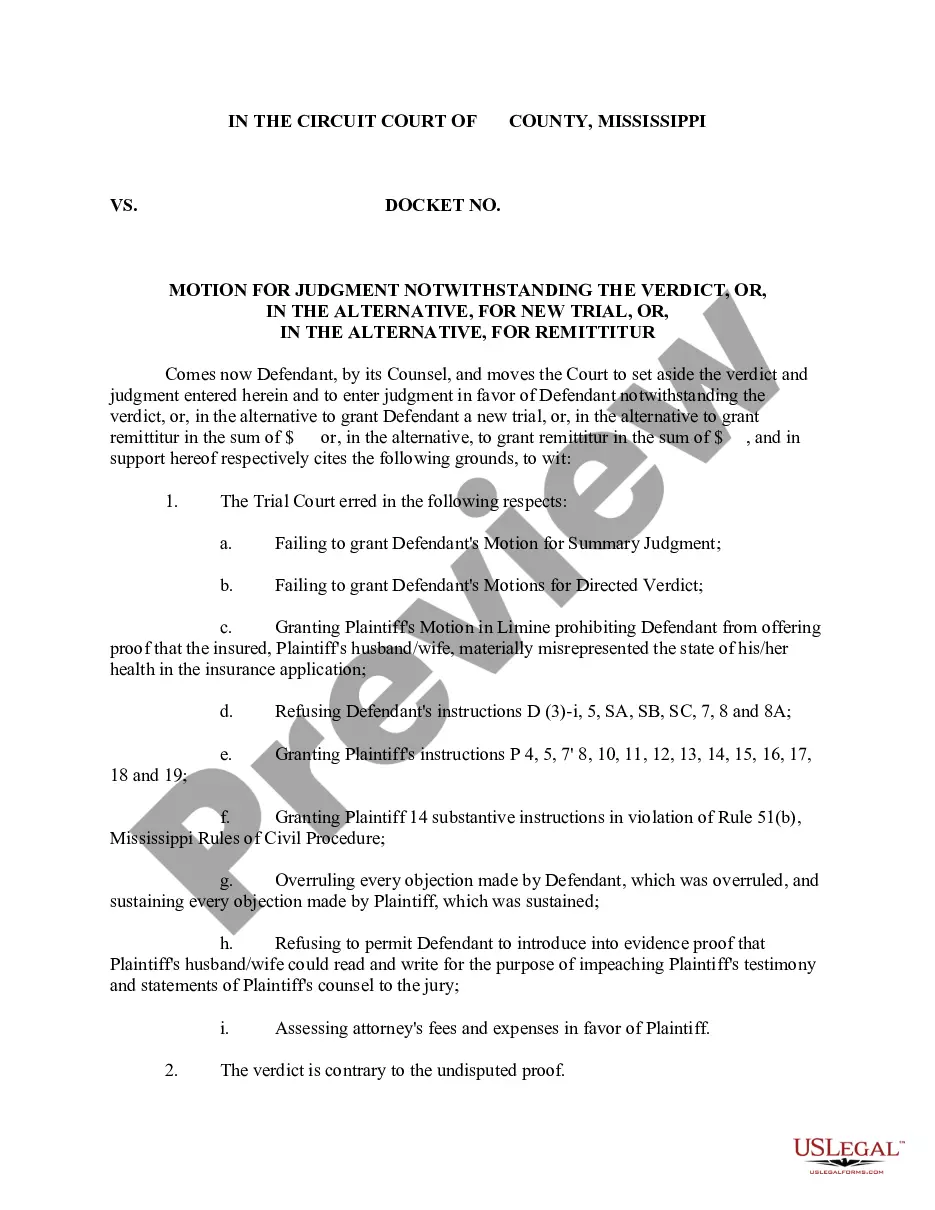
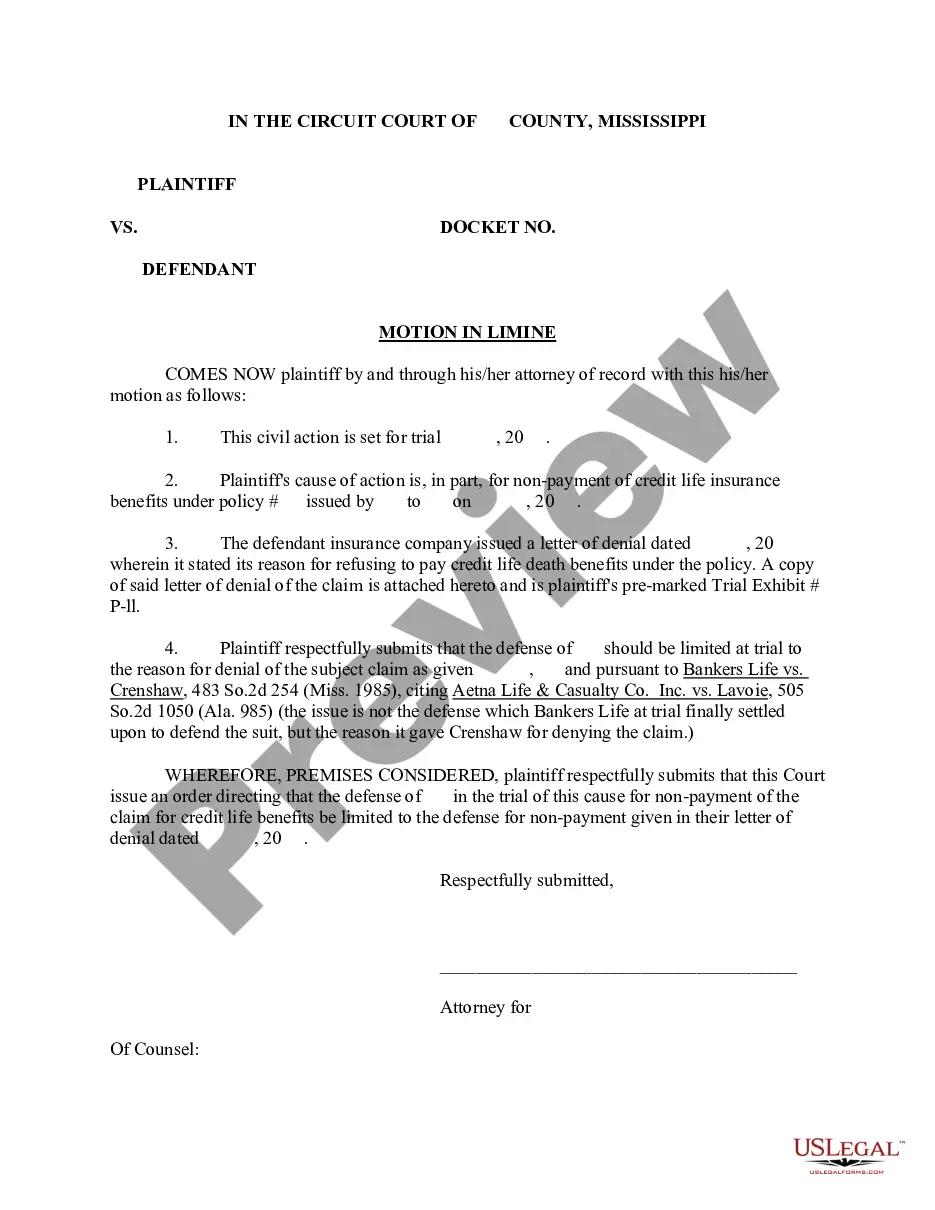
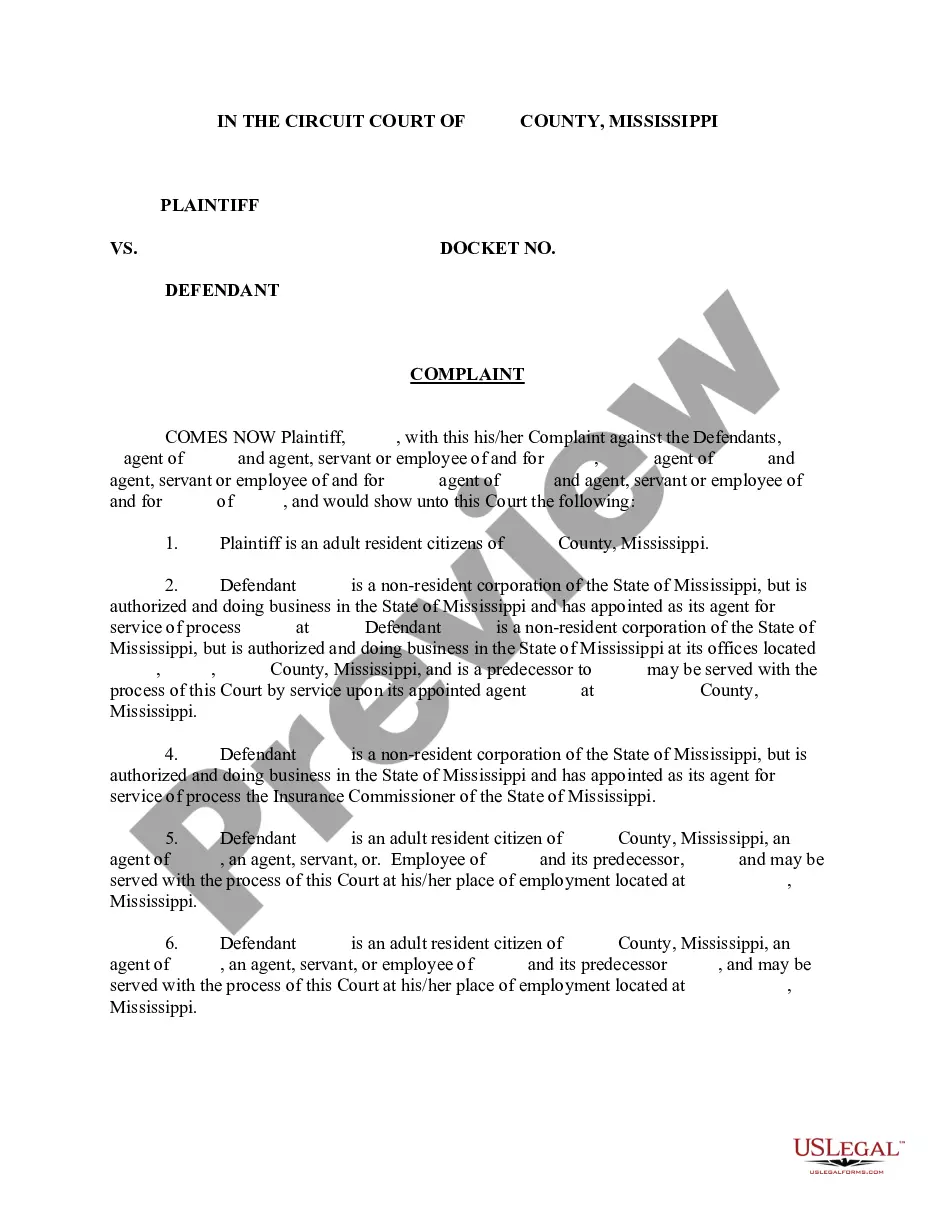
North Dakota Release of Liability Parent Minor - Horse Equine Forms
Understanding this form
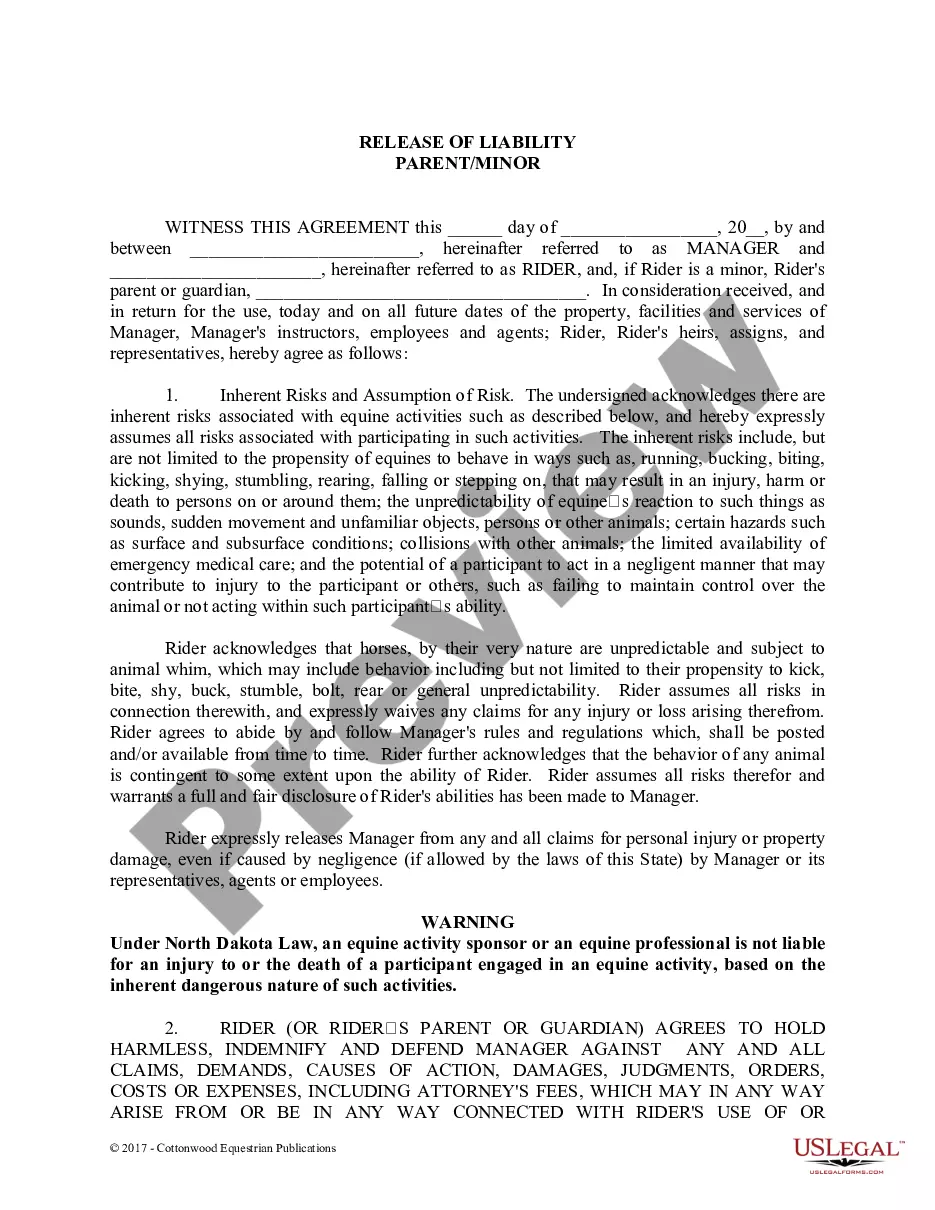
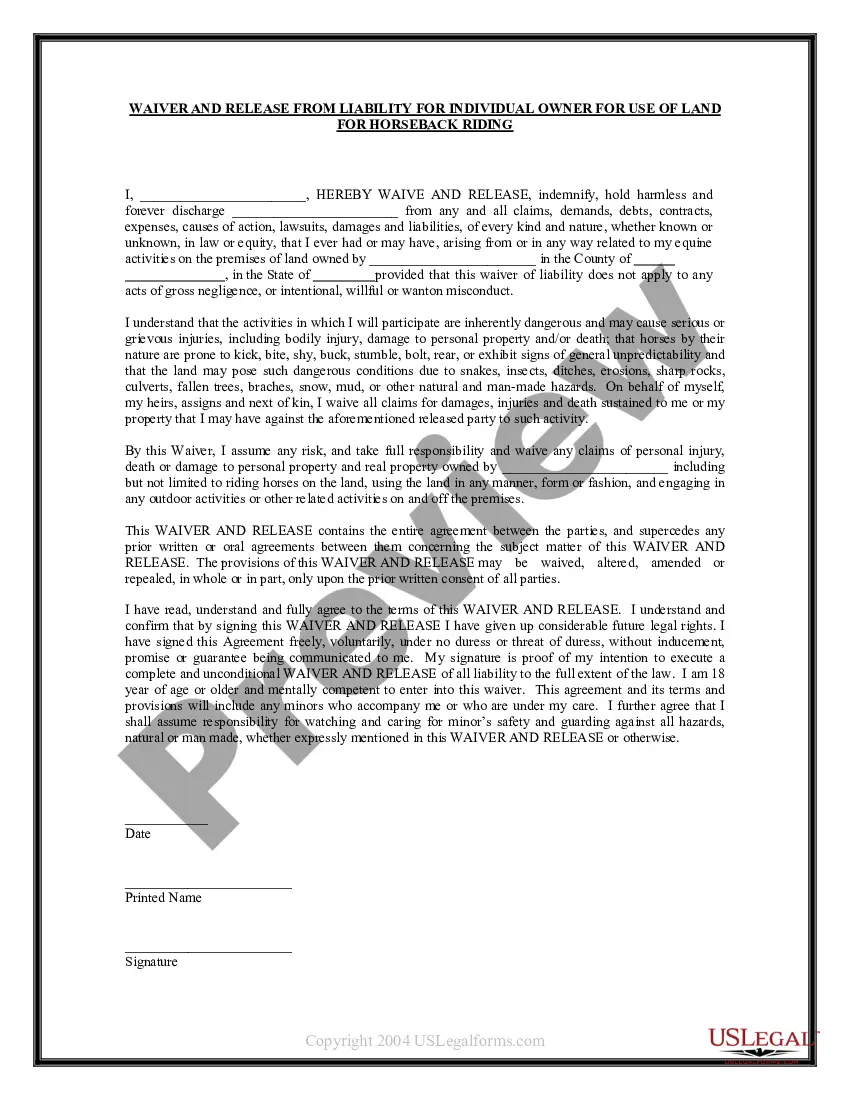
The Release of Liability Parent Minor - Horse Equine form is a legal agreement that allows parents or guardians to release an equine activity manager from liability related to the risks of horse riding lessons or training for a minor. Unlike other general liability waivers, this form specifically addresses the unique risks associated with equine activities and includes important clauses such as indemnification and limitations on damages that may arise from injuries or property damage.
Form components explained
- Identification of the parties involved: manager, rider, and parent/guardian if the rider is a minor.
- A release of liability that covers claims for personal injury or property damage, even if caused by negligence.
- A warning about the inherent risks of equine activities as per North Dakota law.
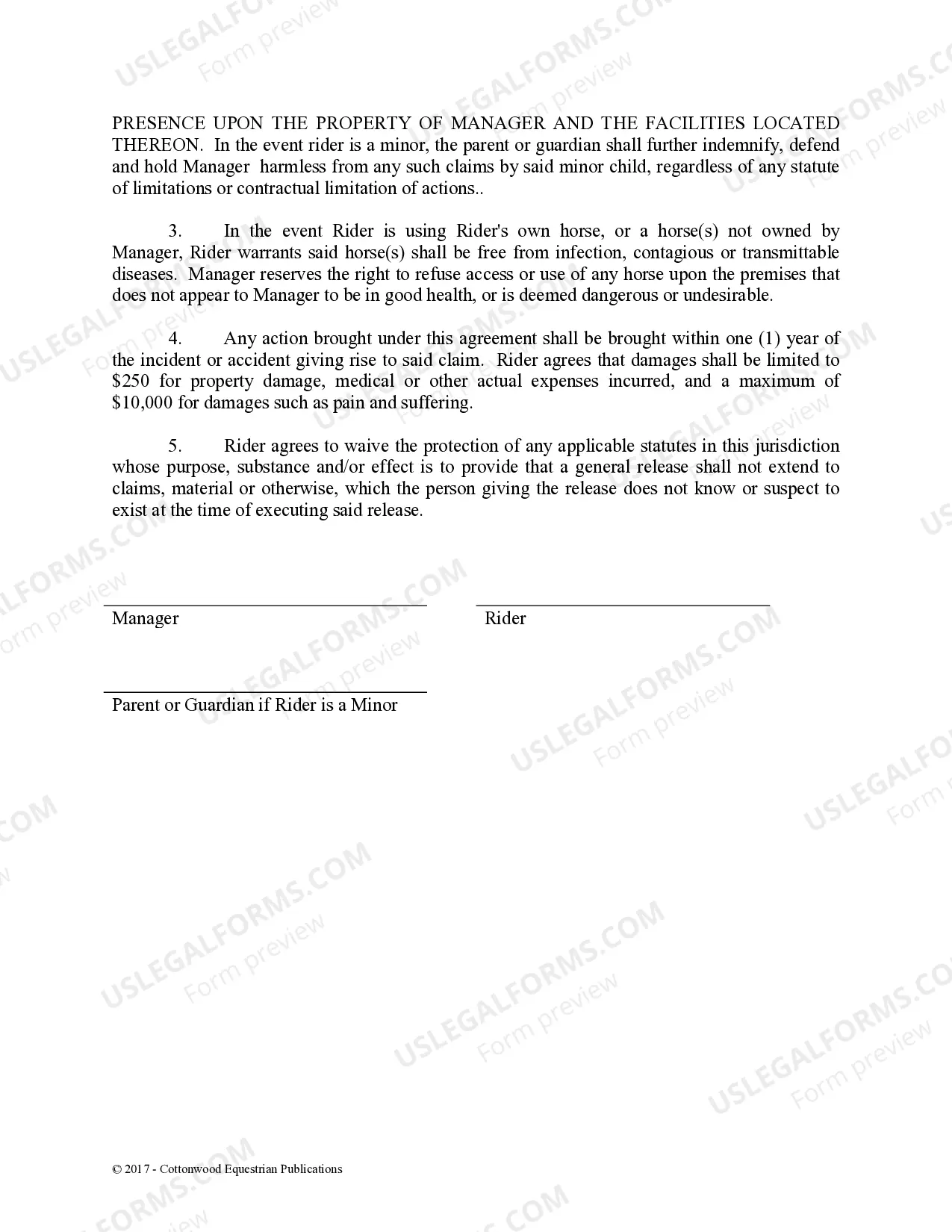
- Provisions regarding the use of the rider's own horse, including health certifications.
- Clauses limiting the time frame for claims and capping potential damages for property and injury.
- A waiver of certain legal protections that might limit the scope of the release.

Situations where this form applies
This form should be used when a parent or guardian wishes to permit a minor to participate in horse riding lessons, training, or events where equine-related activities will take place. It is essential for managing risks associated with these activities and protecting both the facility and instructors from potential lawsuits arising from accidents or injuries during horse-related activities.
Who should use this form
- Parents or guardians of minors who participate in horseback riding or equine training.
- Equine activity managers or facility owners who offer riding lessons to minors.
- Instructors or trainers who require formal acknowledgment of risks before teaching minors.
How to complete this form
- Identify the parties by entering the names of the manager, rider, and parent/guardian.
- Specify the date when the agreement is signed.
- Read and acknowledge the inherent risks of equine activities.
- Enter relevant details regarding the horse, if applicable, and ensure it meets health standards.
- Seek signatures from both the parent/guardian and the rider (if of appropriate age) to finalize the agreement.
Does this form need to be notarized?
Notarization is not commonly needed for this form. However, certain documents or local rules may make it necessary. Our notarization service, powered by Notarize, allows you to finalize it securely online anytime, day or night.
Get your form ready online
Our built-in tools help you complete, sign, share, and store your documents in one place.
Make edits, fill in missing information, and update formatting in US Legal Forms—just like you would in MS Word.
Download a copy, print it, send it by email, or mail it via USPS—whatever works best for your next step.
Sign and collect signatures with our SignNow integration. Send to multiple recipients, set reminders, and more. Go Premium to unlock E-Sign.
If this form requires notarization, complete it online through a secure video call—no need to meet a notary in person or wait for an appointment.
We protect your documents and personal data by following strict security and privacy standards.

Make edits, fill in missing information, and update formatting in US Legal Forms—just like you would in MS Word.

Download a copy, print it, send it by email, or mail it via USPS—whatever works best for your next step.

Sign and collect signatures with our SignNow integration. Send to multiple recipients, set reminders, and more. Go Premium to unlock E-Sign.

If this form requires notarization, complete it online through a secure video call—no need to meet a notary in person or wait for an appointment.

We protect your documents and personal data by following strict security and privacy standards.
Typical mistakes to avoid
- Failing to include all required signatures, particularly from a parent or guardian for a minor.
- Not clarifying the specific equine activity being undertaken, which can lead to misunderstanding.
- Overlooking to review local laws that may affect liability provisions and indemnification clauses.
Why use this form online
- Easy access to a legally drafted Release of Liability form tailored for equine activities.
- Quick download options for immediate use during horse riding activities.
- Ability to fill in specific details based on individual circumstances, making it easy to customize.
Looking for another form?

Form popularity
FAQ
If you've been injured due to negligent actions, you can sue even if you signed a waiver. Winning a lawsuit concerning negligence is not uncommon. Many celebrities have sued for negligence even though they signed documents stating they understood the risks.
Waivers cover ordinary negligence and inherent risks.Generally, a liability waiver document is a legally binding agreement that relinquishes the right of one party to pursue legal remedy for injuries accrued on the property, regardless of fault involved.
Minor Waiver. RELEASE OF LIABILITY, WAIVER OF CLAIMS, ASSUMPTION OF RISKS AND INDEMNTIY AGREEMENT BY SIGNING THIS DOCUMENT YOU WILL WAIVE CERTAIN LEGAL RIGHTS, INCLUDING THE RIGHT TO SUE.
Release Form Enforceability A minor usually cannot legally release his or her rights.So, a release signed only by the minor is not enforceable. In addition, the release must be signed before any injury has occurred.
The Waiver must be clearly worded and unambiguous in its intent to relieve any and all legal liability, even liability for negligence. The Waiver should be prominent and not hidden in the fine print of a long contract. The Waiver must be signed by the person who it is being used against.
A waiver of liability (AKA a release or disclaimer) will be upheld if the following is found to have occurred:The waiver is properly worded according to contract law in the state in which it was drafted; and. The injury arises from risks stated in the contract or from the disclaiming company's simple negligence.
Yes, as long as a parent or legal guardian also signs. In California, a parent can also sign a liability waiver on his or her child's behalf. This makes California different from many other states.
The ordinary process for other documents such as letters, forms or general legal documents is that you write 'p. p' before your signature, to demonstrate that you are signing for someone else. This will show the reader that you've signed with the authority of the intended signee.