Montana Reciprocal Grant and Abandonment of Easement By City
What is this form?
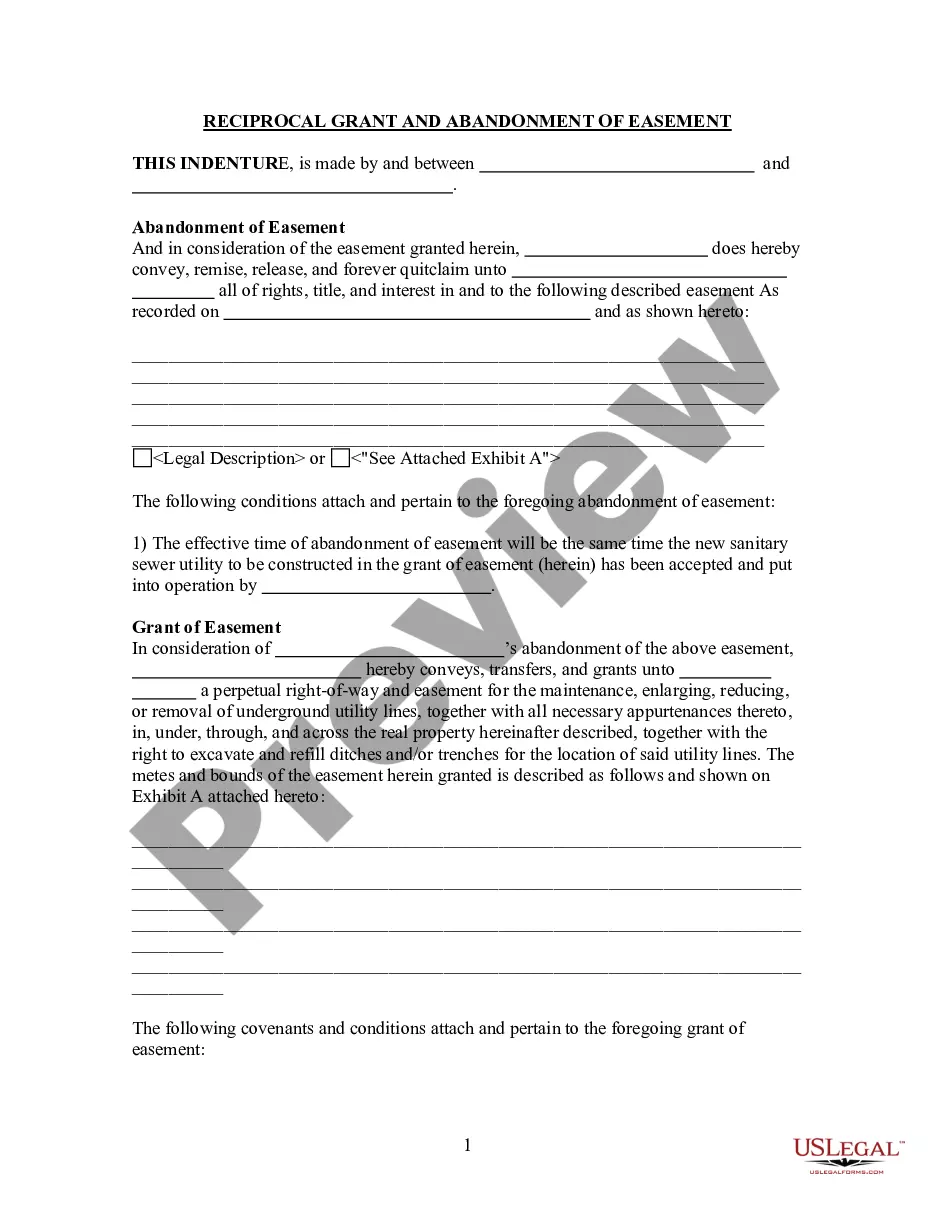
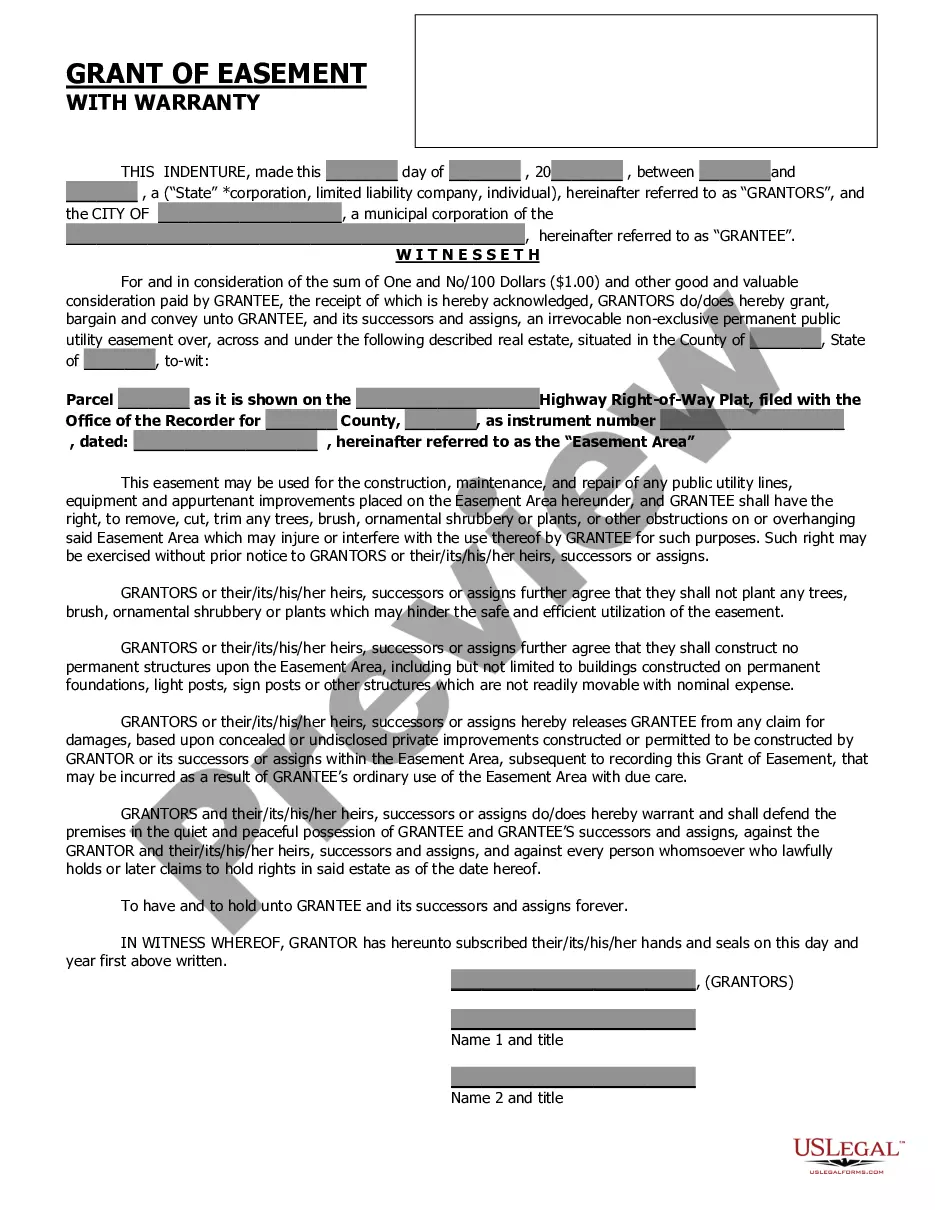
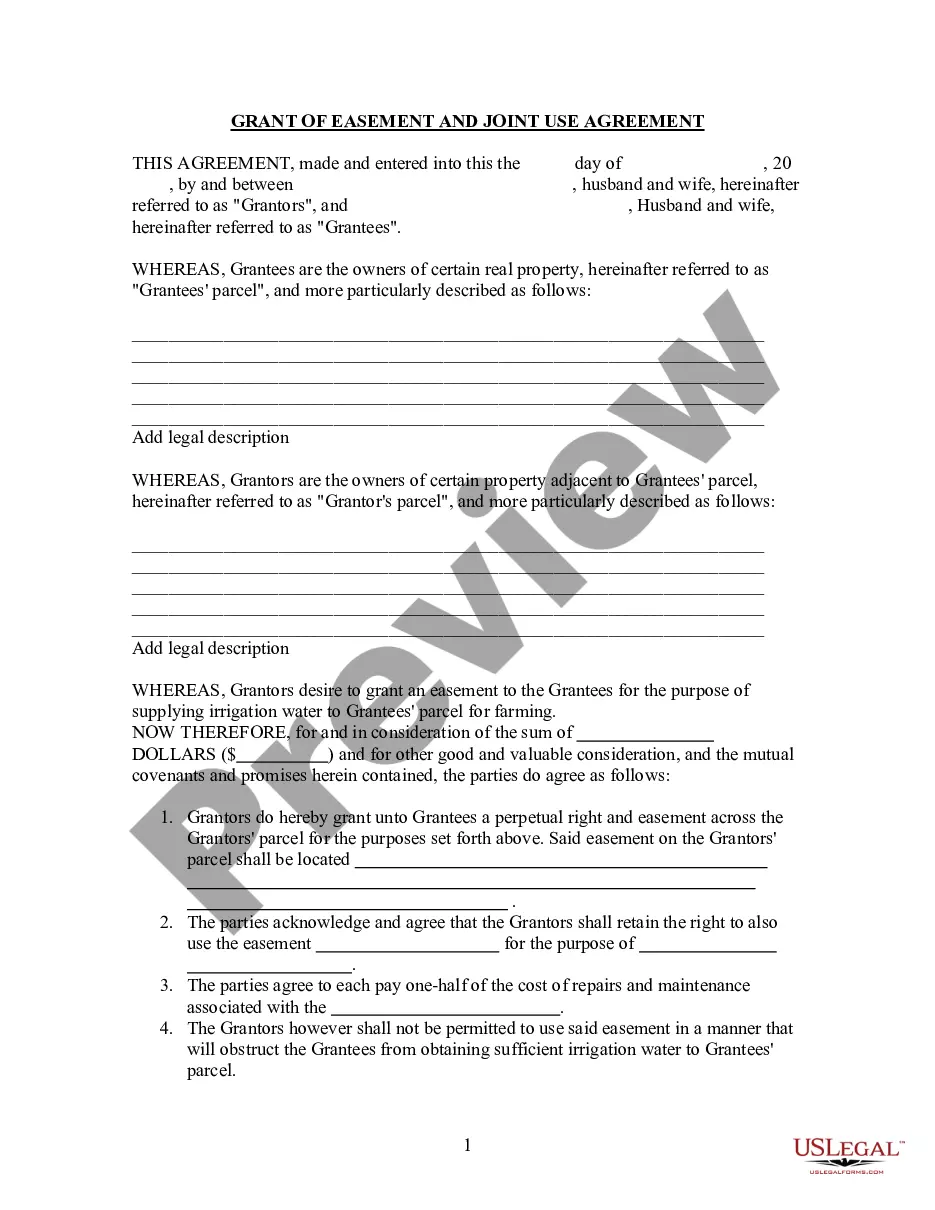
The Reciprocal Grant and Abandonment of Easement By City form is a legal document that allows a city to grant or abandon an easement on a particular property. An easement permits one party to access another's property and is often related to utilities or access pathways. This form distinguishes itself from other easement agreements by specifically addressing the rights and interests of a city in such transactions.
Main sections of this form
- Description of the easement being granted or abandoned.
- Legal description of the property involved.
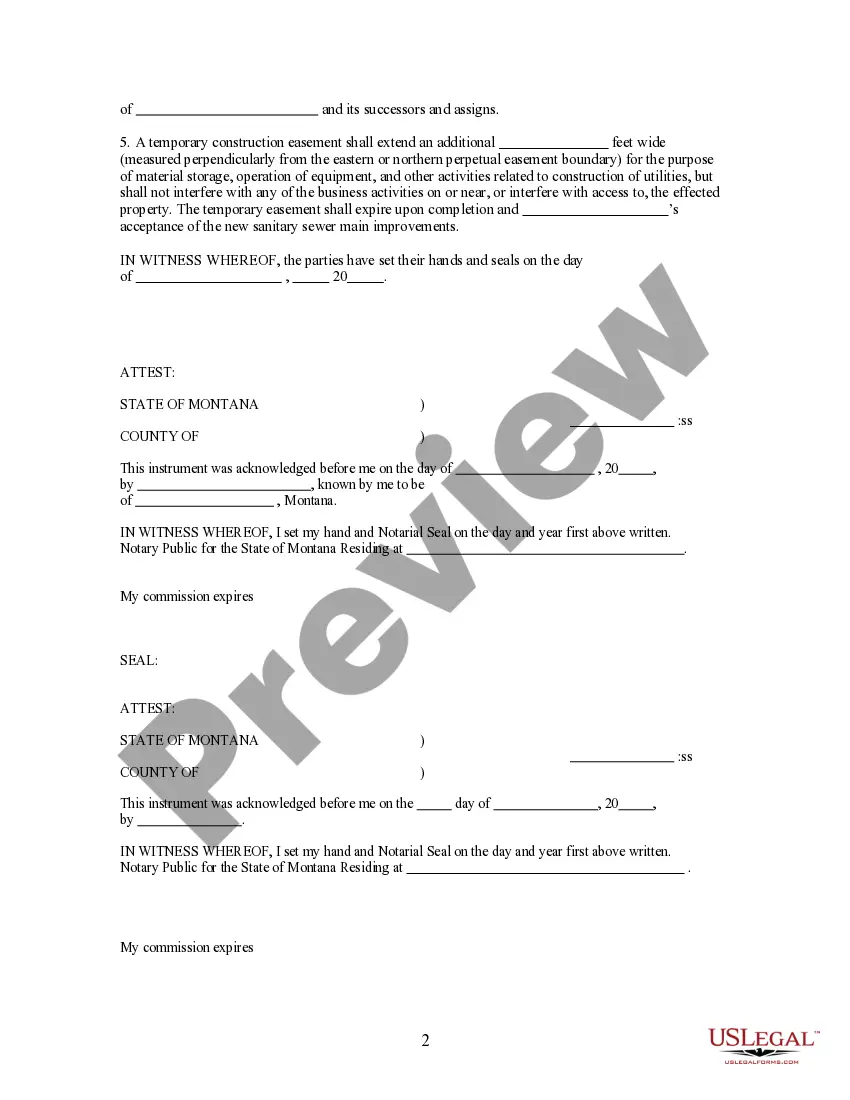
- Conditions and covenants attached to the easement.
- Signatures of the city representatives and possibly other parties.

Common use cases
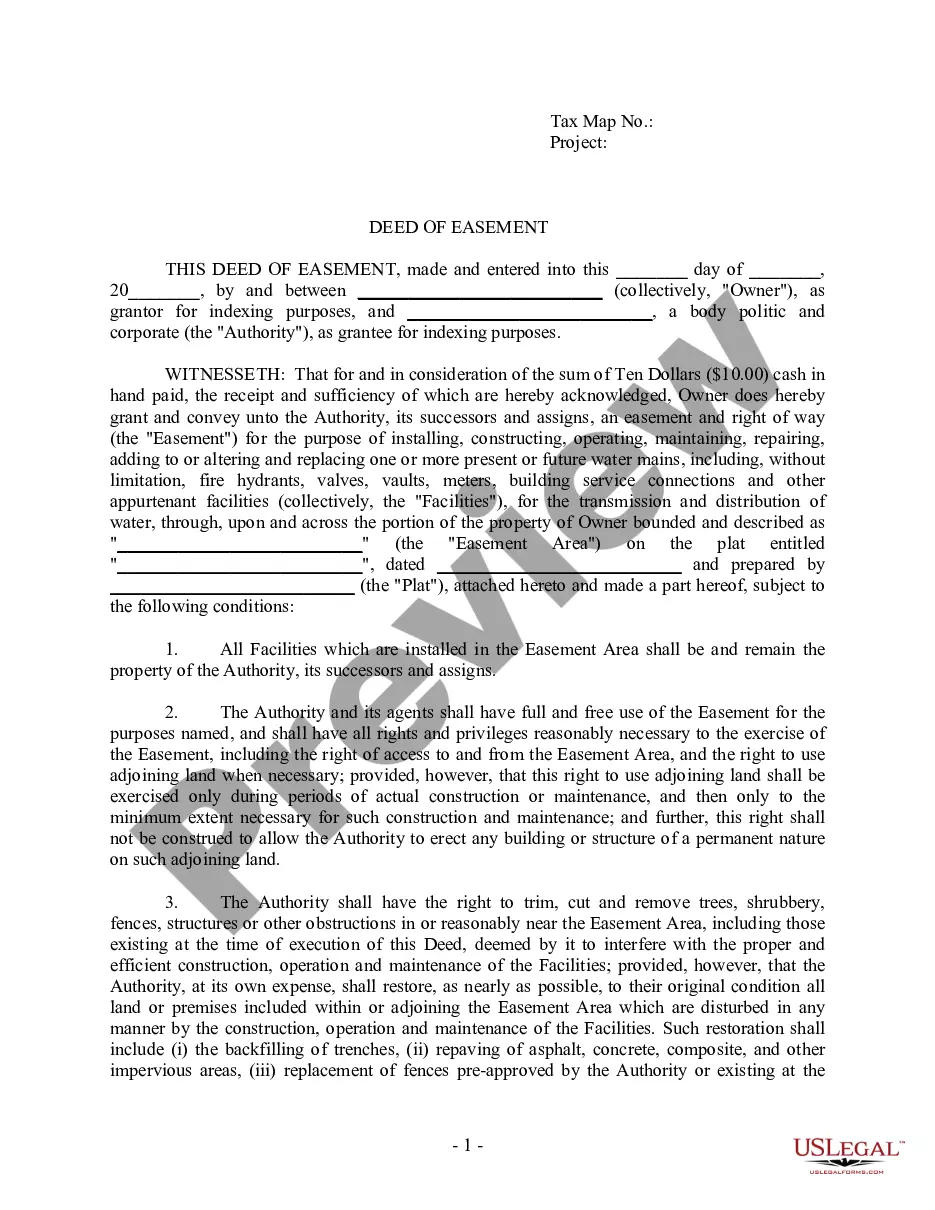
This form is needed when a city decides to grant an easement to allow access or use of a property or when it wishes to abandon an easement previously granted. Common scenarios include utility companies needing to run lines through city-owned land or when a city gives landowners access for maintenance or repairs.
Who this form is for
- City officials responsible for managing public land.
- Property owners seeking to formalize an easement agreement.
- Utility companies requiring access for service lines.
- Legal representatives involved in municipal property rights.
Completing this form step by step
- Identify the parties involved, including the city and the property owner.
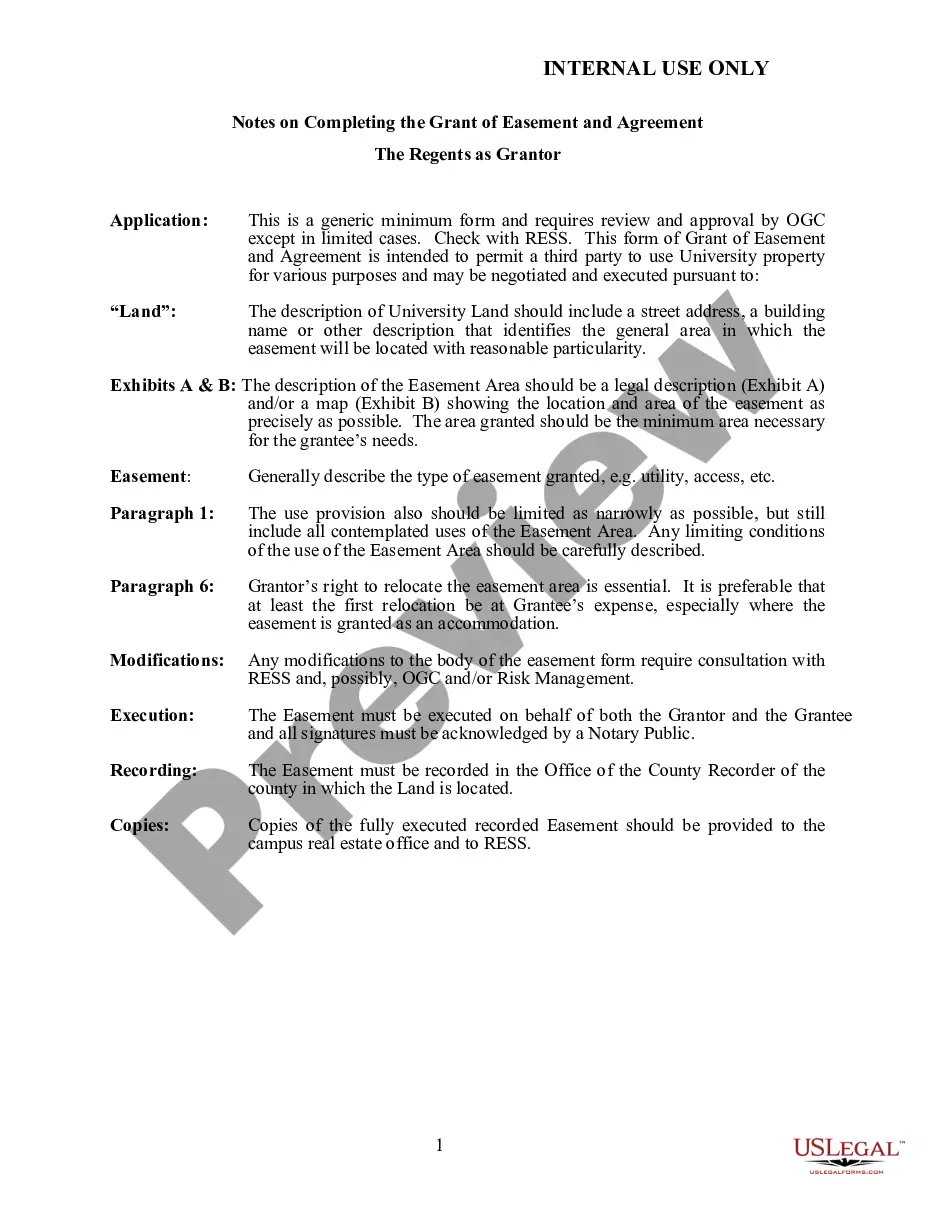
- Provide a legal description of the easement in the format required.
- Outline any conditions or covenants related to the easement.
- Gather signatures from the authorized city representatives and any other involved parties.
- Ensure all relevant exhibits, such as maps or additional descriptions, are attached.
Notarization requirements for this form
This document requires notarization to meet legal standards. US Legal Forms provides secure online notarization powered by Notarize, allowing you to complete the process through a verified video call, available 24/7.
Get your form ready online
Our built-in tools help you complete, sign, share, and store your documents in one place.
Make edits, fill in missing information, and update formatting in US Legal Forms—just like you would in MS Word.
Download a copy, print it, send it by email, or mail it via USPS—whatever works best for your next step.
Sign and collect signatures with our SignNow integration. Send to multiple recipients, set reminders, and more. Go Premium to unlock E-Sign.
If this form requires notarization, complete it online through a secure video call—no need to meet a notary in person or wait for an appointment.
We protect your documents and personal data by following strict security and privacy standards.
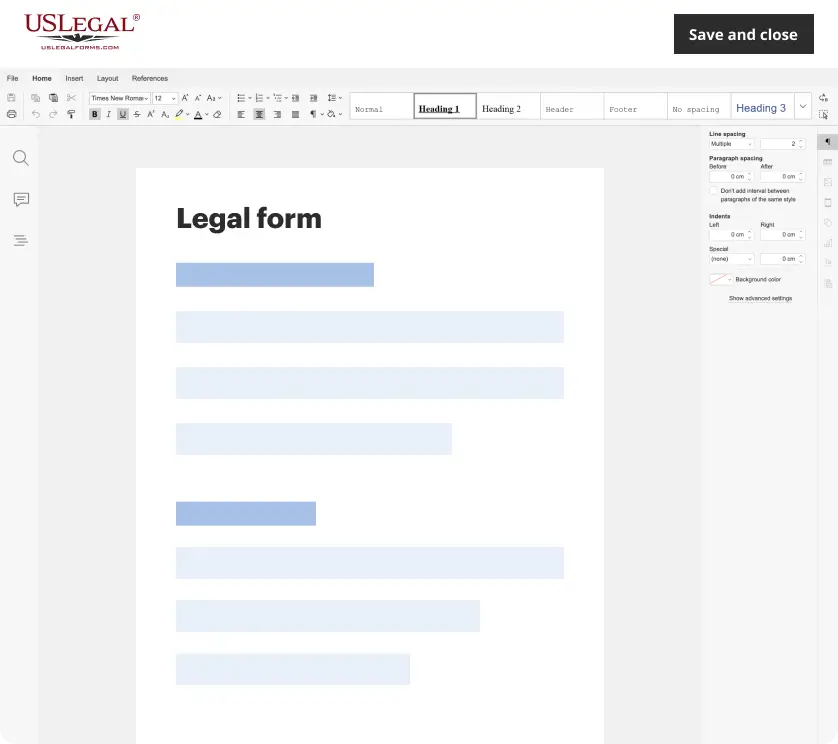
Make edits, fill in missing information, and update formatting in US Legal Forms—just like you would in MS Word.
Download a copy, print it, send it by email, or mail it via USPS—whatever works best for your next step.
Sign and collect signatures with our SignNow integration. Send to multiple recipients, set reminders, and more. Go Premium to unlock E-Sign.

If this form requires notarization, complete it online through a secure video call—no need to meet a notary in person or wait for an appointment.
We protect your documents and personal data by following strict security and privacy standards.
Avoid these common issues
- Failing to provide a clear legal description of the easement.
- Not including all necessary signatures on the form.
- Omitting conditions or covenants that could affect the easement's enforceability.
Why complete this form online
- Convenient access to legal form templates from anywhere.
- Ability to edit and customize the form as per individual needs.
- Reliability, as the forms are drafted by licensed attorneys.
Key takeaways
- The Reciprocal Grant and Abandonment of Easement By City form is vital for cities granting or abandoning easements.
- Proper completion ensures legal validity and helps avoid disputes.
- Always check for state-specific regulations regarding easements.
Looking for another form?

Form popularity
FAQ
There are four types of easement Section. 5 of Easement Act deals with the types of easement. It provides that the easements are either continuous or discontinuous ,apparent or non apparent. A continuous easement is one whose enjoyment is, or may be, continual without the act of man.
Quiet the Title. Allow the Purpose for the Easement to Expire. Abandon the Easement. Stop Using a Prescriptive Easement. Destroy the Reason for the Easement. Merge the Dominant and Servient Properties. Execute a Release Agreement.
Can You Fight an Easement? You might be able to successfully challenge an easement, but only if the circumstances are right. And be prepared to take the battle to court. It could be a simple matter if the holder of the easement such as your neighbor agrees to terminate the easement agreement.
An easement is a "nonpossessory" property interest that allows the holder of the easement to have a right of way or use property that they do not own or possess.If the easement only benefits an individual personally, not as an owner of a particular piece of land, the easement is known as "in gross."
Cross easements are reciprocal easements created by contract, the one being granted in favor of premises of one party in consideration of a grant by such party in favor of premises of the other party.
Typically, reciprocal easement agreements ("REAs") are used when a property is owned by more than one person or entity, and the persons or entities wish to develop the property as an integrated shopping center.These contractual obligations will run with the land of the property that comprises the shopping center.
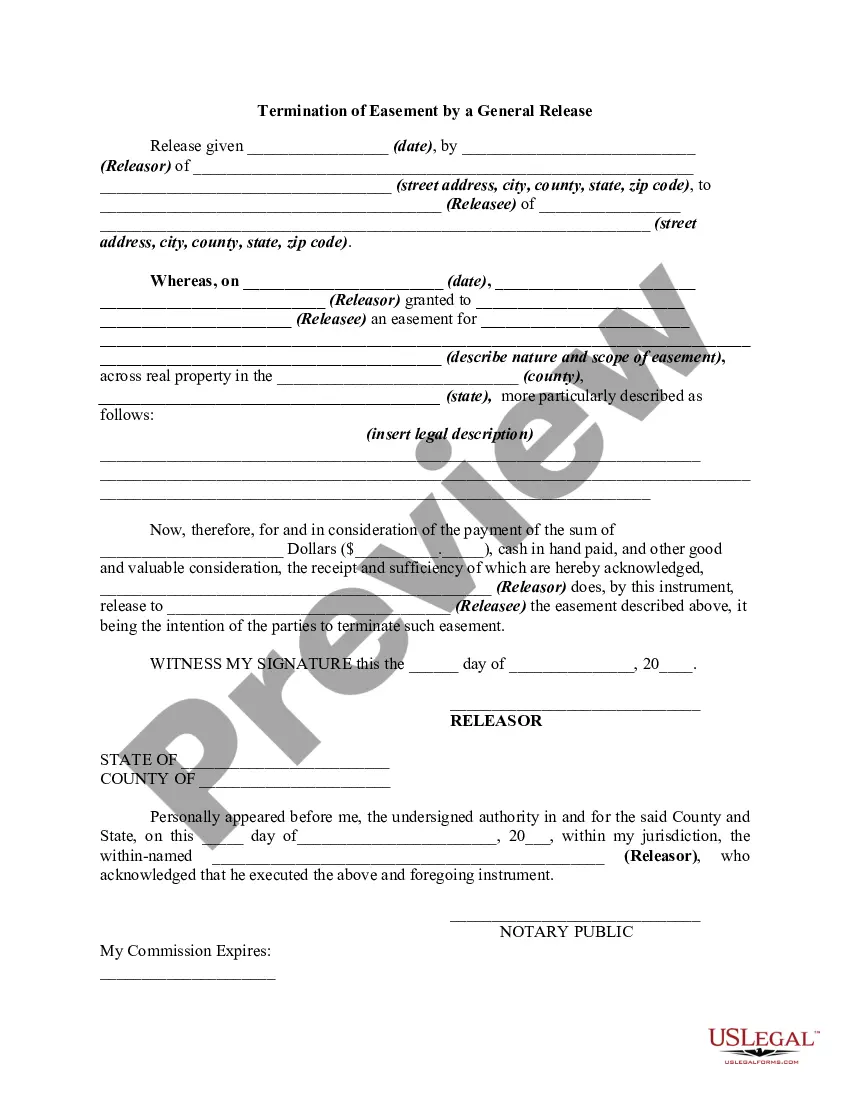
You can terminate an easement by release. A release is a surrender of a right or interest, such as an easement. Only the person holding the right can release it, such as the owner of the dominant estate in an easement appurtenant or the holder of an easement in gross.
Quiet the Title. Allow the Purpose for the Easement to Expire. Abandon the Easement. Stop Using a Prescriptive Easement. Destroy the Reason for the Easement. Merge the Dominant and Servient Properties. Execute a Release Agreement.