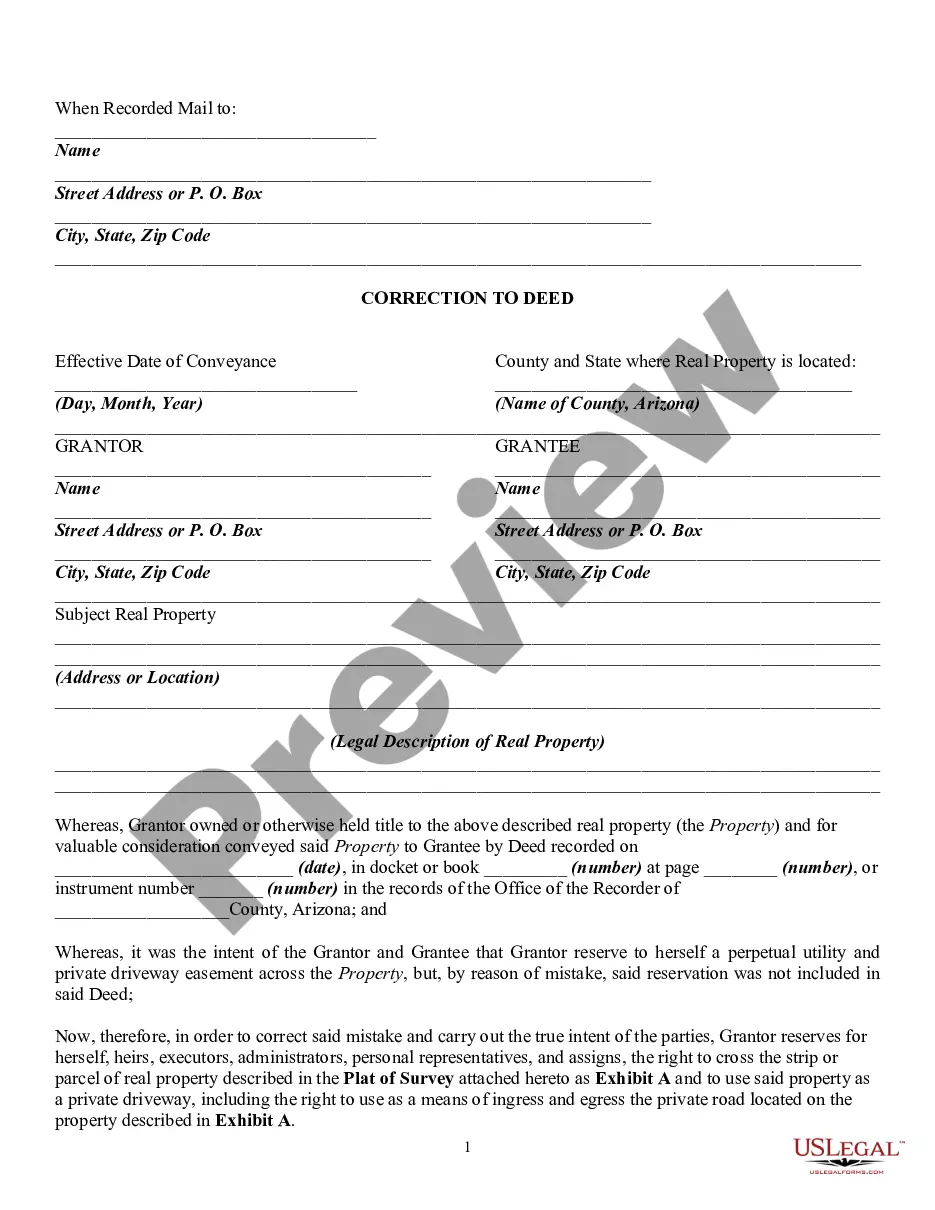
Mississippi Letter from Tenant to Landlord containing Notice of failure to return security deposit and demand for return
What is this form?
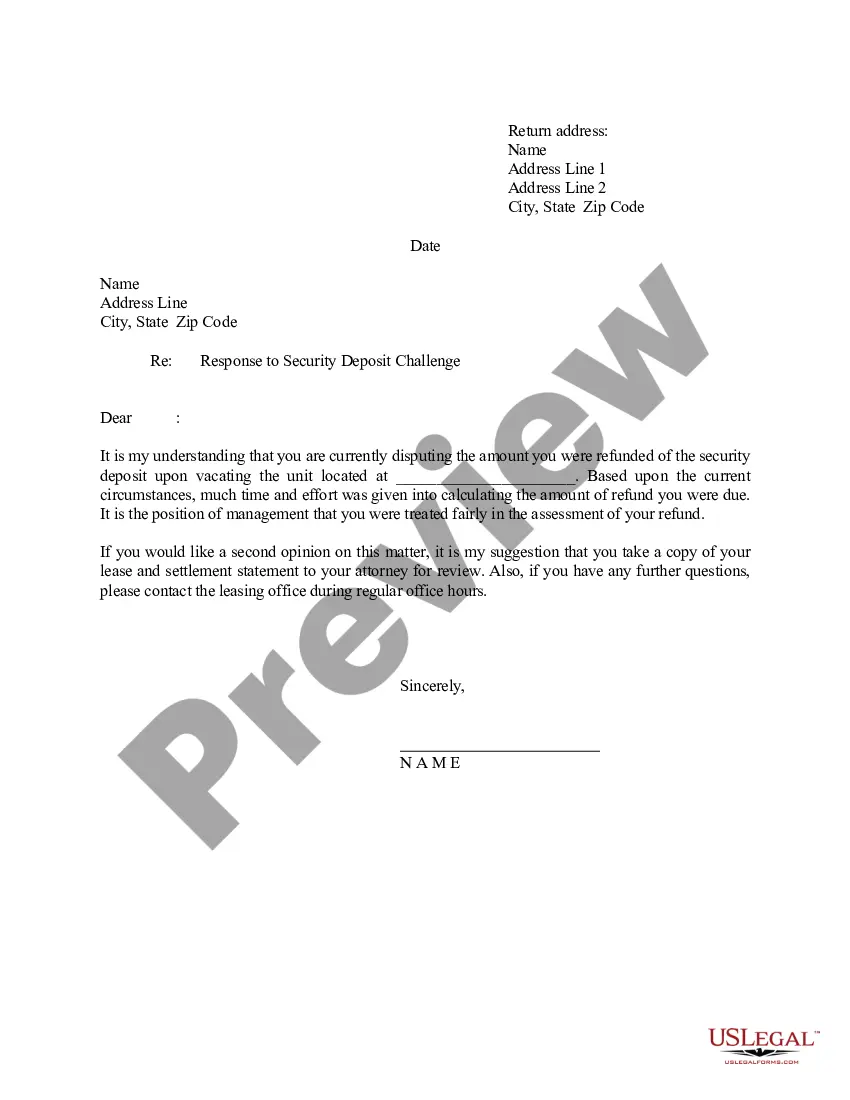
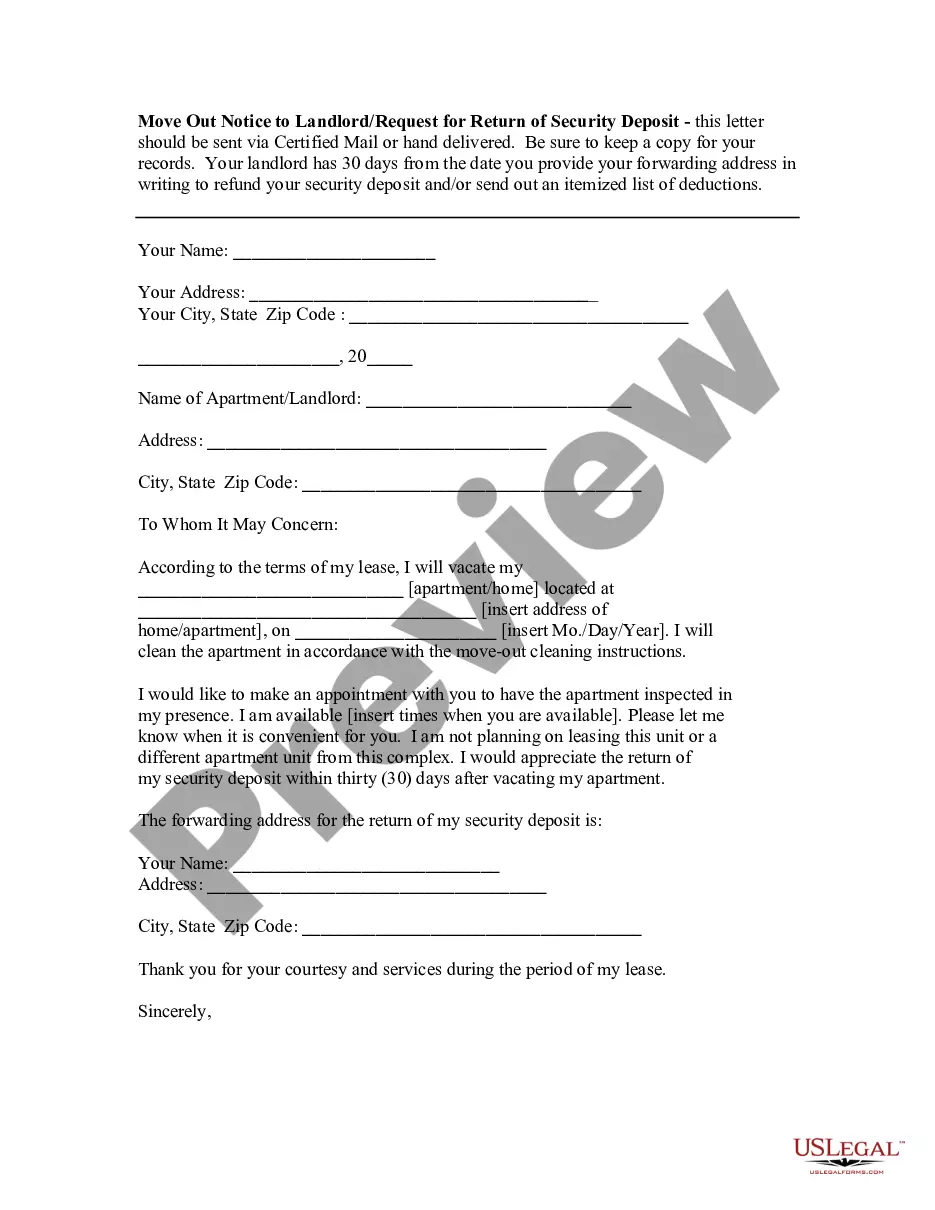
This letter from tenant to landlord contains a notice of failure to return the security deposit and a demand for its return. It serves as a formal communication from a tenant to their landlord, requesting the return of the security deposit after vacating the premises. This form highlights the limited time frame mandated by state law for the landlord to return the deposit before legal action can be pursued. By using this form, tenants can assert their rights in a clear and professional manner, distinguishing it from other informal requests or complaints.
Main sections of this form
- Identification of the tenant and landlord, including their addresses.
- The date the letter is written.
- A statement of the tenant's request for the security deposit return.
- A specified time frame (ten days) for the landlord to comply.
- Contact information for communication and resolution.
- Space for the tenant's signature and date.
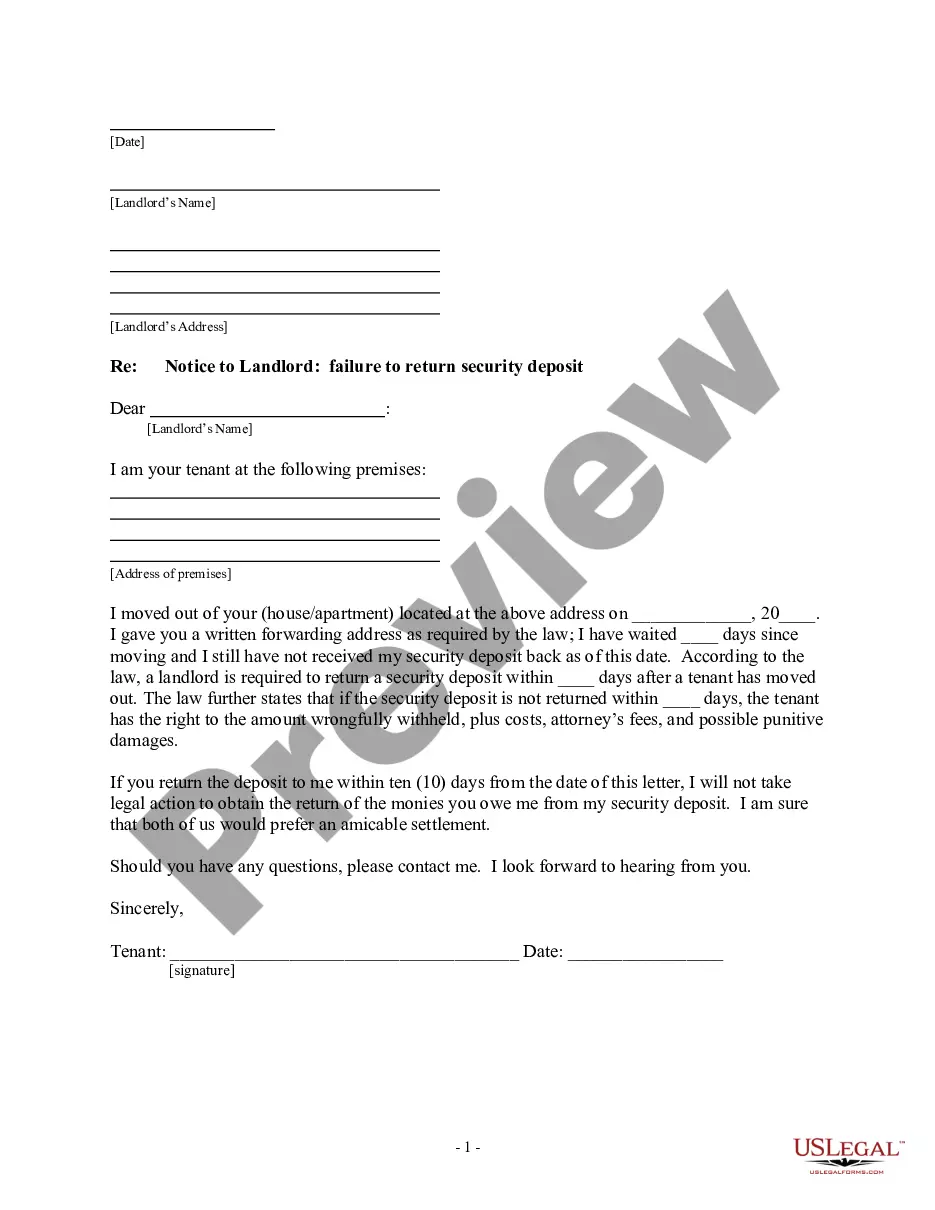
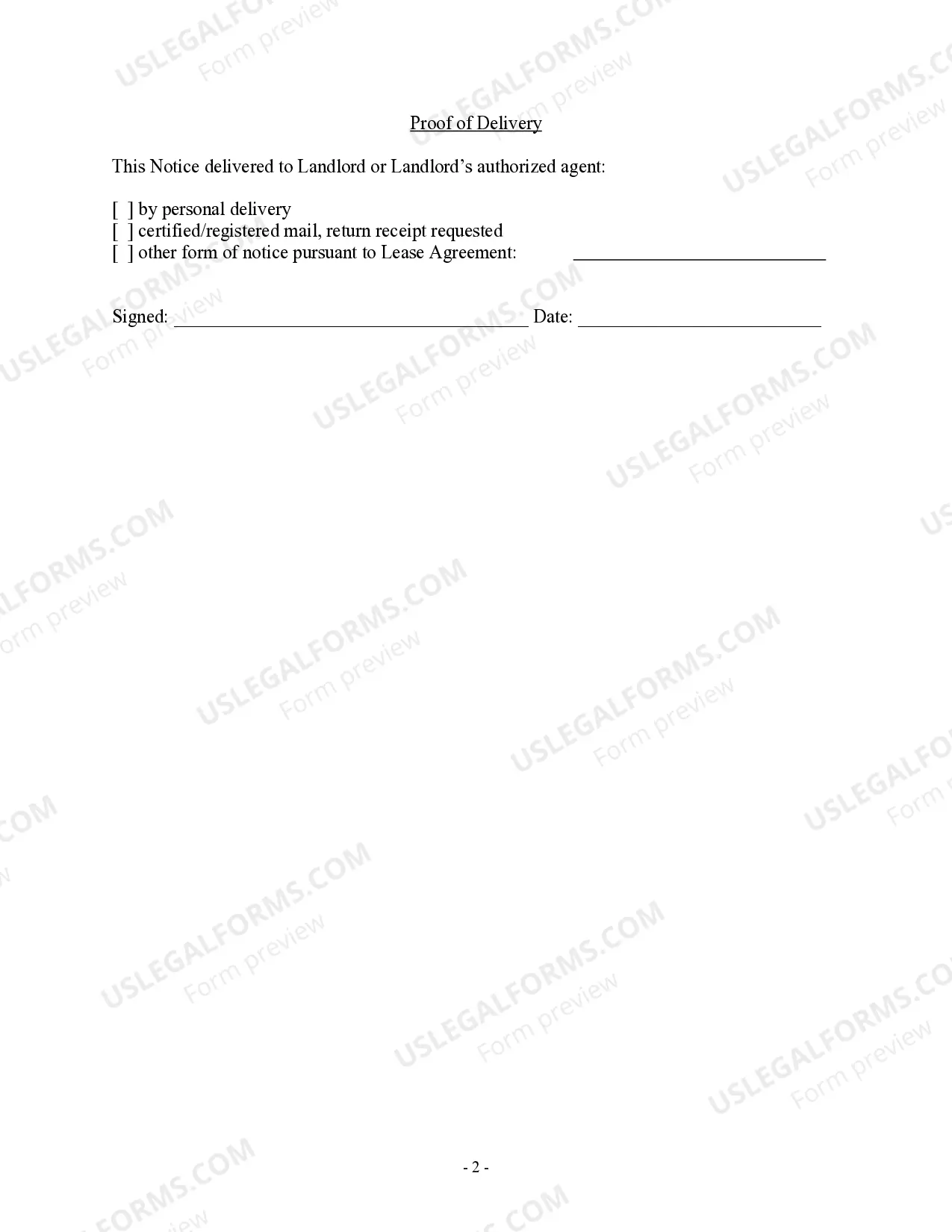
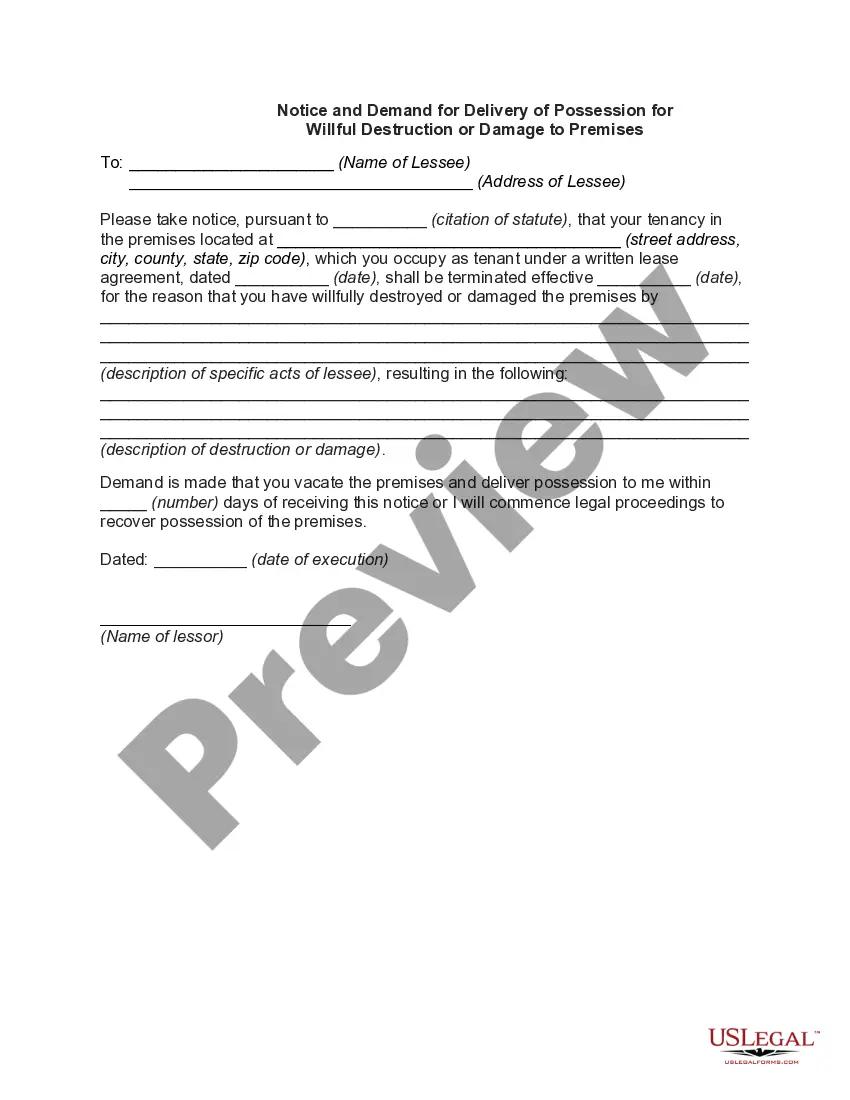


Common use cases
This form should be used when a tenant has vacated a rental property and has not received their security deposit back from the landlord within the required time frame specified by state laws. It is an important step before taking further legal action and can help facilitate an amicable settlement between the tenant and landlord.
Who needs this form
- Tenants who have recently vacated a rental property.
- Individuals who have not received their security deposit back from their landlord.
- Renters seeking a formal way to request their deposit return.
Steps to complete this form
- Identify the parties involved by entering the tenant's and landlord's names and addresses.
- Enter the date on which the letter is being sent.
- Clearly state the request for the return of the security deposit.
- Specify the time frame of ten days for the landlord to respond.
- Provide contact information for any questions or discussions regarding the deposit.
- Sign and date the letter to complete it.
Notarization requirements for this form
This form does not typically require notarization unless specified by local law. It is recommended to check local regulations for any specific requirements regarding the use of demand letters for security deposit returns.
Get your form ready online
Our built-in tools help you complete, sign, share, and store your documents in one place.
Make edits, fill in missing information, and update formatting in US Legal Forms—just like you would in MS Word.
Download a copy, print it, send it by email, or mail it via USPS—whatever works best for your next step.
Sign and collect signatures with our SignNow integration. Send to multiple recipients, set reminders, and more. Go Premium to unlock E-Sign.
If this form requires notarization, complete it online through a secure video call—no need to meet a notary in person or wait for an appointment.
We protect your documents and personal data by following strict security and privacy standards.

Make edits, fill in missing information, and update formatting in US Legal Forms—just like you would in MS Word.

Download a copy, print it, send it by email, or mail it via USPS—whatever works best for your next step.

Sign and collect signatures with our SignNow integration. Send to multiple recipients, set reminders, and more. Go Premium to unlock E-Sign.

If this form requires notarization, complete it online through a secure video call—no need to meet a notary in person or wait for an appointment.

We protect your documents and personal data by following strict security and privacy standards.
Common mistakes
- Failing to send the letter within the appropriate time frame after vacating the property.
- Not including contact information for follow-up communication.
- Leaving the date or signature blank.
Why use this form online
- Easy access to a professionally drafted letter tailored for tenant-landlord disputes.
- Customizable fields allow each tenant to input specific information related to their situation.
- Downloadable format for easy printing and delivery.
- Immediate use means you can assert your rights quickly without delay.
Legal use & context
- The letter provides evidence of the tenantâs formal demand for the deposit return.
- It sets a clear deadline for the landlord, which can be critical in legal disputes.
- Utilizing this form may mitigate potential conflicts by demonstrating the tenant's willingness to resolve the issue amicably.
Quick recap
- This form is essential for tenants seeking to recover their security deposits after vacating a rental property.
- Timely and clear communication with the landlord can help avoid legal disputes.
- Always check state-specific laws to ensure compliance with security deposit return regulations.
Looking for another form?
Form popularity
FAQ
Moving In. In Alberta, most landlords require a tenant to pay a security deposit or damage deposit before moving in. A security deposit is a one-time only payment and cannot be more than one month's rent. A landlord must place a security deposit in a trust account within two days of receiving it.
Your Landlord is legally obligated to return your deposit within 10 days of you both agreeing how much you'll get back (after the tenancy has ended, of course).
The amount of the security deposit is usually one month's rent. The maximum for residential tenants is 2 months' rent on an unfurnished apartment or 3 months' rent on a fully furnished apartment, with a small exception.
If your deposit didn't need to be protected and your landlord refuses to give it back, you might have to take them to court.You'll need to take your landlord to the small claims court to get your money back.
Fill out the Request for Return of Security Deposit form (not interactive; you must print, then fill out the form). Send the form to your former landlord. Keep a photo-copy of the form for yourself. Hold on to the Return Receipt when it comes back in the mail.
5 Times a Landlord Does Not Have to Return a Tenant's Security Deposit. Breaking or Terminating a Lease Early. Nonpayment of Rent. Damage to the Property. Cleaning Costs. Unpaid Utilities.
Moving In. In Alberta, most landlords require a tenant to pay a security deposit or damage deposit before moving in. A security deposit is a one-time only payment and cannot be more than one month's rent.
Section 5 of the Rental Housing Act, No 50 of 1999 allows a landlord to take a deposit from a tenant prior to the tenant moving into the property. The amount of the deposit must be stipulated in the lease agreement. It is conventional practice to pay an amount equal to one-month's rent as a deposit.