Missouri Letter from Landlord to Tenant as Notice of Default on Commercial Lease
Overview of this form
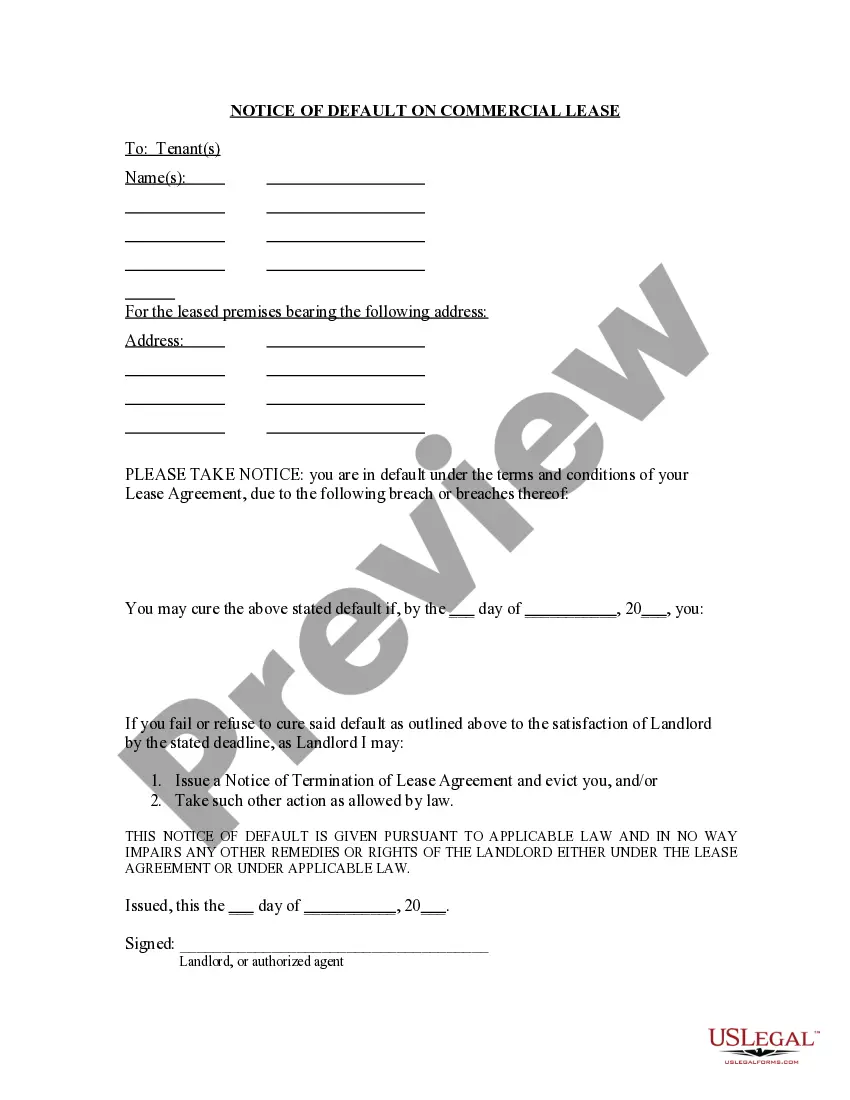
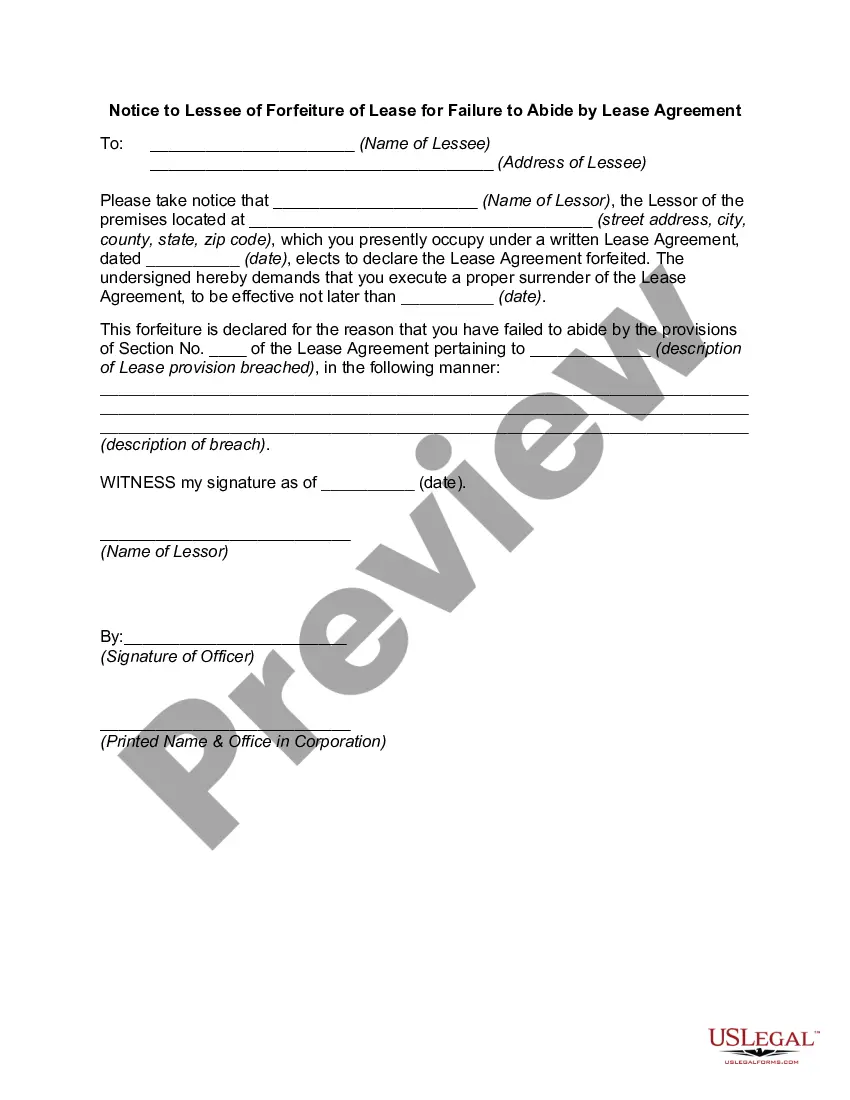
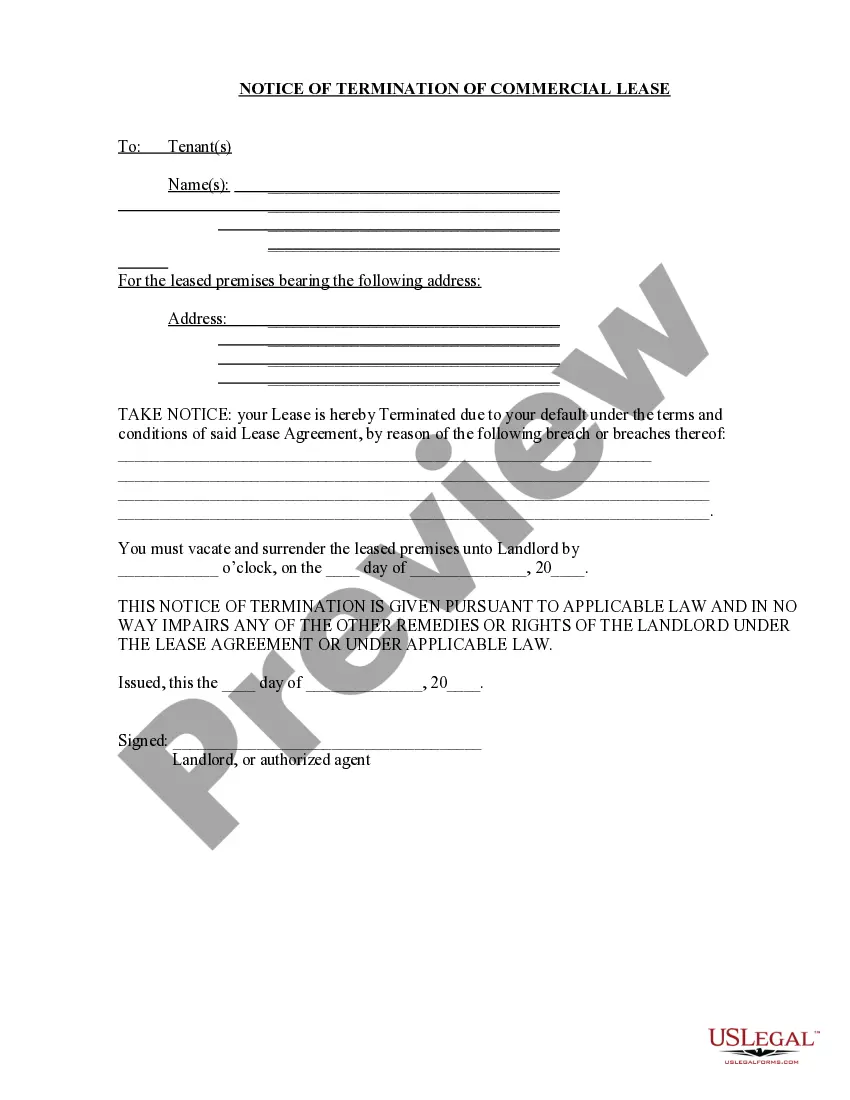
This Letter from Landlord to Tenant as Notice of Default on Commercial Lease is a legal document notifying a tenant of specific breaches in their lease agreement. It serves the purpose of formally alerting the tenant about their default, outlining any necessary actions they must take to cure the breaches. This form is essential to initiate any subsequent eviction process if these issues are not resolved. Unlike other notice forms, this specific notice details the exact defaults and provides a timeline for the tenant to remedy the situation.
Key components of this form
- Identification of the tenant and landlord.
- Specific breaches of lease agreement listed.
- Deadline for tenant to cure the breaches.
- Notification of potential actions by the landlord if the breach is not rectified.
- Date of issuance and signature of the landlord or authorized agent.

When to use this form
This form should be used when a landlord needs to officially inform a tenant of a breach in their commercial lease. Common scenarios include situations where rent has not been paid, maintenance obligations have been ignored, or any other violations of the lease terms have occurred. Issuing this notice is a critical step before pursuing eviction or other legal remedies against the tenant.
Intended users of this form
- Landlords of commercial properties.
- Property managers representing landlords.
- Real estate professionals involved in leasing agreements.
- Tenants who wish to understand their rights and obligations upon receiving such a notice.
How to complete this form
- Identify the parties involved, including the landlord and tenant.
- Clearly specify the breaches of the lease agreement that have occurred.
- Set a deadline for the tenant to take appropriate corrective action.
- Include the date of the notice and sign it as the landlord or authorized agent.
- Deliver the notice to the tenant in accordance with state law procedures.
Notarization requirements for this form
This form does not typically require notarization unless specified by local law. It is important to verify your stateâs legal requirements to ensure the notice is valid and enforceable.
Get your form ready online
Our built-in tools help you complete, sign, share, and store your documents in one place.
Make edits, fill in missing information, and update formatting in US Legal Forms—just like you would in MS Word.
Download a copy, print it, send it by email, or mail it via USPS—whatever works best for your next step.
Sign and collect signatures with our SignNow integration. Send to multiple recipients, set reminders, and more. Go Premium to unlock E-Sign.
If this form requires notarization, complete it online through a secure video call—no need to meet a notary in person or wait for an appointment.
We protect your documents and personal data by following strict security and privacy standards.
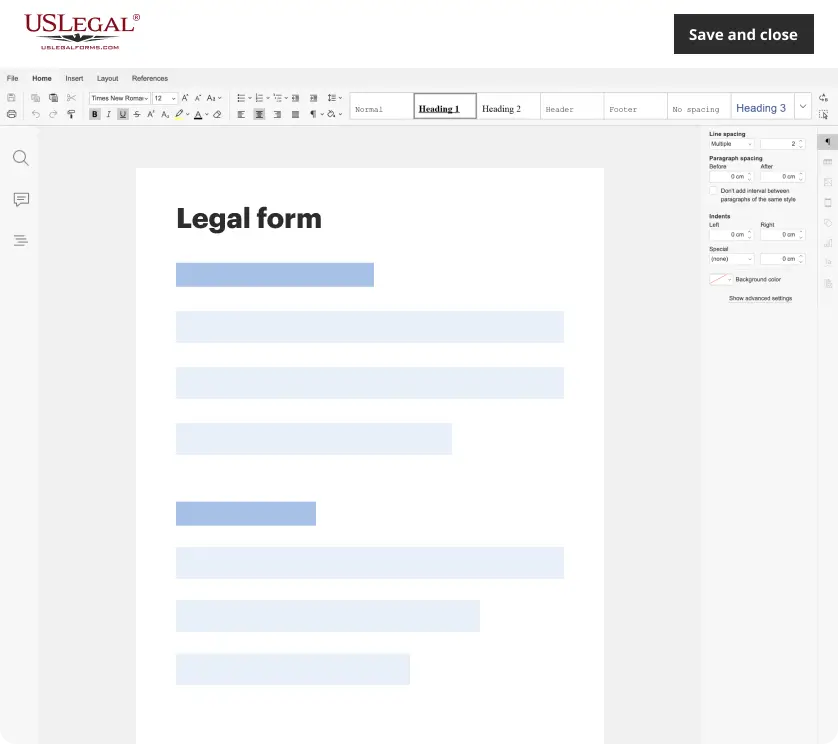
Make edits, fill in missing information, and update formatting in US Legal Forms—just like you would in MS Word.
Download a copy, print it, send it by email, or mail it via USPS—whatever works best for your next step.
Sign and collect signatures with our SignNow integration. Send to multiple recipients, set reminders, and more. Go Premium to unlock E-Sign.
If this form requires notarization, complete it online through a secure video call—no need to meet a notary in person or wait for an appointment.
We protect your documents and personal data by following strict security and privacy standards.
Avoid these common issues
- Failing to specify the exact nature of the breaches.
- Not including a clear deadline for the tenant to cure the breach.
- Omitting the signature of the landlord or authorized agent.
- Delivering the notice in a manner not compliant with state laws.
Benefits of using this form online
- Convenient access to legally compliant templates.
- Editable forms allow landlords to customize notices as needed.
- Instant downloads save time compared to traditional methods.
- Reliability with forms prepared by licensed attorneys.
Legal use & context
- This notice serves as a formal warning before eviction proceedings.
- It creates a legal record of the landlord's intent to enforce lease terms.
- Landlords should retain a copy of the notice for their records.
Summary of main points
- The form acts as a formal notification of lease defaults.
- Landlords must provide a timeline for tenants to remedy breaches.
- Proper delivery of the notice is crucial for legal enforceability.
Looking for another form?
Form popularity
FAQ
A 14/30 notice in Missouri is a formal document that a landlord sends to a tenant to address a default in a commercial lease. Specifically, this notice informs the tenant that they have 14 days to remedy the default, or the landlord may initiate eviction proceedings after 30 days. It serves as a critical communication tool, ensuring that both parties understand their rights and responsibilities. Utilizing a Missouri Letter from Landlord to Tenant as Notice of Default on Commercial Lease can help landlords navigate this process effectively, ensuring compliance with state laws.
To evict a commercial tenant in Missouri, you must follow specific legal procedures. Start with a formal notice, such as the Missouri Letter from Landlord to Tenant as Notice of Default on Commercial Lease, to inform the tenant of their default and the intent to terminate the lease. If the tenant does not remedy the situation, you can file an eviction lawsuit in the appropriate court. It's essential to adhere to local laws and regulations, and using resources like uslegalforms can guide you through the process.
The default clause on a commercial lease outlines the circumstances under which a tenant may be considered in default of the lease agreement. It specifies the obligations a tenant must meet and the potential consequences of failing to meet those obligations. Understanding this clause helps landlords enforce their rights effectively. When drafting or reviewing such clauses, landlords often utilize the Missouri Letter from Landlord to Tenant as Notice of Default on Commercial Lease for clear communication.
A notice of default on a commercial lease is a formal notification from the landlord indicating that the tenant has failed to comply with specific lease terms. This document typically outlines the nature of the default, such as late rental payments or breach of lease conditions. The Missouri Letter from Landlord to Tenant as Notice of Default on Commercial Lease is crucial for initiating the resolution process. It provides the tenant with an opportunity to correct their actions before further legal steps are taken.
To give notice to a commercial tenant, you should prepare a clear and concise communication, typically in writing. The Missouri Letter from Landlord to Tenant as Notice of Default on Commercial Lease serves as an effective tool for this purpose. Ensure you include the lease details, the reason for the notice, and any actions required from the tenant. Consider using a formal delivery method, such as certified mail, to confirm receipt.
A notice of default letter to a tenant is a formal document issued by a landlord when a tenant fails to comply with the terms of their commercial lease. This Missouri Letter from Landlord to Tenant as Notice of Default on Commercial Lease serves as a warning and outlines the specific violations, such as missed rent payments or breaches of lease terms. By providing this notice, landlords initiate a clear communication process, allowing tenants the opportunity to rectify their situation. If you need assistance drafting a compliant notice, consider using the US Legal Forms platform for reliable templates and guidance.
A lease is automatically void when it is against the law, such as a lease for an illegal purpose. In other circumstances, like fraud or duress, a lease can be declared void at the request of one party but not the other.
The CARES Act provides no direct relief for such tenants. Several executive orders issued by governors and mayors have purported to impose moratoria on evictions that would extend to commercial tenants.
The rental property address, including unit number (if applicable) The names of all tenants on the lease agreement. The date the lease violation notice was written. The specific reason for the notice. The time and date the violation occurred (if applicable)
For example, the lease may provide that in case of default, the landlord can recover late fees and interest. If the lease is a net lease, it may provide for the landlord to recover such things as property taxes, insurance, utilities, maintenance and repairs.