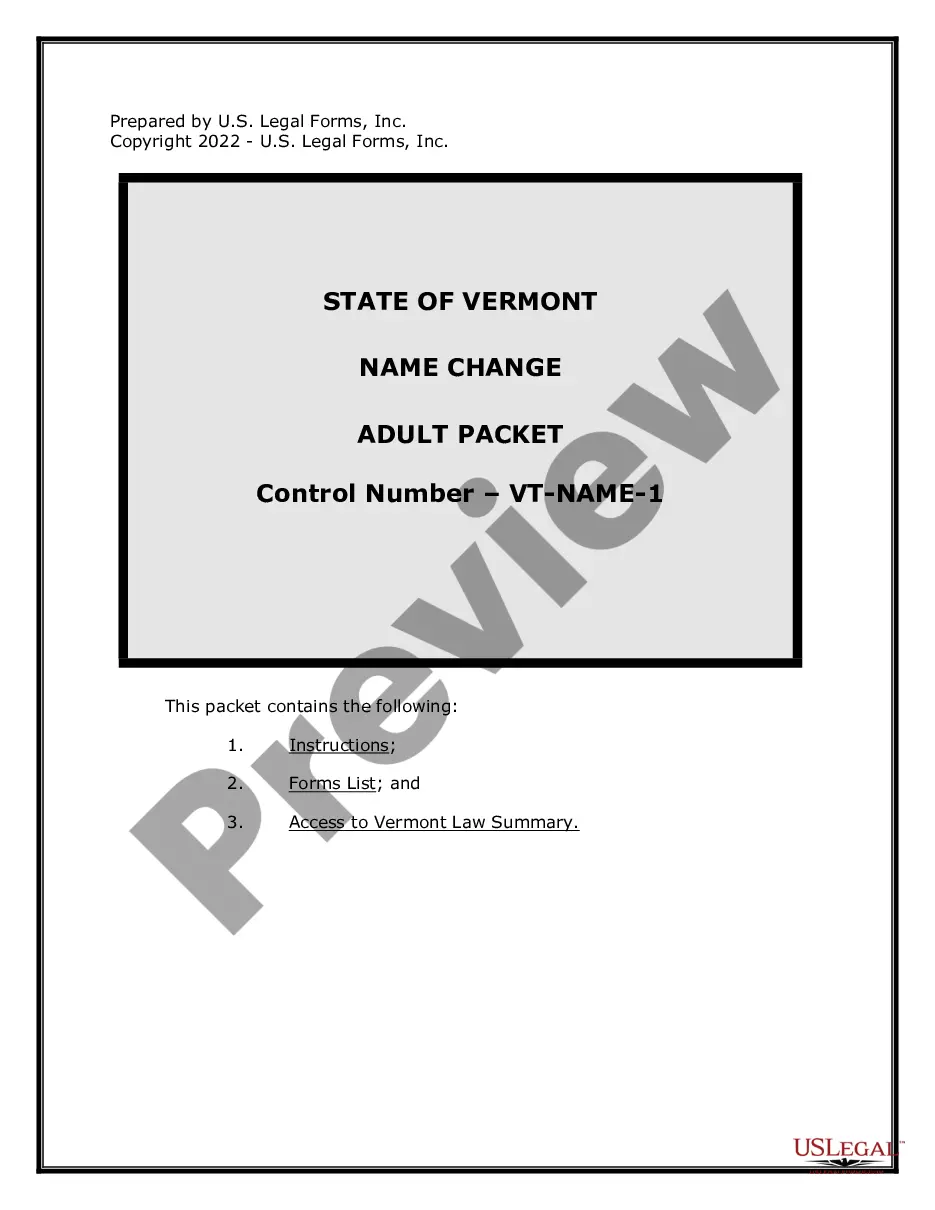
Missouri Letter from Tenant to Landlord containing Notice to landlord to withdraw improper rent increase during lease
Understanding this form
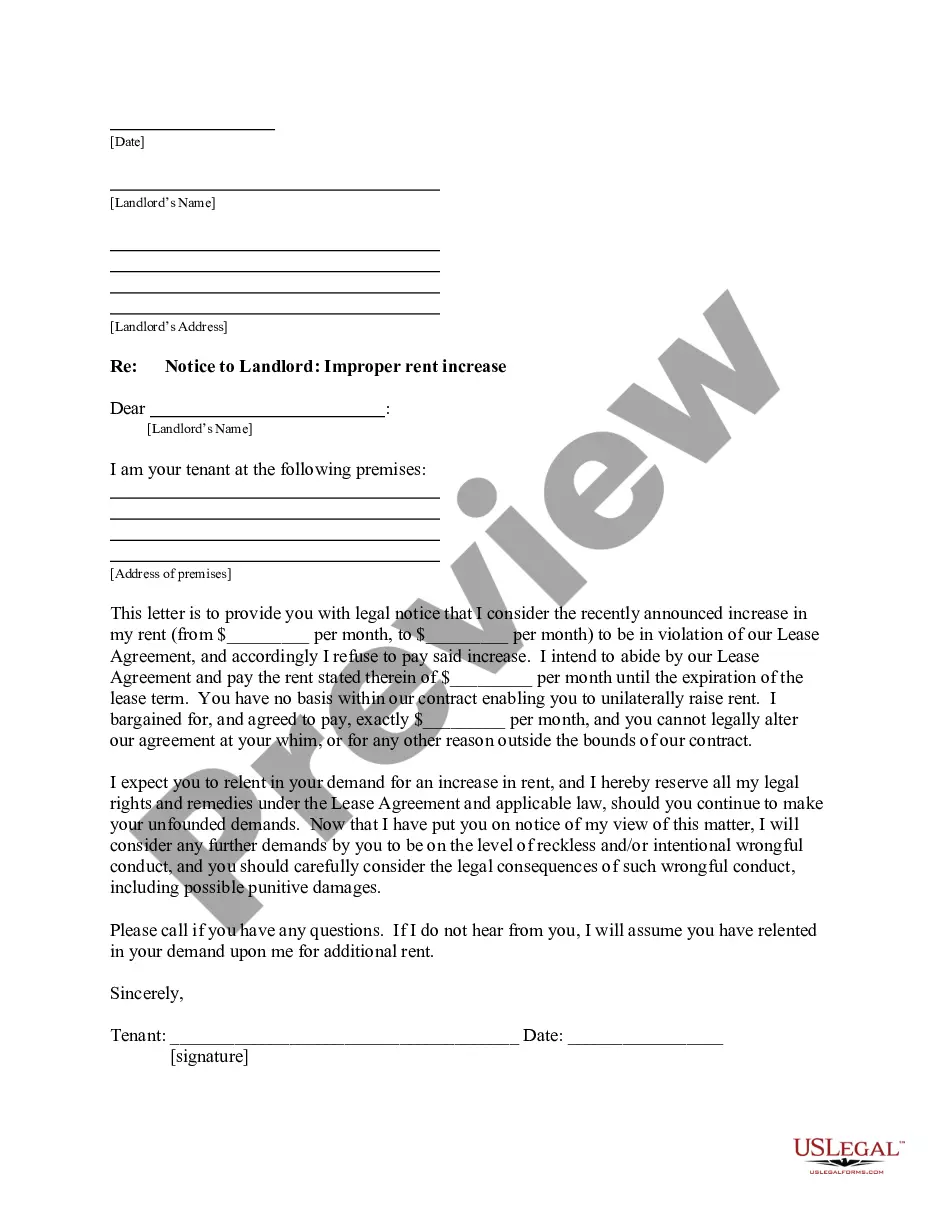
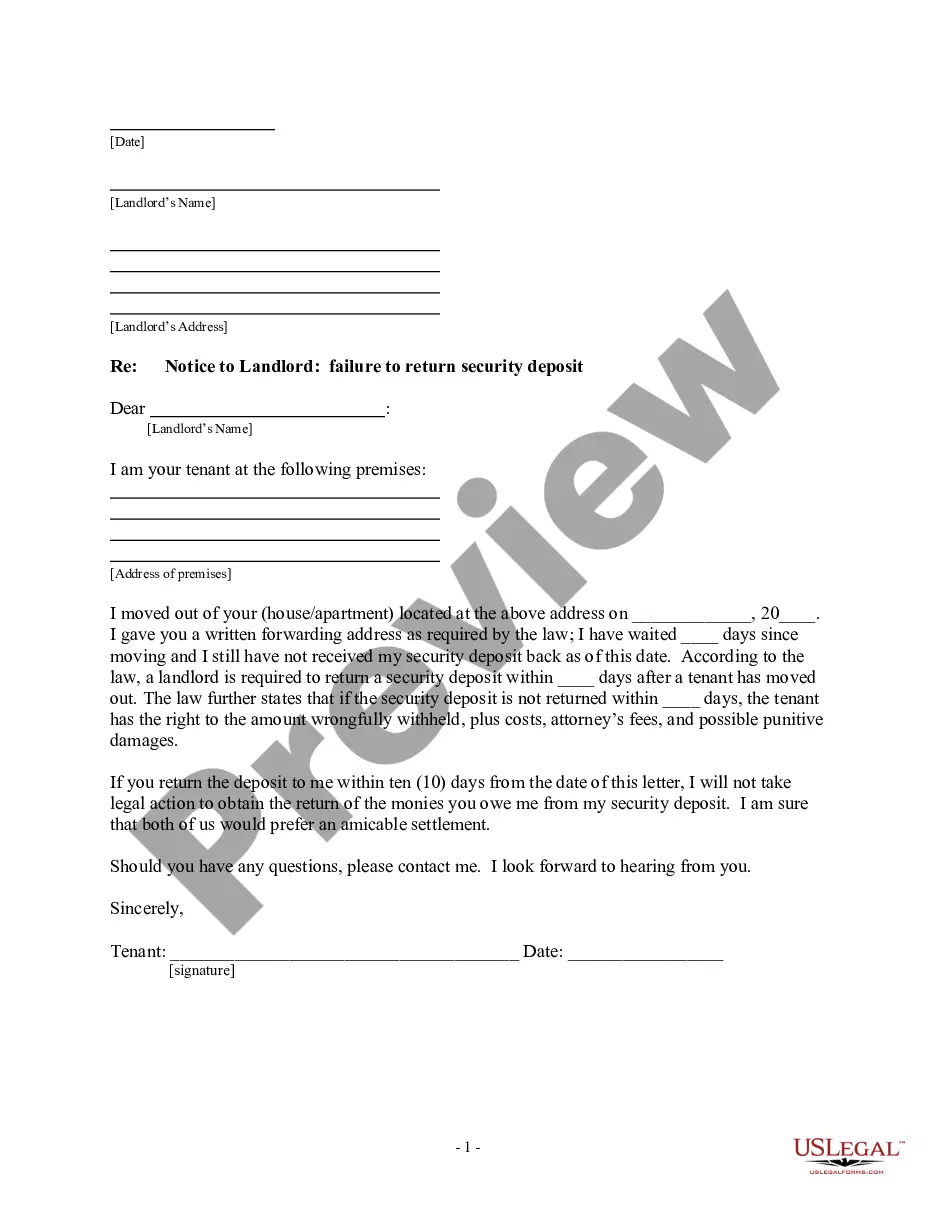
The Letter from Tenant to Landlord containing Notice to landlord to withdraw improper rent increase during lease is a formal notification sent by a tenant to their landlord. This letter requests that the landlord retract an unlawful rent increase, ensuring the tenant's rights are preserved under the Lease Agreement and applicable law. This form is essential for tenants who believe a rent increase is improper, differing from other tenant notice letters by specifically addressing rent disputes during an ongoing lease.
Key components of this form
- Identifying information for both tenant and landlord.
- A statement requesting the withdrawal of the rent increase.
- Language preserving the tenant's legal rights.
- A deadline for the landlord's response or action.
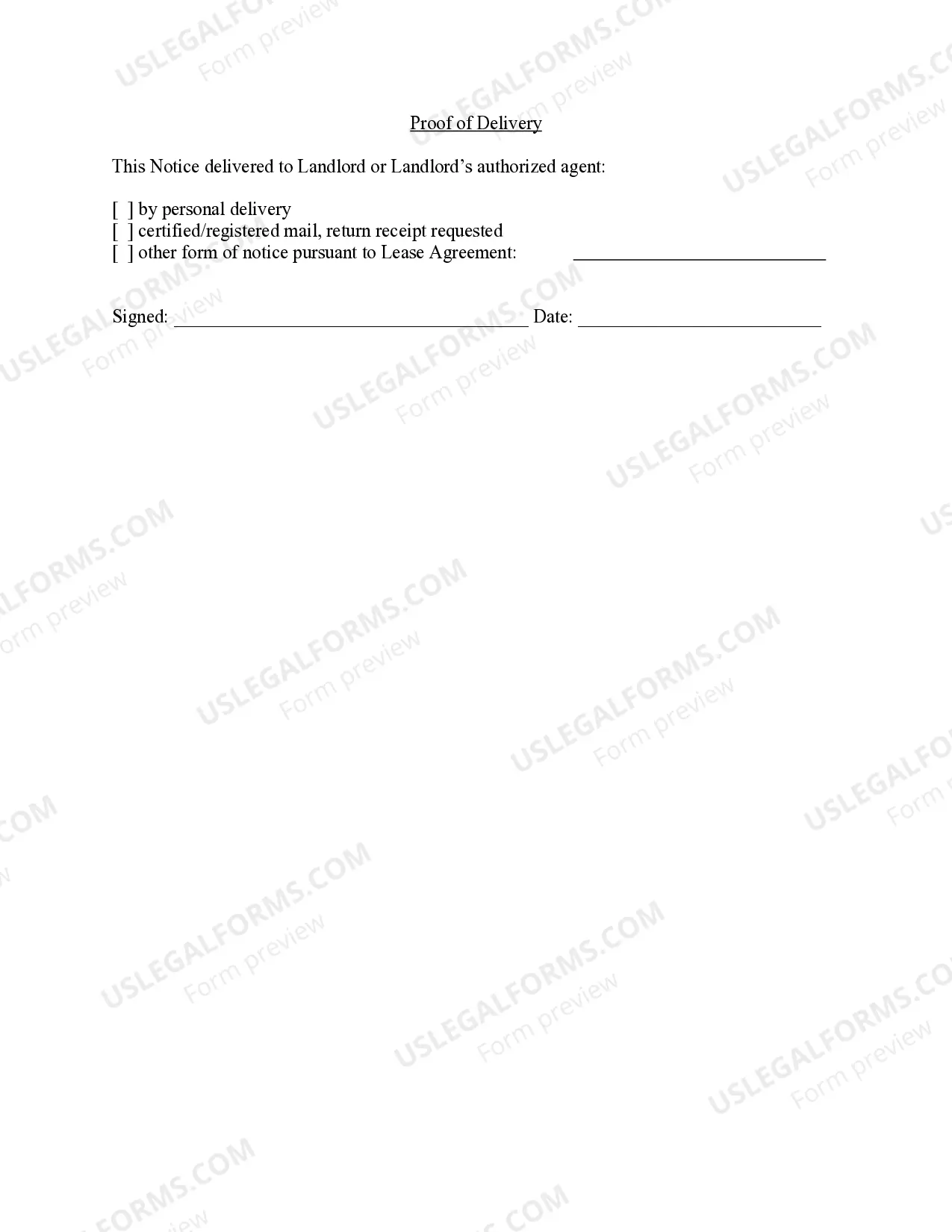
- Proof of delivery section for verifying the notice was received.
Common use cases
This form should be used when a tenant receives notice of a rent increase they believe is improper or unjustified during the lease term. It is an important step in formally documenting the tenant's opposition to the increase and initiating a dialogue to resolve the issue before considering legal action. It can also protect the tenant's rights should the dispute escalate further.
Who should use this form
- Residential tenants who have received a rent increase notice.
- Tenants who believe the rent increase violates terms of their lease agreement.
- Individuals looking to formally communicate their opposition to a landlord.
How to complete this form
- Identify the tenant and landlord with complete names and contact information.
- Clearly state the notice of the rent increase and the tenant's objection.
- Include a statement preserving the tenant's legal rights under the lease.
- Sign and date the letter to ensure its validity.
- Consider delivering the letter via a method that provides proof of delivery.
Does this document require notarization?
This form usually doesn’t need to be notarized. However, local laws or specific transactions may require it. Our online notarization service, powered by Notarize, lets you complete it remotely through a secure video session, available 24/7.
Get your form ready online
Our built-in tools help you complete, sign, share, and store your documents in one place.
Make edits, fill in missing information, and update formatting in US Legal Forms—just like you would in MS Word.
Download a copy, print it, send it by email, or mail it via USPS—whatever works best for your next step.
Sign and collect signatures with our SignNow integration. Send to multiple recipients, set reminders, and more. Go Premium to unlock E-Sign.
If this form requires notarization, complete it online through a secure video call—no need to meet a notary in person or wait for an appointment.
We protect your documents and personal data by following strict security and privacy standards.
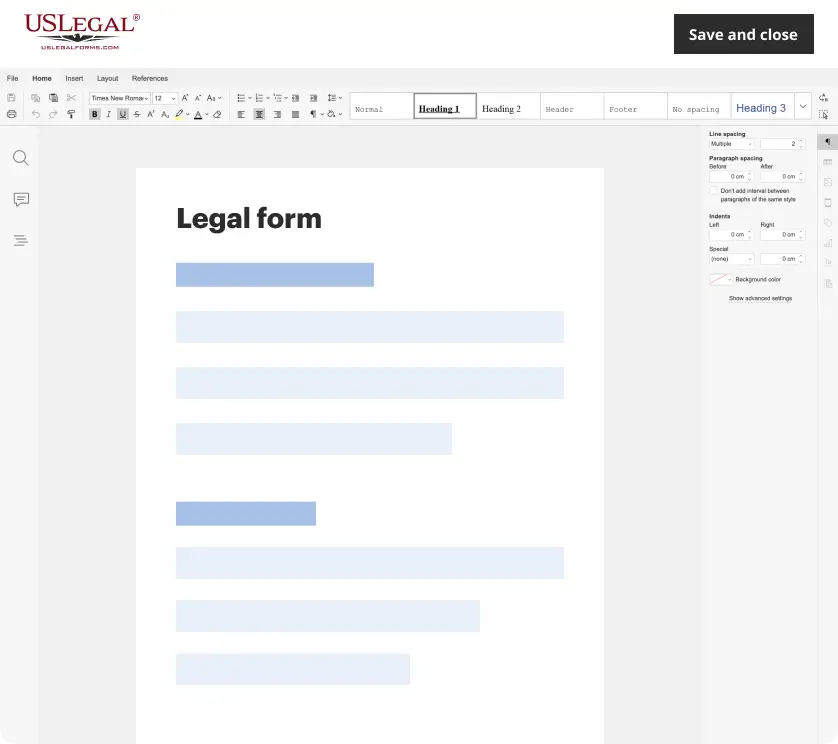
Make edits, fill in missing information, and update formatting in US Legal Forms—just like you would in MS Word.
Download a copy, print it, send it by email, or mail it via USPS—whatever works best for your next step.
Sign and collect signatures with our SignNow integration. Send to multiple recipients, set reminders, and more. Go Premium to unlock E-Sign.
If this form requires notarization, complete it online through a secure video call—no need to meet a notary in person or wait for an appointment.
We protect your documents and personal data by following strict security and privacy standards.
Common mistakes
- Failing to include all necessary identifying information for both parties.
- Neglecting to sign or date the letter, making it invalid.
- Not providing a clear and specific request for the withdrawal of the rent increase.
- Forgetting to proof the letter for errors before sending.
Benefits of using this form online
- Convenience of downloading and printing the form instantly.
- Editable format allows for personalized adjustments to suit specific situations.
- Access to professionally drafted templates ensures compliance with legal standards.
Legal use & context
- This form serves as a legal notice that can be used in potential disputes between tenants and landlords over rent increases.
- Documenting objections can protect tenant interests in legal proceedings or negotiations.
- Timely delivery and proper formatting are crucial for the notice to be considered valid.
Main things to remember
- Using this form is an important step for tenants facing improper rent increases.
- Formal communication ensures that the tenant's rights are documented and respected.
- Understanding local laws and regulations regarding rent increases is essential.
Looking for another form?
Form popularity
FAQ
Writing a dispute letter to a landlord involves being clear and concise about your concerns. Start by outlining the issue, include relevant details, and state your desired resolution. To formally communicate your dispute regarding an improper rent increase, consider using a Missouri Letter from Tenant to Landlord containing Notice to landlord to withdraw improper rent increase during lease, which can help you articulate your points effectively and maintain a record of your correspondence.
A 14/30 notice in Missouri refers to a specific notification period that landlords must follow when terminating a lease or increasing rent. The 14 days apply to month-to-month leases, while a 30-day notice is required for annual leases. If you believe your rent increase is improper, you can use a Missouri Letter from Tenant to Landlord containing Notice to landlord to withdraw improper rent increase during lease to address the issue effectively.
Yes, a tenant can withdraw their notice if they have not yet fulfilled the conditions outlined in that notice. This includes situations where the tenant needs more time to negotiate or resolve issues with the landlord. To ensure clarity, consider drafting a Missouri Letter from Tenant to Landlord containing Notice to landlord to withdraw improper rent increase during lease. This letter will help document your intent to retract any previous notification.
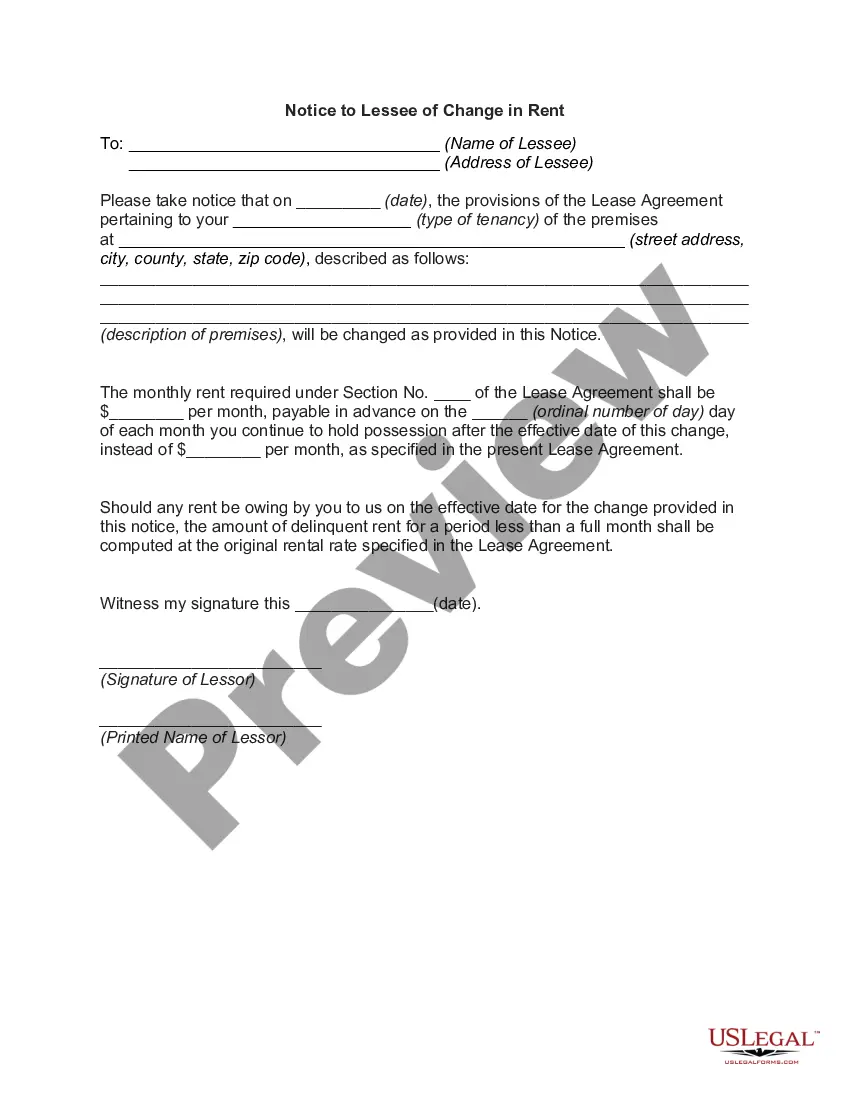
In Missouri, a landlord is required to provide notice of a rent increase to a tenant. This notice must be given in writing and should specify the new rent amount and the effective date. If you receive an improper rent increase, you can prepare a Missouri Letter from Tenant to Landlord containing Notice to landlord to withdraw improper rent increase during lease. This letter serves as a formal communication regarding your concerns.
While tenants cannot unreasonably deny access to a landlord, landlords must also follow all of the state and local rules regarding access to tenants' apartments. Roughly half of states have rules governing landlord entry into tenants' apartments.
If a lodger in California refuses to leave after 30 days, they can be kicked out without going through a court-ordered eviction process, because after the 30-day mark, they are officially trespassing. At this point, you could call the police.
If the tenant refuses, you are permitted to send them a notice to agree or quit the property. The tenant refusing you access constitutes a breach in the lease agreement, so they could be evicted if they continue to deny access.
Gather documents relating to your home and the person you wish to evict. Give written notice to the family member, informing him or her that you wish them to leave. Wait out the notice period.
You can only evict your roommate if they aren't on the lease or are your subtenant. Most of the laws relevant to leased apartments in Texas can be found in Title 8, Chapter 92 of the Texas Property Code. This law says that a lease can be oral or written, and can be made between a tenant and a subtenant.
No, you cannot use self-help to remove someone. Unless you or your property were in actual danger, use of force is generally not justified. Even if it is, you can be charged with a crime and would have to raise self-defense or defense of property. Calling the police to remove a trespasser is the best option.