Missouri Letter from Landlord to Tenant for Failure of to dispose all ashes, rubbish, garbage or other waste in a clean and safe manner in compliance with community rules
What this document covers
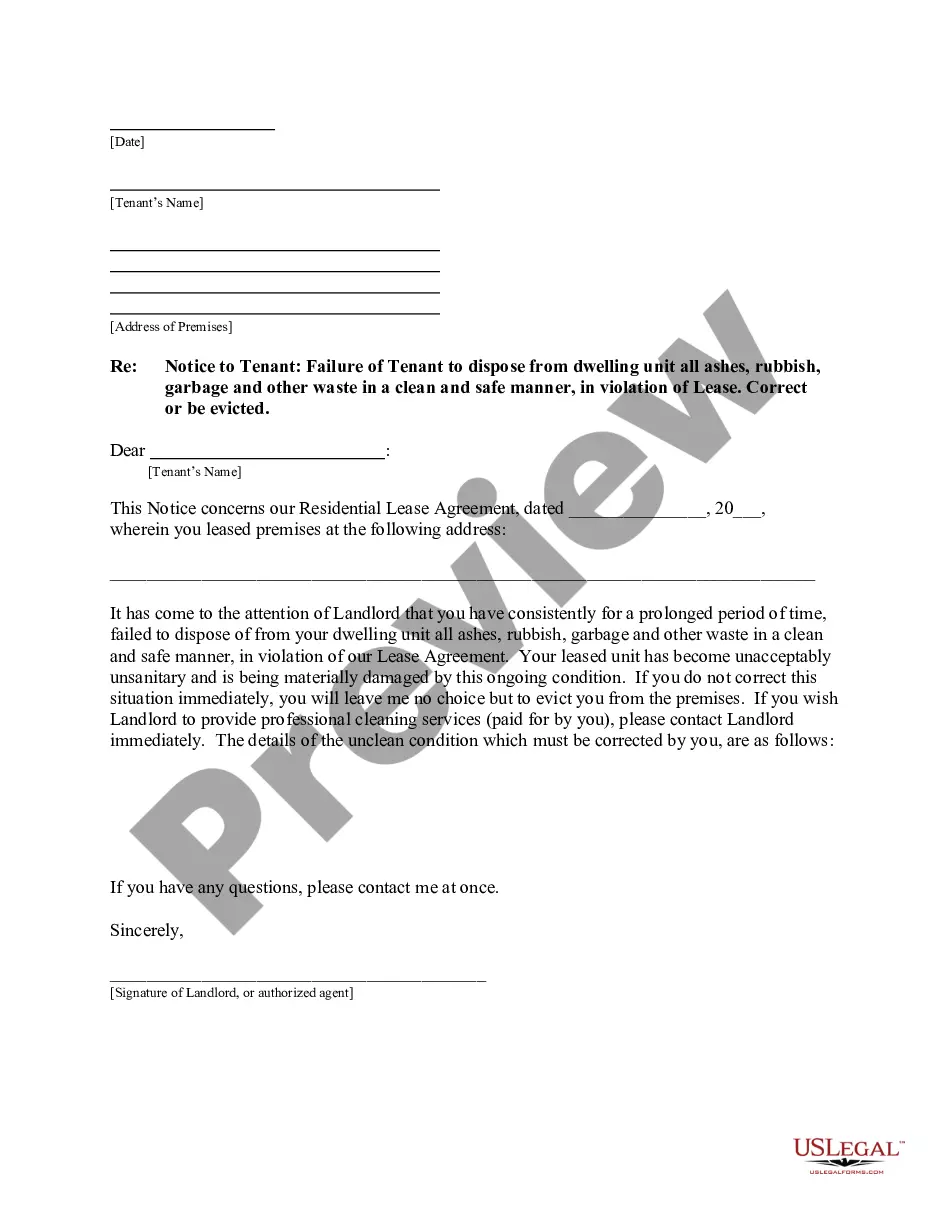
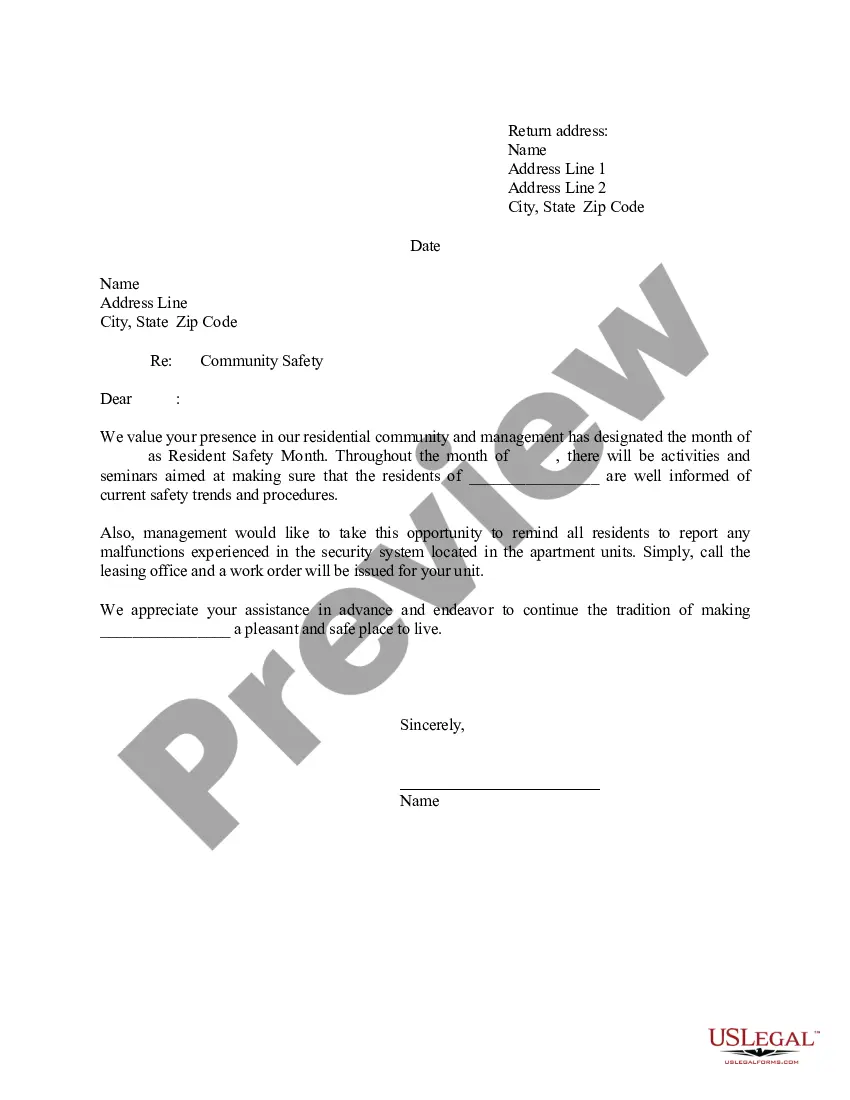
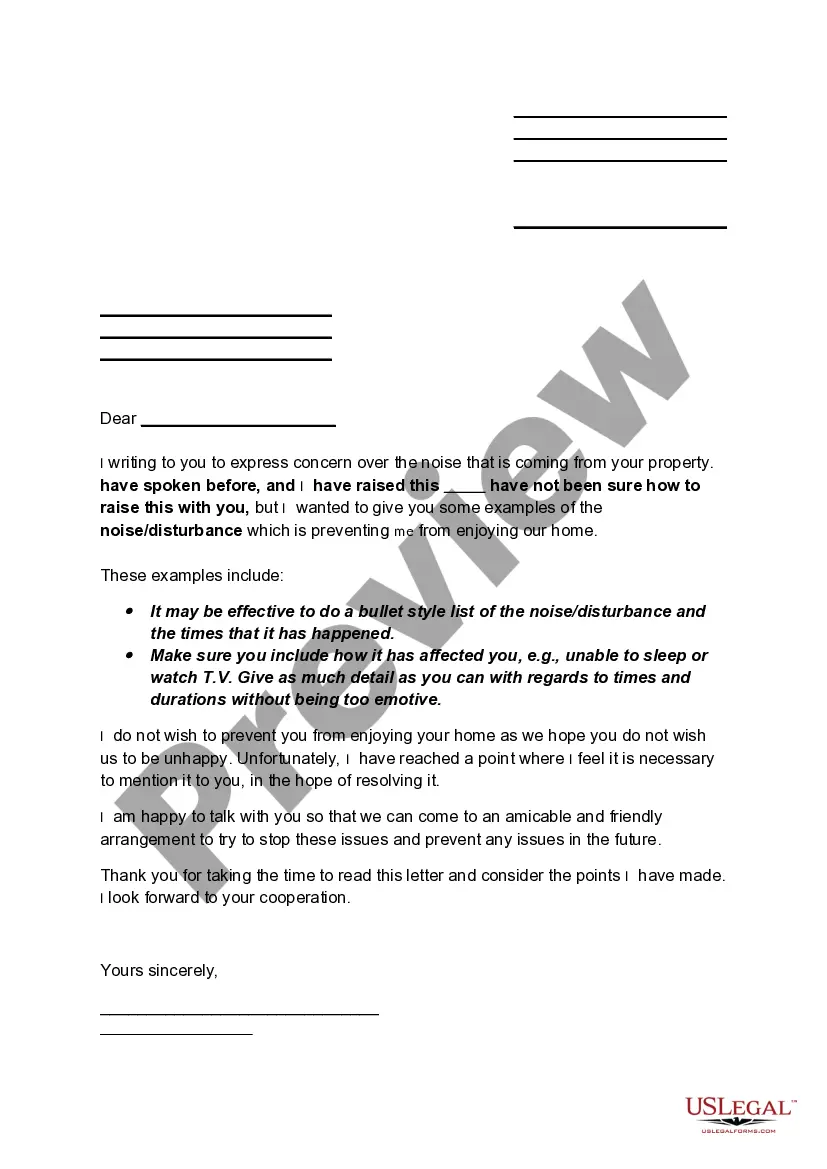
This letter from landlord to tenant addresses unsanitary living conditions due to improper waste disposal. It serves as a formal notice that demands the tenant comply with community standards regarding the disposal of ashes, rubbish, garbage, and waste. This form is crucial for maintaining a safe and clean living environment, and it differs from eviction notices by providing tenants with an opportunity to correct their behavior before facing eviction.
What’s included in this form
- Identification of the landlord and tenant
- Explanation of the unsanitary conditions observed
- Reference to the lease agreement violation
- Notice of potential eviction if the situation is not corrected
- Offer for professional cleaning services at the tenant's expense


When to use this form
This form should be used when a landlord notices that their tenant is not disposing of waste in a clean and safe manner, leading to unsanitary conditions. It is essential in situations where the landlord needs to formally notify the tenant of the issue and the potential consequences, including eviction, if it is not resolved swiftly.
Who should use this form
- Landlords seeking to address waste disposal violations by tenants
- Property managers responsible for maintaining community standards
- Landlords preparing for potential eviction proceedings due to non-compliance
Completing this form step by step
- Identify the parties by entering the names of the landlord and tenant.
- Detail the specific waste disposal issues observed in the tenant's unit.
- Reference the relevant lease agreement terms that have been violated.
- Clearly state the consequences of non-compliance, including potential eviction.
- Offer options for the tenant to rectify the situation, such as contacting the landlord for cleaning services.
- Sign and date the letter to formalize the notice.
Notarization requirements for this form
This form usually doesn’t need to be notarized. However, local laws or specific transactions may require it. Our online notarization service, powered by Notarize, lets you complete it remotely through a secure video session, available 24/7.
Get your form ready online
Our built-in tools help you complete, sign, share, and store your documents in one place.
Make edits, fill in missing information, and update formatting in US Legal Forms—just like you would in MS Word.
Download a copy, print it, send it by email, or mail it via USPS—whatever works best for your next step.
Sign and collect signatures with our SignNow integration. Send to multiple recipients, set reminders, and more. Go Premium to unlock E-Sign.
If this form requires notarization, complete it online through a secure video call—no need to meet a notary in person or wait for an appointment.
We protect your documents and personal data by following strict security and privacy standards.
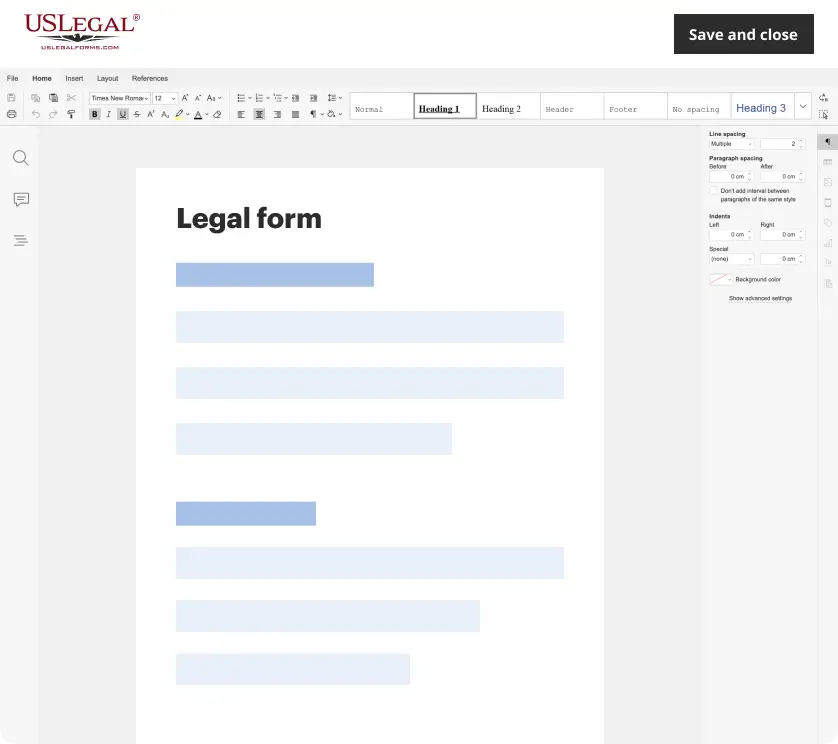
Make edits, fill in missing information, and update formatting in US Legal Forms—just like you would in MS Word.
Download a copy, print it, send it by email, or mail it via USPS—whatever works best for your next step.
Sign and collect signatures with our SignNow integration. Send to multiple recipients, set reminders, and more. Go Premium to unlock E-Sign.
If this form requires notarization, complete it online through a secure video call—no need to meet a notary in person or wait for an appointment.
We protect your documents and personal data by following strict security and privacy standards.
Typical mistakes to avoid
- Failing to provide specific examples of waste disposal issues.
- Not including clear language about potential eviction.
- Omitting essential details from the lease agreement reference.
- Not signing or dating the letter.
Why complete this form online
- Convenient access to professionally drafted templates.
- Edit and customize the form to suit your specific circumstances.
- Download and save your forms easily for future reference.
Legal use & context
- This form serves as a formal warning before initiating eviction proceedings.
- It helps establish a record of communication regarding property conditions.
- Proper use of this form can strengthen a landlordâs position in legal disputes.
What to keep in mind
- Use this form when tenants fail to comply with waste disposal standards.
- Clearly outline issues and consequences in the notice.
- Ensure compliance with state laws regarding notice and eviction procedures.
Looking for another form?
Form popularity
FAQ
Section 441.060 of Missouri law addresses the responsibilities of landlords and tenants regarding property maintenance and safety. It outlines the obligations of landlords to ensure that rental properties meet health and safety standards. If a landlord fails in these responsibilities, tenants may need to send a Missouri Letter from Landlord to Tenant for Failure to dispose all ashes, rubbish, garbage or other waste in a clean and safe manner in compliance with community rules to formally address the issue.
In Missouri, landlords cannot enter a tenant's rental unit without prior notice, except in emergencies. Generally, landlords must provide at least 24 hours' notice before entering for repairs or inspections. If a landlord disregards this rule, tenants can respond appropriately, potentially utilizing a Missouri Letter from Landlord to Tenant for Failure to dispose all ashes, rubbish, garbage or other waste in a clean and safe manner in compliance with community rules to address any concerns.
Landlords in Missouri cannot engage in illegal discrimination against tenants based on race, gender, or religion. They also cannot retaliate against tenants for exercising their rights, such as reporting unsafe living conditions. Additionally, landlords must adhere to community rules and cannot ignore tenants' concerns about violations, like failure to dispose of waste properly, which can be addressed through a Missouri Letter from Landlord to Tenant for Failure to dispose all ashes, rubbish, garbage or other waste in a clean and safe manner.
In Missouri, a landlord must address repair issues promptly. Depending on the situation, they typically have a reasonable time frame, usually defined as 30 days, to fix problems that affect health or safety. If repairs are not made, tenants may consider sending a Missouri Letter from Landlord to Tenant for Failure to dispose all ashes, rubbish, garbage or other waste in a clean and safe manner in compliance with community rules. This letter can outline the necessary actions expected from the landlord.
If you encounter a bad landlord in Missouri, you can report them to your local housing authority or the Missouri Attorney General's Office. These organizations handle tenant complaints and can provide guidance on your rights. It's important to document any violations, including failure to follow community rules regarding waste disposal. A Missouri Letter from Landlord to Tenant for Failure to dispose all ashes, rubbish, garbage or other waste in a clean and safe manner can also serve as evidence when reporting these issues.
In Missouri, a rental property may be considered uninhabitable if it does not meet basic health and safety standards. Issues such as lack of water, inadequate heating, or pest infestations can contribute to this status. Additionally, failure to comply with community rules, such as improper disposal of ashes, rubbish, garbage, or other waste, can lead to a violation. A Missouri Letter from Landlord to Tenant for Failure to dispose all ashes, rubbish, garbage or other waste in a clean and safe manner can help address these compliance issues.
Although the landlord is legally responsible for ensuring that you as a tenant have enough bins to dispose of household waste properly and are informed about where to dispose of your waste, you as a tenant have a responsibility to make every effort to dispose of your own household waste.
Holes or tears in linoleum. Burns or oil stains on carpet. Pet urine stains on walls and carpet. Holes in walls, not from doorknobs. Torn or missing curtains. Broken window or missing screens. Water marks from overflowed sink or bathtub. Cuts or burns on countertops.
As a landlord, you're not technically liable for nuisance tenants or occupiers of your property. However, you may be liable if you've allowed the tenants to cause the nuisance or if, when renting out your property, you were aware that nuisance was inevitable or almost certainly going to occur.
Filing a complaint with state or local health or building inspectors (who may fine a landlord who fails to correct the problem within a set amount of time, or actually condemn the property in severe cases) suing the landlord for the difference between the monthly rent and the value of the unit with defects, or.