Missouri Warranty Deed from Individual to a Trust
Overview of this form
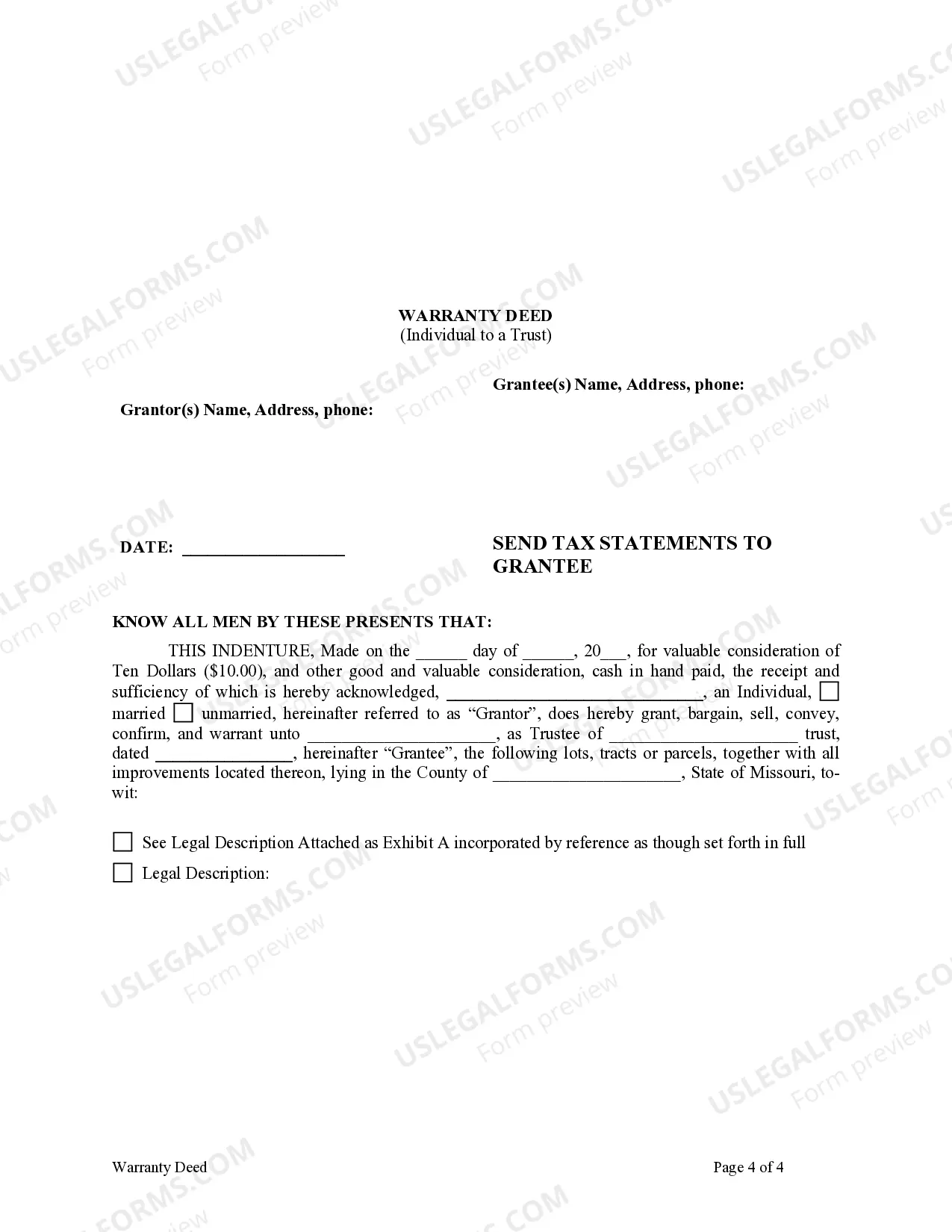
The Warranty Deed from Individual to a Trust is a legal document that facilitates the transfer of property ownership from an individual (the grantor) to a trust (the grantee). This type of warranty deed ensures that the grantor legally binds himself/herself to warrant the title, offering protections against claims from potential creditors. Unlike other forms of deeds, this warranty deed specifically addresses the conveyance of property to a trust, which may be for estate planning or asset protection purposes.
Form components explained
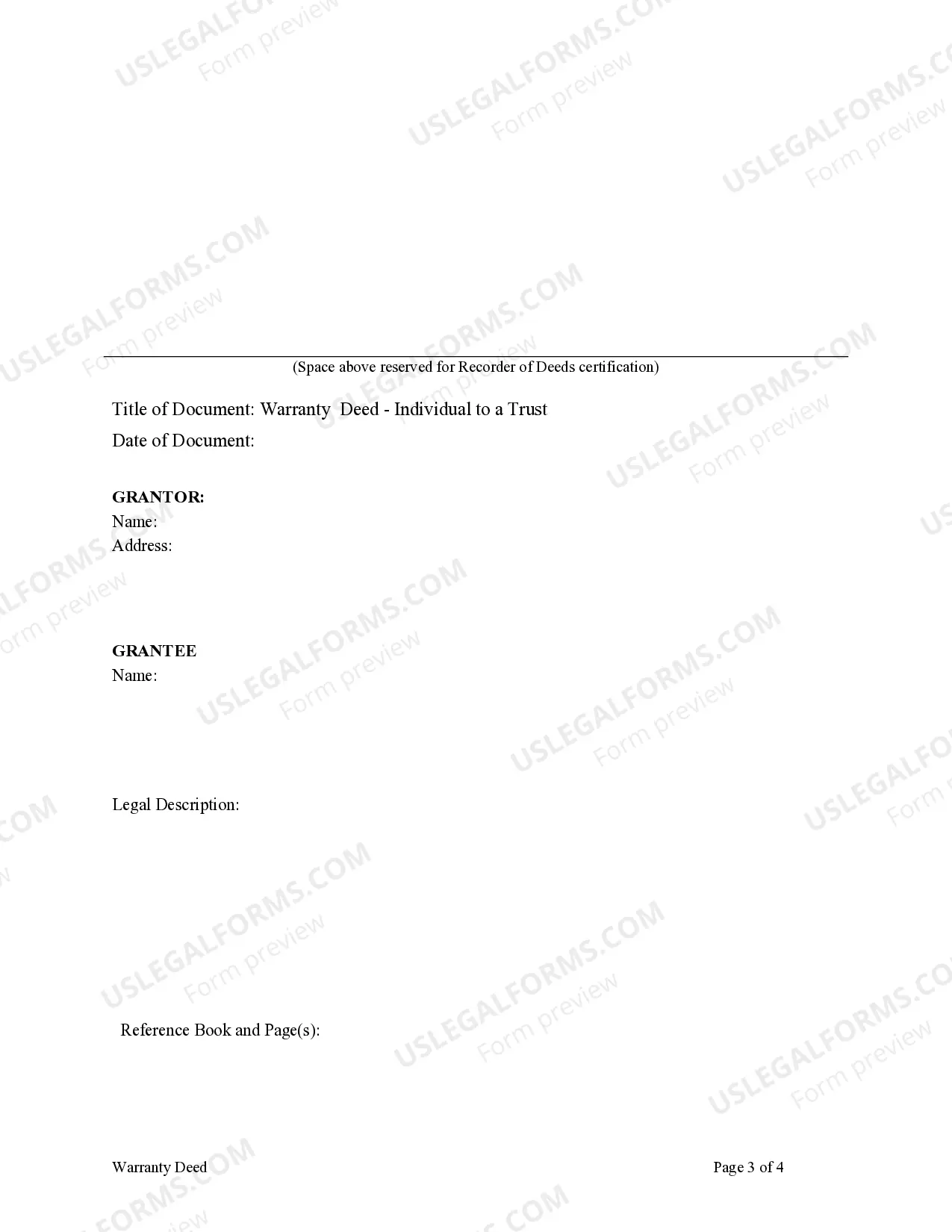
- Grantor's information: Name, address, and contact details of the individual transferring the property.
- Grantee's information: Details of the trust receiving the property, including the trustee's name.
- Property description: A legal description of the property being transferred.
- Consideration: A statement indicating the value exchanged for the property, such as Ten Dollars or other valuable consideration.
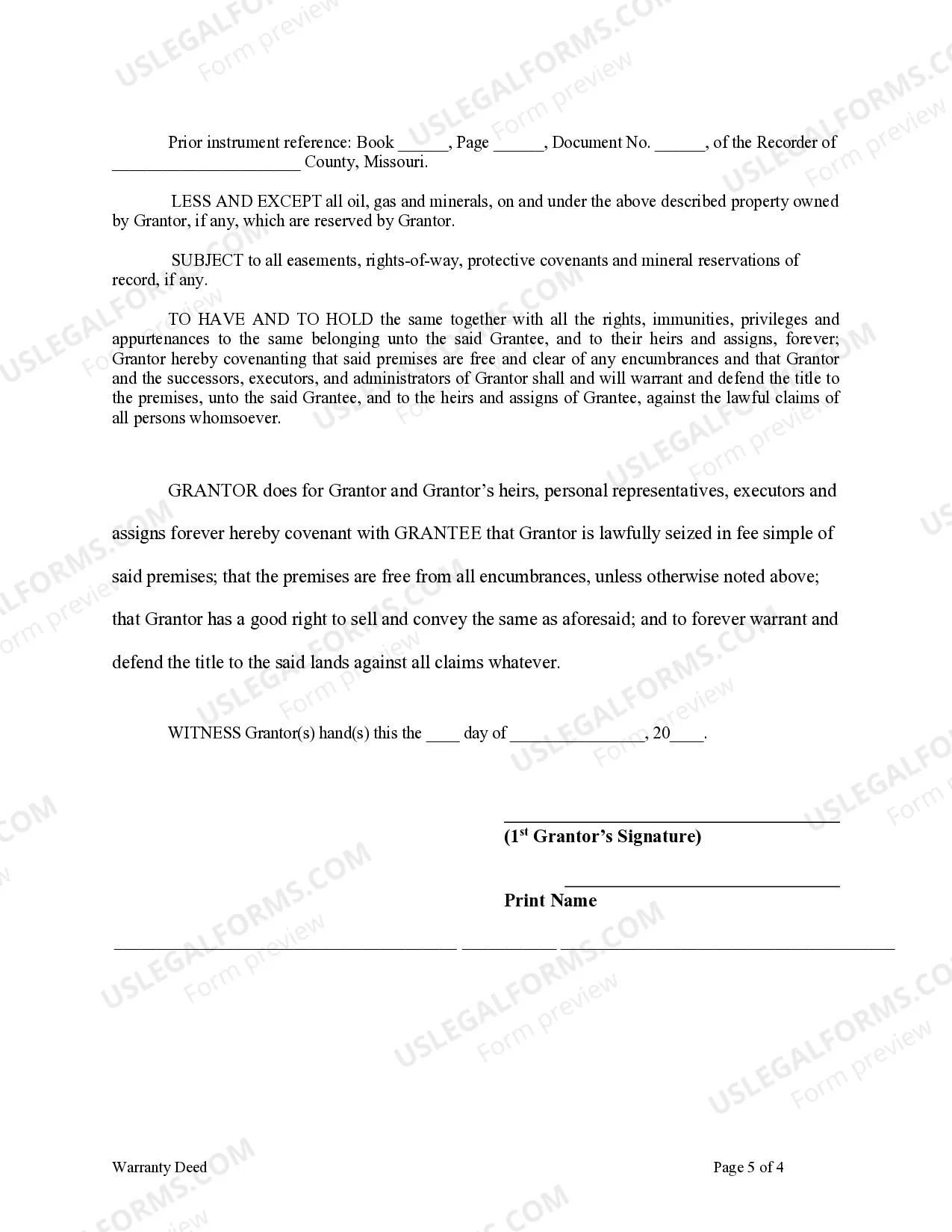
- Warranties: Clauses ensuring the property is free from encumbrances and outlining responsibilities in defending the title.
- Signatures: Spaces for the grantor's signature, with date and witness requirements.




Common use cases
This form is typically used when an individual wishes to transfer ownership of real property to a trust. Common scenarios where this may arise include estate planning, where the property is to be held in trust for the benefit of named beneficiaries, or for asset protection measures to shield property from creditors. Additionally, this deed can be essential when reallocating assets among family members or other entities within a structured estate plan.
Intended users of this form
- Individuals transferring property into a trust for estate planning purposes.
- Trustees managing a trust that requires property ownership to be formally documented.
- Property owners looking for a secure way to convey title while retaining certain rights.
- Individuals seeking legal protection for their assets against potential claims.
Completing this form step by step
- Identify the parties involved: Enter the grantor's and grantee's information.
- Specify the property being transferred: Attach the legal description of the property as Exhibit A.
- Enter the date of the conveyance: This should reflect when the transfer occurs.
- State the consideration amount: Indicate the value exchanged for the property, typically Ten Dollars.
- Sign the document: The grantor must sign, ensuring the deed is properly executed.
Does this document require notarization?
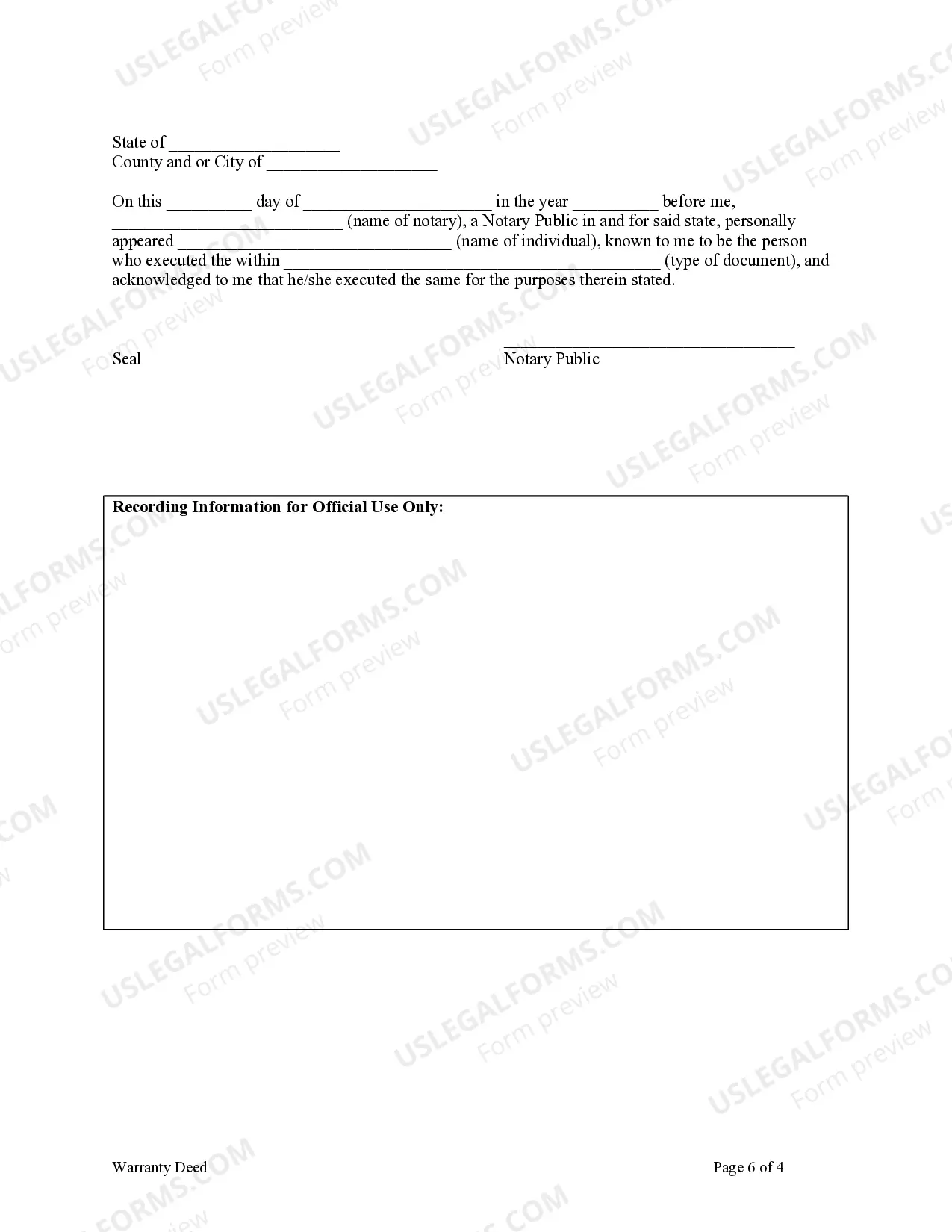
This form needs to be notarized to ensure legal validity. US Legal Forms provides secure online notarization powered by Notarize, allowing you to complete the process through a verified video call, available anytime.
Get your form ready online
Our built-in tools help you complete, sign, share, and store your documents in one place.
Make edits, fill in missing information, and update formatting in US Legal Forms—just like you would in MS Word.
Download a copy, print it, send it by email, or mail it via USPS—whatever works best for your next step.
Sign and collect signatures with our SignNow integration. Send to multiple recipients, set reminders, and more. Go Premium to unlock E-Sign.
If this form requires notarization, complete it online through a secure video call—no need to meet a notary in person or wait for an appointment.
We protect your documents and personal data by following strict security and privacy standards.

Make edits, fill in missing information, and update formatting in US Legal Forms—just like you would in MS Word.

Download a copy, print it, send it by email, or mail it via USPS—whatever works best for your next step.

Sign and collect signatures with our SignNow integration. Send to multiple recipients, set reminders, and more. Go Premium to unlock E-Sign.

If this form requires notarization, complete it online through a secure video call—no need to meet a notary in person or wait for an appointment.

We protect your documents and personal data by following strict security and privacy standards.
Avoid these common issues
- Failing to include a complete legal description of the property.
- Not stating the correct consideration amount.
- Omitting necessary signatures or failing to date the document correctly.
- Using incorrect information for the trust or trustee.
Benefits of using this form online
- Convenient access to legal document templates anytime and anywhere.
- Editability allows for easy customization based on specific needs.
- Reliable forms drafted by licensed attorneys, ensuring compliance with legal standards.
- Instant downloads save time and effort compared to traditional document acquisition methods.
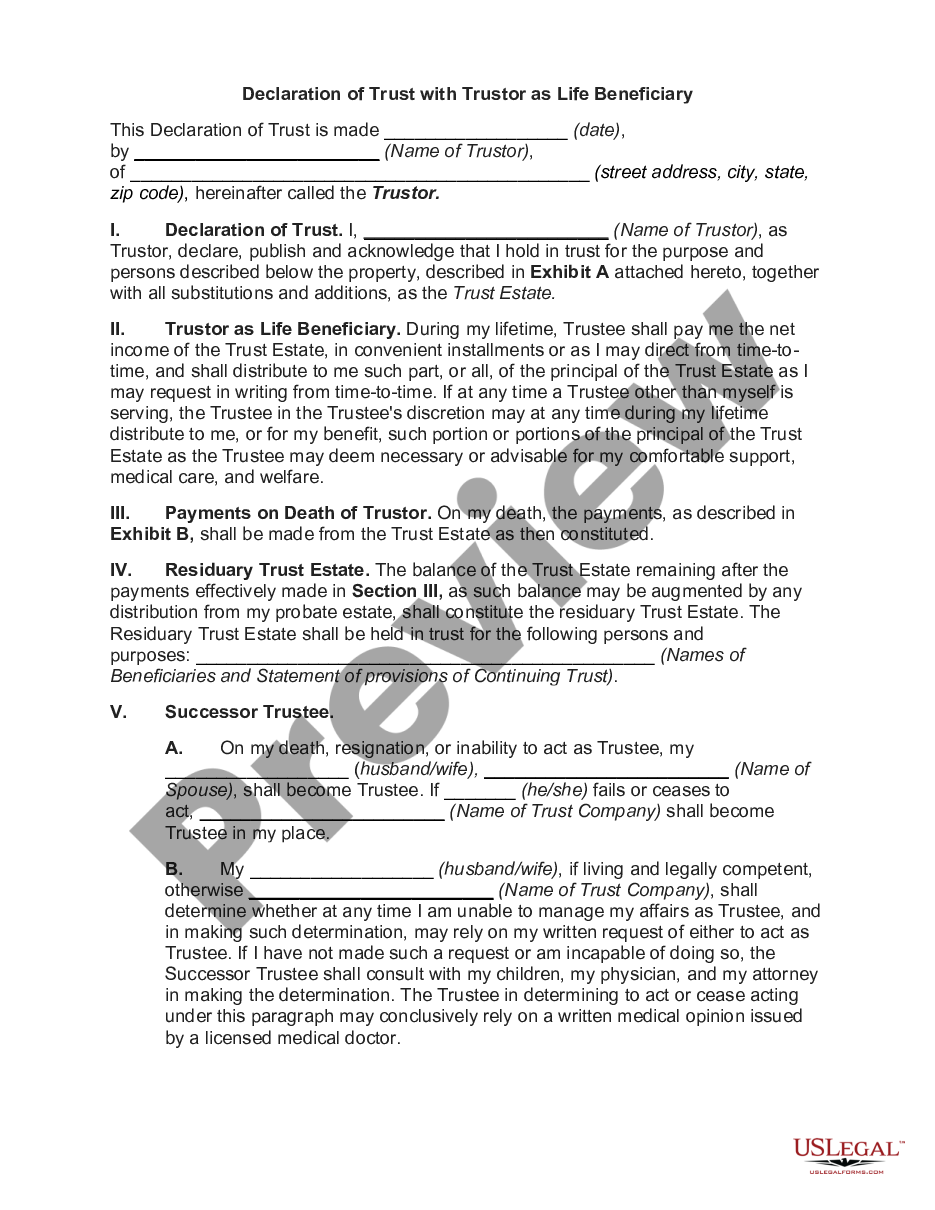
Looking for another form?


Form popularity
FAQ
The mortgage company usually prepares this deed as part of the loan package and delivers it to the title company for you to sign at closing. The title company is commonly the trustee to the deed and holds legal title to the property until the loan gets fully repaid.
Determine the Current Title and Vesting to Your Property. Prepare a Deed. Be Aware of Your Lender and Title Insurance. Prepare a Preliminary Change of Ownership Report. Execute Your Deed. Record Your Deed. Wait for the Deed to be Returned. Keep the Property in the Trust.
The act of transferring a property that is owned by an individual into a trust, will see the trust liable to pay stamp duty on acquisition of the asset. Additionally, the individual who is transferring ownership to the trust, will be liable to pay capital gains tax on the disposal of the asset.
A warranty deed protects property owners from future claims that someone else actually owns a portion (or all) of their property, while trustee deeds protect lenders when borrowers default on their mortgage loans.
Obtain a California grant deed from a local office supply store or your county recorder's office. Complete the top line of the deed. Indicate the grantee on the second line. Enter the trustees' names and addresses.
Locate your current deed. Use the proper deed. Check with your title insurance company and lender. Prepare a new deed. Sign in the presence of a notary. Record the deed in the county clerk's office. Locate the deed that's in trust. Use the proper deed.
A trustee deed offers no such warranties about the title.
Trustee's deeds convey real estate out of a trust.This type of conveyance is named for the person using the form the trustee who stands in for the beneficiary of the trust and holds title to the property.
Typically, the lender will provide you with a copy of the deed of trust after the closing. The original warranty deeds are often mailed to the grantee after they are recorded. These are your original copies and should be kept in a safe place, such as a fireproof lockbox or a safe deposit box at a financial institution.