Minnesota Letter from Landlord to Tenant as Notice of Default on Commercial Lease
What this document covers
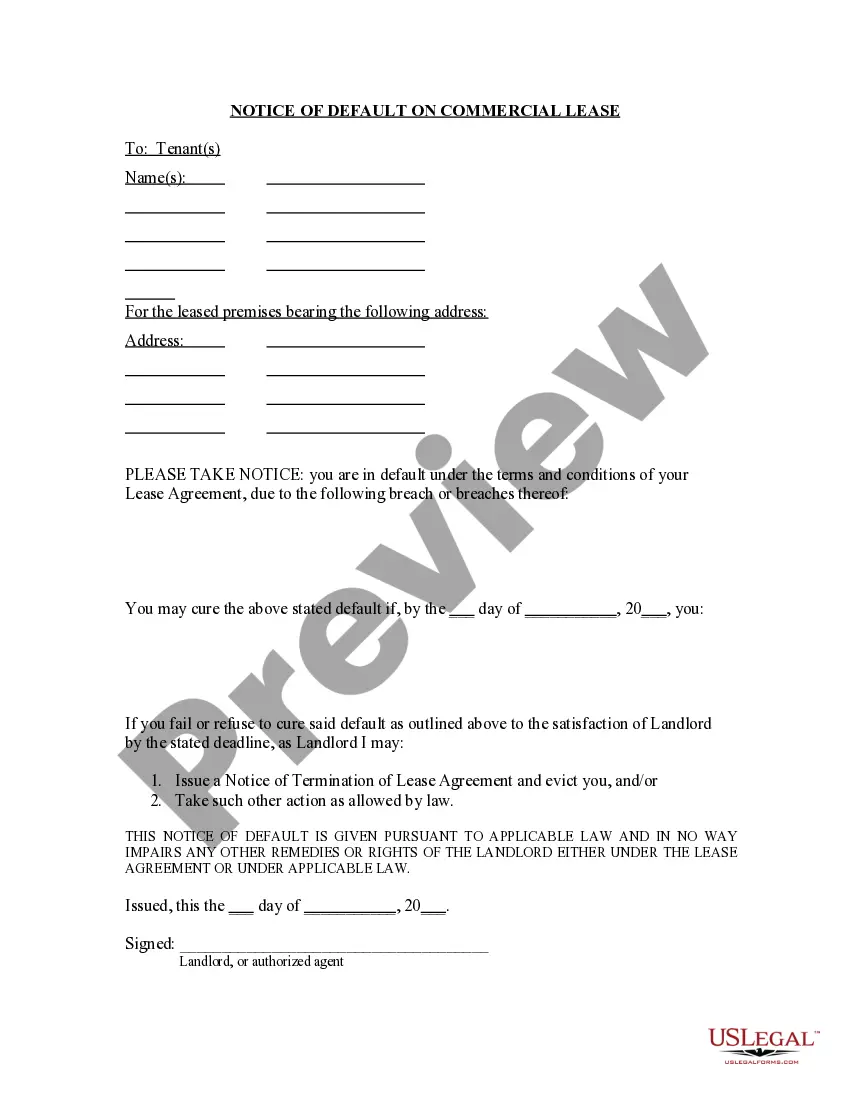
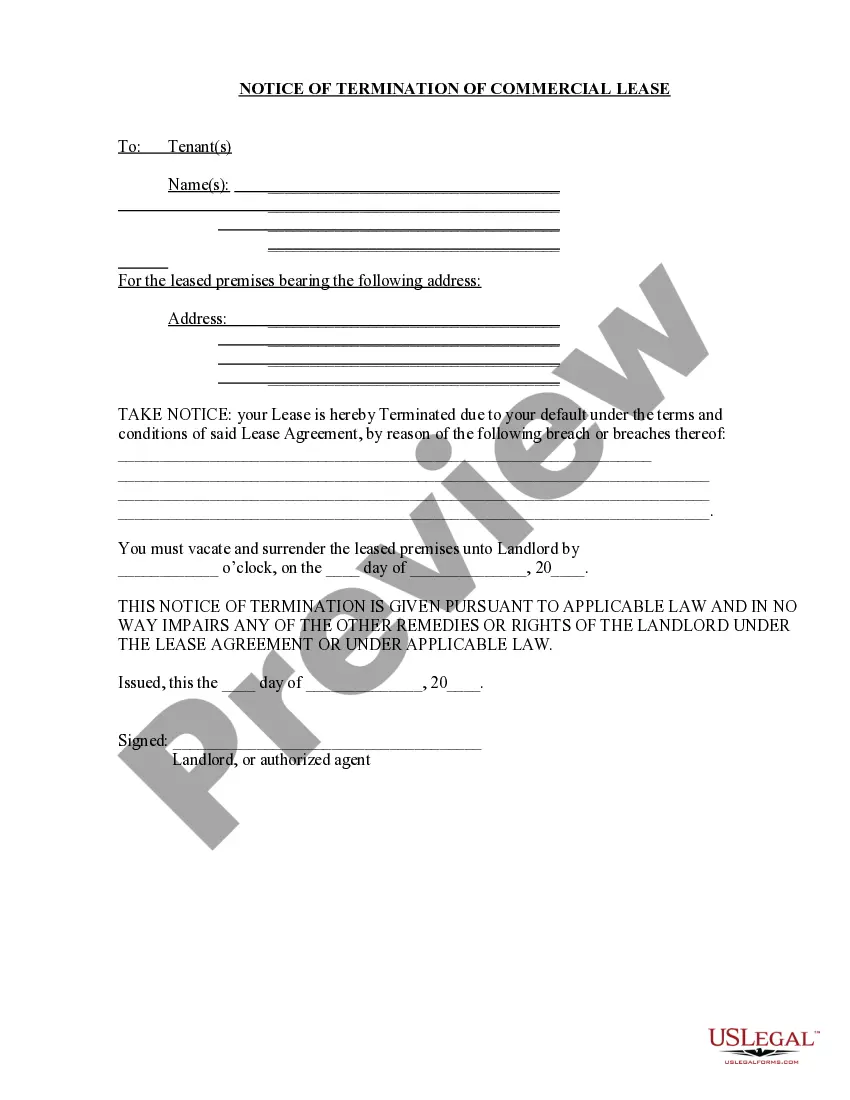
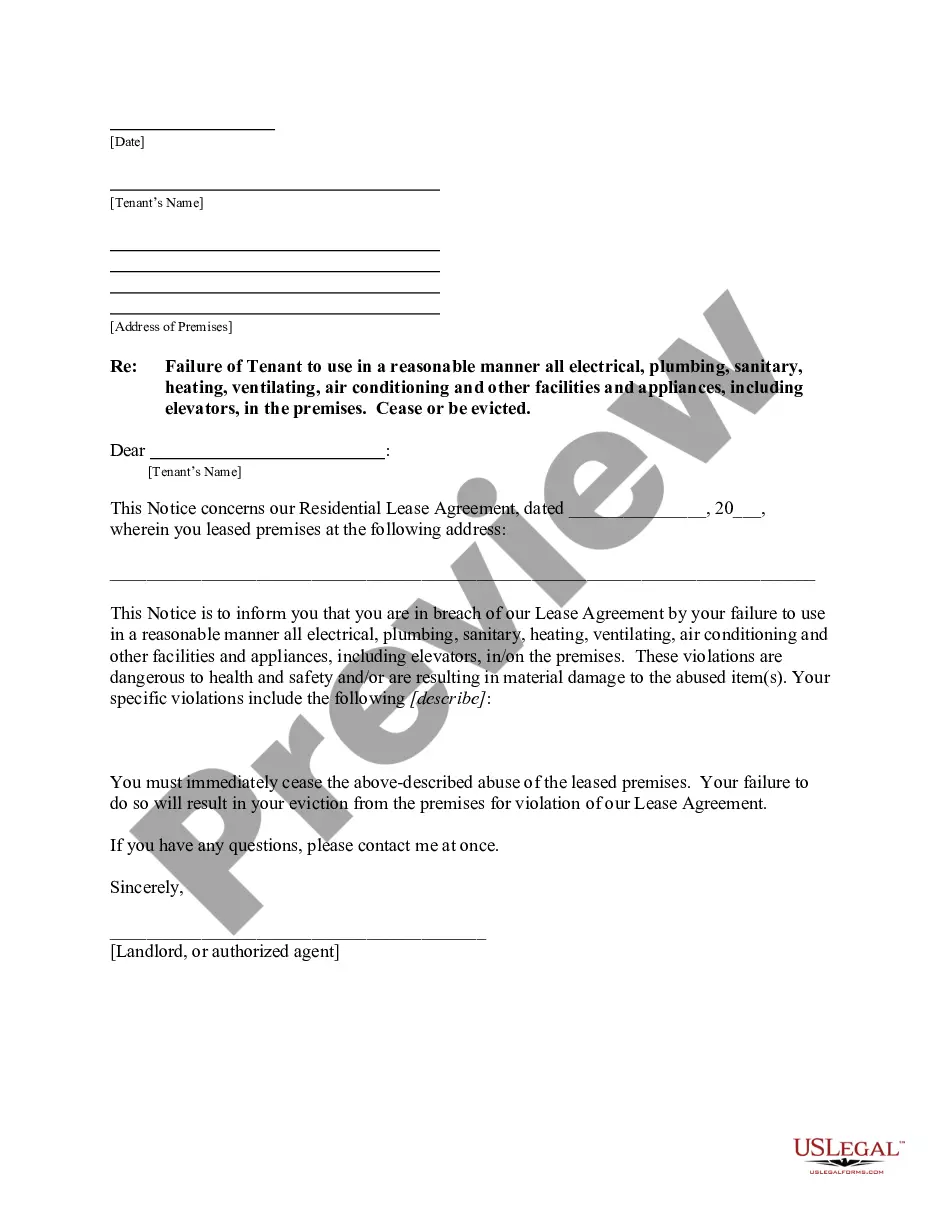
The Letter from Landlord to Tenant as Notice of Default on Commercial Lease is a formal document that serves as a notification to a tenant regarding specific breaches of a lease agreement. The notice details the violations and provides a deadline for the tenant to remedy these issues. If the tenant fails to comply, the landlord may take further legal action, potentially including eviction. This form is critical as it ensures the tenant is aware of any defaults, which is a necessary step before proceeding with eviction under landlord-tenant law.
What’s included in this form
- Notice of default specified for breaches of the lease, including failure to pay rent.
- Defined deadline for the tenant to cure the breaches.
- Legal affirmations outlining the landlord's rights under applicable law.
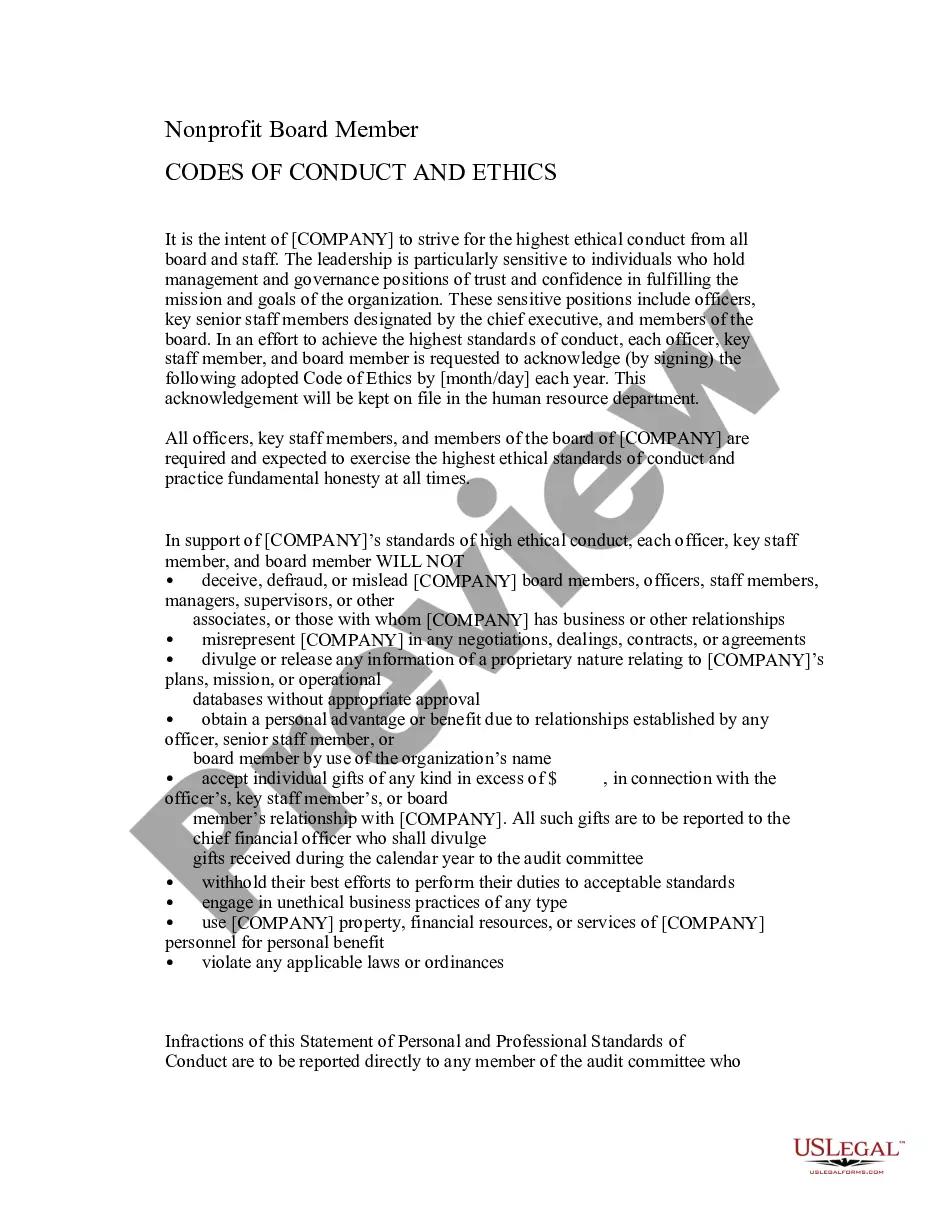
- Signature line for the landlord or authorized agent, including date fields.


When this form is needed
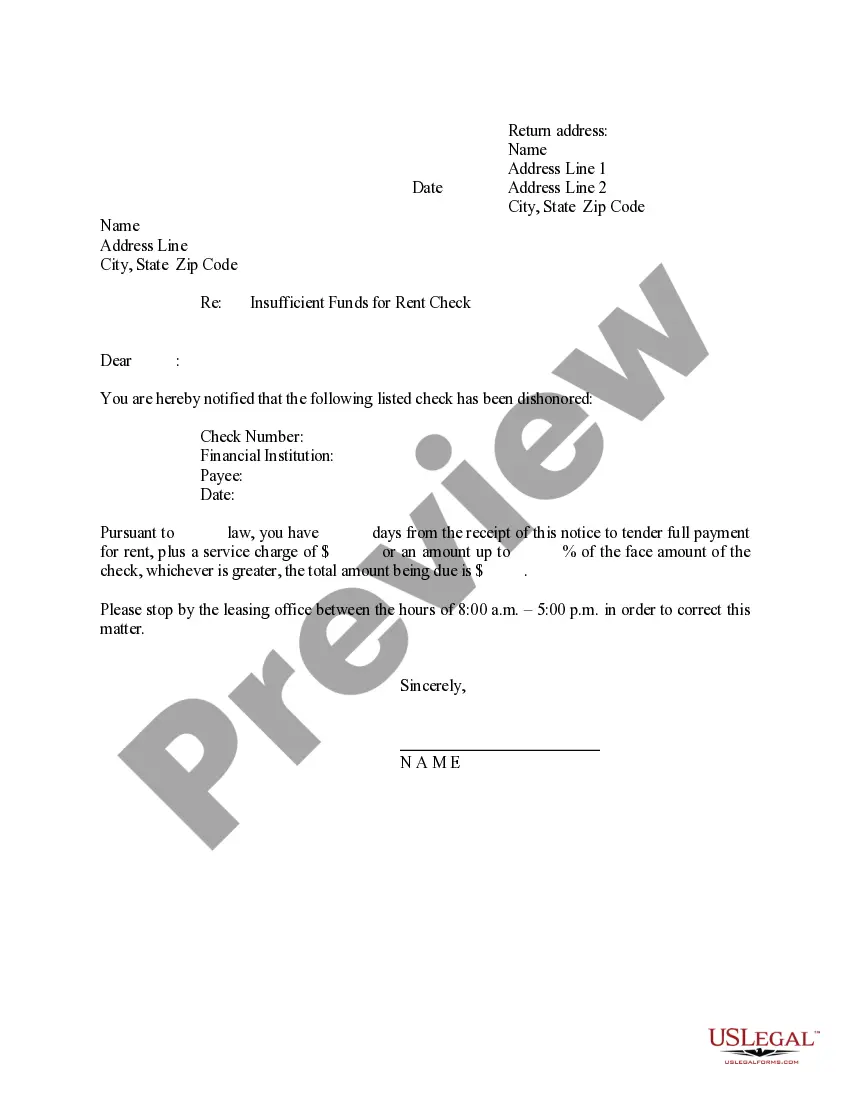
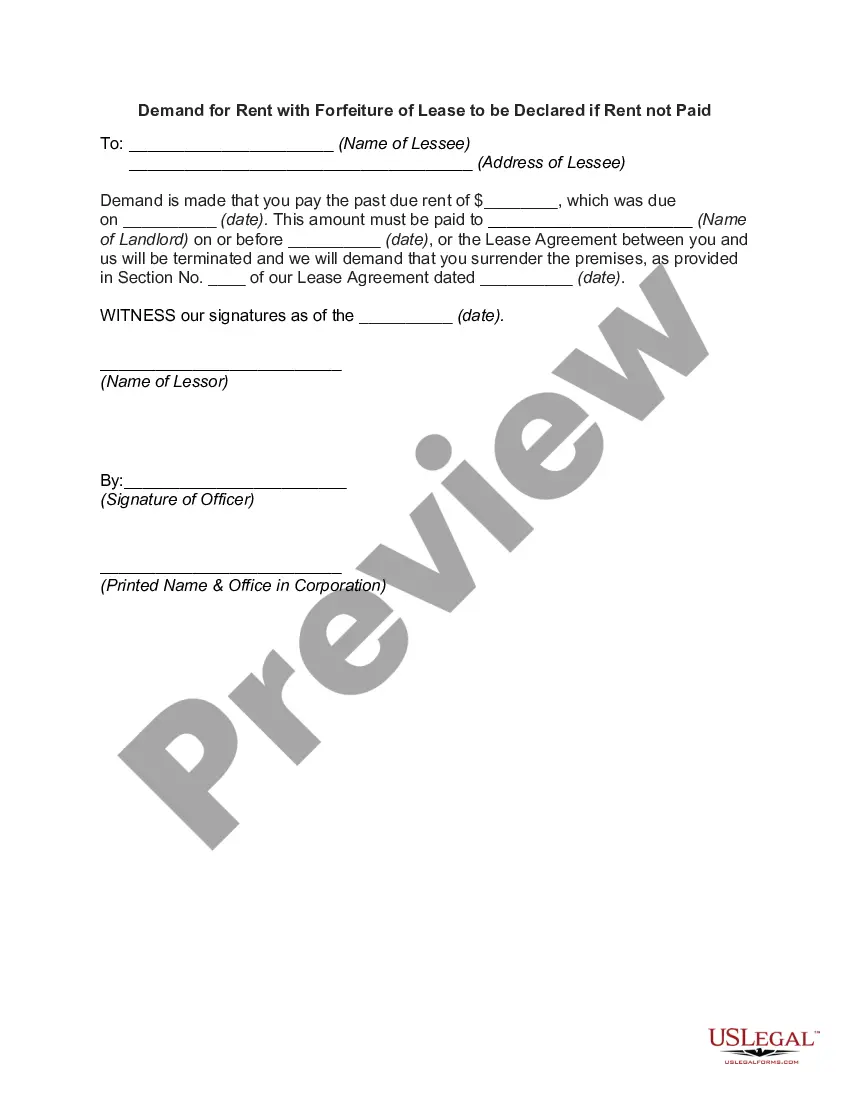
This notice should be used when a tenant is in default on their commercial lease, primarily in situations involving missed rent payments or any significant violations of lease terms. Landlords should issue this form before taking any legal actions such as eviction, to officially inform the tenant of their non-compliance and provide an opportunity to resolve the issue.
Who can use this document
- Landlords of commercial properties who need to notify tenants of lease violations.
- Property managers acting on behalf of landlords regarding lease enforcement.
- Real estate professionals seeking to ensure legal compliance in landlord-tenant relationships.
How to prepare this document
- Identify the parties involved, including the landlord and tenant names.
- Specify the lease terms that the tenant has violated.
- Clearly state the deadline by which the tenant must cure the breach.
- Sign and date the notice to validate the formal communication.
- Deliver the notice to the tenant via appropriate means, ensuring compliance with local laws.
Is notarization required?
This form does not typically require notarization to be legally valid. However, some jurisdictions or document types may still require it. US Legal Forms provides secure online notarization powered by Notarize, available 24/7 for added convenience.
Get your form ready online
Our built-in tools help you complete, sign, share, and store your documents in one place.
Make edits, fill in missing information, and update formatting in US Legal Forms—just like you would in MS Word.
Download a copy, print it, send it by email, or mail it via USPS—whatever works best for your next step.
Sign and collect signatures with our SignNow integration. Send to multiple recipients, set reminders, and more. Go Premium to unlock E-Sign.
If this form requires notarization, complete it online through a secure video call—no need to meet a notary in person or wait for an appointment.
We protect your documents and personal data by following strict security and privacy standards.
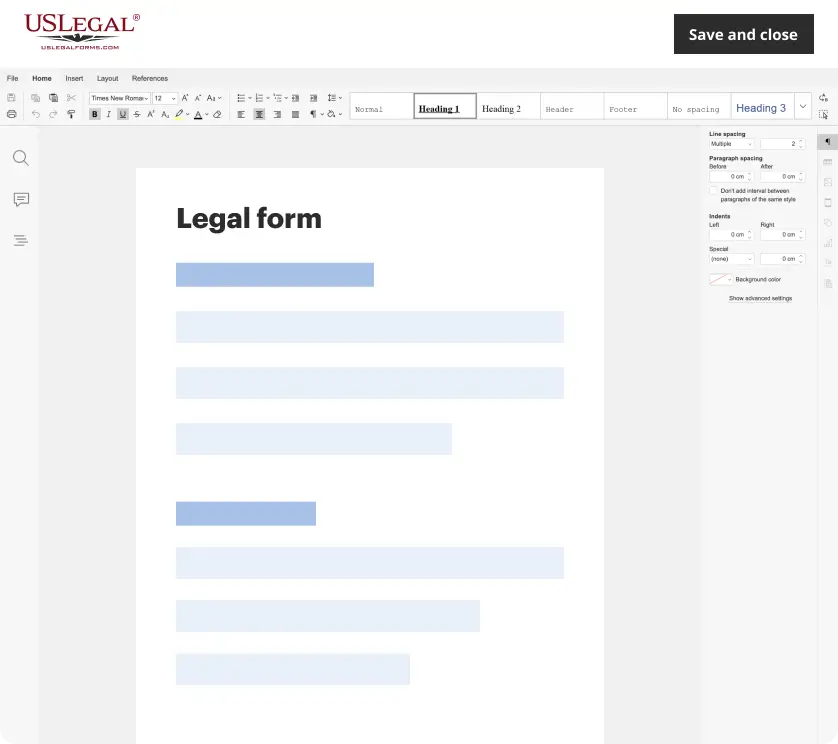
Make edits, fill in missing information, and update formatting in US Legal Forms—just like you would in MS Word.
Download a copy, print it, send it by email, or mail it via USPS—whatever works best for your next step.
Sign and collect signatures with our SignNow integration. Send to multiple recipients, set reminders, and more. Go Premium to unlock E-Sign.
If this form requires notarization, complete it online through a secure video call—no need to meet a notary in person or wait for an appointment.
We protect your documents and personal data by following strict security and privacy standards.
Mistakes to watch out for
- Failing to deliver the notice properly, which can invalidate the notice.
- Not including specific details of the lease violations, leading to confusion.
- Missing the deadline for the tenant to cure the default, which can affect the landlord's rights.
- Neglecting to keep a copy of the notice for personal records.
Benefits of using this form online
- Convenient access to a legally vetted template that ensures compliance with basic legal standards.
- Editable format allows for quick adjustments to meet specific needs.
- Immediate availability for quick action in urgent situations regarding lease violations.
Legal use & context
- A Notice of Default is an essential component of the eviction process in commercial leasing.
- The notice must comply with local laws regarding notification and timelines to ensure enforceability.
- Properly documenting the notice is critical if disputes arise after eviction proceedings.
Main things to remember
- This form informs tenants of their lease violations and provides a path to remedy.
- Address specific breaches to avoid legal disputes.
- Compliance with local laws is necessary for effective action against non-compliant tenants.
Looking for another form?
Form popularity
FAQ
The purpose of a notice of default, such as the Minnesota Letter from Landlord to Tenant as Notice of Default on Commercial Lease, is to formally inform the tenant of their lease violations. This document outlines the specific issues and provides a chance for the tenant to correct them. It is an important step in the process of lease enforcement, ensuring that both parties understand their rights and responsibilities. Using resources like USLegalForms can help landlords create accurate and effective notices that meet legal requirements.
To create a Minnesota Letter from Landlord to Tenant as Notice of Default on Commercial Lease, start by clearly stating the date and the parties involved. Include specific details about the lease agreement, such as the lease term and the default issue. Next, outline the steps the tenant must take to remedy the default, and provide a deadline for compliance. Using USLegalForms can simplify this process, as it offers templates that ensure your notice letter meets all legal requirements.
If a tenant defaults on a commercial lease, landlords have various remedies available, including seeking damages, terminating the lease, or pursuing eviction. The Minnesota Letter from Landlord to Tenant as Notice of Default on Commercial Lease serves as an initial step to inform the tenant of the default and the potential consequences. Utilizing the resources available on uslegalforms can help you navigate these remedies effectively.
Landlords in a commercial lease have several legal obligations, including providing a safe and habitable premises, maintaining the property, and ensuring compliance with local laws. Additionally, landlords must respect the tenant's right to quiet enjoyment of the property. Being aware of these obligations can help you avoid disputes and ensure a smooth landlord-tenant relationship.
The default provision on a commercial lease outlines the conditions under which the landlord can take action if the tenant fails to meet their obligations. This provision typically includes payment defaults, failure to maintain the property, and other breaches of the lease terms. Understanding this clause can help you draft a clear Minnesota Letter from Landlord to Tenant as Notice of Default on Commercial Lease when issues arise.
Evicting a commercial tenant in Minnesota involves several steps, starting with serving the Minnesota Letter from Landlord to Tenant as Notice of Default on Commercial Lease. If the tenant fails to remedy the default, you can file an eviction suit in the appropriate court. It's essential to follow the legal process carefully to avoid complications, and using the right forms can make this process smoother.
To serve notice on a commercial tenant in Minnesota, you must follow the legal requirements set forth in the lease agreement. Typically, you can deliver the Minnesota Letter from Landlord to Tenant as Notice of Default on Commercial Lease in person, by certified mail, or through a process server. Make sure to keep a copy of the notice for your records and document the method of delivery to ensure compliance with local laws.
A notice of default on a commercial lease is a formal notification from the landlord to the tenant indicating that the tenant has failed to comply with the lease terms. This document typically outlines the specific breaches, such as unpaid rent or unauthorized use of the property. Sending a Minnesota Letter from Landlord to Tenant as Notice of Default on Commercial Lease is an important step for landlords to protect their rights and initiate the remedy process.
To give notice to a commercial tenant, you should follow the procedures outlined in the lease agreement and state laws. A written notice, such as a Minnesota Letter from Landlord to Tenant as Notice of Default on Commercial Lease, is often required to inform the tenant of their default and the landlord's intentions. This letter should clearly state the issues, the required actions, and any deadlines to comply.
Defaulting on a commercial lease can lead to serious consequences for the tenant. Typically, the landlord may initiate eviction proceedings or seek damages for lost rent and other expenses. To formally address the default, the landlord may send a Minnesota Letter from Landlord to Tenant as Notice of Default on Commercial Lease, which serves as a crucial step in the resolution process.