Michigan Letter from Landlord to Tenant as Notice to Tenant of Tenant's Disturbance of Neighbors' Peaceful Enjoyment to Remedy or Lease Terminates
About this form
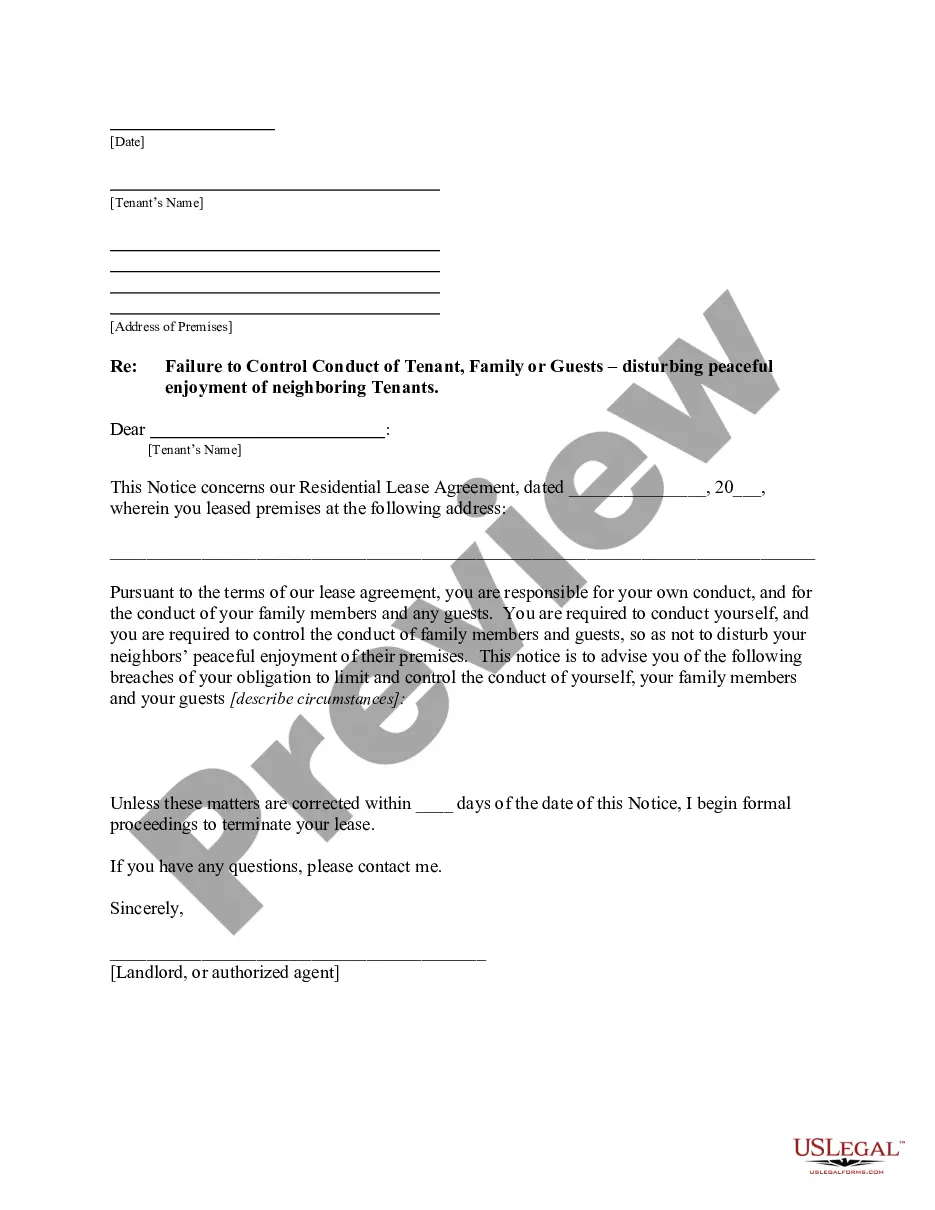
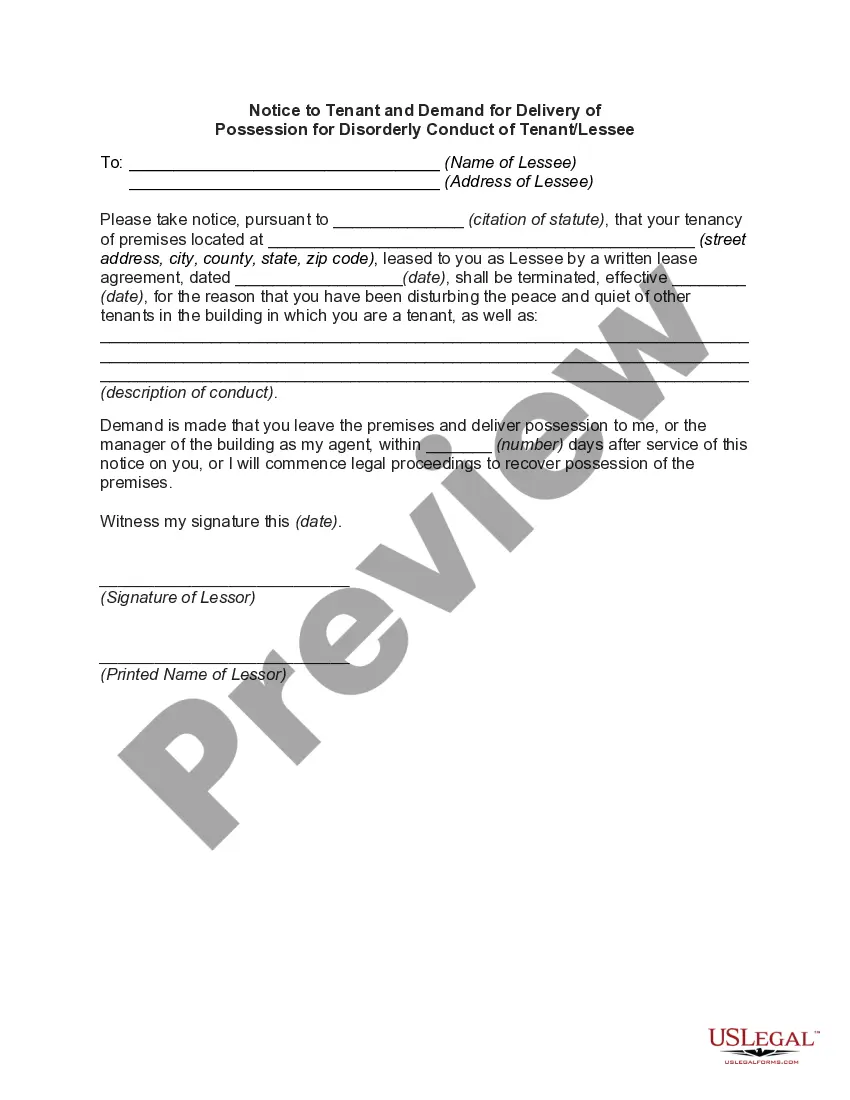
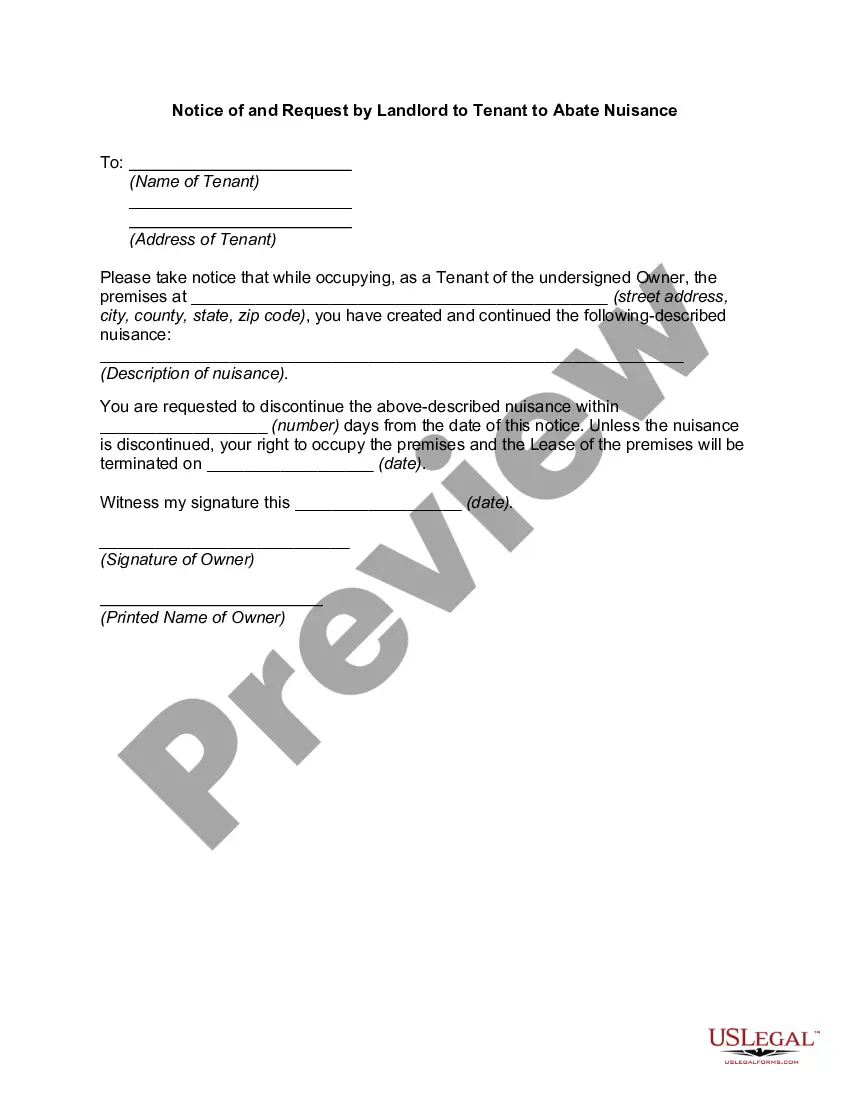
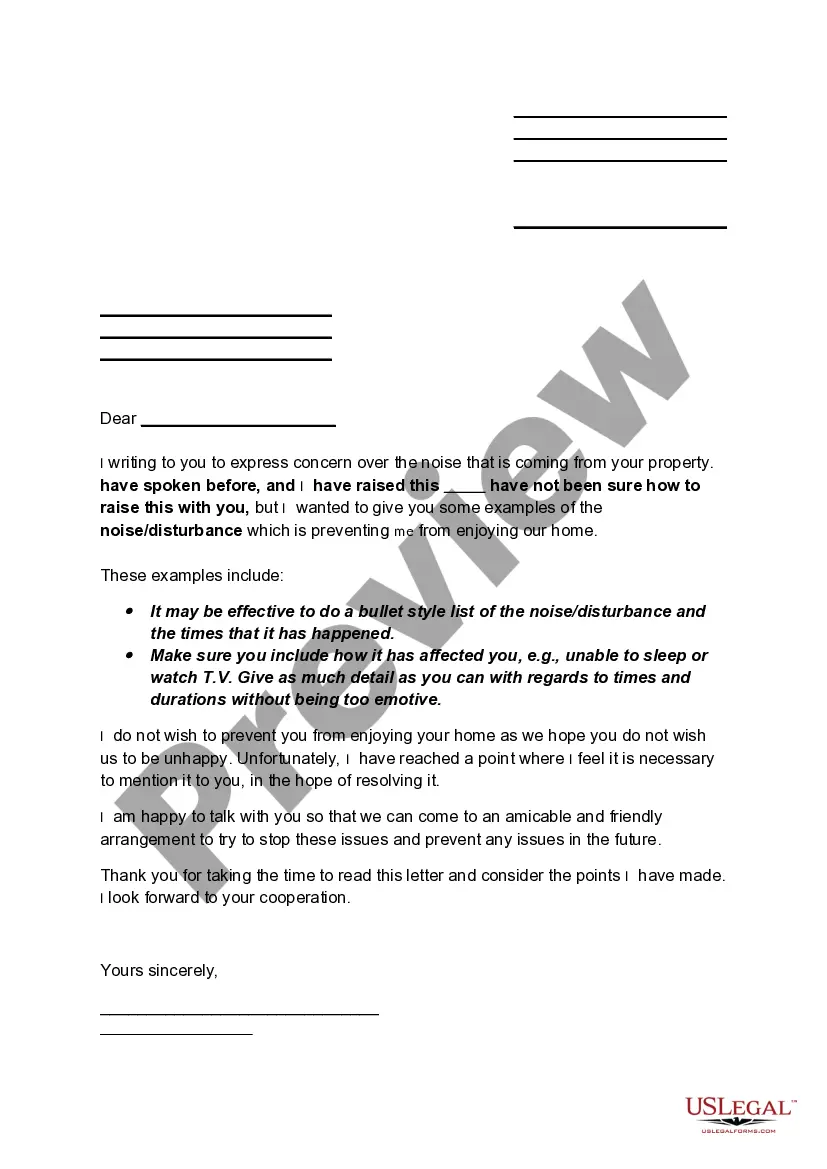
This form is a Letter from Landlord to Tenant as Notice to Tenant of Tenant's Disturbance of Neighbors' Peaceful Enjoyment to Remedy or Lease Terminates. This official notice informs the tenant about their breaches regarding the peaceful enjoyment of neighbors. It is essential for landlords to communicate issues that disrupt the quiet enjoyment rights of others, ensuring tenants understand the consequences of their actions and the potential for lease termination.
Key parts of this document
- Identification of the landlord and tenant involved.
- Details of the disturbance affecting neighbors' rights.
- Notification of the tenant's obligations to control their behavior and that of their guests.
- Information on potential remedies or lease termination if the situation is not resolved.
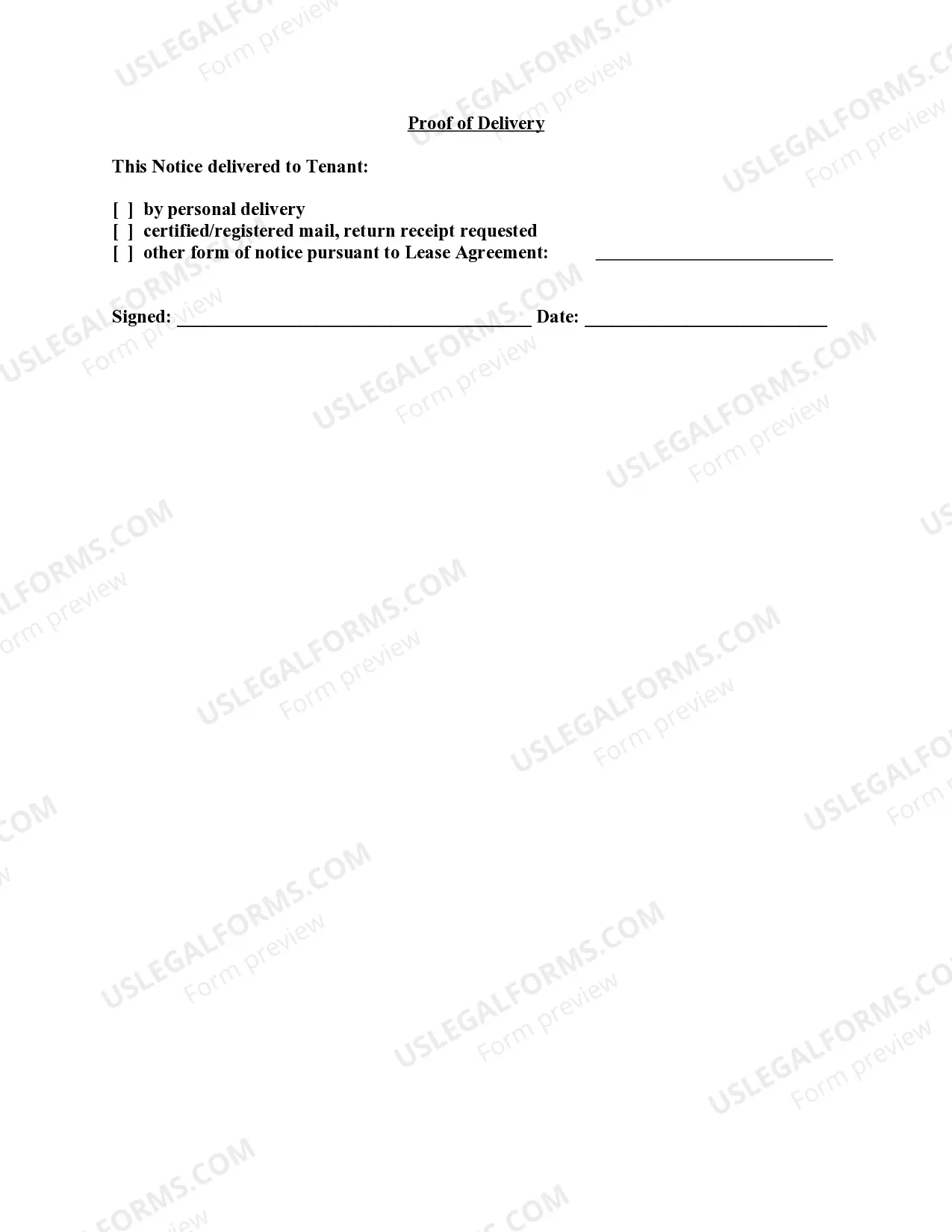
- Proof of delivery method to confirm the notice has been received by the tenant.


Common use cases
This form should be used when a tenant's actions are disturbing the peaceful enjoyment of neighboring properties. Examples include excessive noise, disruptive gatherings, or behavior that interferes with neighbor relations. If these disturbances are not addressed, this notice serves to inform the tenant of their obligations and the risks of lease termination.
Who should use this form
This notice is appropriate for:
- Landlords who need to formalize communication regarding tenant disturbances.
- Property management companies representing landlords.
- Landlords in residential properties who have received complaints from neighbors.
Steps to complete this form
- Identify the landlord and tenant by entering their full names and addresses.
- Describe the specific disturbances that have occurred, providing clear examples.
- State the tenant's obligations regarding maintaining peaceful enjoyment for neighbors.
- Include the consequences, such as lease termination if the issues are not remedied.
- Sign the document as the landlord or authorized agent and aid its delivery to the tenant.
Notarization guidance
Notarization is generally not required for this form. However, certain states or situations might demand it. You can complete notarization online through US Legal Forms, powered by Notarize, using a verified video call available anytime.
Get your form ready online
Our built-in tools help you complete, sign, share, and store your documents in one place.
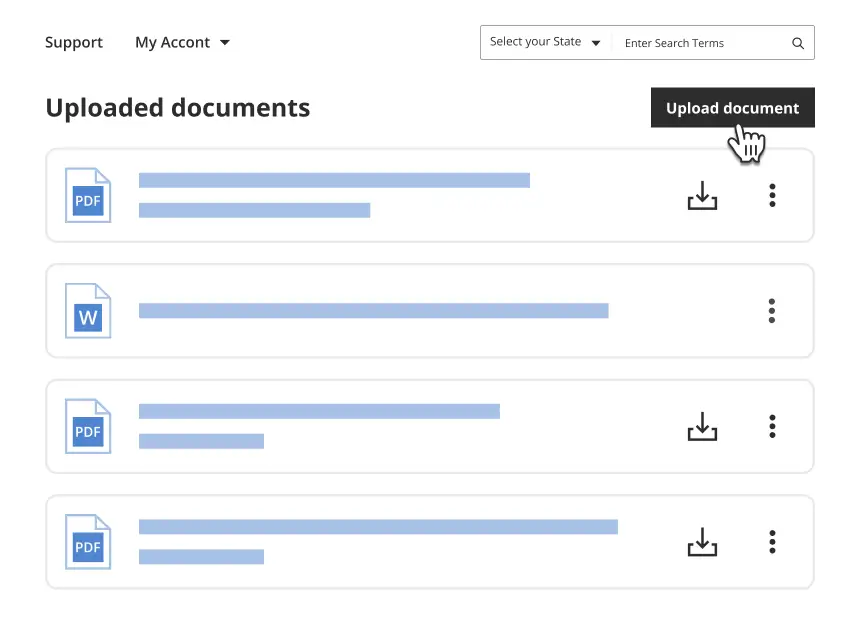
Make edits, fill in missing information, and update formatting in US Legal Forms—just like you would in MS Word.
Download a copy, print it, send it by email, or mail it via USPS—whatever works best for your next step.
Sign and collect signatures with our SignNow integration. Send to multiple recipients, set reminders, and more. Go Premium to unlock E-Sign.
If this form requires notarization, complete it online through a secure video call—no need to meet a notary in person or wait for an appointment.
We protect your documents and personal data by following strict security and privacy standards.
Make edits, fill in missing information, and update formatting in US Legal Forms—just like you would in MS Word.
Download a copy, print it, send it by email, or mail it via USPS—whatever works best for your next step.
Sign and collect signatures with our SignNow integration. Send to multiple recipients, set reminders, and more. Go Premium to unlock E-Sign.
If this form requires notarization, complete it online through a secure video call—no need to meet a notary in person or wait for an appointment.
We protect your documents and personal data by following strict security and privacy standards.
Typical mistakes to avoid
- Failing to provide specific details about the disturbances.
- Not including proof of delivery or proper signatures.
- Using vague language instead of clear descriptions of the tenant's behavior.
- Neglecting to cite obligations set forth in the lease.
Why use this form online
- Easy access to legally drafted templates, ensuring accuracy and compliance.
- Editable format allows landlords to customize the notice for specific situations.
- Quick download options facilitate immediate action on tenant disturbances.
Legal use & context
This letter is a crucial step in legal proceedings related to lease agreements. It serves to document tenant behavior and establishes a timeline of communication, which can be essential for future legal actions, such as eviction processes.
Main things to remember
- The form provides a structured way for landlords to address tenant disturbances legally.
- It's an important tool for maintaining the rights of neighbors and the obligations of tenants.
- Proper completion and delivery of the notice can prevent further legal complications.
Looking for another form?
Form popularity
FAQ
According to Nolo, quiet enjoyment is The right of a property owner or tenant to enjoy his or her property without interference. Disruption of quiet enjoyment may constitute a legal nuisance.
Unconditional quit notices are used to order the tenant to leave the premises without the chance to remedy the situation. This is used for a serious breach of the lease agreement or chronic late rent payment.
Notice of Entry Laws in Michigan There is no notice of entry law in Michigan. According to our survey of Michigan landlords, must provide their tenants 24-hour notice before entering the unit.
In Michigan, the landlord must give the tenant at least 7 days' notice before filing to evict for non-payment of rent, for causing damage to the home, or for creating a health hazard.
Tenant Rights to Withhold Rent in MichiganTenants may withhold rent or exercise the right to repair and deduct if a landlord fails to take care of important repairs, such as a broken heater. For specifics, see Michigan Tenant Rights to Withhold Rent or Repair and Deduct.
Unfortunately that is not the case. Once a break notice has been served is cannot be unilaterally withdrawn. Even if both parties agree that the notice is withdrawn, service of the notice terminates the existing lease and creates a new tenancy by implication. There are a number of consequences that flow from this.
Let's be clear, other than in emergency it's illegal for a landlord or agent to enter a property without agreement from the tenant. The golden rule to abide by is always to provide your tenants with written notice at least 24 hours before any planned visits.
A Covenant that promises that the grantee or tenant of an estate in real property will be able to possess the premises in peace, without disturbance by hostile claimants. Quiet enjoyment is a right to the undisturbed use and enjoyment of real property by a tenant or landowner.
Your landlord can't enter your home without permission except in an emergency. If there is a problem that your landlord needs to enter your home to fix, you should be given notice a reasonable time before the landlord plans to enter.