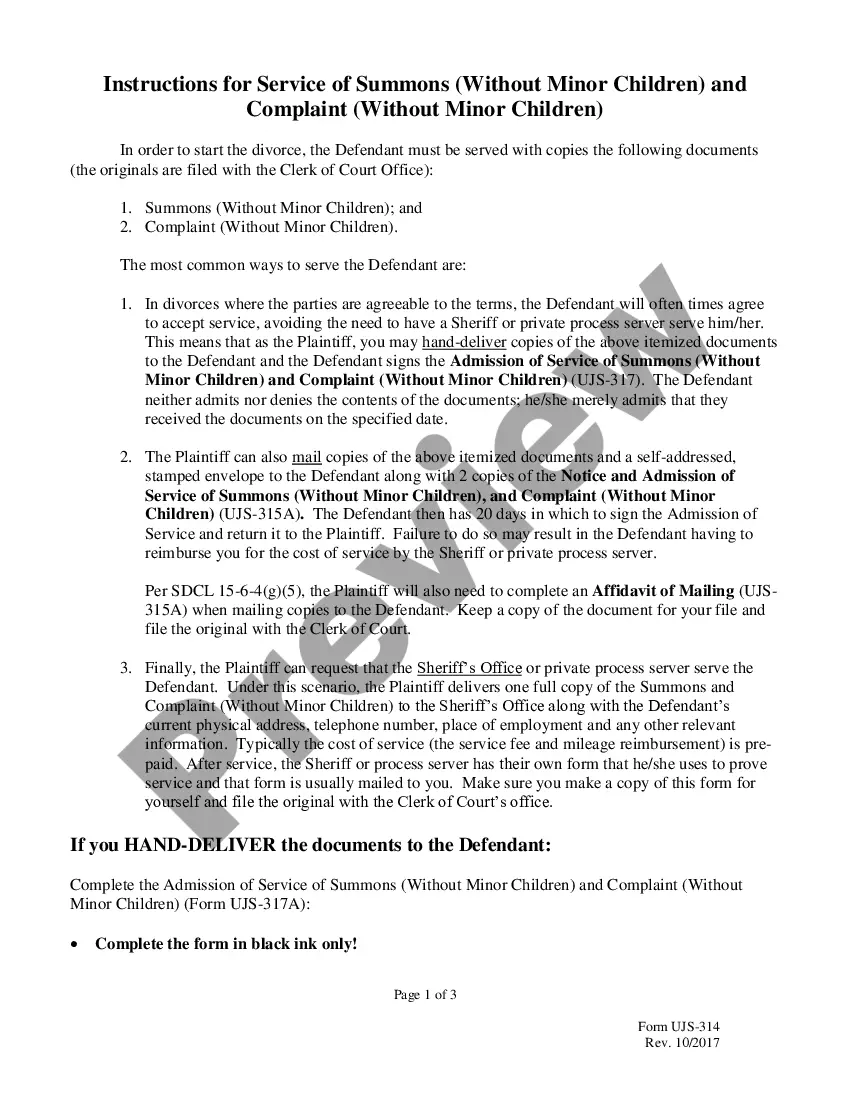
Michigan Letter from Landlord to Tenant for Failure to use electrical, plumbing, sanitary, heating, ventilating, air conditioning and other facilities in a reasonable manner
Overview of this form
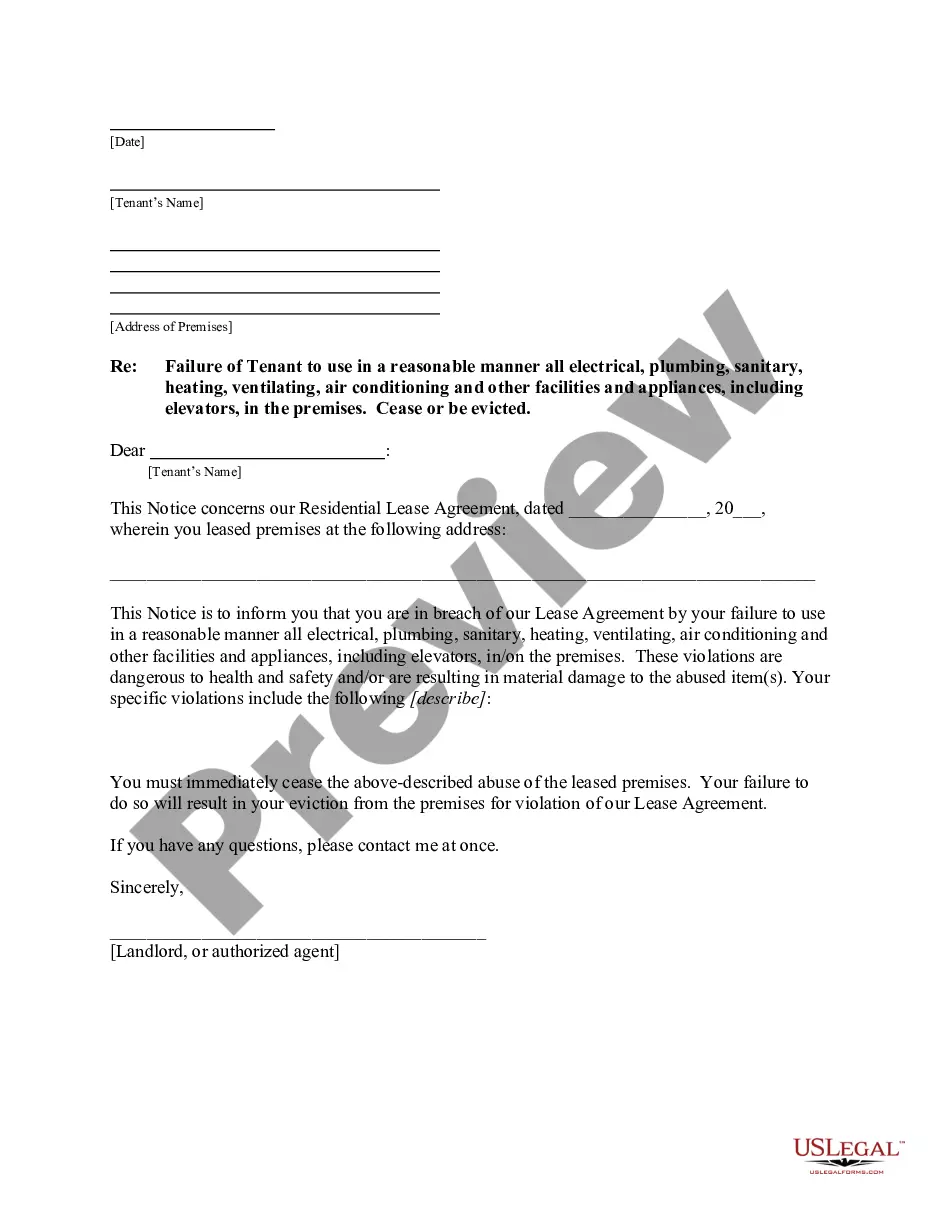
This form is a formal notice from a landlord to a tenant regarding the improper use of electrical, plumbing, heating, and other facilities as stipulated in the lease agreement. It serves as a cease or eviction notice when the tenant fails to adhere to the expected standards of care for these essential amenities. By using this letter, landlords can communicate the consequences of continued misuse while ensuring compliance with legal requirements.
Key components of this form
- Identification of the landlord and tenant
- Details of the lease agreement
- Description of the facilities and appliances misused
- Statement on potential eviction consequences
- Landlordâs contact information
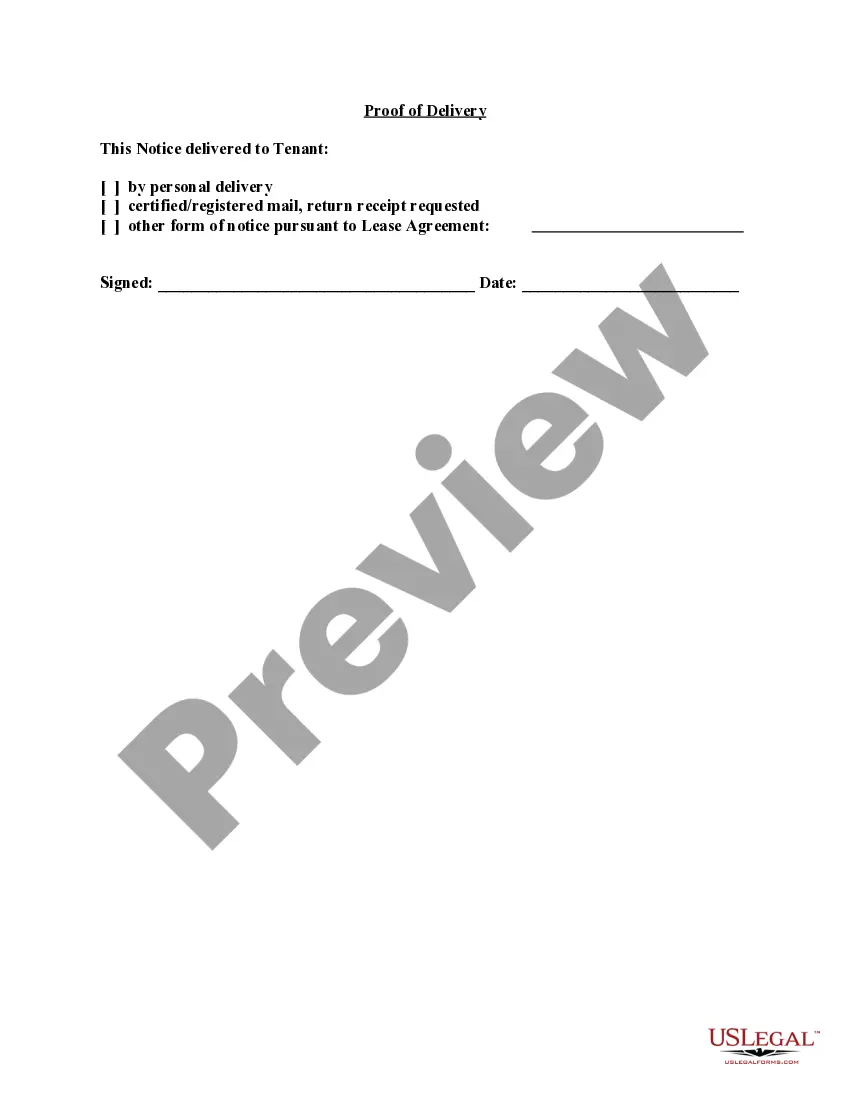
- Proof of delivery options

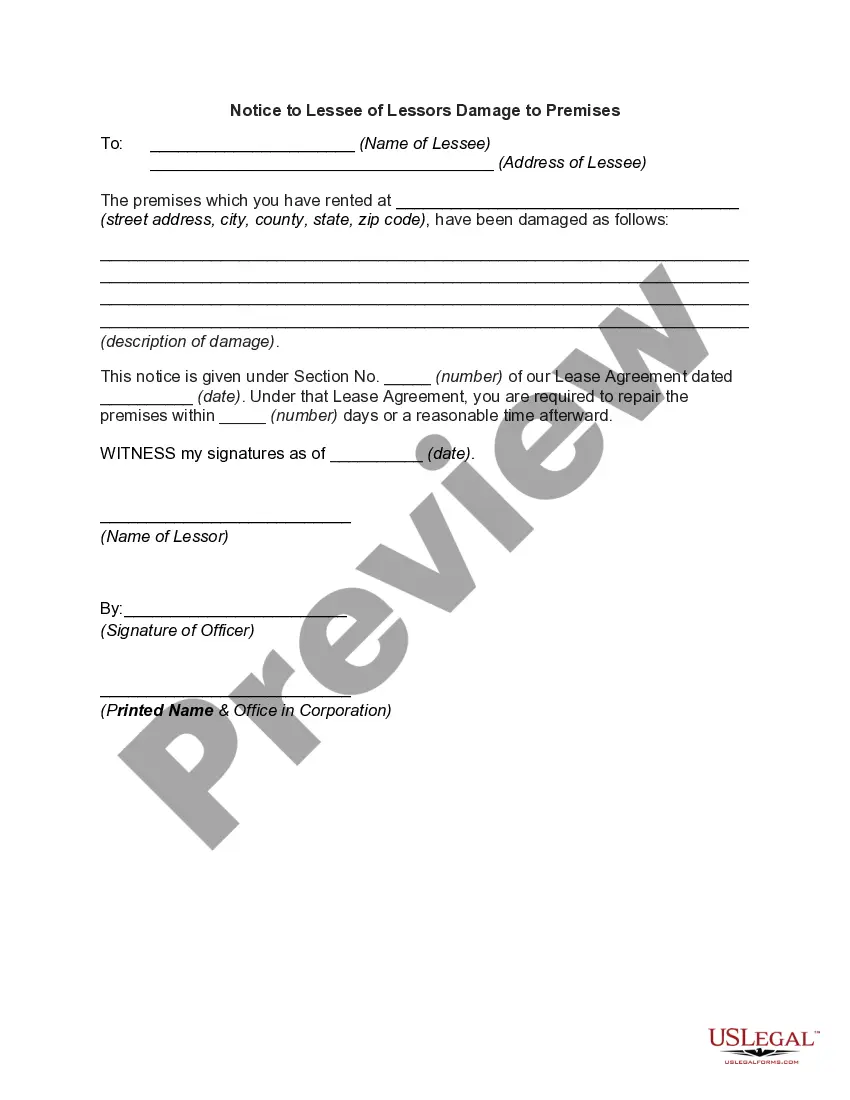
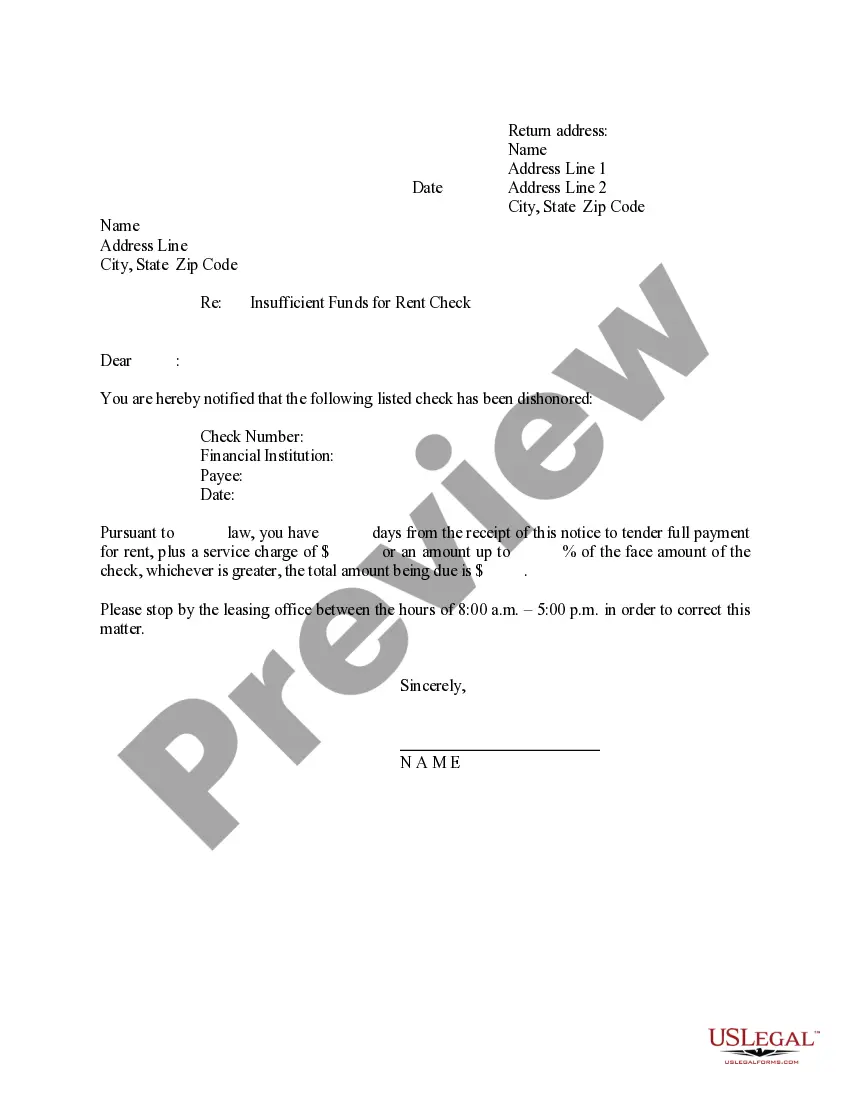
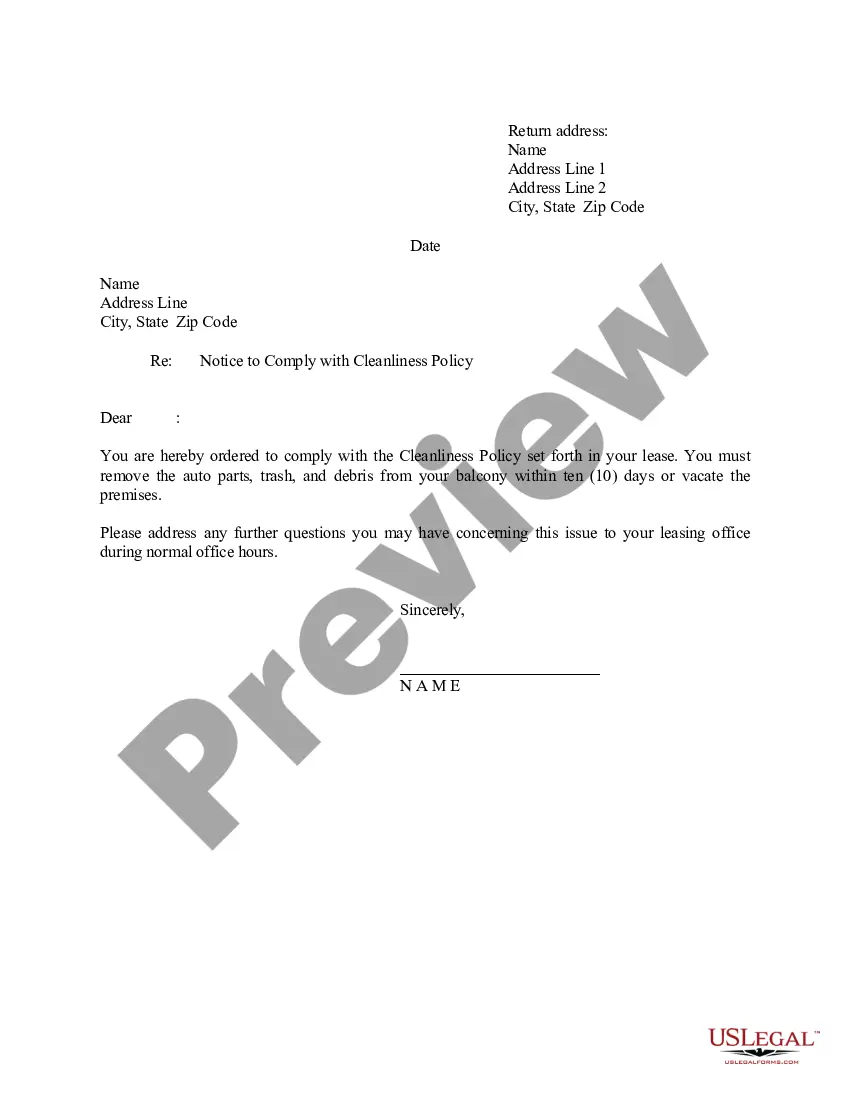

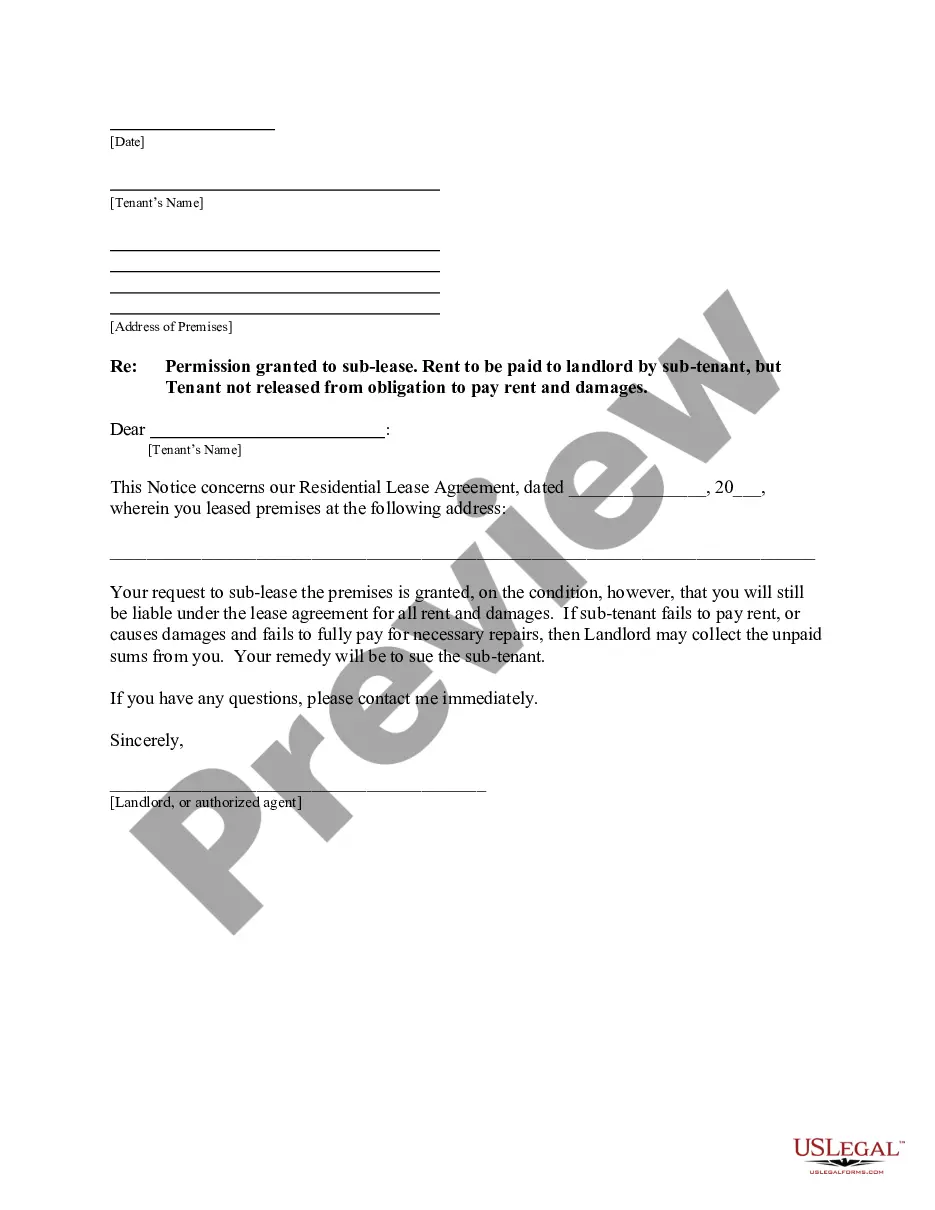
When to use this form
This form should be used when a tenant has misused essential facilities, such as electrical, plumbing, or heating systems, in a manner that violates the lease agreement. It is appropriate before initiating eviction proceedings if the tenant continues the misuse after being notified.
Who this form is for
- Landlords who have tenants in breach of the lease terms
- Property managers acting on behalf of a landlord
- Real estate professionals needing to enforce lease agreements
Steps to complete this form
- Identify and list the landlordâs and tenantâs names and addresses.
- Specify the property address and details of the lease agreement.
- Clearly describe how the tenant has misused the facilities.
- Outline the potential consequences for continued misuse, including eviction.
- Enter the landlordâs contact information for direct communication.
- Document the proof of delivery method chosen for sending the notice.
Notarization requirements for this form
This form does not typically require notarization unless specified by local law.
Get your form ready online
Our built-in tools help you complete, sign, share, and store your documents in one place.
Make edits, fill in missing information, and update formatting in US Legal Forms—just like you would in MS Word.
Download a copy, print it, send it by email, or mail it via USPS—whatever works best for your next step.
Sign and collect signatures with our SignNow integration. Send to multiple recipients, set reminders, and more. Go Premium to unlock E-Sign.
If this form requires notarization, complete it online through a secure video call—no need to meet a notary in person or wait for an appointment.
We protect your documents and personal data by following strict security and privacy standards.

Make edits, fill in missing information, and update formatting in US Legal Forms—just like you would in MS Word.

Download a copy, print it, send it by email, or mail it via USPS—whatever works best for your next step.

Sign and collect signatures with our SignNow integration. Send to multiple recipients, set reminders, and more. Go Premium to unlock E-Sign.

If this form requires notarization, complete it online through a secure video call—no need to meet a notary in person or wait for an appointment.

We protect your documents and personal data by following strict security and privacy standards.
Typical mistakes to avoid
- Not providing complete contact information for the landlord.
- Failure to clearly describe the misuse of facilities.
- Neglecting to specify the deadline for compliance.
- Not keeping a copy of the notice for records.
Benefits of using this form online
- Quick and convenient access to professionally drafted documents.
- Ability to edit and customize the form to specific needs.
- Reliable templates that ensure legal compliance.
Legal use & context
- This form serves as a formal notice which may be required before initiating eviction proceedings.
- Proper completion and delivery can support the landlord's claims in court if necessary.
- Understanding rights and responsibilities under the lease is essential for both landlords and tenants.
What to keep in mind
- This form serves as a warning to the tenant about improper use of facilities.
- The notice outlines potential consequences, including eviction.
- Proper completion and delivery are critical for effective communication.
Looking for another form?
Form popularity
FAQ
Include a company or personal letterhead. If you do not have a letter head create one that includes your name, address and contact information such as phone number and email. Include the date in the top left corner. Include the tenant's name and address below the date.
Form W-147 "Letter to Landlord/Management Agent - Request for Residence Verification" - New York City.
State the purpose of the letter. In the first paragraph, explain that you are writing to verify that the tenants live on your property. Also include the address where they live. For example, you can write, I am writing to confirm that Mr.
Be calm, objective, and rational. Keep written records of everything. Teach tenants how they should treat you. Try to get your tenants on your side. Ask the terrible tenants to leave. Begin the eviction process. Hire a property manager.
To give you an idea, it's in good taste to start your letter "Dear Mr./Ms. Insert Name Here," as is the case with any polite letter. No matter how much you might want to give your landlord a piece of your mind, do yourself a favor and refrain from calling him a slumlord.
One of the best ways to tell if an individual makes a good tenant is if they are respectful. Not only does a good tenant pay the rent and other bills on time, but they take care of maintenance issues that are their responsibility. If they respect you as a landlord, they will alert you if something needs your attention.
Addresses. Date. Tenant names. Status and date of the lease. Why the eviction notice is served (clear and concise explanation) Date tenant must vacate the property. Proof of service or delivery of notice.
Begin the letter with the date on which you mail or deliver the letter in person. Include your name, address and phone number, followed by the tenant's name and address. You can also insert a subject line that summarizes the reason for the letter to vacate. Start with a salutation, followed by your tenant's name.
Explain the Situation Tell your tenant in straightforward terms what the problem is, and explain that they cannot stay on the property any longer. Describe the Consequences Calmly explain that they will be evicted with necessary court orders if they remain on the property.