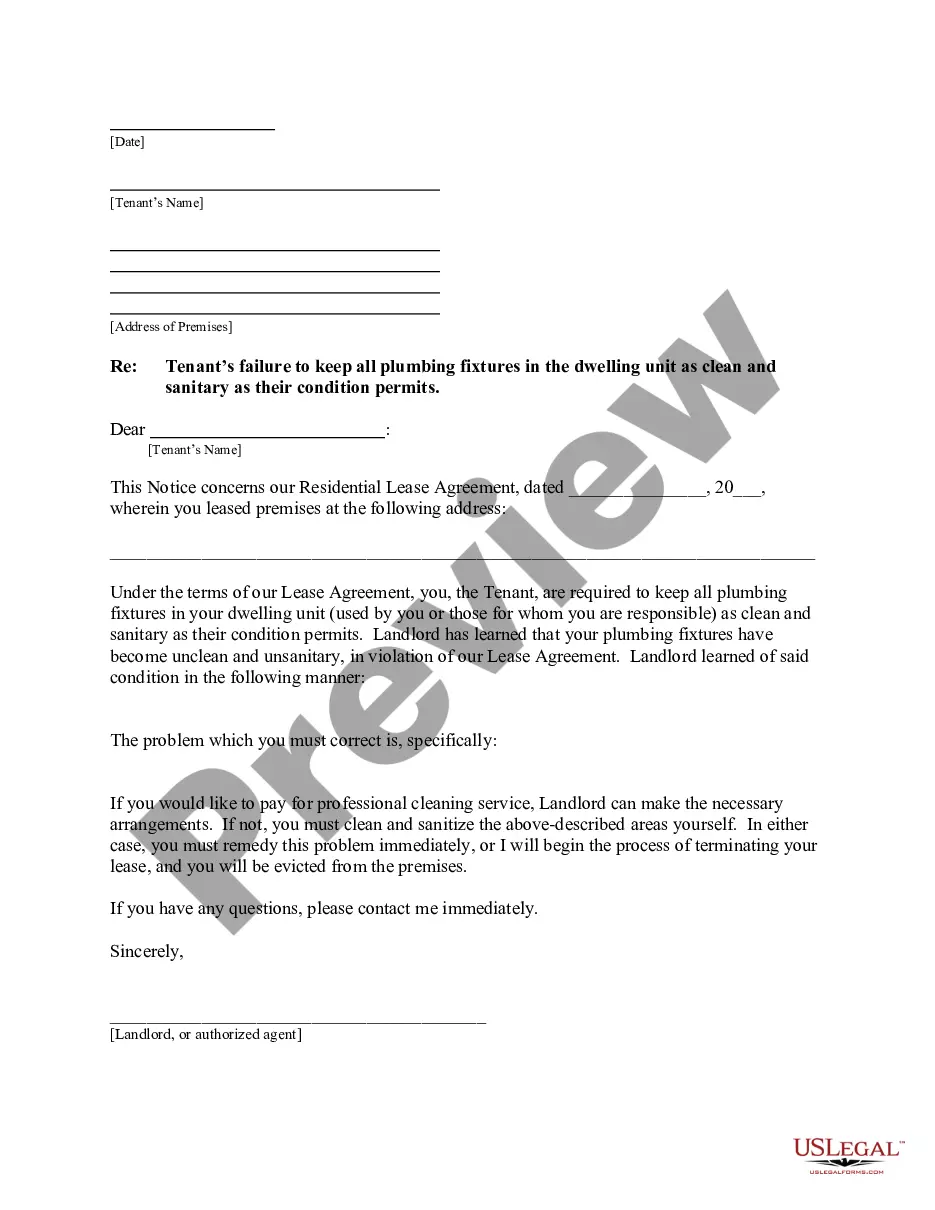
Maryland Letter from Tenant to Landlord about Landlord's refusal to allow sublease is unreasonable
Overview of this form
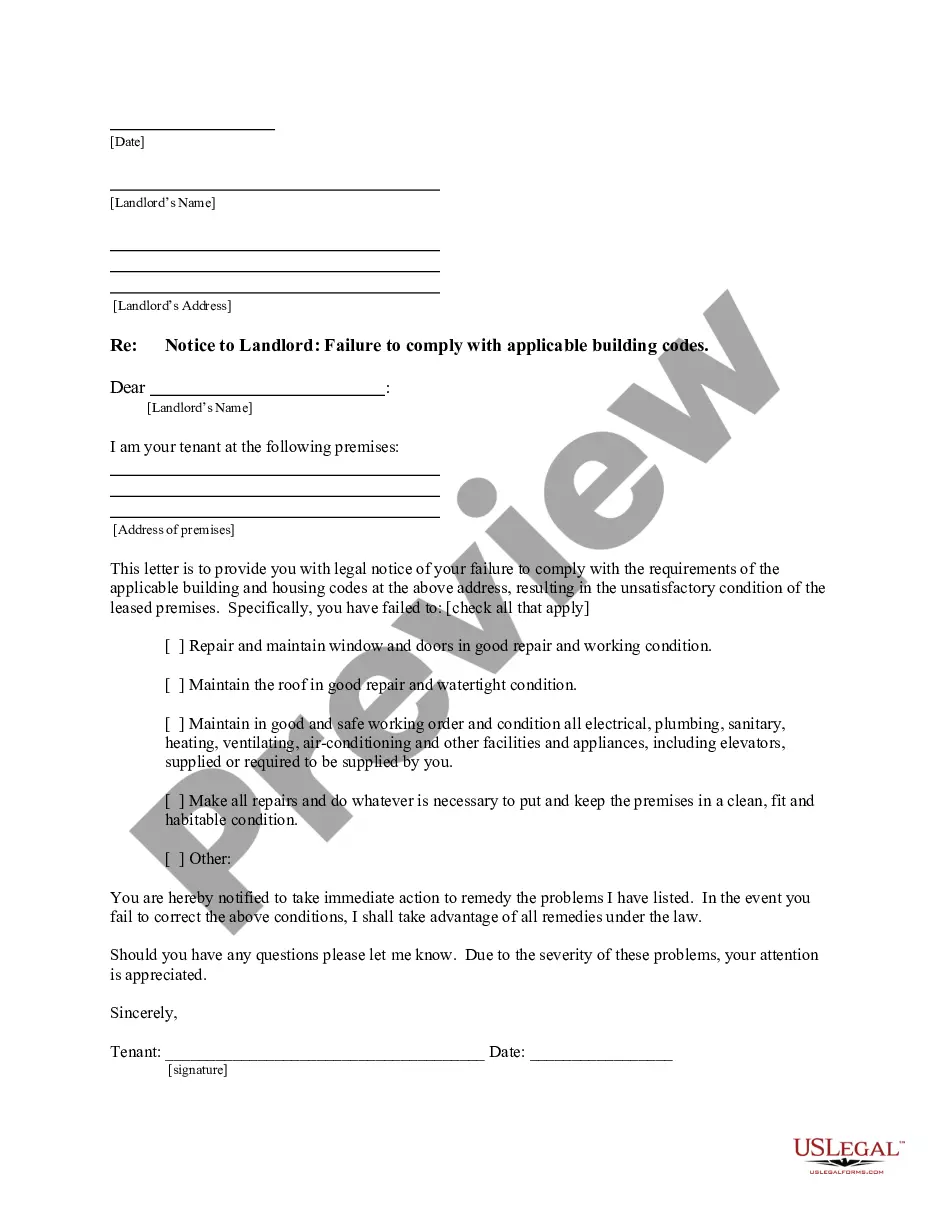
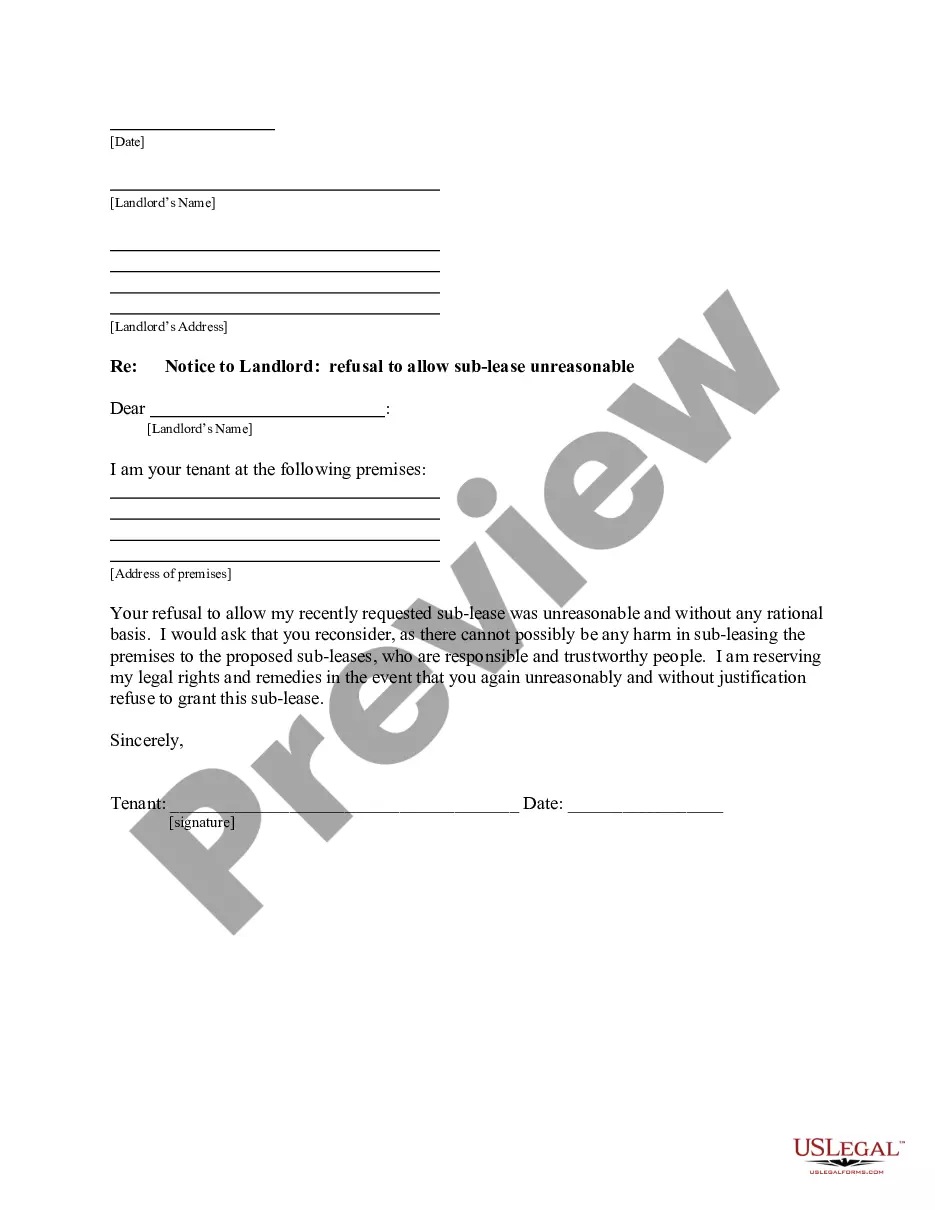
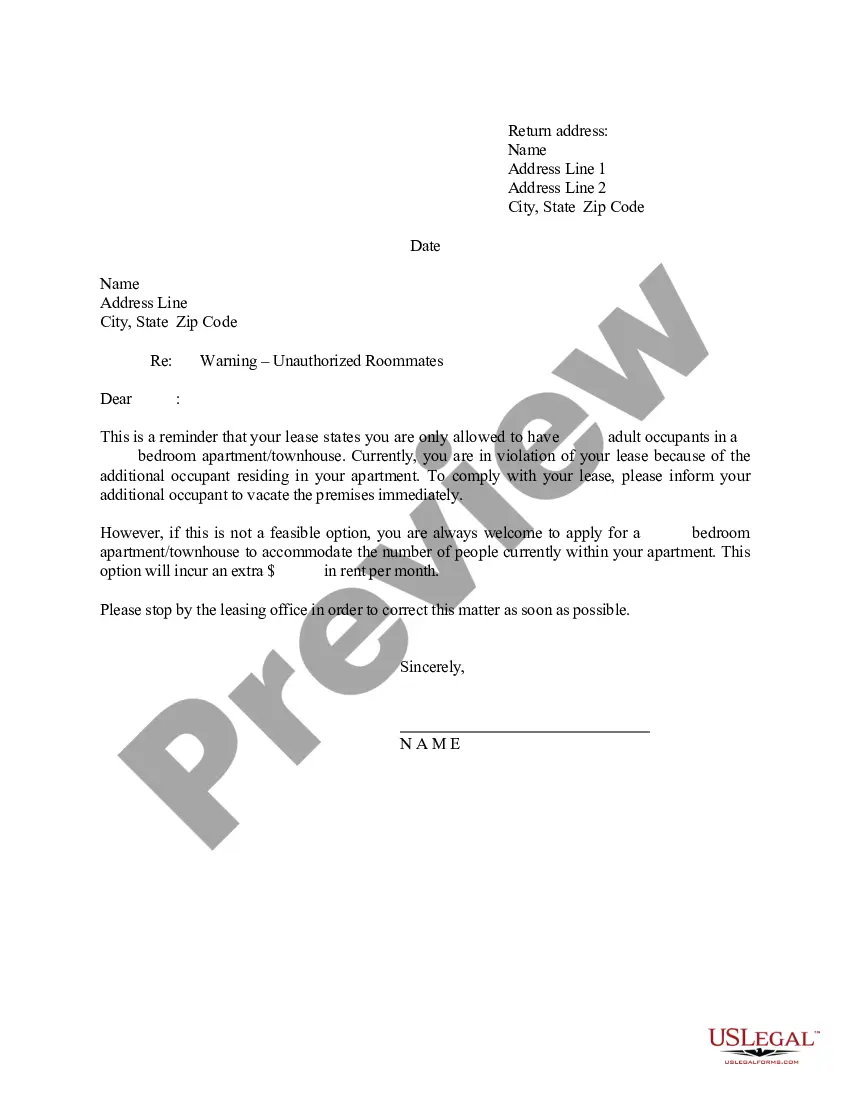
This Letter from Tenant to Landlord about Landlord's refusal to allow sublease is unreasonable is a formal communication from a tenant to their landlord. It addresses the landlord's unreasonable refusal to permit the tenant to sublease the rental property. This letter serves to inform the landlord that the tenant believes their refusal is unjust and that the tenant reserves the right to seek legal remedies if the situation persists. Unlike general complaint letters, this form specifically focuses on subleasing issues in landlord-tenant relationships.
What’s included in this form
- Identification of the Tenant and Landlord: Clearly states the names and addresses of both parties.
- Date of the Letter: Indicates when the letter is being sent.
- Details of the Sublease Request: Explains the tenant's request to sublease the property.
- Statement of the Tenant's Rights: Informs the landlord of the tenant's legal rights regarding subleasing.
- Signature of the Tenant: Provides a space for the tenant to sign, affirming the contents of the letter.

When this form is needed
This form should be used when a tenant intends to sublease their rental property but faces refusal from the landlord. It is particularly relevant in situations where the tenant believes the landlord's refusal is unreasonable and wishes to formally document their disagreement. This letter serves as a crucial step in any potential legal disputes regarding subleasing the property.
Who needs this form
- Current tenants seeking to sublease their rental unit.
- Tenants who have received an unreasonable refusal from their landlord regarding a sublease.
- Individuals who want to document their communication with the landlord regarding subleasing rights.
Instructions for completing this form
- Identify the parties: Fill in the names and addresses of both the tenant and the landlord.
- Specify the date: Write the date when you send the letter.
- Detail your request: Clearly explain the request to sublease and mention the landlord's refusal.
- State your rights: Include a statement reserving your legal rights if the landlord continues to deny your request.
- Sign the letter: Provide your signature to formalize the document.
Notarization requirements for this form
Notarization is generally not required for this form. However, certain states or situations might demand it. You can complete notarization online through US Legal Forms, powered by Notarize, using a verified video call available anytime.
Get your form ready online
Our built-in tools help you complete, sign, share, and store your documents in one place.
Make edits, fill in missing information, and update formatting in US Legal Forms—just like you would in MS Word.
Download a copy, print it, send it by email, or mail it via USPS—whatever works best for your next step.
Sign and collect signatures with our SignNow integration. Send to multiple recipients, set reminders, and more. Go Premium to unlock E-Sign.
If this form requires notarization, complete it online through a secure video call—no need to meet a notary in person or wait for an appointment.
We protect your documents and personal data by following strict security and privacy standards.

Make edits, fill in missing information, and update formatting in US Legal Forms—just like you would in MS Word.

Download a copy, print it, send it by email, or mail it via USPS—whatever works best for your next step.

Sign and collect signatures with our SignNow integration. Send to multiple recipients, set reminders, and more. Go Premium to unlock E-Sign.

If this form requires notarization, complete it online through a secure video call—no need to meet a notary in person or wait for an appointment.

We protect your documents and personal data by following strict security and privacy standards.
Common mistakes to avoid
- Failing to clearly specify the sublease details.
- Not including a date for accountability.
- Omitting to reserve legal rights in the letter.
- Using informal language when a professional tone is required.
Advantages of online completion
- Convenience of completing the form from anywhere at any time.
- Editability allows for personalized changes specific to your situation.
- Immediate access to legal templates drafted by licensed attorneys.
- Secure storage of your documents for future reference.
Looking for another form?
Form popularity
FAQ
If a court finds you guilty of the first offence of unlawful subletting, you can be fined in the magistrates' court.At the magistrates' court, you can get up to six months in prison or a fine, or both. At the Crown Court the maximum penalty is imprisonment for two years or a fine, or both.
While tenants cannot unreasonably deny access to a landlord, landlords must also follow all of the state and local rules regarding access to tenants' apartments. Roughly half of states have rules governing landlord entry into tenants' apartments.
A subtenant is someone who has the right to use and occupy rental property leased by a tenant from a landlord. A subtenant has responsibilities to both the landlord and the tenant.The tenant still remains responsible for the payment of rent to the landlord and any damages to the property caused by the subtenant.
If the tenant refuses, you are permitted to send them a notice to agree or quit the property. The tenant refusing you access constitutes a breach in the lease agreement, so they could be evicted if they continue to deny access.
Step 1: make a formal complaint. You can make a formal complaint by writing a letter to your landlord. Step 2: complain to your local council. If making a formal complaint to your landlord doesn't solve your problem you might be able to complain to your local council.
Why Is Subletting Not Allowed At Some Properties? The most common reason for not allowing subletting at a property is the increased risk of financial loss, property damage, or misleading tenants. Adding more tenants or switching tenants through a sublease during a tenancy adds work and risk for the landlord.
Maryland law doesn't address subletting directly, meaning that it's up to each individual lease agreement to lay out the rules.If the lease allows subletting, but only with the landlord's written permission, then a tenant must get consent before subletting their unit.
The landlord cannot refuse the assignment or sublet unless there is a good reason, such as the proposed tenant's inability to pay the rent or problematic behavior of this tenant. This is the case no matter what your lease or the building rules say.