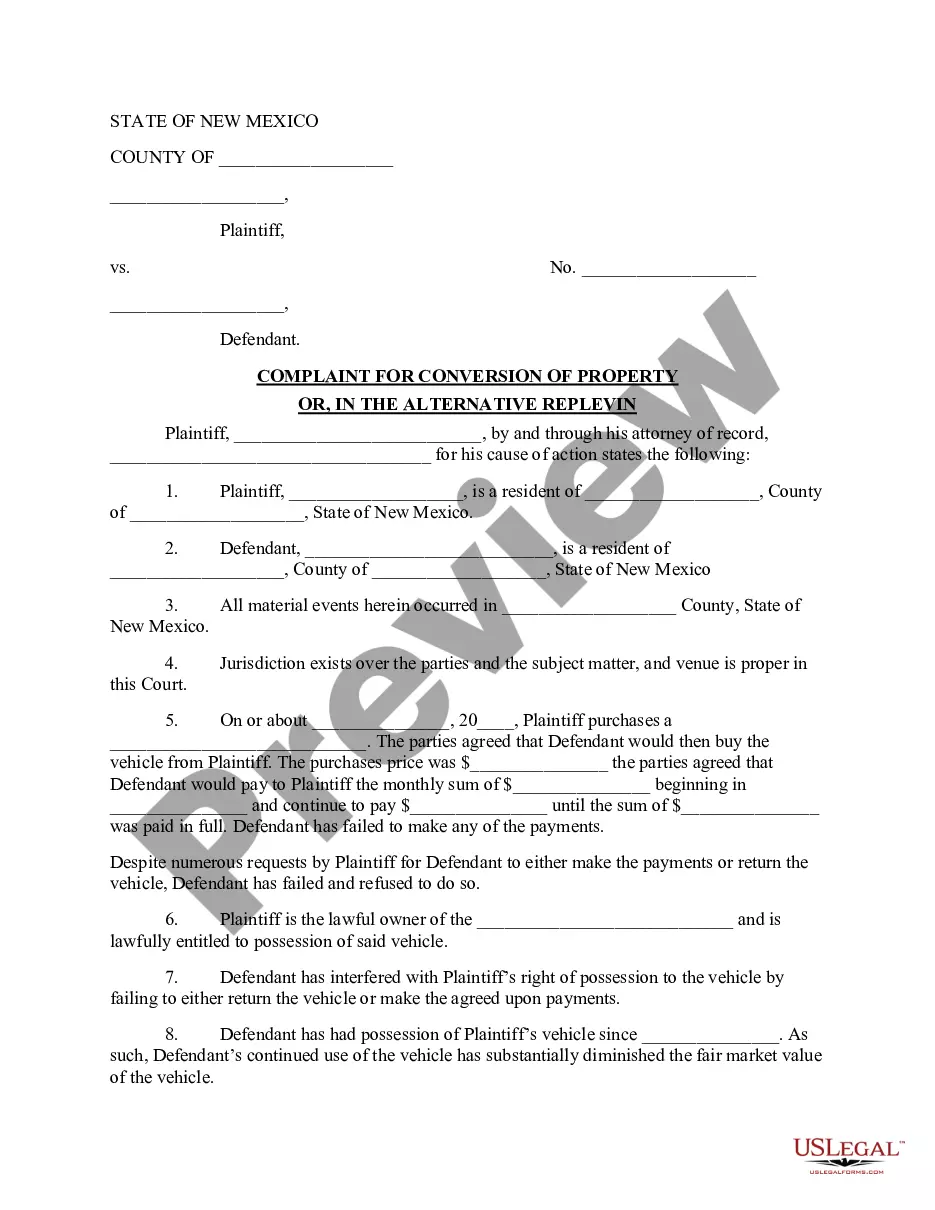
Maryland Letter from Tenant to Landlord for Failure of Landlord to return all prepaid and unearned rent and security recoverable by Tenant
What is this form?
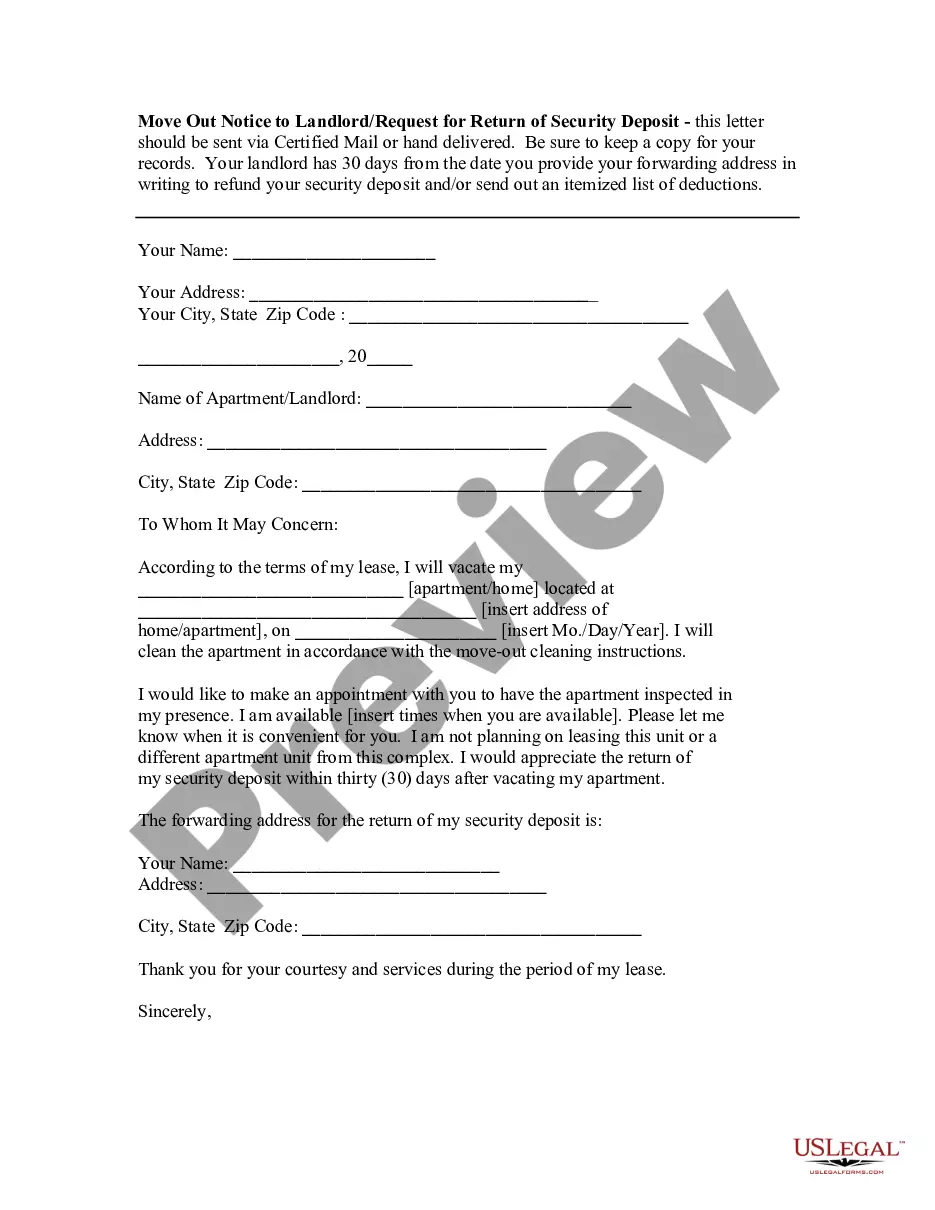
This form is a Letter from Tenant to Landlord for Failure of Landlord to return all prepaid and unearned rent and security recoverable by Tenant. It serves as a formal notice to the landlord regarding their failure to return prepaid but unearned rent following the tenant's departure due to the landlord's breach of the lease agreement or other wrongful actions. Unlike general tenant notices, this letter specifically addresses financial recovery claims against the landlord under applicable landlord-tenant laws.
Form components explained
- Details of the tenant's departure circumstances.
- Assertion of the landlord's failure to refund unearned rent.
- Statement of potential legal action to recover amounts owed.
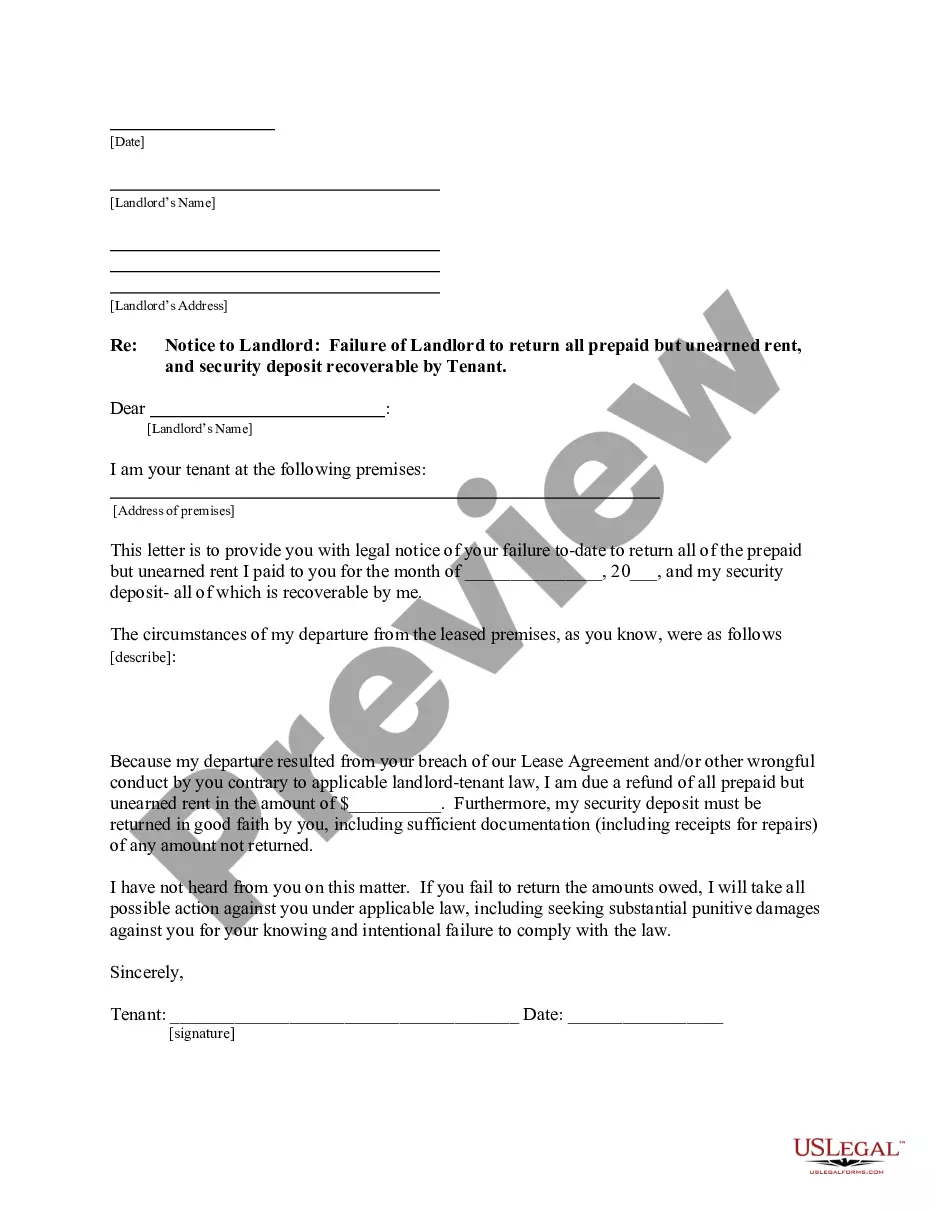
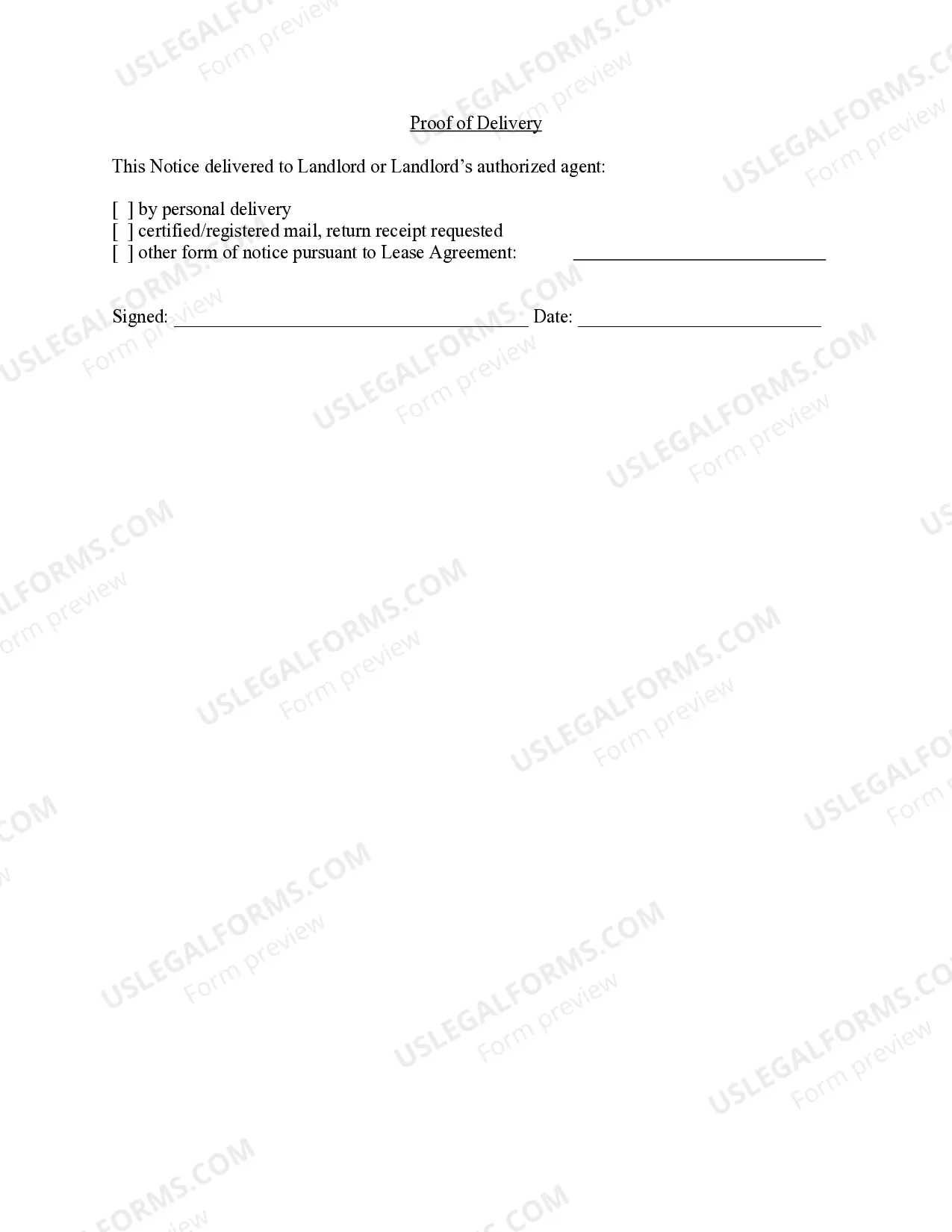
- Proof of delivery options for the notice.



When to use this document
This form should be used when a tenant has vacated a rental property and the landlord has failed to return all prepaid and unearned rent. It may apply in situations where the tenant left due to the landlord's breach of contract or illegal conduct. This letter formally initiates the process of requesting the owed funds and serves as a legal warning of potential consequences if the issue is not resolved.
Who needs this form
- Tenants who have left a rental property and are seeking refunds for prepaid rent.
- Individuals who have experienced a breach of lease agreement by their landlord.
- Any tenant who requires legal documentation to demand financial recovery from a landlord.
Instructions for completing this form
- Identify the parties involved by noting the tenant's and landlord's full names and addresses.
- Specify the circumstances of your departure from the rental property in the provided section.
- Clearly state the amount of prepaid but unearned rent that is being requested for refund.
- Include a warning regarding potential legal action if the amounts owed are not returned.
- Sign and date the letter before sending it to the landlord or their authorized agent.
Is notarization required?
This form usually doesn’t need to be notarized. However, local laws or specific transactions may require it. Our online notarization service, powered by Notarize, lets you complete it remotely through a secure video session, available 24/7.
Get your form ready online
Our built-in tools help you complete, sign, share, and store your documents in one place.
Make edits, fill in missing information, and update formatting in US Legal Forms—just like you would in MS Word.
Download a copy, print it, send it by email, or mail it via USPS—whatever works best for your next step.
Sign and collect signatures with our SignNow integration. Send to multiple recipients, set reminders, and more. Go Premium to unlock E-Sign.
If this form requires notarization, complete it online through a secure video call—no need to meet a notary in person or wait for an appointment.
We protect your documents and personal data by following strict security and privacy standards.

Make edits, fill in missing information, and update formatting in US Legal Forms—just like you would in MS Word.

Download a copy, print it, send it by email, or mail it via USPS—whatever works best for your next step.

Sign and collect signatures with our SignNow integration. Send to multiple recipients, set reminders, and more. Go Premium to unlock E-Sign.

If this form requires notarization, complete it online through a secure video call—no need to meet a notary in person or wait for an appointment.

We protect your documents and personal data by following strict security and privacy standards.
Avoid these common issues
- Failing to include all necessary details about the landlord and property.
- Not clearly stating the amount owed or the reason for the refund.
- Neglecting to proofread for accuracy before sending the letter.
- Not keeping a copy of the letter for personal records.
Benefits of completing this form online
- Convenience of downloading and editing the form at any time.
- Access to professionally drafted templates ensuring legal compliance.
- Quick and easy method to address landlord issues without legal representation.
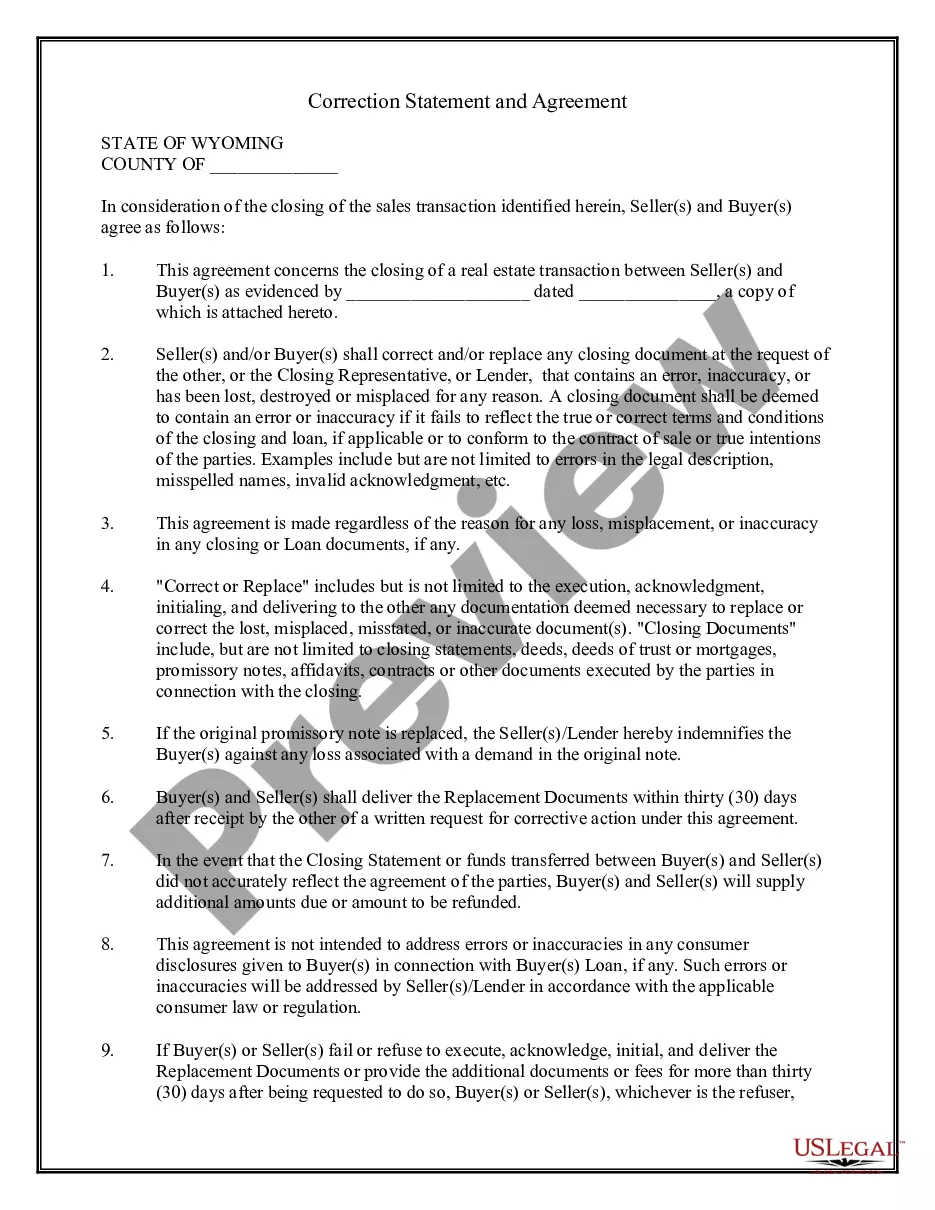
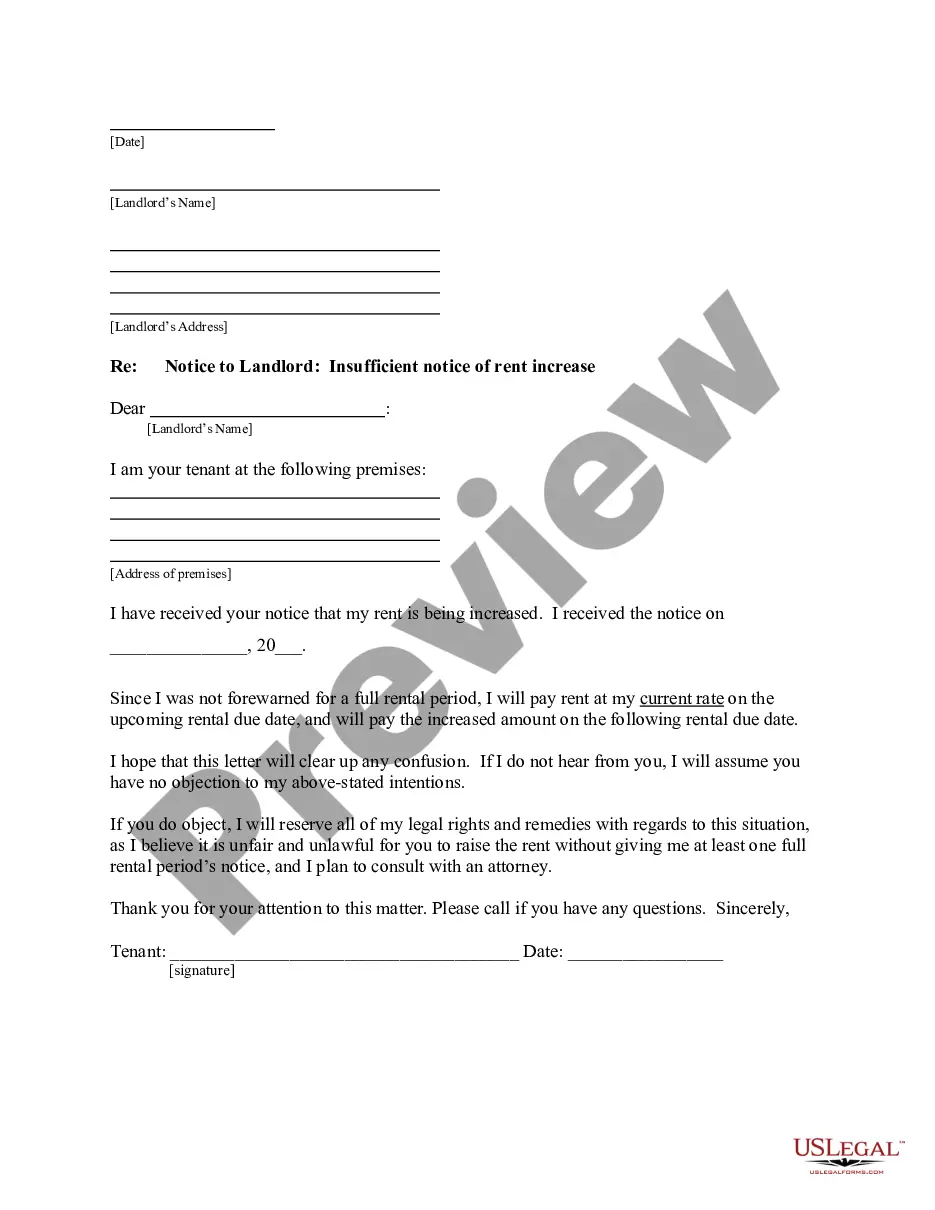
Looking for another form?
Form popularity
FAQ
You should usually get your deposit back within 10 days of agreeing on the amount with your landlord. It can take a lot longer if you and your landlord disagree on the amount that's being taken off.
Start a written record. The problems with my landlord started almost immediately after I moved in. Check your lease agreement. If your landlord agreed to something in your lease, he has to follow it. Send written requests. Decide if you have a case. Seek legal assistance. File a civil lawsuit. Fight discrimination.
The landlord verification form is a document used by a landlord when verifying the previous rental information of an applicant for tenancy. The requesting landlord must send the form to the applicant's current or past landlord in order to obtain all details related to the tenancy of the individual.
Injury at Rental Property: You could have a case for a lawsuit against your landlord if you are injured at the rental property due to a landlord's neglect. Filing an Illegal Eviction: You can countersue your landlord if you feel your landlord is trying to evict you illegally.
The landlord must return a tenant's security deposit plus interest, less any damages rightfully withheld, within 45 days after the tenancy ends. If the landlord fails to do this without a good reason, you may sue for up to three times the withheld amount, plus reasonable attorney's fees.
If your deposit didn't need to be protected and your landlord refuses to give it back, you might have to take them to court.You'll need to take your landlord to the small claims court to get your money back.
If a landlord will not make necessary repairs to a rental property, contact Housing and Community Development at 240-314-8320. All other complaints can be made by completing the Landlord- Tenant Complaint Form. 111 Maryland Ave. a.m. - p.m.
Under Maryland law, tenants have a right to freedom from housing discrimination, a right to certain security deposit protections, the right to freedom from landlord retaliation, and the right to be protected after domestic violence.
Introduce the problem clearly. Begin your letter by stating specifically why you are writing. Provide a brief description of the specific problem, then detail any efforts you have made prior to the letter to notify your landlord of the problem or to fix the problem yourself.