Maryland Quitclaim Deed from Husband and Wife to an Individual
What this document covers
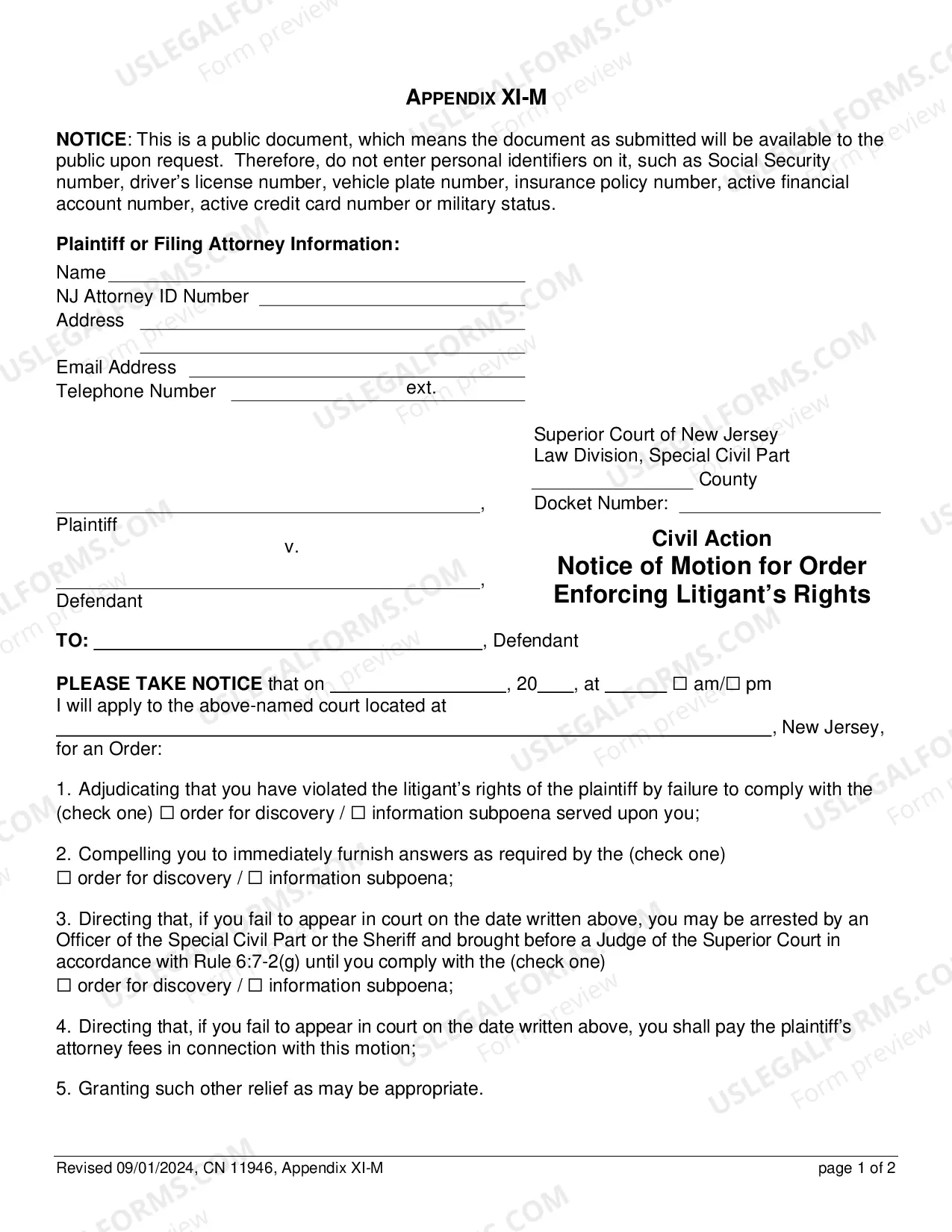
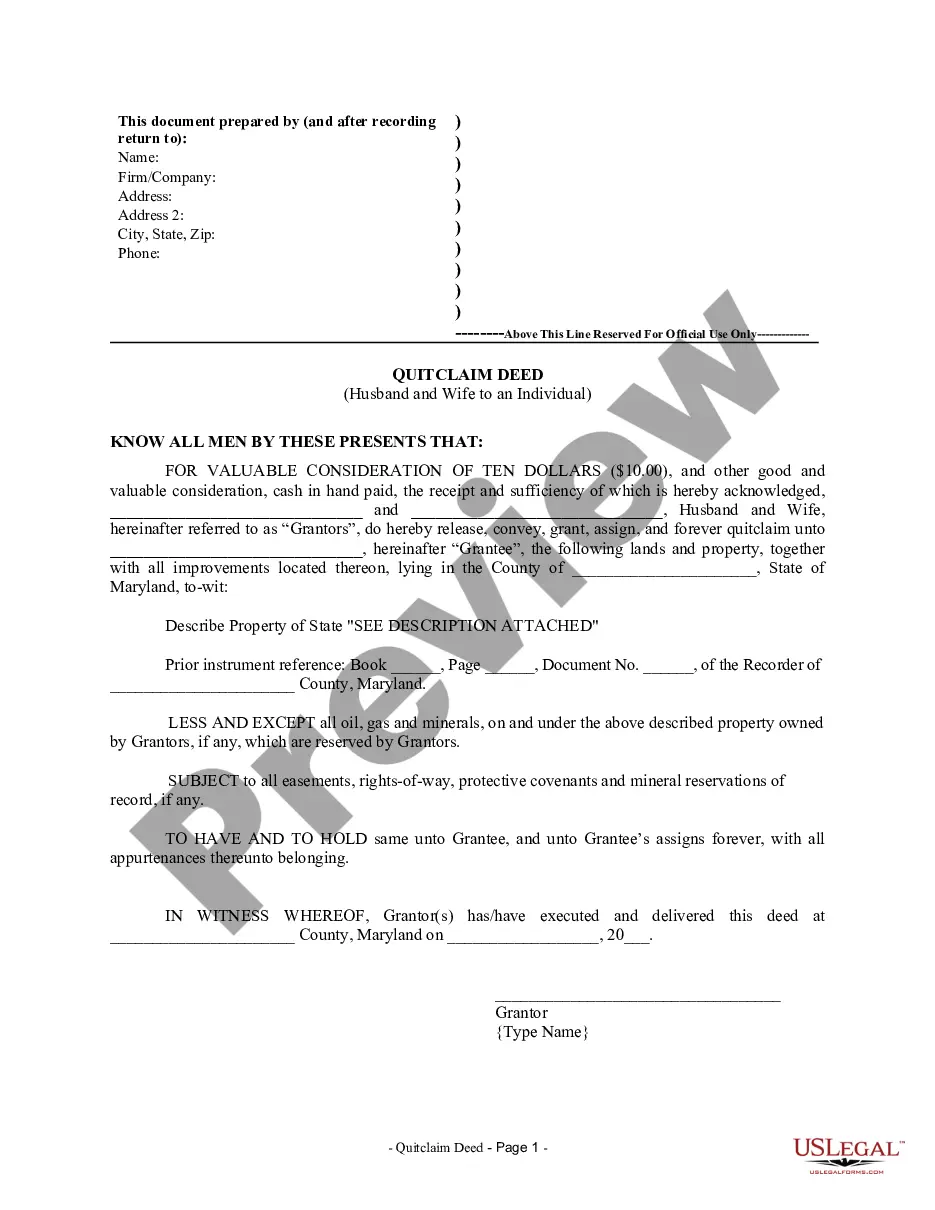
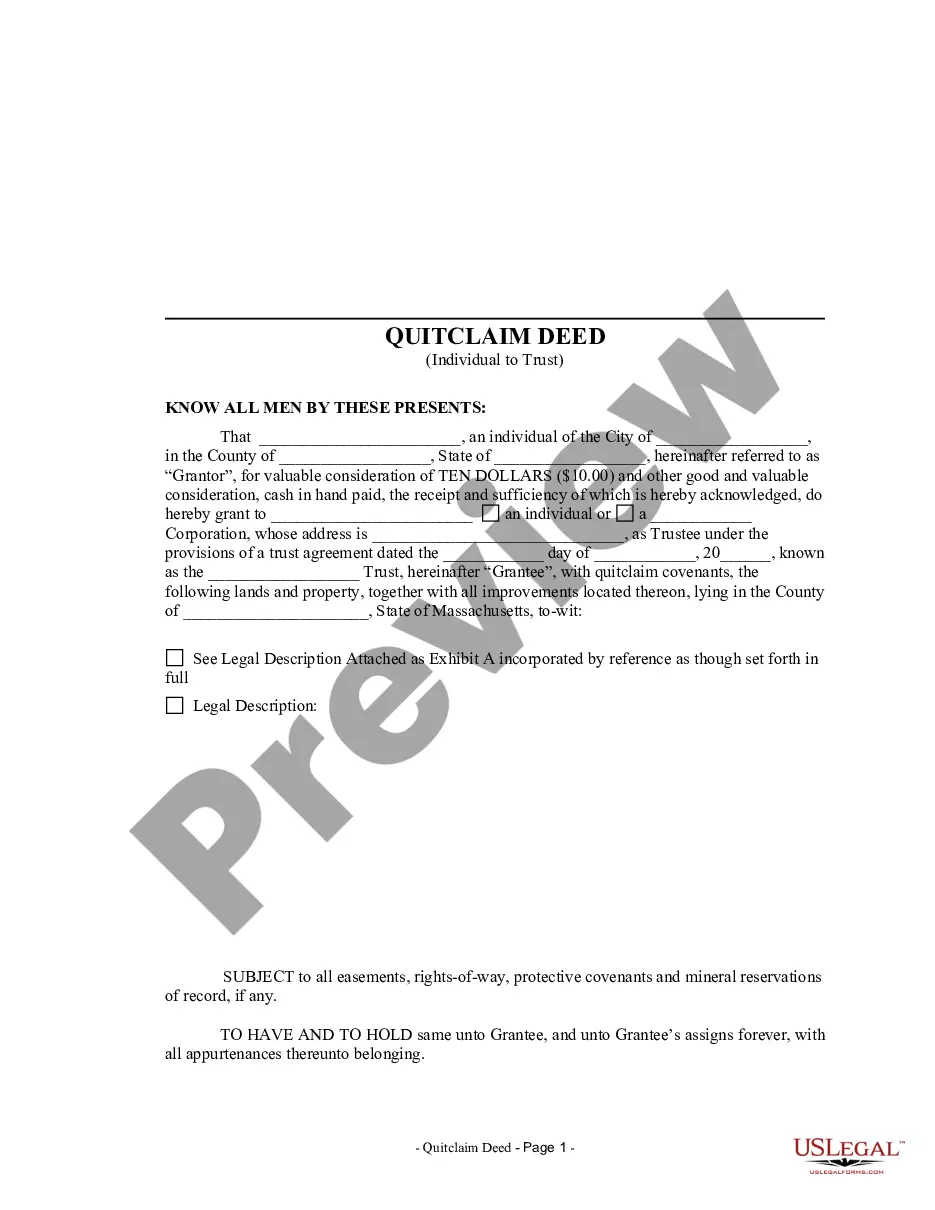
This Quitclaim Deed from Husband and Wife to an Individual is a legal document that allows a married couple (the grantors) to transfer ownership of property to an individual (the grantee). This form is particularly useful as it relinquishes any claim the grantors have to the property, while also reserving certain rights, such as any oil, gas, and mineral rights that may exist. Unlike other deed types, such as warranty deeds, this Quitclaim Deed does not provide any guarantees regarding the property's title.
What’s included in this form
- Description of the property being transferred
- Reference details from prior instruments including book and page numbers
- Reservation of oil, gas, and mineral rights by the grantors
- Easements and rights-of-way that may affect the property
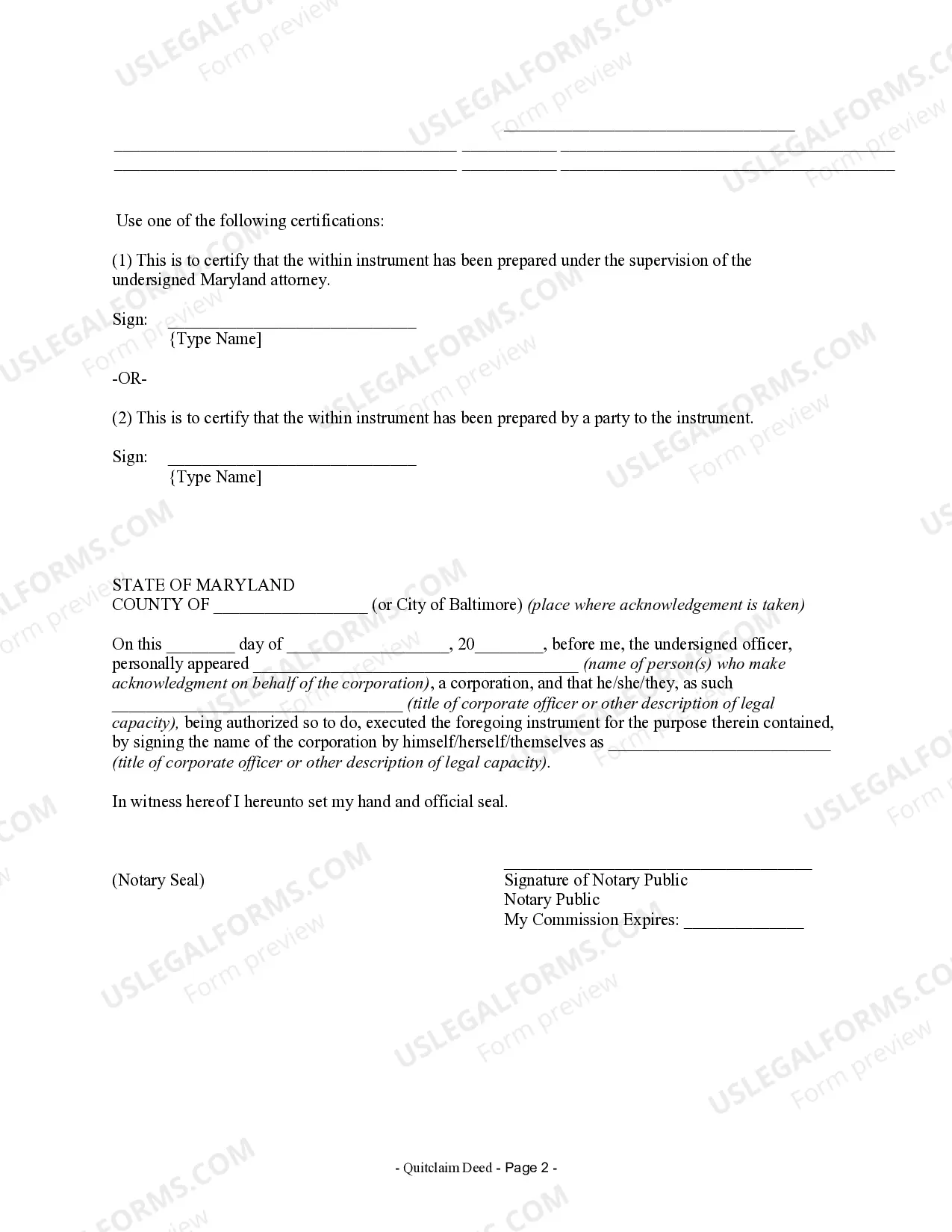
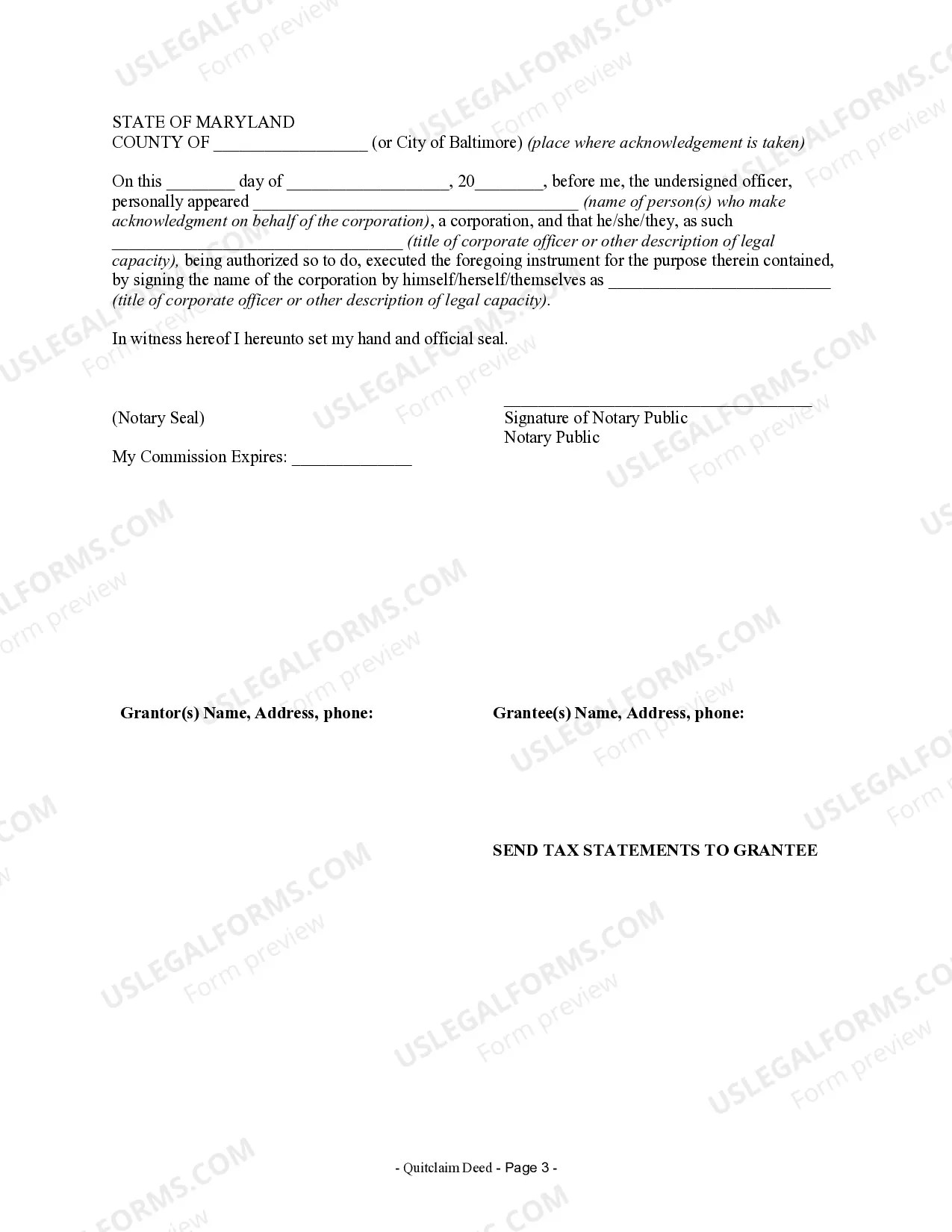
- Signatures of both grantors and a notary public




When to use this form
This Quitclaim Deed is typically used when a married couple wishes to transfer property to an individual, possibly during a family transition, such as a divorce or separation. It may also be used as a gift, or when a couple wants to simplify property ownership by transferring it to a third party without the need for extensive legal proceedings.
Who can use this document
This form is suitable for:
- Married couples who jointly own property and wish to convey it to another individual
- Individuals acting on behalf of the grantors to transfer property ownership
- Anyone needing a straightforward method to transfer property without warranties or guarantees
Steps to complete this form
- Identify the parties involved, including the names of the grantors (husband and wife) and grantee (individual).
- Clearly describe the property being transferred, using the attached description.
- Fill in the prior instrument reference details, including book and page numbers.
- Specify the date of execution and ensure both grantors sign the deed.
- Include a notary section where a licensed notary public can confirm the identities of the grantors.
Does this document require notarization?
This form must be notarized to be legally valid. US Legal Forms provides secure online notarization powered by Notarize, allowing you to complete the process through a verified video call.
Get your form ready online
Our built-in tools help you complete, sign, share, and store your documents in one place.
Make edits, fill in missing information, and update formatting in US Legal Forms—just like you would in MS Word.
Download a copy, print it, send it by email, or mail it via USPS—whatever works best for your next step.
Sign and collect signatures with our SignNow integration. Send to multiple recipients, set reminders, and more. Go Premium to unlock E-Sign.
If this form requires notarization, complete it online through a secure video call—no need to meet a notary in person or wait for an appointment.
We protect your documents and personal data by following strict security and privacy standards.
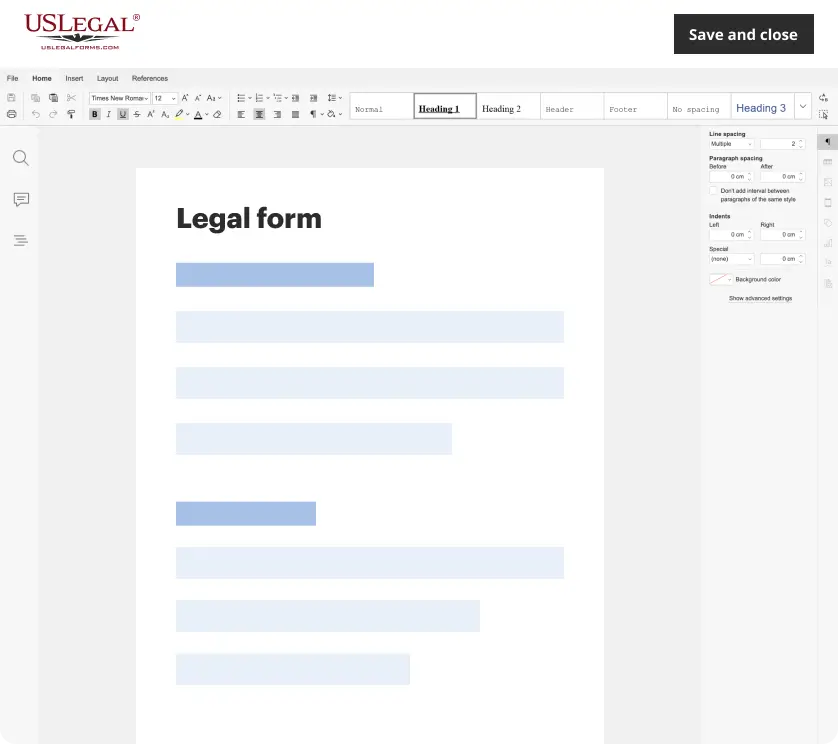
Make edits, fill in missing information, and update formatting in US Legal Forms—just like you would in MS Word.
Download a copy, print it, send it by email, or mail it via USPS—whatever works best for your next step.
Sign and collect signatures with our SignNow integration. Send to multiple recipients, set reminders, and more. Go Premium to unlock E-Sign.
If this form requires notarization, complete it online through a secure video call—no need to meet a notary in person or wait for an appointment.
We protect your documents and personal data by following strict security and privacy standards.
Common mistakes to avoid
- Failing to provide a full and clear description of the property.
- Not including the necessary signatures from both grantors.
- Leaving the notary section incomplete or unsigned.
- Omitting relevant details from prior instrument references.
Why use this form online
- Convenience of downloading the form at any time.
- Editability to customize the document according to specific needs.
- Reliability, as the forms are drafted by licensed attorneys ensuring compliance with legal standards.
Looking for another form?
Form popularity
FAQ
The most common use of a quitclaim deed is to transfer ownership of property between family members, such as spouses or relatives. For example, a Maryland Quitclaim Deed from Husband and Wife to an Individual often occurs during real estate transactions, divorces, or estate planning. This deed type is simple and quick, making it a popular choice for these situations.
If you sign a quitclaim deed to release yourself from ownership of the property or a claim to the title, then that doesn't mean you are no longer held accountable for the mortgage payment.Otherwise, you may be held responsible for unpaid payments despite no longer having a claim to the title.
It is also crucial that a spouse know about the loan, even if he or she is not on the mortgage. In general, the spouse must sign a deed of trust, the Truth in Lending and Right to Cancel documents. By signing these documents, they are simply acknowledging the existence of the mortgage.
A person who signs a quitclaim deed to transfer property they do not own results in no title at all being transferred since there is no actual ownership interest. The quitclaim deed only transfers the type of title you own.
When done properly, a deed is recorded anywhere from two weeks to three months after closing. However, there are many instances where deeds are not properly recorded. Title agents commit errors, lose deeds, and even go out of business. Even county offices sometimes fail to record deeds that were properly submitted.
But you might be wondering if an owner can transfer a deed to another person without a real estate lawyer. The answer is yes. Parties to a transaction are always free to prepare their own deeds.A quitclaim deed, for example, is far simpler than a warranty deed.
In order to transfer ownership of the marital home pursuant to a divorce, one spouse is going to need to sign a quitclaim deed, interspousal transfer deed, or a grant deed, in order to convey the title to the property.
In states like California and Florida, the spouses may use a quitclaim deed to transfer the property without warranting title. Other stateslike Texasrecognize a similar type of deed called a deed without warranty.
Fill out the quit claim deed form, which can be obtained online, or write your own using the form as a guide. The person giving up the interest in the property is the grantor, and the person receiving the interest is the grantee.