Massachusetts Last Will and Testament for other Persons
About this form
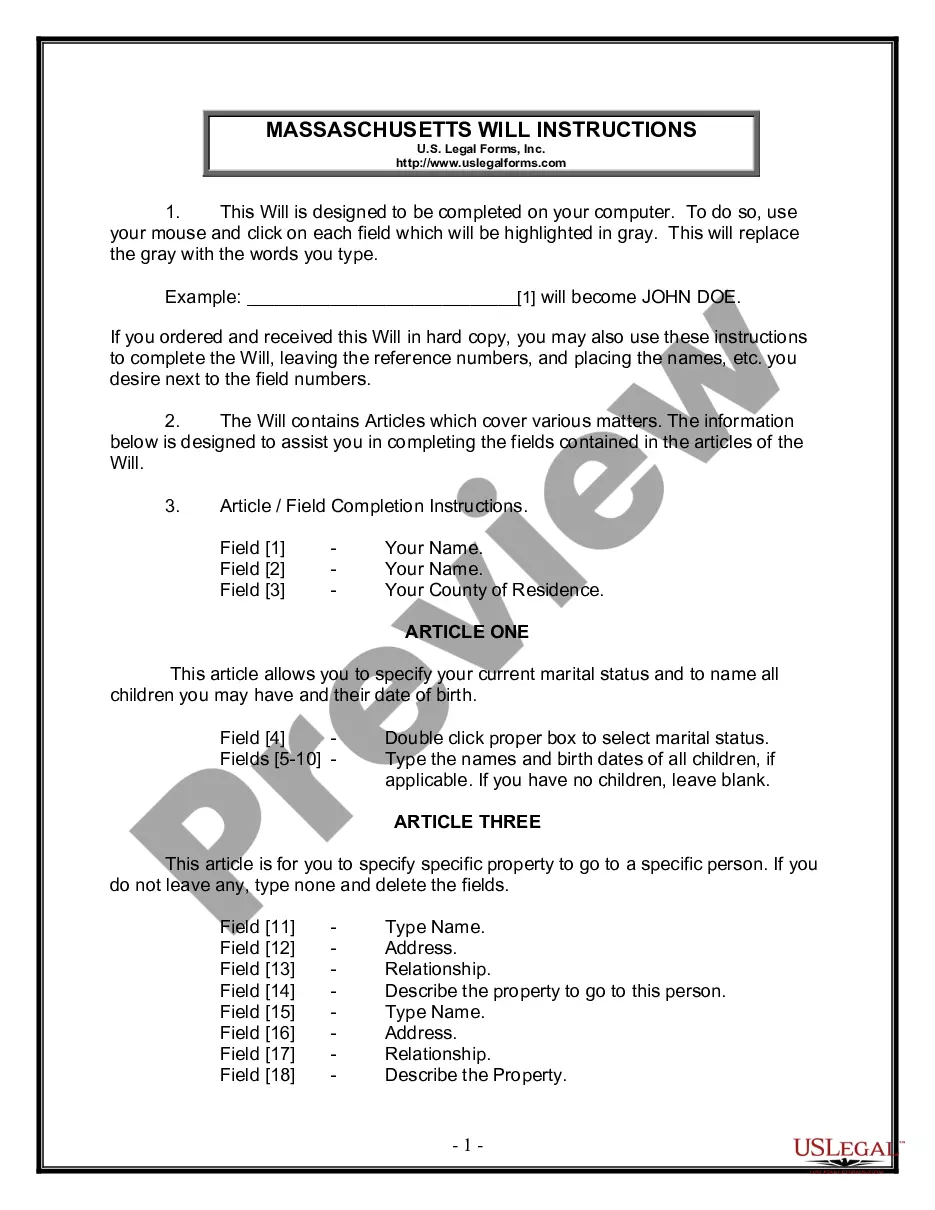
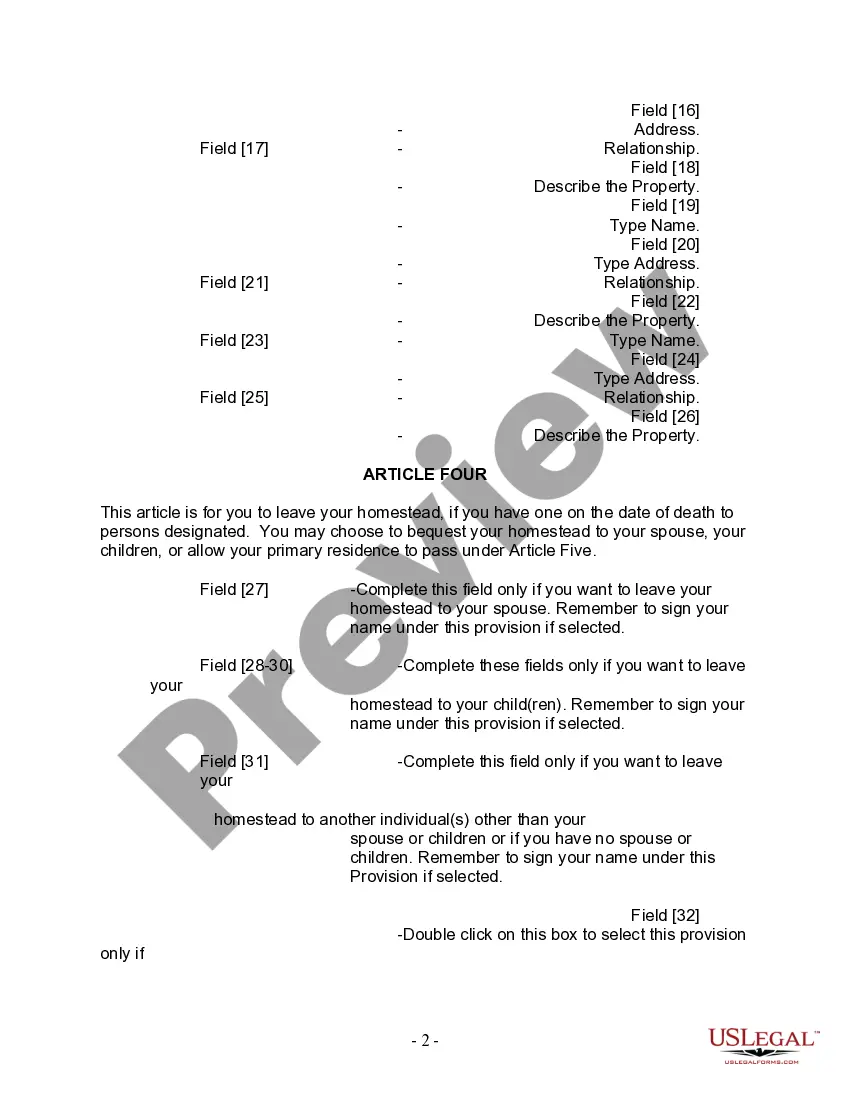
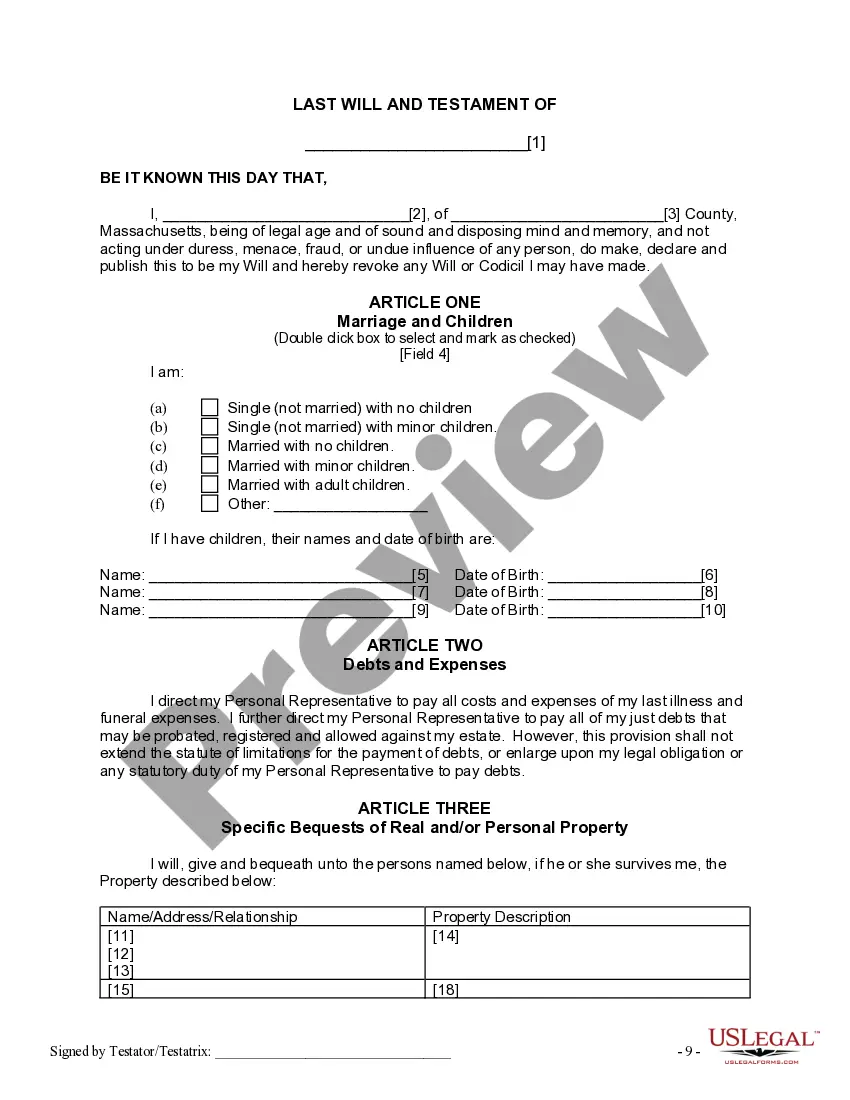
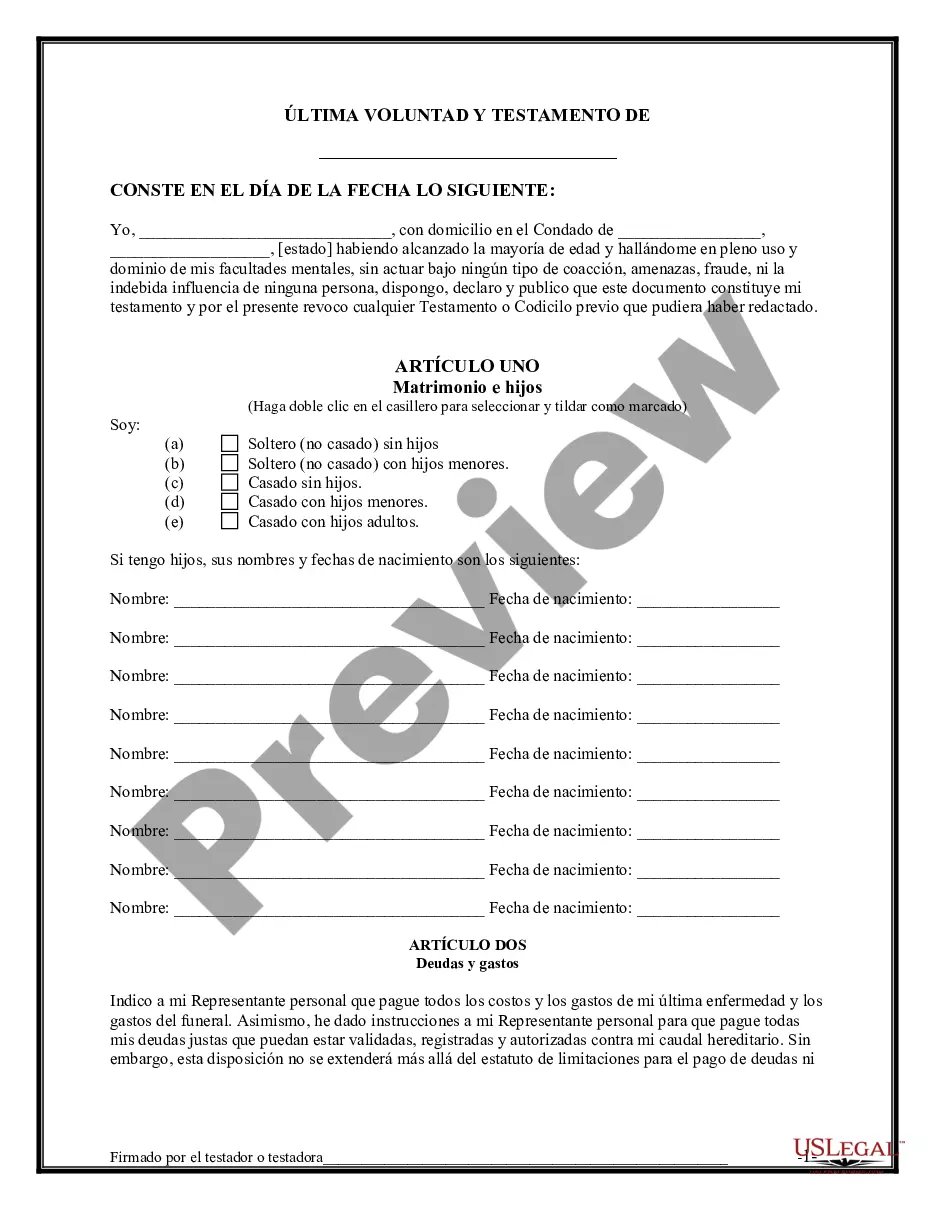
The Last Will and Testament for other Persons is a legal document specifically designed to outline how your property and assets should be distributed upon your death. Unlike other wills, this form is created for individuals who cannot find an appropriate existing document to fulfill their needs. This will serves residents of Massachusetts and includes provisions for appointing an executor, trusts, and guardianship, if necessary. The form is user-friendly, allowing you to complete it digitally on your computer.
Form components explained
- Your personal information, including name and county of residence.
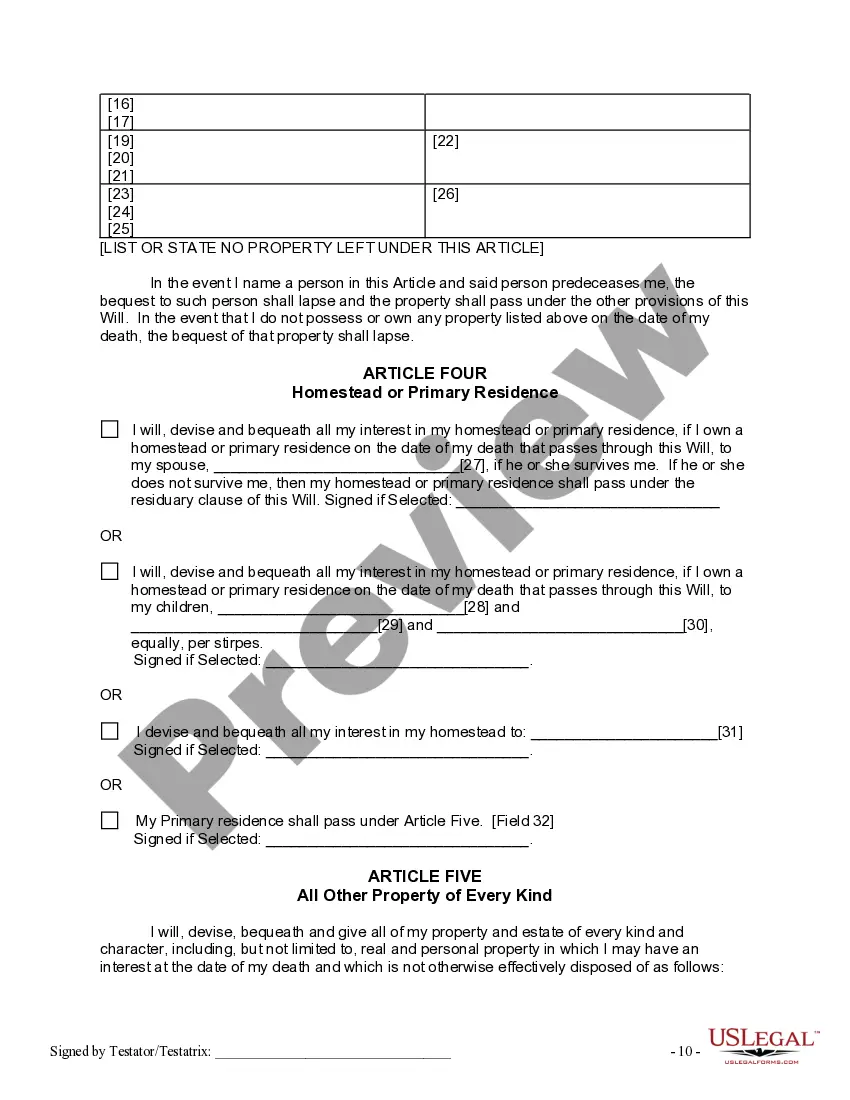
- Articles specifying marital status, children, and distribution of property.
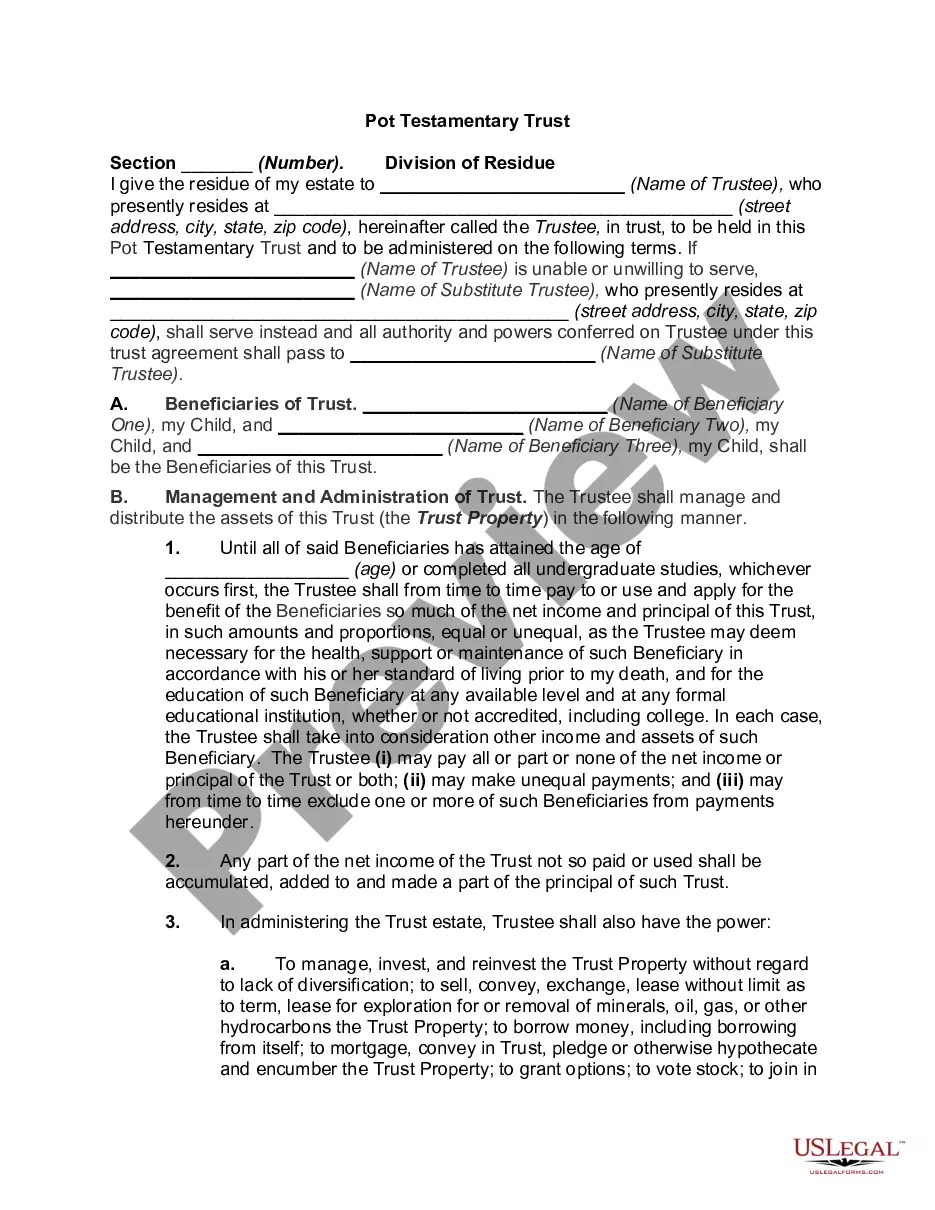
- Provisions for appointing a personal representative (executor) and trustee.
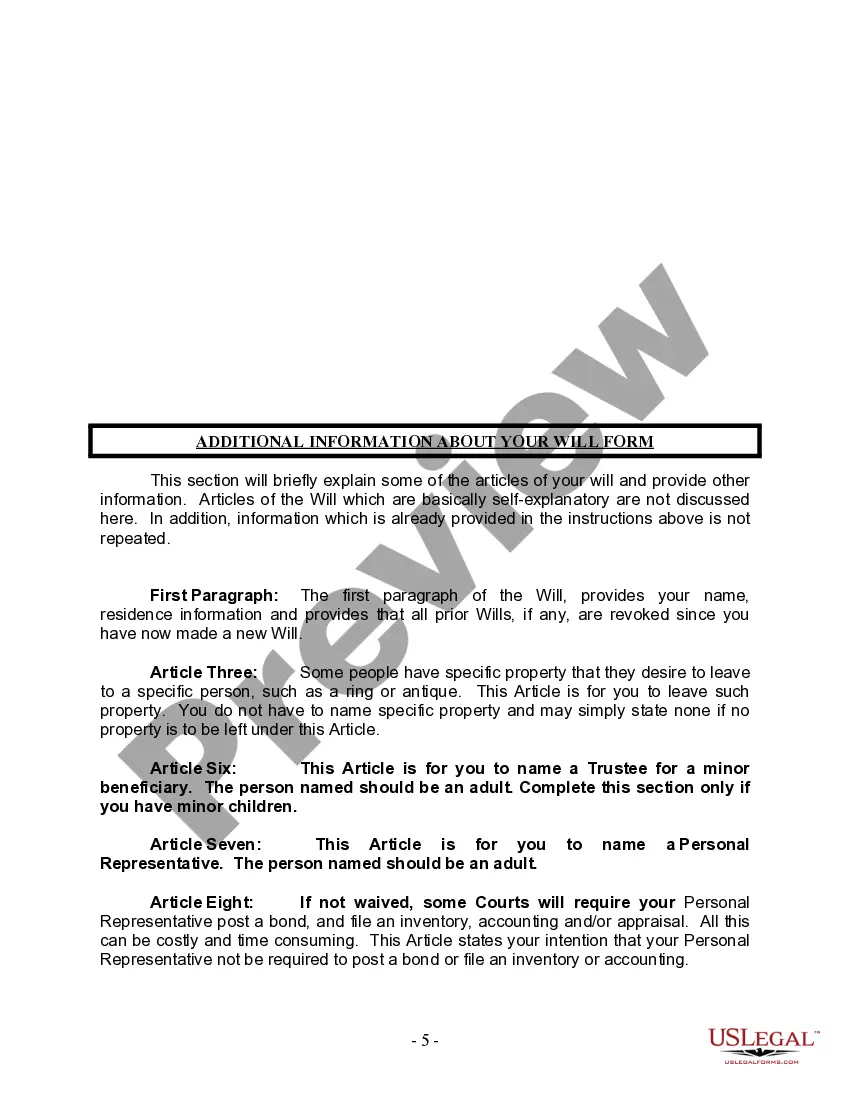
- Instructions for leaving specific assets to designated individuals.
- Methods for handling debts and funeral expenses.
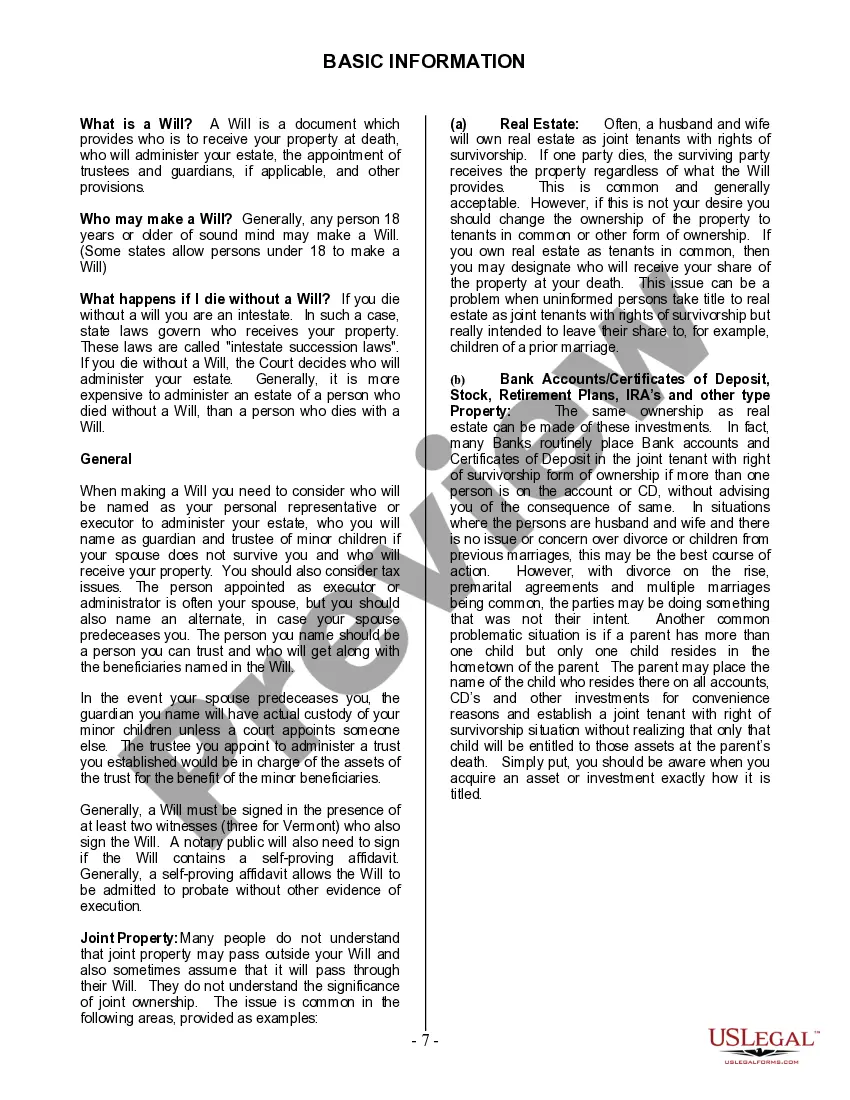
- Regulations for joint property and how it is treated under this will.




When to use this form
This form is essential if you want to ensure that your wishes regarding the distribution of your property are clearly documented. You might need this Last Will and Testament if you are a resident of Massachusetts and wish to designate heirs, manage debts, and express your funeral preferences. It is particularly useful if you have minor children who require a guardian or if you wish to assign specific property to individuals.
Who needs this form
This form is intended for:
- Adults aged 18 and older who are of sound mind.
- Individuals with specific property or assets they wish to allocate in their estate plan.
- Those with minor children requiring a designated guardian.
- Residents of Massachusetts looking to create or update their will.
How to complete this form
- Begin by entering your personal details such as your name and county of residence.
- State your marital status and provide the names and birth dates of your children, if applicable.
- Designate specific property and its beneficiaries, specifying the relationship to each beneficiary.
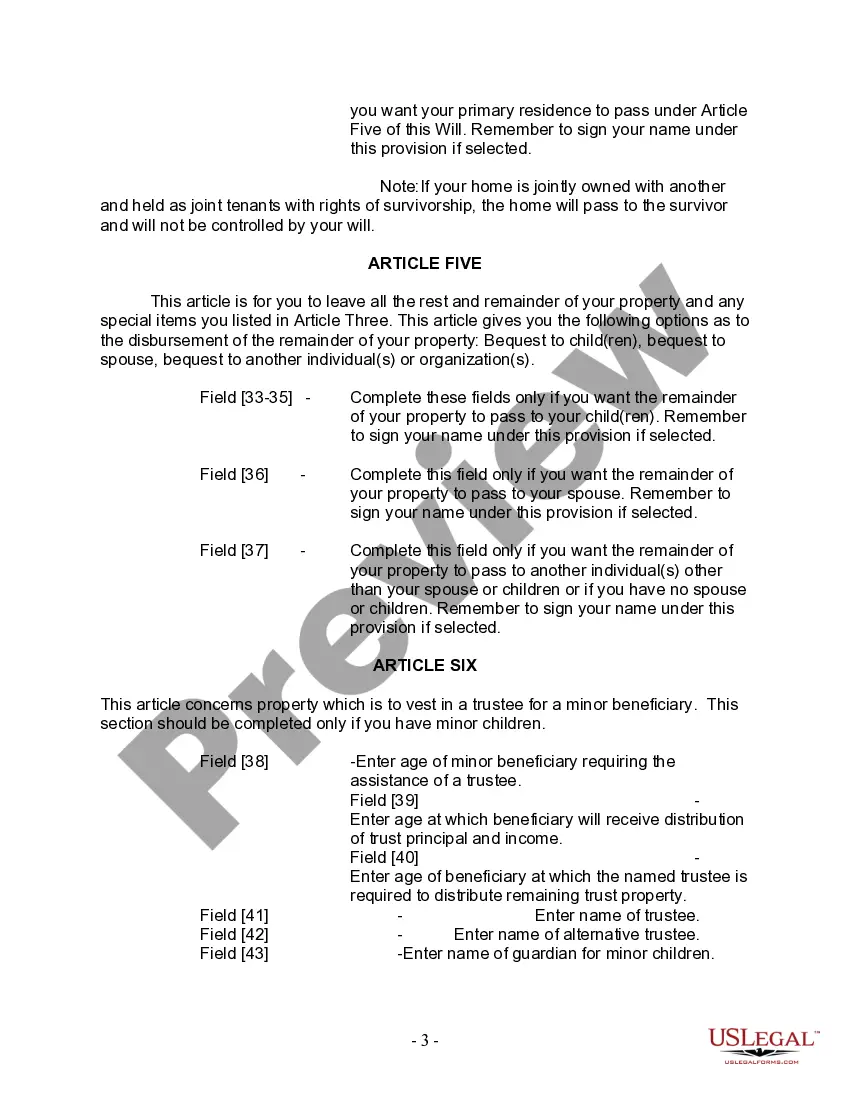
- Fill out any provisions for guardianship of minor children and choose a personal representative for your estate.
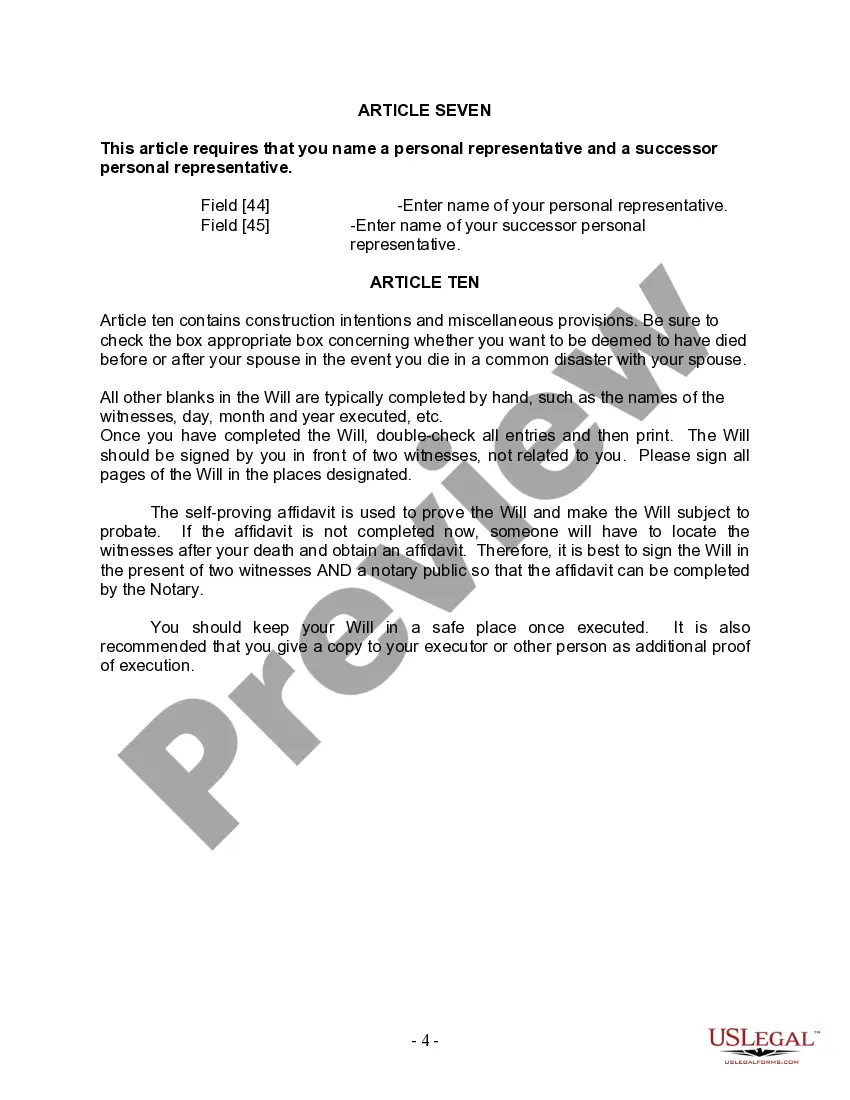
- Review all entries for accuracy and ensure you provide signatures where indicated, with two witnesses present during execution.
Notarization guidance
Notarization is required for this form to take effect. Our online notarization service, powered by Notarize, lets you verify and sign documents remotely through an encrypted video session, available 24/7.
Get your form ready online
Our built-in tools help you complete, sign, share, and store your documents in one place.
Make edits, fill in missing information, and update formatting in US Legal Forms—just like you would in MS Word.
Download a copy, print it, send it by email, or mail it via USPS—whatever works best for your next step.
Sign and collect signatures with our SignNow integration. Send to multiple recipients, set reminders, and more. Go Premium to unlock E-Sign.
If this form requires notarization, complete it online through a secure video call—no need to meet a notary in person or wait for an appointment.
We protect your documents and personal data by following strict security and privacy standards.
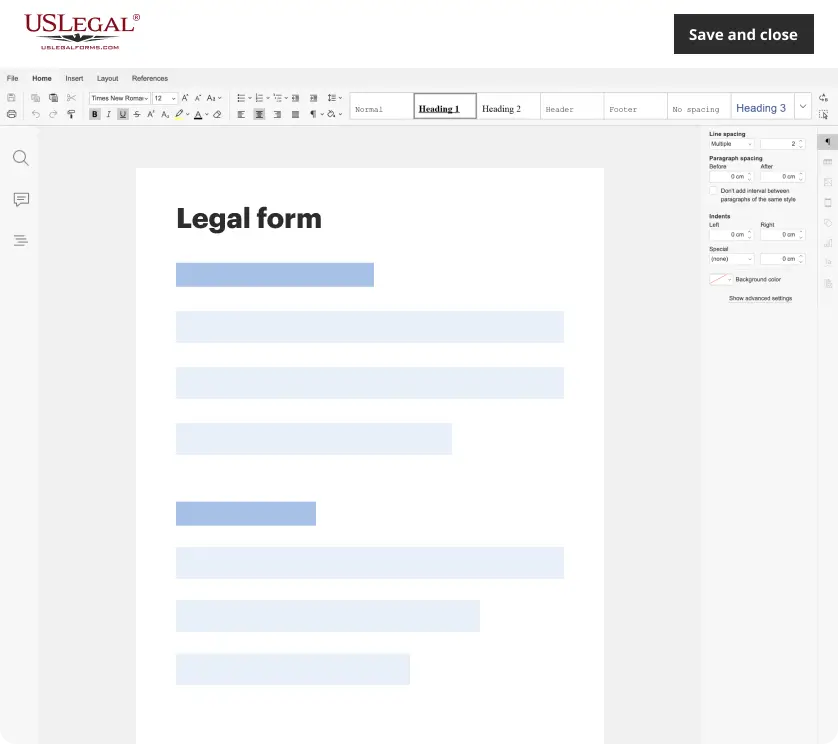
Make edits, fill in missing information, and update formatting in US Legal Forms—just like you would in MS Word.
Download a copy, print it, send it by email, or mail it via USPS—whatever works best for your next step.
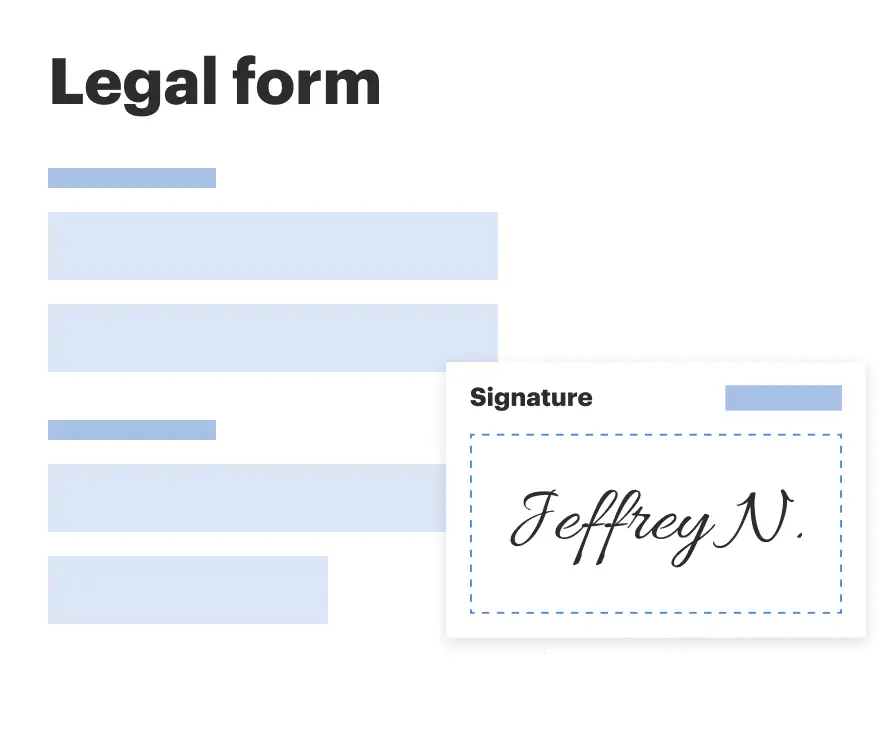
Sign and collect signatures with our SignNow integration. Send to multiple recipients, set reminders, and more. Go Premium to unlock E-Sign.

If this form requires notarization, complete it online through a secure video call—no need to meet a notary in person or wait for an appointment.

We protect your documents and personal data by following strict security and privacy standards.
Avoid these common issues
- Failing to sign the will in the presence of two witnesses, which can invalidate the document.
- Neglecting to update the will after major life changes, such as marriage, divorce, or the birth of children.
- Overlooking the importance of designating a personal representative and trustee, which can lead to disputes.
- Leaving vague descriptions of property or beneficiaries, which can cause confusion and legal issues.
Benefits of completing this form online
- Convenience of filling out the form from home, saving time and effort.
- Editability allows you to make changes easily as your circumstances change.
- Access to attorney-drafted templates ensures legal soundness and completeness.
- Safe digital storage for easy access whenever you need to review or update your will.
Looking for another form?
Form popularity
FAQ
If you are not family and were never named in a previous will, you have no standing to contest the will. If the testator (the deceased) discussed an inheritance with you previously, write down as much as you can remember. Using this, estimate the dollar value (whether money or possessions).
There must be multiple witnesses of a will in order for it to be valid. In Massachusetts, there must be a minimum of two witnesses, and in most circumstances, they should not be set to benefit from the outcome of the will.
No, in Massachusetts, it is not necessary to notarize your will to make it legal. Massachusetts does, however, allow you to make your will "self-proving." A self-proving will speeds up probate because the court can accept the will without contacting the witnesses who signed it.
Technically, you can create your own will in Massachusetts. The only legal requirement is that you sign it in front of at least 2 witnesses and that those witnesses also sign the will.
When probate is granted, the will is kept by the Probate Service and any member of the public can get a copy. If you want to search for the will of a person who died recently, you can apply to the Probate Service for a standing search to be made.
Beneficiaries of a will must be notified after the will is accepted for probate. 3feff Moreover, probated wills are automatically placed in the public record. If the will is structured to avoid probate, there are no specific notification requirements.
In Massachusetts, if you are over 18 and of sound mind, and have the signatures of 2 witnesses, your handwritten will may be considered valid. However, there are some issues you should consider before deciding a handwritten will (also called holographic) is sufficient for your estate planning needs.
Obviously, the person who is named as executor or personal representative is entitled to a copy of the will. He or she is in charge of applying for probate, managing the decedent's property, and making sure the instructions in the will get carried out.
Will Probate Be Necessary? Probate court proceedings aren't always necessary. Usually, they are required only if the deceased person owned assets in his or her name alone. Other assets can probably be transferred to their new owners without probate.