Massachusetts Notice of Breach of Written Lease for Violating Specific Provisions of Lease with No Right to Cure for Residential Property from Landlord to Tenant
Understanding this form
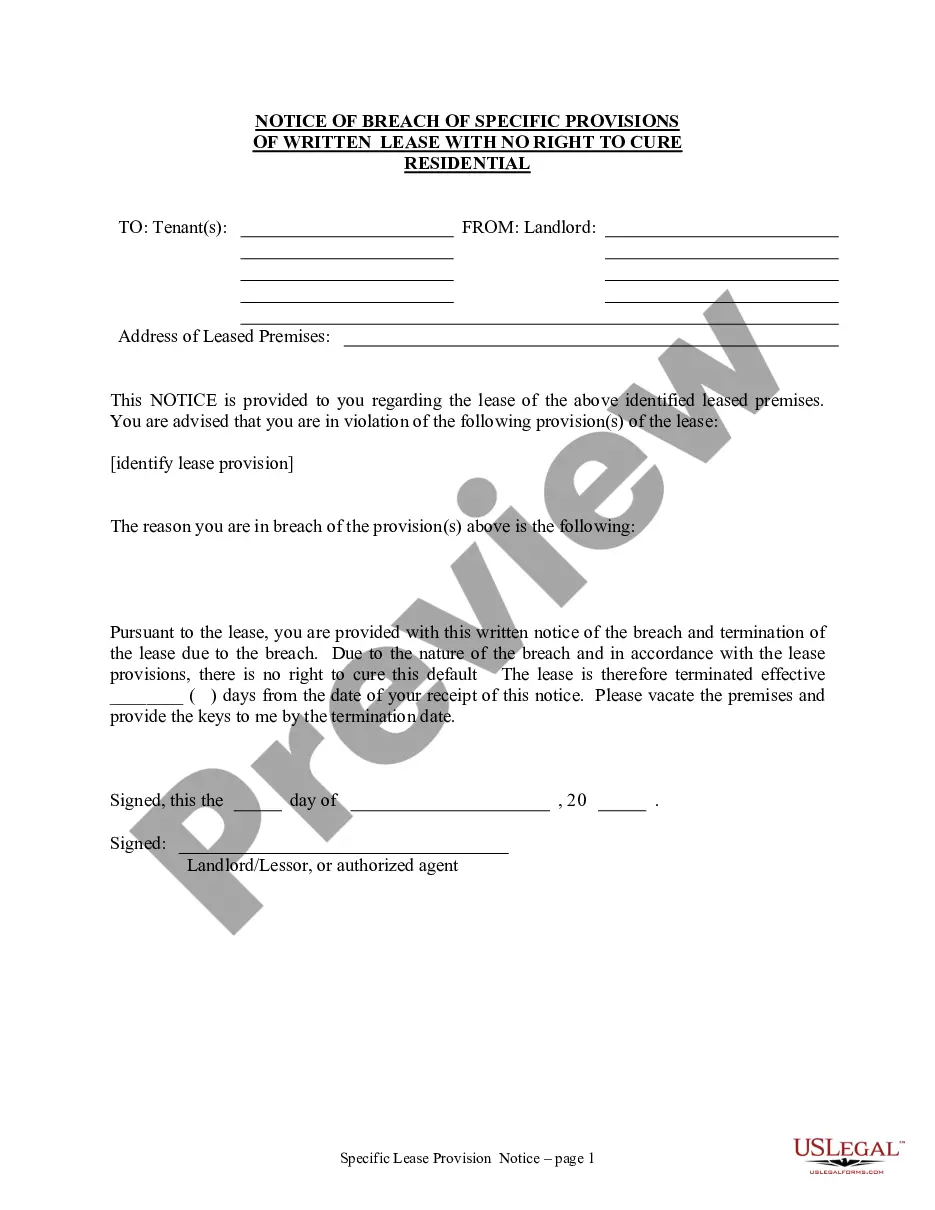
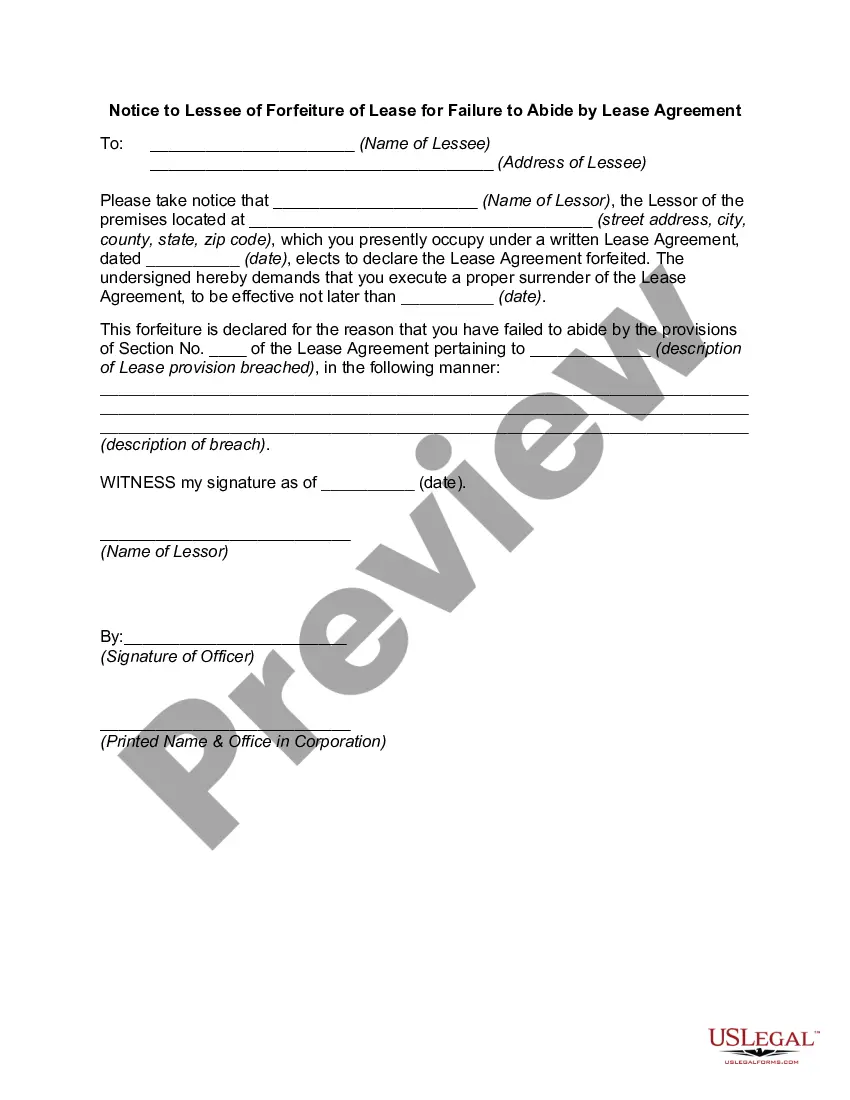
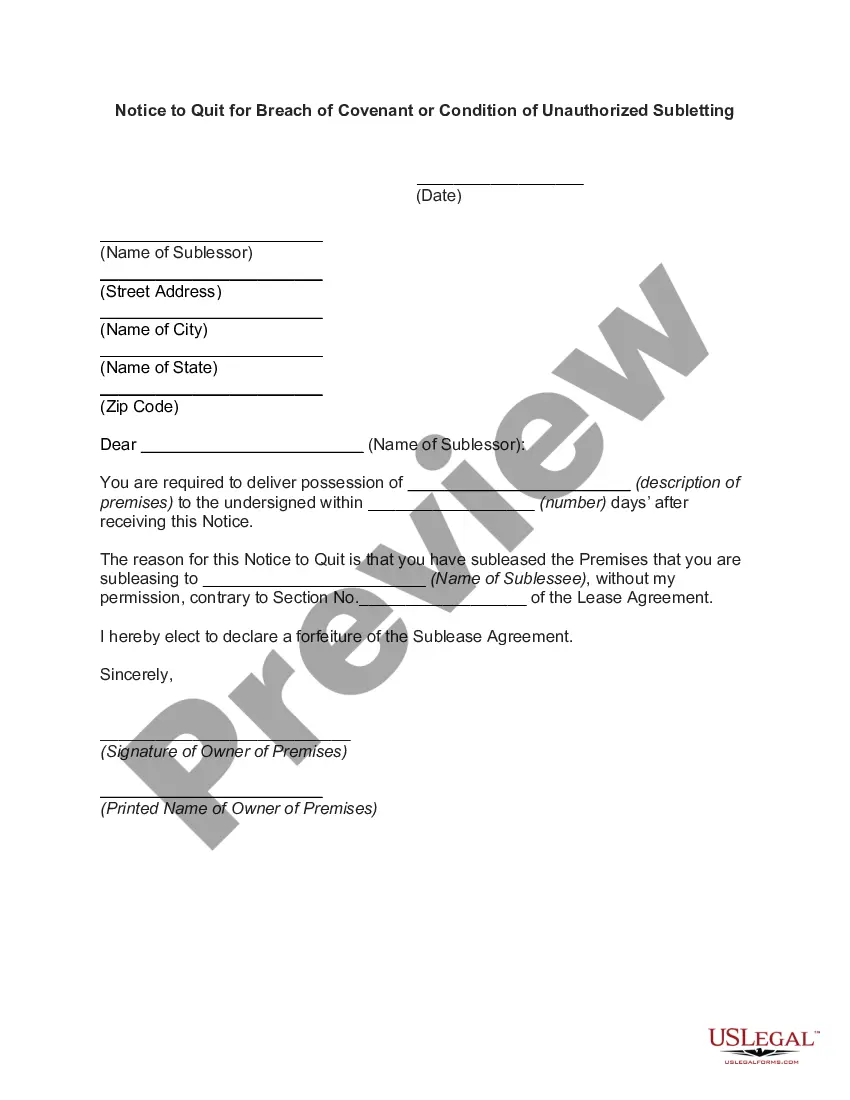
The Notice of Breach of Written Lease for Violating Specific Provisions of Lease with No Right to Cure for Residential Property from Landlord to Tenant is a legal document that a landlord can use to inform a tenant that they have violated a specific provision of their lease agreement without the option to correct the breach. This form serves as an official notification and may initiate the termination process of the lease. It is distinct from other lease forms because it specifies a breach that cannot be cured, providing clarity on the landlord's position and the tenant's obligations.
Main sections of this form
- Identification of the landlord and tenant.
- Specific lease provision that is alleged to have been violated.
- Description of the alleged breach and the reason for it.
- Termination notice detailing the effective date of lease termination.
- Instructions for the tenant regarding vacating the premises and returning keys.
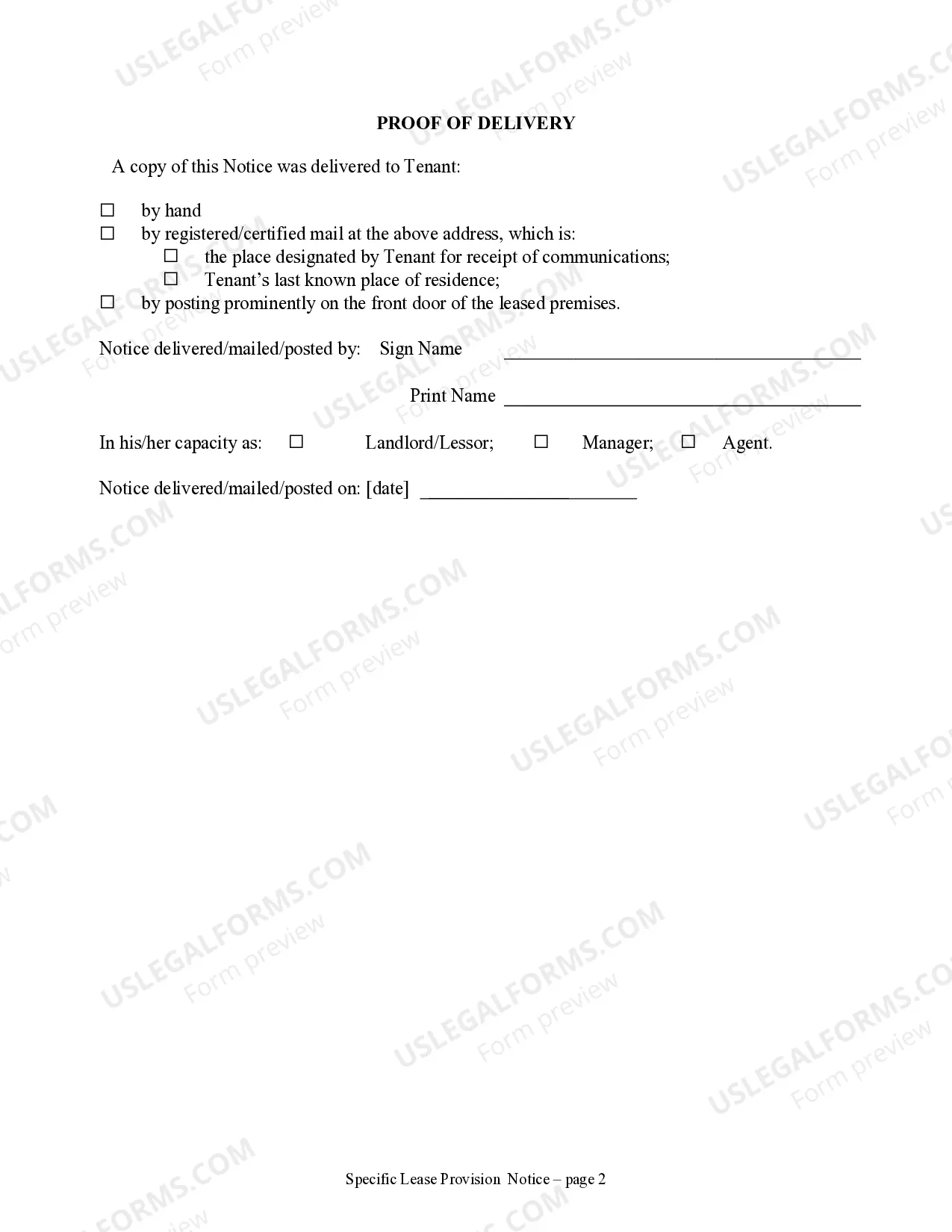
- Proof of delivery section to confirm notice was given to the tenant.



When to use this form
This form should be used when a landlord needs to officially notify a tenant of a lease violation that cannot be cured, such as repeated payment defaults or unauthorized alterations to the property. It is essential in situations where the landlord wants to terminate the lease agreement promptly due to these violations, ensuring that the tenant is aware of the legal grounds for termination.
Who needs this form
- Landlords seeking to terminate a lease due to specific, uncured violations.
- Property managers acting on behalf of landlords in a residential lease context.
- Legal representatives assisting landlords with lease compliance issues.
Instructions for completing this form
- Identify the parties involved by entering the landlordâs and tenantâs names.
- Specify the address of the leased premises.
- Clearly state the specific provision of the lease that has been violated.
- Provide a detailed explanation of the breach.
- Indicate the effective date of termination and how many days the tenant has to vacate.
- Sign and date the notice, then deliver it to the tenant using the chosen method of delivery.
Notarization guidance
This form usually doesn’t need to be notarized. However, local laws or specific transactions may require it. Our online notarization service, powered by Notarize, lets you complete it remotely through a secure video session, available 24/7.
Get your form ready online
Our built-in tools help you complete, sign, share, and store your documents in one place.
Make edits, fill in missing information, and update formatting in US Legal Forms—just like you would in MS Word.
Download a copy, print it, send it by email, or mail it via USPS—whatever works best for your next step.
Sign and collect signatures with our SignNow integration. Send to multiple recipients, set reminders, and more. Go Premium to unlock E-Sign.
If this form requires notarization, complete it online through a secure video call—no need to meet a notary in person or wait for an appointment.
We protect your documents and personal data by following strict security and privacy standards.
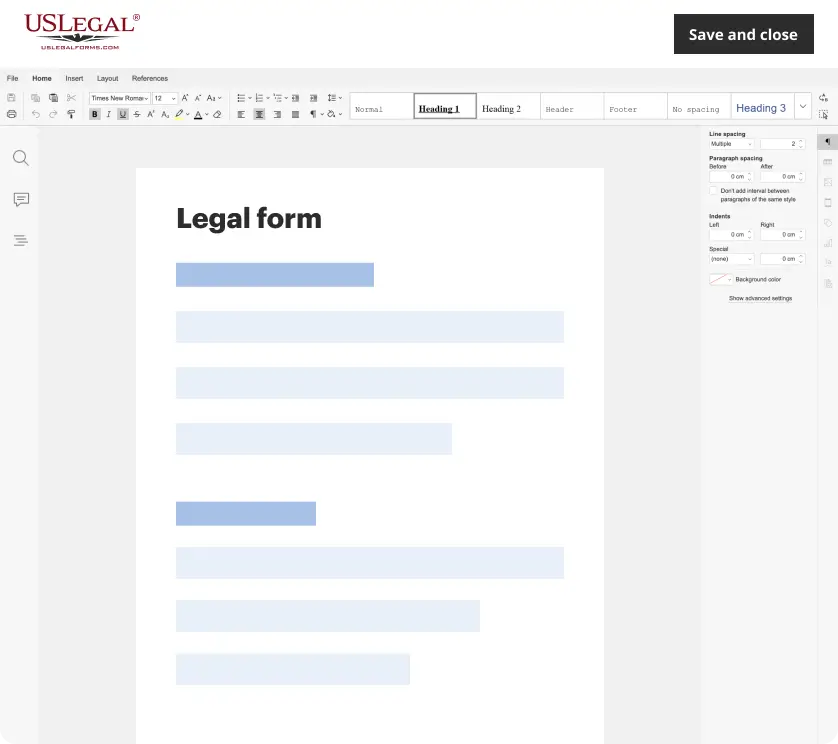
Make edits, fill in missing information, and update formatting in US Legal Forms—just like you would in MS Word.
Download a copy, print it, send it by email, or mail it via USPS—whatever works best for your next step.
Sign and collect signatures with our SignNow integration. Send to multiple recipients, set reminders, and more. Go Premium to unlock E-Sign.
If this form requires notarization, complete it online through a secure video call—no need to meet a notary in person or wait for an appointment.
We protect your documents and personal data by following strict security and privacy standards.
Common mistakes to avoid
- Failing to specify the exact lease provision that was violated.
- Not providing clear evidence of the breach.
- Skipping deadlines for tenant notification.
- Not delivering the notice according to legal requirements.
Benefits of using this form online
- Convenience of instant access and downloading at any time.
- Editable templates allow for customization to fit specific needs.
- Compliance with legal standards ensures reliability in formal communications.
Legal use & context
- Fulfills legal requirements for notifying tenants of lease violations.
- Protects landlords from potential disputes related to lease termination.
- Establishes a clear record of communication with the tenant.
Main things to remember
- This form serves as a crucial tool for landlords to address lease violations with no right to cure.
- Proper completion and delivery of this notice is essential for legal validity.
- Understanding specific state regulations can enhance compliance and ensure effective use of the form.
Looking for another form?
Form popularity
FAQ
Breaking a lease is possible. However, except in certain circumstances, lease breaking is not without penalties.There is no Massachusetts state lease that all landlord's and property manager's use. All leases are written differently, although there are certain terms that all Massachusetts leases must contain.
If a tenant breaches a tenancy agreement it is possible that their landlord will try and evict them from the property. The sort of breaches of tenancy which result in a landlord seeking a court order for possession include:Damage to the property (eg broken windows)
If a tenant breaches a tenancy agreement it is possible that their landlord will try and evict them from the property. The sort of breaches of tenancy which result in a landlord seeking a court order for possession include:Damage to the property (eg broken windows)
In many cases, the lease may give the tenant the option to pay an early termination fee. If this is the case, tenants can expect to pay one to two months' rent in order to exit the lease agreement.
If you pay all outstanding charges before moving, including any back rent and fees, breaking a lease won't hurt your credit score. However, breaking a lease can damage your credit if it results in unpaid debt.Landlords generally don't report unpaid rent to credit bureaus.
If a tenant fails to pay rent, breaks a rule, or significantly damages the property, then it is considered breach of contract and you have grounds for eviction. If there are people living in the unit that are not on the lease, then that is also breach of contract and you have grounds to evict them.
If you're seeking damages for emotional distress caused by a landlord's discrimination, or punitive damages for especially blatant and intentional discrimination, a lawsuit may well be your best bet. Understand what's involved in suing your landlord. You may file a lawsuit in either federal or state court.
If you break a lease without legal grounds to do so, you may: Be required to pay the rent for the remaining months on your lease. Be subject to legal action from your landlord, and/or. Receive a negative mark on your credit report.
If a resident fails to abide by the agreed-upon terms, legal action can be taken. If an eviction is the end-result of this action, it will stay listed on the resident's record for up to seven years. The most common reason evictions are requested involves failure to pay rent.