Massachusetts Quitclaim Deed, W/O Quitclaim Covenants, from Three Individuals to a Trust
Overview of this form
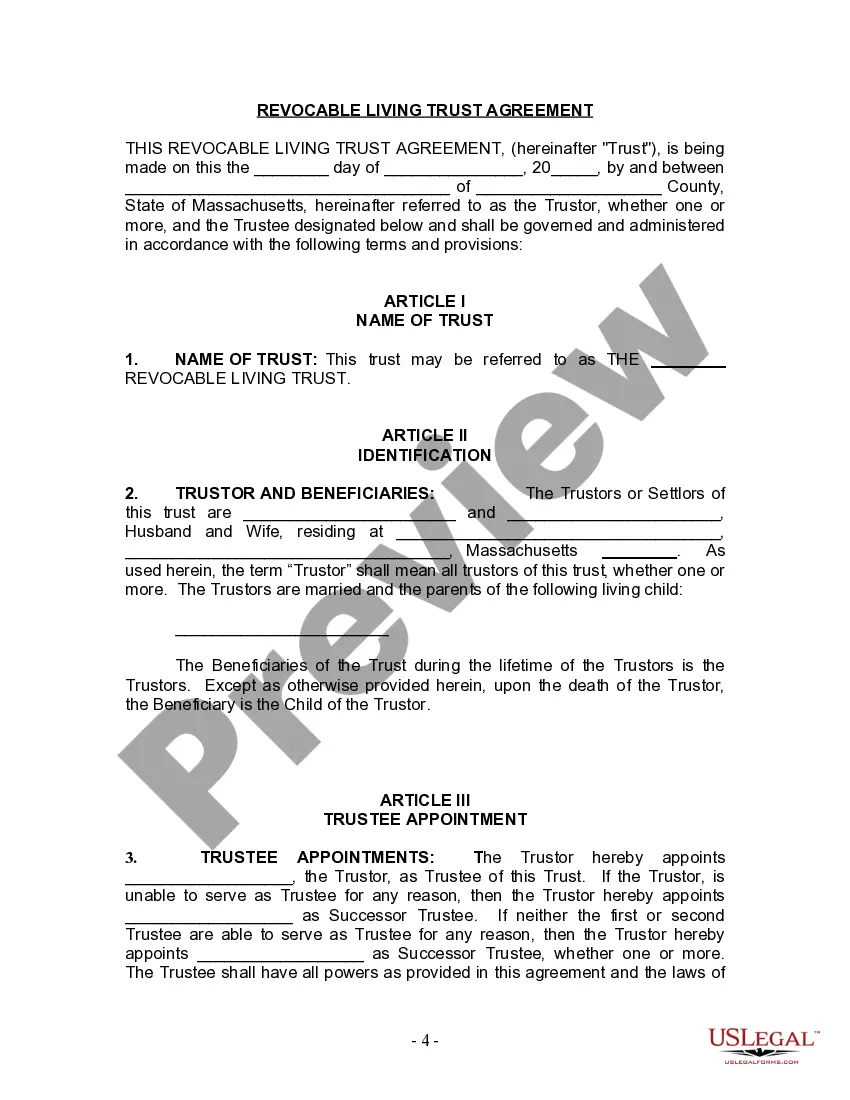
This Quitclaim Deed, W/O Quitclaim Covenants form is a legal document that allows three individuals, known as Grantors, to transfer property ownership to a Grantee Trust without providing any warranties regarding the title. Unlike other deeds, such as warranty deeds, this quitclaim deed does not guarantee the condition or ownership of the property being transferred. It is essential for those looking to transfer property rights efficiently and with minimal formalities while ensuring compliance with state laws.
Main sections of this form
- Names and contact details of the Grantors (the individuals transferring the property).
- Name of the Grantee (the Trust receiving the property).
- Description of the property being transferred, including legal descriptions.
- Signature lines for the Grantors to formally execute the deed.
- Date of the transfer, which is crucial for recording the deed.






Situations where this form applies
This form is typically used when individuals wish to transfer property to a trust for various reasons, such as estate planning, asset protection, or property management. It can also be useful in situations where the Grantors do not wish to provide warranties about the property's condition or ownership. Using a quitclaim deed streamlines the transfer process between the parties involved.
Who can use this document
This Quitclaim Deed should be used by:
- Individuals seeking to transfer property ownership without warranties.
- Trustees or beneficiaries of a trust looking to acquire property.
- Legal representatives handling property transfers for clients.
- Anyone involved in personal or estate planning, especially with multiple Grantors.
Completing this form step by step
- Identify the parties: Enter the full names and addresses of the Grantors and Grantee.
- Describe the property: Provide a detailed legal description of the property being transferred.
- Record the transfer date: Insert the date when the deed is executed.
- Obtain signatures: All Grantors must sign the form in the designated areas.
- Make a copy: Ensure that a copy is kept for personal records after the form is completed.
Does this form need to be notarized?
Notarization is required for this form to take effect. Our online notarization service, powered by Notarize, lets you verify and sign documents remotely through an encrypted video session, available 24/7.
Get your form ready online
Our built-in tools help you complete, sign, share, and store your documents in one place.
Make edits, fill in missing information, and update formatting in US Legal Forms—just like you would in MS Word.
Download a copy, print it, send it by email, or mail it via USPS—whatever works best for your next step.
Sign and collect signatures with our SignNow integration. Send to multiple recipients, set reminders, and more. Go Premium to unlock E-Sign.
If this form requires notarization, complete it online through a secure video call—no need to meet a notary in person or wait for an appointment.
We protect your documents and personal data by following strict security and privacy standards.

Make edits, fill in missing information, and update formatting in US Legal Forms—just like you would in MS Word.

Download a copy, print it, send it by email, or mail it via USPS—whatever works best for your next step.

Sign and collect signatures with our SignNow integration. Send to multiple recipients, set reminders, and more. Go Premium to unlock E-Sign.

If this form requires notarization, complete it online through a secure video call—no need to meet a notary in person or wait for an appointment.

We protect your documents and personal data by following strict security and privacy standards.
Avoid these common issues
- Failing to include a complete legal description of the property.
- Not having all Grantors sign the deed.
- Leaving the transfer date blank or inaccurate.
- Using the form without understanding the implications of a quitclaim deed.
Advantages of online completion
- Convenience: Easily fill out the form online without the need for physical paperwork.
- Editability: Make adjustments to the document quickly as needed.
- Reliability: Ensure that the form complies with the latest legal standards.
Looking for another form?
Form popularity
FAQ
To use a Quitclaim Deed to add someone to a property deed or title, you would need to create a Quitclaim Deed and list all of the current owners in the grantor section. In the grantee section, you would list all of the current owners as well as the person you would like to add.
Locate your current deed. Use the proper deed. Check with your title insurance company and lender. Prepare a new deed. Sign in the presence of a notary. Record the deed in the county clerk's office. Locate the deed that's in trust. Use the proper deed.
In some instances, however, quitclaim deeds are used when the grantor has a mortgage. In this case, the grantor remains liable for the mortgage even after ownership has transferred through the execution of a quitclaim deed. Quitclaim deeds transfer title but do not affect mortgages.
Recording: Massachusetts quitclaim deeds must be filed with the Registry of Deeds Office. Choose the office in the county where the property is. Filing Fee: Each Registry of Deeds Office charges a filing fee, which must be filed along with the deed.
It's usually a very straightforward transaction, but it's possible for a quitclaim deed to be challenged. If a quitclaim deed is challenged in court, the issue becomes whether the property was legally transferred and if the grantor had the legal right to transfer the property.
Quitclaim deeds are most often used to transfer property between family members. Examples include when an owner gets married and wants to add a spouse's name to the title or deed, or when the owners get divorced and one spouse's name is removed from the title or deed.
Unlike most other property deeds, a quitclaim deed contains no title covenant and thus offers the grantee no warranty as to the status of the property title; the grantee is entitled only to whatever interest the grantor actually possesses at the time the transfer occurs.
The drawback, quite simply, is that quitclaim deeds offer the grantee/recipient no protection or guarantees whatsoever about the property or their ownership of it. Maybe the grantor did not own the property at all, or maybe they only had partial ownership.