Kentucky Quitclaim Deed from Individual to Husband and Wife
What is this form?
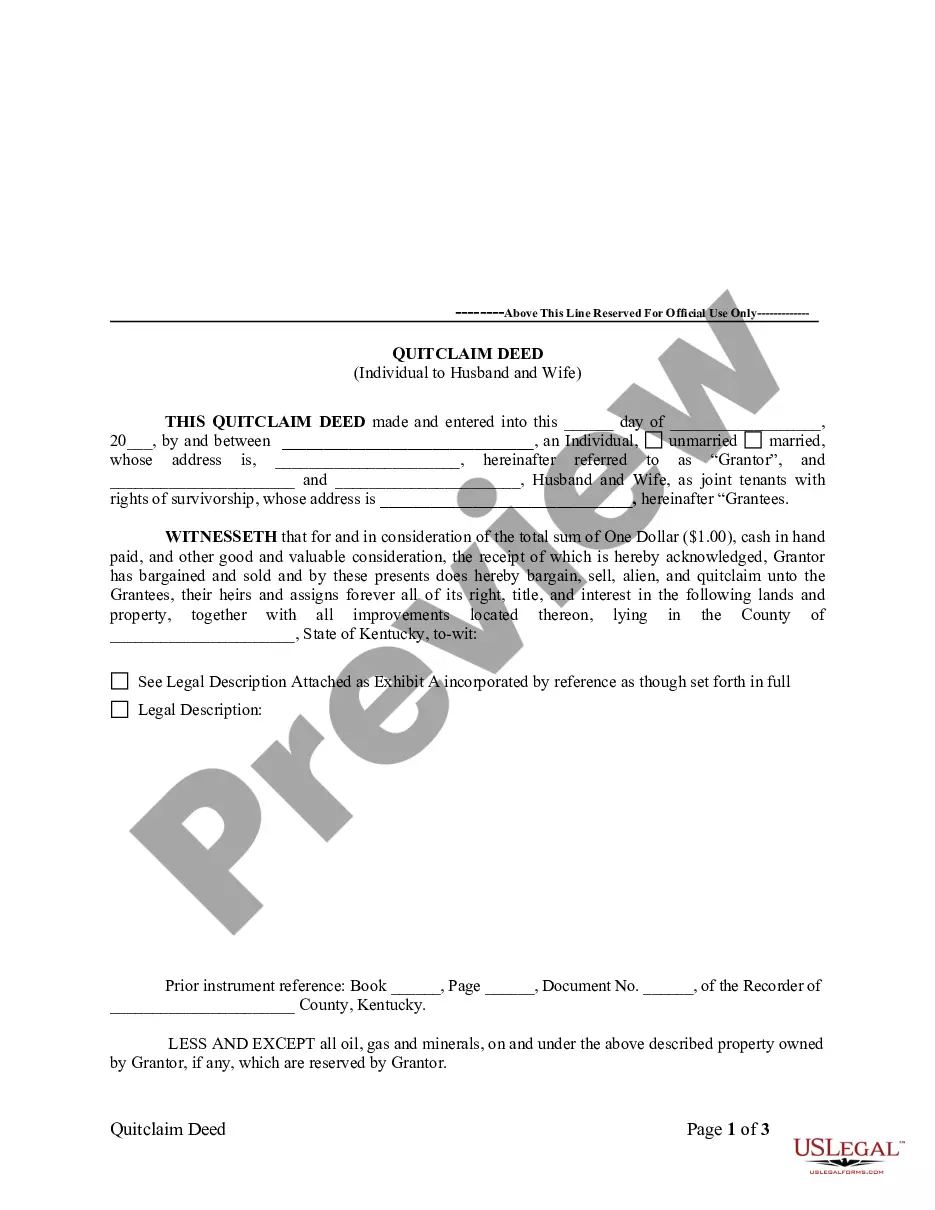
The Quitclaim Deed from Individual to Husband and Wife is a legal document that allows an individual (the Grantor) to transfer property rights to a married couple (the Grantees). Unlike other deeds, a quitclaim deed does not guarantee that the Grantor has clear title to the property; instead, it simply conveys whatever interest the Grantor has. This form is particularly useful in situations such as transferring property between family members or simplifying estate planning within a marriage.
Key components of this form
- Identification of the Grantor (individual) and Grantees (husband and wife).
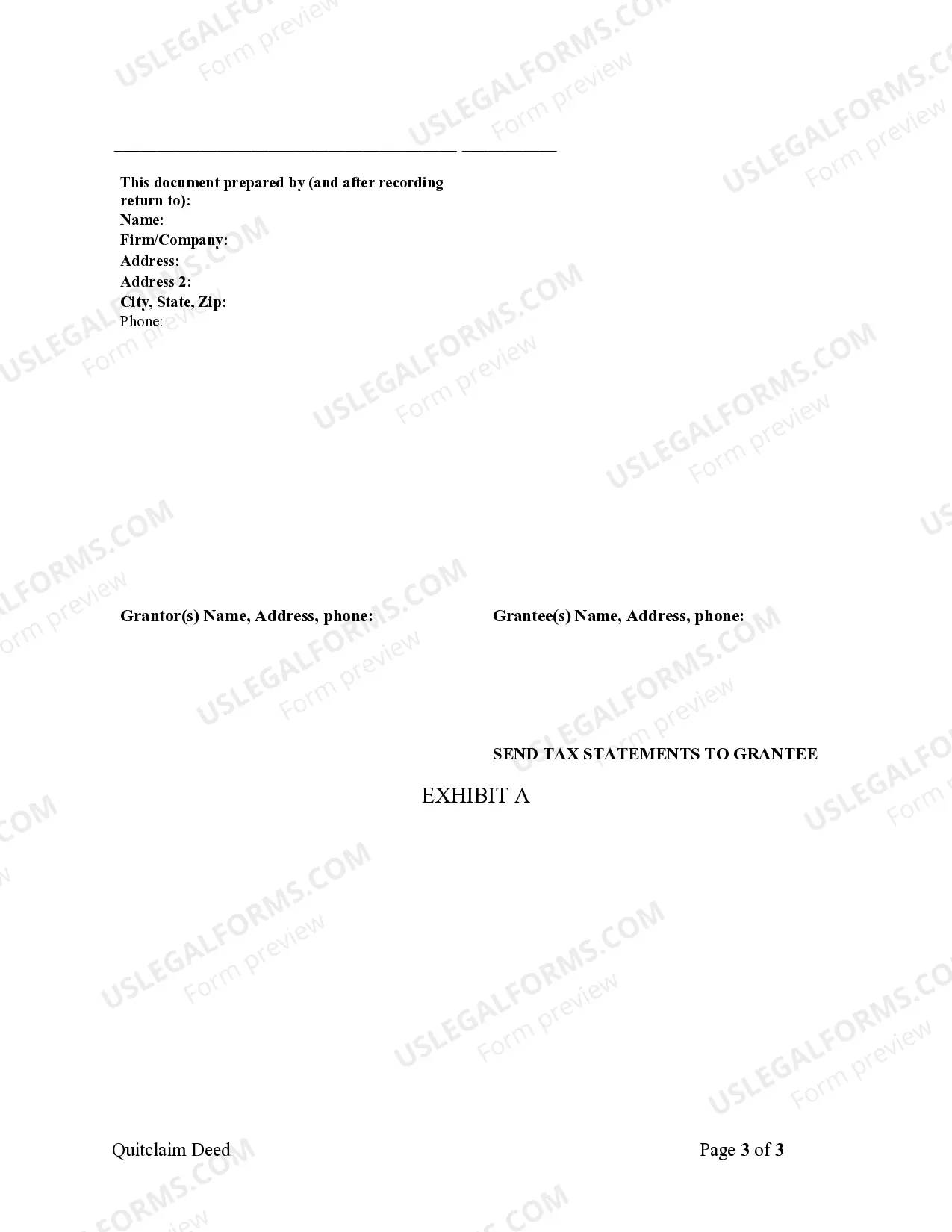
- Specification of the property being transferred, including a legal description.
- Reservation of rights, such as oil, gas, and mineral rights, by the Grantor.
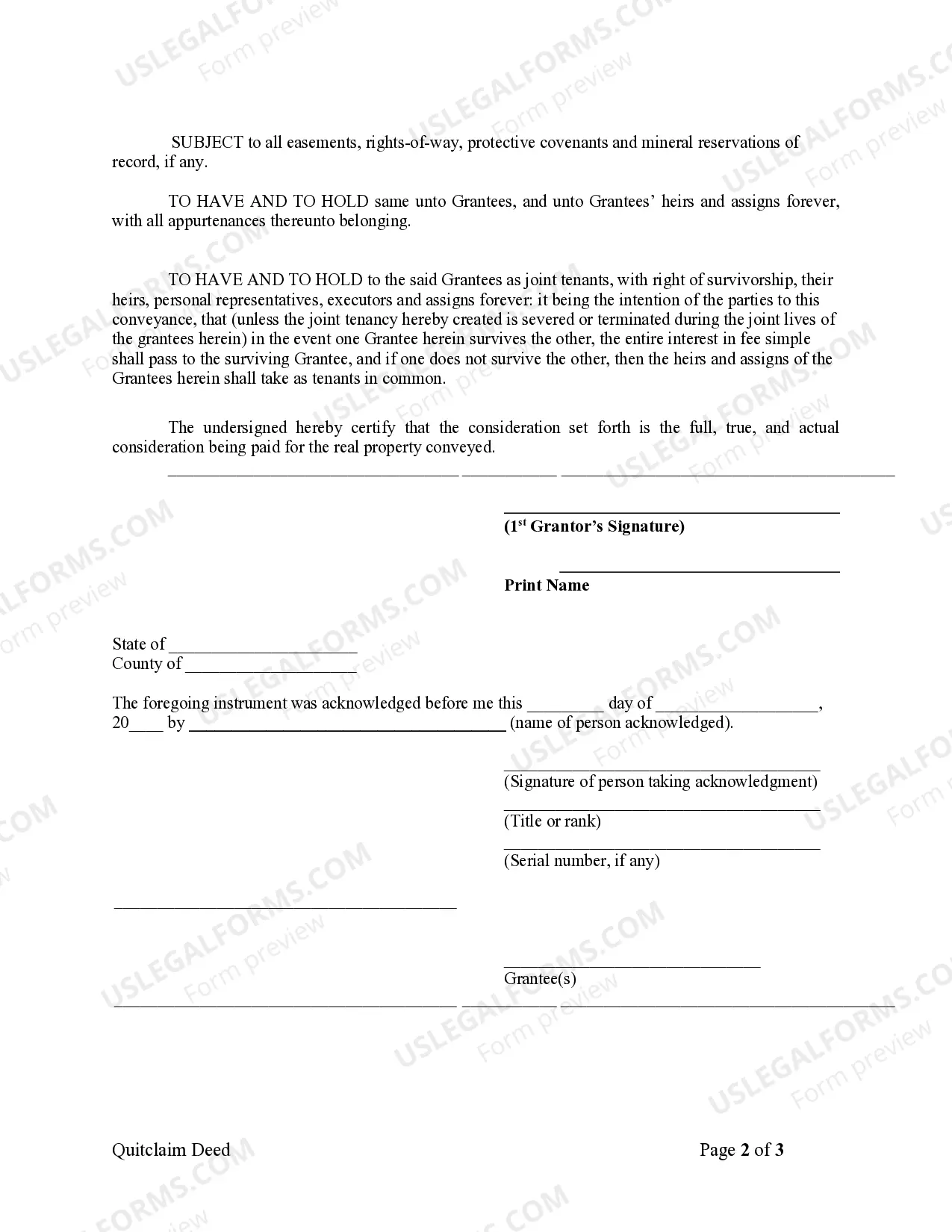
- Construction of joint tenancy with rights of survivorship for the Grantees.
- Consideration, commonly set at One Dollar, as part of the transfer.






When to use this form
This Quitclaim Deed is ideal for transferring property ownership from an individual to a married couple, especially in cases such as gifting property, consolidating ownership for estate planning, or when one spouse is transferring property to the other as part of a marital agreement. It is useful for informal relocations of property without the complexities of traditional property transactions.
Who can use this document
- Individuals looking to transfer property to their spouse.
- Married couples wanting to establish joint ownership of property.
- People involved in estate planning or simplifying property ownership.
- Those interested in resolving issues in property disputes within marriages.
How to prepare this document
- Identify the Grantor by entering their name and marital status.
- Fill in the names of the Grantees as husband and wife.
- Detail the property being transferred, including its legal description.
- Enter the date of the transfer and the consideration amount (typically One Dollar).
- Have the document notarized, if required by local law.
Notarization guidance
Yes, this form must be notarized to be legally valid. Notarization helps verify the identities of those involved in the transaction and ensures that the deed is executed properly. US Legal Forms offers integrated online notarization services that are available 24/7 through secure video calls, providing legal equivalence without the need for travel.
Get your form ready online
Our built-in tools help you complete, sign, share, and store your documents in one place.
Make edits, fill in missing information, and update formatting in US Legal Forms—just like you would in MS Word.
Download a copy, print it, send it by email, or mail it via USPS—whatever works best for your next step.
Sign and collect signatures with our SignNow integration. Send to multiple recipients, set reminders, and more. Go Premium to unlock E-Sign.
If this form requires notarization, complete it online through a secure video call—no need to meet a notary in person or wait for an appointment.
We protect your documents and personal data by following strict security and privacy standards.
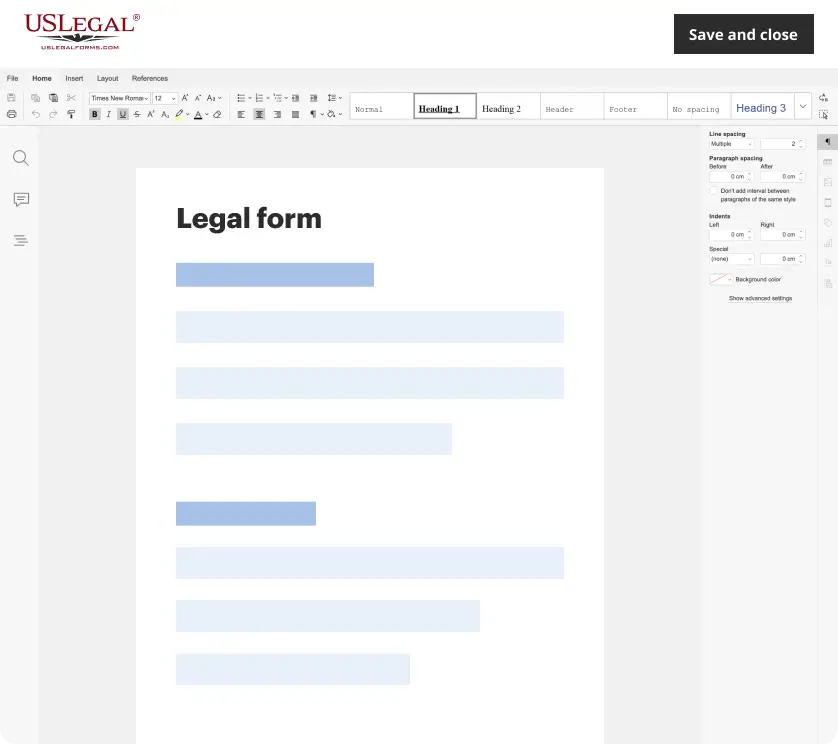
Make edits, fill in missing information, and update formatting in US Legal Forms—just like you would in MS Word.
Download a copy, print it, send it by email, or mail it via USPS—whatever works best for your next step.
Sign and collect signatures with our SignNow integration. Send to multiple recipients, set reminders, and more. Go Premium to unlock E-Sign.

If this form requires notarization, complete it online through a secure video call—no need to meet a notary in person or wait for an appointment.
We protect your documents and personal data by following strict security and privacy standards.
Common mistakes to avoid
- Failing to include a proper legal description of the property.
- Not having the deed notarized when required.
- Leaving out the consideration amount, which can lead to disputes.
- Incorrectly identifying the Grantor or Grantees.
Benefits of completing this form online
- Convenience of instant download and easy access from anywhere.
- Editability allows users to fill in their specific information accurately.
- Guidance provided through the legal template ensures compliance with state laws.
- Time-saving compared to consulting a lawyer for basic property transfers.
Main things to remember
- This quitclaim deed allows for a straightforward transfer of property between an individual and a married couple.
- Proper completion and notarization are essential for the deed's legal enforceability.
- Understanding the implications of joint tenancy with rights of survivorship can affect future ownership rights.
Looking for another form?
Form popularity
FAQ
Technically, any seller (attorney or non-attorney) can prepare their own deed; however, it must contain all the correct language, for the specific situation, in order for it to do what you want it to do2026and in order for it to be acceptable for recording by the county clerk's office in the county in which the property
The mortgage company usually prepares this deed as part of the loan package and delivers it to the title company for you to sign at closing. The title company is commonly the trustee to the deed and holds legal title to the property until the loan gets fully repaid.
Generally, the lender sends the documents to be recorded after the closing. The recording fees are included in your closing costs. Typically, the lender will provide you with a copy of the deed of trust after the closing. The original warranty deeds are often mailed to the grantee after they are recorded.
Step 1: Find your KY quitclaim form. Step 2: Gather the information you need. Step 3: Enter the information about the parties. Step 4: File the deed in the County Clerk's office of the county where the property is located, along with the consideration certificate.
They are commonly used to add/remove someone to/from real estate title or deed (divorce, name changes, family and trust transfers). The quitclaim deed is a legal document (deed) used to transfer interest in real estate from one person or entity (grantor) to another (grantee).
A deed must be executed by the grantor(s) in presence of the prescribed number of witnesses set forth by the local jurisdiction. It must be delivered to (delivery) and accepted by the grantee (acceptance.)
Either (1) a sworn, notarized certificate signed by the grantor or his agent and the grantee or his agent, that the consideration reflected in the deed is the full consideration paid for the property, or (2) a sworn, notarized certificate signed by the grantor or his agent and the grantee or his agent, stating that the
But you might be wondering if an owner can transfer a deed to another person without a real estate lawyer. The answer is yes. Parties to a transaction are always free to prepare their own deeds.A quitclaim deed, for example, is far simpler than a warranty deed.