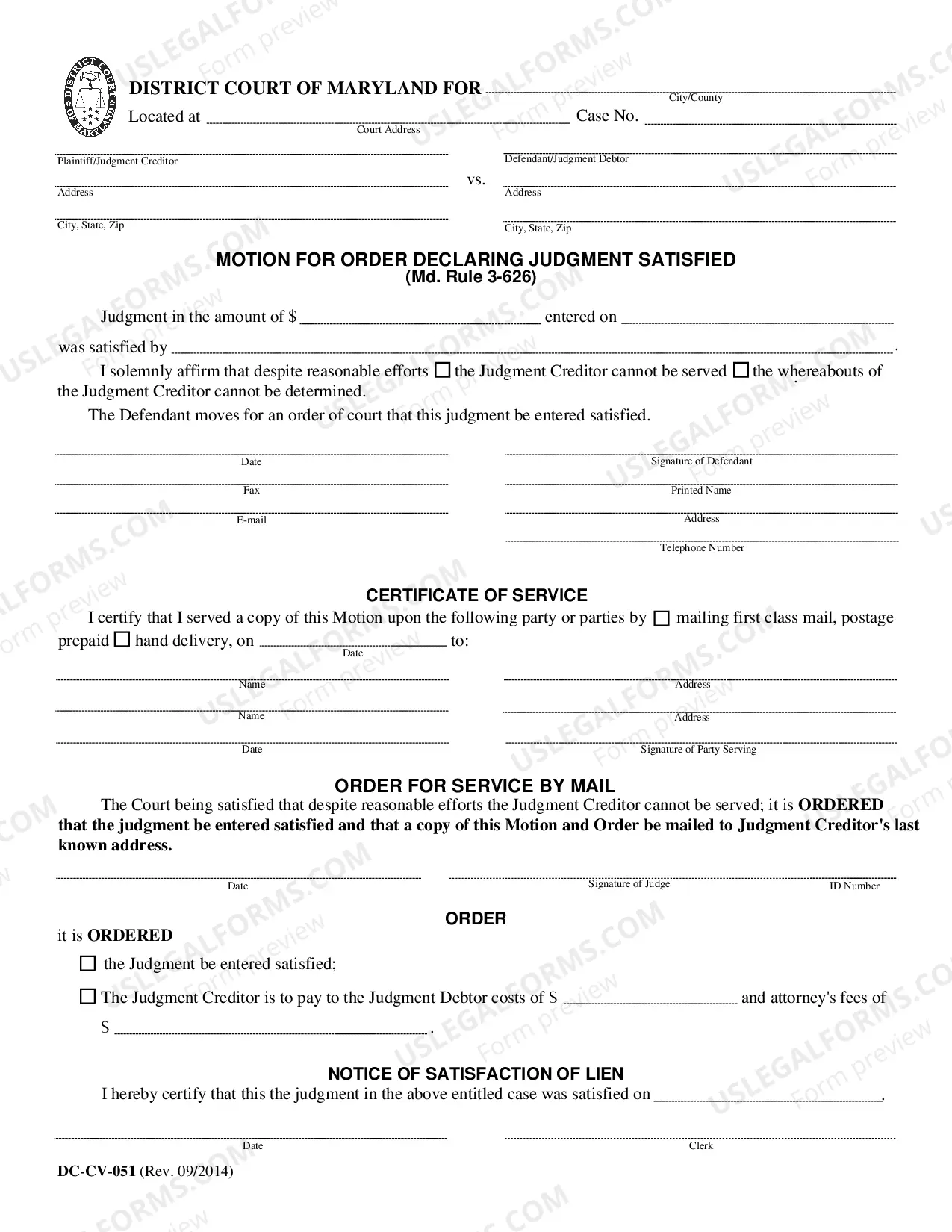
Kansas Living Trust for Individual Who is Single, Divorced or Widow (or Widower) with No Children
Understanding this form
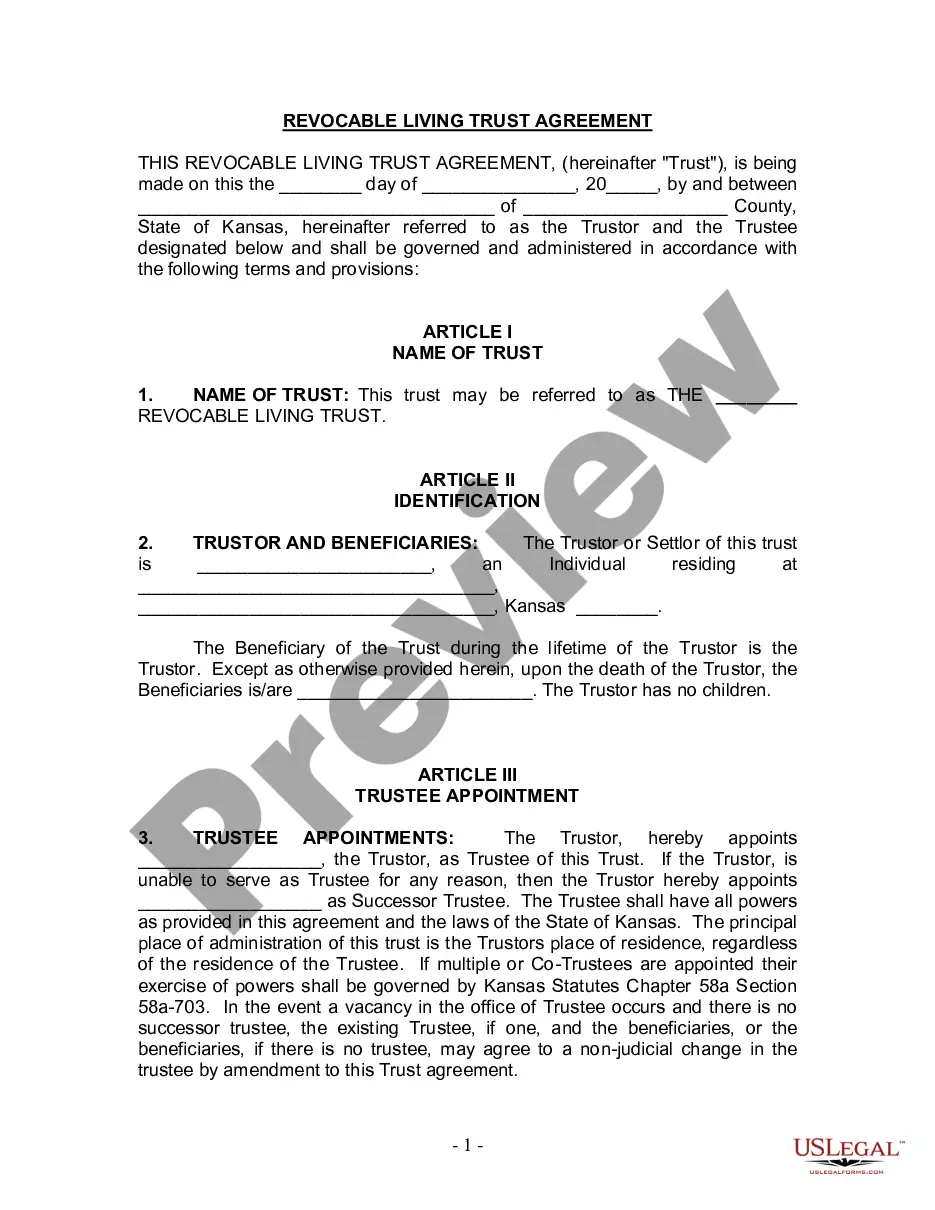
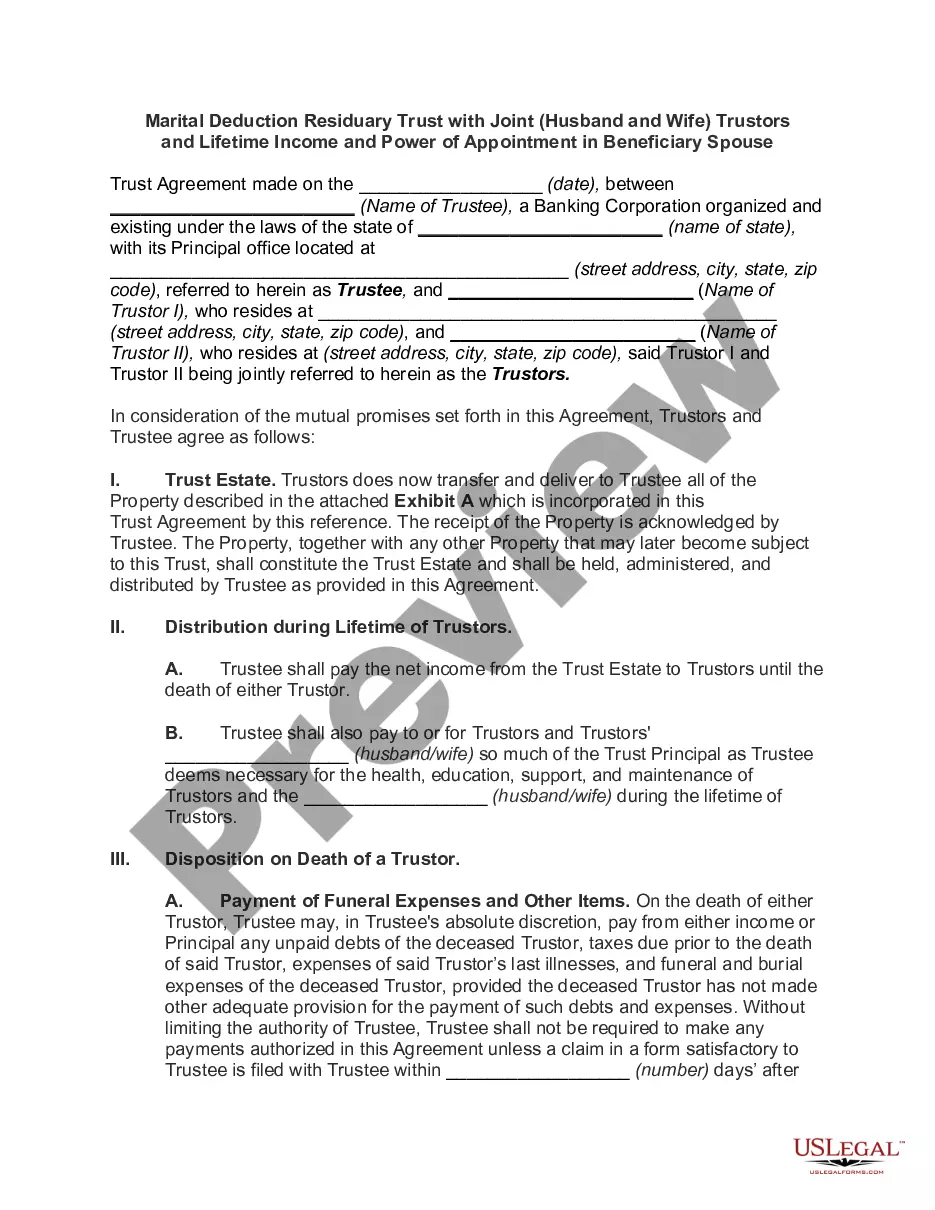
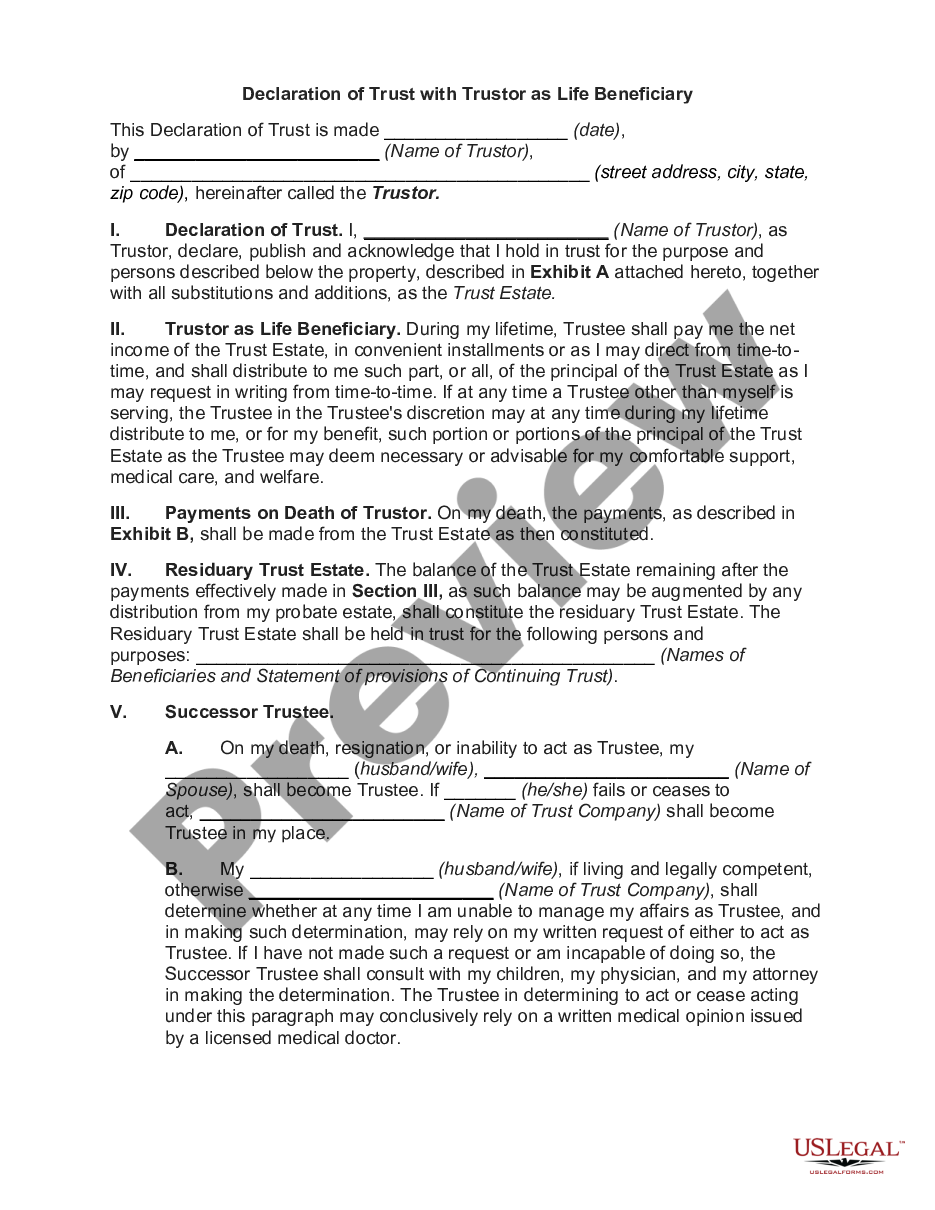
This Living Trust for Individuals Who are Single, Divorced, or Widowed with No Children is a legal document that allows you to manage your assets during your lifetime and specify how they will be distributed after your death. Unlike a will, a living trust avoids the probate process, ensuring a more private and efficient transfer of assets. This form is specifically designed for individuals without children, making it a tailored solution for your estate planning needs.
Key parts of this document
- Identification section for the Trustor and beneficiaries.
- Appointment of the Trustee and successor Trustee.
- Details on the assets included in the trust.
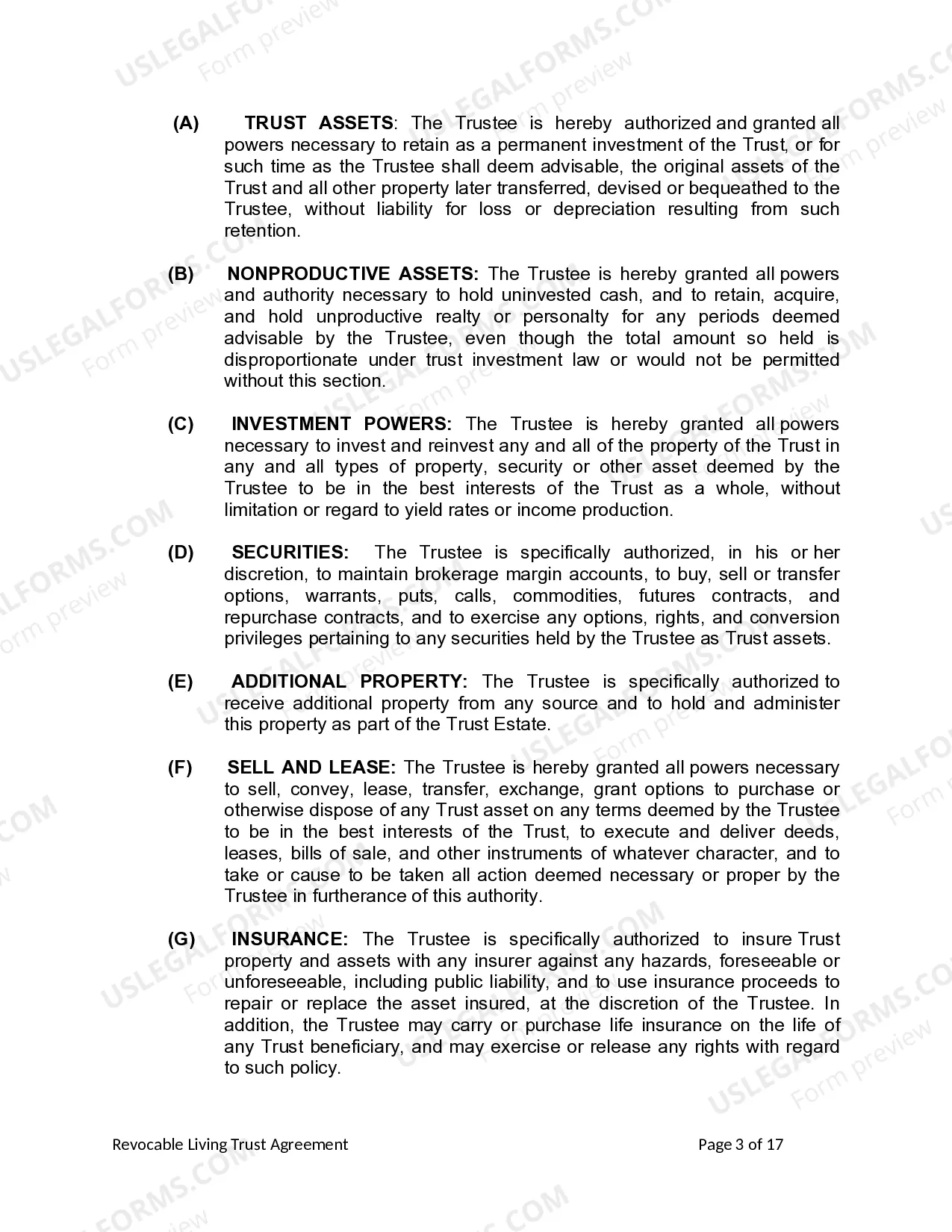
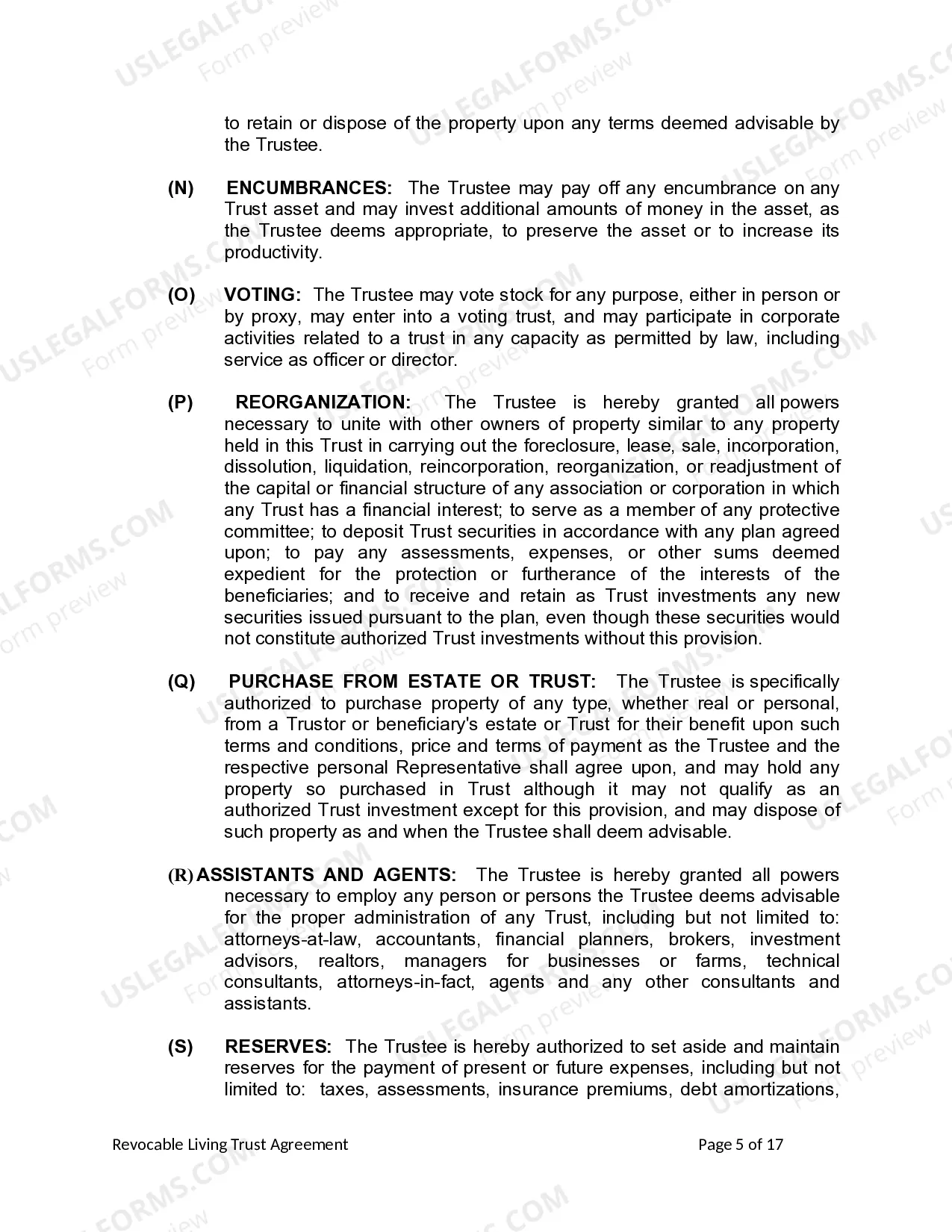
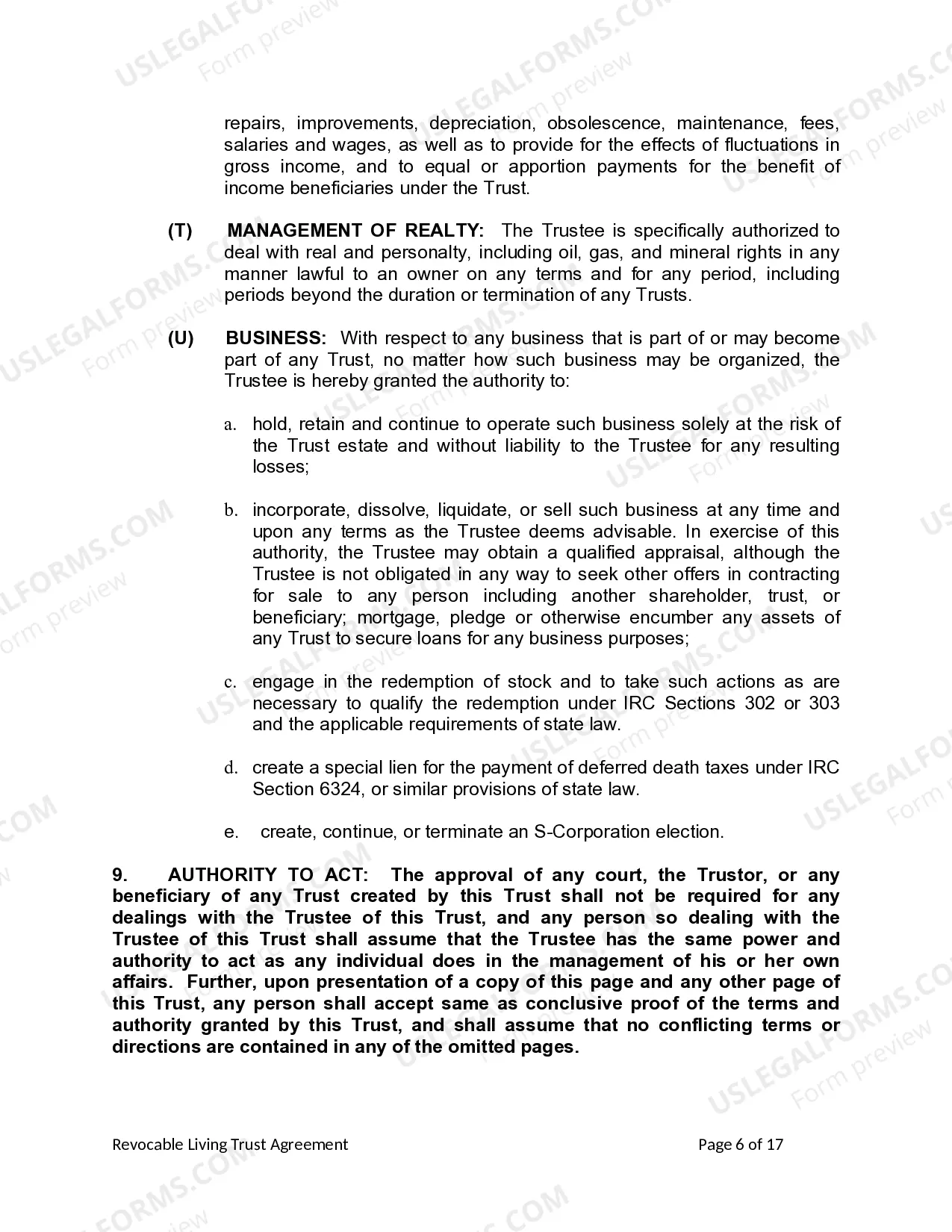
- Trustee powers and responsibilities during the Trustor's lifetime and after their death.
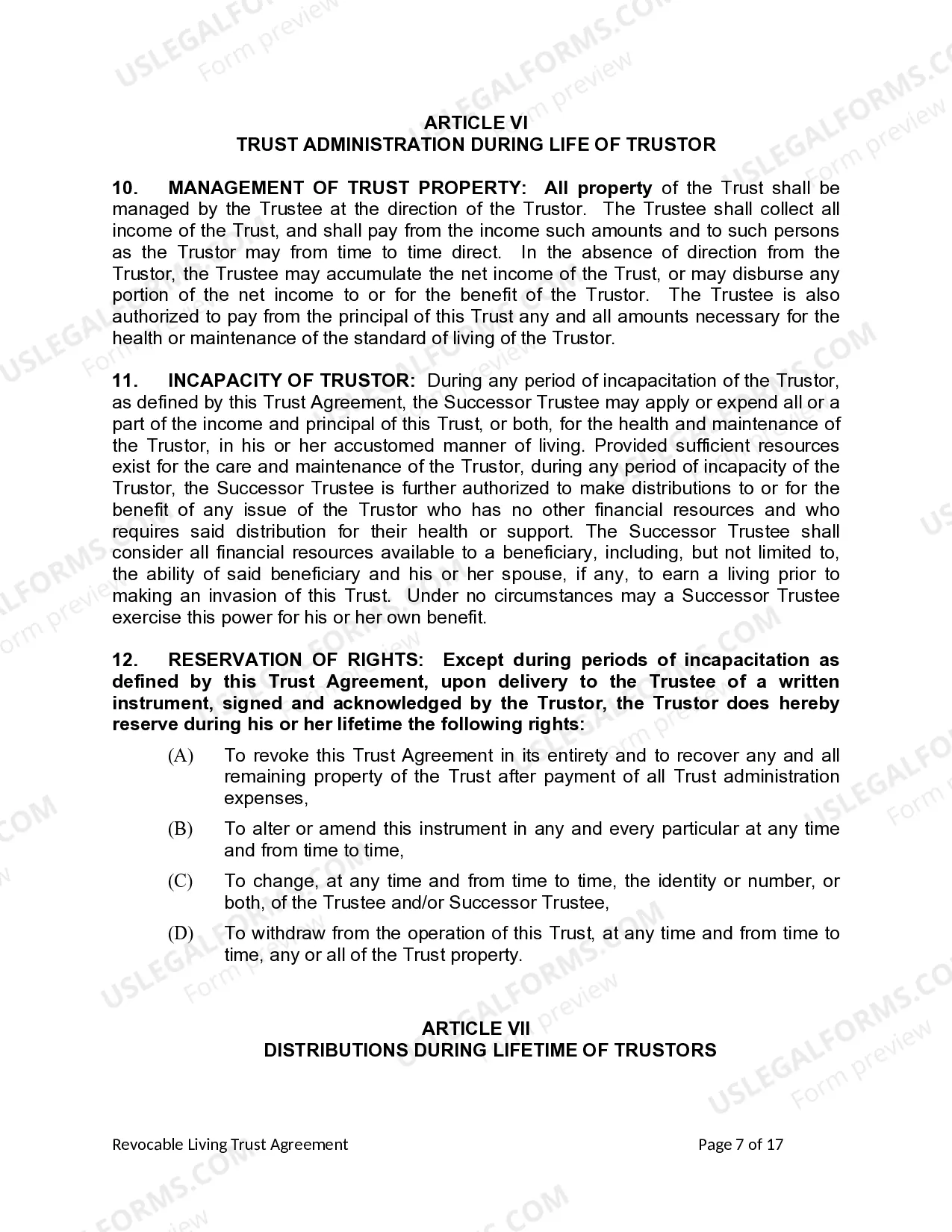
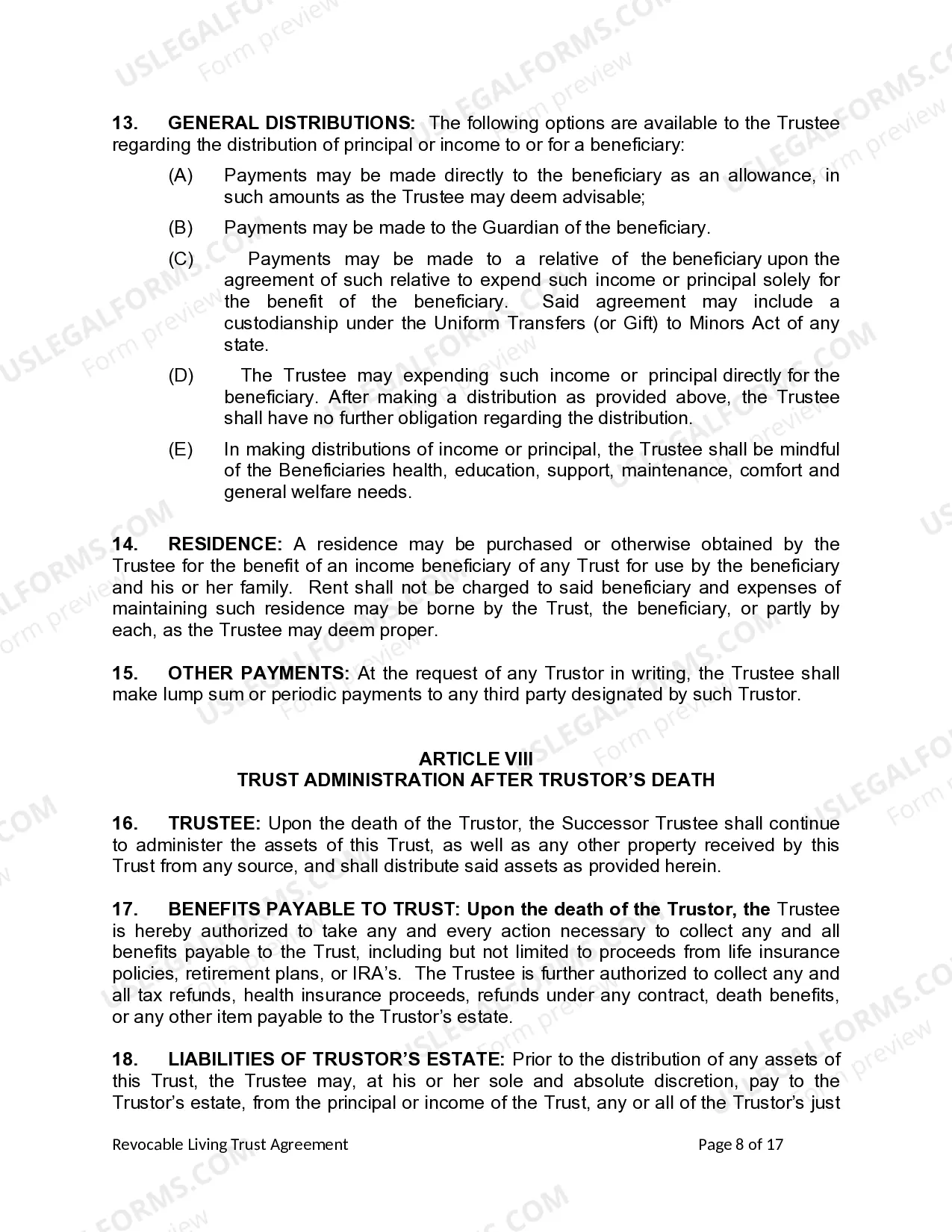
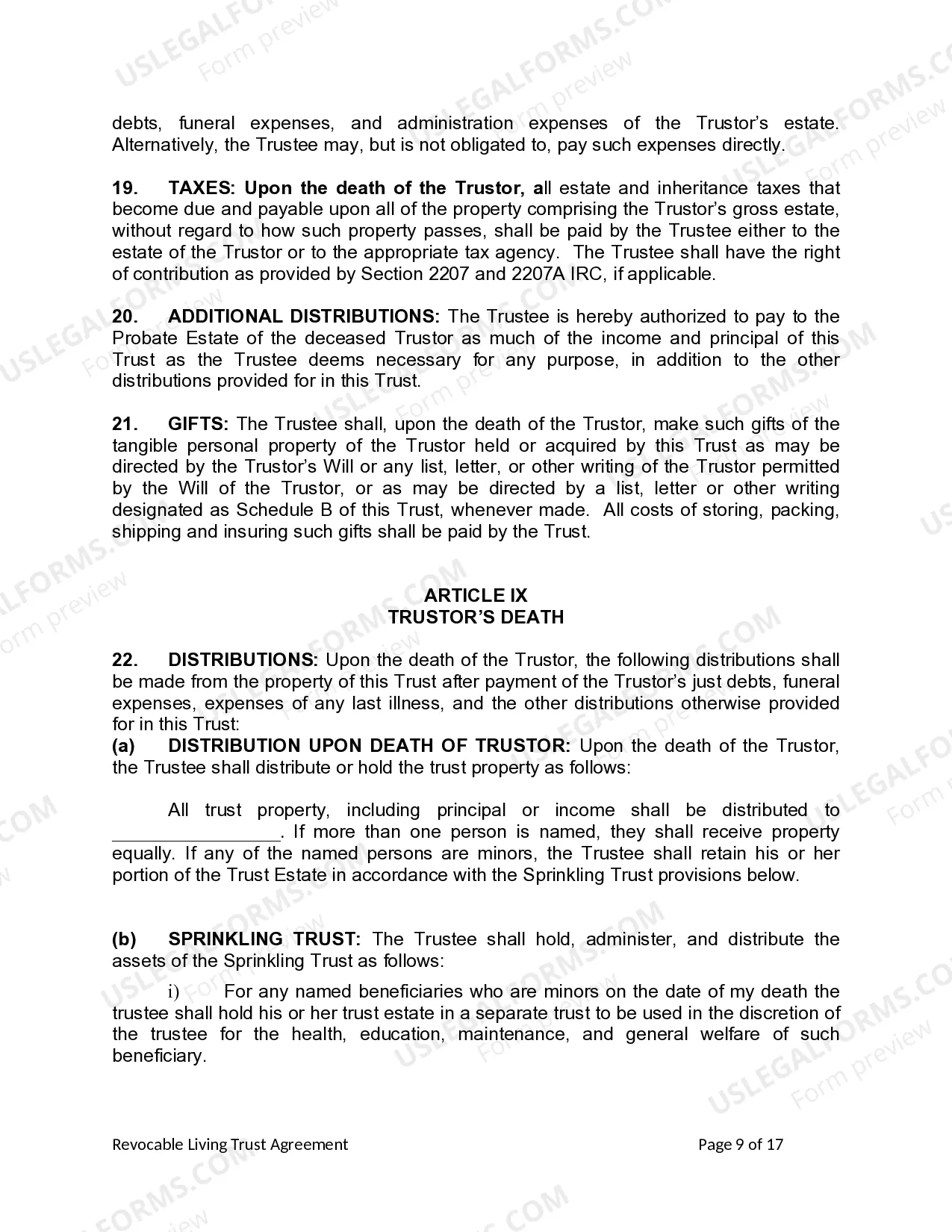
- Instructions for managing and distributing assets post-mortem.







When to use this form
This form should be used when you, as an individual who is single, divorced, or widowed and have no children, want to create a living trust. It is ideal for those looking to manage their assets effectively and ensure a smooth transition of property to beneficiaries without the complications of probate. Use this form if you wish to retain control over your assets while still providing for their distribution according to your wishes after your passing.
Who needs this form
- Single individuals who want to plan their estate.
- Divorced persons seeking to reallocate their assets.
- Widowed individuals without children looking to manage their estate efficiently.
- Anyone wanting to avoid the probate process associated with a will.
How to complete this form
- Identify yourself as the Trustor, including your name and address.
- Designate a Trustee and possibly a Successor Trustee.
- List the assets you wish to include in the trust.
- Specify the beneficiaries to receive your assets after your death.
- Sign and date the document in accordance with state regulations.
Notarization requirements for this form
This document requires notarization to meet legal standards. US Legal Forms provides secure online notarization powered by Notarize, allowing you to complete the process through a verified video call, available 24/7.
Get your form ready online
Our built-in tools help you complete, sign, share, and store your documents in one place.
Make edits, fill in missing information, and update formatting in US Legal Forms—just like you would in MS Word.
Download a copy, print it, send it by email, or mail it via USPS—whatever works best for your next step.
Sign and collect signatures with our SignNow integration. Send to multiple recipients, set reminders, and more. Go Premium to unlock E-Sign.
If this form requires notarization, complete it online through a secure video call—no need to meet a notary in person or wait for an appointment.
We protect your documents and personal data by following strict security and privacy standards.

Make edits, fill in missing information, and update formatting in US Legal Forms—just like you would in MS Word.

Download a copy, print it, send it by email, or mail it via USPS—whatever works best for your next step.

Sign and collect signatures with our SignNow integration. Send to multiple recipients, set reminders, and more. Go Premium to unlock E-Sign.

If this form requires notarization, complete it online through a secure video call—no need to meet a notary in person or wait for an appointment.

We protect your documents and personal data by following strict security and privacy standards.
Avoid these common issues
- Failing to properly identify all assets to be included in the trust.
- Not naming a successor Trustee, creating uncertainties about trust management.
- Overlooking the need for witness signatures, if required by state law.
- Not updating the trust after significant life changes or financial changes.
Benefits of completing this form online
- Convenient access to legal forms at any time, from anywhere.
- Editable sections that allow you to customize the trust according to your needs.
- Reliability through professionally drafted templates created by licensed attorneys.
Looking for another form?
Form popularity
FAQ
A widow’s trust is a specialized trust that helps protect and manage a widow's or widower's assets after the death of their partner. For those considering a Kansas Living Trust for Individual Who is Single, Divorced or Widow (or Widower) with No Children, this type of trust can provide crucial financial security and ease of access to assets. It ensures that your financial needs are met while also safeguarding your estate for future generations or beneficiaries.
Who can create a Trust? A trust may be created by: Every person who is competent to contracts: This includes an individual, AOP, HUF, company etc. If a trust is to be created by on or behalf of a minor, then the permission of a Principal Civil Court of original jurisdiction is required.
Legally your Trust now owns all of your assets, but you manage all of the assets as the Trustee. This is the essential step that allows you to avoid Probate Court because there is nothing for the courts to control when you die or become incapacitated.
Paperwork. Setting up a living trust isn't difficult or expensive, but it requires some paperwork. Record Keeping. After a revocable living trust is created, little day-to-day record keeping is required. Transfer Taxes. Difficulty Refinancing Trust Property. No Cutoff of Creditors' Claims.
When you create a DIY living trust, there are no attorneys involved in the process. You will need to choose a trustee who will be in charge of managing the trust assets and distributing them.You'll also need to choose your beneficiary or beneficiaries, the person or people who will receive the assets in your trust.