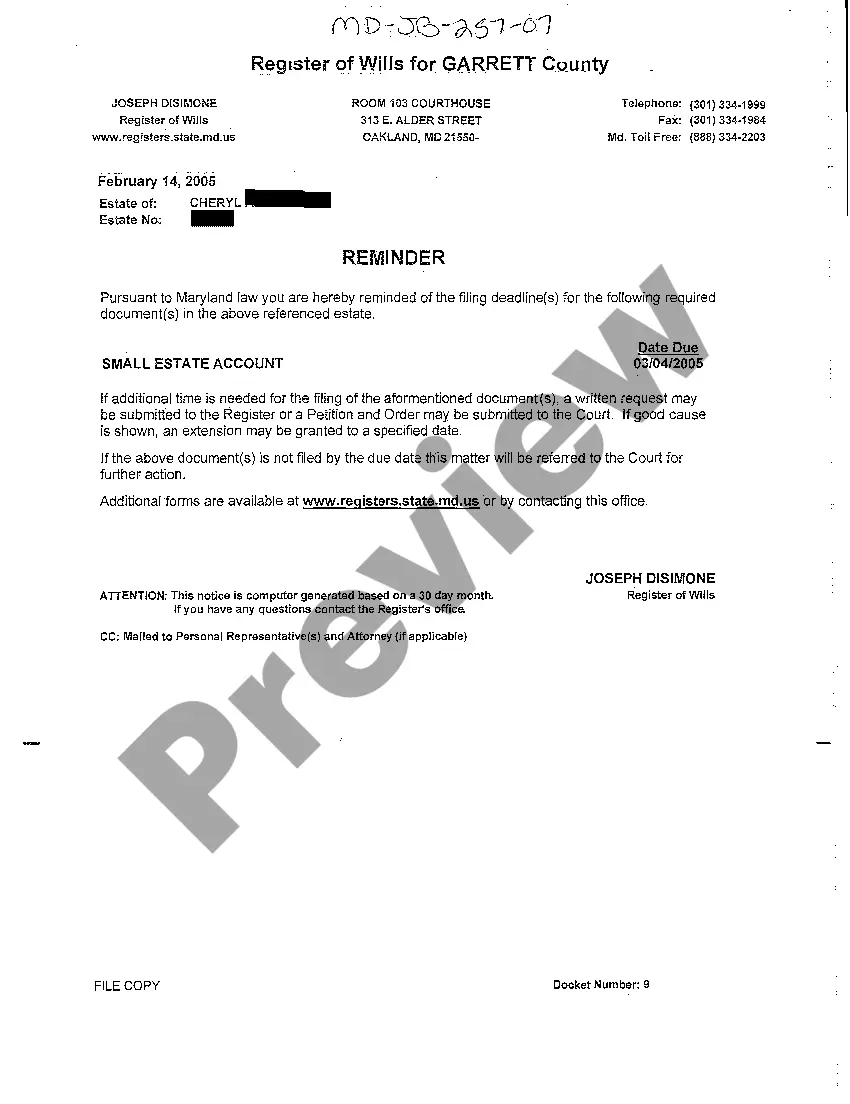
Kansas Paternity Law and Procedure Handbook
Understanding this form
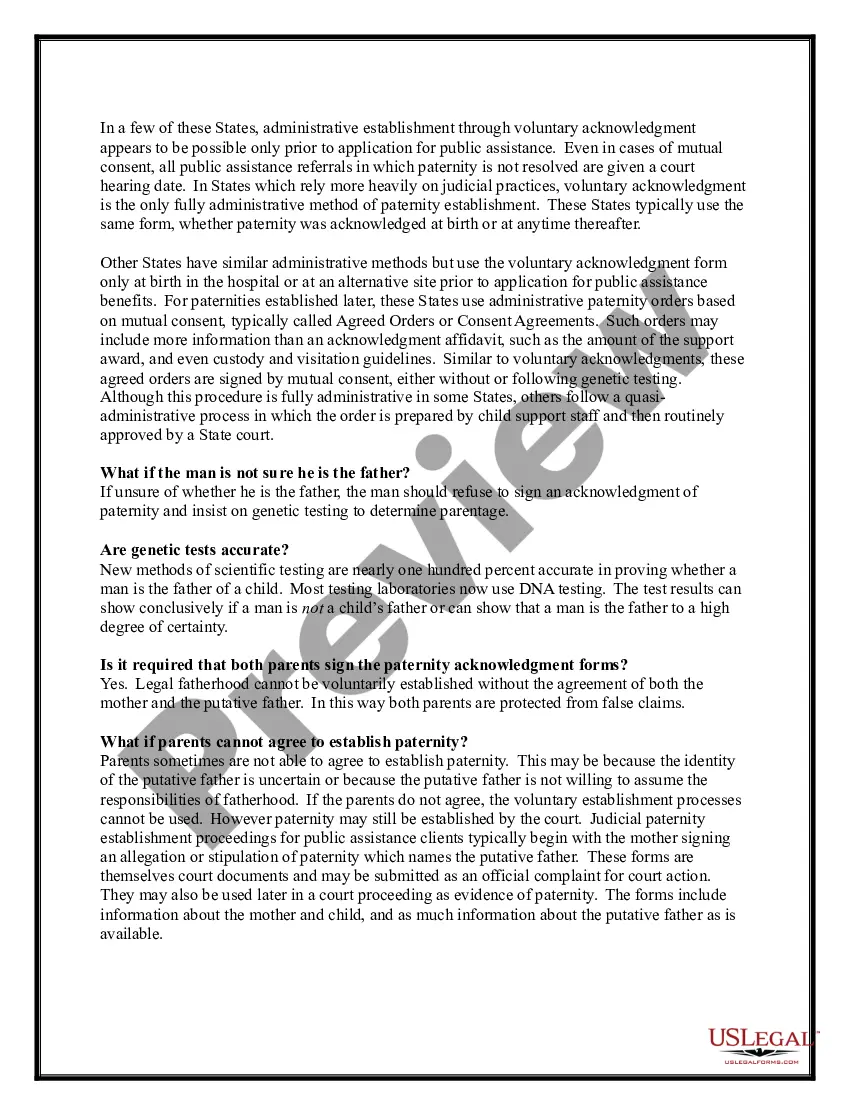
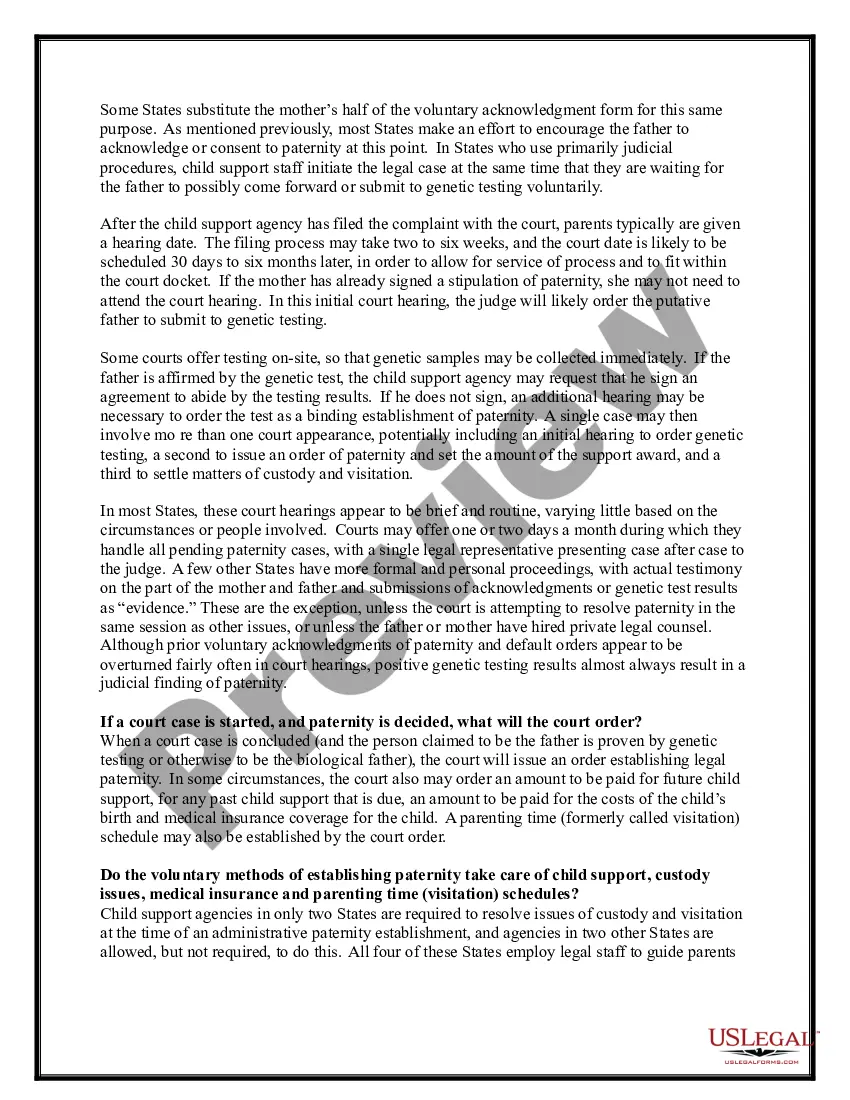
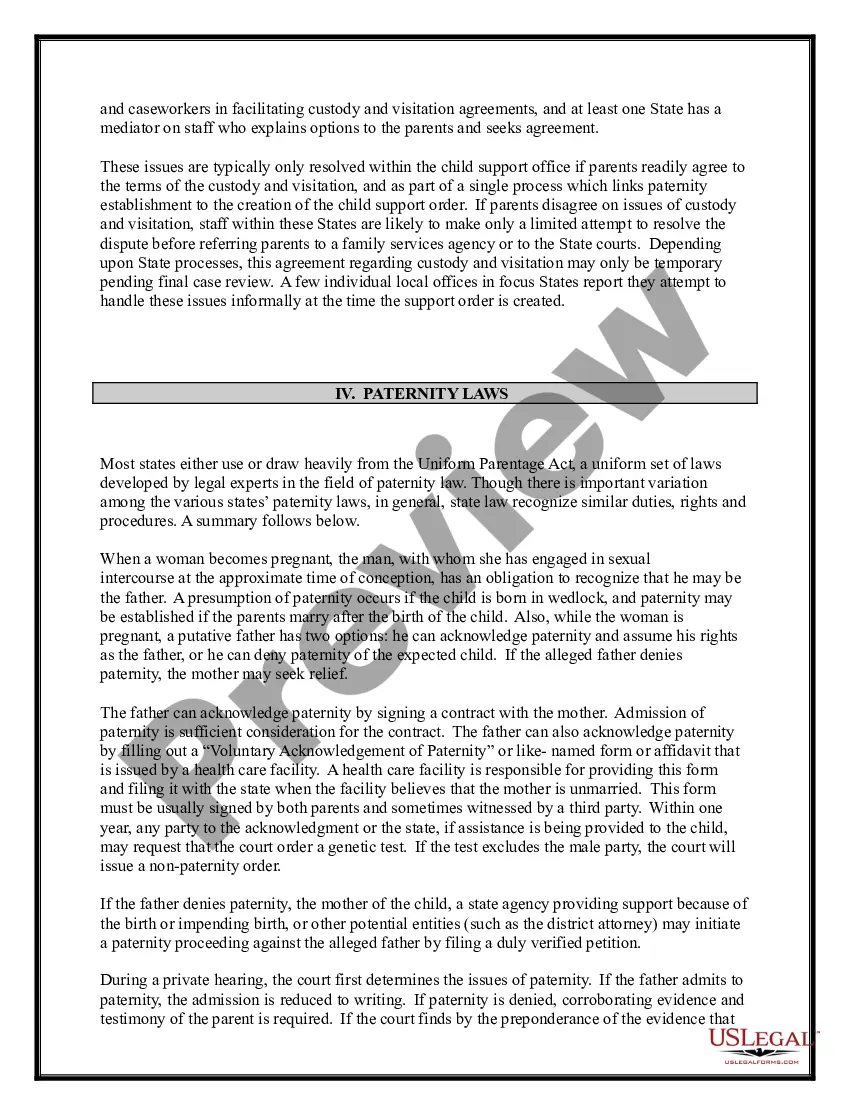
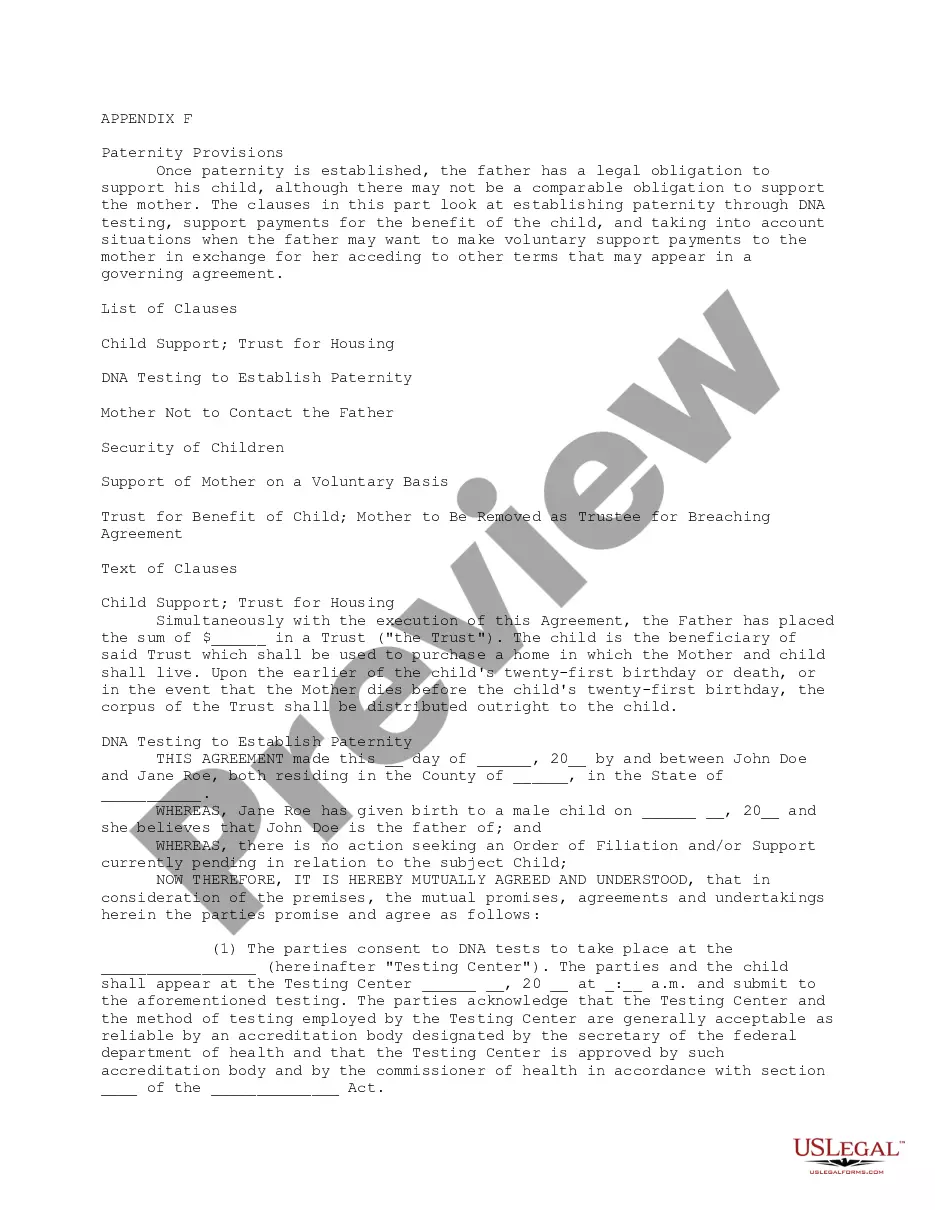
The Paternity Law and Procedure Handbook is a comprehensive guide designed to help individuals navigate the complexities of establishing legal paternity. It outlines the laws and procedures relevant to fathers and mothers in the United States, providing insights on voluntary and court-ordered paternity establishment. This handbook differs from other legal forms by focusing specifically on paternity rights and responsibilities, ensuring that parents understand the significance of legally recognizing their role as a parent.
Main sections of this form
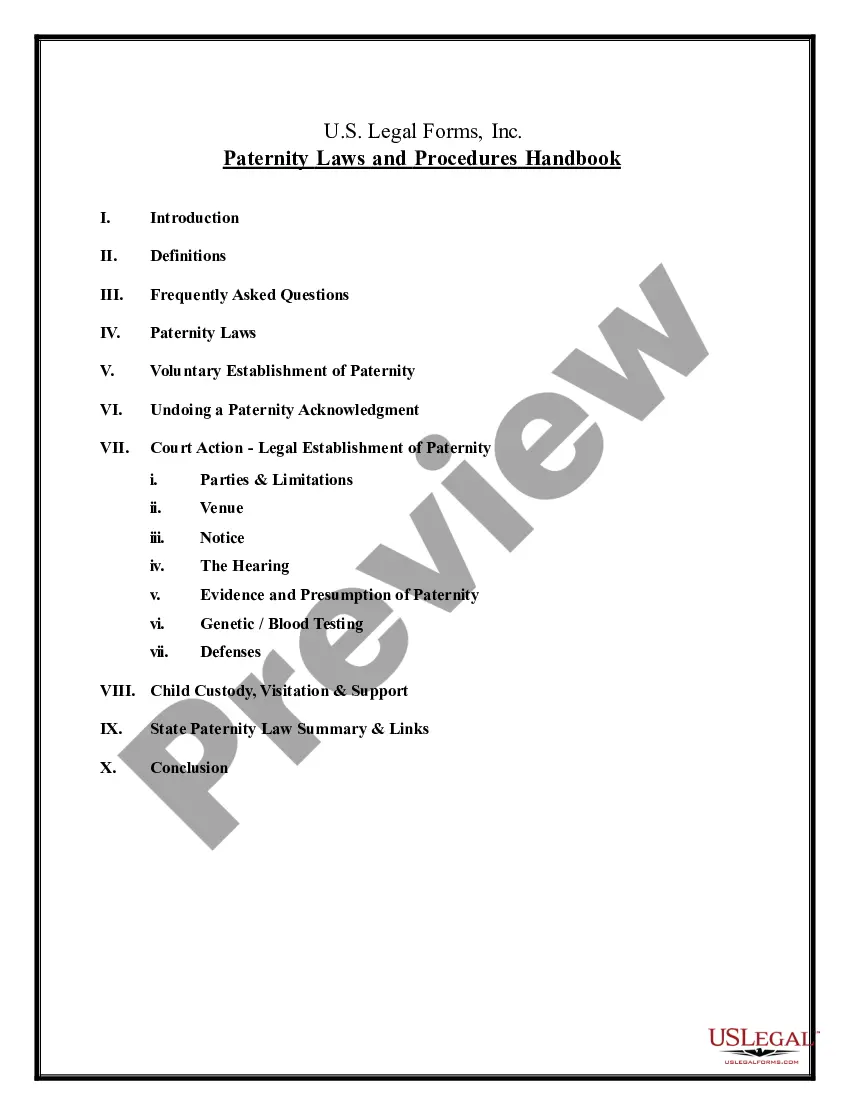
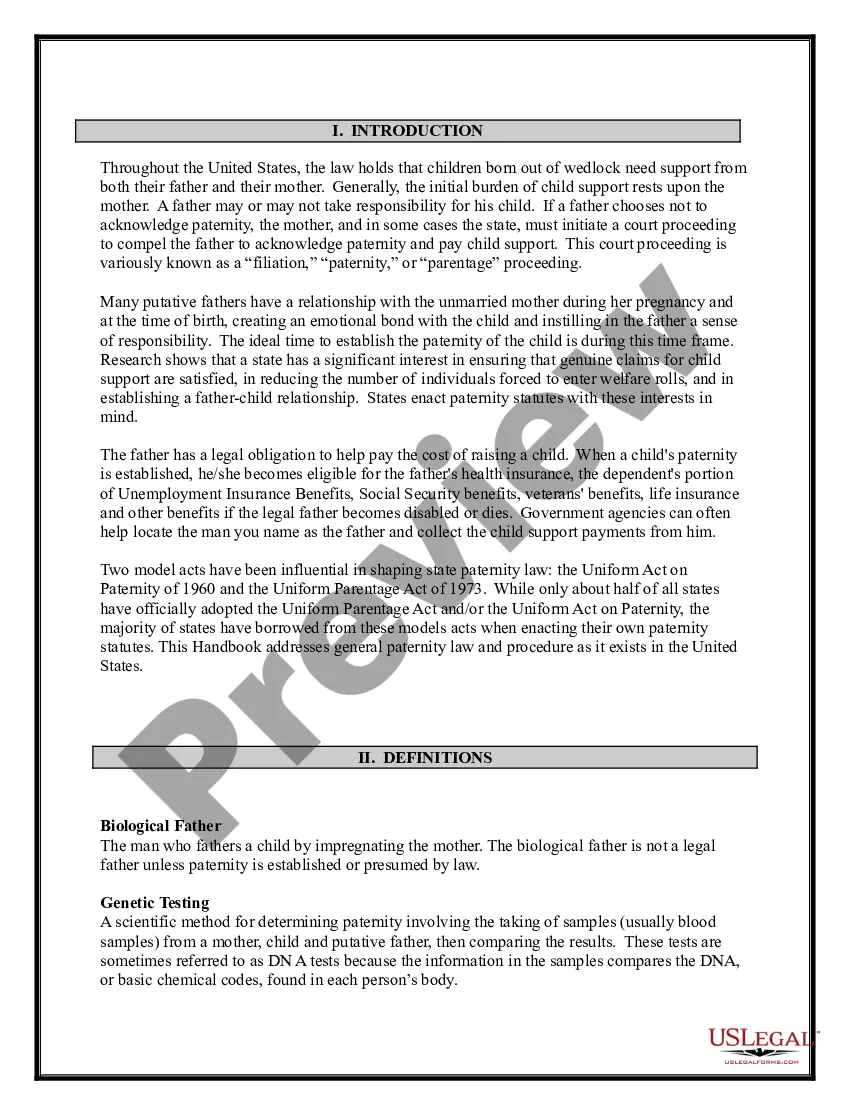
- Introduction to paternity laws and their importance.
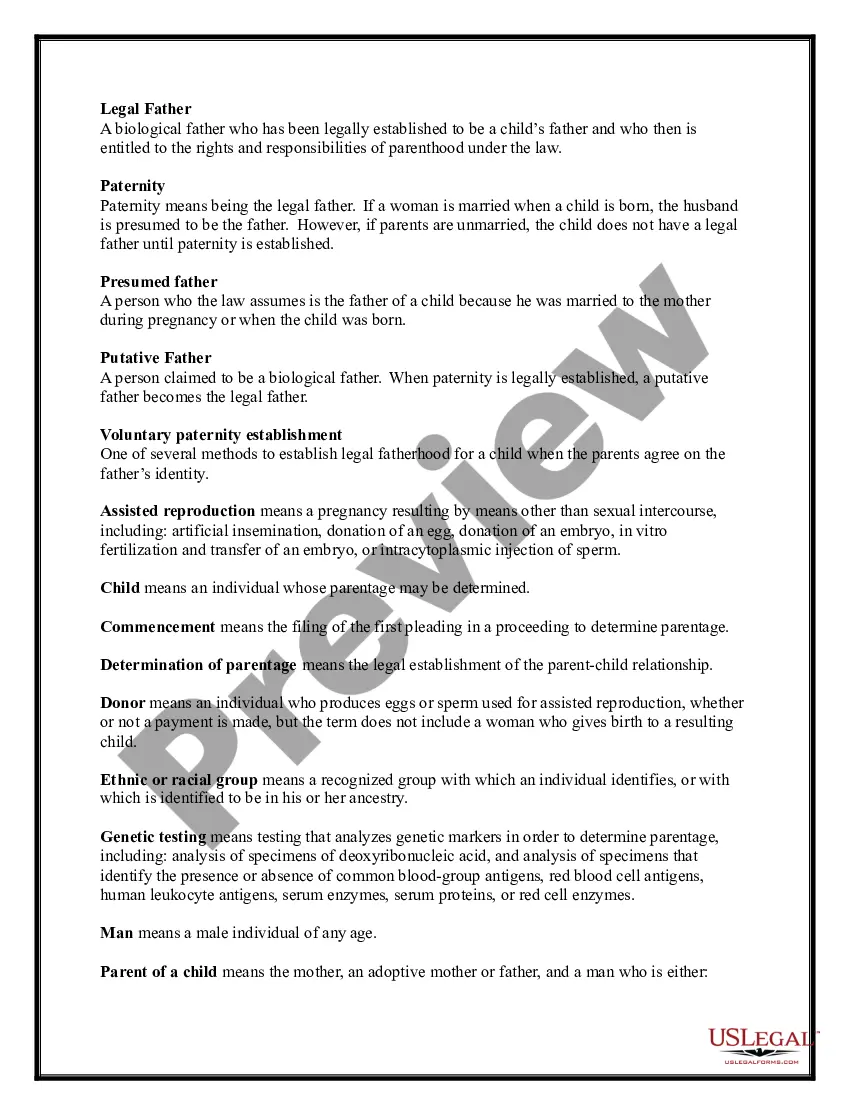
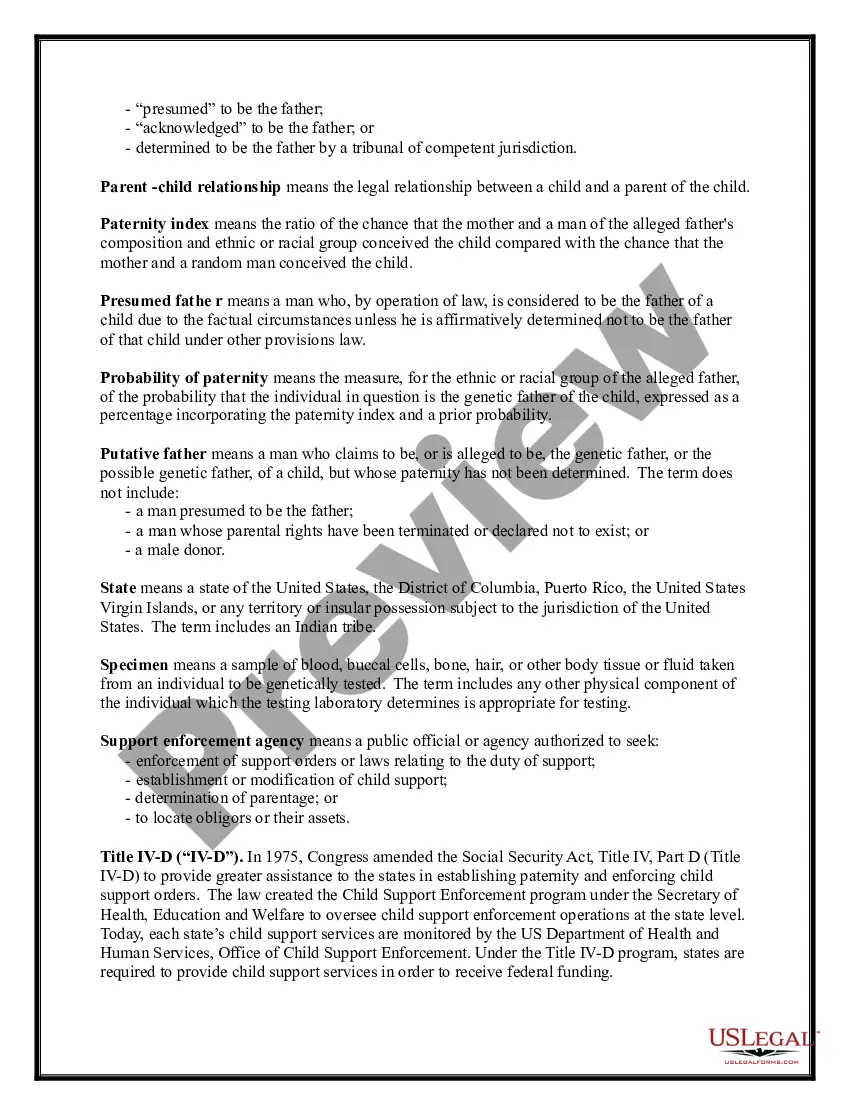
- Definitions and explanations of key terms related to paternity.
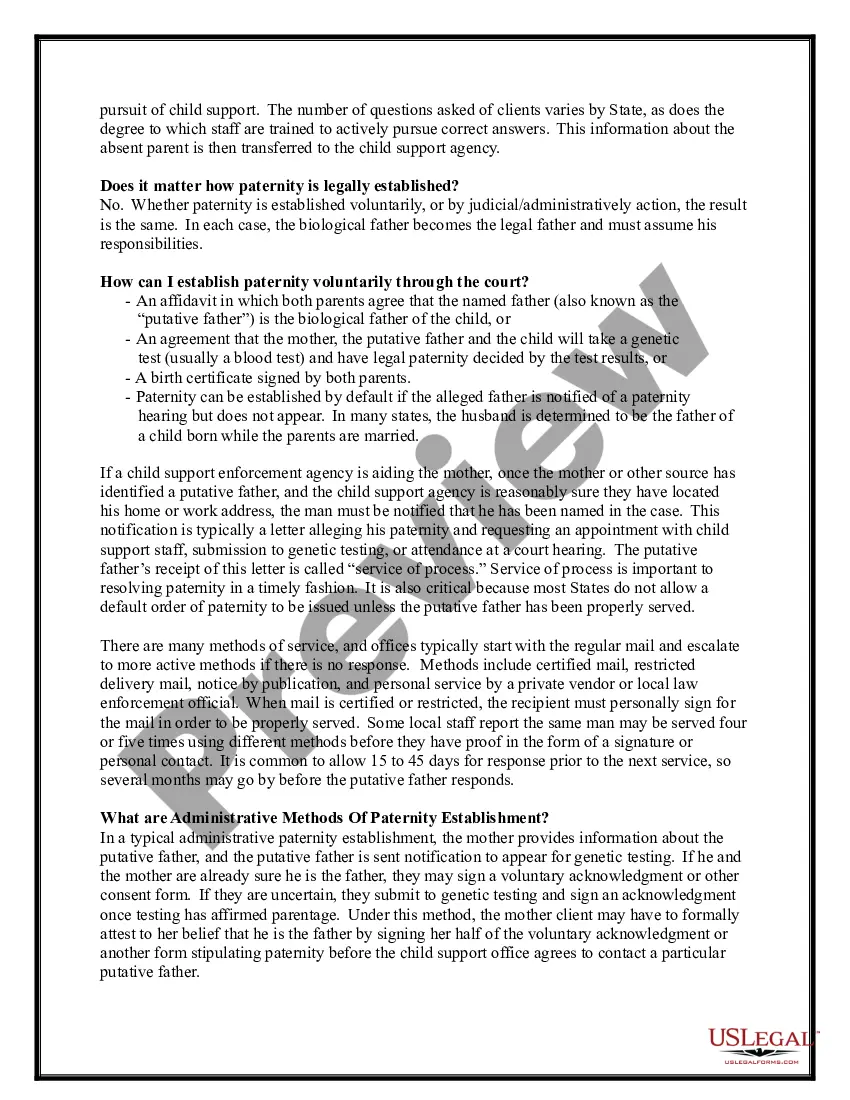
- Details on voluntary establishment of paternity and court action procedures.
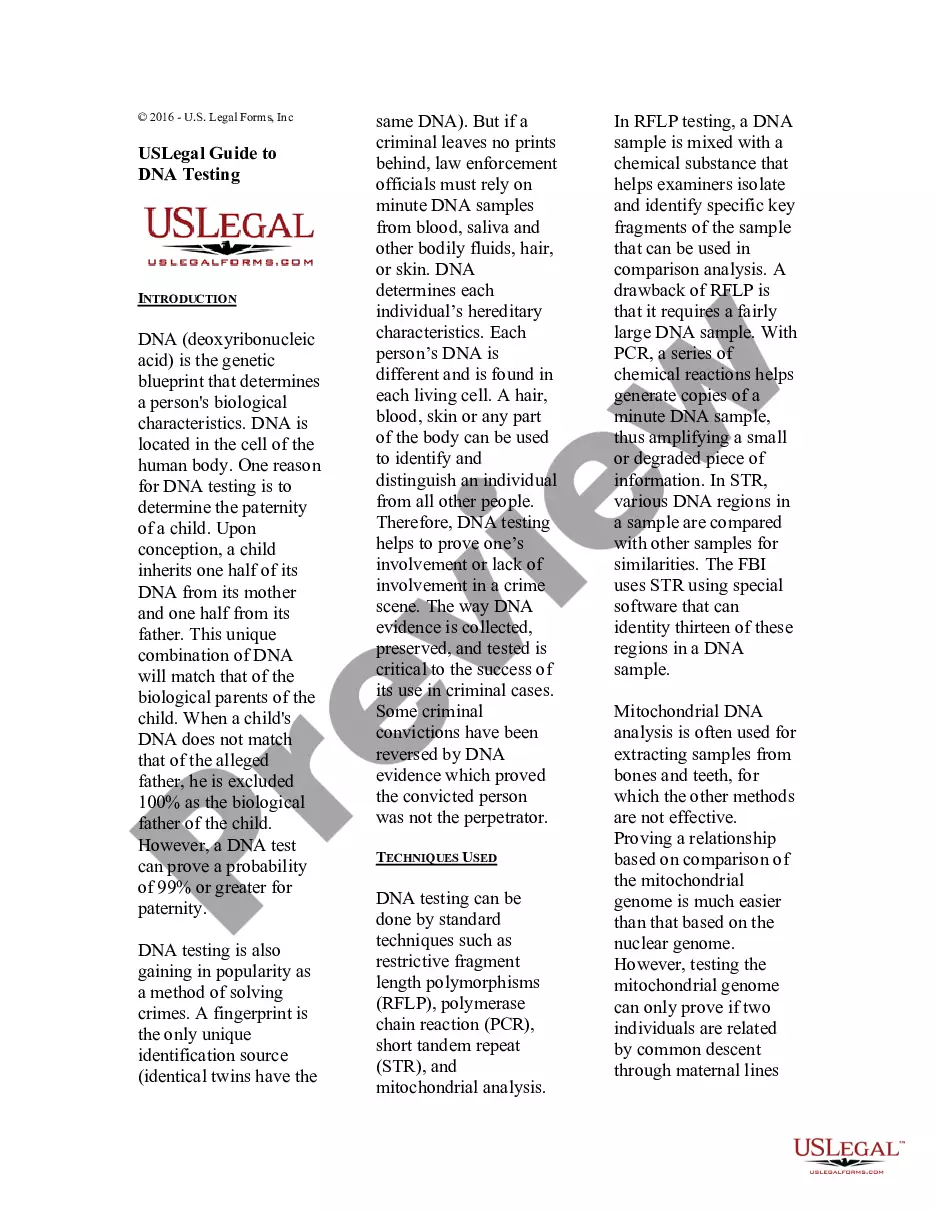
- Information on genetic testing requirements and processes.
- State-specific summaries of paternity laws and resources.
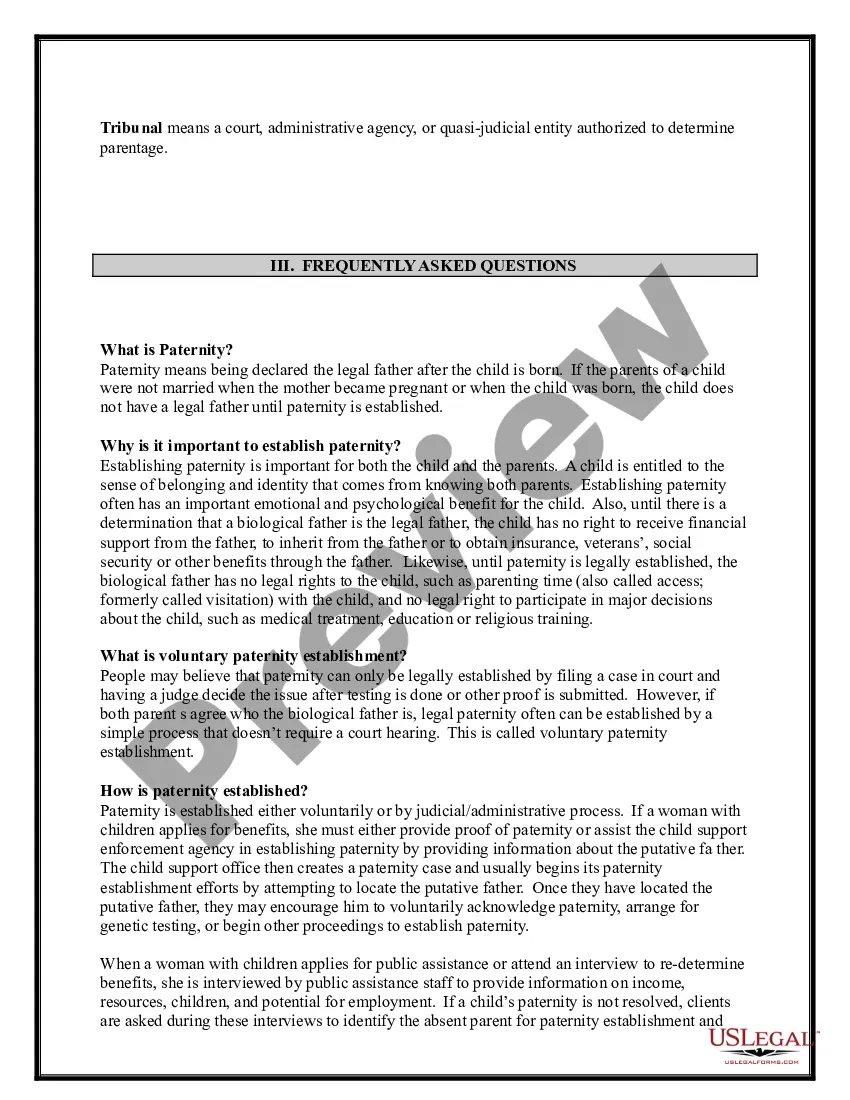
- Answers to frequently asked questions regarding paternity.

When to use this document
This handbook is useful in various circumstances, including when an unmarried mother wishes to establish the legal paternity of her child, when a father wants to acknowledge his parental rights, or during disputes regarding child support and custody. It also serves as a resource for understanding the legal implications of paternity in different states.
Who needs this form
- Unmarried parents seeking to establish paternity.
- Fathers who want to acknowledge their rights and responsibilities.
- Mothers who need assistance in obtaining child support.
- Individuals involved in paternity disputes or seeking clarification of their rights.
- Legal professionals looking for a reference on paternity laws.
How to complete this form
- Read the introduction to understand the paternity laws applicable in your state.
- Familiarize yourself with the definitions of key terms related to paternity.
- Decide whether you will establish paternity voluntarily or through court action.
- If choosing voluntary acknowledgment, complete the necessary forms with both parentsâ signatures.
- If pursuing court action, prepare to file a petition and gather evidence, including any required genetic tests.
- Keep records of any communications and documents related to the paternity establishment process.
Does this form need to be notarized?
This form usually doesn’t need to be notarized. However, local laws or specific transactions may require it. Our online notarization service, powered by Notarize, lets you complete it remotely through a secure video session, available 24/7.
Get your form ready online
Our built-in tools help you complete, sign, share, and store your documents in one place.
Make edits, fill in missing information, and update formatting in US Legal Forms—just like you would in MS Word.
Download a copy, print it, send it by email, or mail it via USPS—whatever works best for your next step.
Sign and collect signatures with our SignNow integration. Send to multiple recipients, set reminders, and more. Go Premium to unlock E-Sign.
If this form requires notarization, complete it online through a secure video call—no need to meet a notary in person or wait for an appointment.
We protect your documents and personal data by following strict security and privacy standards.

Make edits, fill in missing information, and update formatting in US Legal Forms—just like you would in MS Word.

Download a copy, print it, send it by email, or mail it via USPS—whatever works best for your next step.

Sign and collect signatures with our SignNow integration. Send to multiple recipients, set reminders, and more. Go Premium to unlock E-Sign.

If this form requires notarization, complete it online through a secure video call—no need to meet a notary in person or wait for an appointment.

We protect your documents and personal data by following strict security and privacy standards.
Typical mistakes to avoid
- Failing to complete the paternity acknowledgment form correctly.
- Not seeking genetic testing when there are uncertainties about paternity.
- Missing deadlines for challenging paternity acknowledgments.
- Neglecting to keep a record of all communications with involved parties.
Benefits of using this form online
- Easy access to legal information specific to paternity laws.
- Convenience of downloading and printing necessary forms securely.
- Reliability of information developed by licensed attorneys and legal experts.
- Time-saving resources, allowing individuals to complete needed forms at their own pace.
Main things to remember
- Establishing paternity is crucial for both legal rights and responsibilities as a parent.
- There are both voluntary and court-based methods to establish paternity.
- Consulting local laws is essential, as paternity laws can differ across states.
- Understanding the process and requirements can prevent common mistakes.
Looking for another form?
Form popularity
FAQ
In the case of unmarried parents, in order to put the father on the birth certificate, the father will need to fill out and sign a voluntary AOP form.If the father is unknown, uncertain, reluctant, or absent, they can be added at a later time at your state's department of vital records.
These tests cost about $150 per person, so $450 total. Some courts make the man on the birth certificate pay for at least their test up front, so he should be prepared for that possibility. The DNA test comes back in percentages. Sometimes, the test totally excludes someone as the father.
The first opportunity to establish paternity under Section 23-2207 is also the most common: signing an acknowledgment of paternity form. Kansas law requires that an official birth certificate be produced for every baby born in Kansas. The mother's name will automatically appear on the form, which she will have to sign.
Get on the birth certificate. Once your child is born, the easiest way to establish paternity is by getting your name on the birth certificate. Get an order through an administrative agency. Get a court order.
If you would like to formally establish paternity, you should begin by asking the father of your child to voluntarily acknowledge paternity.The birth father can voluntarily acknowledge paternity in two ways: He can be present at the birth of your child and sign a Declaration of Paternity.
The form is available through the Kansas Department of Health and Environment, Office of Vital Statistics. You can contact them with questions at 785-296-1434. Parents always have the initial right to demand genetic testing to make sure there's a DNA link between the father and the child.
Birth certificate. If a birth certificate declares the father and he signs it, this is a legally binding qualification of paternity. DNA test. Court order.
The parent or parents need to appear before a judge of the district court in any Kansas county and complete a Paternity Consent Form for Birth Registration called a VS211. PDF Format. This form can also be used to correct the spellings of a parent or parents' names.