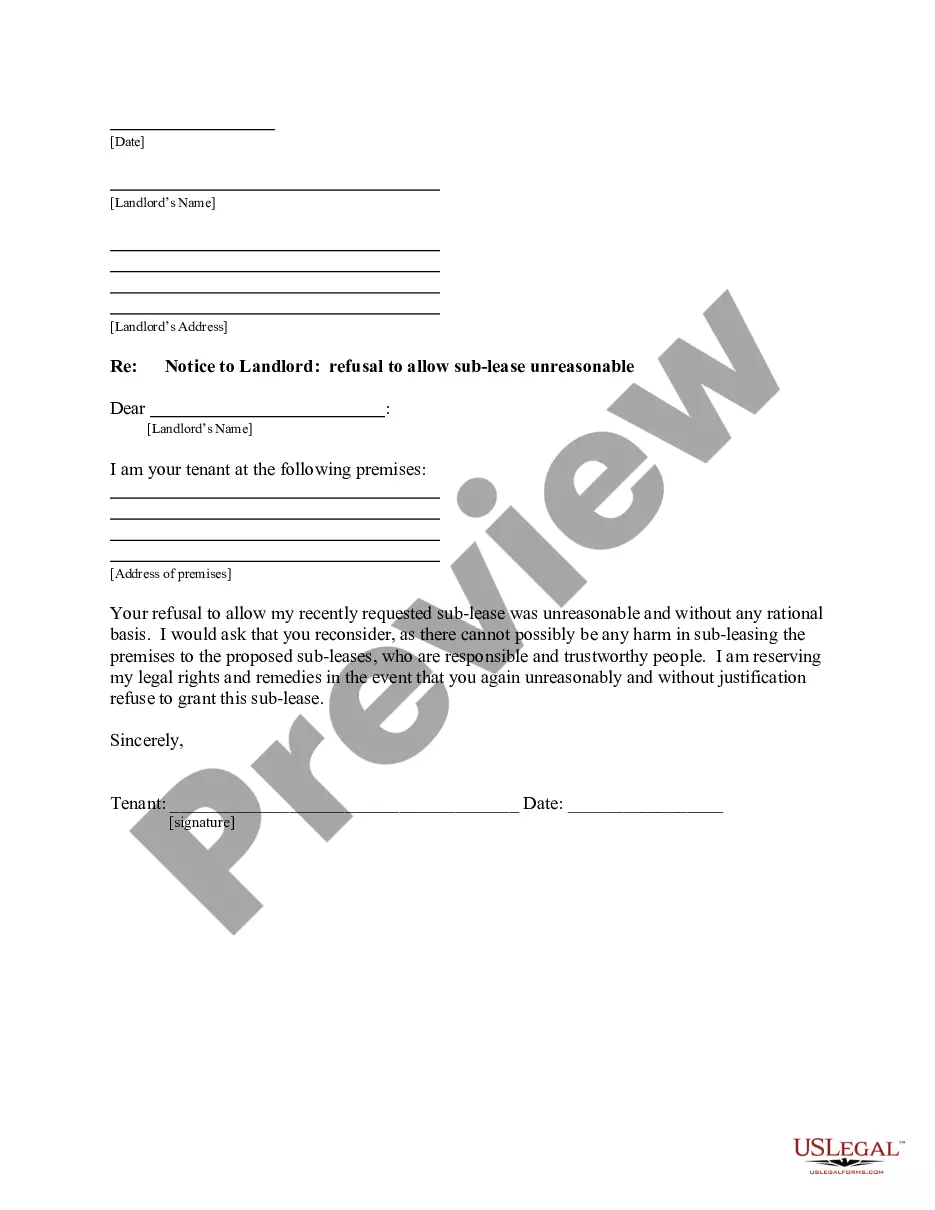
Kansas Letter from Tenant to Landlord about Landlord's refusal to allow sublease is unreasonable
Overview of this form
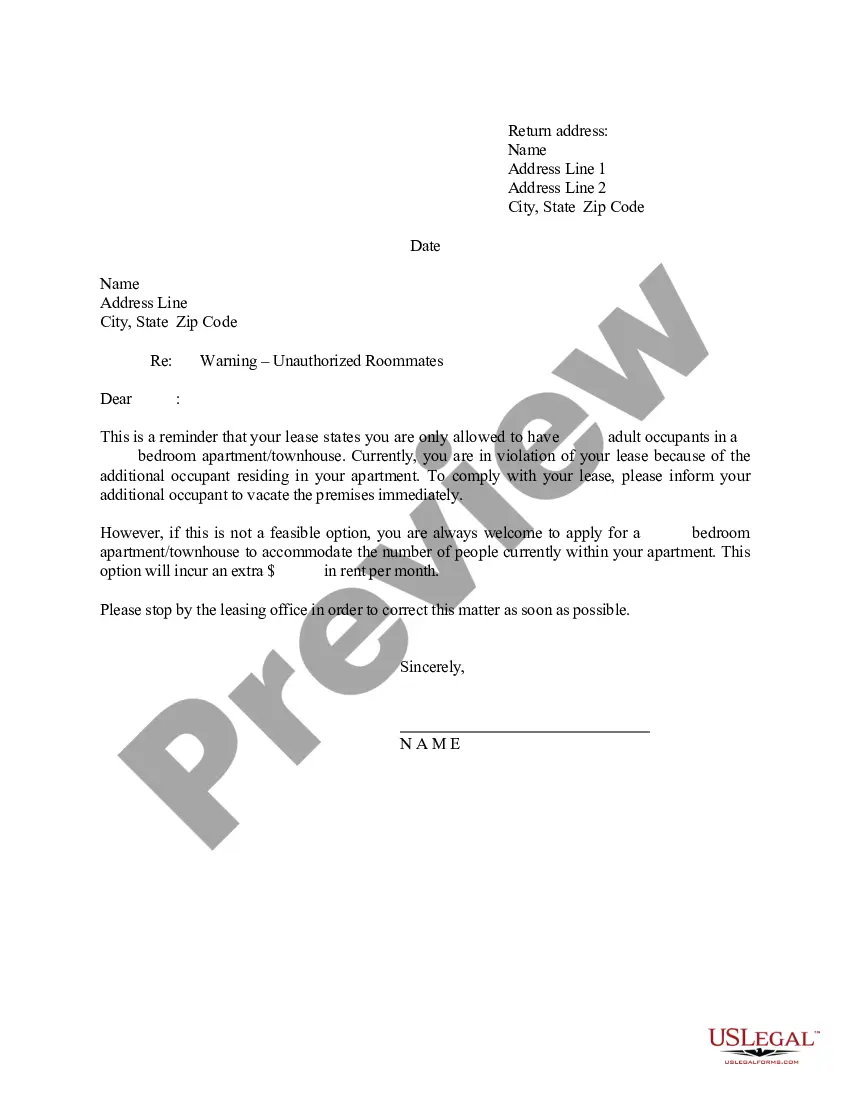
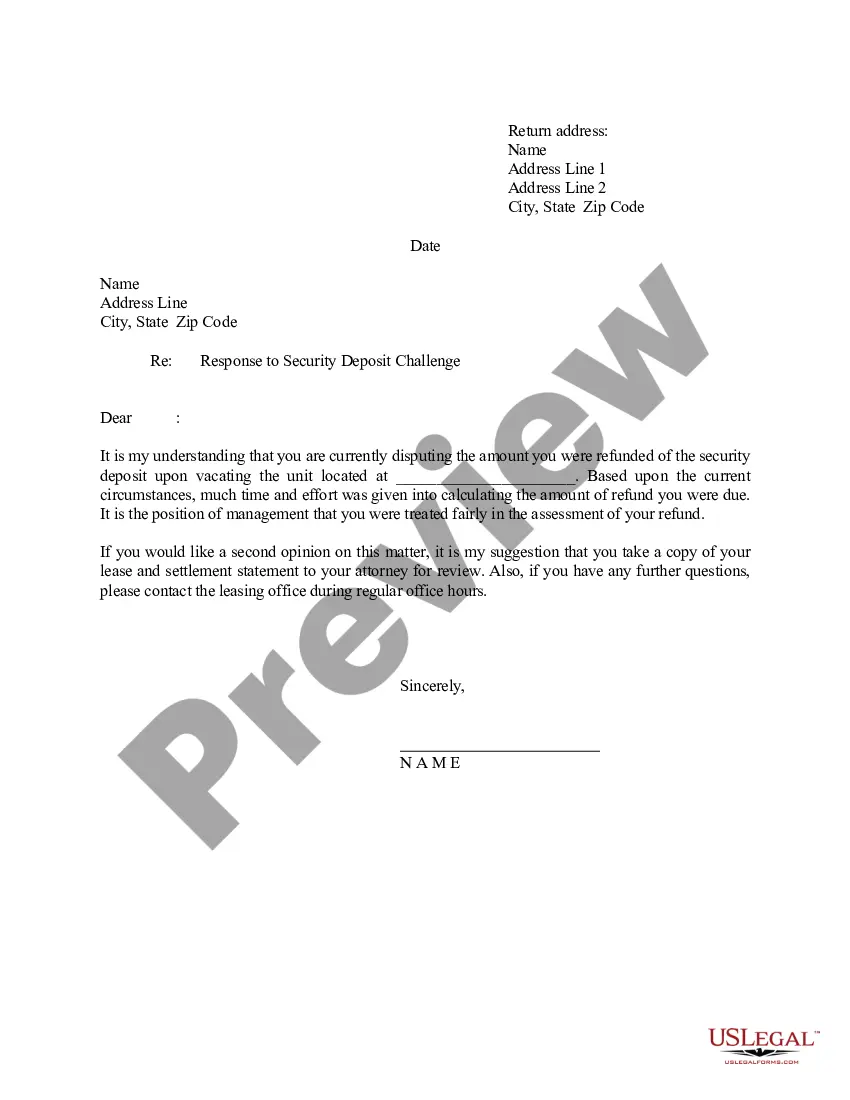
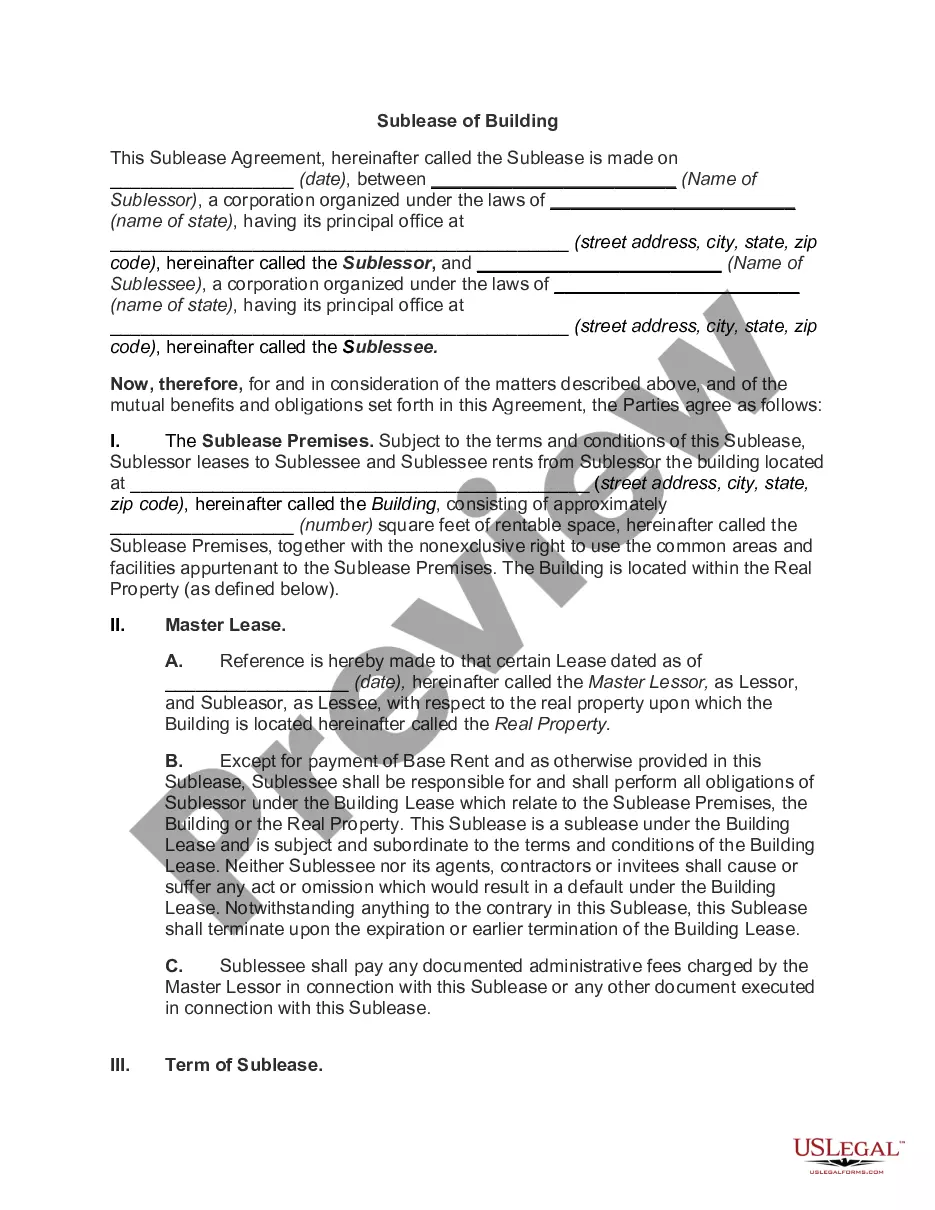
This form is a letter from a tenant to their landlord addressing the landlord's unreasonable refusal to allow the tenant to sublease the rental property. This letter is important as it asserts the tenant's rights and indicates possible legal remedies if the landlord continues to deny the request. Unlike other communication forms, this letter serves as a formal notification and preservation of the tenant's legal interests regarding subleasing rights.
Main sections of this form
- Tenant's address and contact information.
- Landlord's address and contact information.
- Clear statement of the request to sublease.
- Explanation of why the landlord's refusal is deemed unreasonable.
- Notice of reservation of legal rights and remedies.
- Signature and date from the tenant.

When to use this form
This letter should be used when a tenant has requested to sublet their rental unit and their landlord refuses the request without valid justification. It's essential for the tenant to formalize their position, especially if they foresee potential legal disputes regarding subleasing rights. Using this letter can help document communication attempts and lay a foundation for any future legal actions.
Who can use this document
- Current tenants seeking to sublease and facing refusal from their landlords.
- Tenants wanting to formalize their position regarding subleasing under lease agreements.
- Individuals in jurisdictions where subleasing is regulated and need to preserve legal rights.
Completing this form step by step
- Identify and fill in your address and contact information as the tenant.
- Fill in the landlord's name and address accurately.
- Clearly specify the request to sublease the property.
- Articulate the reasons why the landlord's refusal is unreasonable.
- Sign and date the document to affirm its validity.
- Ensure that you retain a copy for your records and consider how it will be delivered to the landlord.
Does this document require notarization?
This form usually doesn’t need to be notarized. However, local laws or specific transactions may require it. Our online notarization service, powered by Notarize, lets you complete it remotely through a secure video session, available 24/7.
Get your form ready online
Our built-in tools help you complete, sign, share, and store your documents in one place.
Make edits, fill in missing information, and update formatting in US Legal Forms—just like you would in MS Word.
Download a copy, print it, send it by email, or mail it via USPS—whatever works best for your next step.
Sign and collect signatures with our SignNow integration. Send to multiple recipients, set reminders, and more. Go Premium to unlock E-Sign.
If this form requires notarization, complete it online through a secure video call—no need to meet a notary in person or wait for an appointment.
We protect your documents and personal data by following strict security and privacy standards.

Make edits, fill in missing information, and update formatting in US Legal Forms—just like you would in MS Word.

Download a copy, print it, send it by email, or mail it via USPS—whatever works best for your next step.

Sign and collect signatures with our SignNow integration. Send to multiple recipients, set reminders, and more. Go Premium to unlock E-Sign.

If this form requires notarization, complete it online through a secure video call—no need to meet a notary in person or wait for an appointment.

We protect your documents and personal data by following strict security and privacy standards.
Avoid these common issues
- Failing to include complete contact information for both parties.
- Not providing sufficient reasoning for the landlord's refusal.
- Neglecting to sign and date the letter.
- Using informal language instead of maintaining a professional tone.
Benefits of completing this form online
- Convenient access allows for easy completion and printing from your home or office.
- Editable templates help tailor the letter to specific circumstances.
- Legal forms designed by licensed attorneys ensure that legal language is appropriate and compliant.
Legal use & context
- This letter serves as an official record of the tenant's communication with the landlord.
- It can provide a basis for legal claims if the landlord's refusal is found to be unjustified.
- Understanding local landlord-tenant laws is crucial for the effectiveness of this letter.
Summary of main points
- This letter formalizes a tenant's request to sublease and protects their legal rights.
- Accuracy and professionalism are crucial in completing this letter.
- Understanding state-specific laws is essential for effective use of this form.
Looking for another form?
Form popularity
FAQ
While tenants cannot unreasonably deny access to a landlord, landlords must also follow all of the state and local rules regarding access to tenants' apartments. Roughly half of states have rules governing landlord entry into tenants' apartments.
Step 1: make a formal complaint. You can make a formal complaint by writing a letter to your landlord. Step 2: complain to your local council. If making a formal complaint to your landlord doesn't solve your problem you might be able to complain to your local council.
If the tenant refuses, you are permitted to send them a notice to agree or quit the property. The tenant refusing you access constitutes a breach in the lease agreement, so they could be evicted if they continue to deny access.
Know your state's landlord/tenant laws. Read and respond to the court summons. Try to work out a settlement. Consider legal counsel. Show up for court. Look sharp and provide evidence.
Why Is Subletting Not Allowed At Some Properties? The most common reason for not allowing subletting at a property is the increased risk of financial loss, property damage, or misleading tenants. Adding more tenants or switching tenants through a sublease during a tenancy adds work and risk for the landlord.
Showing the premises to prospective tenants 'reasonable' notice / number of times. The law does not say what 'reasonable' means.If you refuse access, the landlord/agent can apply to the Tribunal for an order that authorises them or any other person to enter the premises.
The landlord cannot unreasonably refuse to give consent. Usually, the only reason the landlord can refuse consent is if the sub-tenancy would result in overcrowding of the premises or a breach of the tenancy agreement with the head-tenant.
If you're seeking damages for emotional distress caused by a landlord's discrimination, or punitive damages for especially blatant and intentional discrimination, a lawsuit may well be your best bet. Understand what's involved in suing your landlord. You may file a lawsuit in either federal or state court.
Every tenant has a right to enjoy peaceful possession of the property without any disturbance or encumbrance from anyone including the owner. At no point of time under your tenancy can your landlord ask you to evict or leave the premises without assigning a valid reason.