Kansas Letter from Landlord to Tenant for Failure to use electrical, plumbing, sanitary, heating, ventilating, air conditioning and other facilities in a reasonable manner
What this document covers
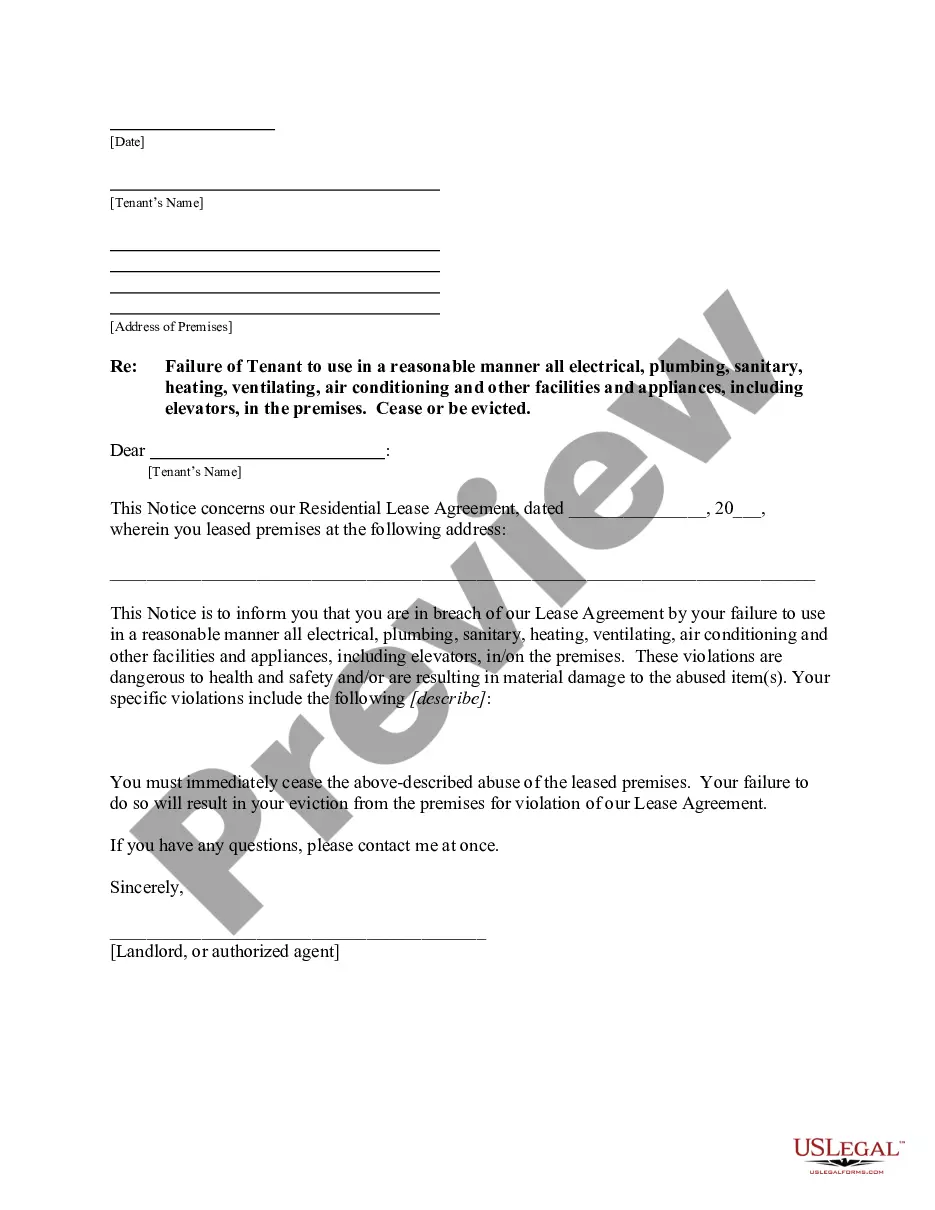
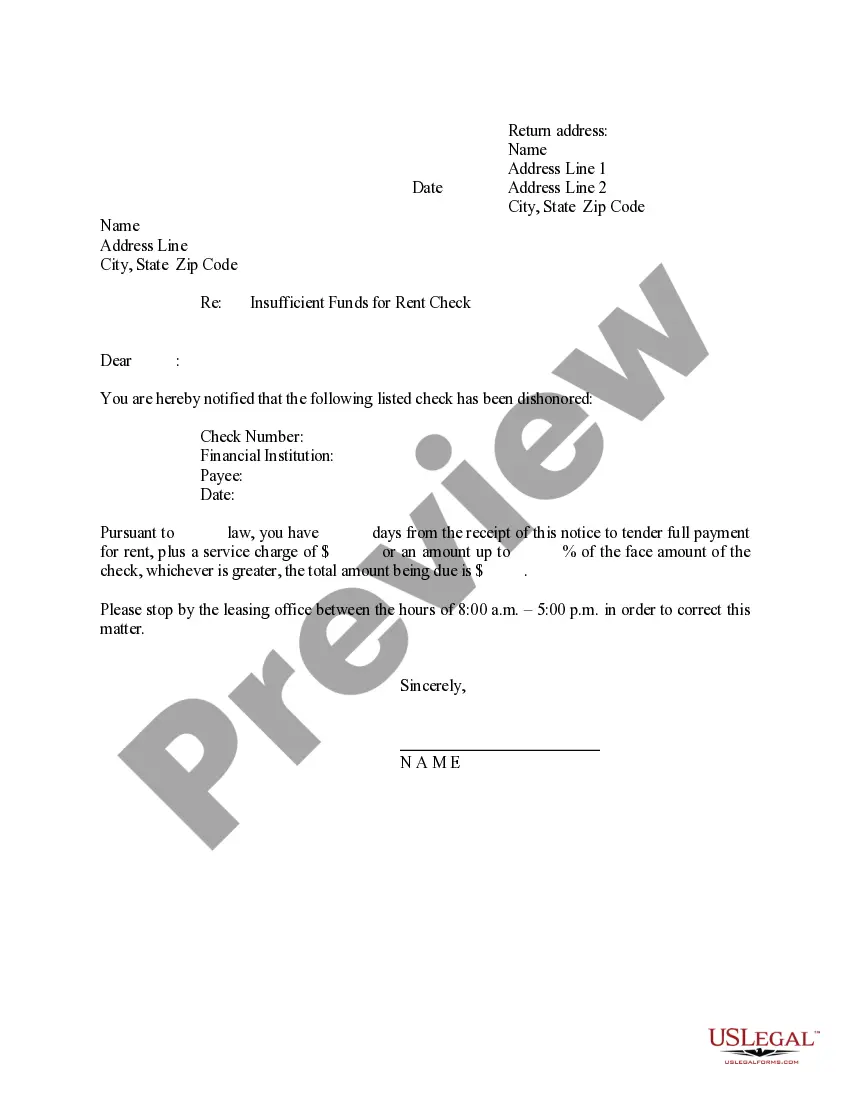
This form is a notice from a landlord to a tenant addressing a failure to use essential facilities such as electrical, plumbing, and heating systems in a reasonable manner. It serves to inform the tenant of their lease violations and the potential consequences, including eviction, if the issues are not corrected. This letter acts as a formal warning, distinguishing it from other tenant communication forms that may not involve direct lease violations.
Form components explained
- Identification of the landlord and tenant involved.
- Specific violations related to the use of electrical, plumbing, and HVAC facilities.
- A statement detailing the expectation of reasonable use of these facilities.
- A warning that failure to comply may lead to eviction.
- Contact information for the landlord or authorized agent for follow-up questions.


Common use cases
You should use this letter when a tenant is misusing vital systems within a rental property, leading to potential damage or exceeding utility costs. This form is particularly important if the misuse persists after verbal or informal warnings, as it provides the necessary documentation of lease violations before taking further action, such as eviction.
Intended users of this form
- Landlords seeking to address tenant lease violations.
- Property managers responsible for maintaining rental agreements.
- Authorized agents acting on behalf of landlords.
Steps to complete this form
- Identify and enter the names of the landlord and tenant.
- Clearly list the specific violations that have occurred.
- Specify the facilities that are being misused and describe the reasonable use expectation.
- Include a deadline for the tenant to correct these issues to avoid eviction.
- Add your contact information for any questions or clarifications.
- Sign the letter to formalize the notice.
Notarization guidance
This form does not typically require notarization unless specified by local law. However, if you wish to enhance its legal weight, consider notarizing it before sending.
Get your form ready online
Our built-in tools help you complete, sign, share, and store your documents in one place.
Make edits, fill in missing information, and update formatting in US Legal Forms—just like you would in MS Word.
Download a copy, print it, send it by email, or mail it via USPS—whatever works best for your next step.
Sign and collect signatures with our SignNow integration. Send to multiple recipients, set reminders, and more. Go Premium to unlock E-Sign.
If this form requires notarization, complete it online through a secure video call—no need to meet a notary in person or wait for an appointment.
We protect your documents and personal data by following strict security and privacy standards.

Make edits, fill in missing information, and update formatting in US Legal Forms—just like you would in MS Word.

Download a copy, print it, send it by email, or mail it via USPS—whatever works best for your next step.

Sign and collect signatures with our SignNow integration. Send to multiple recipients, set reminders, and more. Go Premium to unlock E-Sign.

If this form requires notarization, complete it online through a secure video call—no need to meet a notary in person or wait for an appointment.

We protect your documents and personal data by following strict security and privacy standards.
Common mistakes
- Failing to provide specific details about the misuse.
- Not including a clear deadline for compliance.
- Omitting contact information for follow-up.
- Neglecting to sign the letter, which may invalidate the notice.
Benefits of completing this form online
- Immediate access to professionally drafted legal templates.
- Editable format allows customization to fit your specific situation.
- Ensures compliance with legal standards, reducing the risk of disputes.
Looking for another form?

Form popularity
FAQ
If you think your landlord is violating the Fair Housing Act, you can get that landlord in trouble by filing a complaint at HUD.gov. Your remedy for breach of quiet enjoyment is to terminate the lease and move or sue in small claims court.
The landlord must give you notice before entering. He/she can only enter during reasonable hours.
Heat must be supplied during the winter as well as air conditioning in the summer. Landlords must supply working smoke detectors. Hot and cold water must be in adequate supply and must be maintained. All electric, plumbing, heating, wiring, etc should be maintained to be safe and free of all immediate danger.
Apply to the Tribunal for orders: to stop the landlord/agent entering the premises. (Apply within 3 months after you become aware of the landlord's/agent's breach.) report trespass to the police. complain to NSW Fair Trading.
Your landlord or their representatives may be allowed reasonable access to carry out inspections or repairs, but must first get your permission. According to Section 11, from The Landlord and Tenant Act 1985, your landlord needs to give you at least 24 hour notice before they come around and visit for any reason.
The big take-away is that in most circumstances a landlord cannot enter a property without agreement from the tenant. And If the landlord ignores the law and enters the property without permission, the tenant may be able to claim damages or gain an injunction to prevent the landlord doing it again.
Indiana. Indiana laws allow landlords to hold on to security deposits for 45 days to give them time to determine any damages caused by tenants. Colorado. Colorado is one of few states that allow landlords to access the rental property without an advance notice requirement. Georgia.
State law requires landlords to return deposits within 30 days with an itemized list of charges taken out.Kansas, I would say, is fairly landlord-friendly. Tenant Activism. Some residents of Lawrence, Manhattan and Kansas City where renting is more common than in the rest of the state are trying to change that.
When you rent a property from a landlord it becomes your home. They should only enter the property without you being present, if you have given permission for them to do so, or in a genuine emergency.