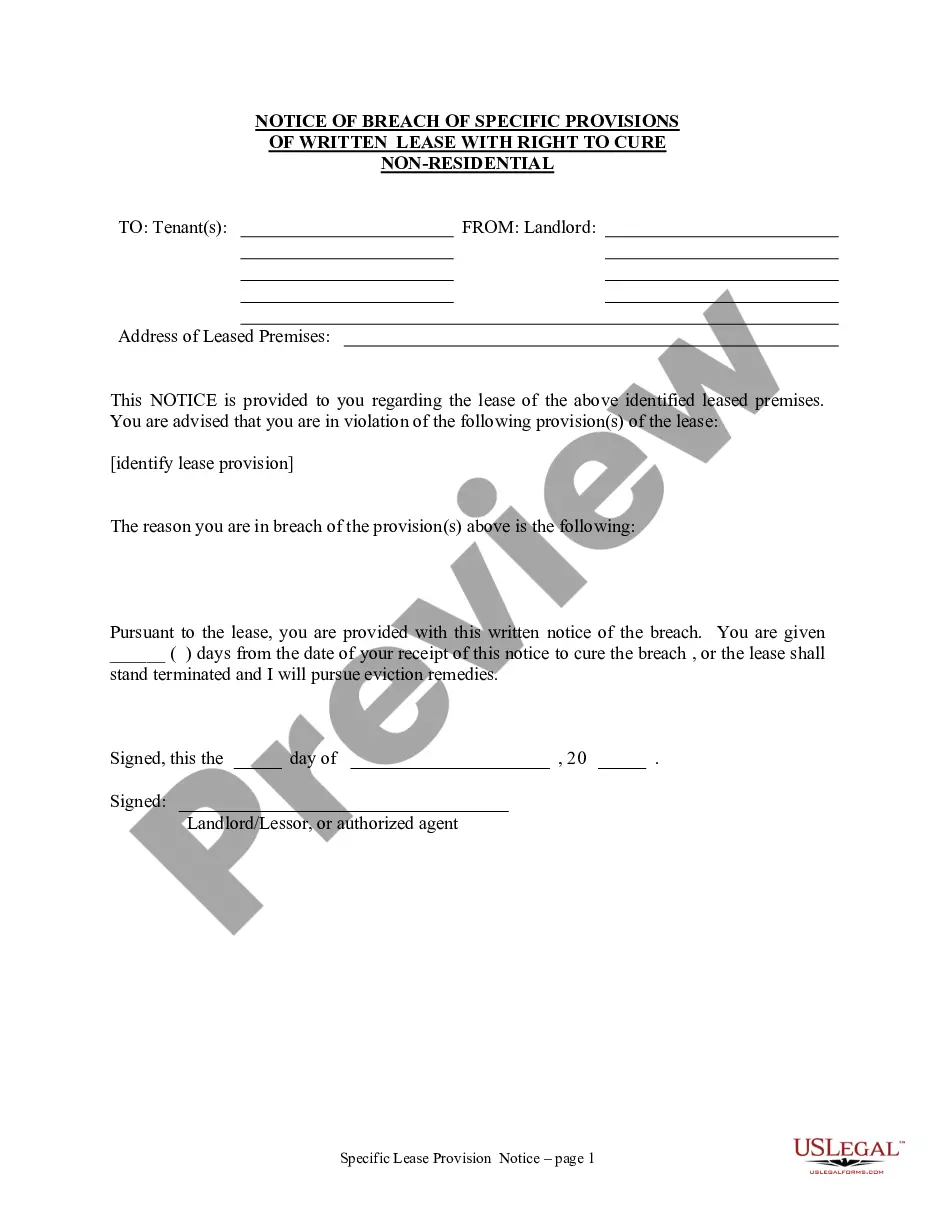
An Illinois Garnishment Non-Wage Notice is a document used by creditors to collect debts from individuals or businesses located in Illinois. This document is used to notify the debtor that a garnishment has been filed against them and informs the debtor of the amount of money that will be taken from their non-wage income sources. The types of Illinois Garnishment Non-Wage Notice are: Bank Levy, Lien, and Judgment. The Bank Levy Notice is used by creditors to seize funds from the debtor’s bank accounts. The Lien Notice is used to place a lien on the debtor’s property as security for the debt. The Judgment Notice is used when the creditor has obtained a judgment against the debtor.
Illinois Garnishment Non-Wage Notice
Instant download
This website is not affiliated with any governmental entity
Public form
Description
Garnishment Non-Wage Notice

How to fill out Illinois Garnishment Non-Wage Notice?
Engaging with official records necessitates focus, accuracy, and utilizing well-prepared templates. US Legal Forms has been assisting individuals nationwide for 25 years, ensuring that when you select your Illinois Garnishment Non-Wage Notice template from our collection, it adheres to federal and state laws.
Utilizing our service is easy and swift. To acquire the required document, all you need is an account with an active subscription. Here’s a brief guide for you to retrieve your Illinois Garnishment Non-Wage Notice in minutes.
All documents are designed for multiple uses, like the Illinois Garnishment Non-Wage Notice presented on this page. If you require them later, you can fill them out without additional payment - simply open the My documents tab in your profile and complete your document whenever you need it. Try US Legal Forms and prepare your business and personal documentation quickly and in complete legal compliance!
- Be sure to thoroughly inspect the document's content and its alignment with general and legal standards by previewing it or reviewing its description.
- Look for an alternative formal template if the one you previously accessed doesn’t fit your needs or state regulations (the option for that is located at the top page corner).
- Log in to your account and download the Illinois Garnishment Non-Wage Notice in your preferred format. If it’s your first time using our site, click Buy now to continue.
- Create an account, choose your subscription plan, and complete payment using your credit card or PayPal account.
- Select the format you wish to save your form in and click Download. Print the blank version or upload it to a professional PDF editor for paper-free submission.
Form popularity
FAQ
Wage Garnishment in Illinois In Illinois, if a creditor wins a court judgment against you, the maximum your employer can garnish from your weekly earnings is either 15 percent of your earnings or the amount left over after you deduct 45 hours' worth of Illinois' minimum wage.
Non-wage garnishment is the judgment creditor's attachment, after judgment, of the judgment debtor's property, other than wages, which is in the possession, custody or control of third parties. Example: A creditor files a non-wage garnishment to attach funds your client has deposited in the local bank.
The garnishment amount is limited to 25% of your disposable earnings for that week (what's left after mandatory deductions) or the amount by which your disposable earnings for that week exceed 30 times the federal minimum hourly wage, whichever is less. (15 U.S.C. § 1673).
For the most part, there are only two ways to stop wage garnishments in Illinois. First, you can pay off the judgment. You may be able to pay the judgment in a lump sum, or you may have to wait for the garnishment to run its course. The second way to stop a garnishment is by filing bankruptcy.
Employment income is usually not exempt under Illinois law, but other kinds of income are exempt from wage deductions. Some examples of exempt income include Social Security and other income from the federal government, workers' compensation benefits, unemployment benefits, and government assistance, to name a few.
If wage garnishment means that you can't pay for your family's basic needs, you can ask the court to order the debt collector to stop garnishing your wages or reduce the amount. This is called a Claim of Exemption.
The Debt Collection Improvement Act authorizes federal agencies or collection agencies under contract with them to garnish up to 15% of disposable earnings to repay defaulted debts owed to the U.S. government.
The most the employer can hold out for you is 15% of the debtor's gross income before taxes or deductions. However, the withholding can't leave the debtor with less than 45 times the state minimum wage as weekly take-home pay.