Illinois Notice of Assignment to Living Trust
What is this form?
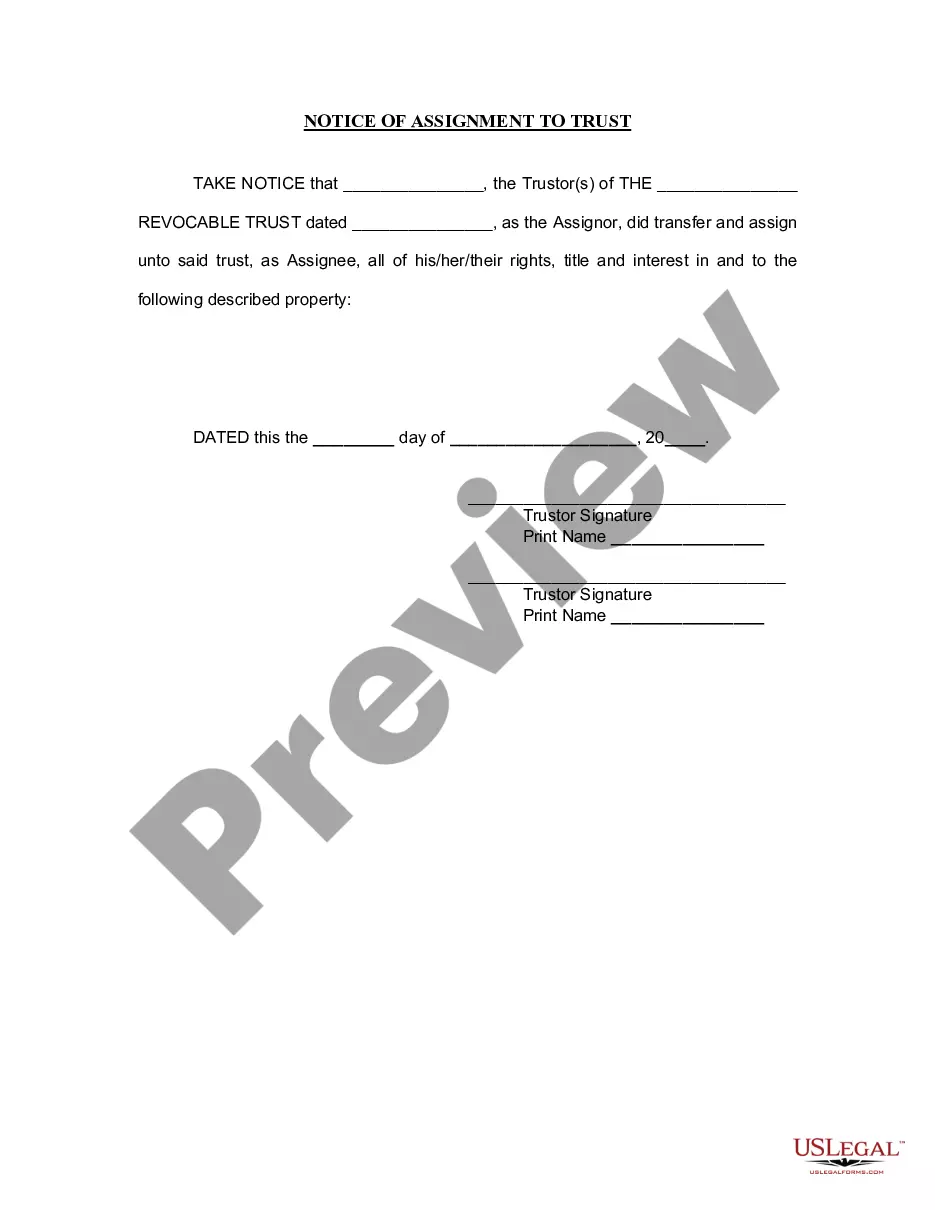
The Notice of Assignment to Living Trust is a formal document used to indicate that the trustor has transferred their rights, title, and interest in specific property to a living trust. This form is crucial in estate planning, as it clarifies the ownership of assets placed into a trust, effectively differentiating this process from a typical property transfer. It's essential for ensuring that the intended beneficiaries of the trust can confidently rely on the arrangements made by the trustor during their lifetime.
Main sections of this form
- Identification of the Assignor(s) and the Trustor(s).
- Details of the living trust, including the date it was established.
- A clear description of the property being transferred.
- Signature of the Trustor(s), confirming the transfer of property.
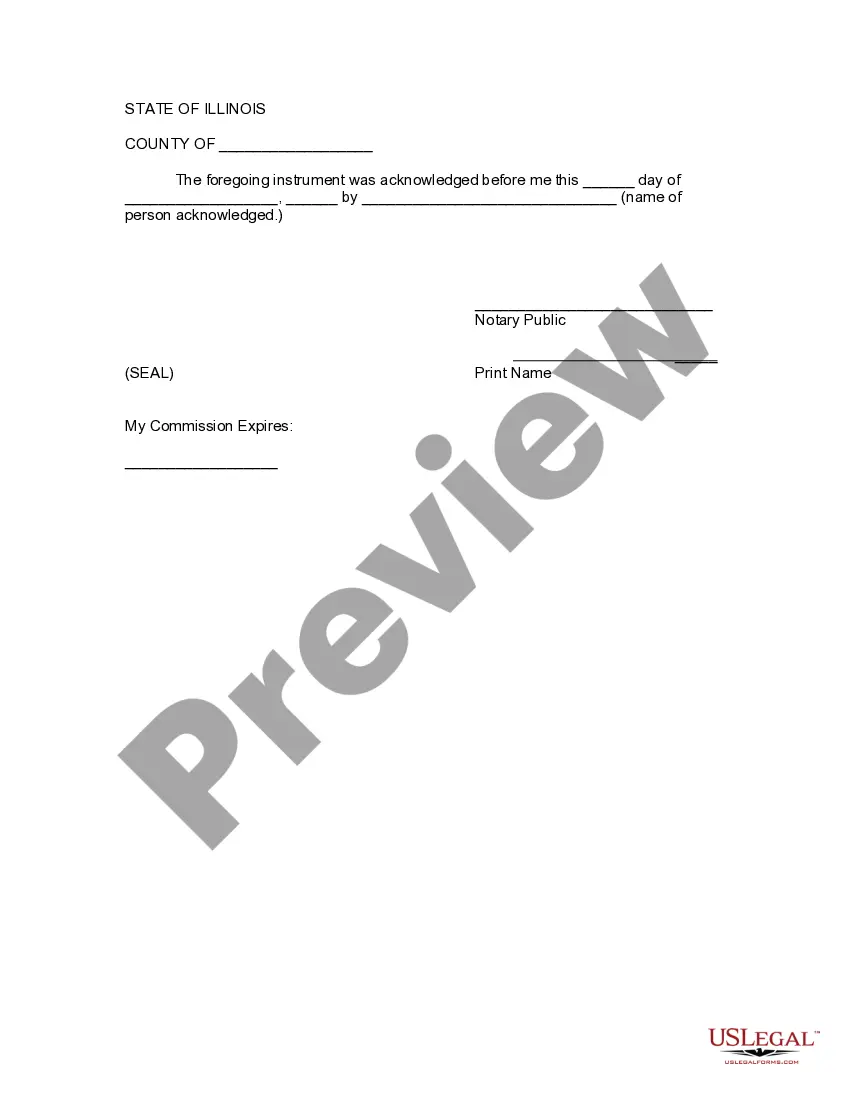
- Acknowledgment section for notarization purposes.
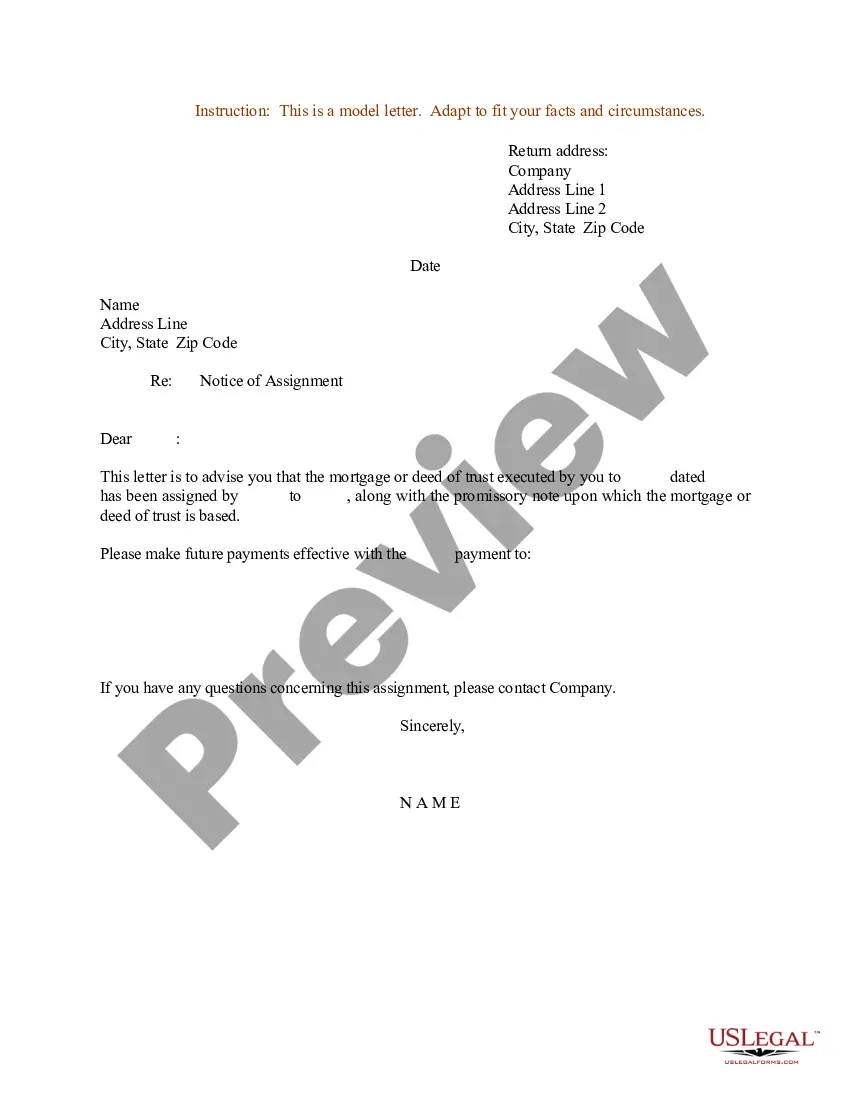
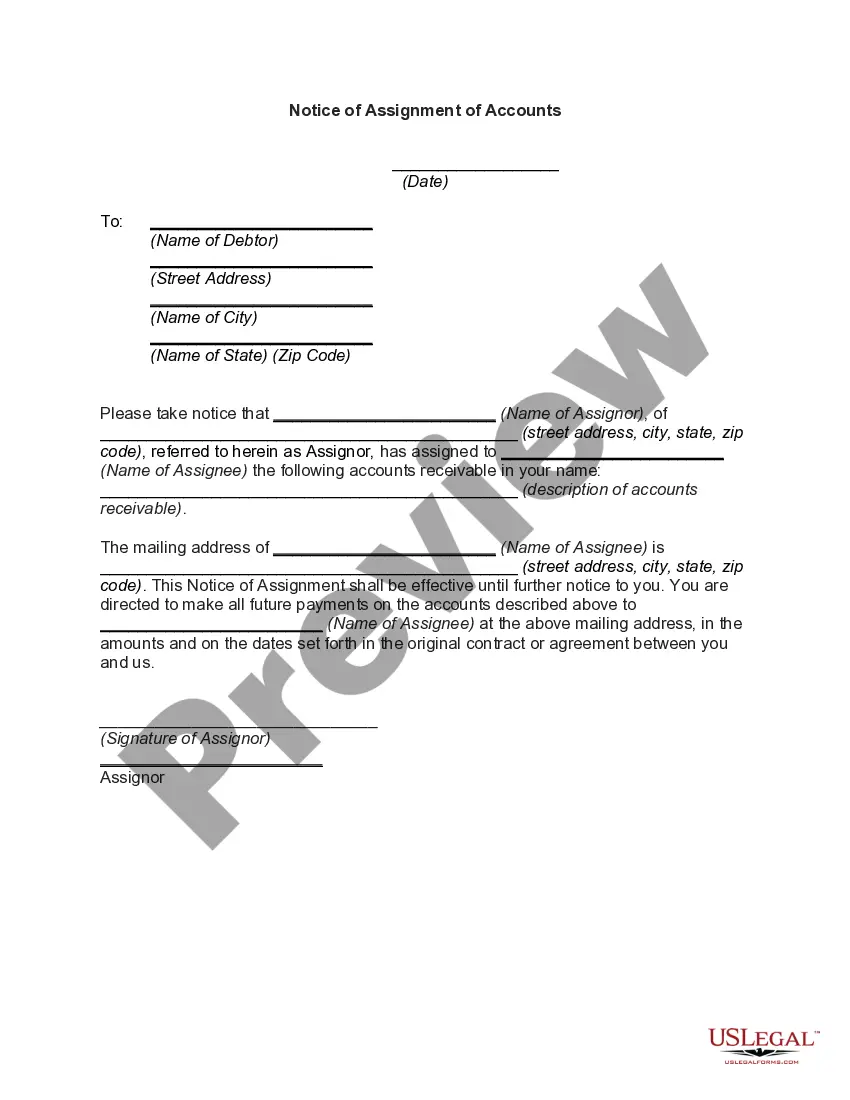
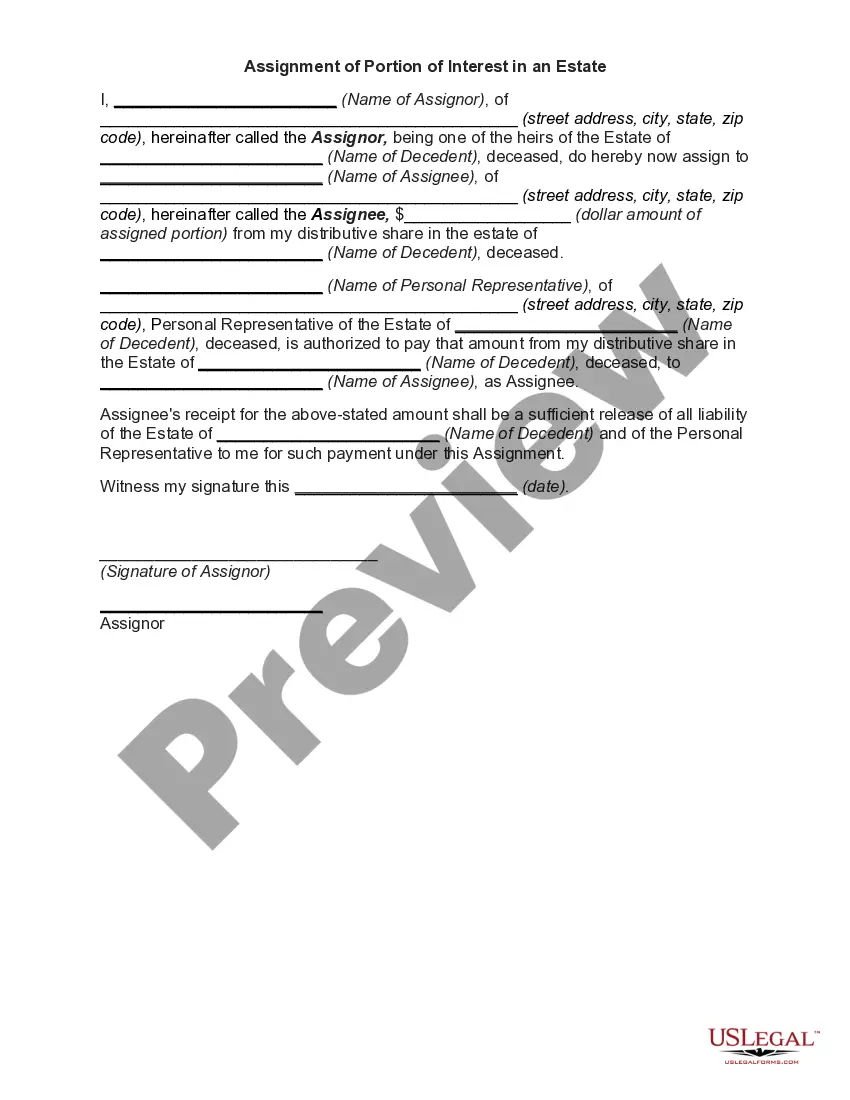
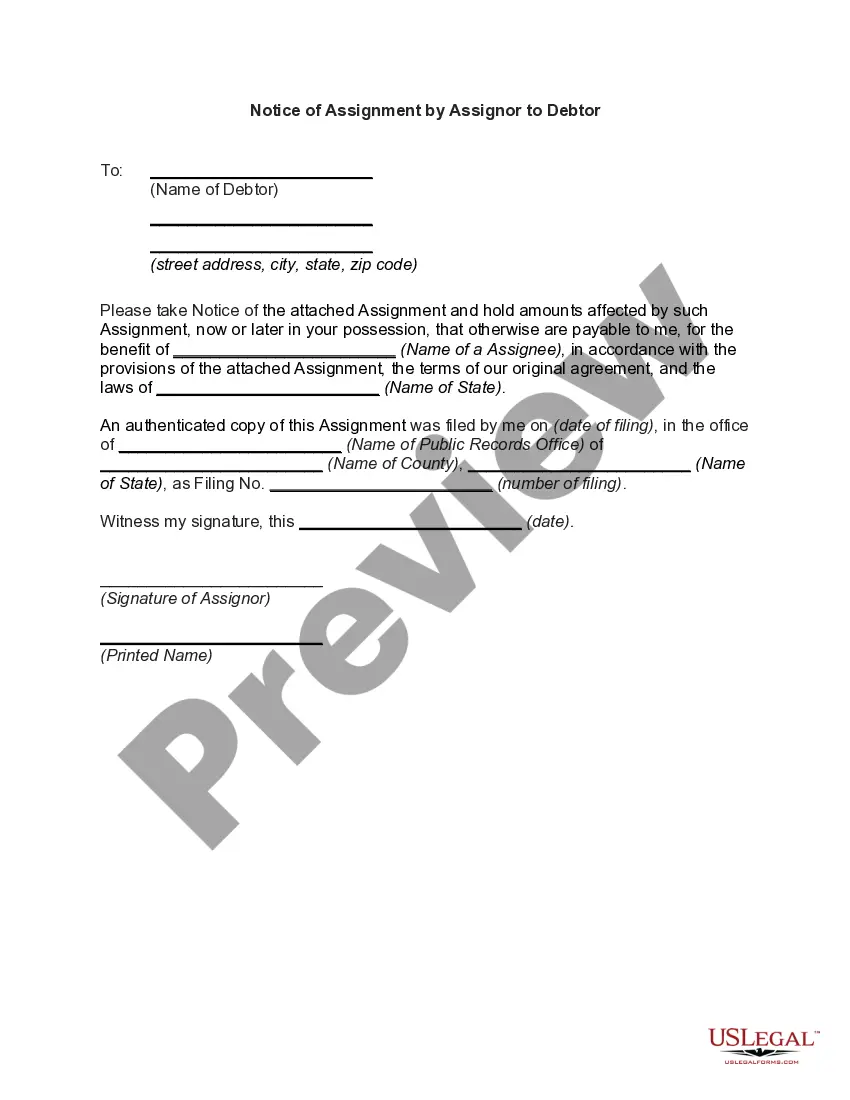
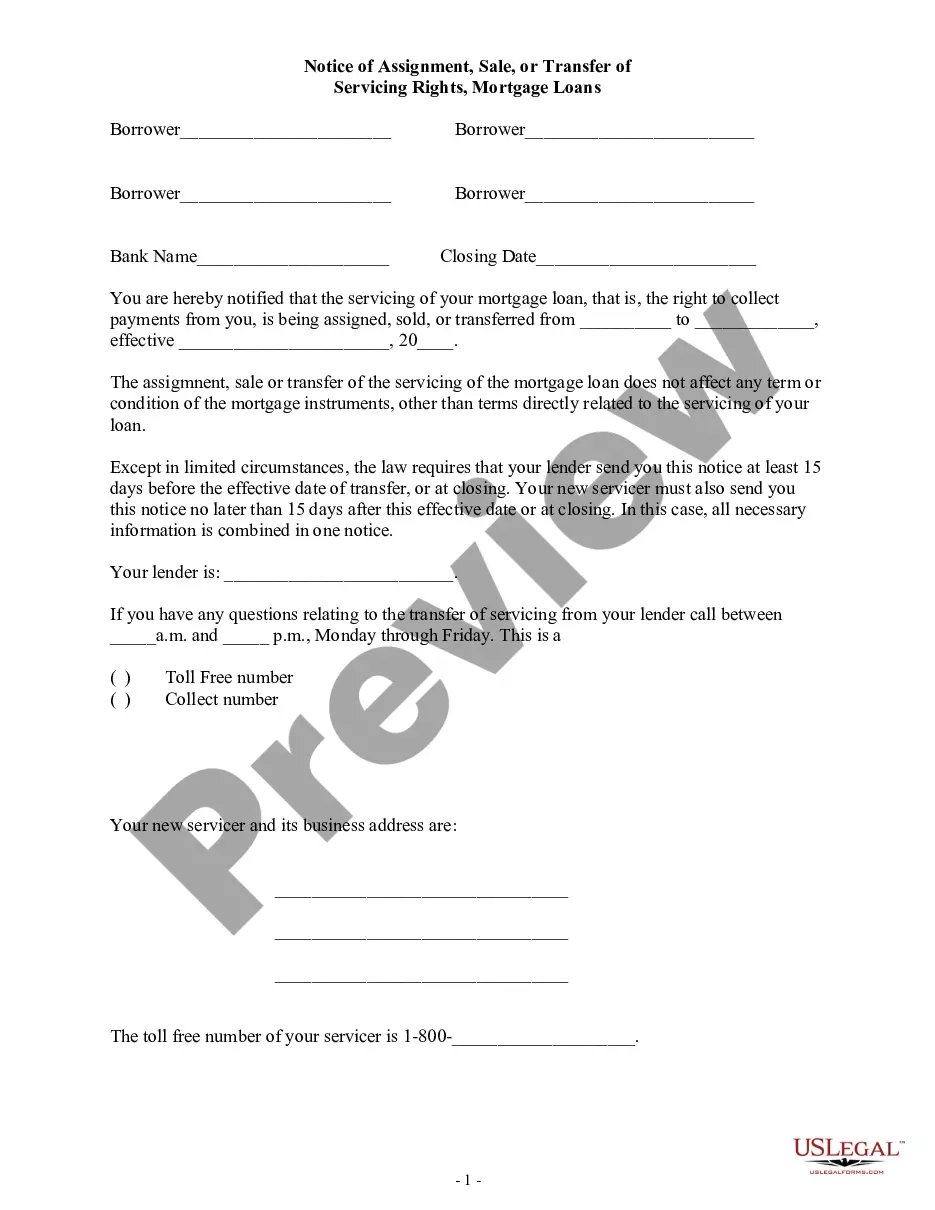
When to use this document
This form should be used when a trustor wishes to formally assign or transfer specific assets to their living trust. It is particularly useful during estate planning to ensure that all assets are documented as part of the trust, preventing confusion or disputes about ownership later on. Situations may include when the trustor acquires new property, changes the trust, or wishes to clarify existing assignments to beneficiaries.
Who needs this form
- Individuals who have established a living trust.
- Trustors wanting to assign property to their trust.
- Estate planners assisting clients with asset management.
- Beneficiaries seeking clarity regarding asset ownership within a trust.
Instructions for completing this form
- Identify the Trustor(s) and accurately fill in their names.
- Specify the name of the living trust and the date it was created.
- Clearly describe the property being transferred to the trust.
- Have the Trustor(s) sign the document in the designated section.
- Complete the acknowledgment section with the name of the person providing notarization, if required.
Notarization requirements for this form
This form needs to be notarized to ensure legal validity. US Legal Forms provides secure online notarization powered by Notarize, allowing you to complete the process through a verified video call, available anytime.
Get your form ready online
Our built-in tools help you complete, sign, share, and store your documents in one place.
Make edits, fill in missing information, and update formatting in US Legal Forms—just like you would in MS Word.
Download a copy, print it, send it by email, or mail it via USPS—whatever works best for your next step.
Sign and collect signatures with our SignNow integration. Send to multiple recipients, set reminders, and more. Go Premium to unlock E-Sign.
If this form requires notarization, complete it online through a secure video call—no need to meet a notary in person or wait for an appointment.
We protect your documents and personal data by following strict security and privacy standards.

Make edits, fill in missing information, and update formatting in US Legal Forms—just like you would in MS Word.

Download a copy, print it, send it by email, or mail it via USPS—whatever works best for your next step.

Sign and collect signatures with our SignNow integration. Send to multiple recipients, set reminders, and more. Go Premium to unlock E-Sign.

If this form requires notarization, complete it online through a secure video call—no need to meet a notary in person or wait for an appointment.

We protect your documents and personal data by following strict security and privacy standards.
Mistakes to watch out for
- Failing to provide a clear and detailed description of the property.
- Not obtaining the required notarization, leading to invalidity.
- Incomplete signatures or missing dates that can delay the process.
- Assuming the form is valid in all states without checking jurisdictional requirements.
Benefits of using this form online
- Immediate access to professionally drafted legal forms.
- Convenient online editing to customize specific details.
- Downloadable format for easy printing or digital storage.
- Guidance through the completion process to minimize errors.
Main things to remember
- The Notice of Assignment to Living Trust documents the transfer of property to a living trust.
- This form is essential for ensuring clarity in asset ownership within estate planning.
- Notarization is required for the form to be legally effective.
Looking for another form?
Form popularity
FAQ
Trusts Are Not Public Record. Most states require a last will and testament to be filed with the appropriate state court when the person dies. When this happens, the will becomes a public record for anyone to read. However, trusts aren't recorded.
To transfer real estate (also called real property) into your living trust, you must prepare and sign a new deed, transferring ownership. You can usually fill out a new deed yourself.
A trust can be contested for many of the same reasons as a will, including lack of testamentary capacity, undue influence, or lack of requisite formalities. The beneficiaries may also challenge the trustee's actions as violating the terms and purpose of the trust.
Generally speaking, beneficiaries have a right to see trust documents which set out the terms of the trusts, the identity of the trustees and the assets within the trust as well as the trust deed, any deeds of appointment/retirement and trust accounts.
Of the trust's existence, the beneficiary's right to request a copy of the trust agreement and right to an account (within 90 days of the trust becoming irrevocable or a change in trusteeship) when a trust becomes irrevocable (within 90 days of the event) appointment of a new trustee (within 90 days of acceptance)
Determine the Current Title and Vesting to Your Property. Prepare a Deed. Be Aware of Your Lender and Title Insurance. Prepare a Preliminary Change of Ownership Report. Execute Your Deed. Record Your Deed. Wait for the Deed to be Returned. Keep the Property in the Trust.
Updating a beneficiary designation: It supersedes your Will or Trust. The beneficiary designation is a legally binding document that supersedes your Will or Trust; neither will override the person you have named as your beneficiary in a life insurance policy, annuity or retirement account.
Unlike a will, the contents of a living trust are not a matter of public record. Like most court records, probate files are open to the public.
Does a Beneficiary Have the Right to See the Trust? The California Probate Law section 16061.7 provides for the beneficiaries right to see the trust. Trustees should furnish beneficiaries and heirs with copies of the trust document.