Illinois Letter from Tenant to Landlord containing Notice to landlord to withdraw improper rent increase during lease
Understanding this form
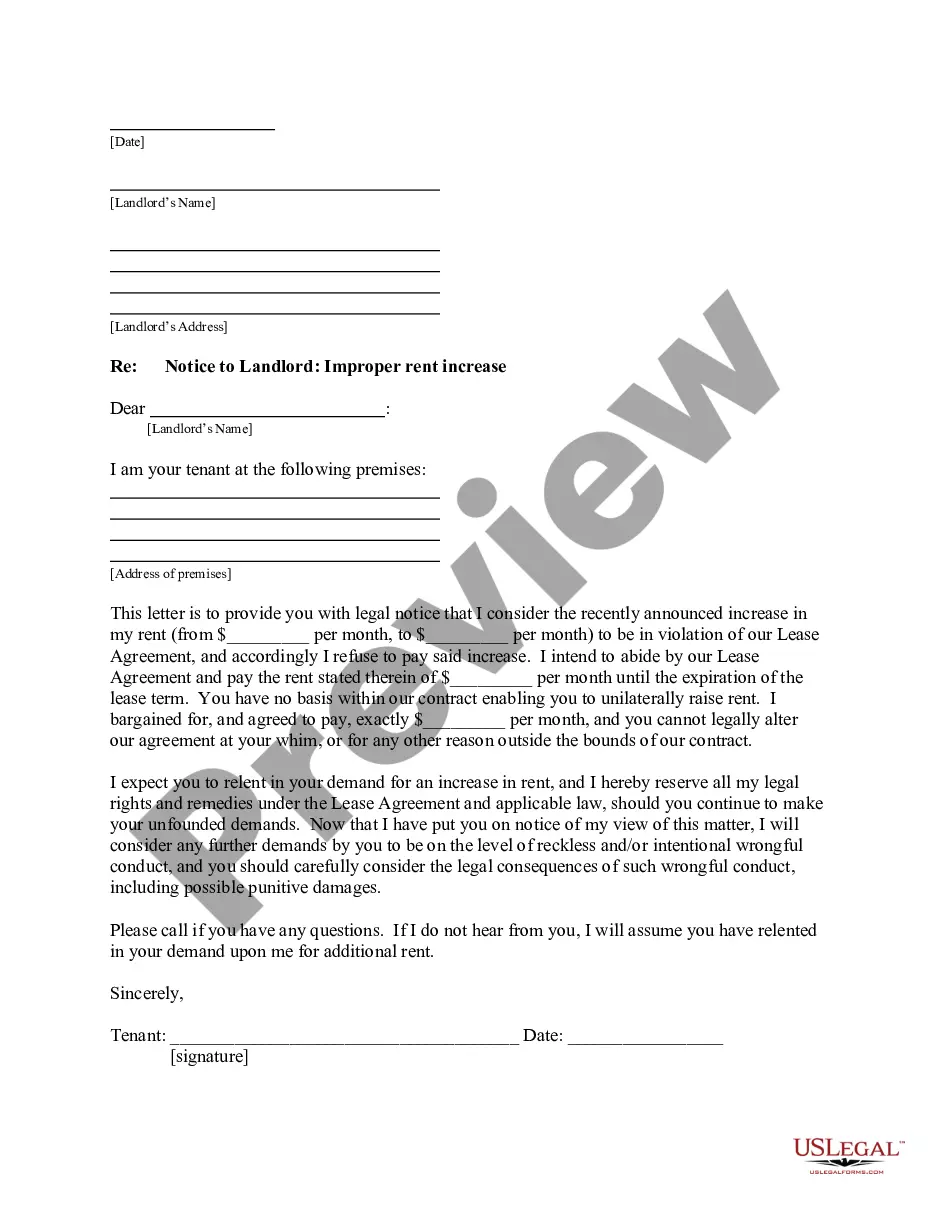
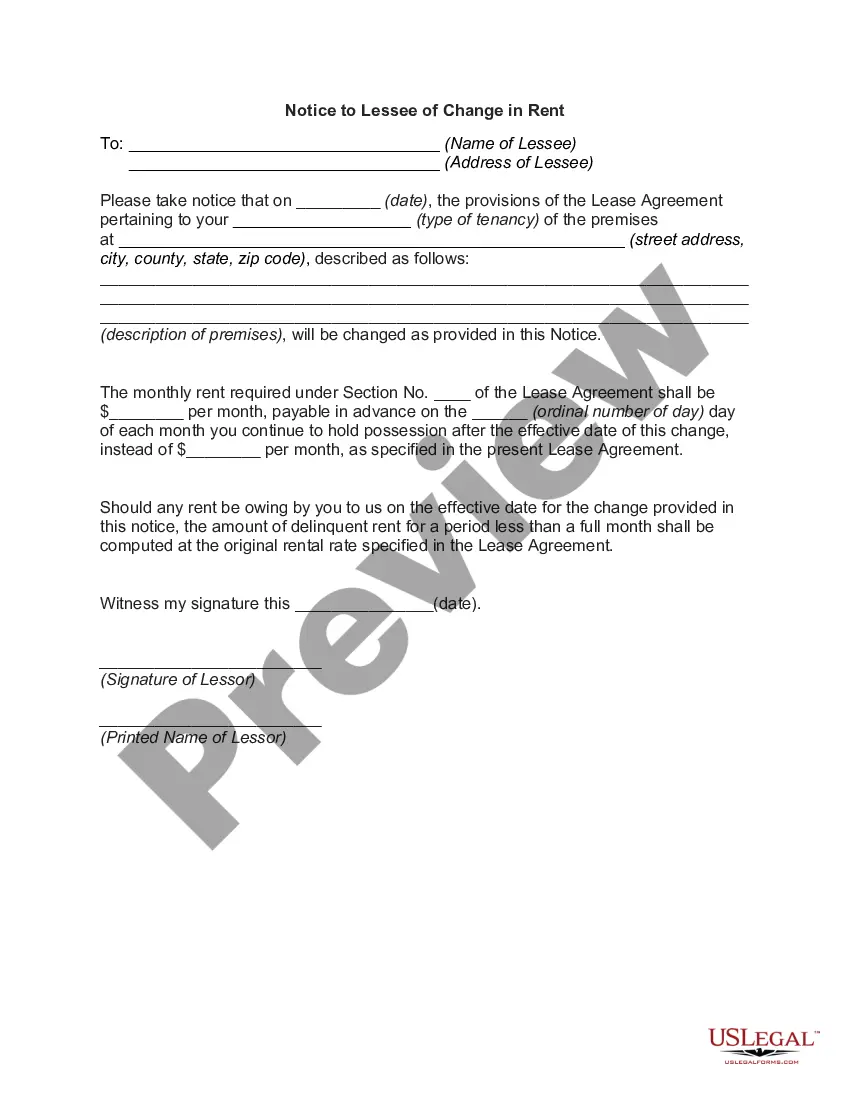
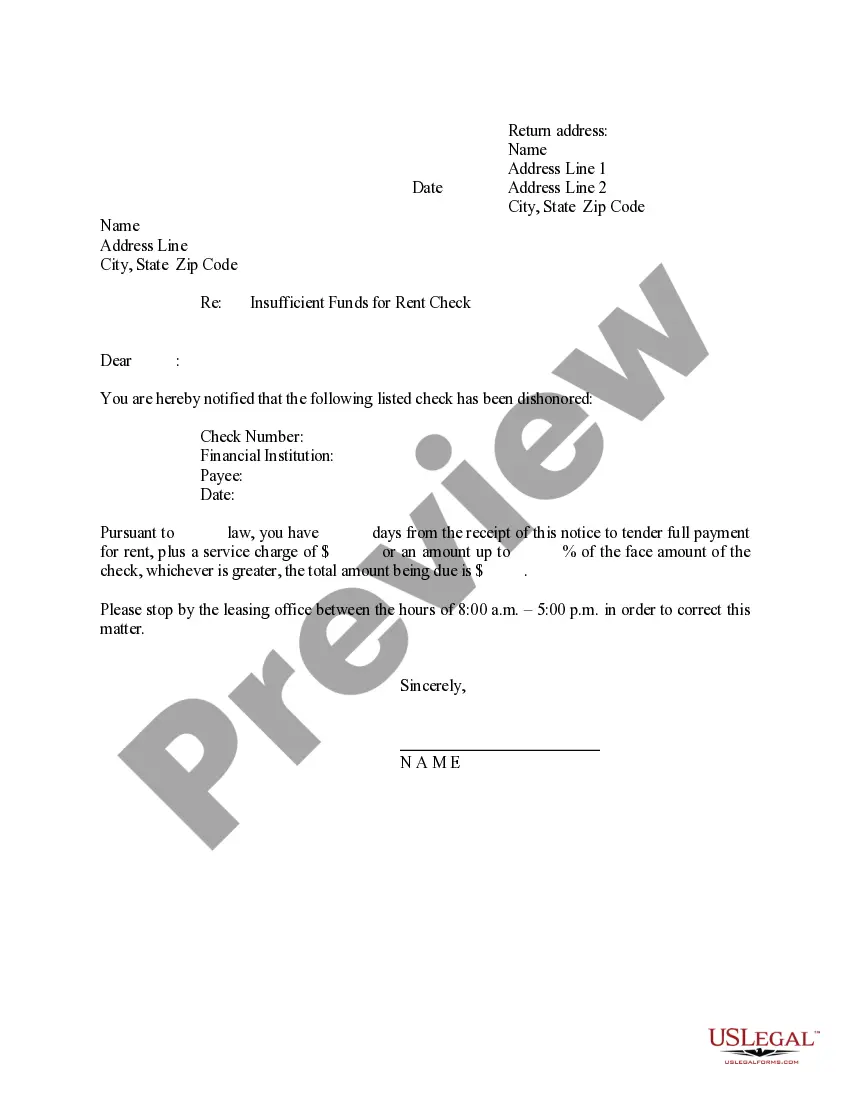
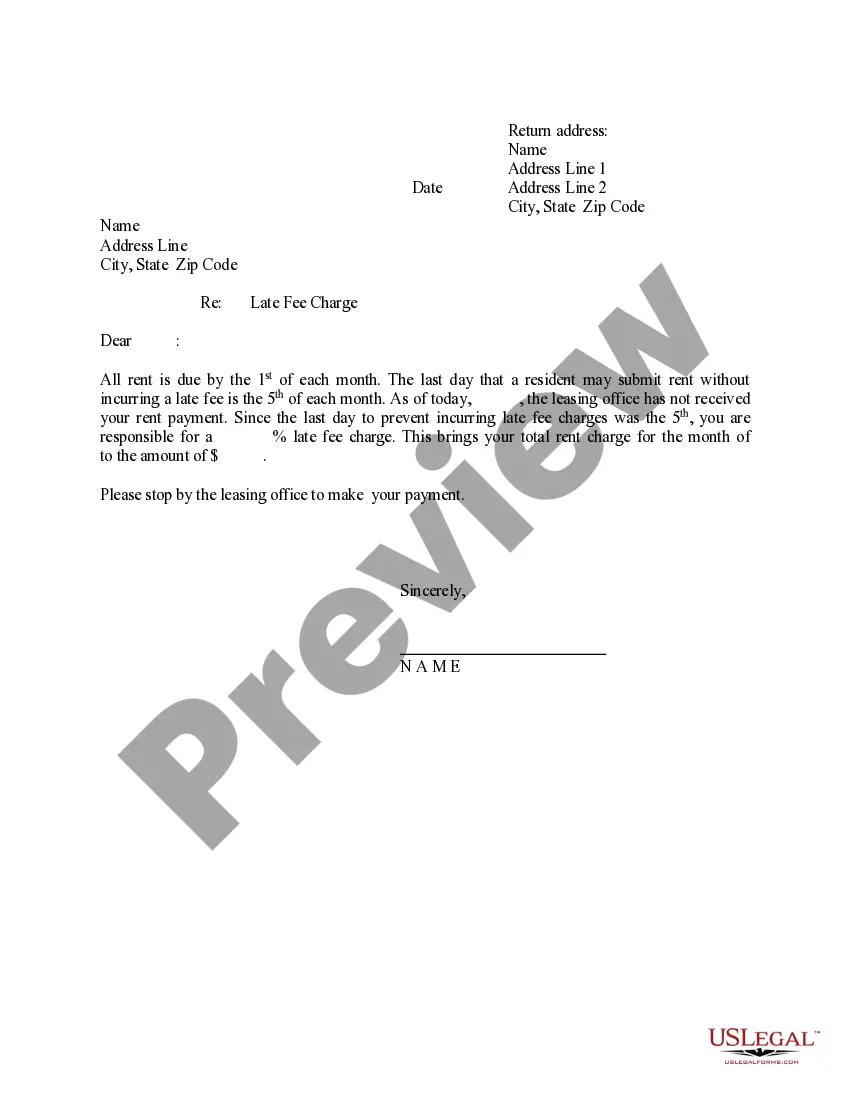
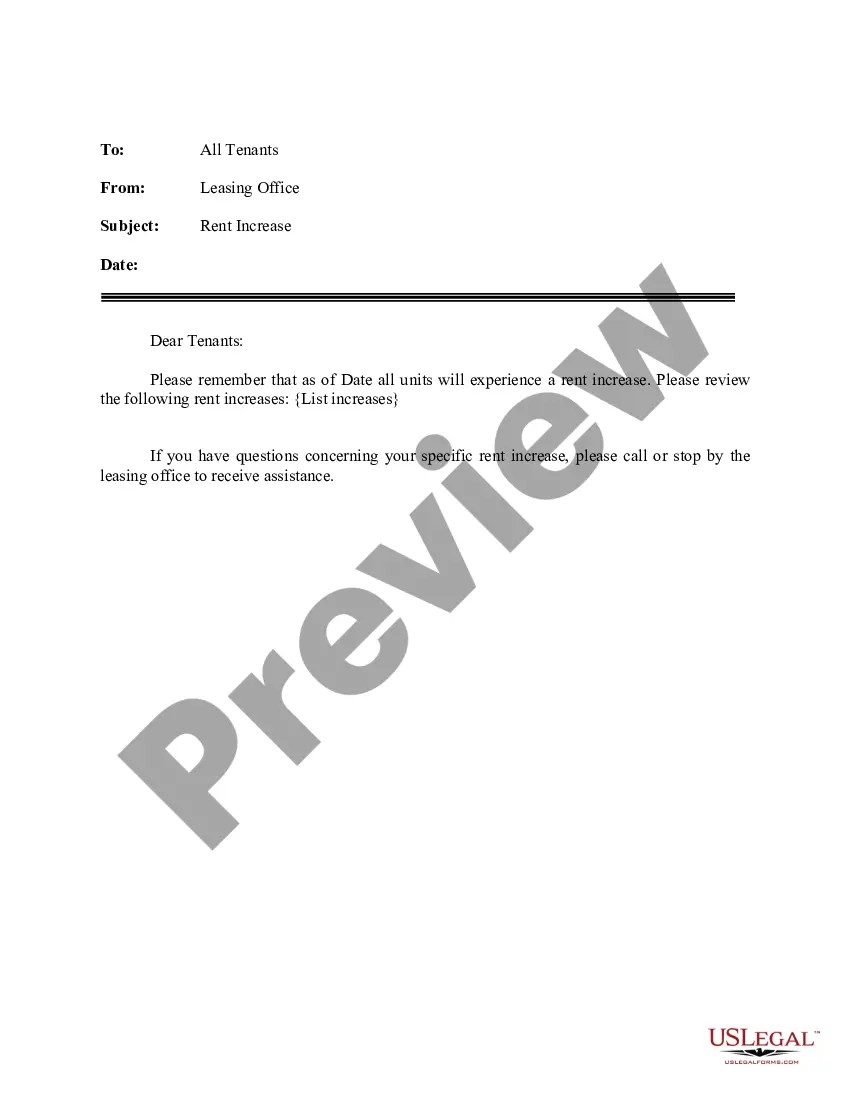
This letter from tenant to landlord containing notice to landlord to withdraw improper rent increase during lease serves as a formal communication from a tenant to their landlord. It notifies the landlord of the tenant's objection to an unwarranted rent increase, emphasizing the tenant's legal rights within the existing lease agreement. This form is essential for maintaining a clear record of the tenant's position regarding the rent increase, distinguishing it from other landlord-tenant communication forms by focusing on rent disputes and tenant rights during a lease.
What’s included in this form
- Statement of objection to the proposed rent increase.
- Reservation of legal rights under the lease agreement.
- Notice of potential consequences for continued demands.
- Mechanism for response by the landlord.
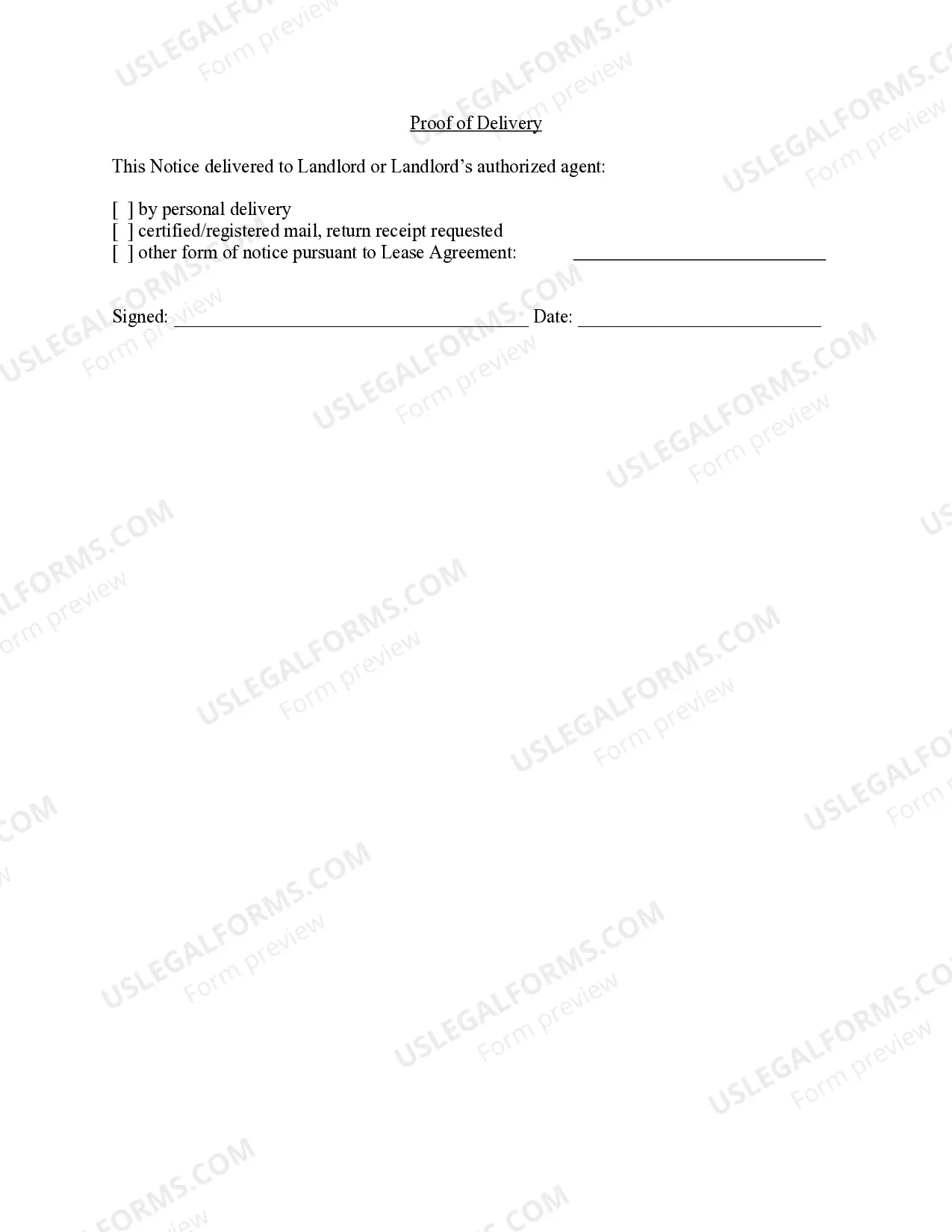
- Proof of delivery to the landlord or authorized agent.
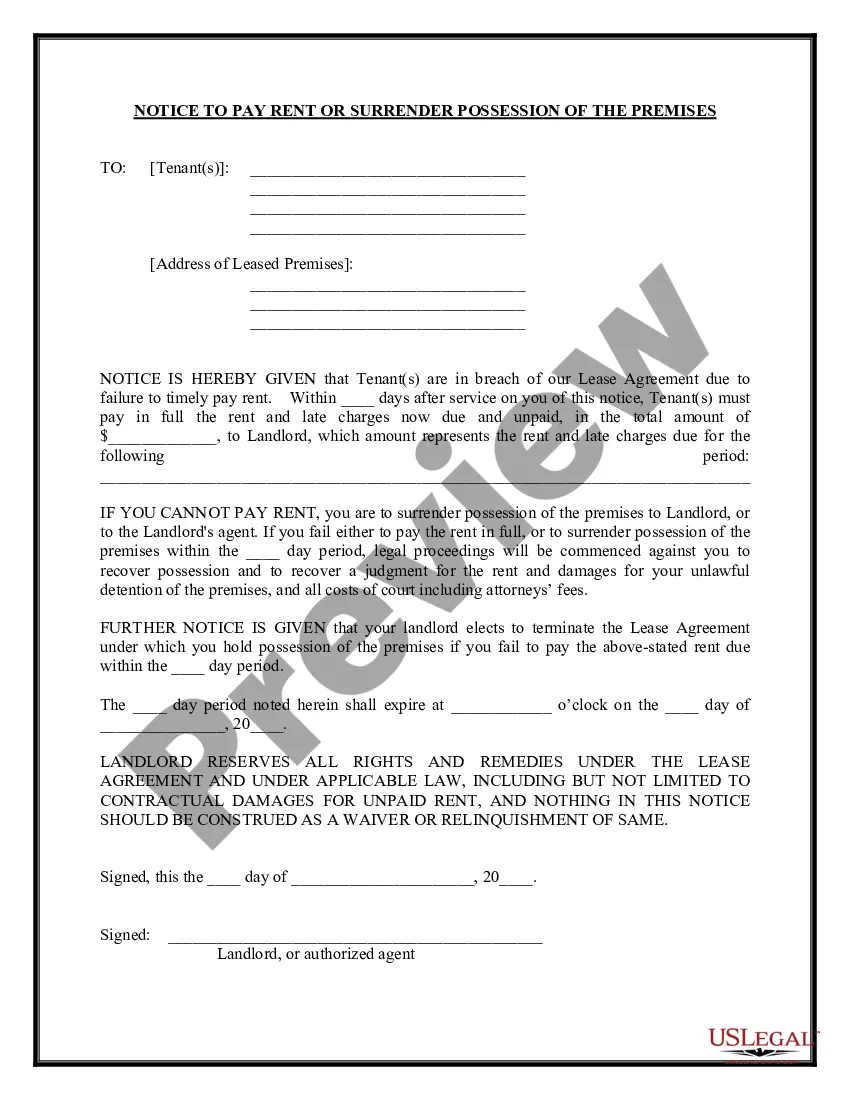
Situations where this form applies
This form should be used when a tenant receives notice of an improper rent increase from the landlord during the lease term. It is appropriate when the tenant believes the increase is unjustified and wants to formally communicate their position. Using this form can clarify the tenant's stance and help prevent further disputes over rent during the upcoming lease negotiations or renewal process.
Intended users of this form
- Tenants who have received a notice of a rent increase from their landlord.
- Individuals seeking to formally contest an unjustified rent increase.
- Tenants who wish to document their communication regarding lease terms and rental agreements.
How to complete this form
- Identify the tenant and landlord by including their names and contact information.
- State the specific rent increase that is being contested.
- Clearly express the objection to the rent increase and cite the relevant lease agreement clauses.
- Specify any consequences that may arise from continued demands for higher rent.
- Sign and date the letter, ensuring to keep a copy for personal records.
Does this form need to be notarized?
This form does not typically require notarization unless specified by local law. However, it is advisable for tenants to validate their local regulations regarding delivering legal notices.
Get your form ready online
Our built-in tools help you complete, sign, share, and store your documents in one place.
Make edits, fill in missing information, and update formatting in US Legal Forms—just like you would in MS Word.
Download a copy, print it, send it by email, or mail it via USPS—whatever works best for your next step.
Sign and collect signatures with our SignNow integration. Send to multiple recipients, set reminders, and more. Go Premium to unlock E-Sign.
If this form requires notarization, complete it online through a secure video call—no need to meet a notary in person or wait for an appointment.
We protect your documents and personal data by following strict security and privacy standards.

Make edits, fill in missing information, and update formatting in US Legal Forms—just like you would in MS Word.

Download a copy, print it, send it by email, or mail it via USPS—whatever works best for your next step.

Sign and collect signatures with our SignNow integration. Send to multiple recipients, set reminders, and more. Go Premium to unlock E-Sign.

If this form requires notarization, complete it online through a secure video call—no need to meet a notary in person or wait for an appointment.

We protect your documents and personal data by following strict security and privacy standards.
Common mistakes to avoid
- Failing to sign the letter, which may render it ineffective.
- Not providing sufficient detail about the rent increase and lease clauses.
- Ignoring local laws regarding notice requirements, which may vary by state.
Benefits of completing this form online
- Convenient access from anywhere, allowing for timely communication.
- Editability ensures that tenants can customize the letter to fit their specific situation.
- Reliability of forms prepared by licensed attorneys to ensure legal compliance.
Legal use & context
- This form can help protect tenant rights during disputes over rent increases.
- It serves as a formal record of the tenant's objections which can be presented in legal proceedings if necessary.
Quick recap
- The letter is essential for formally contesting an improper rent increase.
- It helps to document the tenant's position and maintain a clear communication trail.
- Adhering to local regulations is crucial for the letterâs effectiveness.
Looking for another form?
Form popularity
FAQ
In Illinois, if there is no lease or if the lease does not specify a move out date, the Landlord must give at least 30 days of notice to a tenant that the landlord wants to move out. This notice must be in writing and must arrive to the tenant at least 30 days prior to their move out date.
Stat. § 735/1.4) or changing the locks on the door of the rental unit. If the landlord tries to evict the tenant through one of these methods, without a court order, the landlord could owe the tenant damages. See the Nolo article Illegal Eviction Procedures in Illinois for more information.
The rental property address, including unit number (if applicable) The names of all tenants on the lease agreement. The date the lease violation notice was written. The specific reason for the notice. The time and date the violation occurred (if applicable)
Remember you're a business. Do your research. Raise the rent all at once or incrementally. Don't negotiate or ask tenants what they think a fair rent increase would be. Be courteous and firm. Find a template you like. Send a formal letter by certified mail. Give the tenant notice.
I am giving 1 month's notice to end my tenancy, as required by law. I will be leaving the property on (date xxxxx). I would like you to be at the property on the day I move out to check the premises and for me to return the keys. I also need you to return my tenancy deposit of (state amount).
Tenant's name. Property address. Landlord name and contact information. Date the letter is written. Date the rent increase will take effect. Amount of rent increase. Current cost of rent.
State law regulates several rent-related issues, including the amount of notice (at least 30 days in Illinois) landlords must give tenants to raise the rent and how much time (five days in Illinois) a tenant has to pay rent or move before a landlord can file for eviction.
Removal of the Tenant It is illegal for a landlord to try to force a tenant to move out of a rental unit. Even if the landlord is successful with the eviction lawsuit, the only person authorized to remove the tenant is a sheriff or constable. Illegal Eviction Procedures in Illinois has more information on this topic.
In most states, a landlord must give tenants notice at least 30 days before they'll enforce a rent increase. However, in other states like California, the notice can increase to 60 days' notice if the increase is more than 10% of the current rent rate.