Idaho Letter from Landlord to Tenant with Directions regarding cleaning and procedures for move out
What is this form?
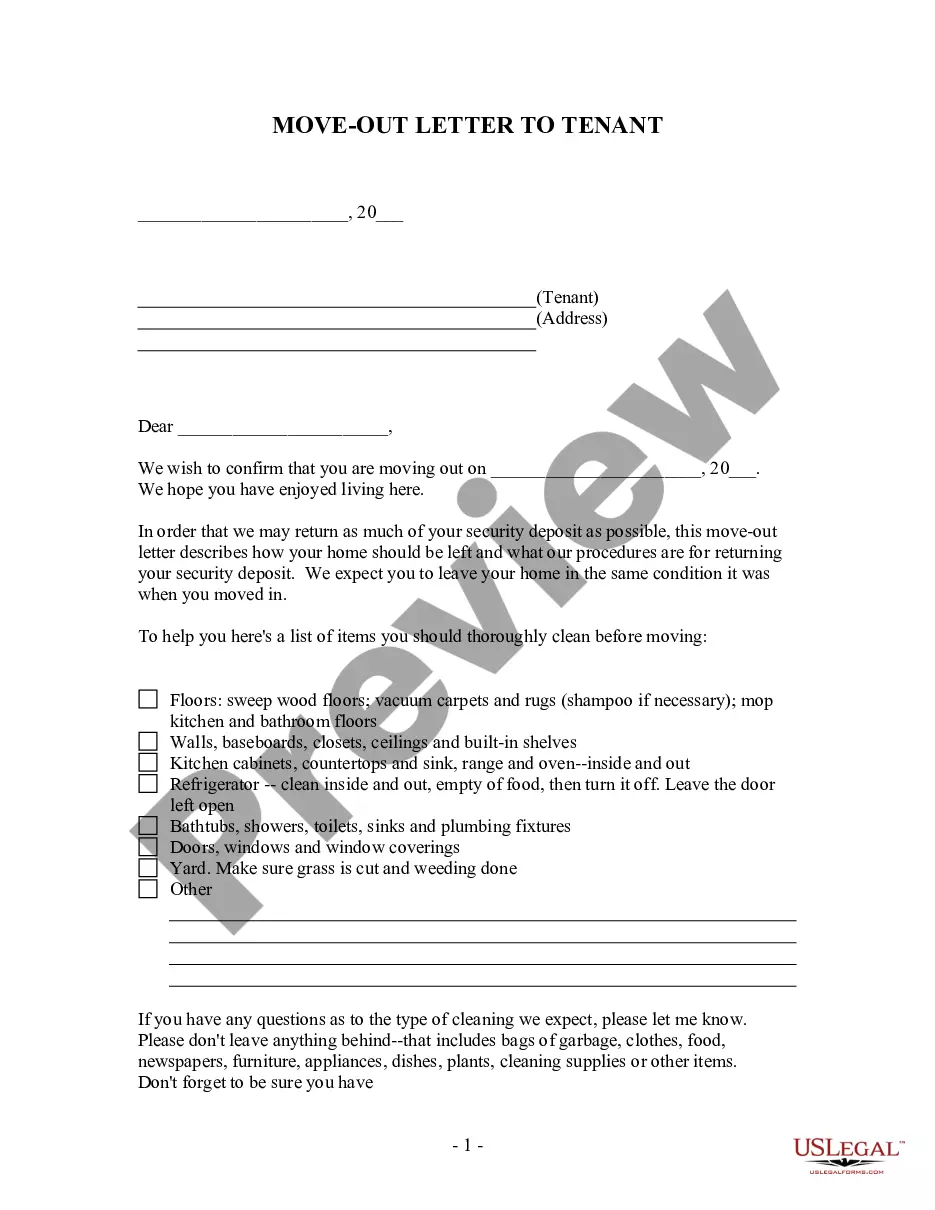
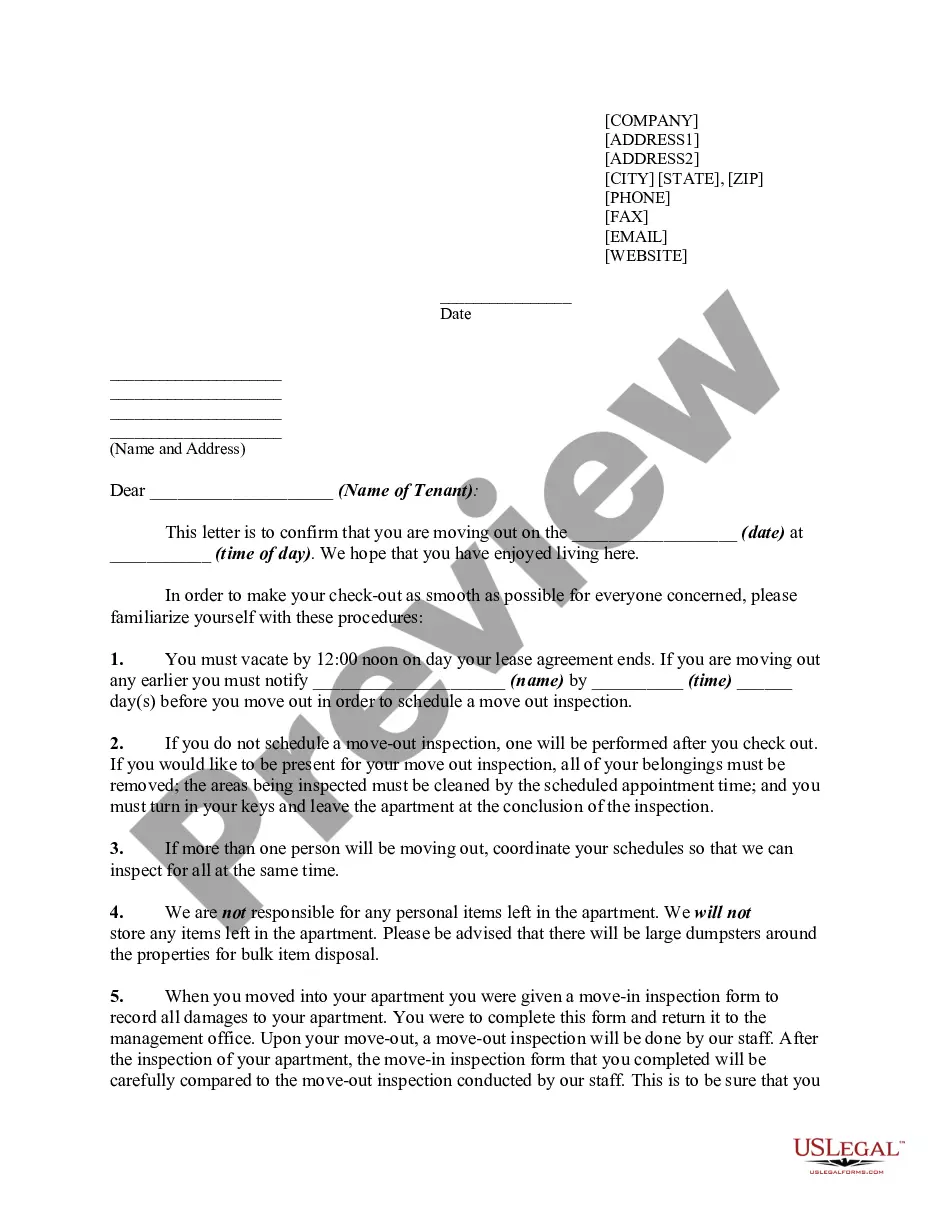
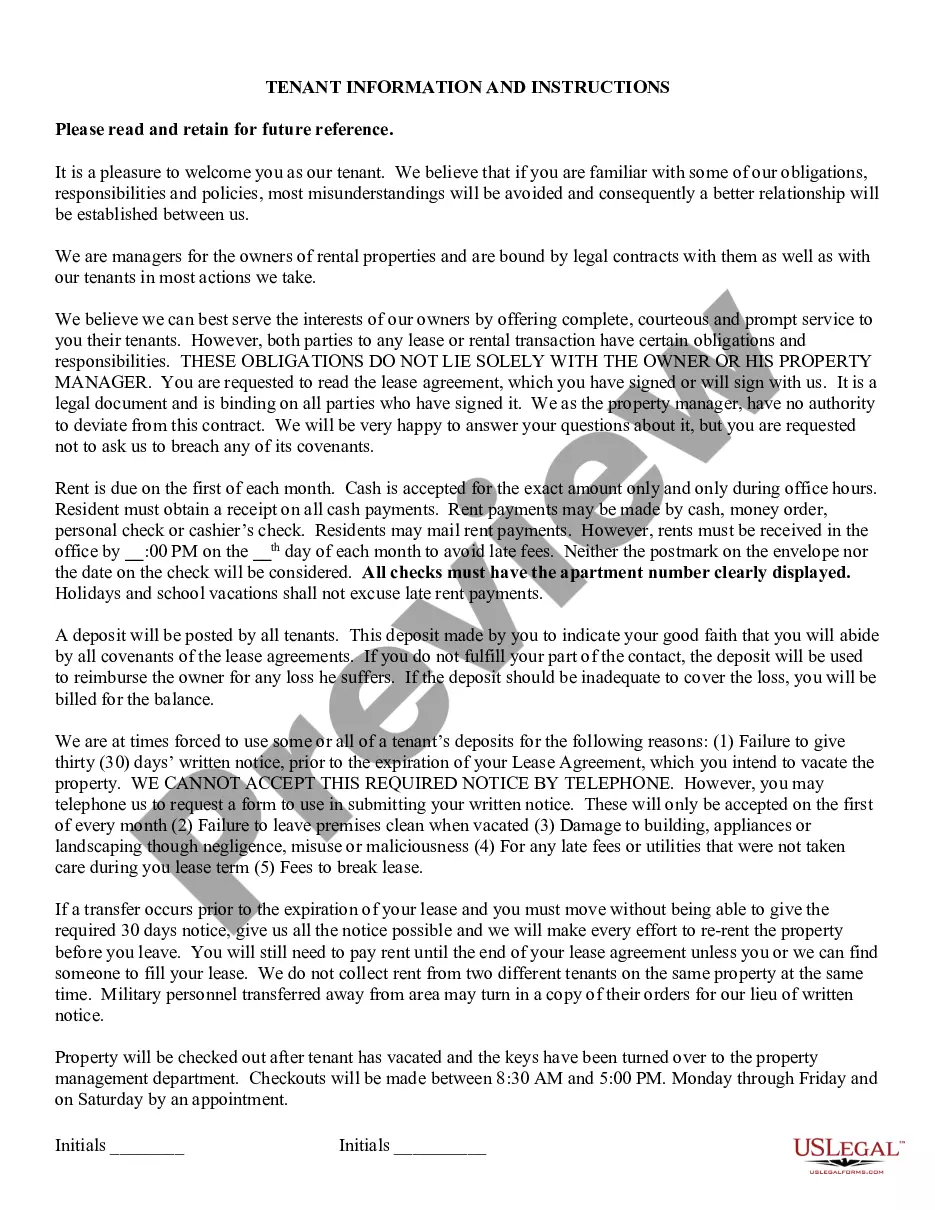
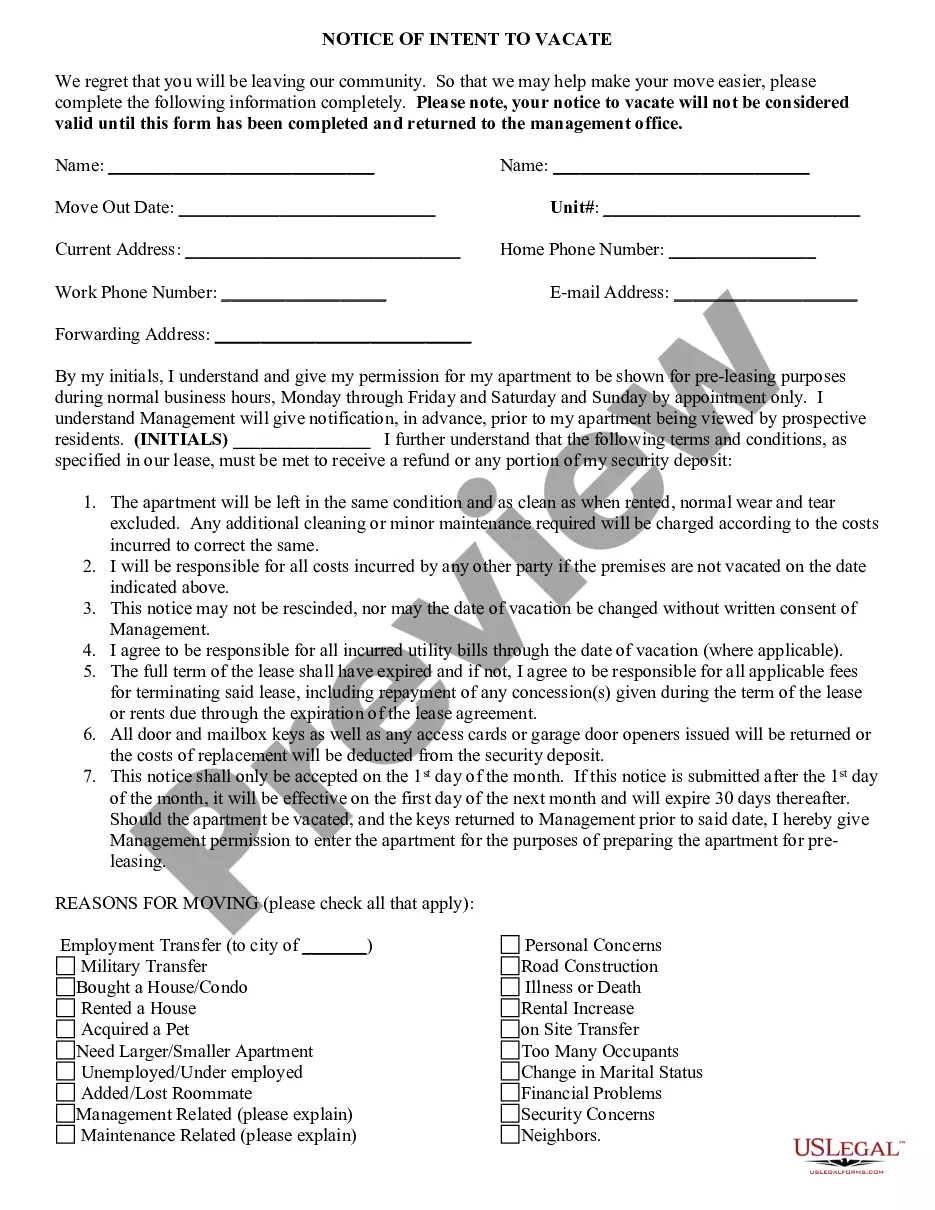
The Letter from Landlord to Tenant with Directions regarding cleaning and procedures for move out is a crucial document that instructs tenants on how to prepare their rental unit for a successful move-out. This letter serves to clarify the landlord's expectations for cleaning, the security deposit process, and the disconnection of utilities, ensuring that tenants leave the property in good condition. It differs from other forms by specifically addressing the move-out procedure, streamlining communication between landlords and tenants.
Key parts of this document
- A section outlining cleaning expectations for the rental unit.
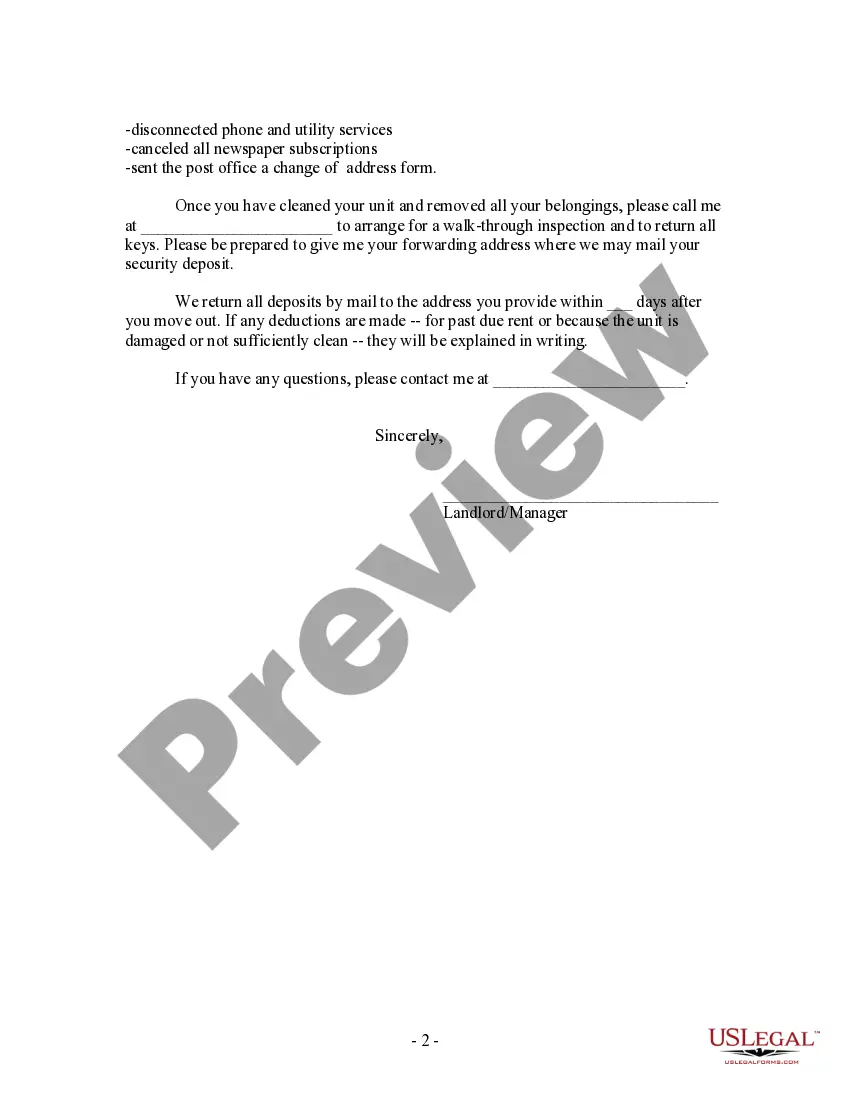
- Instructions for returning keys and scheduling a walk-through inspection.
- Details on how and when the security deposit will be returned.
- Guidance on disconnecting utilities and notifying the post office.
- Space for the landlord's contact information for further inquiries.

When this form is needed
This form should be used when a tenant is preparing to move out of a rental property. It serves as a reminder of the responsibilities the tenant must complete before leaving, helping avoid potential disputes over the return of the security deposit. This letter can also assist in clarifying any expectations that may be overlooked during the moving process.
Who needs this form
- Landlords managing residential rental properties.
- Property managers overseeing tenant move-outs.
- Tenants preparing to vacate a rented home or apartment.
- Real estate professionals assisting landlords and tenants.
How to complete this form
- Identify the tenant's full name and the address of the rental property.
- List detailed cleaning instructions in a clear manner.
- Specify how and when the security deposit will be returned.
- Provide your contact information for follow-ups and questions.
- Include any deadlines for completing the move-out process.
Is notarization required?
This form does not typically require notarization to be legally valid. However, some jurisdictions or document types may still require it. US Legal Forms provides secure online notarization powered by Notarize, available 24/7 for added convenience.
Get your form ready online
Our built-in tools help you complete, sign, share, and store your documents in one place.
Make edits, fill in missing information, and update formatting in US Legal Forms—just like you would in MS Word.
Download a copy, print it, send it by email, or mail it via USPS—whatever works best for your next step.
Sign and collect signatures with our SignNow integration. Send to multiple recipients, set reminders, and more. Go Premium to unlock E-Sign.
If this form requires notarization, complete it online through a secure video call—no need to meet a notary in person or wait for an appointment.
We protect your documents and personal data by following strict security and privacy standards.
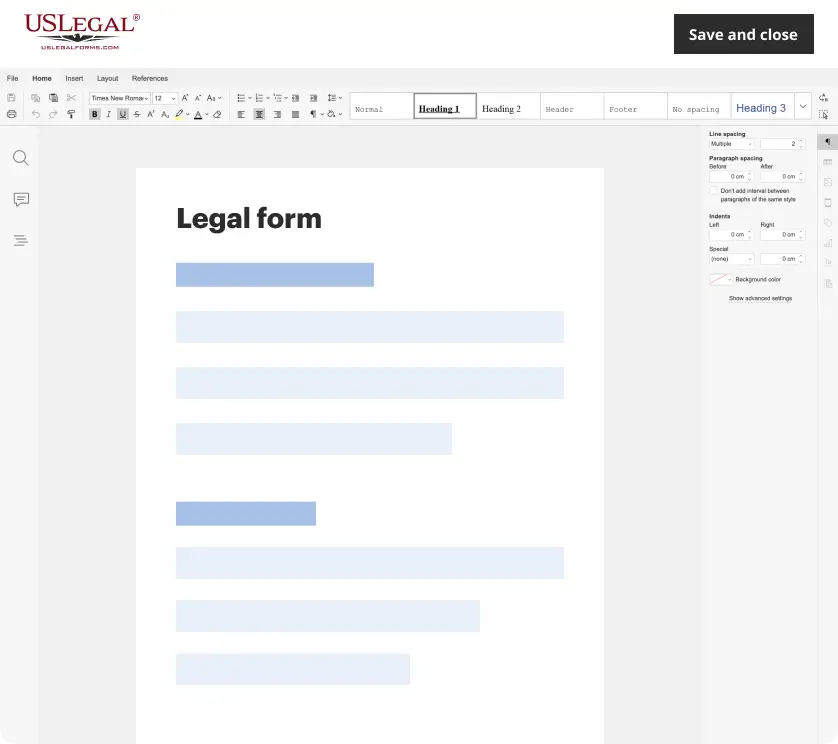
Make edits, fill in missing information, and update formatting in US Legal Forms—just like you would in MS Word.
Download a copy, print it, send it by email, or mail it via USPS—whatever works best for your next step.
Sign and collect signatures with our SignNow integration. Send to multiple recipients, set reminders, and more. Go Premium to unlock E-Sign.
If this form requires notarization, complete it online through a secure video call—no need to meet a notary in person or wait for an appointment.
We protect your documents and personal data by following strict security and privacy standards.
Common mistakes
- Not providing clear cleaning instructions, leading to misunderstandings.
- Failing to specify the timeline for security deposit return.
- Omitting contact information, making it difficult for tenants to reach the landlord.
- Neglecting to schedule the final walk-through inspection in advance.
Why use this form online
- Convenient access to professional legal forms aids in ensuring accuracy.
- Editable templates allow for customization to fit specific needs.
- Forms are drafted by licensed attorneys to meet legal requirements.
- Quick and efficient completion of essential move-out communications.
Key takeaways
- Clear communication is essential for a smooth move-out process.
- Providing specific instructions helps tenants meet expectations.
- Proper documentation can safeguard landlords against disputes over deposits.
- Preparation for the move-out can facilitate the return of deposits in full.
Looking for another form?
Form popularity
FAQ
Dear (Name of landlord or manager), This letter constitutes my written (number of days' notice that you need to give based on your lease agreement)-day notice that I will be moving out of my apartment on (date), the end of my current lease. I am leaving because (new job, rent increase, etc.)
A landlord cannot evict a tenant without an adequately obtained eviction notice and sufficient time. A landlord cannot retaliate against a tenant for a complaint. A landlord cannot forego completing necessary repairs or force a tenant to do their own repairs.A landlord cannot remove a tenant's personal belongings.
The Idaho law enacted in 1977 clearly specifies the rights of landlords and tenants. Some of the tenant rights include: Right to remain on the property until they're properly evicted by a court order. Right to have repairs made within a reasonable amount of time after a request is made.
California law requires that your landlord sue you within the state's statute of limitations. If you had a written agreement with your landlord, he has four years to file suit. If you had an oral agreement, your landlord has only two years to sue you.
Normal wear and tear is expected and acceptable, but you're responsible for repairing holes in the walls you've made for hanging pictures and other things, fixing scratches and dents on the walls and floors, repainting the walls to their original color, replacing broken windows, making sure the electrical and plumbing
If you are the tenant and intend to move out (and you pay rent once a month), you have to give your landlord 30 days' notice in writing. If you do not, the landlord can charge you for the unpaid rent even after you move out. Unless a new tenant pays the rent, you will have to pay for those 30 days.
When you move into a house or apartment, the landlord is allowed to ask you for a security deposit. The security deposit cannot be more than your first months rent.When you move in, the landlord can also ask you to pay first months rent, last months rent, and the cost of a new lock and key.
In California, however, a tenant is responsible to pay rent for the last 30 days specified in the notice to vacate.In such case you can only use your deposit as last month's rent if a landlord explicitly agrees to substitute the deposit for last month's rent.
Whether you do the job or hire it out, leaving an apartment clean is important because your landlord will want to rent your former home to someone else immediately. If the landlord needs to clean it, you'll not only lose your security deposit but it will reflect poorly on you.