Idaho Quitclaim Deed from Husband and Wife to Four Individuals
What is this form?
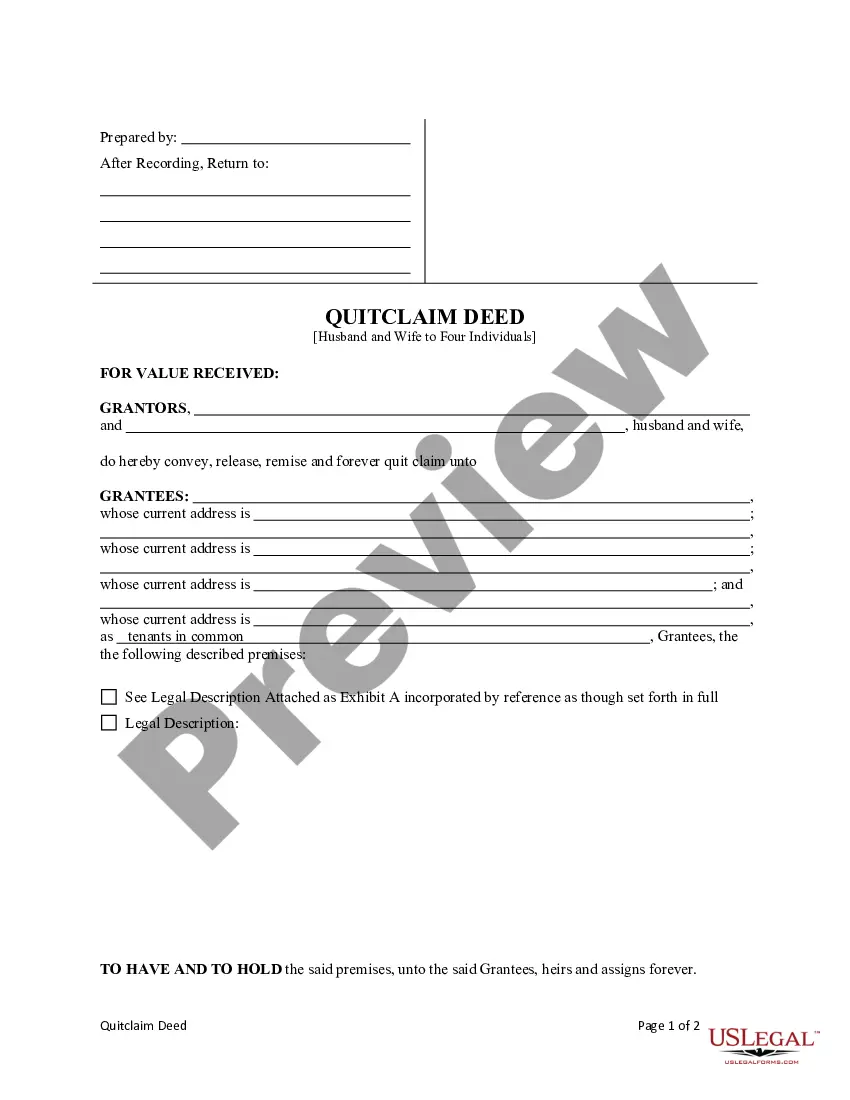
The Quitclaim Deed from Husband and Wife to Four Individuals is a legal document used to transfer ownership of real property. In this form, the Grantors (husband and wife) convey their interest in the property to four Grantees without warranties. This distinguishes it from a warranty deed, where ownership claims are guaranteed. This deed complies with state laws, ensuring that the transfer is legally valid and recognized in the jurisdiction where the property is located.
Form components explained
- Names of the Grantors and Grantees, including their relationship.
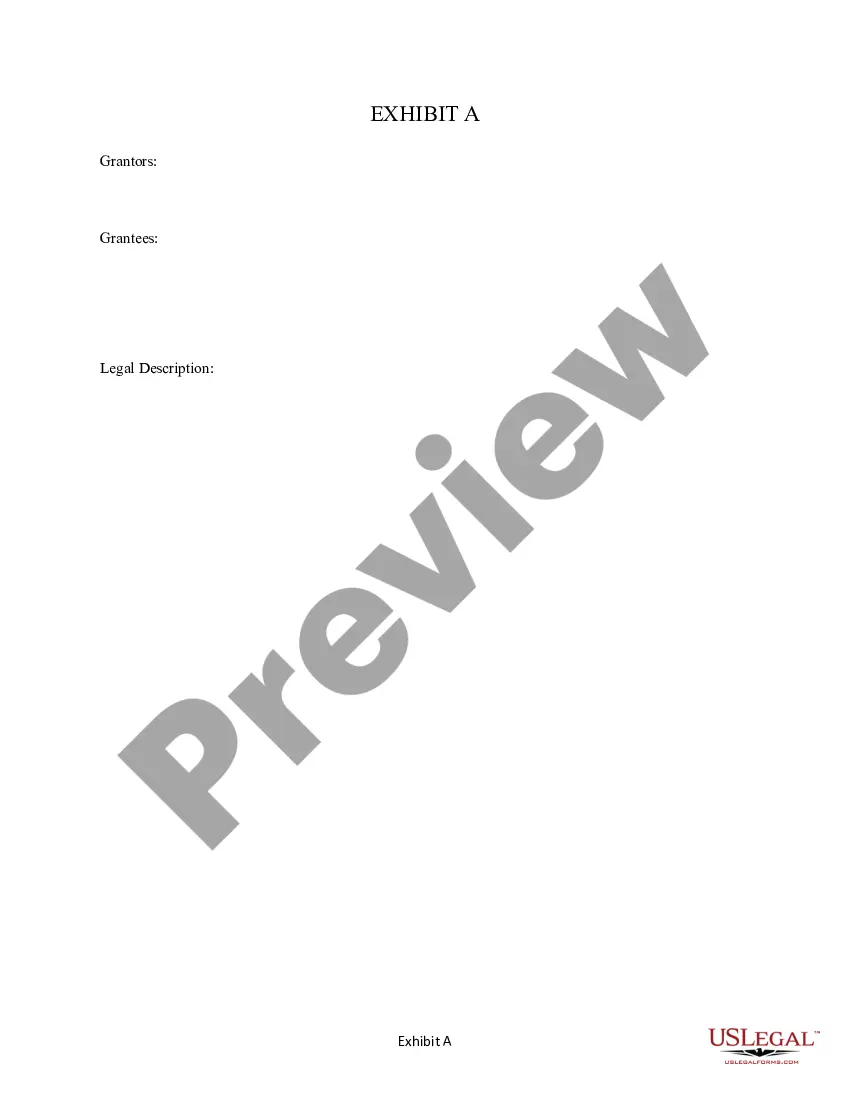
- Description of the property being conveyed.
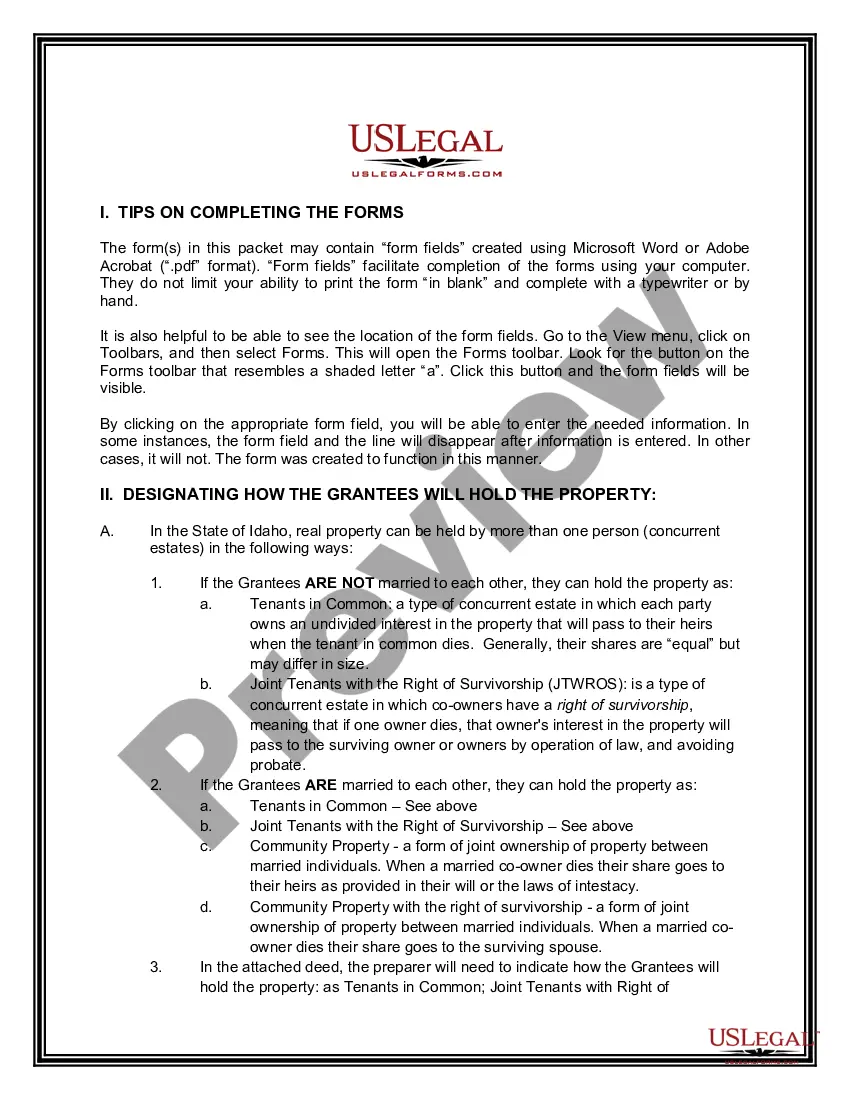
- Specification of how the Grantees will hold the property.
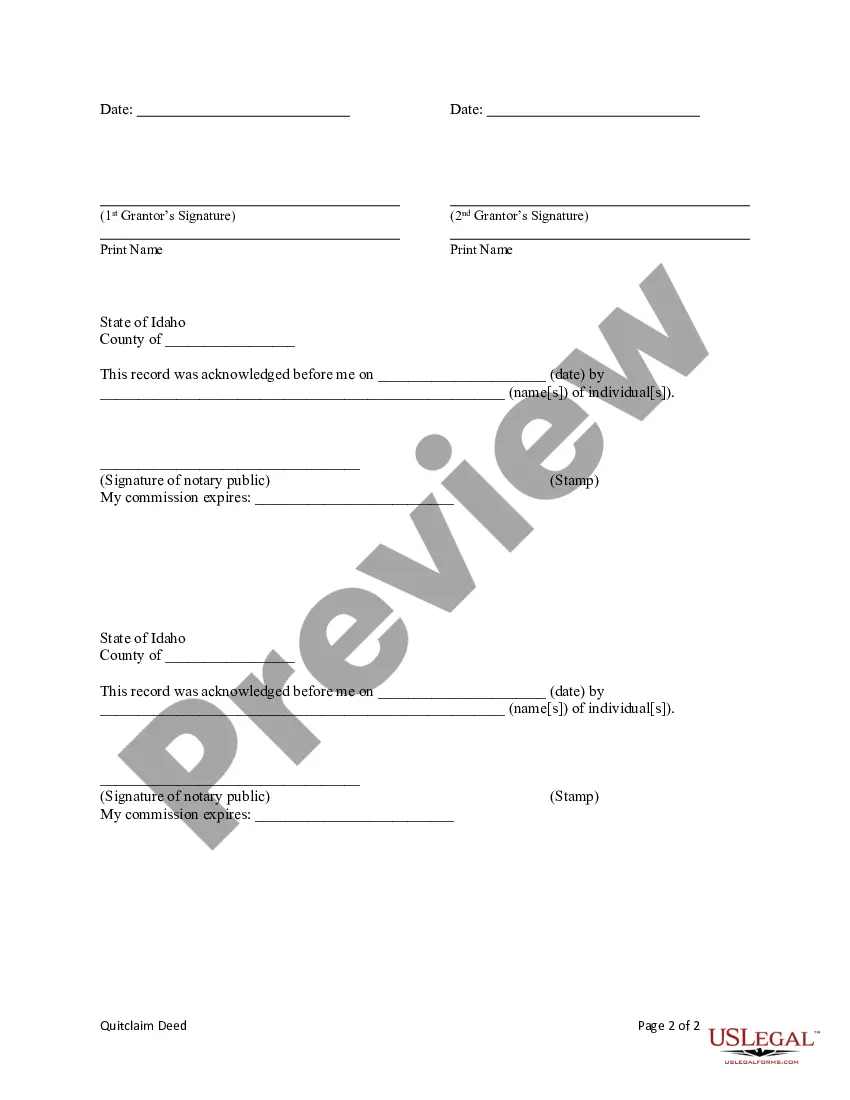
- Signatures of the Grantors to finalize the deed.
- Notarization section, if applicable, for legal acknowledgment.




When to use this form
This form is particularly useful when a husband and wife wish to transfer their property interest to four individuals, potentially family or friends. Scenarios for using this quitclaim deed may include gifting property, estate planning, or dissolving joint ownership. It is especially relevant when Grantors want to ensure a quick transfer without the complexities of a traditional sale or an extensive title search.
Who needs this form
This form is suitable for:
- Husbands and wives transferring property to others.
- Individuals involved in property-sharing agreements or family arrangements.
- Anyone seeking to simplify the transfer of real estate without warranties.
Completing this form step by step
- Identify the parties involved, including the Grantors and Grantees.
- Specify the property being conveyed with complete and accurate details.
- Choose how the Grantees will hold the property (e.g., Tenants in Common, Joint Tenants, etc.).
- Have all Grantors sign the deed in the appropriate section.
- Complete the notarization section if required by local law.
Is notarization required?
To make this form legally binding, it must be notarized. Our online notarization service, powered by Notarize, lets you verify and sign documents remotely through an encrypted video session.
Get your form ready online
Our built-in tools help you complete, sign, share, and store your documents in one place.
Make edits, fill in missing information, and update formatting in US Legal Forms—just like you would in MS Word.
Download a copy, print it, send it by email, or mail it via USPS—whatever works best for your next step.
Sign and collect signatures with our SignNow integration. Send to multiple recipients, set reminders, and more. Go Premium to unlock E-Sign.
If this form requires notarization, complete it online through a secure video call—no need to meet a notary in person or wait for an appointment.
We protect your documents and personal data by following strict security and privacy standards.
Make edits, fill in missing information, and update formatting in US Legal Forms—just like you would in MS Word.
Download a copy, print it, send it by email, or mail it via USPS—whatever works best for your next step.
Sign and collect signatures with our SignNow integration. Send to multiple recipients, set reminders, and more. Go Premium to unlock E-Sign.
If this form requires notarization, complete it online through a secure video call—no need to meet a notary in person or wait for an appointment.
We protect your documents and personal data by following strict security and privacy standards.
Typical mistakes to avoid
- Failing to specify how Grantees will hold the property.
- Omitting signatures from all Grantors.
- Including incorrect property descriptions that do not match official records.
- Not having the document notarized when required by local law.
Benefits of using this form online
- Convenient download and immediate access to legal forms.
- Editability, allowing for easy customization before printing.
- Reliability of forms drafted by licensed attorneys to meet legal standards.
Looking for another form?
Form popularity
FAQ
In California, all property bought during the marriage with income that was earned during the marriage is deemed "community property." The law implies that both spouses own this property equally, regardless of which name is on the title deed.
Enter the full name of the Grantor (seller) AND. Enter the name(s) of the Grantee(s) (buyer(s)) Address. Legal description of the property. Enter the name of the County where the property is situated.
It's often easier to qualify for a joint mortgage, because both spouses can contribute income and assets to the application. However, if one spouse can qualify for a mortgage based on his own income and credit, the mortgage does not need to be in both spouses' names unless you live in a community property state.
Updated November 9, 2020. Quitclaim deeds in Idaho allow a property's owner, known as a grantor, to convey rights and interest in a property to someone else, known as a grantee, without any guarantees.
It's usually a very straightforward transaction, but it's possible for a quitclaim deed to be challenged. If a quitclaim deed is challenged in court, the issue becomes whether the property was legally transferred and if the grantor had the legal right to transfer the property.
But you might be wondering if an owner can transfer a deed to another person without a real estate lawyer. The answer is yes. Parties to a transaction are always free to prepare their own deeds.A quitclaim deed, for example, is far simpler than a warranty deed.
To use a Quitclaim Deed to add someone to a property deed or title, you would need to create a Quitclaim Deed and list all of the current owners in the grantor section. In the grantee section, you would list all of the current owners as well as the person you would like to add.