Georgia Warranty Deed from Individual to LLC
What this document covers
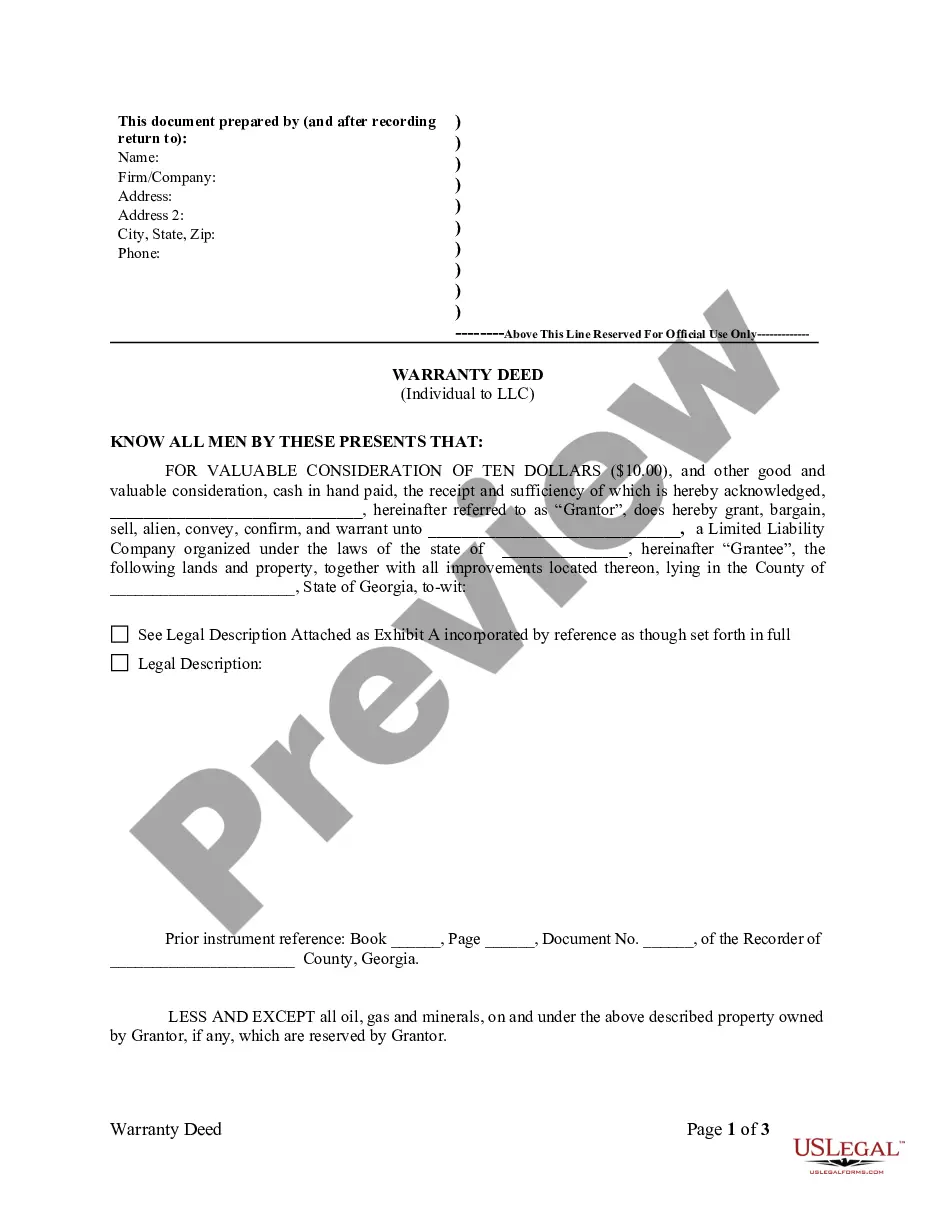
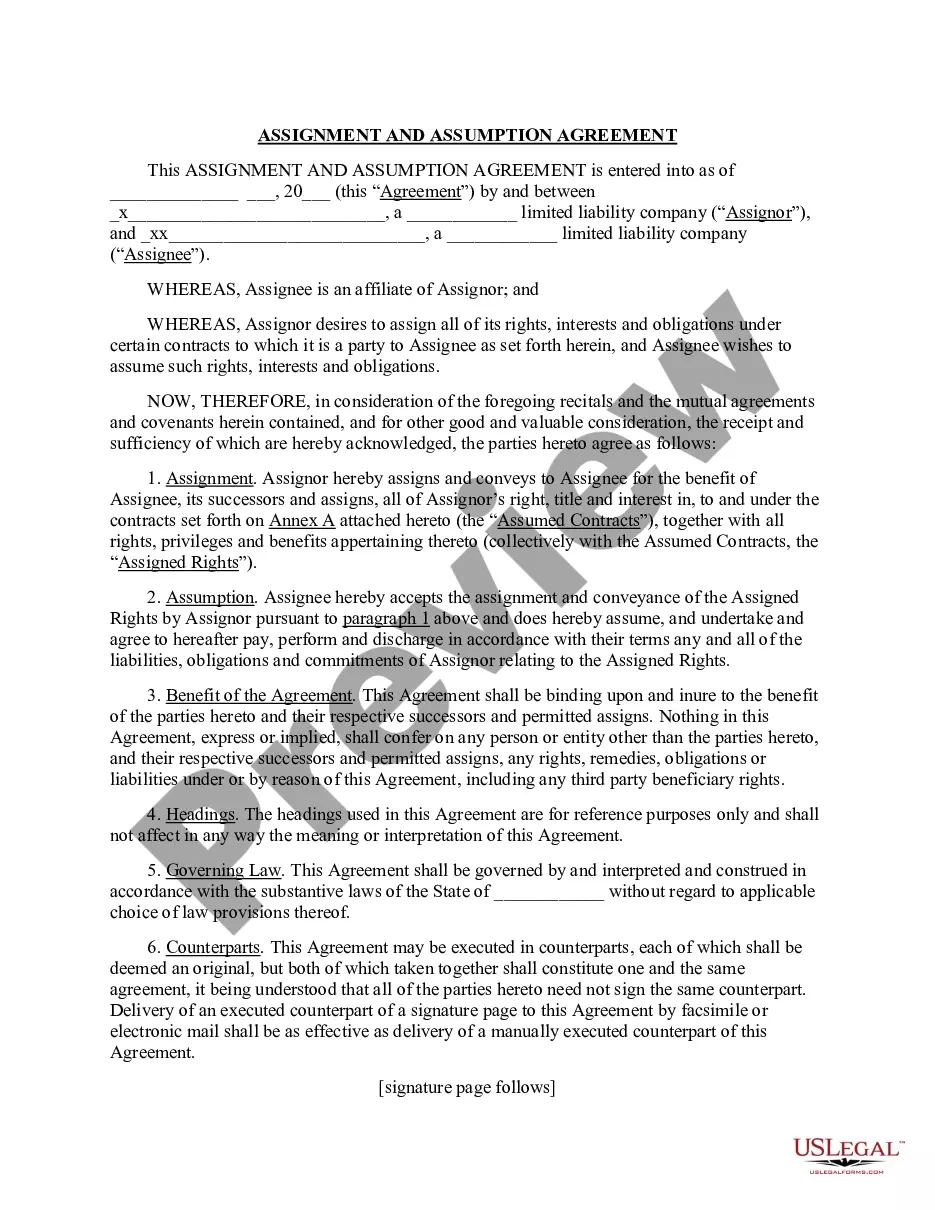
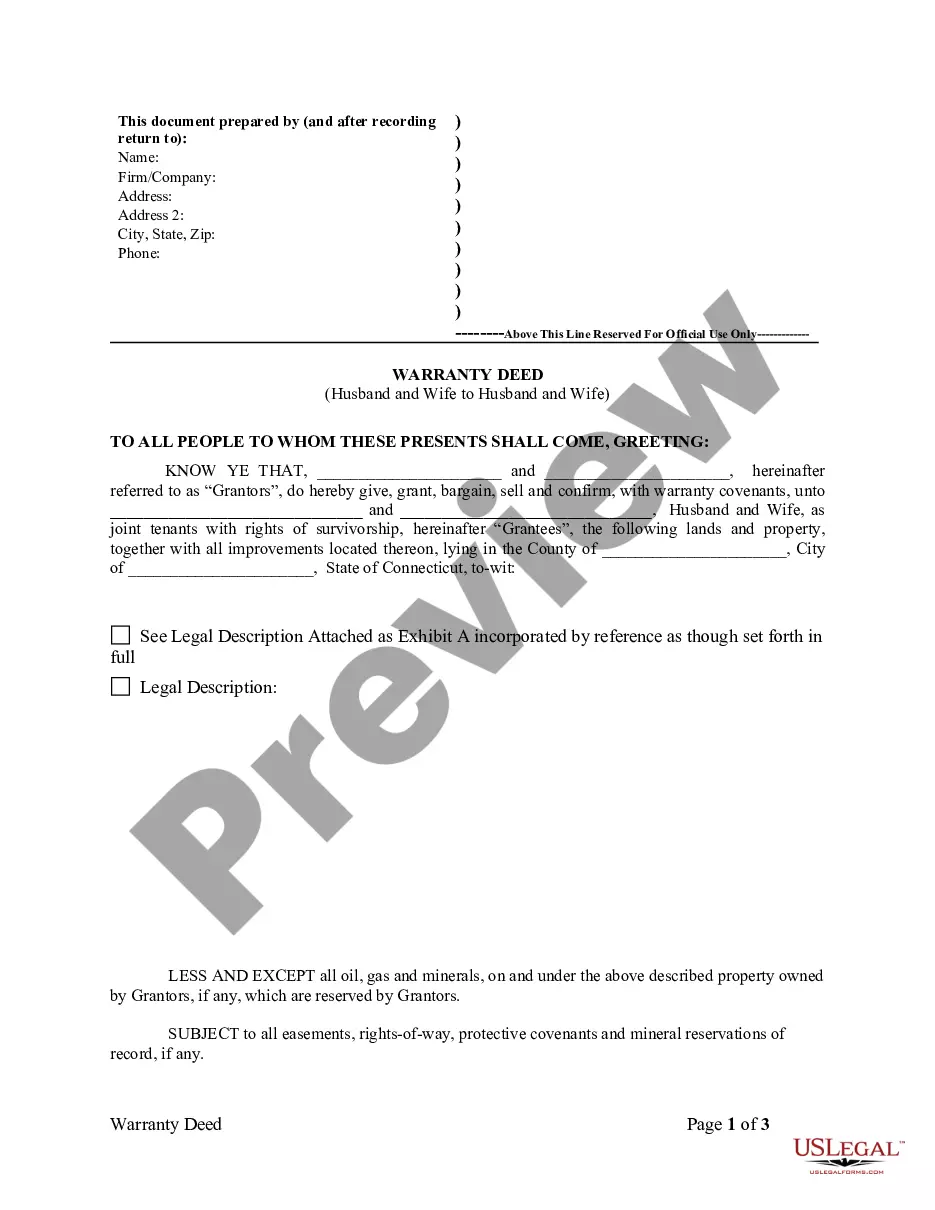
The Warranty Deed from Individual to LLC is a legal document that facilitates the transfer of property ownership from an individual to a limited liability company (LLC). This form is unique because it not only conveys the title but also includes warranties that protect the grantee (the LLC) from potential discrepancies in the property title. Unlike other types of deeds, this warranty deed specifically addresses the rights and responsibilities associated with transferring property to an LLC, ensuring that the transaction is legally sound and secure.
Key components of this form
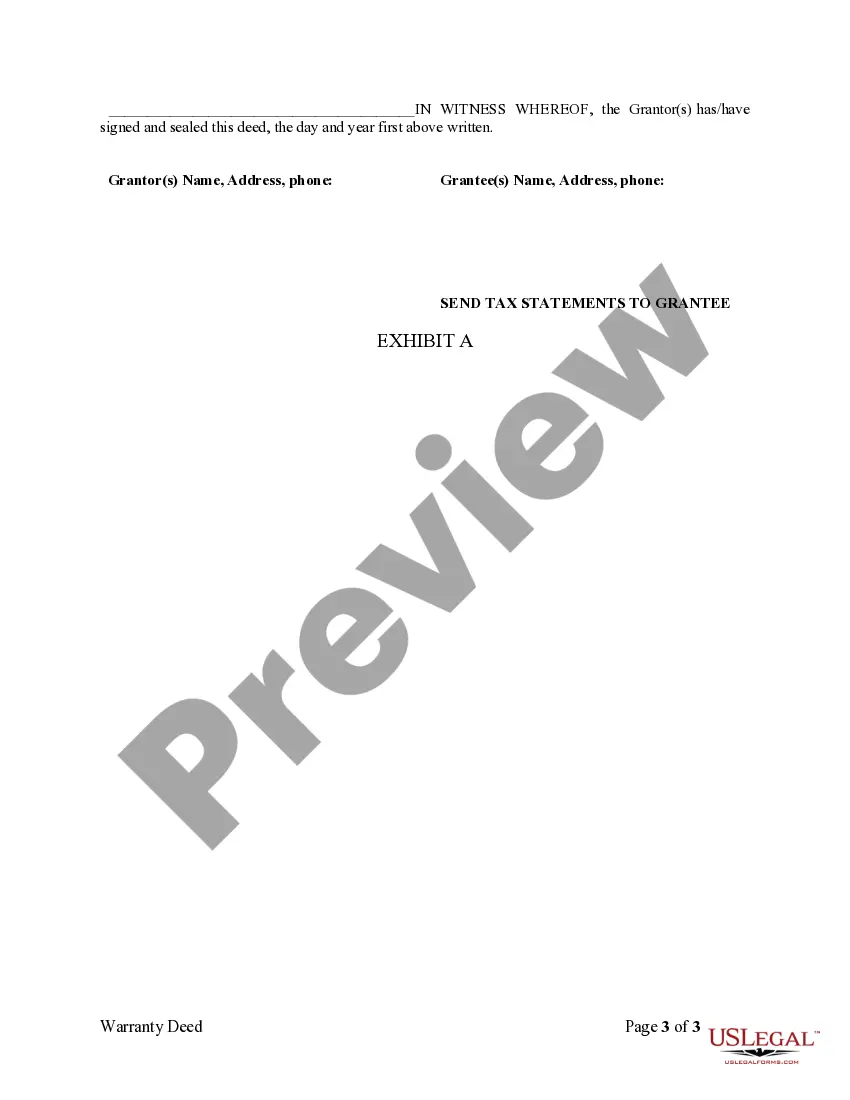
- Names and addresses of the grantor (individual) and grantee (LLC).
- A legal description of the property being transferred.
- Clauses regarding the reservation of rights to oil, gas, and minerals, if applicable.
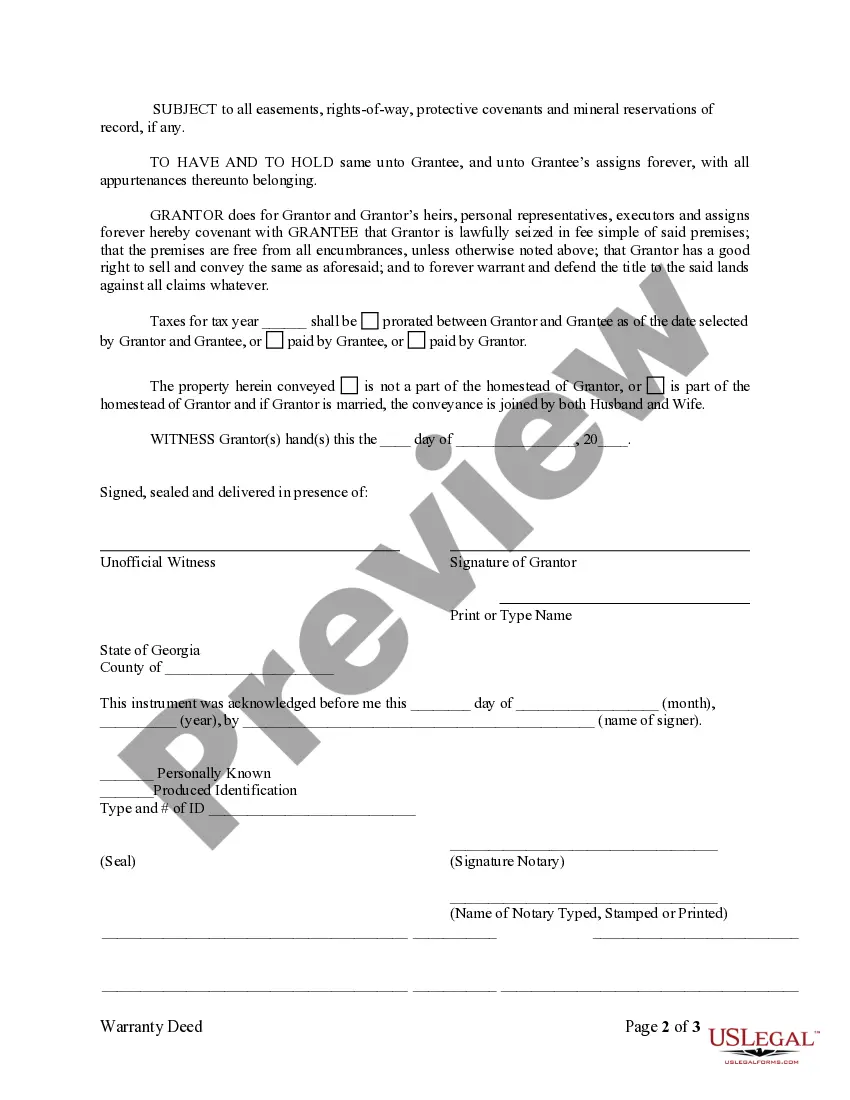
- Covenant ensuring that the grantor holds clear title and that the property is free from encumbrances.
- Provisions regarding the prorating of taxes between parties.
- Signature lines for the grantor, witnesses, and notary public.





When to use this form
This warranty deed is typically used when an individual wishes to transfer ownership of real estate to an LLC, either for business purposes or asset protection. It may be necessary when forming a new business, consolidating assets into an LLC, or selling property that the individual owns to the LLC. This deed ensures that the transaction is legally binding and clearly outlines the rights and responsibilities of both parties involved in the transfer.
Who needs this form
- Individuals seeking to transfer property to their LLC.
- Business owners who want to protect their personal assets by holding property in an LLC.
- Real estate investors looking to streamline their ownership structure.
Instructions for completing this form
- Identify the parties involved: the grantor (individual) and the grantee (LLC).
- Provide a detailed legal description of the property being conveyed.
- Specify any reservations on the property, such as oil, gas, or mineral rights.
- Complete the tax proration terms between the grantor and grantee.
- Ensure all signatures are obtained from the grantor, witnesses, and a notary public.
Notarization guidance
Yes, this form must be notarized to be legally valid. Notarization helps to verify the identities of the parties involved and ensures compliance with applicable laws. US Legal Forms offers integrated online notarization services that are secure and available 24/7 through video calls, allowing you to complete this process conveniently from anywhere.
Get your form ready online
Our built-in tools help you complete, sign, share, and store your documents in one place.
Make edits, fill in missing information, and update formatting in US Legal Forms—just like you would in MS Word.
Download a copy, print it, send it by email, or mail it via USPS—whatever works best for your next step.
Sign and collect signatures with our SignNow integration. Send to multiple recipients, set reminders, and more. Go Premium to unlock E-Sign.
If this form requires notarization, complete it online through a secure video call—no need to meet a notary in person or wait for an appointment.
We protect your documents and personal data by following strict security and privacy standards.

Make edits, fill in missing information, and update formatting in US Legal Forms—just like you would in MS Word.

Download a copy, print it, send it by email, or mail it via USPS—whatever works best for your next step.

Sign and collect signatures with our SignNow integration. Send to multiple recipients, set reminders, and more. Go Premium to unlock E-Sign.

If this form requires notarization, complete it online through a secure video call—no need to meet a notary in person or wait for an appointment.

We protect your documents and personal data by following strict security and privacy standards.
Common mistakes to avoid
- Failing to include a complete legal description of the property.
- Not obtaining the necessary signatures from witnesses and a notary.
- Omitting any reservation rights, leading to potential disputes later.
Advantages of online completion
- Convenient access to legal forms at any time.
- Editable templates that allow for customization to meet specific needs.
- Reliable and legally vetted information written by licensed attorneys.
Legal use & context
- This form provides a warranty of title, ensuring the grantee receives the property free from claims.
- It can be used for both residential and commercial properties.
- Correct use of this form protects both parties in the transaction from future legal issues related to title claims.
Main things to remember
- The Warranty Deed from Individual to LLC is essential for legally transferring property ownership to an LLC.
- Accurate completion of the form ensures that both parties' rights and responsibilities are documented.
- Notarization is required to validate the deed and protect the interests of both the grantor and grantee.
Looking for another form?
Form popularity
FAQ
To fill out a warranty deed form effectively for a Georgia Warranty Deed from Individual to LLC, you must gather essential information first. Include the grantor's name, the grantee's name—specifically the LLC—and the property description. Next, carefully complete the form, ensuring that all required sections are filled in accurately, including the notary section. You can simplify this process by using USLegalForms, which provides user-friendly templates and guidance for creating a Georgia Warranty Deed from Individual to LLC.
In Georgia, an attorney is not required to prepare a deed, including the Georgia Warranty Deed from Individual to LLC. However, utilizing a professional can ensure that all legal requirements are met and can prevent potential errors. If you prefer to do it yourself, platforms like USLegalForms offer comprehensive resources to assist you.
To transfer a deed from personal ownership to an LLC in Georgia, you utilize a Georgia Warranty Deed from Individual to LLC. Fill out the form with correct details and get it signed by the necessary parties. Finally, ensure that you file the deed at your local county office to update the public record.
You can transfer a deed without a lawyer by carefully preparing your Georgia Warranty Deed from Individual to LLC. Make sure to follow the state's regulations, have the deed signed and notarized, and file it at the local county clerk's office. Online platforms like USLegalForms can simplify this process by providing templates and guidance.
To transfer your property to an LLC in Georgia, you should create a Georgia Warranty Deed from Individual to LLC. This deed must contain the names of the individual transferring the property and the LLC receiving it. File the executed deed with the local county clerk to complete the ownership transfer.
Transferring a property deed in Georgia involves drafting a Georgia Warranty Deed from Individual to LLC that accurately describes the property. Next, you must have the deed signed and notarized before you file it at the local county recorder's office. This process helps ensure the change in ownership is properly recorded.
To transfer a property deed in Georgia, you begin by preparing a Georgia Warranty Deed from Individual to LLC. This document needs to include key details about the property and the parties involved. After completion, file the deed with the county clerk's office where the property is located to officialize the transfer.
Putting your property in an LLC requires drafting a Georgia Warranty Deed from Individual to LLC. You should prepare the deed with precise property descriptions and include your LLC as the new owner. After signing the deed in front of a notary, file it with the appropriate county office to complete the transfer. This method protects your assets under the LLC's legal structure.
To transfer the deed of a house to an LLC, you will need to create a Georgia Warranty Deed from Individual to LLC. Start by drafting the deed, ensuring it includes the correct legal descriptions of your property. Next, sign the deed before a notary and submit it to the county recorder's office. This process ensures that the ownership is officially updated to reflect the LLC.
Yes, you can put your house in an LLC and rent it to yourself, but this requires careful structuring to remain compliant with tax regulations. The rental payments must be at fair market value, and you should adhere to all necessary legal implications. Consulting with a financial advisor or legal expert can help ensure you're following the best practices in this situation.