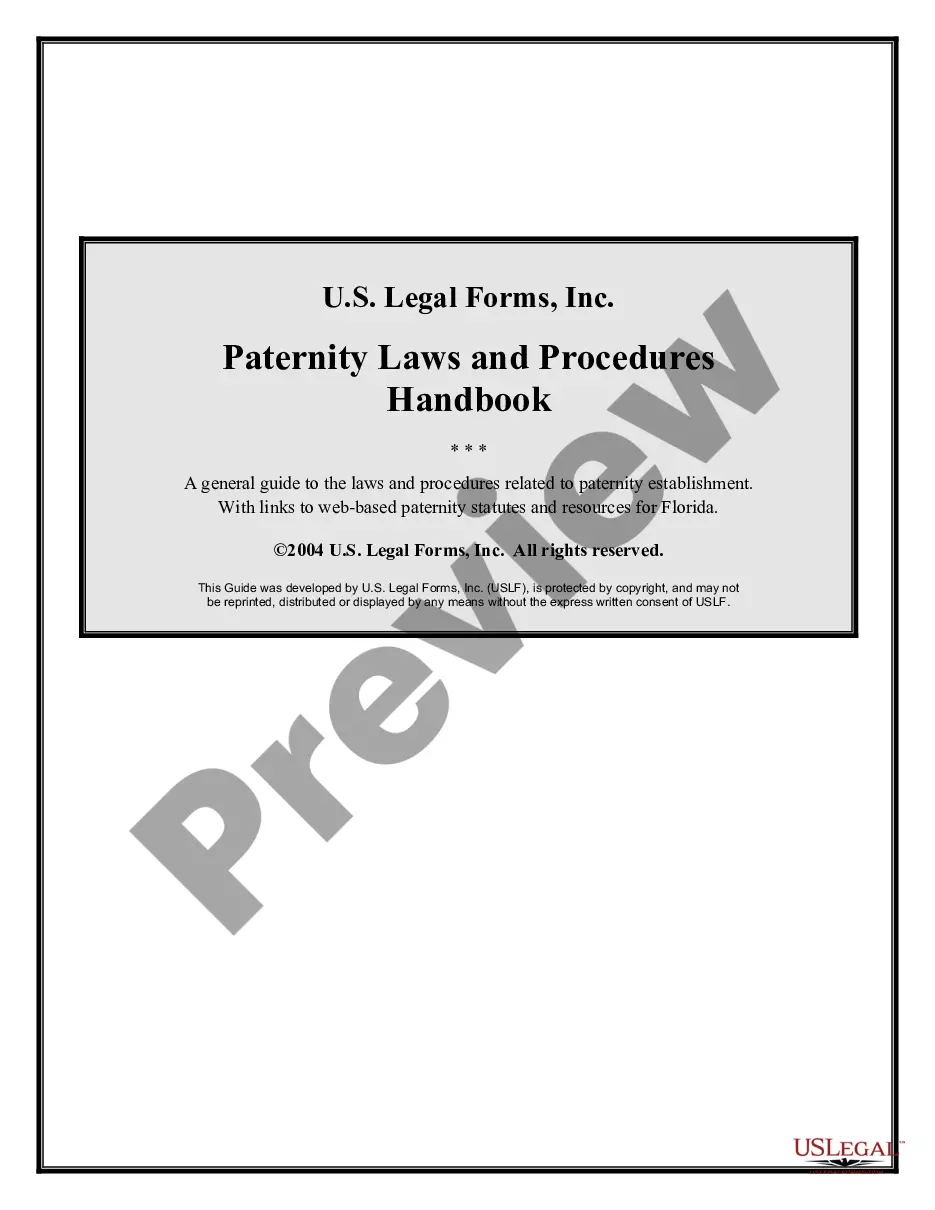
Florida Paternity Law and Procedure Handbook
What is this form?
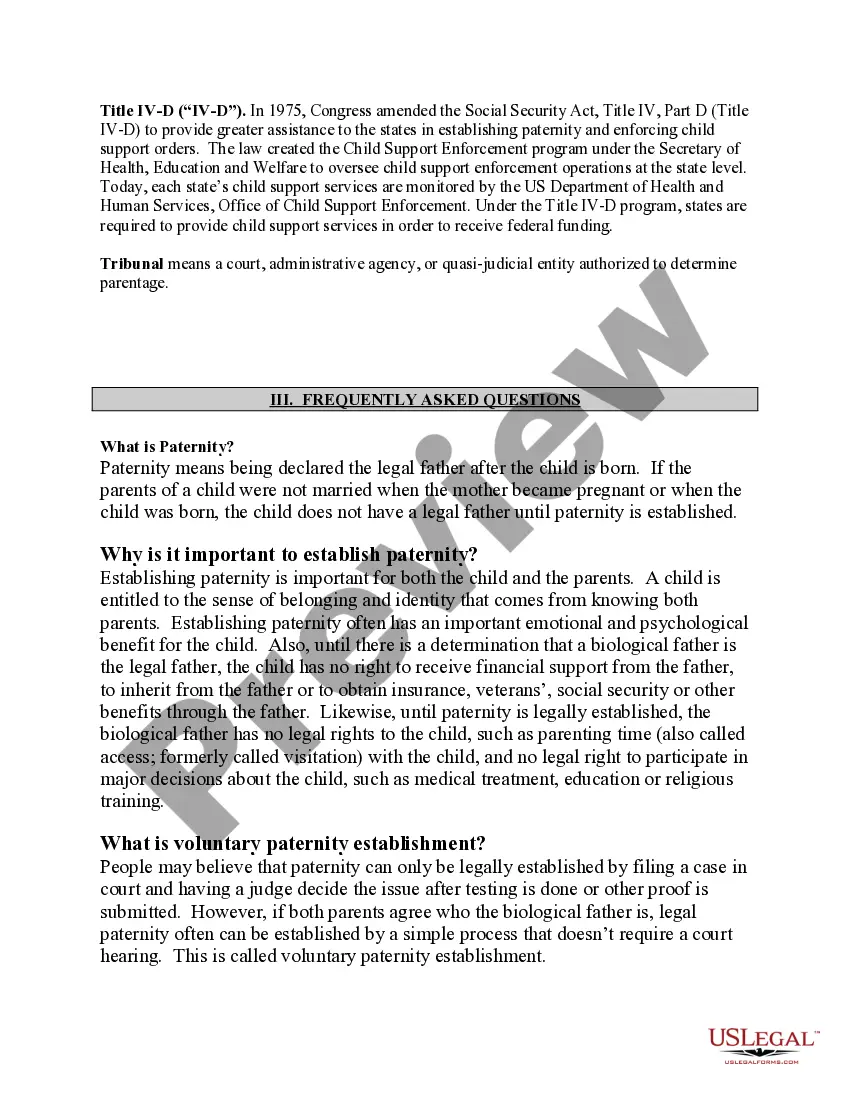
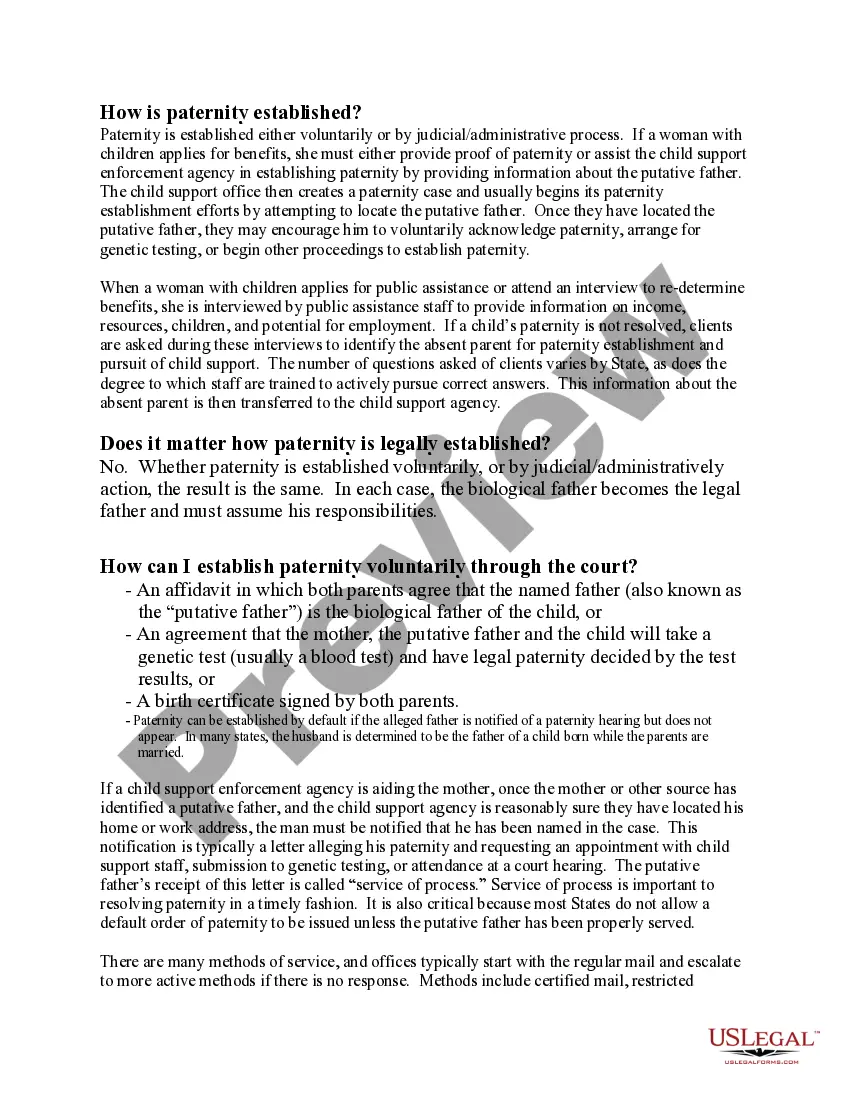
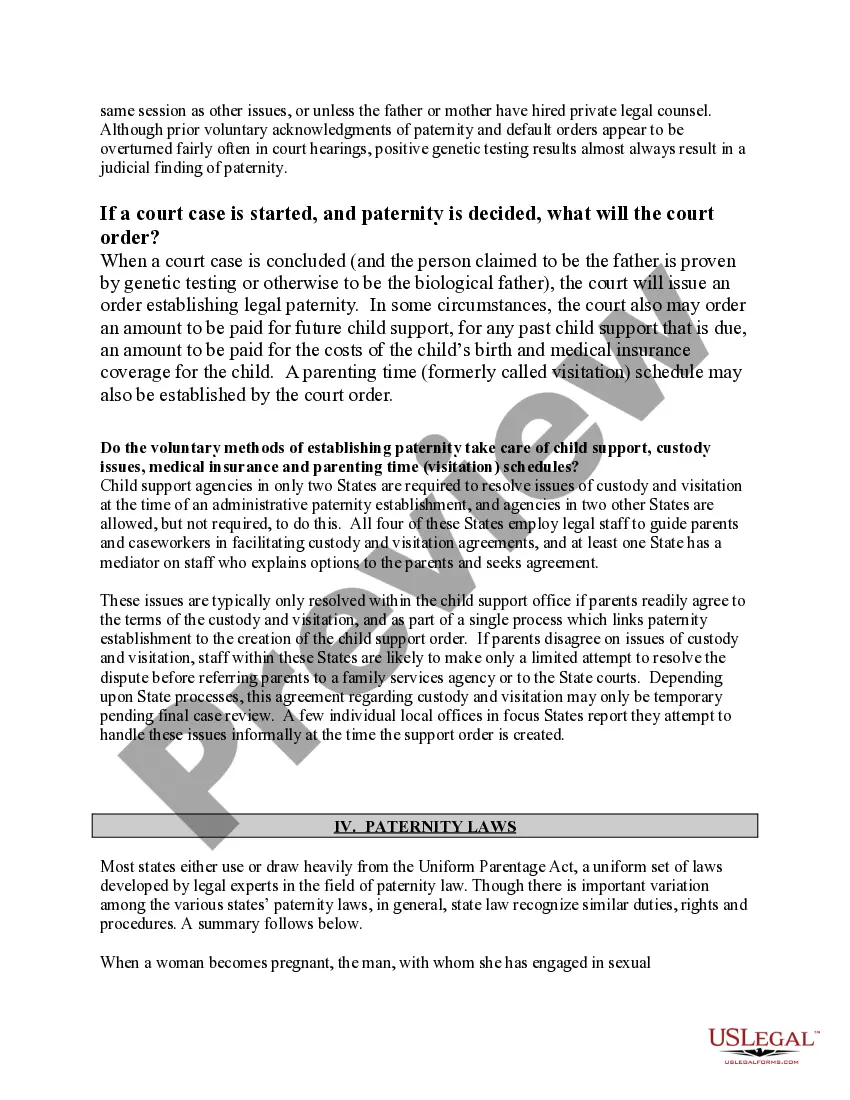
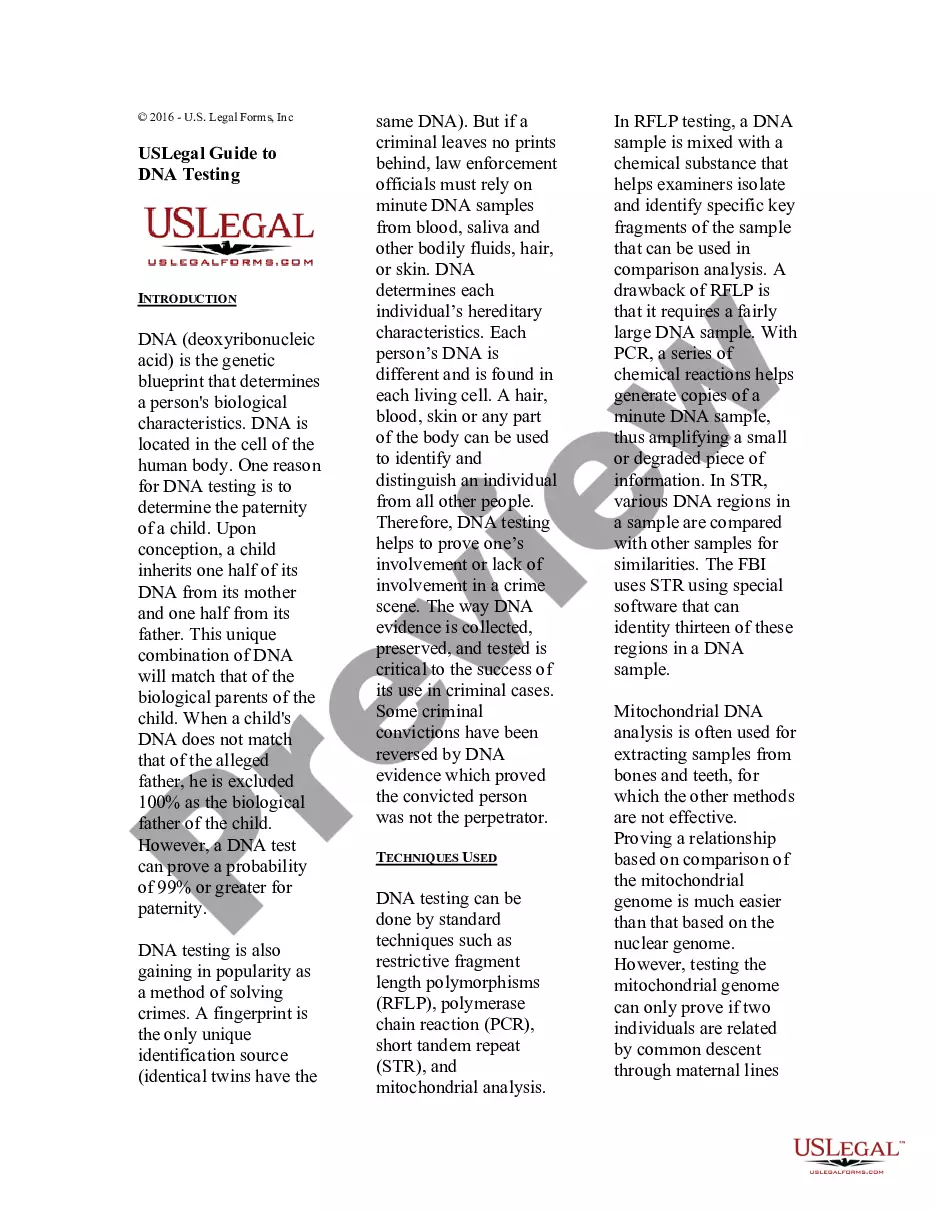
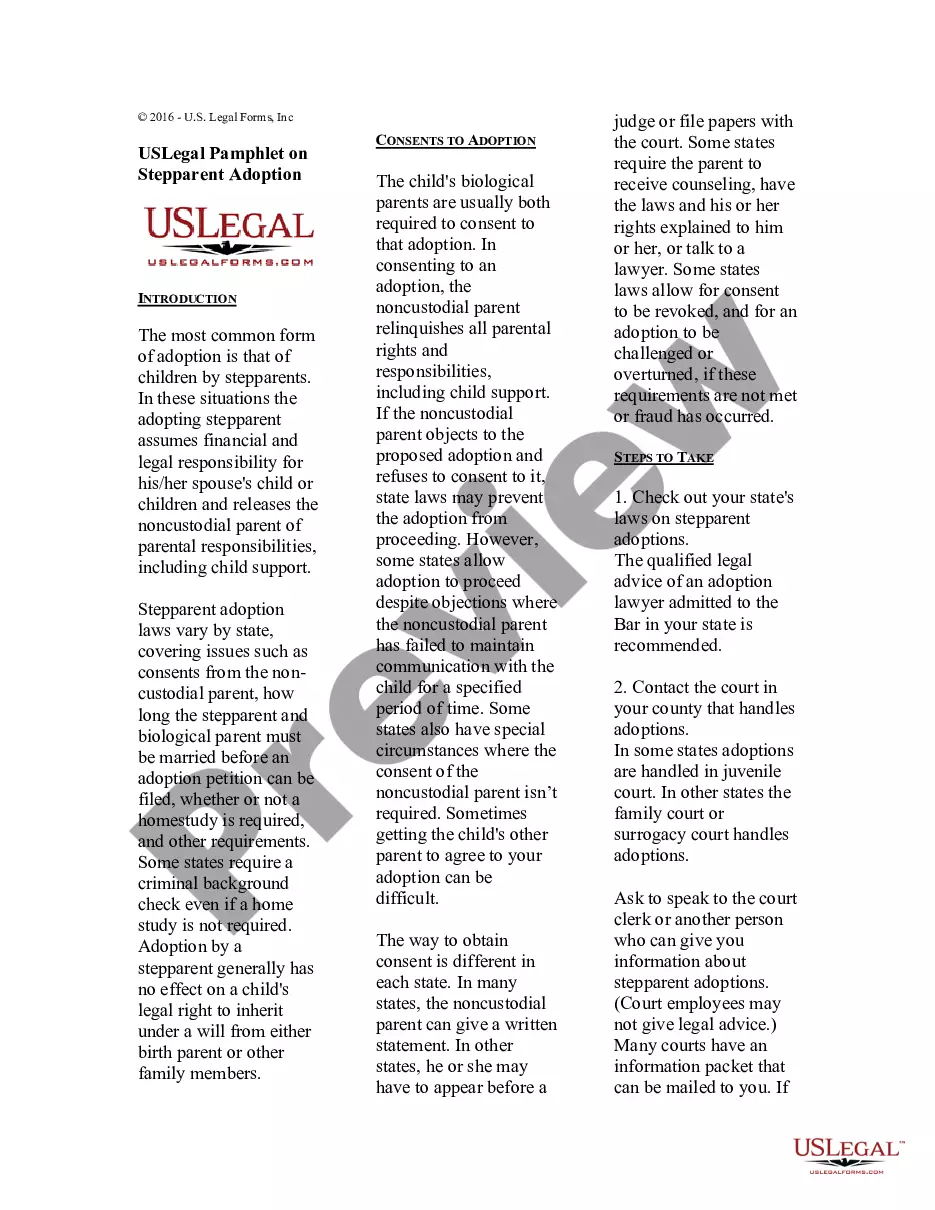
The Paternity Law and Procedure Handbook is a comprehensive guide designed to assist individuals in understanding the laws and procedures surrounding paternity establishment in the United States. This handbook offers state-specific resources, outlines the process of establishing paternity, and explains the importance of legal acknowledgment for both parents and children. It is distinct from other legal forms as it provides general information in an accessible manner, making it a valuable resource for those navigating paternity issues.
What’s included in this form
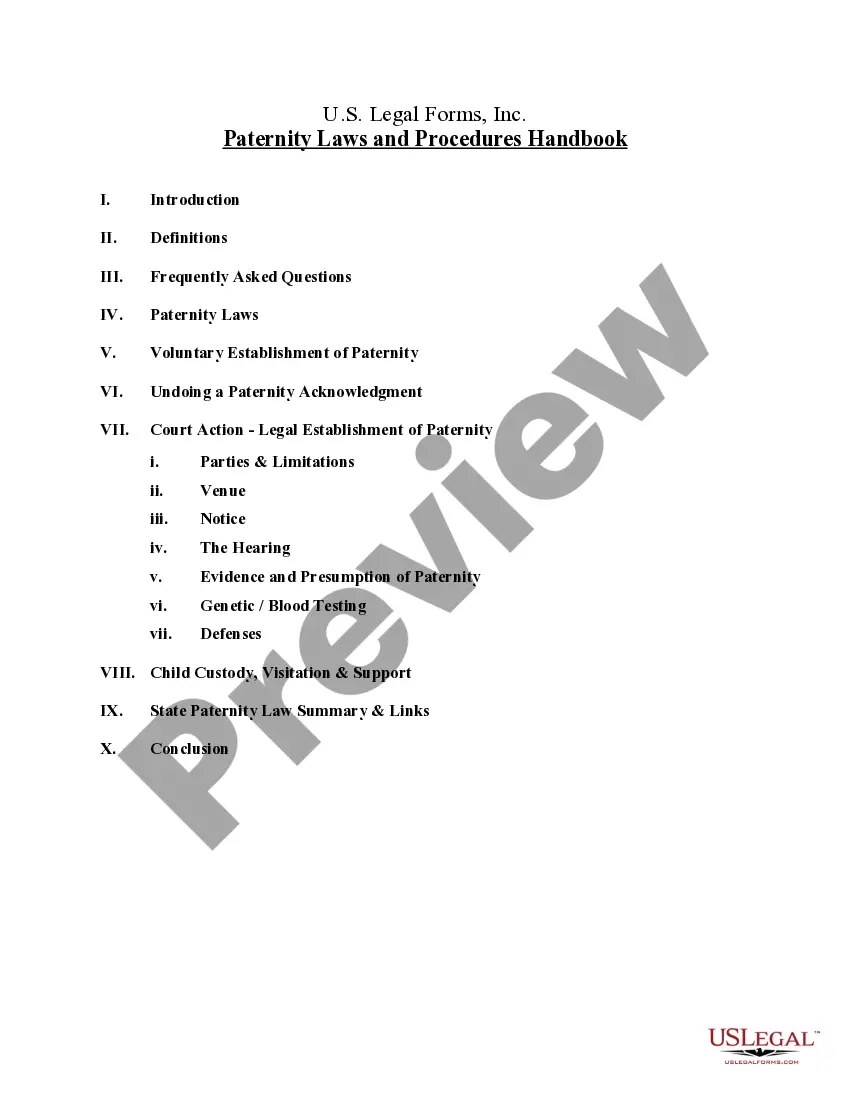
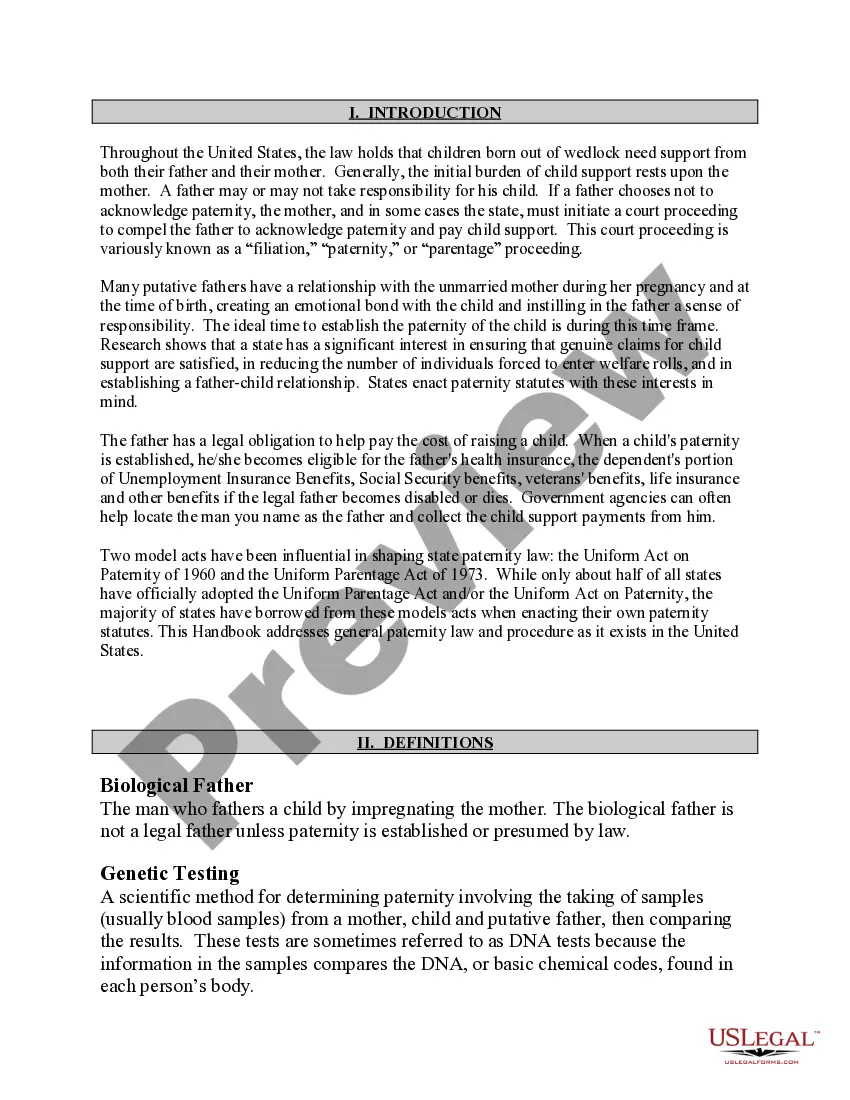
- Introduction to paternity laws and their significance
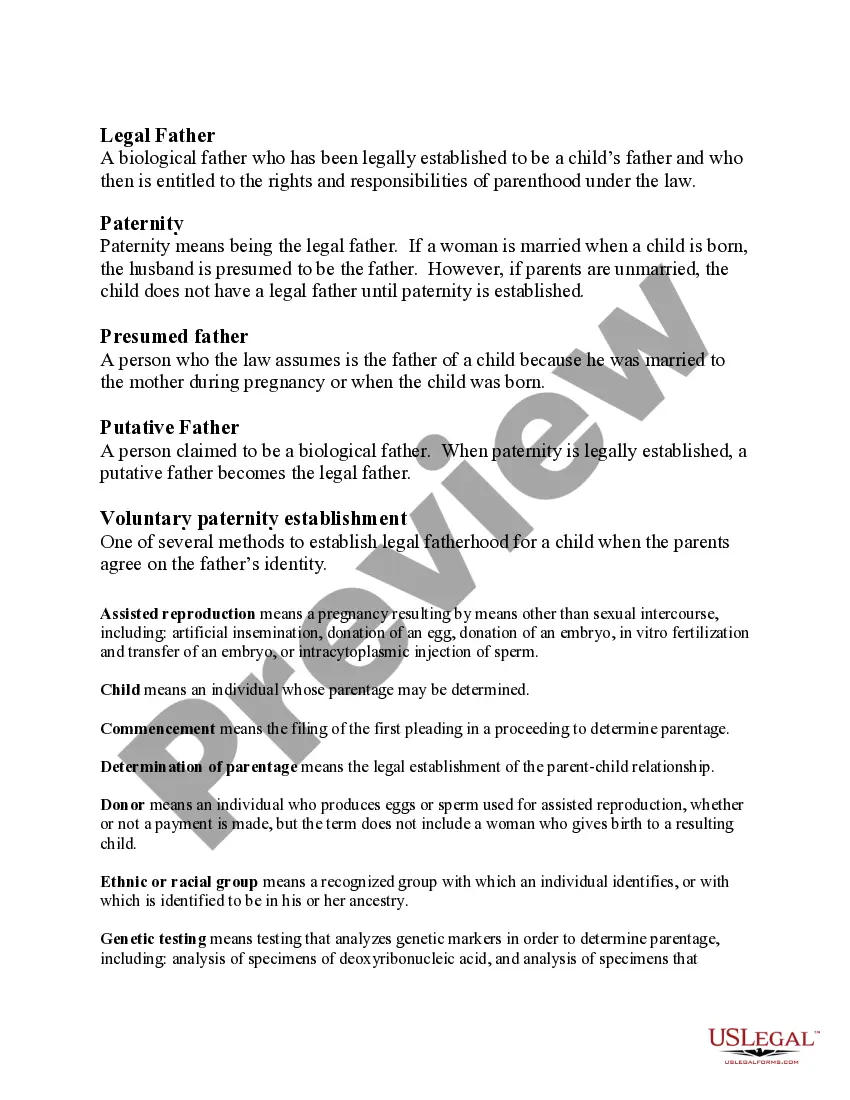
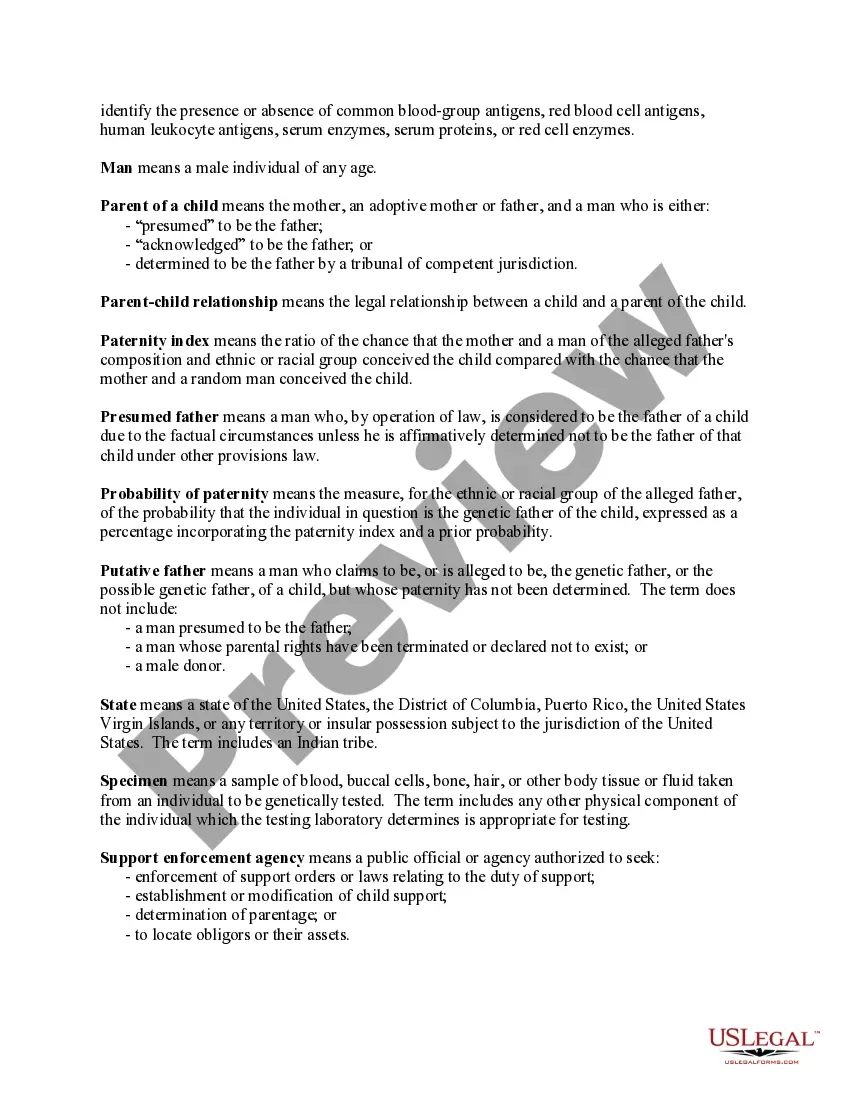
- Definitions of key terms such as biological father, legal father, and voluntary paternity establishment
- Frequently asked questions providing clarity on common issues related to paternity
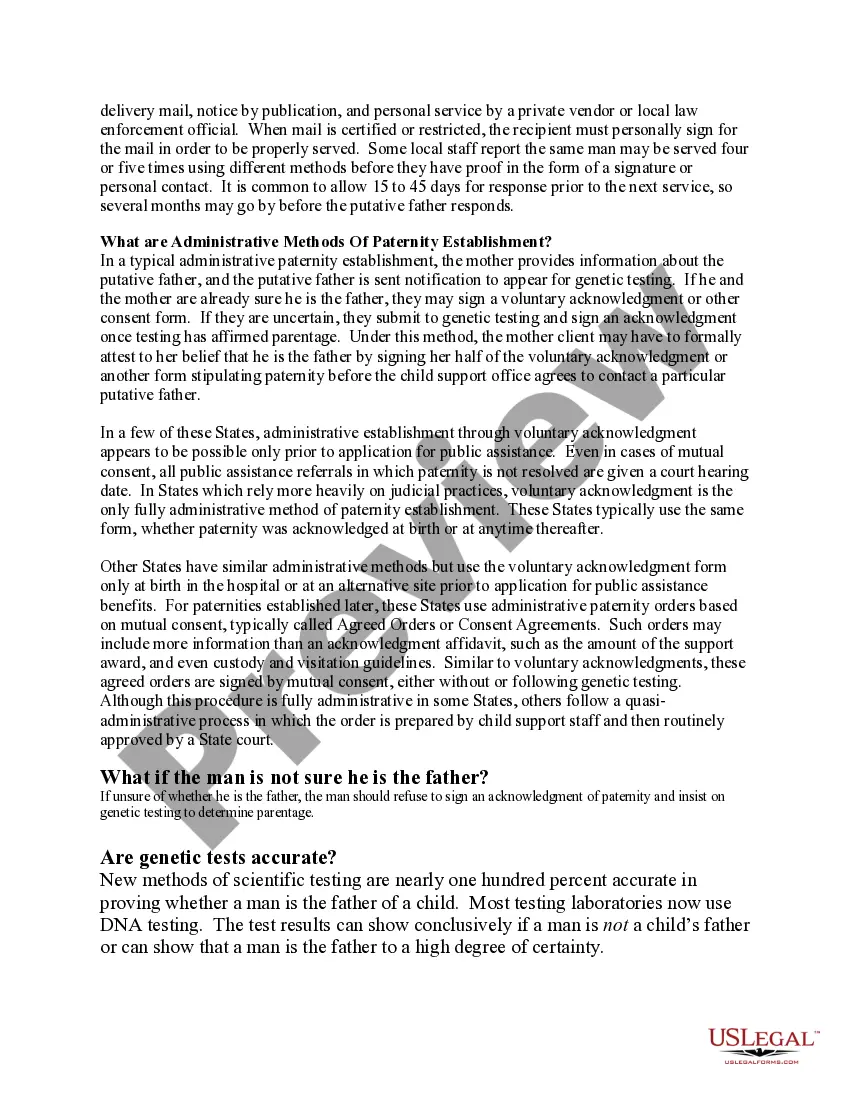
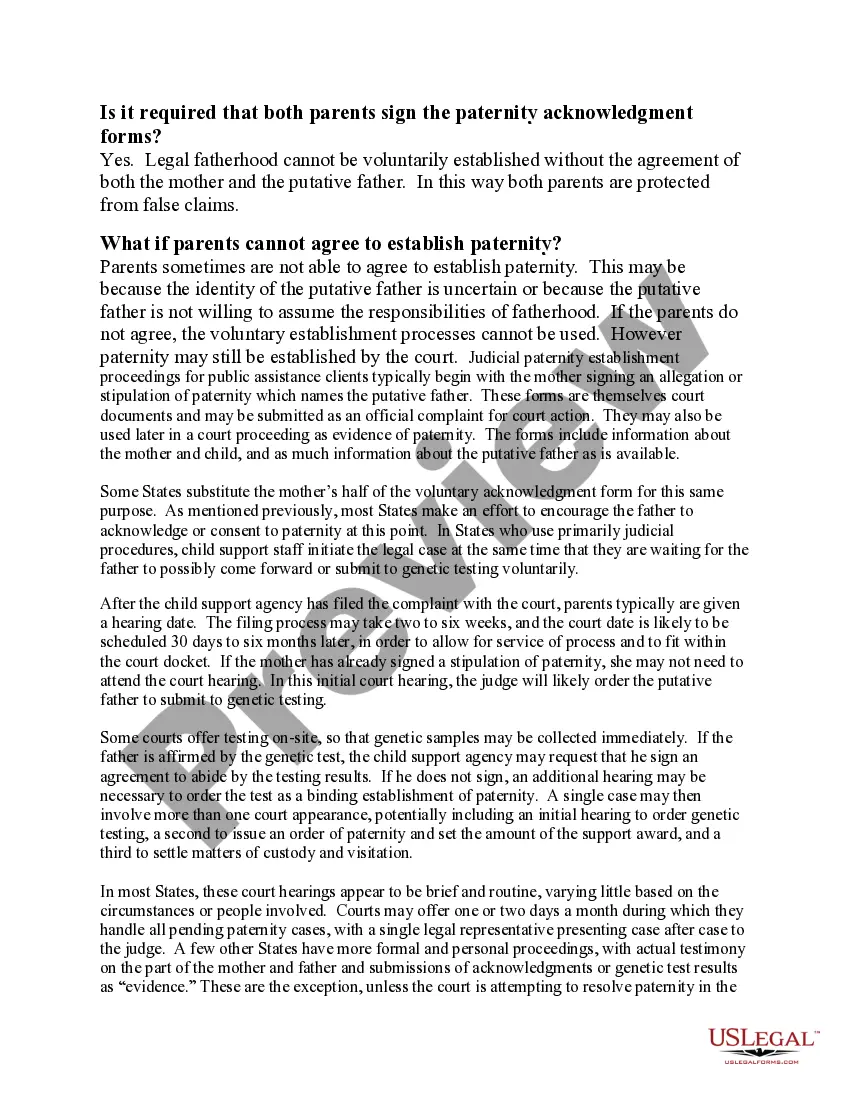
- Detailed explanation of the legal processes for establishing paternity through courts and voluntary acknowledgment
- Overview of child custody, visitation, and support considerations following paternity establishment
- State-specific paternity law summary for Florida

Situations where this form applies
This handbook should be used when a mother is seeking to establish paternity for her child, particularly when the father is unwilling to acknowledge paternity voluntarily. It is also useful for fathers who want to understand their rights and obligations regarding paternity, child support, and custody issues. Additionally, the handbook serves as a resource for legal representatives offering guidance on paternity matters.
Who should use this form
- Unmarried mothers needing to establish legal fatherhood for their child
- Putative fathers seeking to understand their rights and responsibilities
- Parents wanting to navigate child support and custody arrangements
- Legal professionals assisting clients with paternity establishment
Completing this form step by step
- Read through the introduction to familiarize yourself with paternity laws and processes.
- Review definitions of key terms to understand specific terminology used throughout the handbook.
- Refer to the frequently asked questions section for common inquiries related to paternity and support.
- Follow the guidelines provided for both voluntary and judicial paternity establishment processes.
- Use the state-specific summary to understand applicable laws and resources in Florida.
Notarization requirements for this form
Notarization is not commonly needed for this form. However, certain documents or local rules may make it necessary. Our notarization service, powered by Notarize, allows you to finalize it securely online anytime, day or night.
Get your form ready online
Our built-in tools help you complete, sign, share, and store your documents in one place.
Make edits, fill in missing information, and update formatting in US Legal Forms—just like you would in MS Word.
Download a copy, print it, send it by email, or mail it via USPS—whatever works best for your next step.
Sign and collect signatures with our SignNow integration. Send to multiple recipients, set reminders, and more. Go Premium to unlock E-Sign.
If this form requires notarization, complete it online through a secure video call—no need to meet a notary in person or wait for an appointment.
We protect your documents and personal data by following strict security and privacy standards.

Make edits, fill in missing information, and update formatting in US Legal Forms—just like you would in MS Word.

Download a copy, print it, send it by email, or mail it via USPS—whatever works best for your next step.

Sign and collect signatures with our SignNow integration. Send to multiple recipients, set reminders, and more. Go Premium to unlock E-Sign.

If this form requires notarization, complete it online through a secure video call—no need to meet a notary in person or wait for an appointment.

We protect your documents and personal data by following strict security and privacy standards.
Typical mistakes to avoid
- Failing to establish paternity through legal channels, leading to complications with child support and rights.
- Not understanding the difference between voluntary acknowledgment and court-ordered paternity establishment.
- Ignoring state-specific requirements and deadlines for paternity claims.
Advantages of online completion
- Accessible and easy to understand, providing essential information without needing legal jargon.
- Available for download, allowing users to complete the form at their convenience.
- Guidance tailored to state-specific laws ensures users have relevant information for their situation.
Legal use & context
- This handbook serves as an educational tool for understanding paternity laws and procedures.
- Legal enforceability of paternity acknowledgement varies by state; consult with a legal professional for specific advice.
- The handbook is not a substitute for legal representation; users are encouraged to seek legal counsel for complex cases.
Summary of main points
- Paternity establishment is crucial for legal rights and responsibilities regarding child support and custody.
- Understanding both voluntary and judicial processes for paternity can help streamline the establishment process.
- State-specific laws and resources are critical for addressing unique legal requirements and procedures.
Glossary of terms
- Biological father: A man who has fathered a child but is not necessarily the legal father.
- Voluntary paternity establishment: The process of legally acknowledging paternity by both parents without needing a court ruling.
- Genetic testing: A method used to determine whether a man is the biological father of a child, often involving blood or DNA samples.
- Legal father: A man who has been legally recognized as the father of a child, entitled to rights and responsibilities associated with parenthood.
Looking for another form?
Form popularity
FAQ
An unmarried father typically cannot take a child from the mother without her consent unless he has established paternity and has legally recognized rights. It's essential to follow the legal procedures to secure custody or visitation rights, as outlined in the Florida Paternity Law and Procedure Handbook. Engaging with this resource will provide guidance on navigating your rights and responsibilities as an unmarried father.
The new father rights law in Florida aims to promote the involvement of fathers in their children's lives. This legislation emphasizes fair treatment in custody and visitation arrangements, ensuring fathers have a voice in family law matters. For detailed explanations and implications of this law, refer to the Florida Paternity Law and Procedure Handbook, which can clarify how these changes affect your rights as a father.
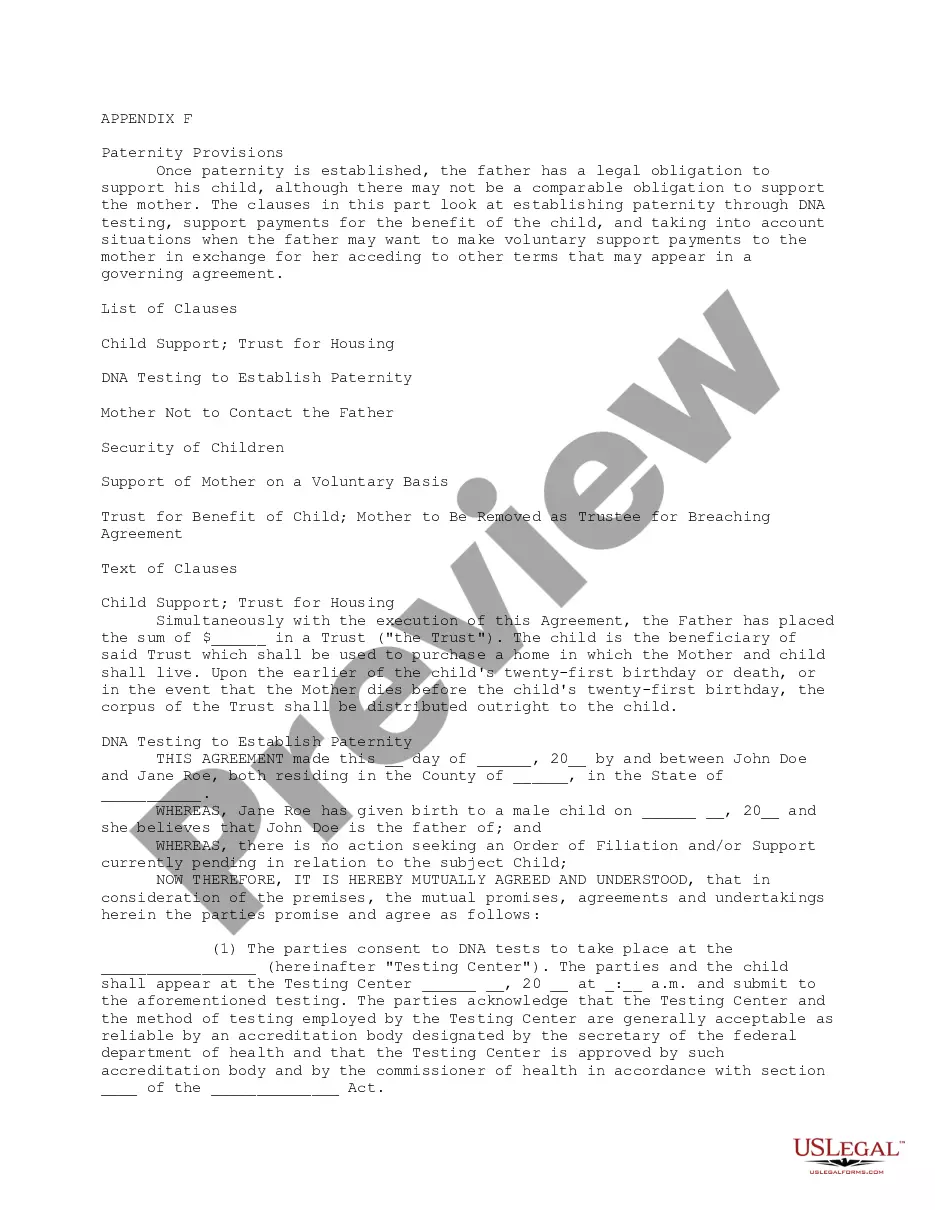
To obtain a court-ordered paternity test without a lawyer in Florida, you can file a petition with the court directly. This process involves completing specific forms and may require you to provide evidence of your relationship to the child. The Florida Paternity Law and Procedure Handbook details the steps to help you successfully navigate this process on your own.
A mother cannot unilaterally prevent a father from seeing his child in Florida, especially if paternity has been established legally. Parents have rights that should be honored, and if visitation is denied, the father may seek legal remedies. The Florida Paternity Law and Procedure Handbook outlines the rights of both parents, making it a useful resource for navigating such situations.
In Florida, a father has until the child turns 18 years old to establish paternity through legal means. However, it is highly advisable to act sooner, as establishing paternity can impact your rights regarding custody and visitation. The timeline can vary based on specific circumstances, so consulting the Florida Paternity Law and Procedure Handbook can offer valuable insights into this critical timing.
To establish paternity rights in Florida, you can take several steps depending on your situation. First, you may acknowledge paternity by signing a legal document called a Florida Paternity Acknowledgment. Alternatively, you can file a petition in court to establish paternity, which will involve providing evidence and possibly undergoing genetic testing. The Florida Paternity Law and Procedure Handbook provides detailed guidance on these processes.
Rule 12.350 pertains to the production of documents and tangible things in family law cases. It allows parties involved in a case to request necessary documents from each other, promoting transparency and fairness in legal proceedings. This rule is crucial for ensuring that all relevant evidence is available, especially in cases concerning paternity. To navigate these procedures effectively, refer to the Florida Paternity Law and Procedure Handbook for expert guidance.
Rule 12.745 is an essential part of Florida family law that outlines the procedures for establishing paternity. It addresses how to legally determine the father of a child, ensuring that the rights of all parties are protected. This rule is particularly relevant for those seeking clarity in cases involving child support, custody, or visitation. For more detailed information, the Florida Paternity Law and Procedure Handbook serves as a valuable resource.
A woman can refuse to include her father on a birth certificate in Florida if there is no established paternity. This can limit the father's rights regarding custody and child support. The Florida Paternity Law and Procedure Handbook provides guidance on the implications of such decisions.
The new paternity law in Florida emphasizes the importance of DNA testing in disputes regarding paternity. It simplifies the process for establishing legal fatherhood and enhances the rights of fathers in custody cases. The Florida Paternity Law and Procedure Handbook details these recent changes and what they mean for families.