Florida Notice of Intent to Enforce Forfeiture Provisions of Contact for Deed
What is this form?
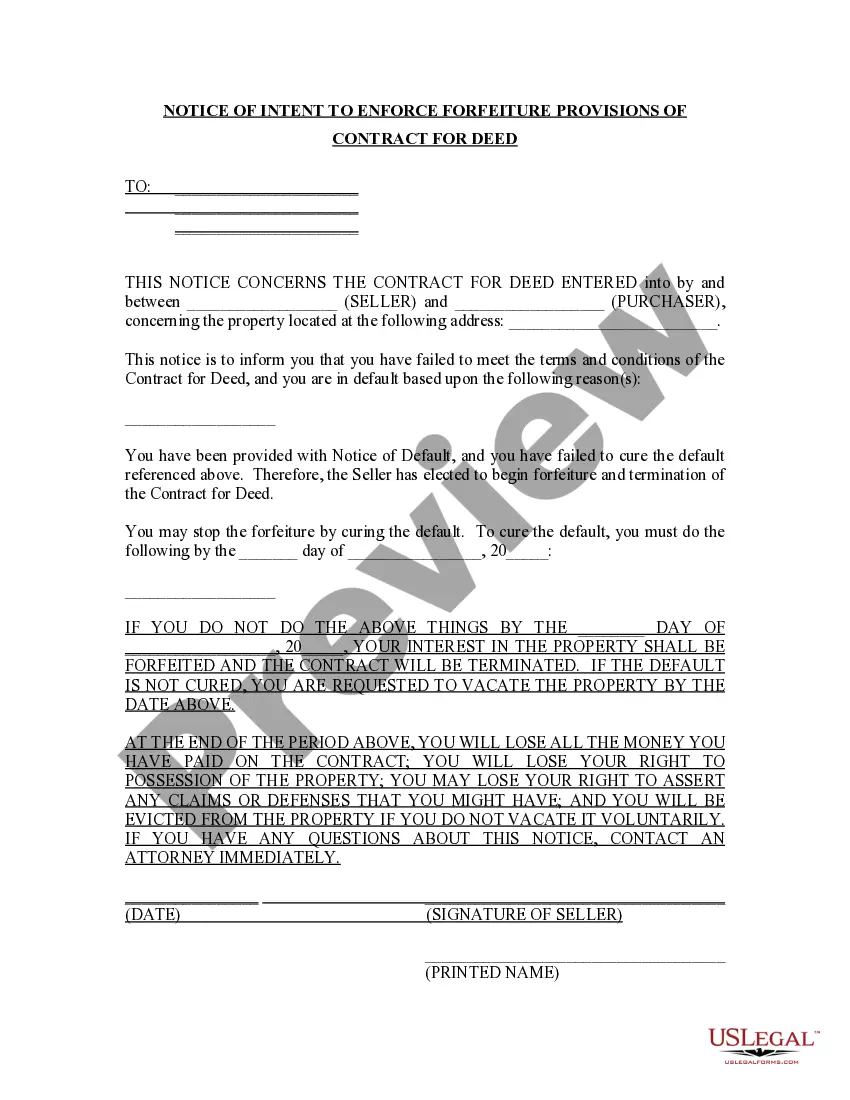
The Notice of Intent to Enforce Forfeiture Provisions of Contract for Deed is a legal document used by sellers to formally notify buyers of a default in their contract. This notice informs the buyer that they have failed to comply with the terms and conditions of the Contract for Deed, and outlines the seller's intention to enforce forfeiture if the breach is not resolved. This form is distinct from other contract notices as it specifically addresses forfeiture provisions, making it critical for sellers to communicate their intent clearly and legally.
Form components explained
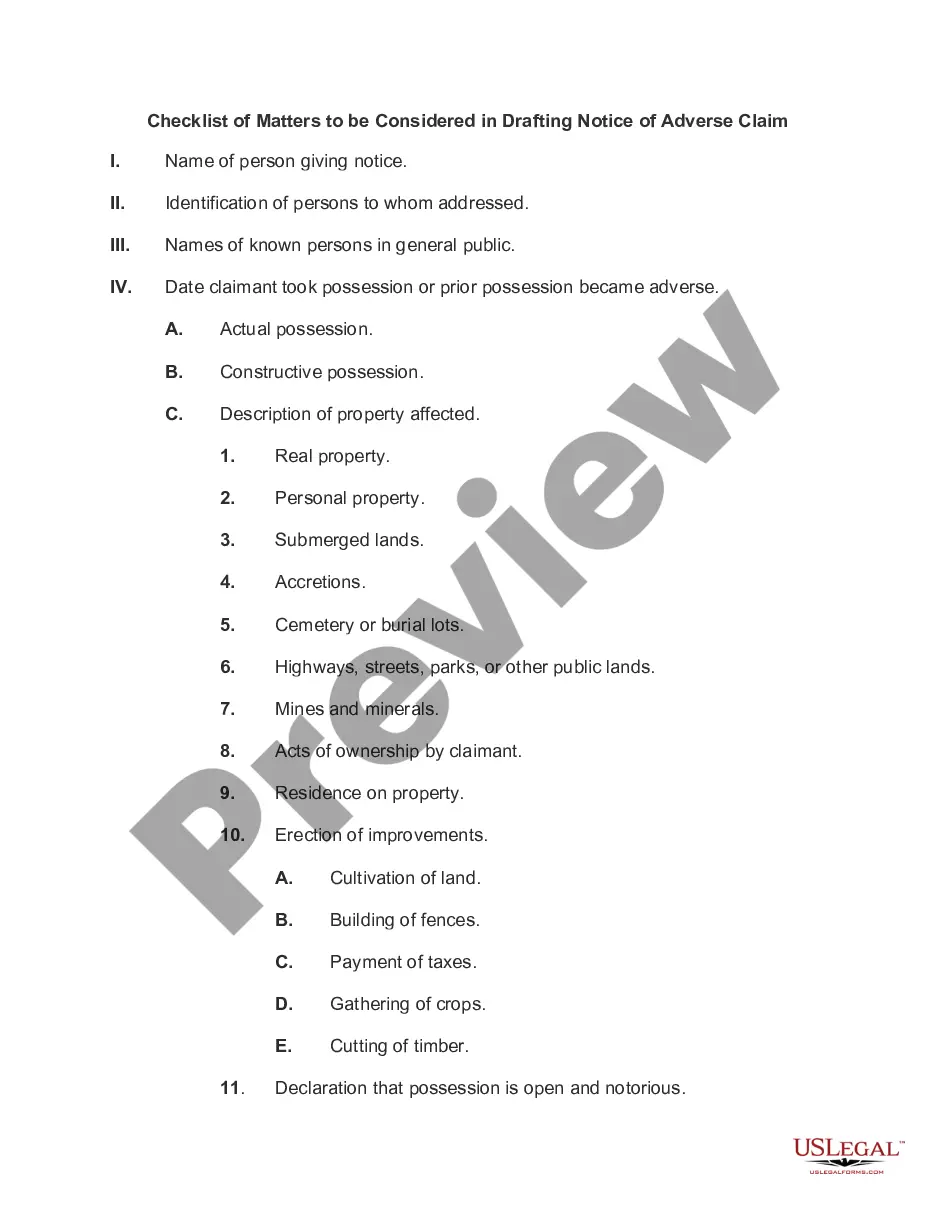
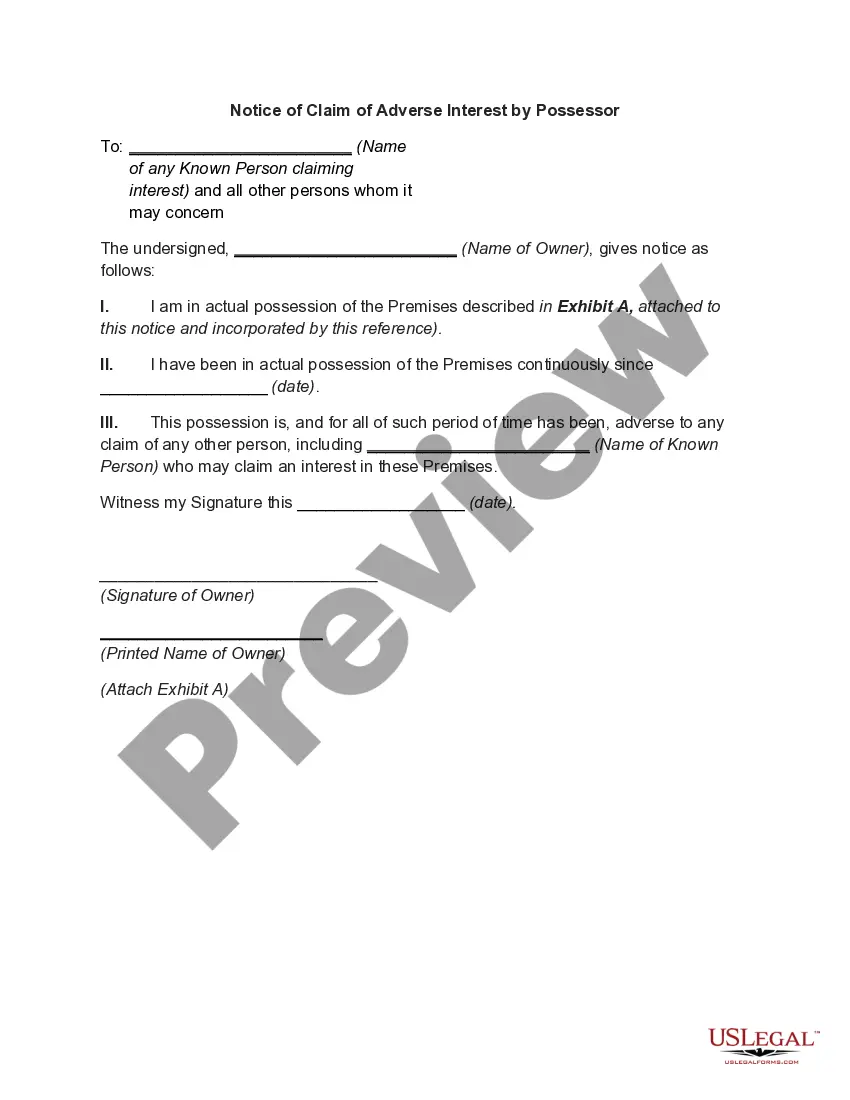
- Title section identifying the form as a Notice of Intent to Enforce Forfeiture Provisions.
- Identification of the parties involved, including the seller and buyer.
- A detailed description of the breach or nonpayment issues prompting the notice.
- Specific references to the terms and conditions of the Contract for Deed being violated.
- A clear statement of the seller's intent to enforce the forfeiture remedy.
- Instructions on how the buyer can remedy the default situation.
Situations where this form applies
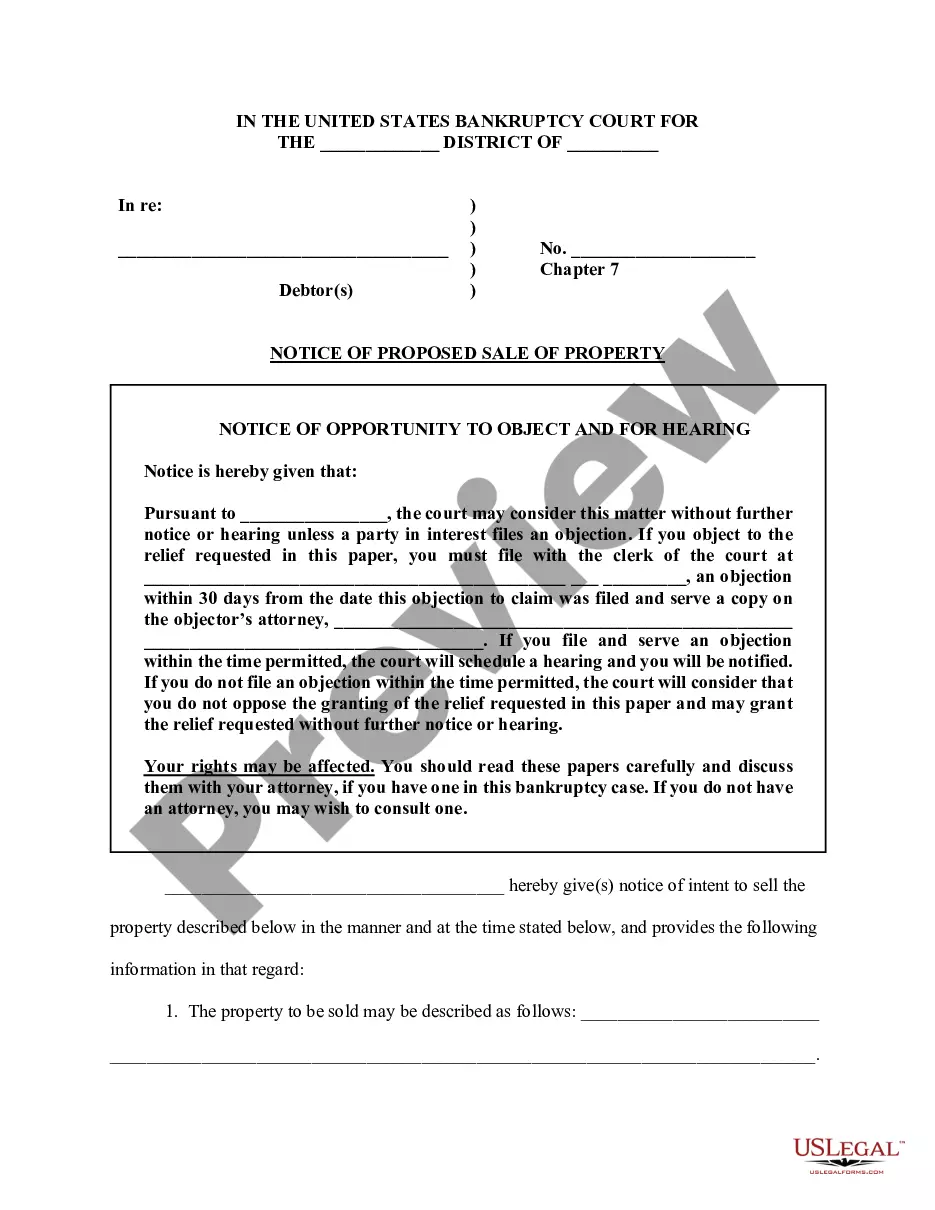
This form is used when a buyer under a Contract for Deed has failed to make necessary payments or has breached other terms of the contract. Sellers should issue this notice prior to taking further legal action to enforce forfeiture provisions. It serves as an initial communication to encourage the buyer to fulfill their obligations or face potential forfeiture of their rights to the property.
Who this form is for
This form is intended for:
- Sellers of property under a Contract for Deed.
- Real estate professionals acting on behalf of sellers.
- Legal representatives assisting sellers with property transactions.
How to prepare this document
- Identify and enter the full names of the seller and buyer at the beginning of the form.
- Provide a detailed description of the breach, including dates and specific terms violated.
- Clearly state the seller's intent to enforce forfeiture provisions.
- Include any required advice on how the buyer can rectify the situation to prevent forfeiture.
- Ensure all parties sign the notice, including the date of signing.
Notarization guidance
This form does not typically require notarization unless specified by local law. However, having a notary can lend additional credibility to the notice, especially in legal disputes.
Get your form ready online
Our built-in tools help you complete, sign, share, and store your documents in one place.
Make edits, fill in missing information, and update formatting in US Legal Forms—just like you would in MS Word.
Download a copy, print it, send it by email, or mail it via USPS—whatever works best for your next step.
Sign and collect signatures with our SignNow integration. Send to multiple recipients, set reminders, and more. Go Premium to unlock E-Sign.
If this form requires notarization, complete it online through a secure video call—no need to meet a notary in person or wait for an appointment.
We protect your documents and personal data by following strict security and privacy standards.
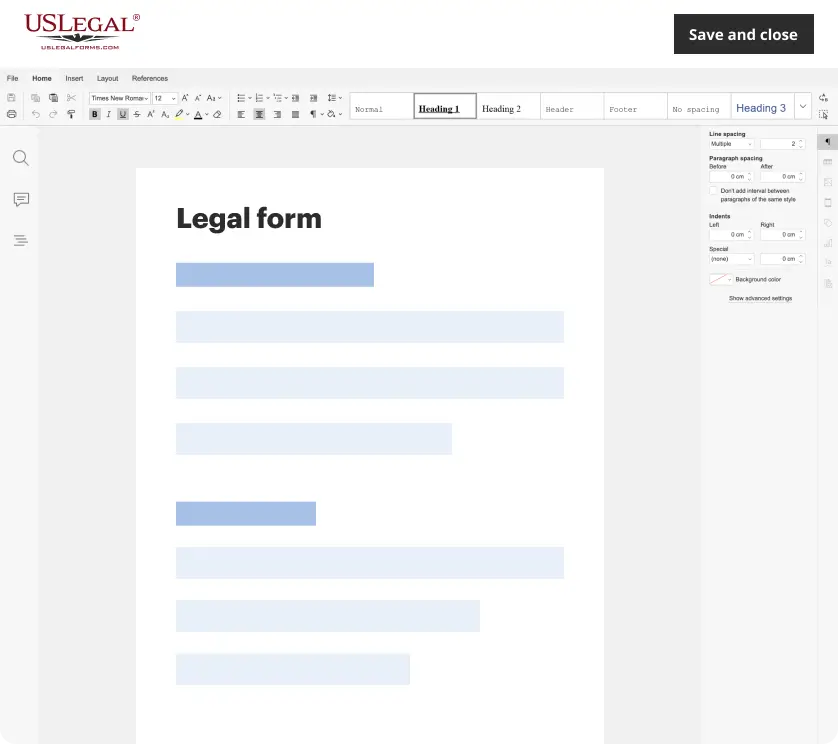
Make edits, fill in missing information, and update formatting in US Legal Forms—just like you would in MS Word.
Download a copy, print it, send it by email, or mail it via USPS—whatever works best for your next step.
Sign and collect signatures with our SignNow integration. Send to multiple recipients, set reminders, and more. Go Premium to unlock E-Sign.

If this form requires notarization, complete it online through a secure video call—no need to meet a notary in person or wait for an appointment.
We protect your documents and personal data by following strict security and privacy standards.
Common mistakes to avoid
- Failing to accurately describe the breach, leading to potential disputes.
- Not including all required signatures, which can invalidate the notice.
- Using vague language that does not clearly communicate the intent to enforce forfeiture.
Benefits of completing this form online
- Convenient access to legal documents without the need for in-person appointments.
- Edit and customize the form easily to fit specific situations.
- Documents drafted by licensed attorneys for reliability and legal soundness.
What to keep in mind
- The form is essential for sellers who need to notify buyers of contract breaches.
- Precise language and adherence to legal requirements are crucial.
- Using the form online streamlines the process and ensures reliability.
Looking for another form?
Form popularity
FAQ
Similar to other agreements, a contract for deed carries dangers related to buyer defaults that may lead to lengthy legal disputes. Sellers risk not reclaiming their property easily when buyers default on payments. Familiarity with the Florida Notice of Intent to Enforce Forfeiture Provisions of Contract for Deed can equip sellers with the necessary tools to manage such situations adeptly. Clarity in the agreement minimizes risks.
A notice of termination of contract for deed is a formal document that outlines the seller's intent to end the agreement due to the buyer's failure to comply with payment terms. This step is critical to ensure that all parties understand the legal implications of the termination. By issuing a Florida Notice of Intent to Enforce Forfeiture Provisions of Contract for Deed, sellers can maintain a structured approach to terminating agreements. This safeguards their assets effectively.
One negative aspect of a contract for deed is that it may complicate the buyer's credit situation, as the property title does not transfer immediately. This lingering obligation may deter future financing opportunities for the buyer. For sellers, any payment delay can prompt legal actions, highlighting the need for clarity with the Florida Notice of Intent to Enforce Forfeiture Provisions of Contract for Deed. Clear communication is crucial.
A significant danger with a contract for deed lies in the lack of immediate full ownership transfer. Buyers might fail to fulfill their payment obligations, leaving sellers vulnerable. Utilizing the Florida Notice of Intent to Enforce Forfeiture Provisions of Contract for Deed provides sellers with the framework to address these situations promptly. It's essential for both parties to grasp their rights and responsibilities.
The main risk of a contract for deed is the potential for buyer default, which could lead to complicated legal scenarios. If the buyer fails to make payments, sellers may have to initiate foreclosure processes. Understanding the Florida Notice of Intent to Enforce Forfeiture Provisions of Contract for Deed can help sellers navigate these risks effectively. Properly structured contracts can mitigate many of these issues.
A contract for deed can benefit sellers, as it allows them to receive steady payments over time. Sellers maintain ownership of the property until the buyer meets the payment terms, giving them leverage. Additionally, this option can attract buyers who may struggle with traditional financing. Consider using the Florida Notice of Intent to Enforce Forfeiture Provisions of Contract for Deed to protect your interests.
Yes, property can be seized in Florida under certain conditions. If a legal judgment is issued against you, creditors may pursue the seizure of property to satisfy the debt. Awareness of the Florida Notice of Intent to Enforce Forfeiture Provisions of Contract for Deed is important, as it outlines the process and rights related to property seizures.
Yes, Florida is considered an asset protection state. This means certain types of assets are safeguarded from creditors. This includes homestead properties, retirement accounts, and life insurance proceeds. It is crucial to understand how a Florida Notice of Intent to Enforce Forfeiture Provisions of Contract for Deed may impact your assets.