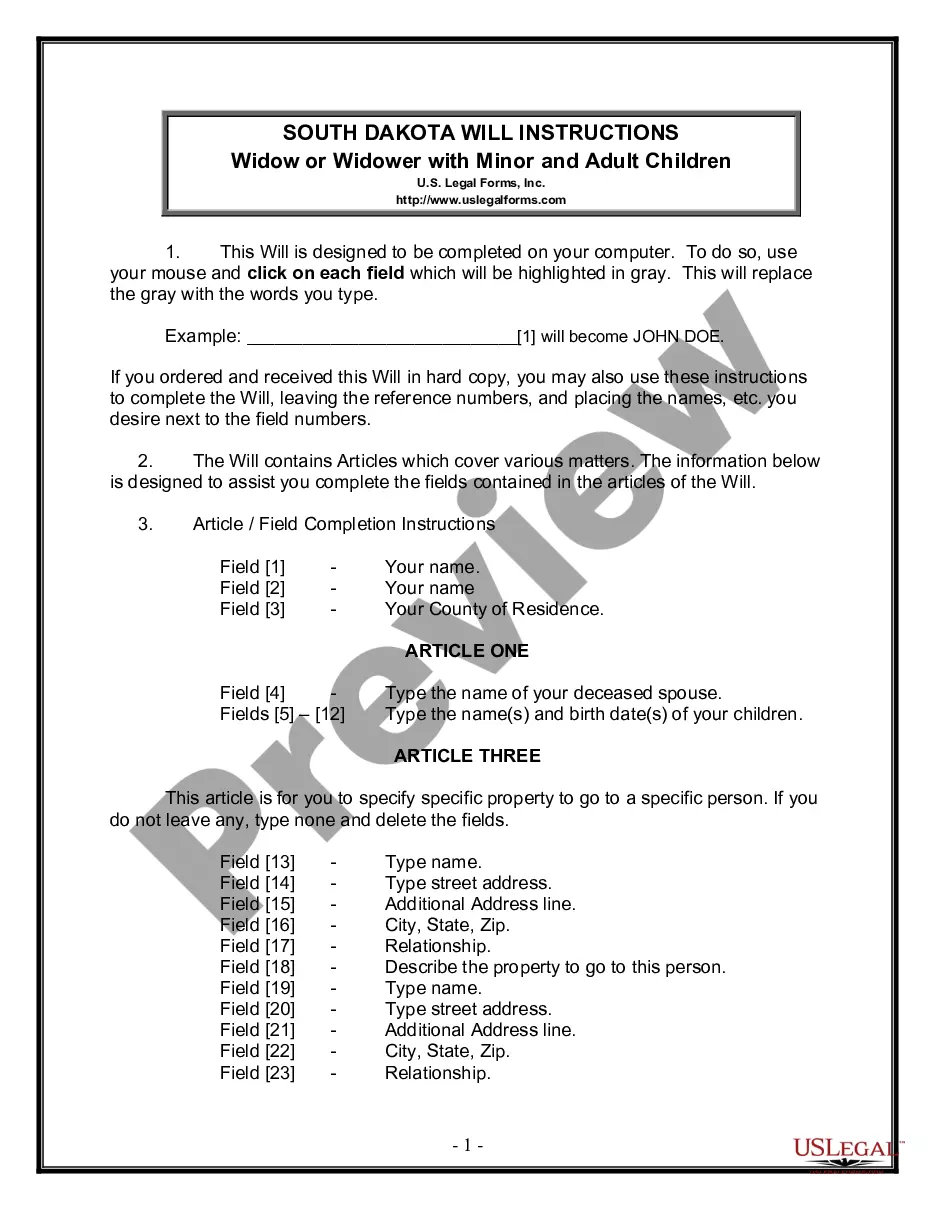
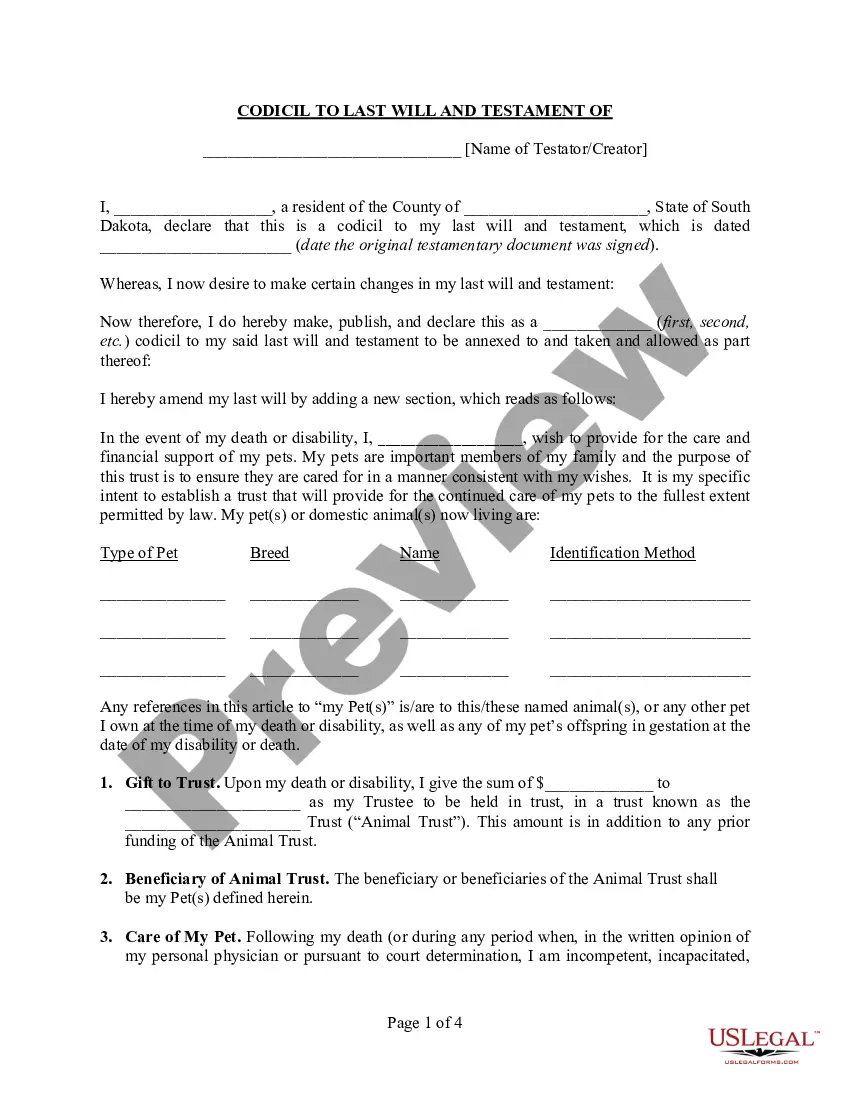
Delaware Assignment to Living Trust
Overview of this form
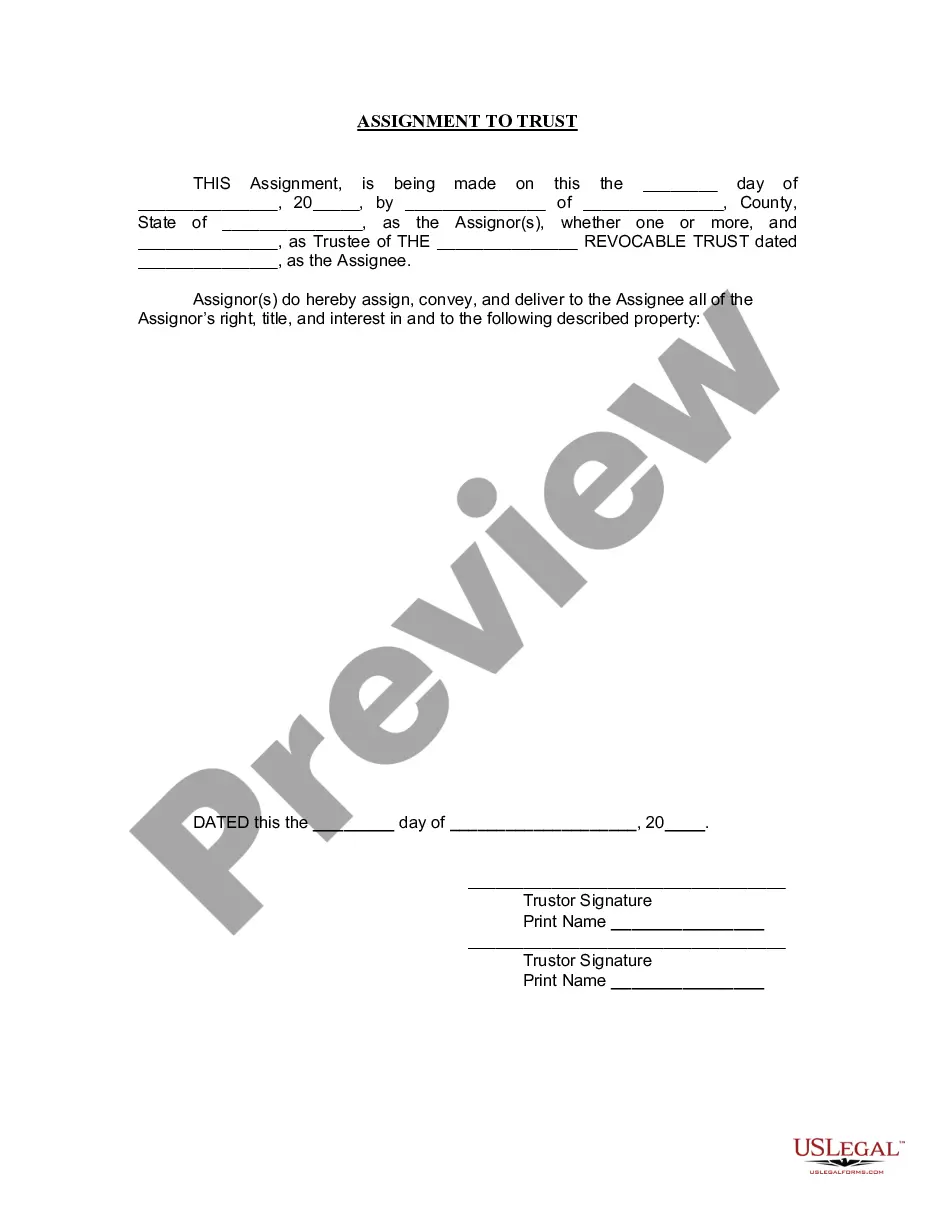
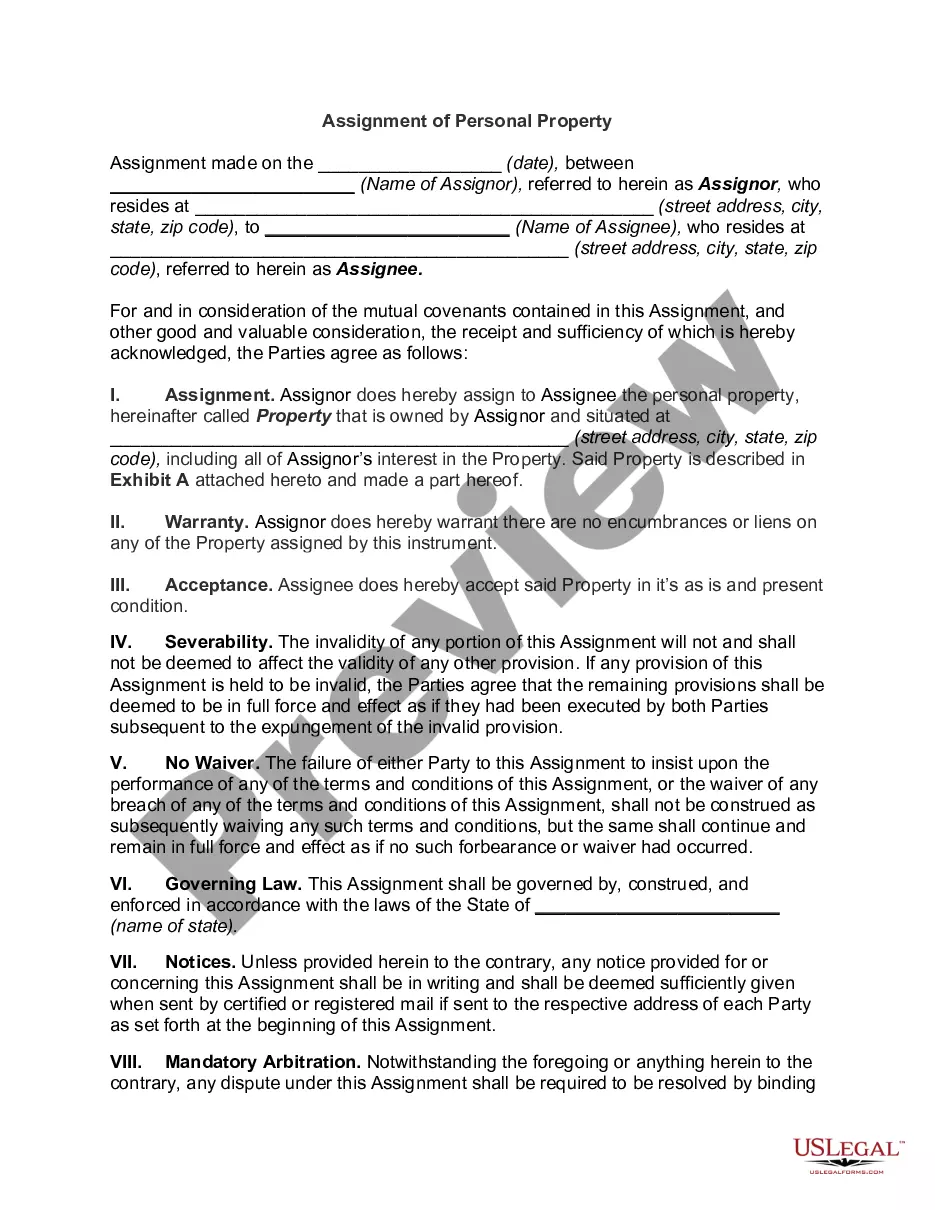
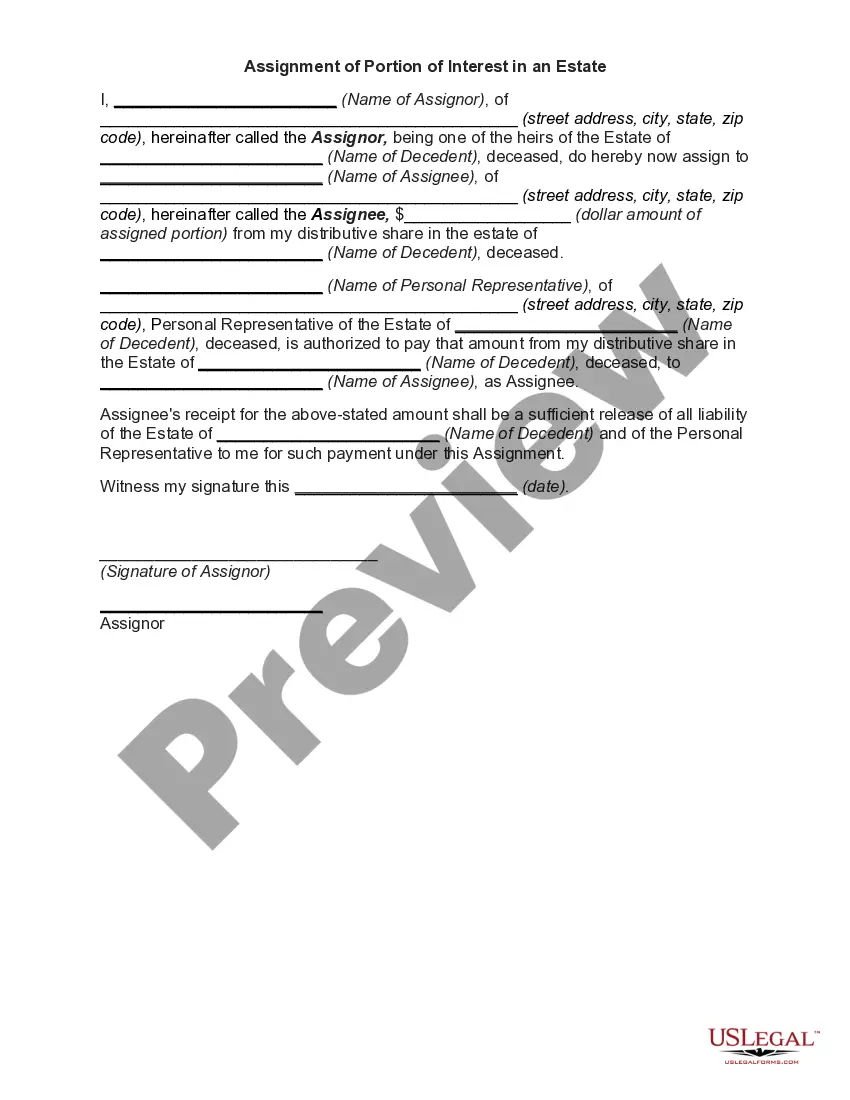
The Assignment to Living Trust form is a legal document used to transfer ownership of specific property rights to a living trust. A living trust is set up during a person's lifetime and designed for estate planning purposes. This form is essential for individuals who wish to manage their assets within a trust, ensuring a smooth transfer of property upon the individualâs passing while avoiding probate. Unlike other property transfer documents, this form specifically assigns property to a living trust, which provides benefits such as privacy and flexibility.
What’s included in this form
- Identifying information of the Assignor(s) and Trustee.
- Details regarding the specific property being assigned to the trust.
- Date of the assignment.
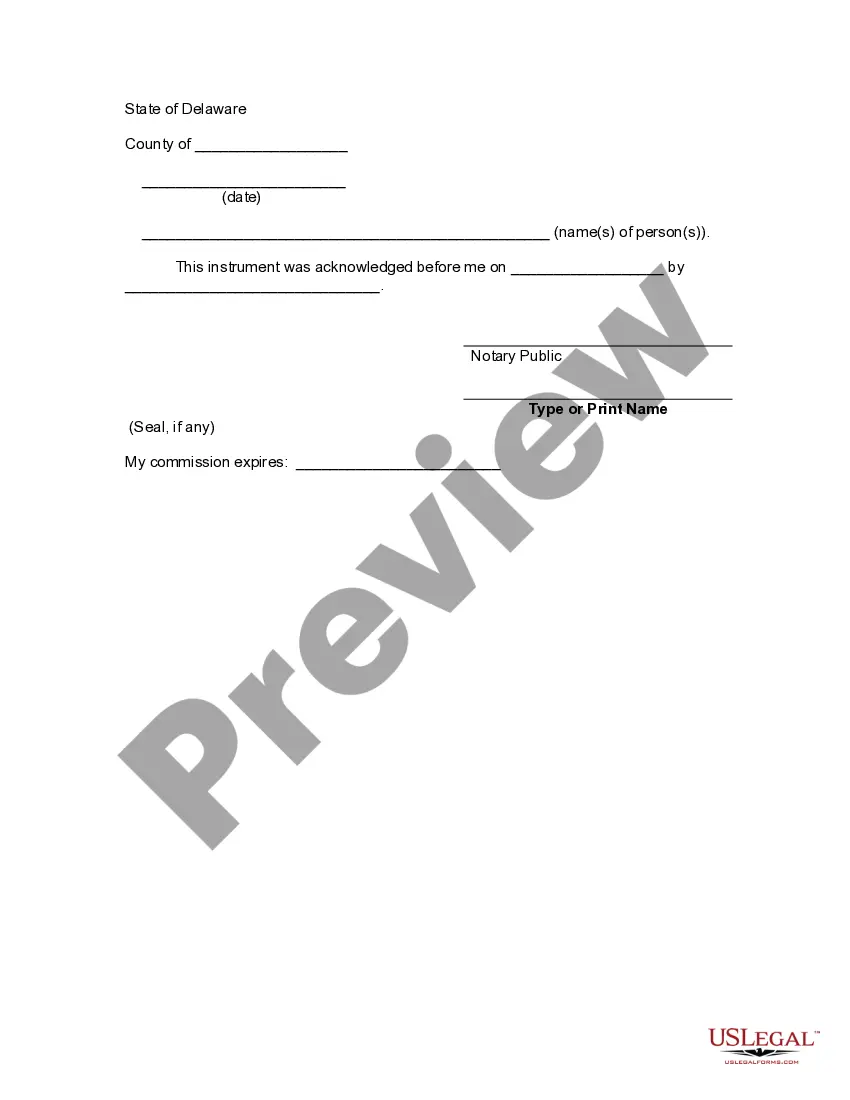
- Signatures of the Assignor(s), along with a notary acknowledgment section.
- Trustee information, including the name of the revocable trust.


Common use cases
This form should be used when an individual decides to place their real estate or other specific assets into a living trust. It is particularly useful for estate planning, helping to ensure that property is managed according to the wishes of the trust's creator during their lifetime and transferred smoothly to beneficiaries after death. Situations may include setting up a trust for real estate properties, bank accounts, or personal items to avoid probate complications.
Who can use this document
- Individuals wishing to establish a living trust for their estate.
- Property owners looking to manage their assets during their lifetime.
- Those seeking to simplify the transfer of assets upon death and reduce probate liabilities.
- Trustees acting on behalf of the living trust.
How to prepare this document
- Identify the Assignor(s) by providing their names and addresses.
- Specify the property that is being assigned to the living trust.
- Enter the date of the assignment.
- Fill in the name of the Trustee and the name of the revocable trust.
- Obtain all required signatures from the Assignor(s) and have the document notarized.
Does this document require notarization?
Yes, this form must be notarized to be legally valid. This ensures that the signatures are authentic and protects against fraud. US Legal Forms provides integrated online notarization that is available 24/7 through secure video calls, allowing you to complete the notarization process without the need to travel.
Get your form ready online
Our built-in tools help you complete, sign, share, and store your documents in one place.
Make edits, fill in missing information, and update formatting in US Legal Forms—just like you would in MS Word.
Download a copy, print it, send it by email, or mail it via USPS—whatever works best for your next step.
Sign and collect signatures with our SignNow integration. Send to multiple recipients, set reminders, and more. Go Premium to unlock E-Sign.
If this form requires notarization, complete it online through a secure video call—no need to meet a notary in person or wait for an appointment.
We protect your documents and personal data by following strict security and privacy standards.

Make edits, fill in missing information, and update formatting in US Legal Forms—just like you would in MS Word.

Download a copy, print it, send it by email, or mail it via USPS—whatever works best for your next step.

Sign and collect signatures with our SignNow integration. Send to multiple recipients, set reminders, and more. Go Premium to unlock E-Sign.

If this form requires notarization, complete it online through a secure video call—no need to meet a notary in person or wait for an appointment.

We protect your documents and personal data by following strict security and privacy standards.
Mistakes to watch out for
- Failure to specify all relevant property details.
- Not obtaining valid signatures or notarization, where necessary.
- Inaccurate or incomplete information about the living trust.
- Forgetting to date the document properly.
Benefits of completing this form online
- Convenience of downloading and filling out the form at your own pace.
- Editable formats allow for easy corrections before finalizing.
- Access to templates drafted by licensed attorneys, ensuring legal compliance.
Key takeaways
- The Assignment to Living Trust form allows you to transfer property into a living trust.
- It helps avoid probate and simplifies the transfer of assets upon death.
- Proper completion and notarization of the form are essential for legal validity.
Looking for another form?
Form popularity
FAQ
One major mistake parents often make is failing to adequately fund the trust. Without transferring assets into the trust, it won't serve its intended purpose, which can lead to complications later. Additionally, not clearly communicating the trust's terms to beneficiaries can create confusion and conflict. To avoid these pitfalls, consider leveraging the resources available through UsLegalForms when establishing your Delaware Assignment to Living Trust.
Creating a living trust in Delaware involves several key steps. First, you need to gather essential information about your assets and beneficiaries. Next, you can use UsLegalForms to access templates and guidance for drafting your trust document. Once completed, you should properly fund the trust by transferring assets into it, ensuring a smooth Delaware Assignment to Living Trust process.
Having a living trust comes with several pros, including avoiding probate and maintaining privacy regarding your assets. However, there are cons to consider, such as the initial setup costs and ongoing management responsibilities. Taking the time to weigh the pros and cons of a Delaware Assignment to Living Trust can help you decide the best approach for your estate planning needs.
Some reasons to consider not having a trust include the simplicity of your estate and the costs associated with setting up and maintaining a trust. If your assets are minimal, the Delaware Assignment to Living Trust may not provide significant benefits for your situation. Furthermore, if you’re comfortable with the traditional probate process, you might find a trust unnecessary.
While placing your house in a trust offers benefits, it also has some disadvantages. One common issue is the potential for increased paperwork and legal complexities during the Delaware Assignment to Living Trust process. Additionally, certain costs may arise, such as maintenance fees for the trust or tax implications, which one should consider before proceeding.
An assignment to a trust refers to the transfer of ownership of assets from an individual to the trust. This process is essential for a Delaware Assignment to Living Trust, as it ensures that the trust legally holds the assets. Completing this assignment allows trustees to manage the assets efficiently and carry out the wishes of the trust creator.
Suze Orman emphasizes the importance of a living trust in personal finance, particularly for estate planning. She points out that a living trust can help avoid probate, ensuring your assets are distributed according to your wishes. By establishing a Delaware Assignment to Living Trust, you gain control over how and when your assets are distributed, making it a practical choice for many.
Setting up a living trust in Delaware involves several key steps. First, you need to determine the assets you want to include in the trust. Next, you create the trust document, which outlines the terms and beneficiaries. Finally, you transfer ownership of the assets to the trust, completing the Delaware Assignment to Living Trust process. You may want to consult with a legal expert or use US Legal Forms to simplify the documentation process.
Transferring accounts to a Delaware Assignment to Living Trust typically requires contacting your financial institutions and requesting a change in account ownership. You will need to provide the bank or financial institution with relevant information about the trust, including its name and date of creation. Using a service like US Legal Forms can guide you through this process, ensuring everything is done correctly and efficiently.
To move assets into a Delaware Assignment to Living Trust, you generally need to retitle them in the name of the trust. This process involves completing a change of ownership document for each asset, such as real estate or bank accounts. Working with a legal professional can ensure that this process is smooth and aligned with your estate planning goals.