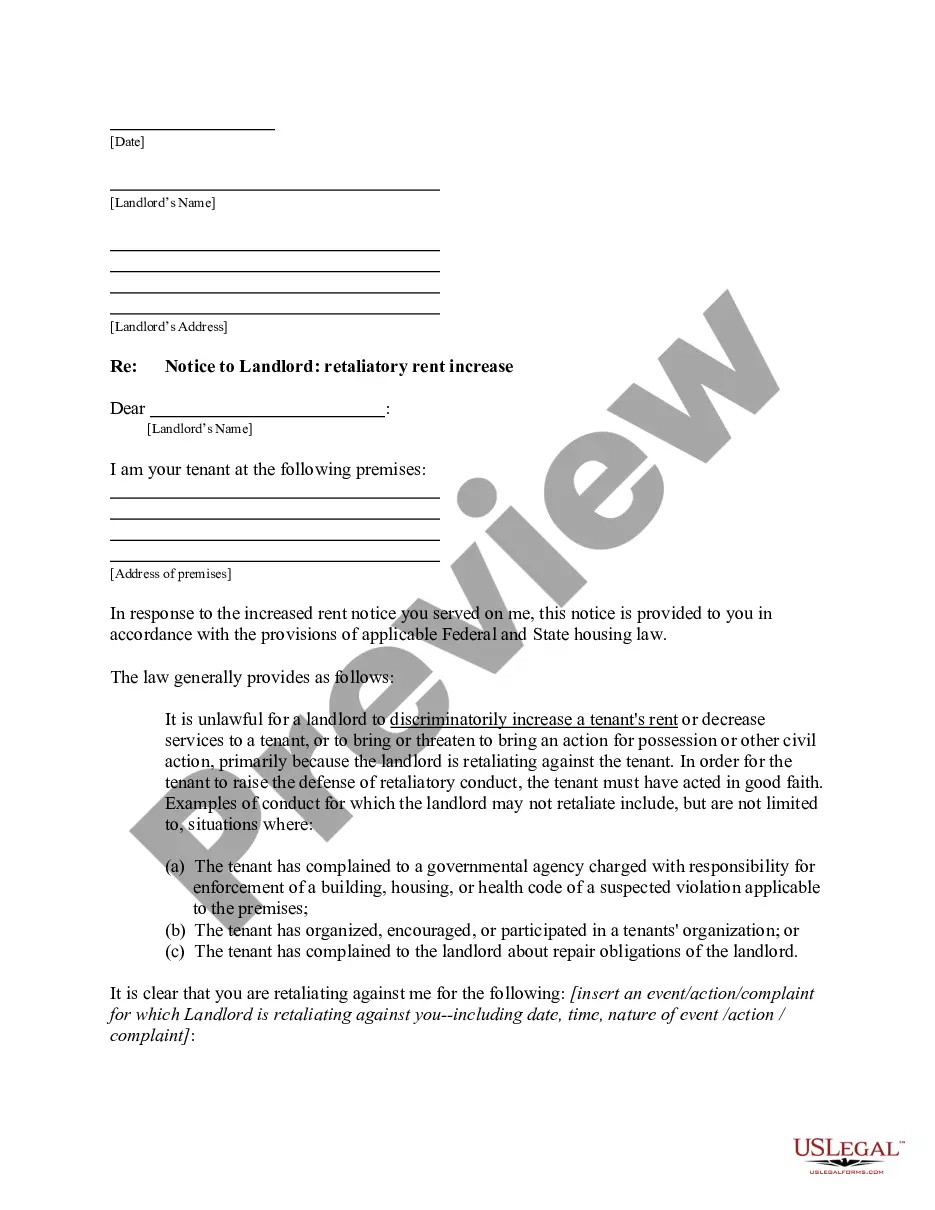
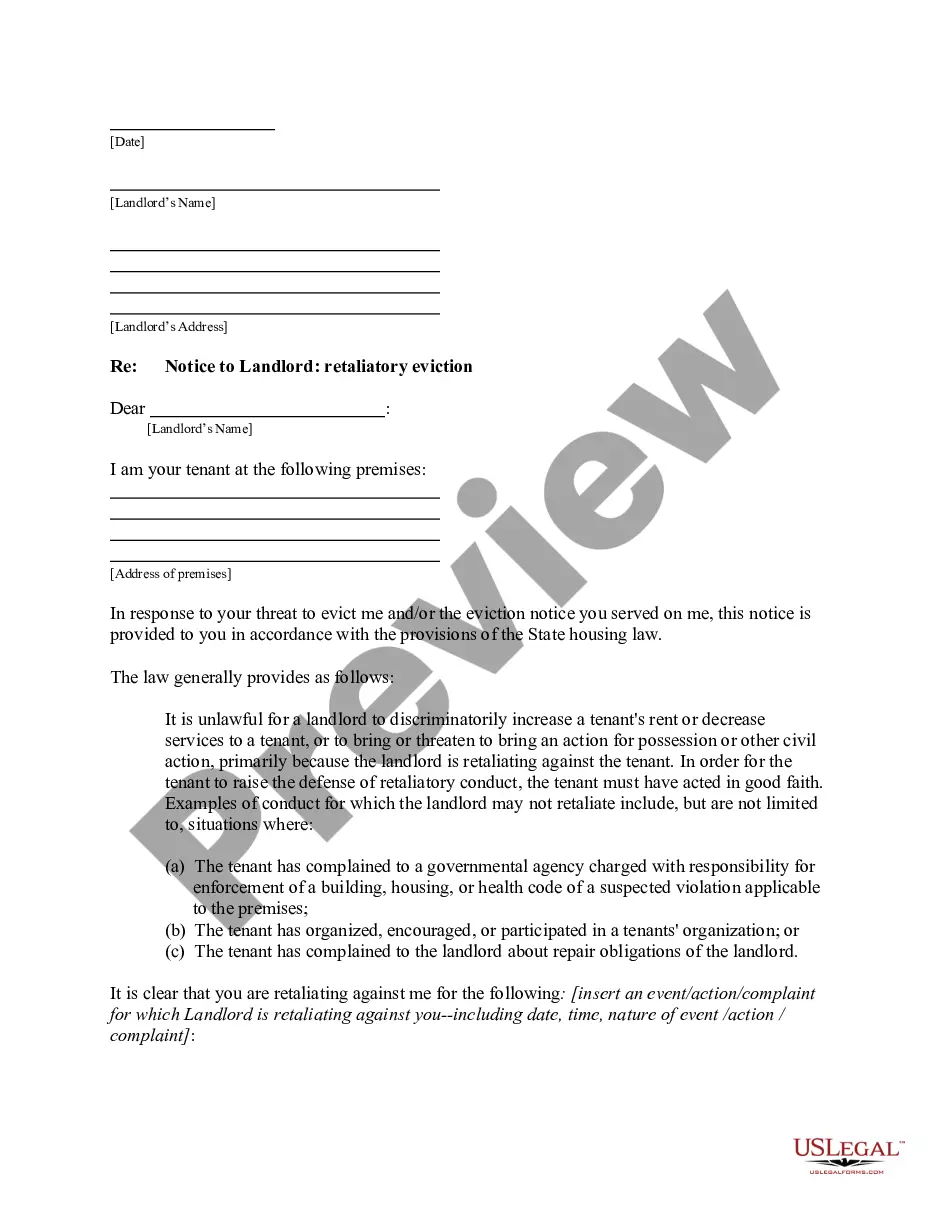
Delaware Letter from Tenant to Landlord about Illegal entry by landlord
Understanding this form
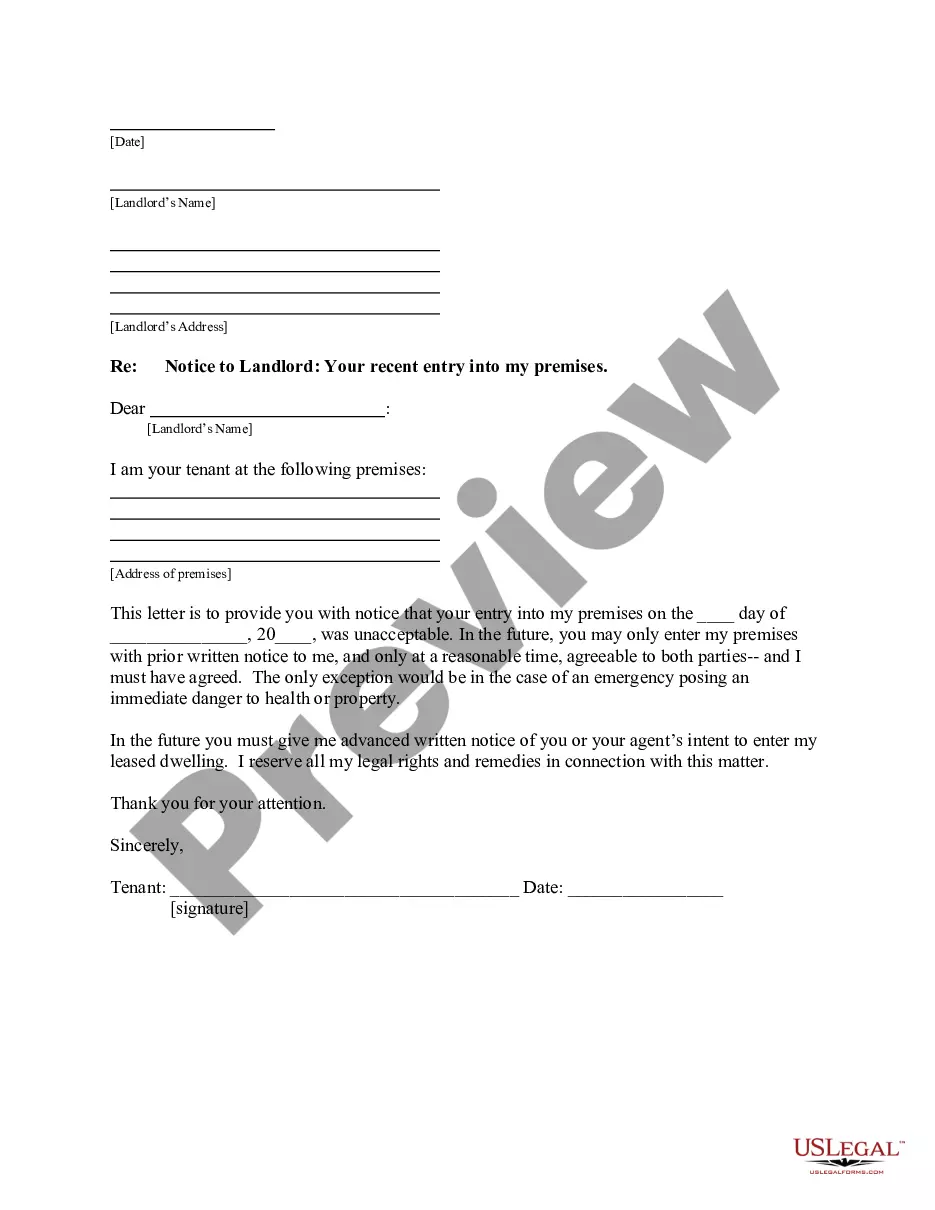
This Letter from Tenant to Landlord about Illegal Entry is a legal document that helps tenants communicate concerns regarding unauthorized access by landlords. The form specifically requests that a landlord provide advanced written notice before entering the rented premises, except in emergencies. This document is essential for establishing boundaries and protecting tenant privacy rights.
Key components of this form
- Tenant's request for future notice of entry, specifying that prior written notification is required.
- A declaration of the tenant's legal rights regarding unauthorized entry.
- Signature line for the tenant to authenticate the letter.
- Date section to indicate when the letter is sent.
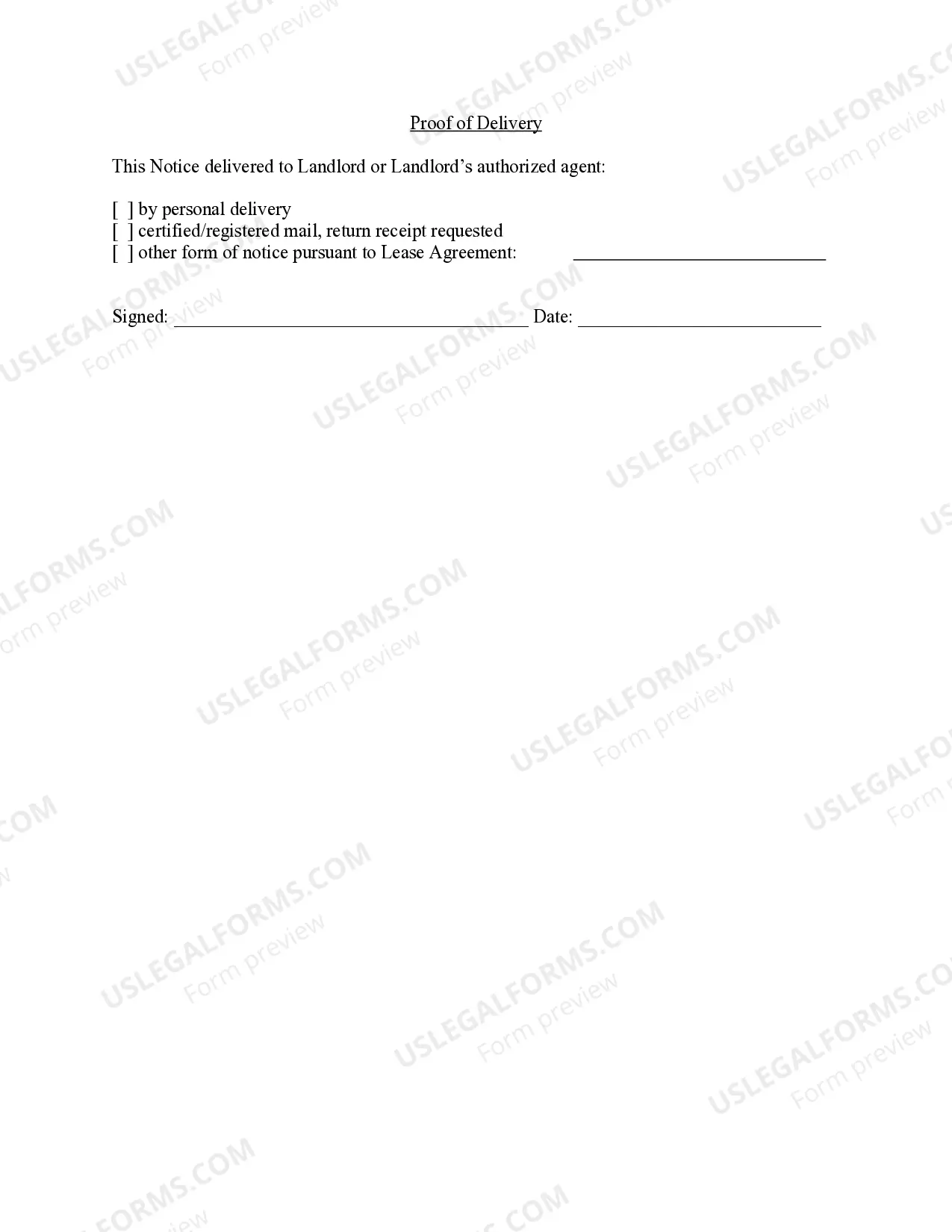
- Proof of delivery options, including personal delivery and certified mail.

When this form is needed
This form should be used when a tenant has experienced illegal entry by their landlord or believes their privacy may be compromised. It is appropriate in situations where the landlord has not provided adequate notice of entry, and the tenant wishes to formally request compliance with notification laws moving forward. Utilizing this letter can help prevent future misunderstandings and ensure respect for tenant rights.
Who needs this form
- Tenants who have faced unauthorized entry by their landlord.
- Individuals seeking to establish legal boundaries regarding property access.
- Renters who wish to formally notify their landlord of their rights to privacy.
Steps to complete this form
- Identify the tenant and landlord by entering their names and addresses at the top of the letter.
- Clearly state the request for future written notice of entry in the main body of the letter.
- Reserve your legal rights by including a statement regarding the preservation of those rights.
- Sign and date the letter to authenticate your request.
- Choose a method of delivery and indicate it in the proof of delivery section.
Does this document require notarization?
Notarization is generally not required for this form. However, certain states or situations might demand it. You can complete notarization online through US Legal Forms, powered by Notarize, using a verified video call available anytime.
Get your form ready online
Our built-in tools help you complete, sign, share, and store your documents in one place.
Make edits, fill in missing information, and update formatting in US Legal Forms—just like you would in MS Word.
Download a copy, print it, send it by email, or mail it via USPS—whatever works best for your next step.
Sign and collect signatures with our SignNow integration. Send to multiple recipients, set reminders, and more. Go Premium to unlock E-Sign.
If this form requires notarization, complete it online through a secure video call—no need to meet a notary in person or wait for an appointment.
We protect your documents and personal data by following strict security and privacy standards.

Make edits, fill in missing information, and update formatting in US Legal Forms—just like you would in MS Word.

Download a copy, print it, send it by email, or mail it via USPS—whatever works best for your next step.

Sign and collect signatures with our SignNow integration. Send to multiple recipients, set reminders, and more. Go Premium to unlock E-Sign.

If this form requires notarization, complete it online through a secure video call—no need to meet a notary in person or wait for an appointment.

We protect your documents and personal data by following strict security and privacy standards.
Typical mistakes to avoid
- Not providing complete names and addresses of both parties.
- Failing to sign and date the letter, which may void its effectiveness.
- Using vague language that could lead to misinterpretation of the request.
- Neglecting to keep a copy of the letter for personal records.
Benefits of using this form online
- Easy access to legally vetted templates designed by licensed attorneys.
- Convenience of downloading and customizing the form according to personal needs.
- Time-saving process compared to hiring an attorney for similar tasks.
Looking for another form?
Form popularity
FAQ
An example letter may start with your address and the landlord's address, followed by the date and a clear subject line. State the purpose, such as notifying the landlord about illegal entry incidents. Include specific examples, express your concerns, and outline desired actions. This format makes it easy for your landlord to understand your points clearly.
To write a notice letter to your landlord, start with both parties' addresses and the date. Clearly articulate the reason for the letter, whether it is a request for repairs or a notification of illegal entry. Be straightforward and polite, offering any follow-up actions you expect. If discussing illegal entry, a Delaware Letter from Tenant to Landlord about Illegal entry by landlord may be beneficial.
In a notice letter to your landlord, include your name and address, the landlord's name and address, the date, and clearly state the purpose of the letter. If addressing issues such as illegal entry, detail the incidents and express your concerns succinctly. Consider adding any requests or actions you expect as a follow-up. This clarity helps facilitate communication between you and your landlord.
Your notice letter should include your address, the landlord's details, the date, and a clear statement of your intention or request. For example, include details if notifying about illegal landlord entry. Ensure to mention any relevant dates, incidents, and your expectations moving forward. This structured approach presents your concerns effectively and professionally.
When writing a notice to vacate, start with your address and the landlord’s address, then include the date. Clearly state your intention to vacate, providing the specific date you plan to move out. Be sure to ask for any necessary final inspections and return of your security deposit. A clear and structured approach ensures your notice is understood, especially if illegal entry has prompted your decision to leave.
Yes, tenants can deny entry to their landlord if proper notice is not given or if the situation does not warrant immediate access. It's essential for tenants to know their rights regarding privacy and entry. If a landlord refuses to respect these rights, a formal letter discussing the issue may be necessary. A Delaware Letter from Tenant to Landlord about Illegal entry by landlord can serve as a formal response.
In Delaware, landlords must usually provide notice before entering a rental property. They cannot legally enter without tenant consent, except in certain emergencies. Understanding your rights is crucial, especially if you experience unauthorized entry. If you face this issue, drafting a Delaware Letter from Tenant to Landlord about Illegal entry by landlord can help clarify your stance.
Start your notification letter with your address and the landlord's address at the top, followed by the date. Clearly state the reason for the notification, such as regarding landlord entry, and include any relevant dates or occurrences. Be polite yet assertive in expressing your rights, ensuring your message is concise and understandable. For situations involving illegal entry, consider a Delaware Letter from Tenant to Landlord about Illegal entry by landlord for clarity.
Begin by clearly stating the issue, such as illegal entry by the landlord, in your letter. Use direct and assertive language to convey your frustration, ensuring you provide specific details about the incidents. Reference your rights as a tenant under the Delaware law, highlighting the importance of respecting tenant privacy. This approach makes your complaint firm and focused, especially when considering a Delaware Letter from Tenant to Landlord about Illegal entry by landlord.
Section 5314 of the Delaware Residential Landlord Tenant Code addresses the rights of tenants concerning the right to privacy and notice before entry. This section requires landlords to provide notice before entering a rental property. Understanding this can empower tenants to protect themselves against illegal entry by landlords. For clarity and proper communication, a Delaware Letter from Tenant to Landlord about Illegal entry by landlord can be beneficial.