District of Columbia Marital Legal Separation and Property Settlement Agreement Minor Children Parties May have Joint Property or Debts where Divorce Action Filed
About this form
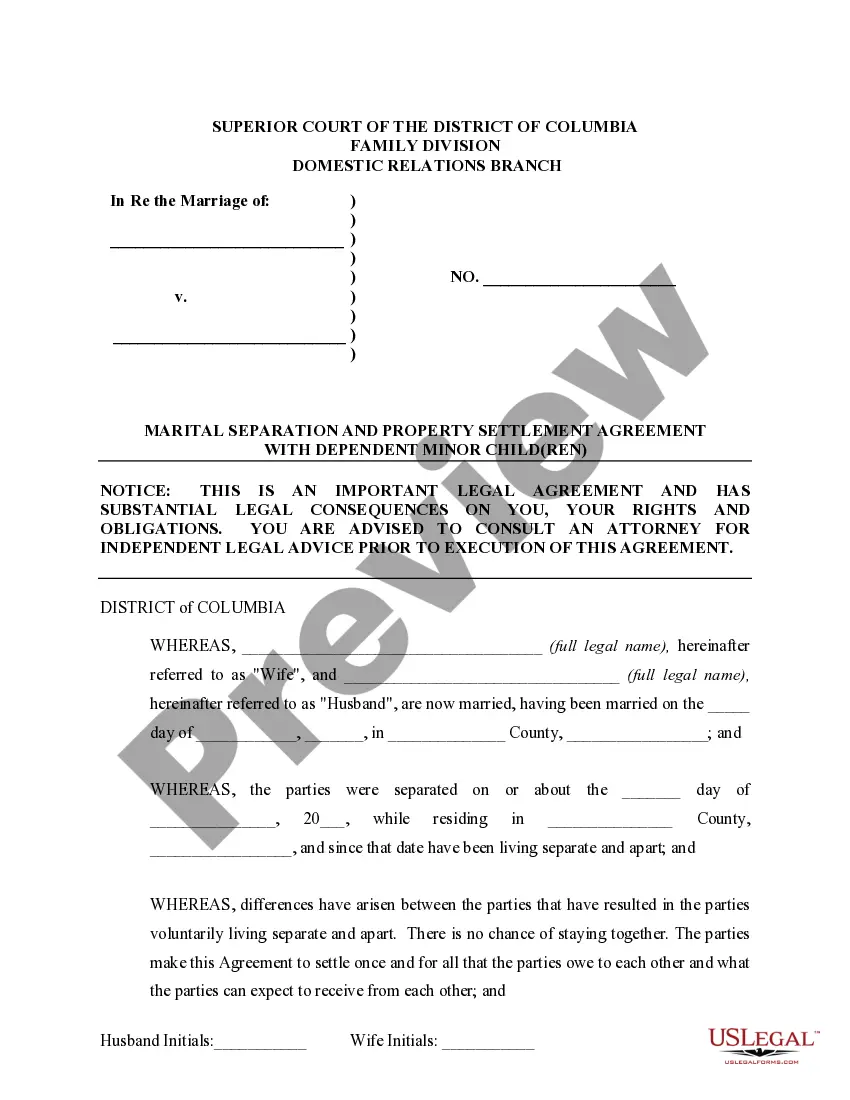
The Marital Legal Separation and Property Settlement Agreement is a legal document for couples with minor children who are in the process of divorce. This form is specifically designed for parties that share joint property or debts while a divorce action is pending. Unlike other forms of separation agreements, this document includes detailed provisions for child custody, visitation rights, child support, asset division, and alimony considerations, ensuring that all essential issues are addressed during the separation process.
What’s included in this form
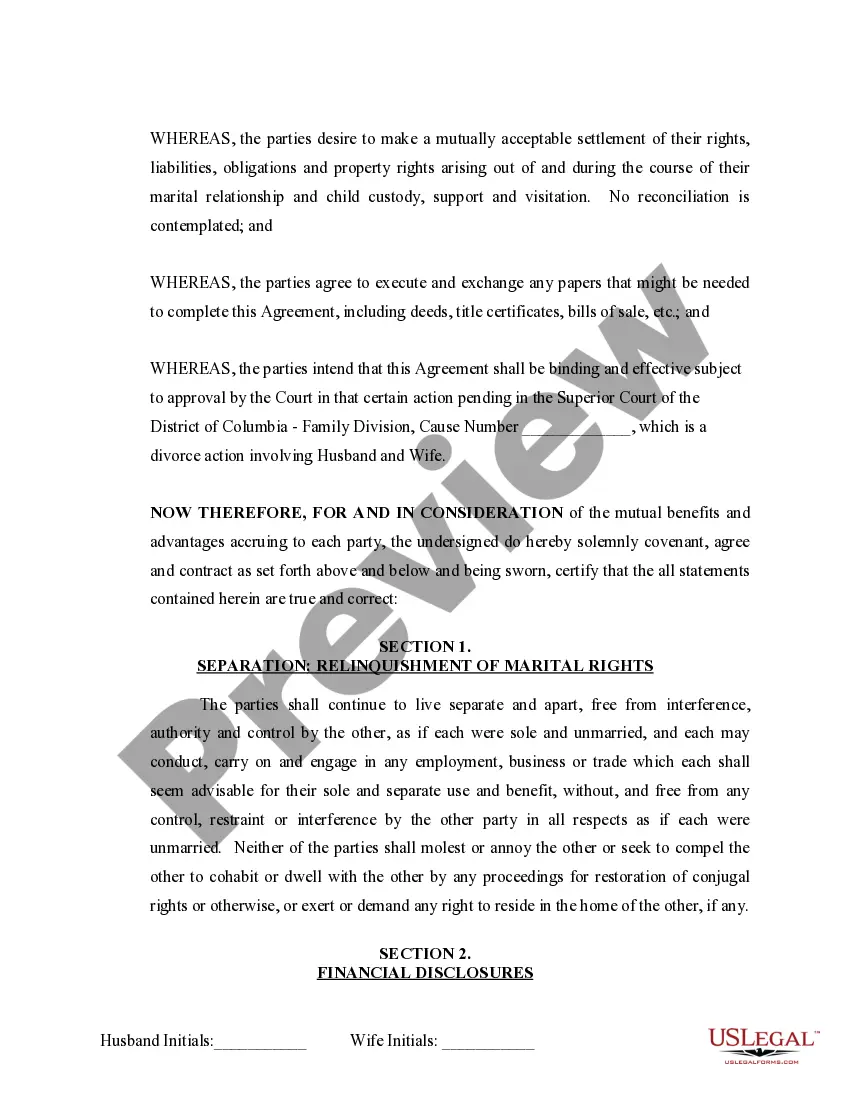
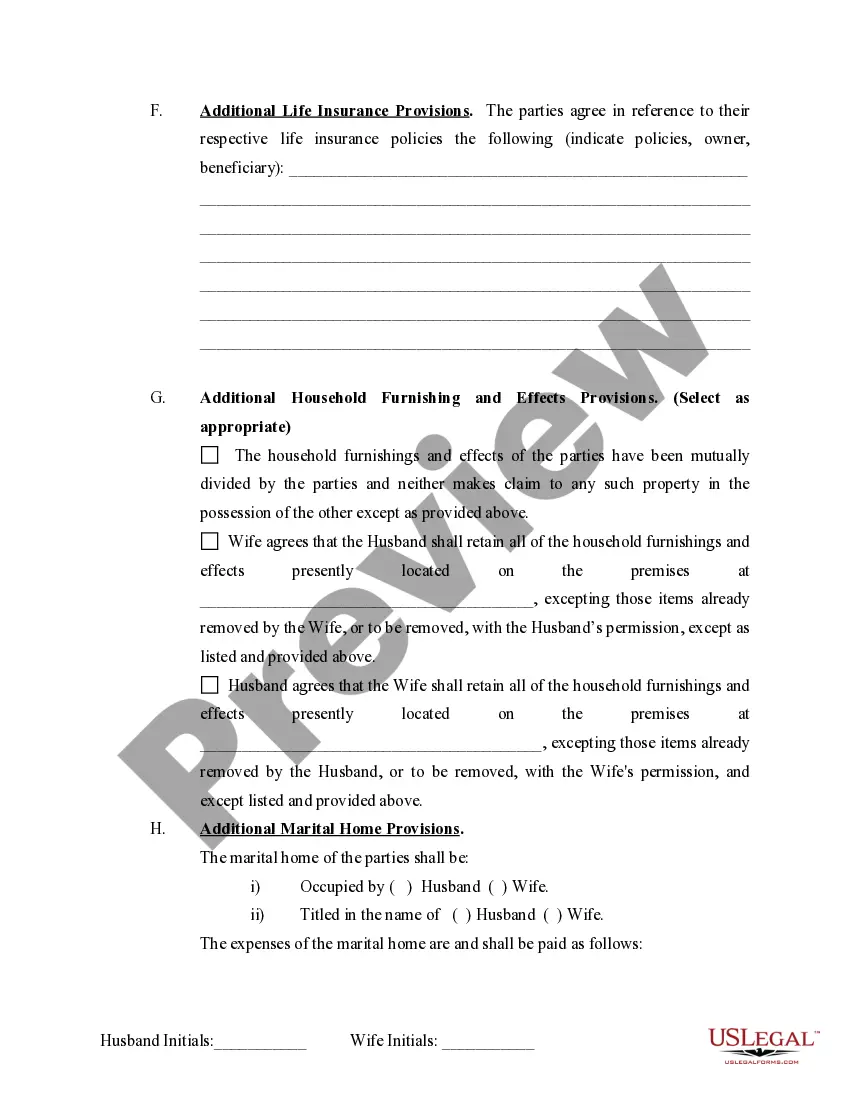
- Separation relinquishment of marital rights, allowing each party to live independently.
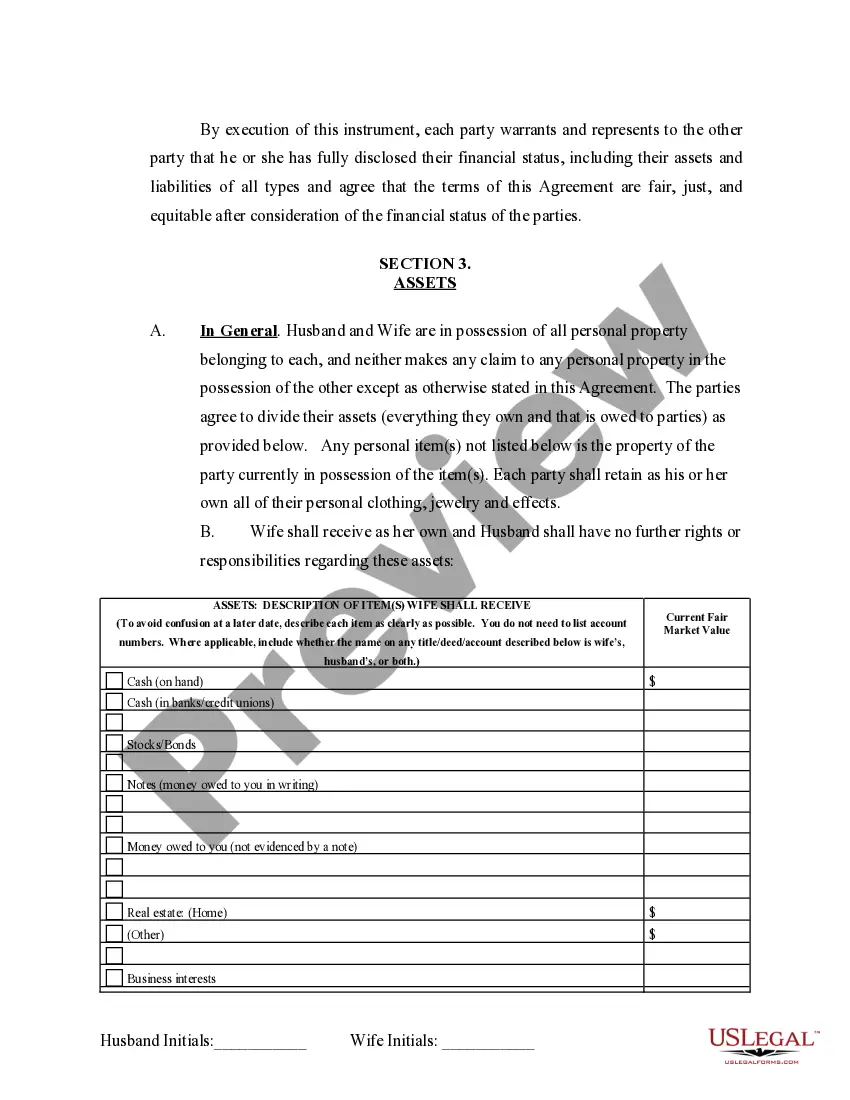
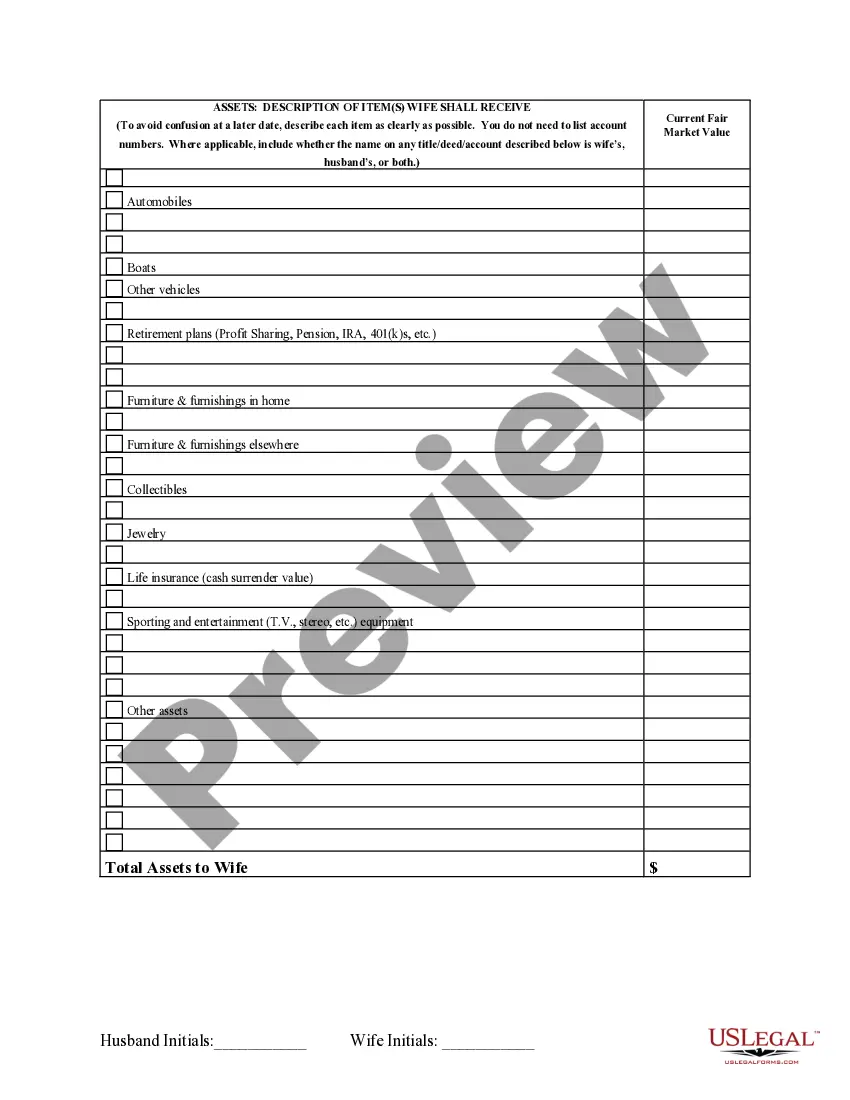
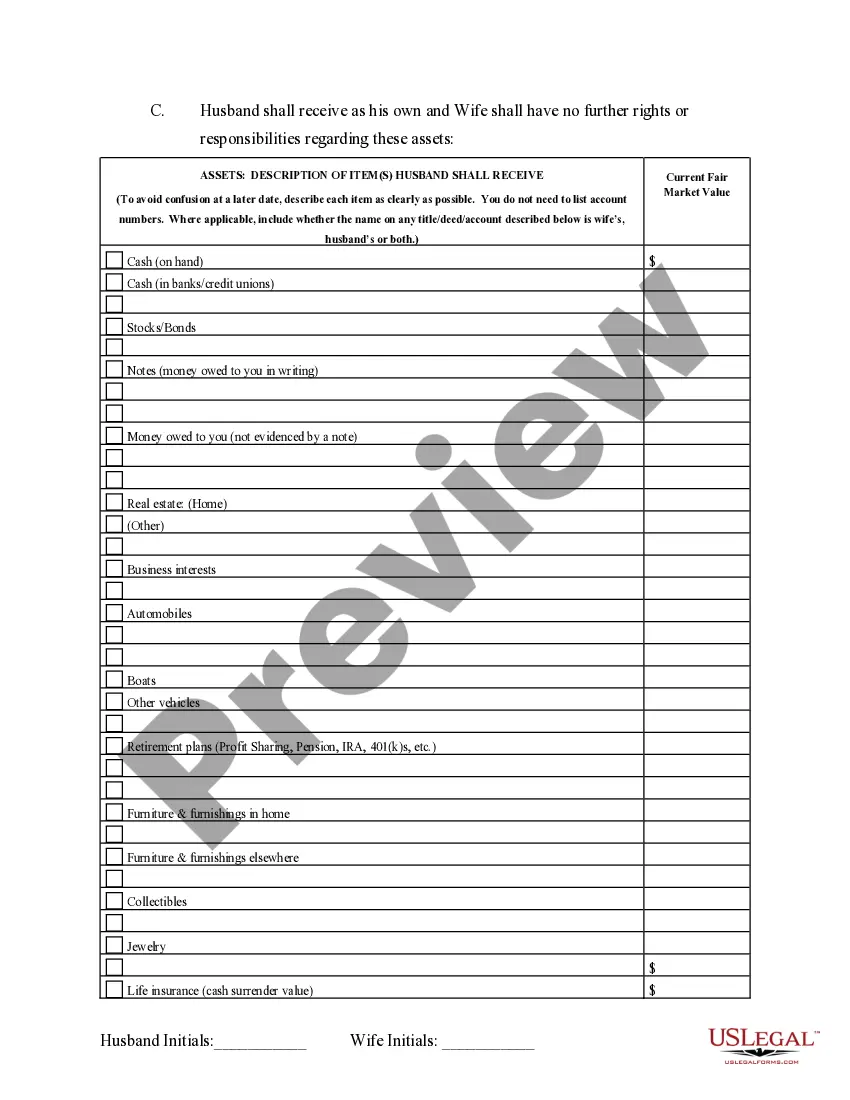
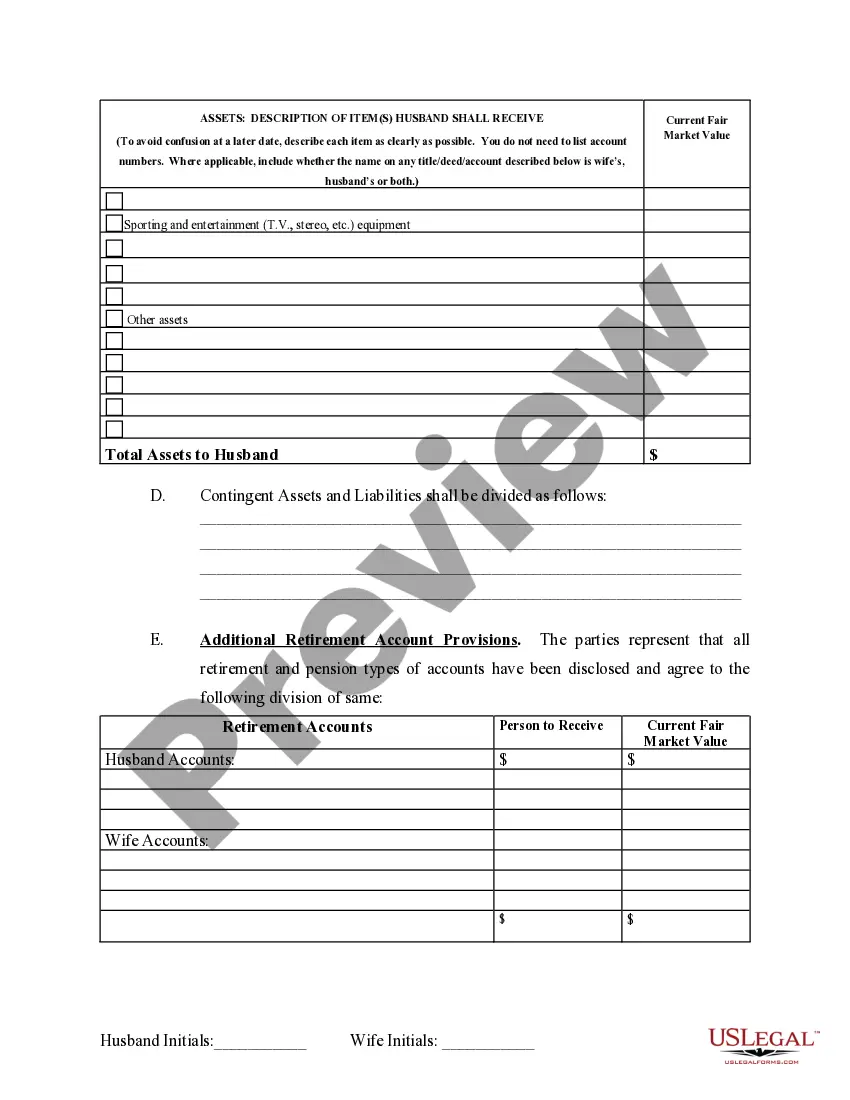
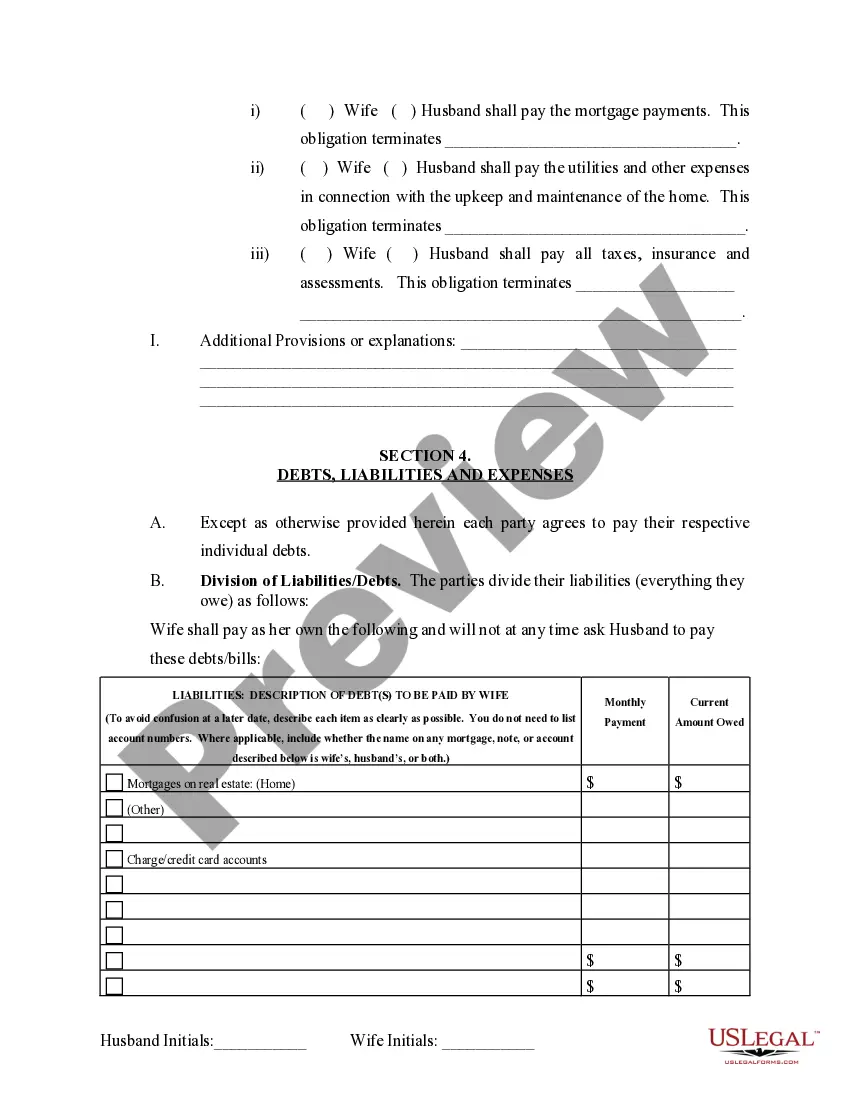
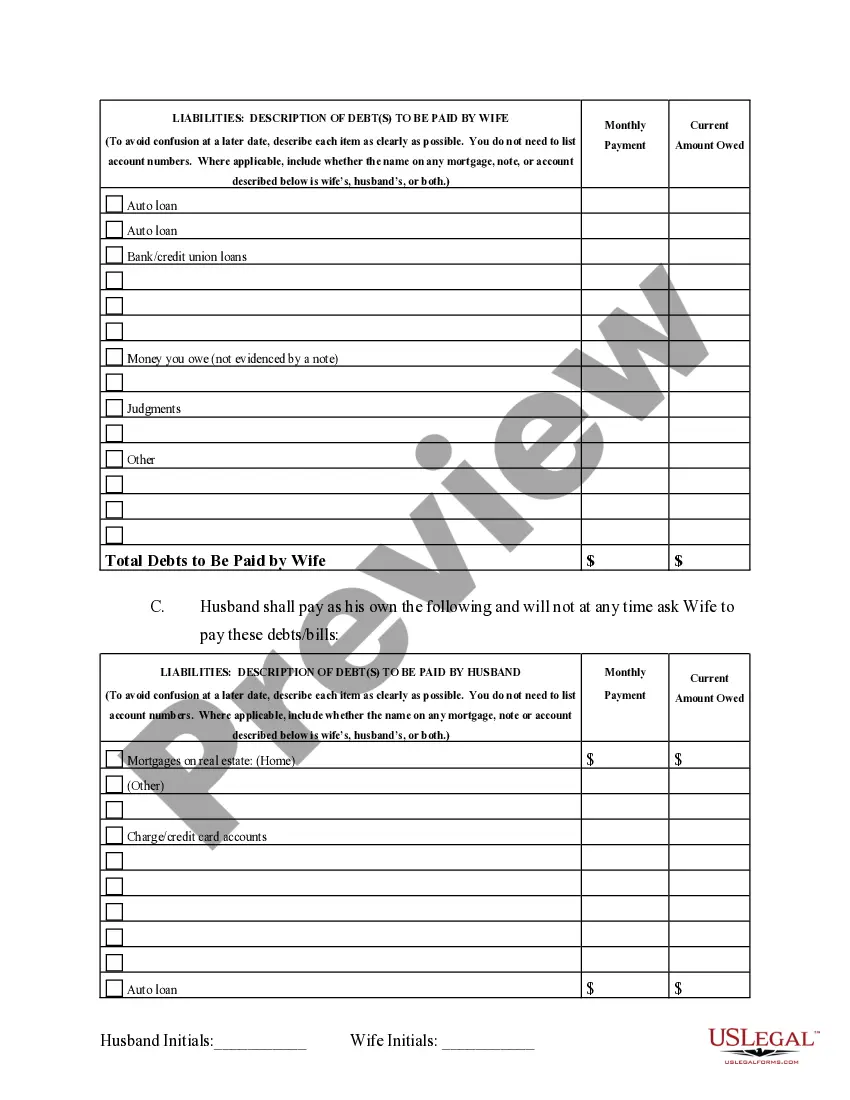
- Financial disclosures, whereby both parties list assets and liabilities.
- Specific division of assets, including real estate, vehicles, and personal property.
- Child custody arrangements and visitation schedules to ensure the well-being of minor children.
- Child support and health insurance responsibilities, outlining financial obligations for the children.
- Provisions for spousal support (alimony) if applicable.

When this form is needed
This form should be used when both parties desire to enter into a structured agreement regarding their separation while a divorce action is either filed or anticipated. It is essential for couples seeking clarity on parenting arrangements and financial responsibilities related to joint properties and debts during the divorce process.
Who should use this form
This form is intended for:
- Married couples with minor children who are considering or undergoing divorce.
- Parties that have shared assets or liabilities that need to be addressed legally.
- Individuals wanting to establish custody and support agreements legally recognized by the court.
How to complete this form
- Identify the parties involved in the agreement by entering their full legal names.
- Detail the financial disclosures, including all assets and liabilities, in the designated sections.
- Specify the arrangements for child custody, visitation, and support payments clearly.
- Ensure all parties sign the document in the presence of a notary public.
- Consider creating duplicate originals for each party to retain.
Notarization guidance
This form needs to be notarized to ensure legal validity. US Legal Forms provides secure online notarization powered by Notarize, allowing you to complete the process through a verified video call, available anytime.
Get your form ready online
Our built-in tools help you complete, sign, share, and store your documents in one place.
Make edits, fill in missing information, and update formatting in US Legal Forms—just like you would in MS Word.
Download a copy, print it, send it by email, or mail it via USPS—whatever works best for your next step.
Sign and collect signatures with our SignNow integration. Send to multiple recipients, set reminders, and more. Go Premium to unlock E-Sign.
If this form requires notarization, complete it online through a secure video call—no need to meet a notary in person or wait for an appointment.
We protect your documents and personal data by following strict security and privacy standards.

Make edits, fill in missing information, and update formatting in US Legal Forms—just like you would in MS Word.

Download a copy, print it, send it by email, or mail it via USPS—whatever works best for your next step.

Sign and collect signatures with our SignNow integration. Send to multiple recipients, set reminders, and more. Go Premium to unlock E-Sign.

If this form requires notarization, complete it online through a secure video call—no need to meet a notary in person or wait for an appointment.

We protect your documents and personal data by following strict security and privacy standards.
Avoid these common issues
- Failing to fully disclose all assets and liabilities.
- Not including specific details regarding child custody and visitation schedules.
- Omitting signatures from both parties or neglecting to have the document notarized.
- Assuming that this form alone suffices for transferring titles or property ownership.
- Not seeking independent legal advice before execution of the agreement.
Why complete this form online
- Convenient access to legal documents from any location.
- Editability allows users to tailor agreements to their specific needs.
- Reliable templates drafted by licensed attorneys ensure legal compliance.
- Potential for integrated notarization services enhances the usability of the forms.
- Fast turnaround compared to traditional legal services.
Looking for another form?
Form popularity
FAQ
A property settlement is not considered alimony, as it refers to the division of marital property and assets between parties. Alimony specifically pertains to financial support one spouse may provide to the other after separation or divorce. This distinction is important when navigating the complexities of District of Columbia Marital Legal Separation and Property Settlement Agreement Minor Children Parties May have Joint Property or Debts where Divorce Action Filed.
To fill out a separation agreement correctly, start by clearly stating the names of both parties and the date of separation. Then, outline the terms regarding property division, debts, child custody, and support payments. Ensuring transparency and mutual understanding in this document is important, particularly in the context of District of Columbia Marital Legal Separation and Property Settlement Agreement Minor Children Parties May have Joint Property or Debts where Divorce Action Filed.
Another commonly used term for a divorce decree is a divorce judgment. This legal document encompasses the court's final decision on the dissolution of the marriage and outlines the terms of the divorce. It plays a vital role, especially in District of Columbia Marital Legal Separation and Property Settlement Agreement Minor Children Parties May have Joint Property or Debts where Divorce Action Filed.
A settlement agreement for divorce is a formal document detailing how parties will divide their assets, debts, and responsibilities regarding children. It aims to resolve conflicts amicably, reducing the need for court intervention. Utilizing a well-structured settlement agreement is crucial in the District of Columbia Marital Legal Separation and Property Settlement Agreement Minor Children Parties May have Joint Property or Debts where Divorce Action Filed.
To write an effective settlement offer, include your proposed terms regarding asset division, custody arrangements, and any support payments. Be clear and concise, while also being open to negotiation. This clarity can help facilitate productive discussions and ensure that both parties can reach an agreement in the context of District of Columbia Marital Legal Separation and Property Settlement Agreement Minor Children Parties May have Joint Property or Debts where Divorce Action Filed.
A settlement agreement is a private contract between parties, outlining the terms of their separation, including child custody, property division, and support arrangements. In contrast, a divorce decree is a legal document issued by the court that finalizes the divorce proceedings and officially records the parties' obligations. Understanding these distinctions is essential, especially in cases of District of Columbia Marital Legal Separation and Property Settlement Agreement Minor Children Parties May have Joint Property or Debts where Divorce Action Filed.
You can certainly write your own separation agreement, and it’s often a practical choice in many situations. In the District of Columbia Marital Legal Separation and Property Settlement Agreement Minor Children Parties May have Joint Property or Debts where Divorce Action Filed, creating your own document can help you clearly outline terms regarding custody, support, and property division. However, while drafting an agreement, it’s wise to ensure it complies with local laws, so using a platform like USLegalForms can provide helpful templates and guidance to ensure your agreement meets all legal standards.
Yes, you can obtain a divorce without stepping into a courtroom by utilizing a collaborative divorce process or mediation. In the context of the District of Columbia Marital Legal Separation and Property Settlement Agreement Minor Children Parties May have Joint Property or Debts where Divorce Action Filed, these options allow you to negotiate the terms of your separation amicably. By working together with your spouse and possibly a neutral mediator, you can reach a settlement that suits both parties while avoiding the formal court procedure.
In Washington D.C., couples are not required to legally separate before filing for divorce. However, a separation might be beneficial for clarifying issues related to property and children. The District of Columbia Marital Legal Separation and Property Settlement Agreement Minor Children Parties May have Joint Property or Debts where Divorce Action Filed provides guidance on how to structure this process effectively for your circumstances.
A settlement agreement and a separation agreement are not exactly the same, though they share similarities. A separation agreement focuses specifically on the terms of separation, while a settlement agreement can pertain to resolving disputes in various contexts. In the District of Columbia Marital Legal Separation and Property Settlement Agreement Minor Children Parties May have Joint Property or Debts where Divorce Action Filed, it is important to know how each agreement serves your situation.