District of Columbia Foundation Contract for Contractor
What this document covers
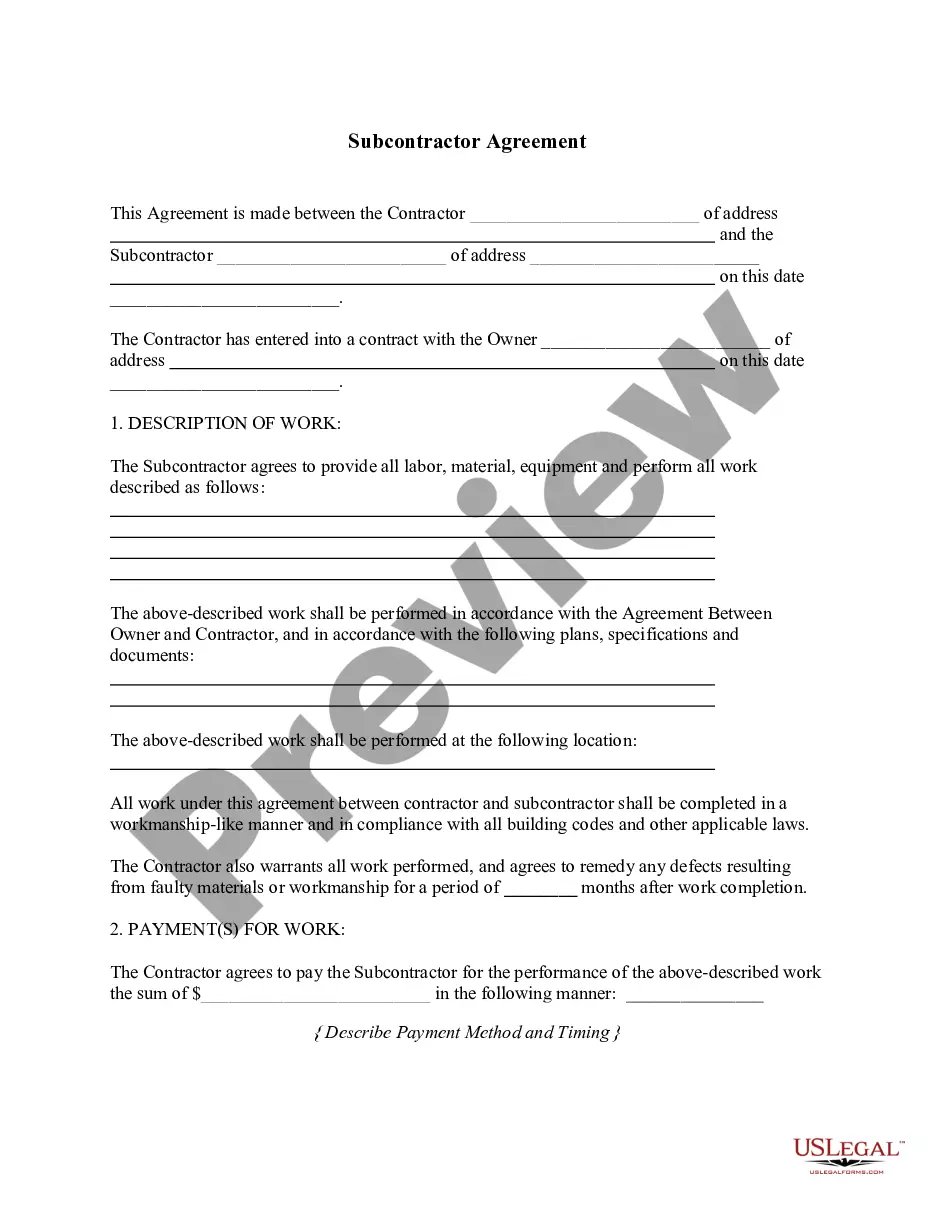
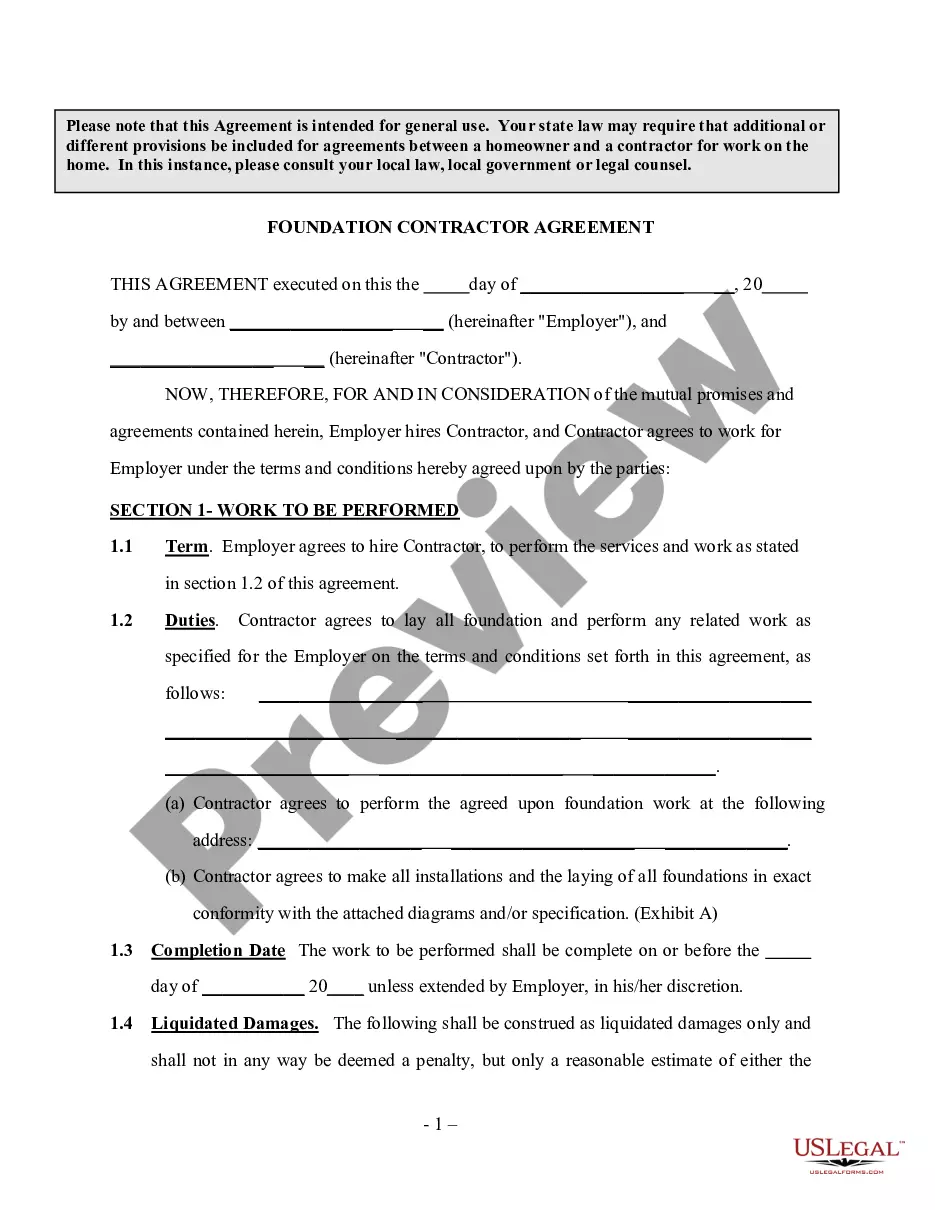
The Foundation Contract for Contractor is a legal agreement between foundation contractors and property owners that outlines the terms of their working relationship. It can establish a cost plus or fixed fee payment structure and addresses critical aspects, such as change orders, site details, warranties, and insurance obligations. This contract is designed specifically to comply with the laws of the District of Columbia, ensuring clarity and legal enforceability in construction projects.
What’s included in this form
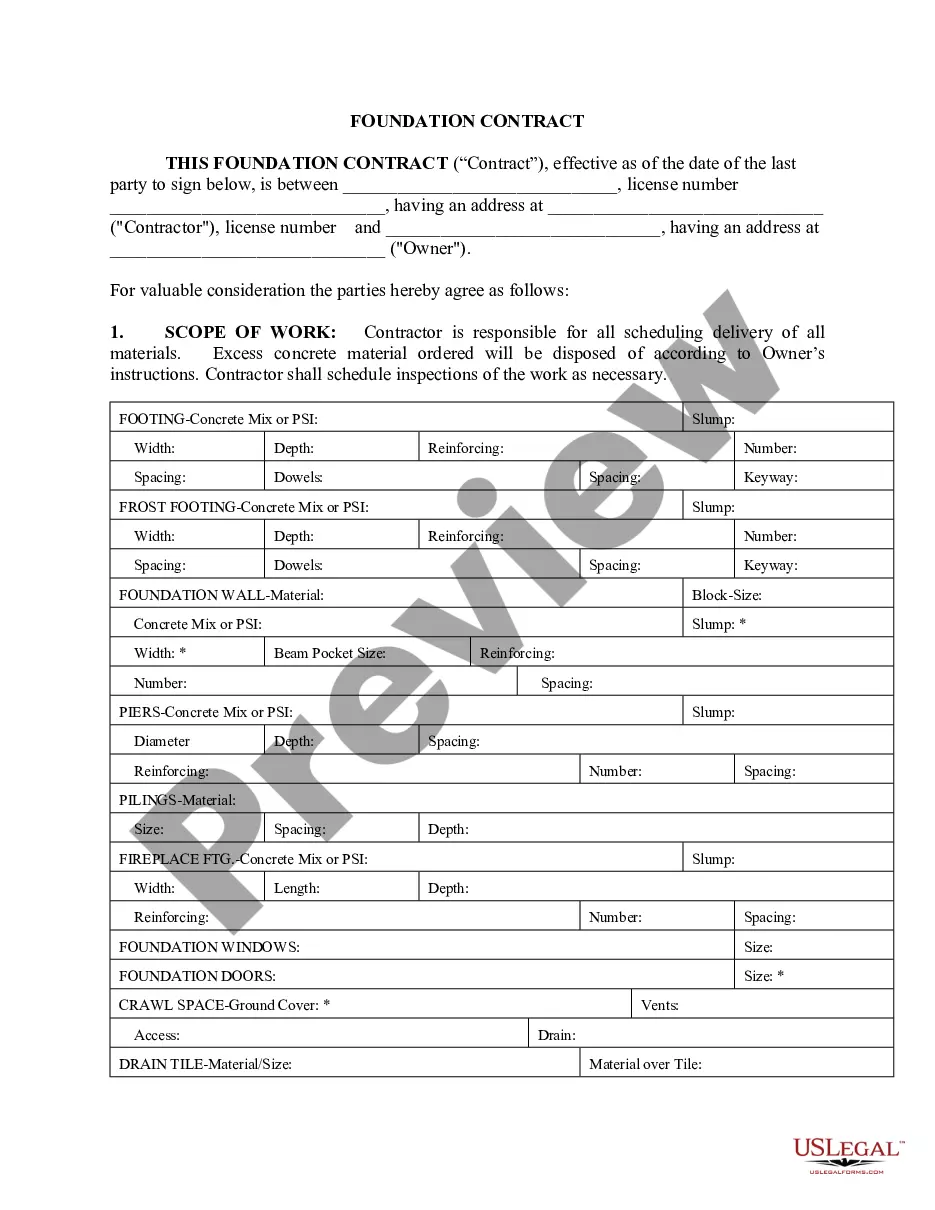
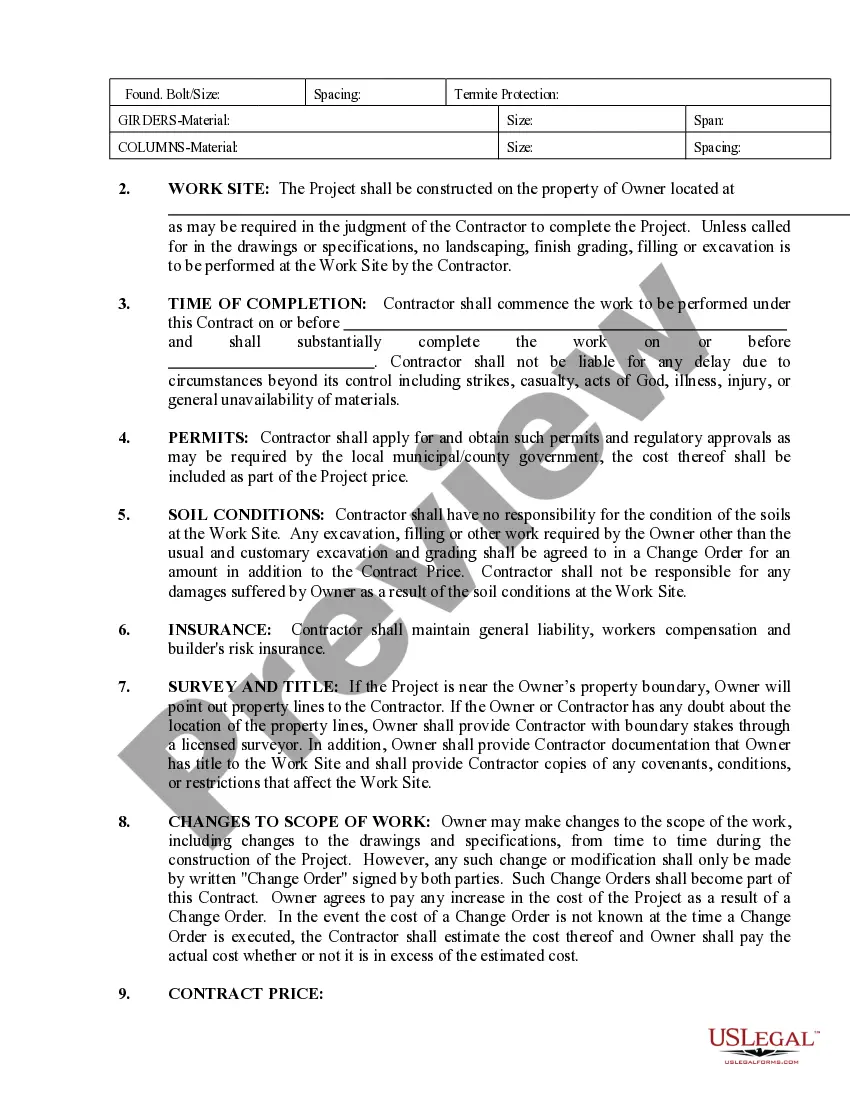
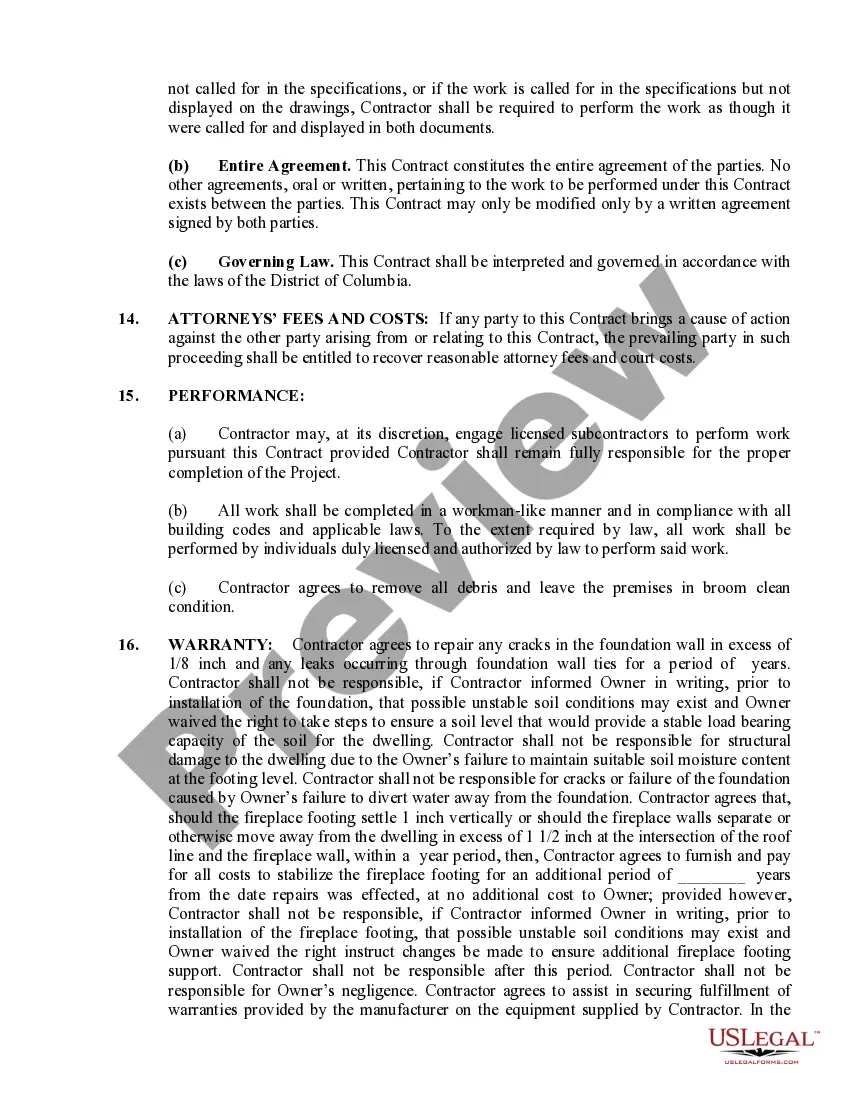
- SCOPE OF WORK: Specifies the contractor's responsibilities, including scheduling and material disposal.
- PERMITS: Details contractor obligations to obtain necessary permits and approvals for construction.
- SOIL CONDITIONS: Defines contractor liability regarding soil conditions and additional work requirements.
- CHANGES TO SCOPE OF WORK: Outlines how changes during the project must be documented and managed.
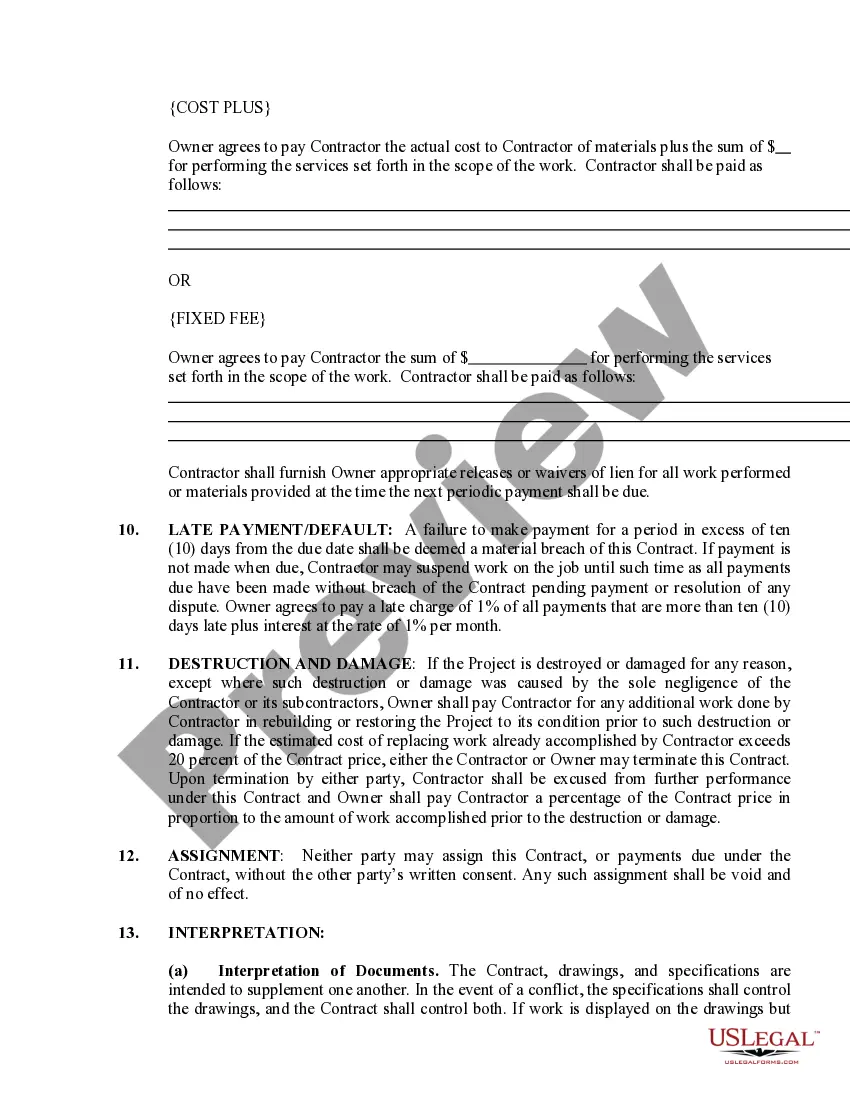
- LATE PAYMENT/DEFAULT: Describes the consequences of late payments and the contractor's right to suspend work.
- INSURANCE: Requires the contractor to carry essential insurance coverage during the project.
Situations where this form applies
This form should be utilized whenever a property owner engages a foundation contractor for construction work. It is especially useful in scenarios involving new constructions, renovations, or repairs that require foundation work, ensuring that all parties understand their responsibilities, payment terms, and procedures for handling unforeseen circumstances or changes in project scope.
Who can use this document
- Property owners seeking to hire a foundation contractor for construction projects.
- Foundation contractors who require a structured contract to formalize agreements with clients.
- Individuals involved in the construction industry who wish to clarify terms and conditions of a foundation project.
How to prepare this document
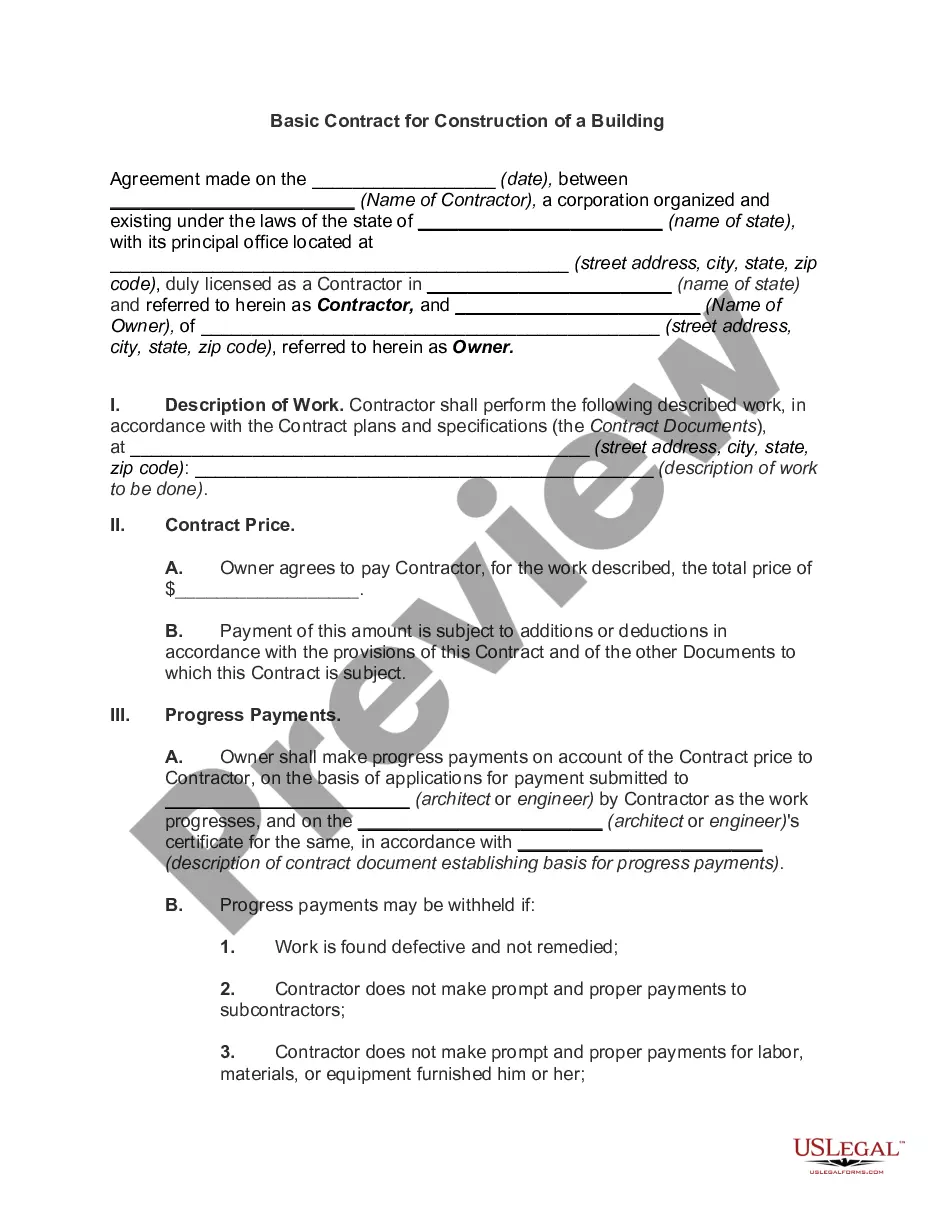
- Identify the parties by entering the contractor's and owner's names, addresses, and license numbers.
- Specify the scope of work to ensure all parties agree on the responsibilities of the contractor.
- Detail payment arrangements, whether cost plus or fixed fee, and include any relevant contract price information.
- Include any necessary change order provisions for adjustments made during the construction project.
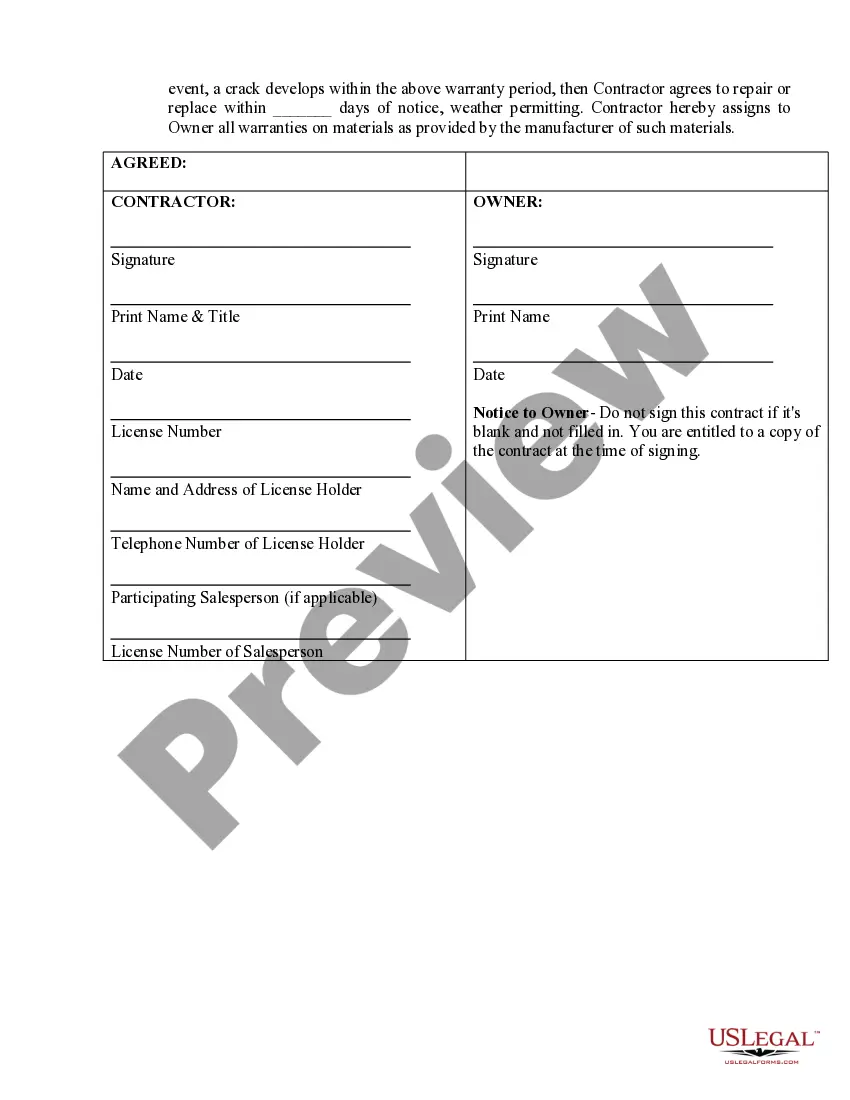
- Review and sign the contract to formalize the agreement, ensuring all required signatures are present.
Notarization guidance
This form does not typically require notarization unless specified by local law. It is advisable to check any specific regulations that may apply to your project.
Get your form ready online
Our built-in tools help you complete, sign, share, and store your documents in one place.
Make edits, fill in missing information, and update formatting in US Legal Forms—just like you would in MS Word.
Download a copy, print it, send it by email, or mail it via USPS—whatever works best for your next step.
Sign and collect signatures with our SignNow integration. Send to multiple recipients, set reminders, and more. Go Premium to unlock E-Sign.
If this form requires notarization, complete it online through a secure video call—no need to meet a notary in person or wait for an appointment.
We protect your documents and personal data by following strict security and privacy standards.

Make edits, fill in missing information, and update formatting in US Legal Forms—just like you would in MS Word.

Download a copy, print it, send it by email, or mail it via USPS—whatever works best for your next step.

Sign and collect signatures with our SignNow integration. Send to multiple recipients, set reminders, and more. Go Premium to unlock E-Sign.

If this form requires notarization, complete it online through a secure video call—no need to meet a notary in person or wait for an appointment.

We protect your documents and personal data by following strict security and privacy standards.
Mistakes to watch out for
- Failing to clearly define the scope of work, leading to misunderstandings about contractor responsibilities.
- Not obtaining the necessary permits before starting work, which can result in legal issues.
- Neglecting to document changes through official change orders, causing disputes over project costs.
- Overlooking insurance requirements, potentially exposing the contractor and owner to liability.
Why use this form online
- Convenience of downloading forms at any time without the need for in-person visits.
- Editability of the template allows customization to meet specific project needs.
- Reliability of forms drafted by licensed attorneys, ensuring legal compliance.
- The Foundation Contract for Contractor is enforceable under the laws of the District of Columbia when completed correctly.
- It is crucial to document any changes in writing through formal change orders to avoid disputes.
- Both parties must comply with local construction regulations and permit requirements to ensure project legality.
- The Foundation Contract establishes clear responsibilities and protections for both contractors and property owners.
- It is essential for managing risks associated with foundation construction and renovation projects.
- Accurate completion of the contract and adherence to local laws are vital for enforceability.
Looking for another form?
Form popularity
FAQ
The five essential elements of a construction contract include offer, acceptance, consideration, competency, and legality. Each element plays a crucial role in ensuring that the contract is valid and enforceable. Specifically, clarity in obligations and responsibilities under the District of Columbia Foundation Contract for Contractor enhances adherence among parties. Make sure each element is well-defined to minimize issues.
One of the most ignored clauses in a construction contract is the dispute resolution clause. Parties often overlook its significance until a conflict arises. Without this clause, resolving disputes can become complicated, leading to delays and increased costs. A well-defined dispute resolution process within a District of Columbia Foundation Contract for Contractor can save time and resources.
When writing construction contracts, avoid vague language that can lead to misunderstandings among parties. Skipping over crucial details, such as payment schedules and project timelines, can result in disputes later on. Additionally, failing to include an amendment clause can complicate necessary changes during the project. The District of Columbia Foundation Contract for Contractor is useful in ensuring that essential details are consistently included.
Writing a simple construction contract begins with defining the project scope clearly. Next, outline terms regarding payment, timelines, and responsibilities of each party involved. Ensure to include clauses on dispute resolution and termination to make the contract comprehensive. For ease of use, the District of Columbia Foundation Contract for Contractor can serve as a useful template, providing guidance and structure.
A poorly written construction contract can lead to numerous issues, including ambiguity in key terms, missing important clauses, and lacking clear timelines. Additionally, failed communication about payment terms and responsibility for delays can contribute to misunderstandings. Finally, using vague language without defined roles can damage relationships. The District of Columbia Foundation Contract for Contractor provides clarity and structure, which can help avoid these pitfalls.
A construction contract can be voided for several reasons. For instance, if one party does not fulfill their obligations, it may lead to the contract being deemed unenforceable. Additionally, if there is a lack of consideration, mutual mistake, or illegal purpose involved in the agreement, it can also void the contract. Understanding these factors is vital, as a District of Columbia Foundation Contract for Contractor must be enforced to protect all parties.
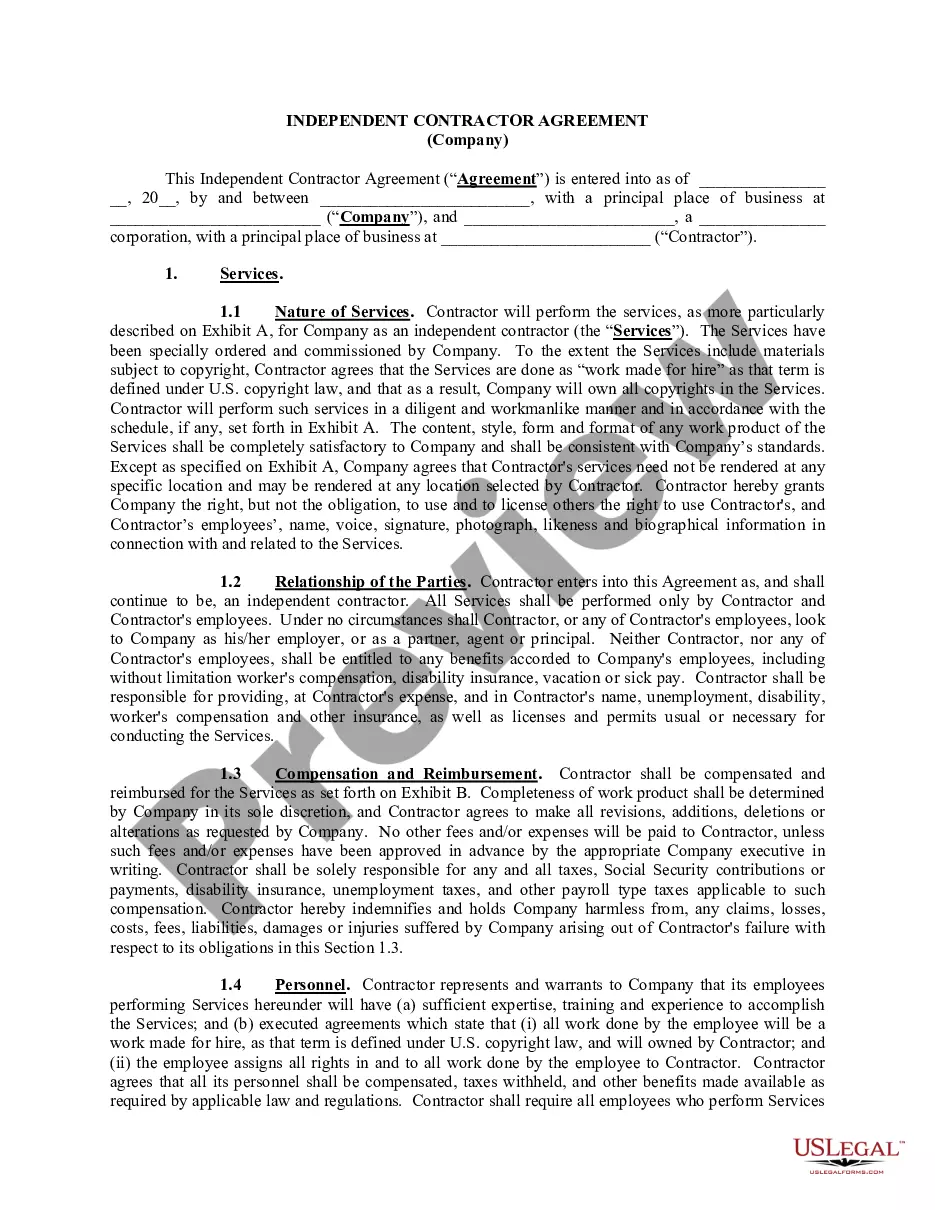
To write an independent contractor agreement, begin by identifying the parties involved and the work to be accomplished. Clearly define payment terms, responsibilities, and any timelines. Make sure to incorporate any specific requirements from the District of Columbia Foundation Contract for Contractor to ensure compliance and clarity.
Both the contractor and the hiring party should sign the independent contractor agreement. This mutual agreement signifies that both parties understand and accept the terms outlined in the contract. In the context of the District of Columbia Foundation Contract for Contractor, having both signatures helps ensure enforceability.
It is common for contractors to request a deposit, often around 50%, to secure the project and cover initial costs. This practice provides some assurance to the contractor that they will be compensated for their work. When considering a District of Columbia Foundation Contract for Contractor, be sure to clearly outline payment terms to protect both parties.
Yes, contractors must be licensed in Washington, DC, depending on the type of work they perform. Licensing helps maintain standards and protects consumers. If you are using the District of Columbia Foundation Contract for Contractor, ensure that the contractor’s license is valid to avoid any legal issues.