Colorado Residential Rental Lease Agreement
About this form
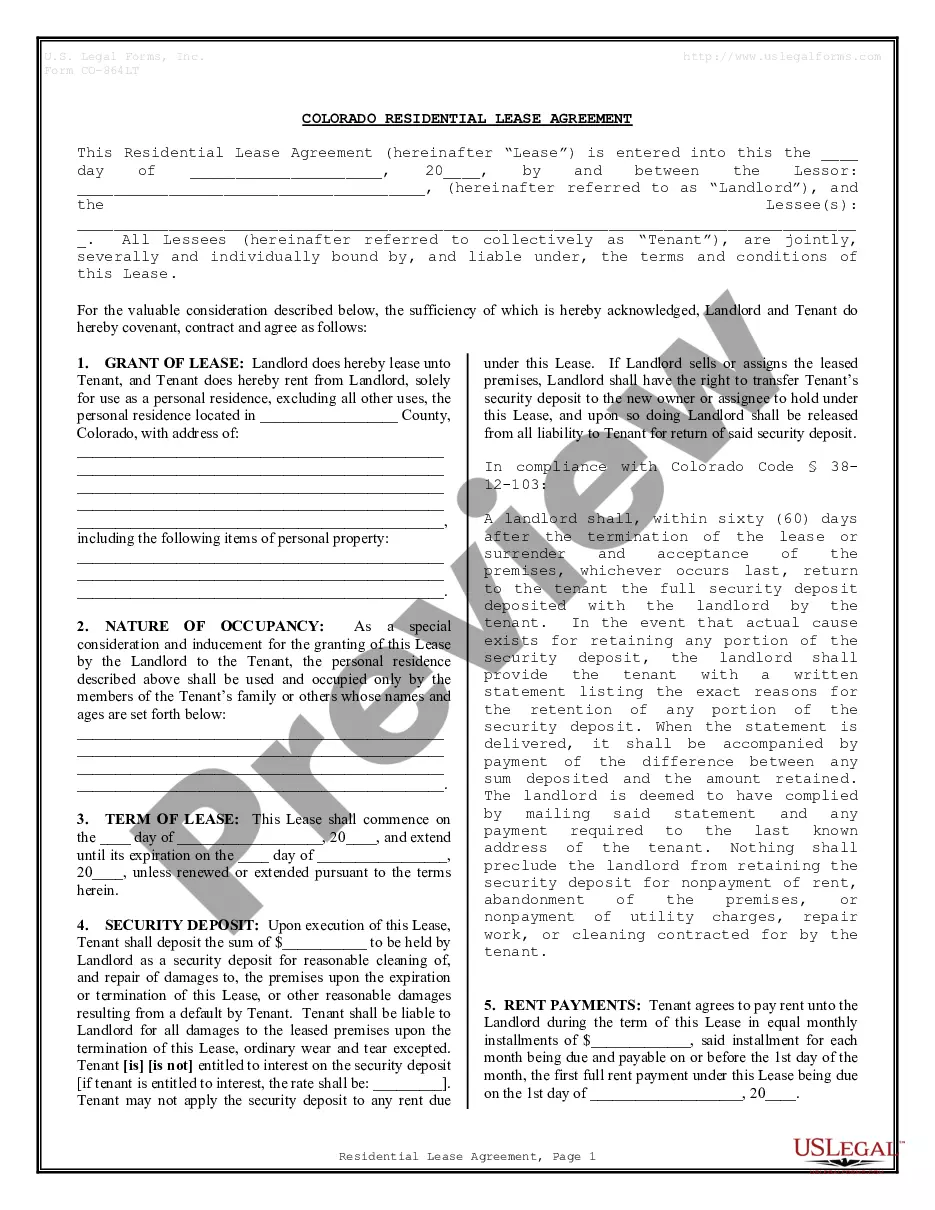
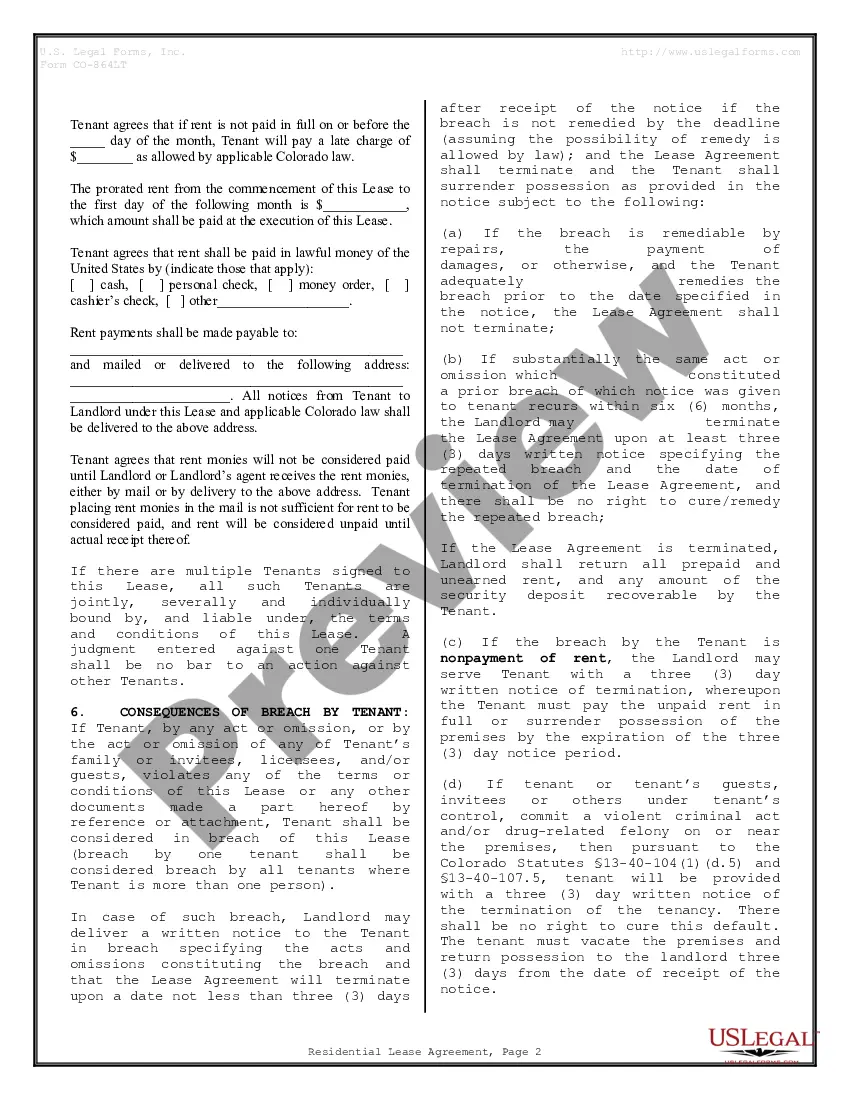
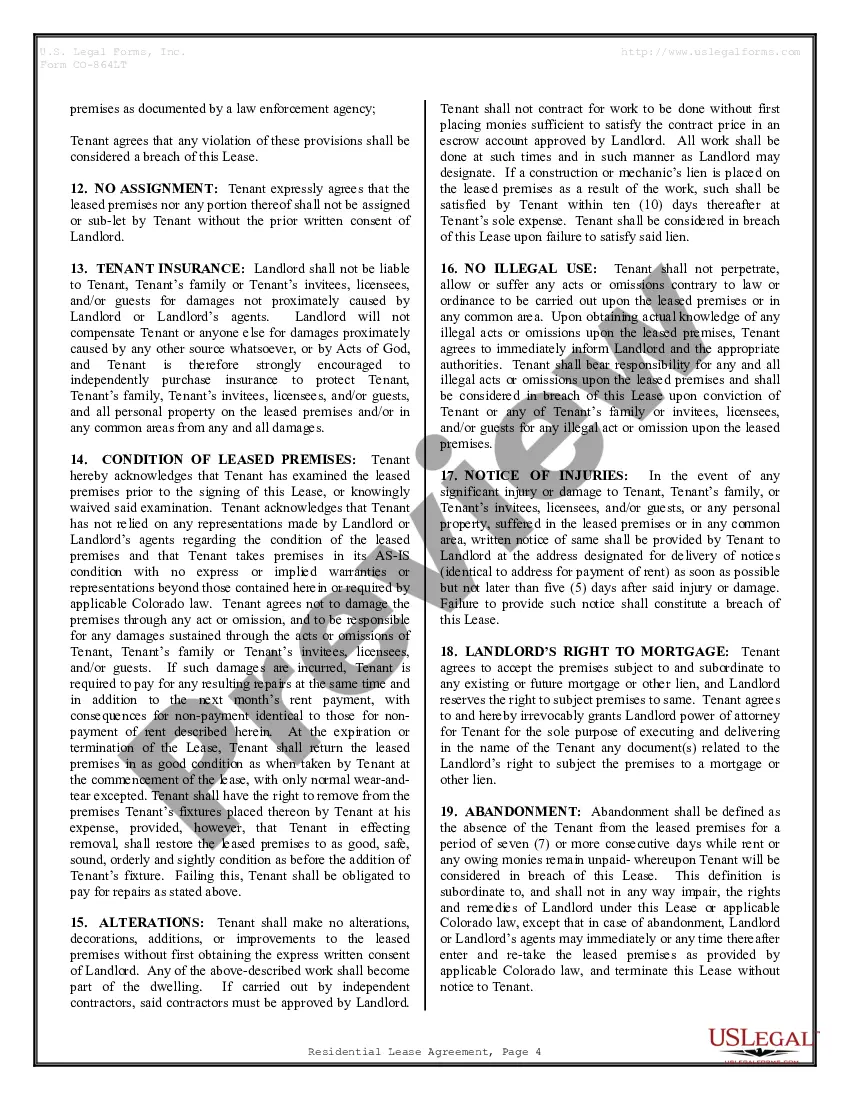
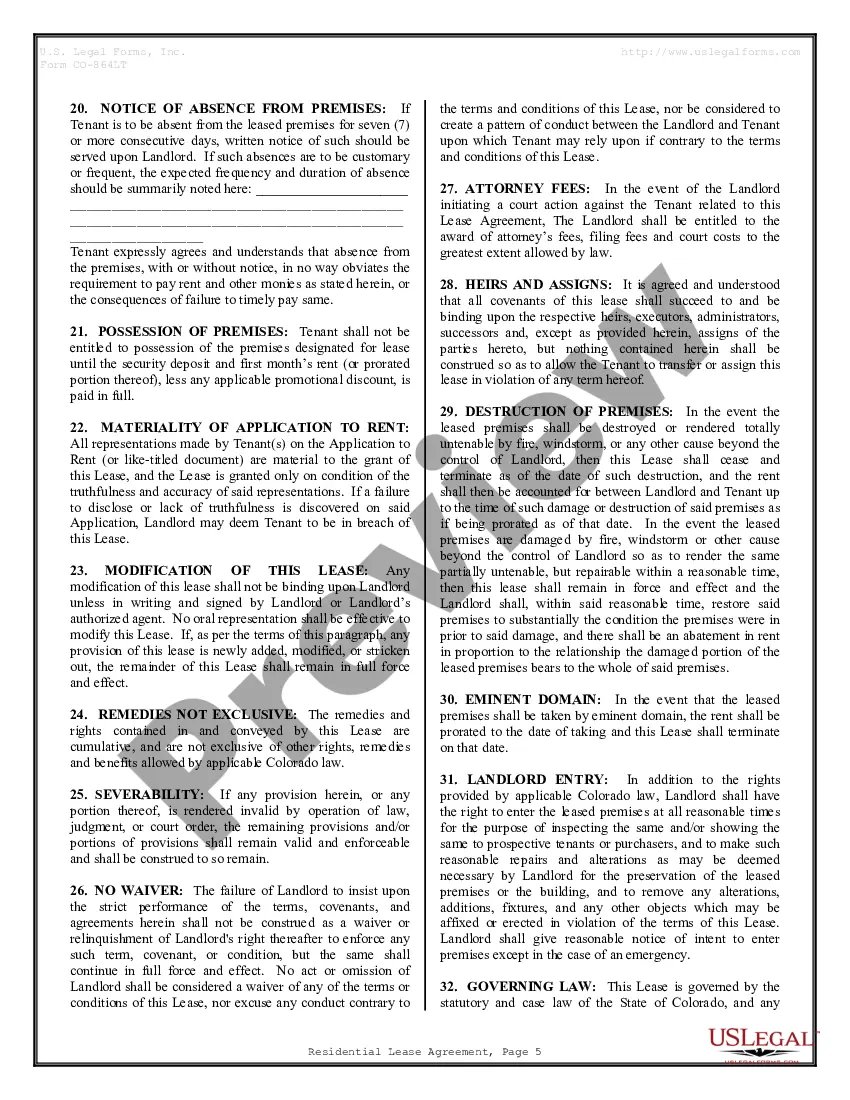
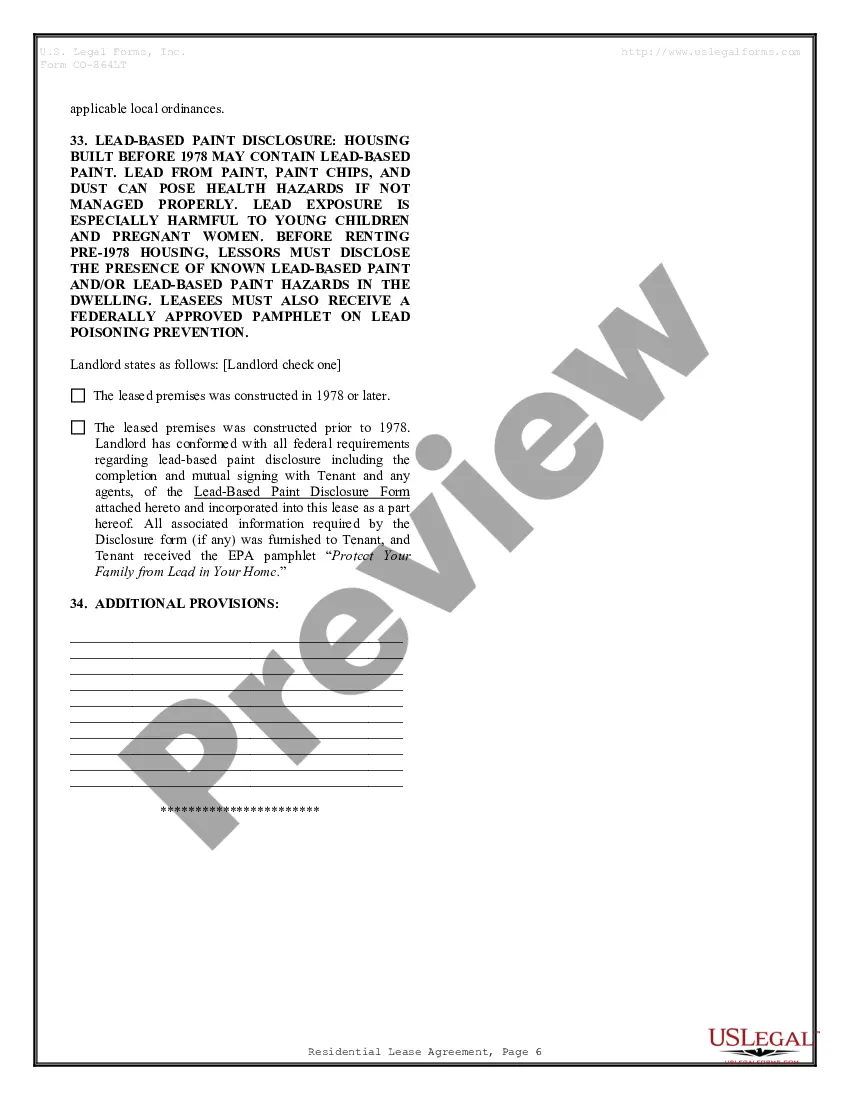
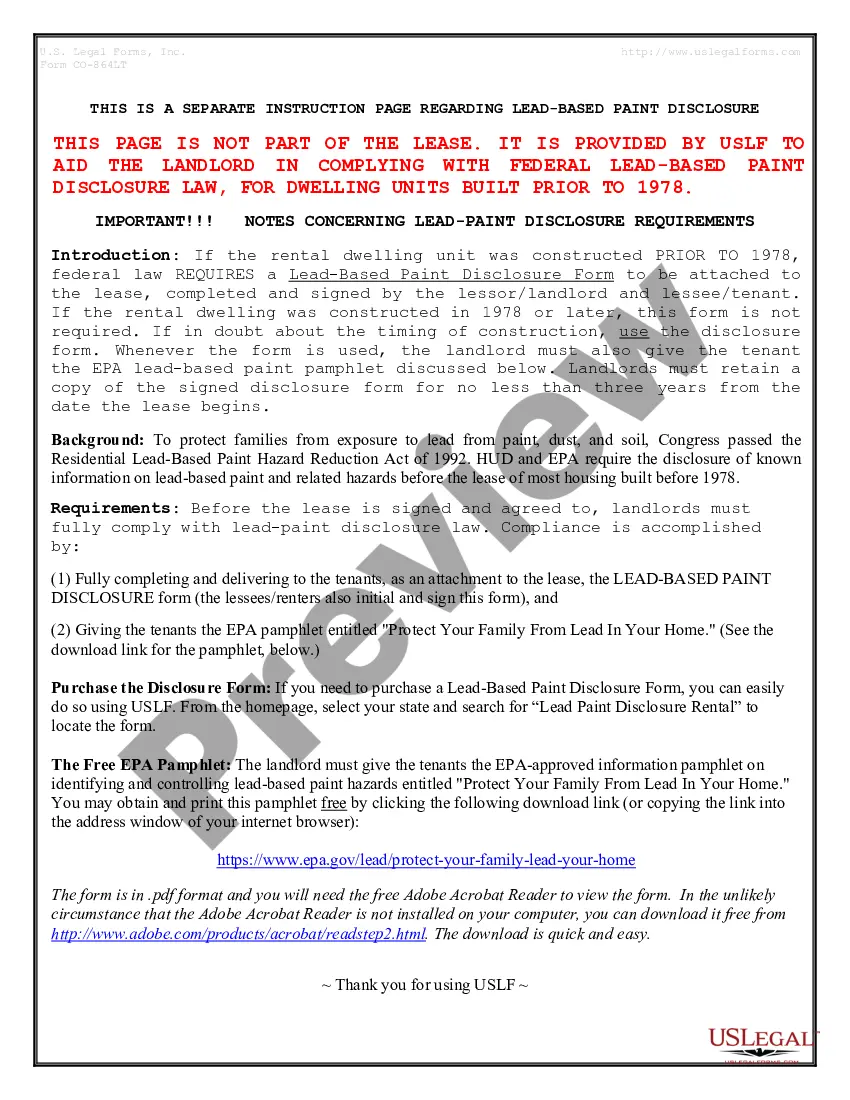
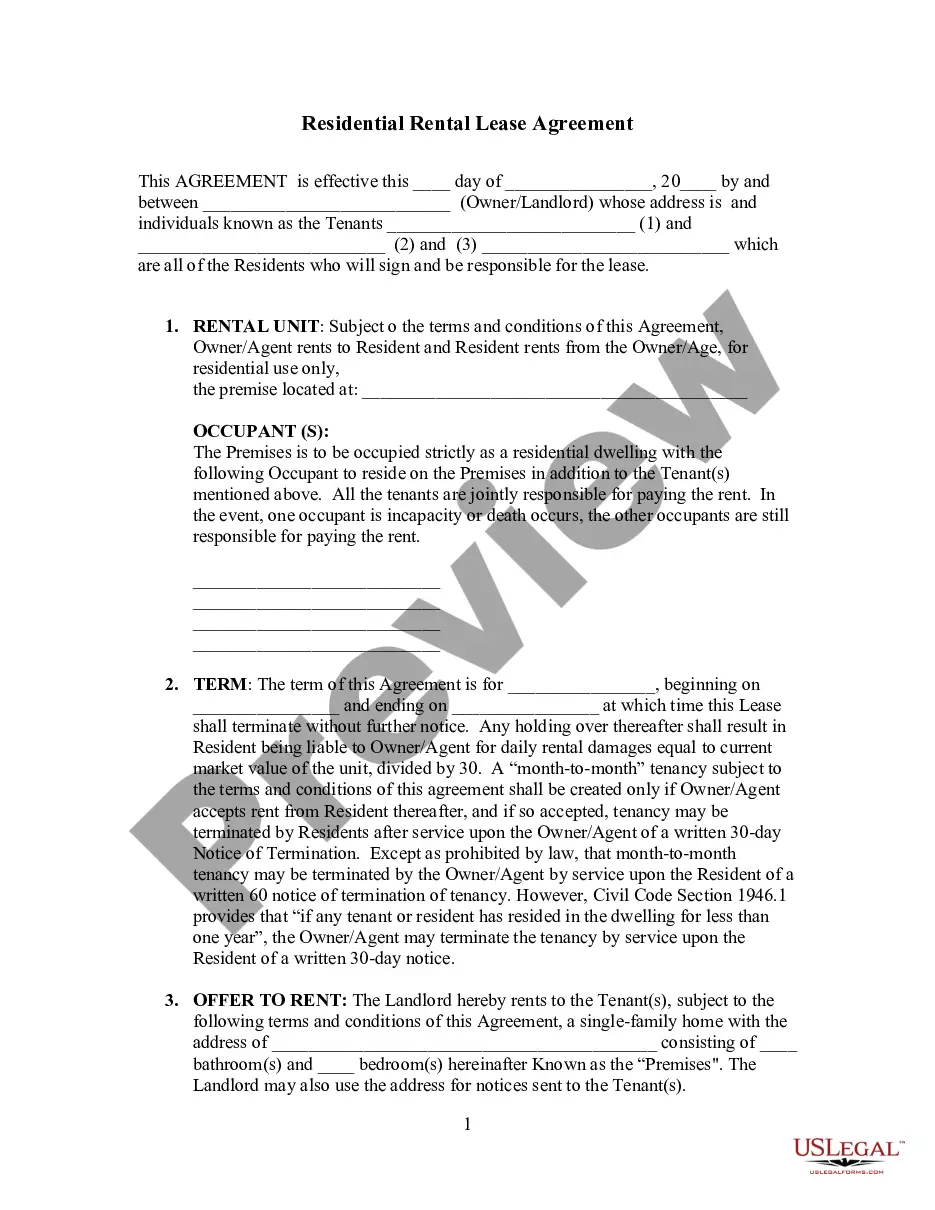
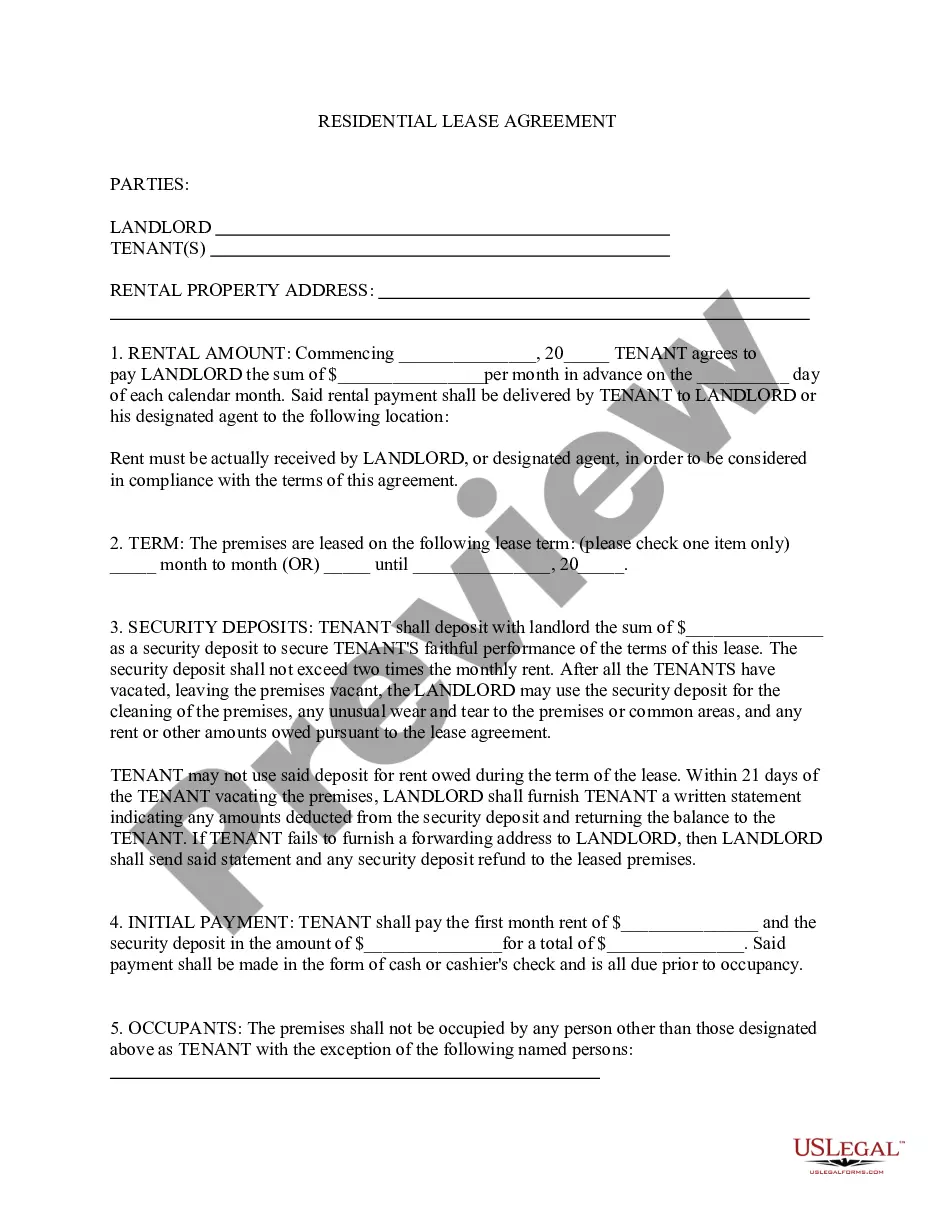
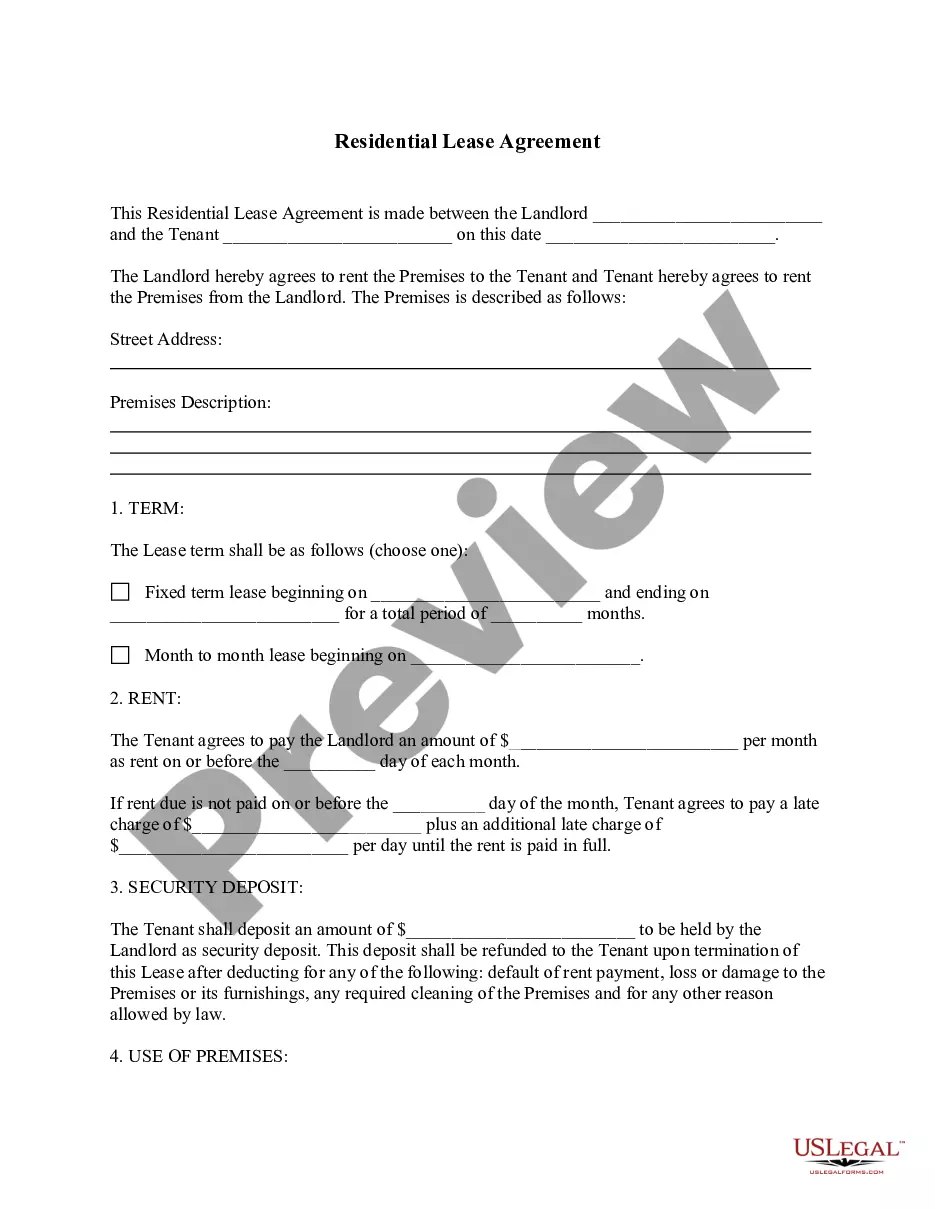
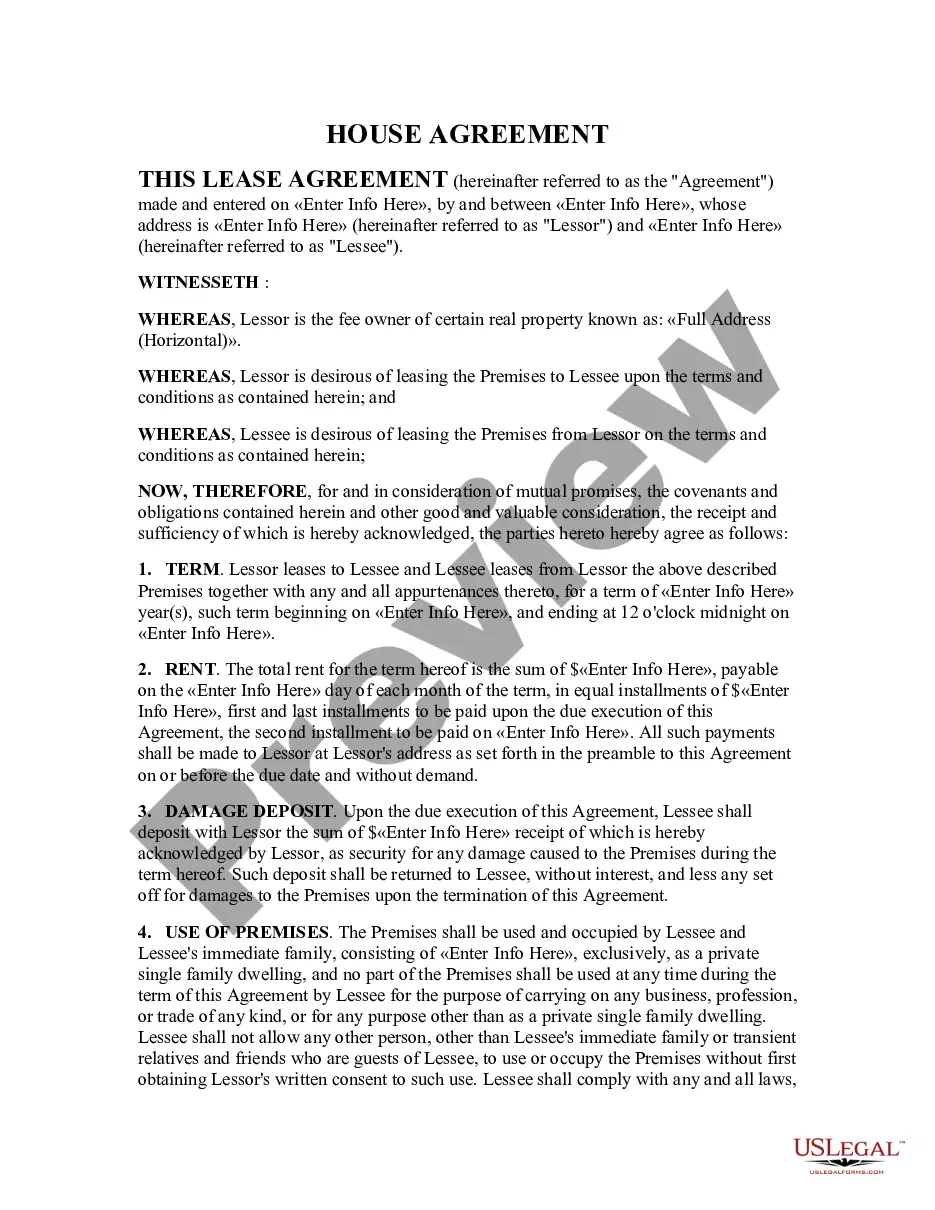
This Residential Rental Lease Agreement is a legally binding contract between a landlord and tenant outlining the terms of renting residential property. It provides a structured format for establishing rights and obligations regarding the rental agreement, including duration, rent amount, security deposit, and rules of occupancy. Unlike informal agreements, this lease is drafted by licensed attorneys, ensuring it meets legal requirements and protects both partiesâ interests.
Key components of this form
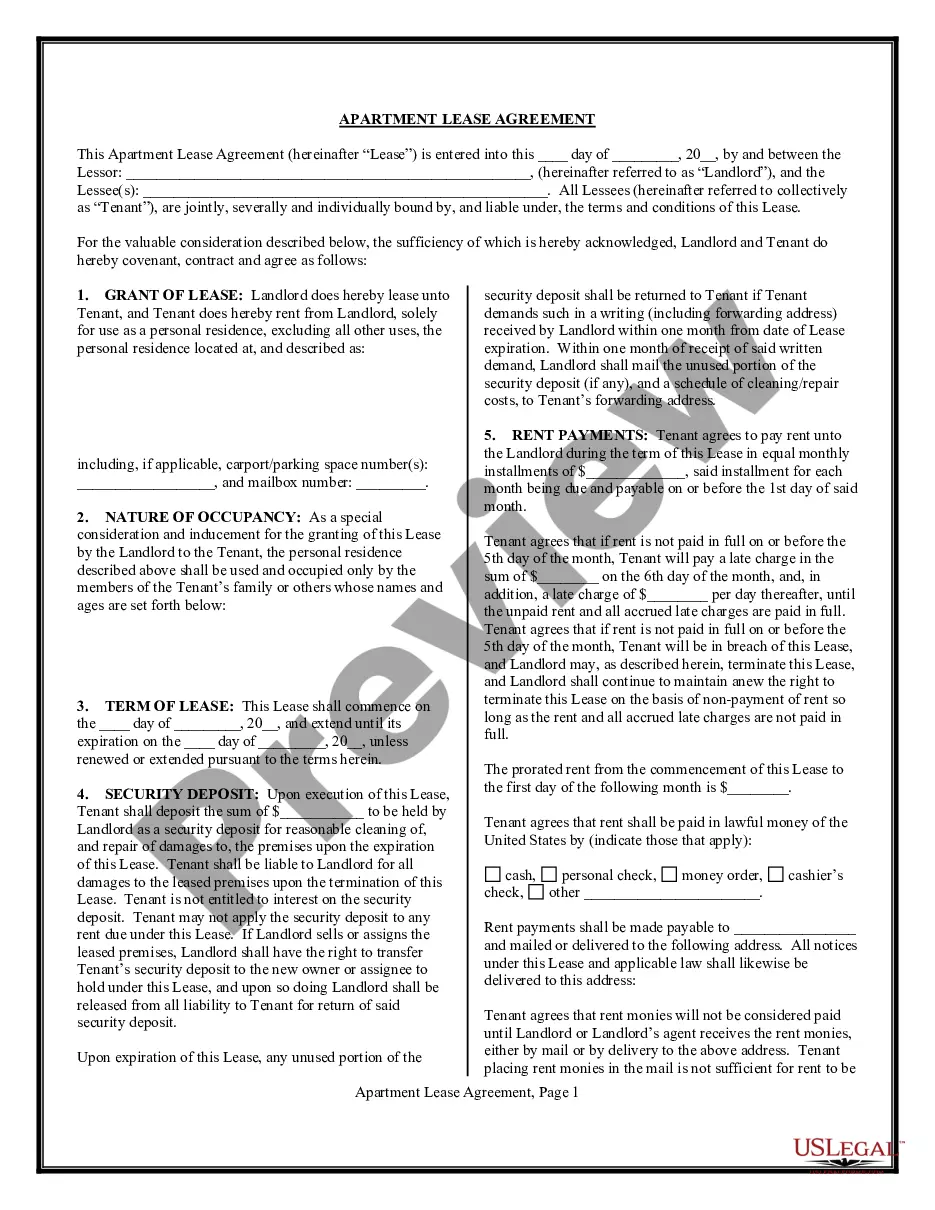
- Grant of Lease: Defines the property rented and its intended use.
- Term of Lease: Specifies the duration of the rental agreement.
- Security Deposit: Outlines the terms for holding and returning the security deposit.
- Rent Payments: Details the monthly rent amount, due dates, and payment methods.
- Consequences of Breach: Explains potential repercussions for breaking the lease terms.
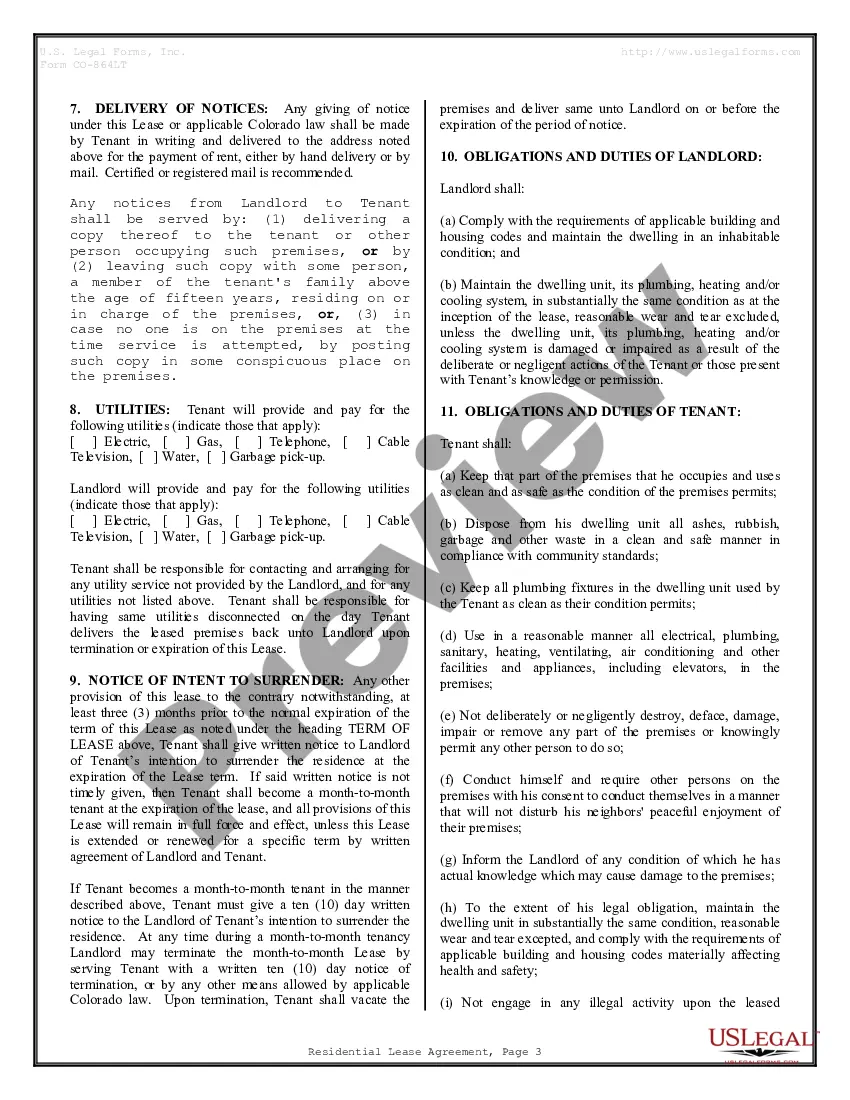
- Obligations of Landlord and Tenant: Lists the responsibilities each party has during the lease.


When to use this document
This Residential Rental Lease Agreement should be used whenever a landlord and tenant enter into a rental arrangement for a residential property. It is suitable for various rental scenarios, whether leasing a single-family home, apartment, or multi-family unit. This form is particularly important to establish clear expectations and legal protections for both parties, especially when renting for a defined period, such as one year or more.
Who this form is for
Who should use this form:
- Landlords seeking to lease their residential property.
- Tenants renting a residential unit and wanting to protect their rights.
- Real estate agents or property managers facilitating rental agreements.
How to complete this form
Steps to complete this form:
- Identify the parties: Enter the names of the landlord (Lessor) and tenant (Lessee).
- Specify the property: Fill in the address and details of the rental property.
- Set the term of lease: Indicate the starting and ending dates of the lease.
- Outline rent and payment terms: Specify the rental amount and payment methods.
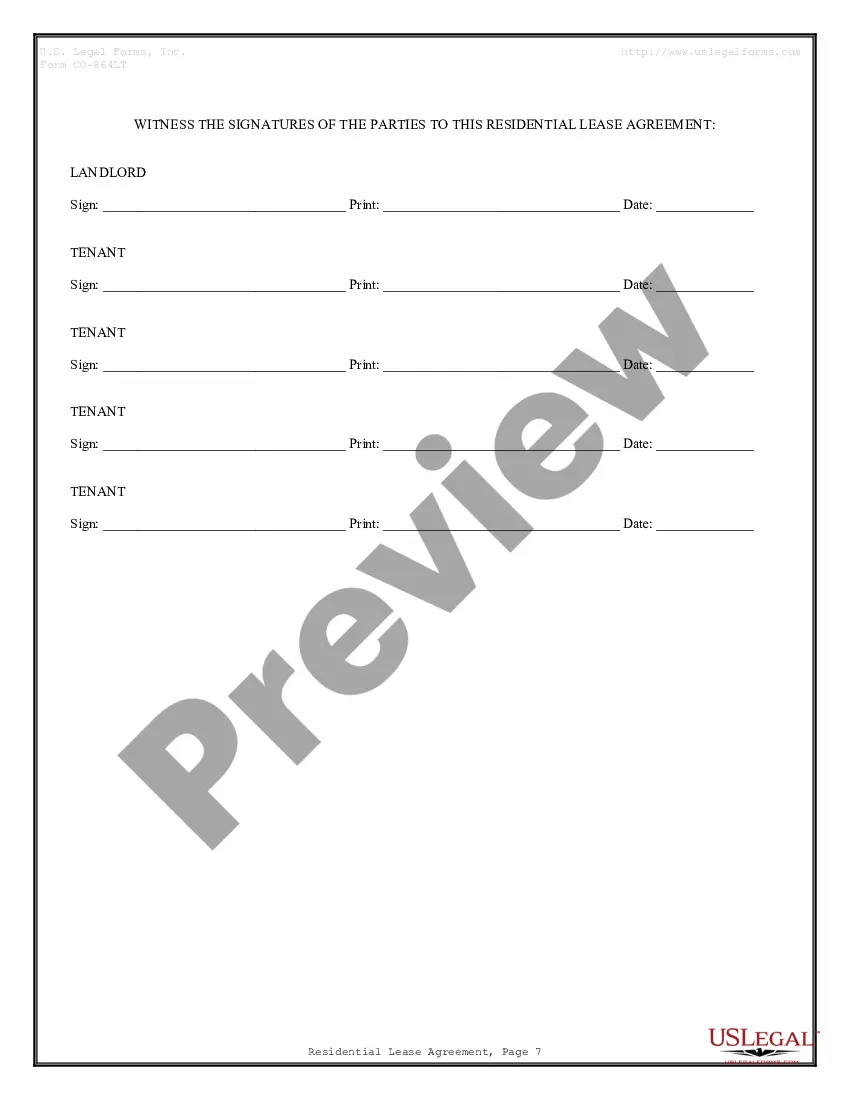
- Sign and date: Ensure all parties sign the agreement and date it appropriately.
Does this document require notarization?
This form does not typically require notarization unless specified by local law. In most cases, simply ensuring all parties' signatures are present is sufficient for legal validity.
Get your form ready online
Our built-in tools help you complete, sign, share, and store your documents in one place.
Make edits, fill in missing information, and update formatting in US Legal Forms—just like you would in MS Word.
Download a copy, print it, send it by email, or mail it via USPS—whatever works best for your next step.
Sign and collect signatures with our SignNow integration. Send to multiple recipients, set reminders, and more. Go Premium to unlock E-Sign.
If this form requires notarization, complete it online through a secure video call—no need to meet a notary in person or wait for an appointment.
We protect your documents and personal data by following strict security and privacy standards.

Make edits, fill in missing information, and update formatting in US Legal Forms—just like you would in MS Word.

Download a copy, print it, send it by email, or mail it via USPS—whatever works best for your next step.

Sign and collect signatures with our SignNow integration. Send to multiple recipients, set reminders, and more. Go Premium to unlock E-Sign.

If this form requires notarization, complete it online through a secure video call—no need to meet a notary in person or wait for an appointment.

We protect your documents and personal data by following strict security and privacy standards.
Avoid these common issues
Common mistakes to avoid:
- Failing to complete all required fields, such as the property address and rent amount.
- Not discussing or agreeing on key terms, like the duration of the lease or security deposit amount, before signing.
- Neglecting to keep a copy of the signed lease for personal records.
Benefits of using this form online
Benefits of using this form online:
- Convenience: Download and complete the lease agreement at your own pace.
- Editability: Customize the lease to suit specific rental situations and needs.
- Reliability: Forms are drafted by licensed attorneys, ensuring legal compliance and protection.
Legal use & context:
- This lease agreement is enforceable under Colorado law, providing both parties with legal protections.
- It clearly states obligations and rights, reducing the risk of disputes during the tenancy.
- Understanding the terms is crucial to ensure compliance with local rental laws.
Quick recap
Key takeaways:
- The Residential Rental Lease Agreement is essential for establishing a formal rental relationship.
- It includes vital components such as terms of lease, security deposits, and tenant responsibilities.
- Using this form promotes clarity and adherence to legal standards, protecting both landlord and tenant.
Looking for another form?
Form popularity
FAQ
Yes, you can create your own lease agreement in Colorado, but it’s important to ensure it meets legal requirements. A well-drafted Colorado Residential Rental Lease Agreement includes essential components like property details, rent amount, and it defines both parties' rights. Using platforms like US Legal Forms can simplify this process by providing templates and guidance to ensure your lease is legally sound and comprehensive.
The most common residential lease in Colorado is the standard lease agreement, which outlines tenant and landlord responsibilities. This simple yet comprehensive document aids in setting expectations for both parties. Many landlords use the Colorado Residential Rental Lease Agreement to cover essential terms, including rent, duration, and security deposit conditions. This lease serves as a beneficial tool in rental transactions.
Colorado has a balanced approach to landlord-tenant laws, offering protections to both parties. Tenants enjoy rights that are outlined in the Colorado Residential Rental Lease Agreement, such as the right to habitable housing and fair treatment. However, landlords also have rights to ensure they can manage their properties effectively. Understanding these laws helps tenants and landlords maintain a positive rental relationship.
Filling out the residential lease inventory and condition form requires attention to detail. Begin by carefully inspecting the property and documenting its condition. Ensure you note any existing damages or issues while completing the Colorado Residential Rental Lease Agreement. This form protects both you and your tenant by providing a clear understanding of the property's condition at the start of the lease.
The new law for renters in Colorado focuses on enhancing tenant protections, including limiting the reasons a landlord can evict tenants. It also improves security deposit terms and introduces clearer notice requirements for rent increases. Familiarizing yourself with these laws will empower you when entering a Colorado Residential Rental Lease Agreement and help you advocate for your rights.
In Colorado, there is no state-mandated cap on rent increases, meaning landlords can typically set rents as they see fit. However, certain municipalities may have their own regulations, so it's essential to check local laws. Knowing the rental market and ensuring your lease aligns with a Colorado Residential Rental Lease Agreement can provide peace of mind.
The most common type of lease for residential rentals is a month-to-month or yearly lease agreement. A month-to-month agreement offers flexibility, while a year-long lease provides stability for both parties. Whether you choose one option or the other, understanding the specifics of your Colorado Residential Rental Lease Agreement is crucial.
Recent legislation has introduced new renters' rights in Colorado, enhancing tenant protections. These include the right to request repairs in a timely manner and protections against unreasonable rent increases. Staying informed about these changes when signing a Colorado Residential Rental Lease Agreement can help you navigate your rights effectively.
As a renter in Colorado, you have the right to a habitable living space, meaning your landlord must maintain the property according to health and safety codes. You also have the right to privacy, and landlords must provide notice before entering your rental. Understanding these rights is essential when working under a Colorado Residential Rental Lease Agreement.
In Colorado, leases do not need to be notarized; they are valid as long as both parties sign them. Notarization can enhance security and authenticity, especially for a Colorado Residential Rental Lease Agreement. Consider using reputable platforms like uslegalforms to ensure your lease meets all requirements.